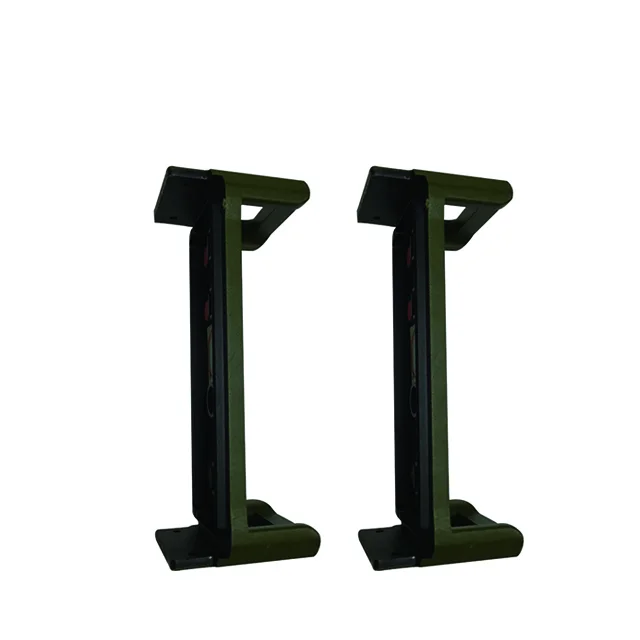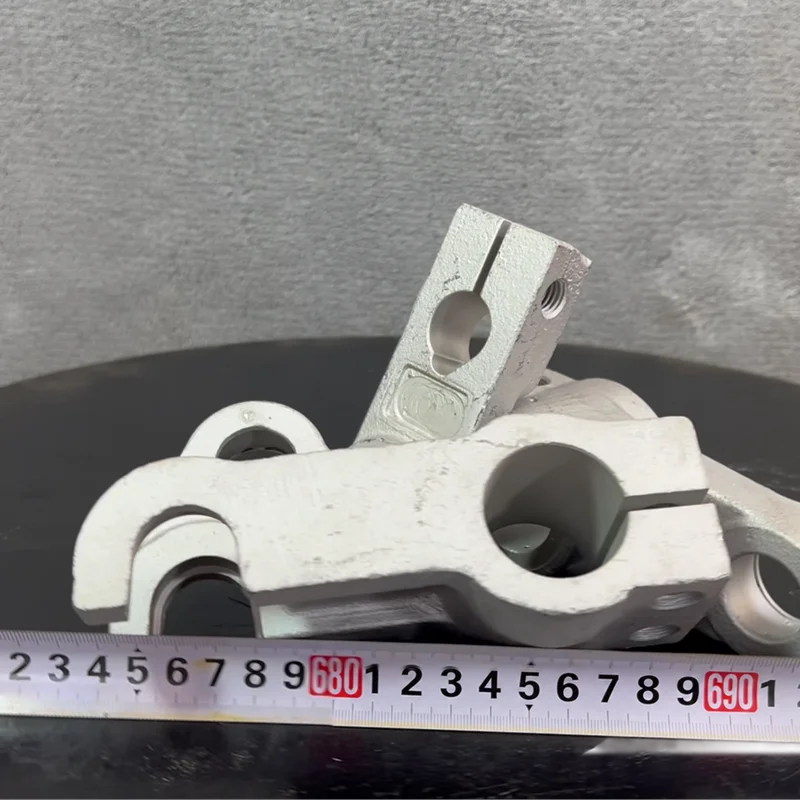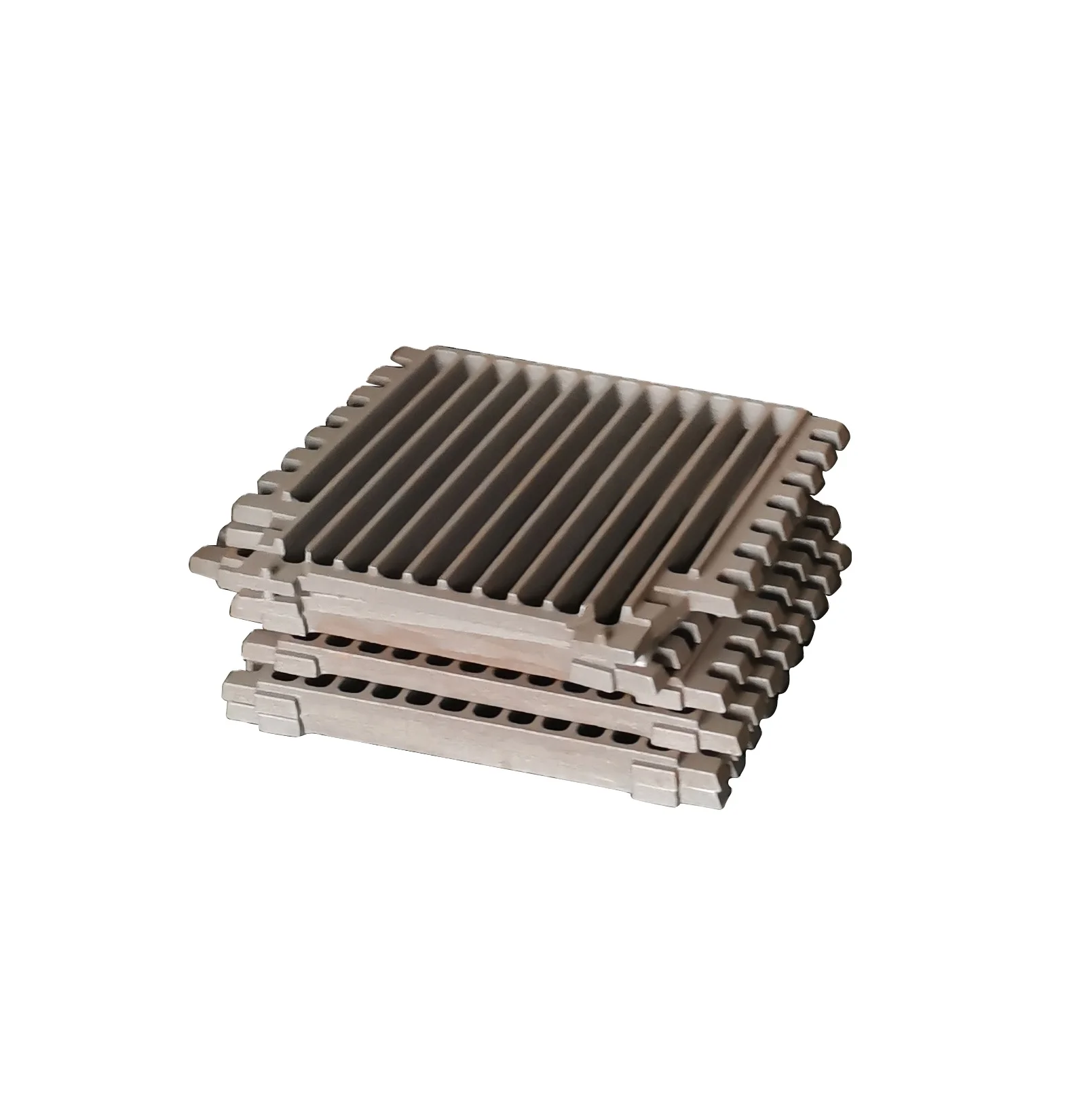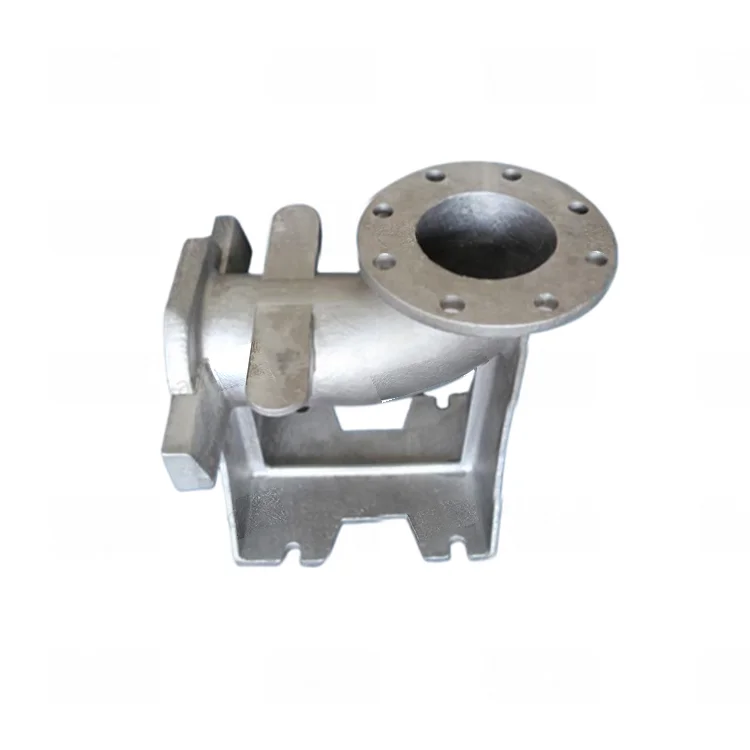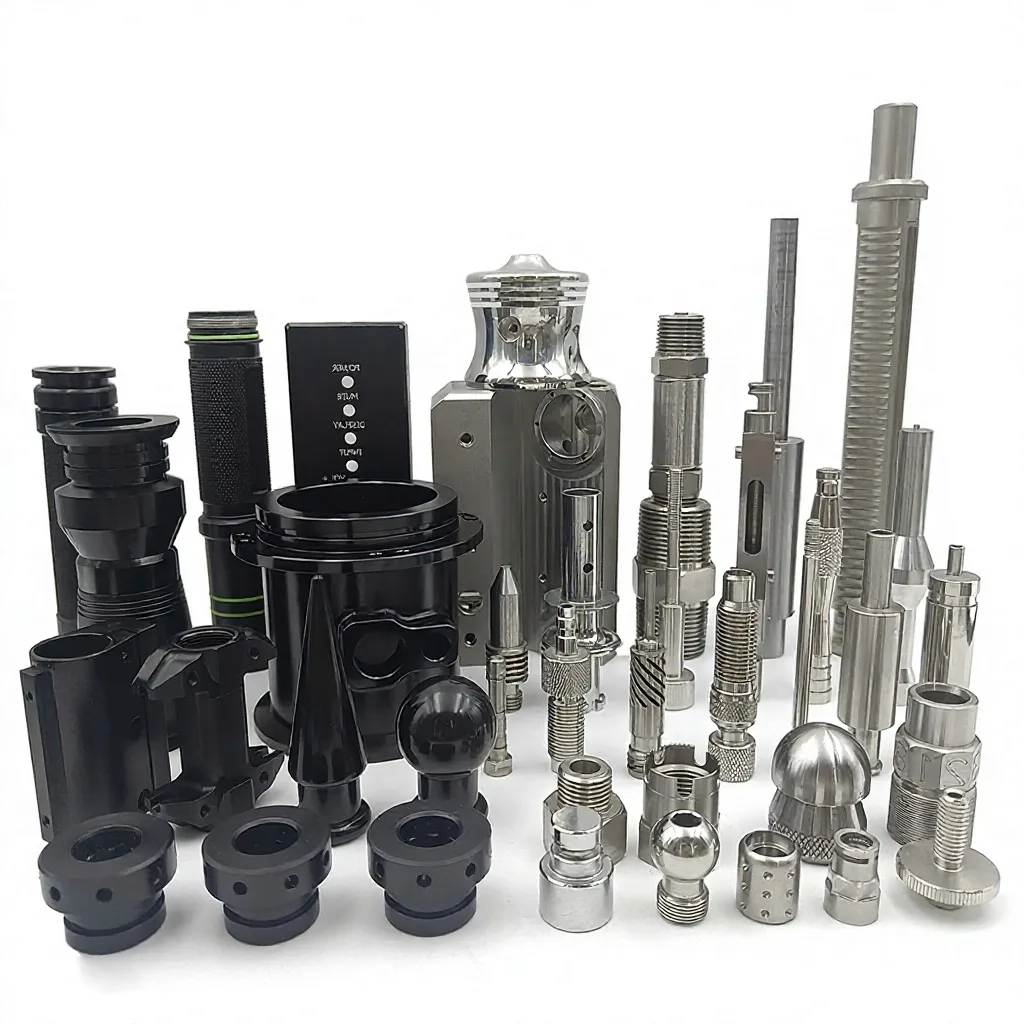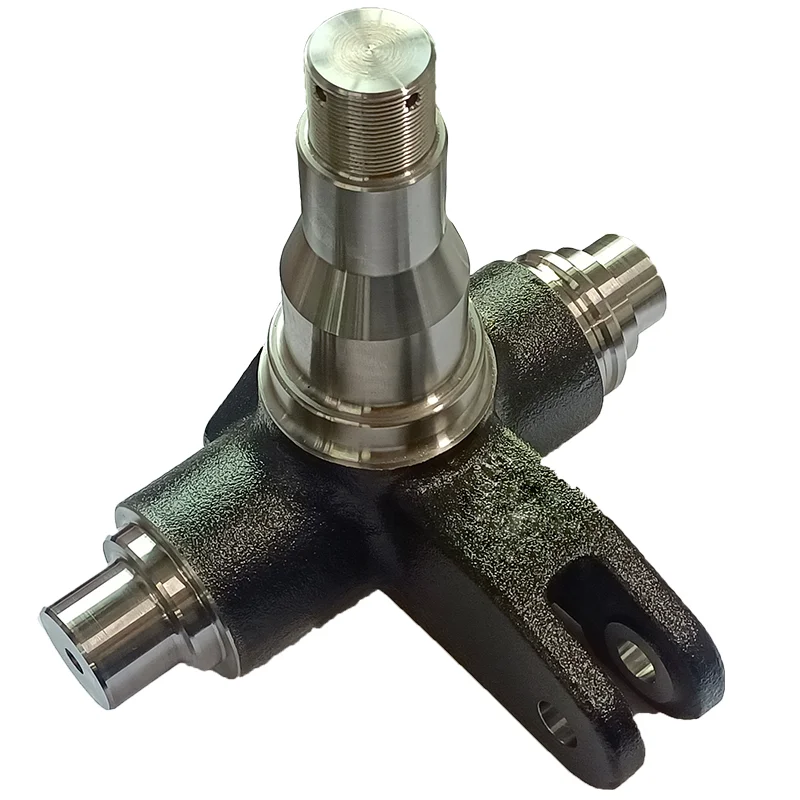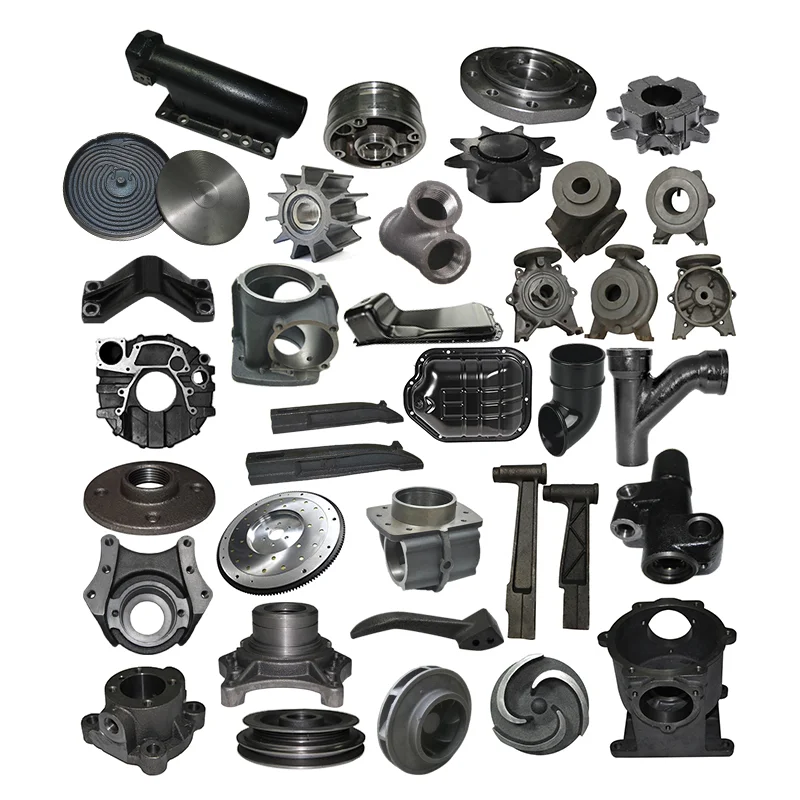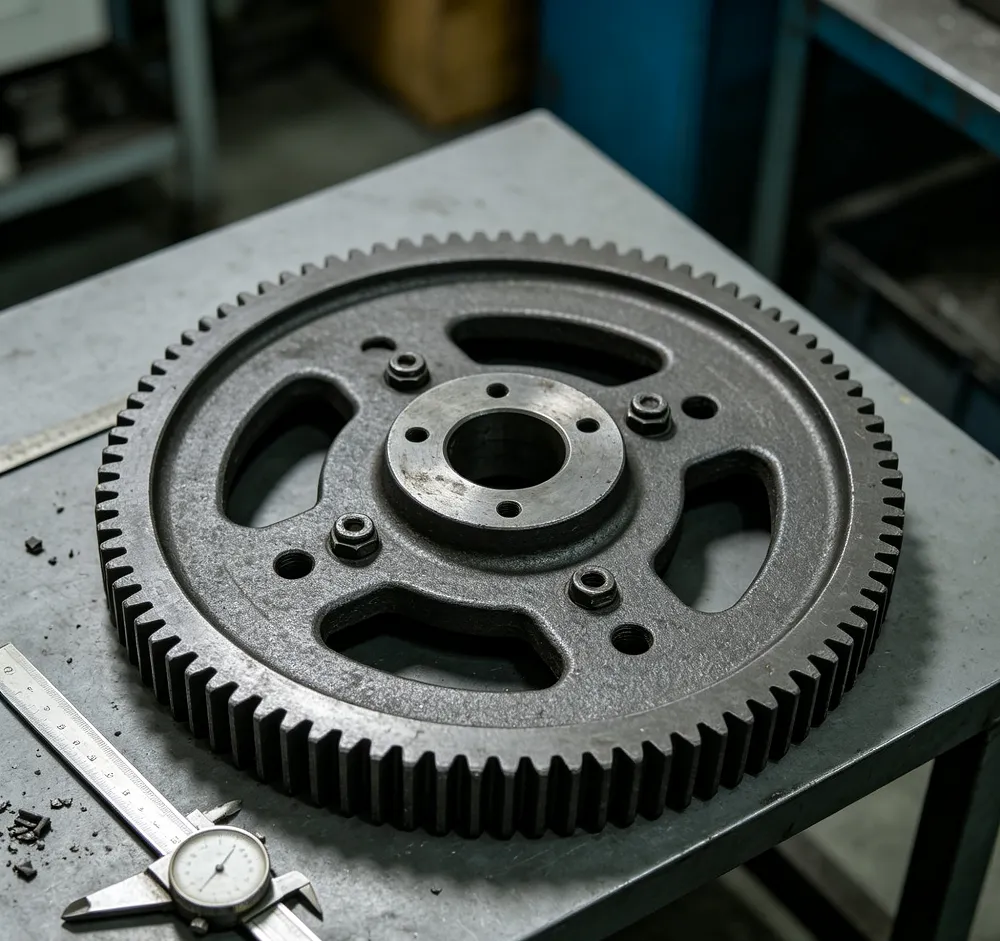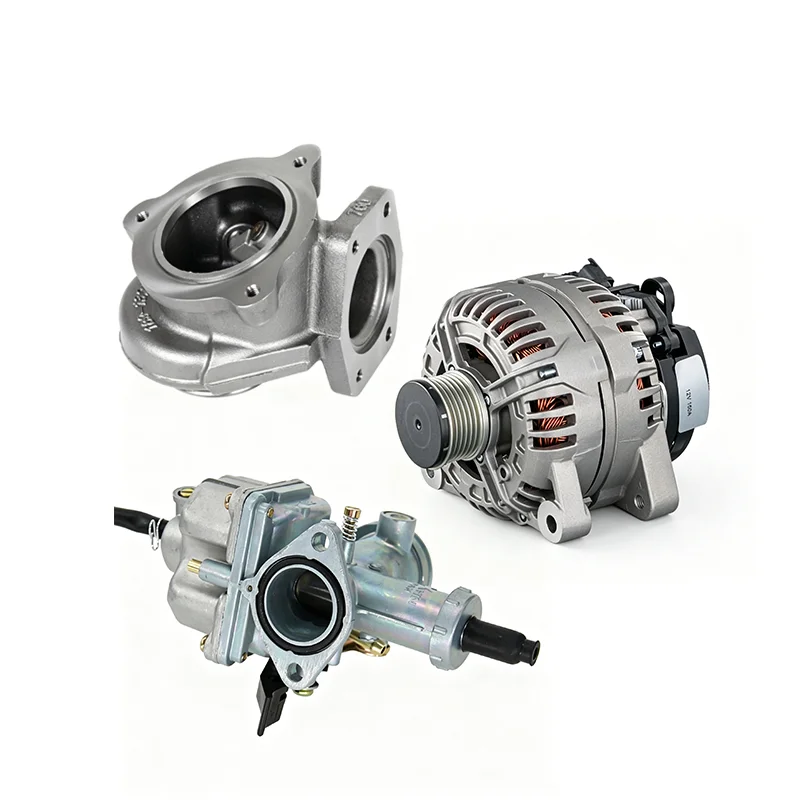
Custom Polished 316L Stainless Steel Sand Cast Parts with Precision Machining and One Stop Foundry Services
Direct factory support
Get a quote that fits your project
Send your drawing or product reference, material grade and required quantity. Relia will review the requirements with you.
- Drawing & specification review
Confirm the supply scope and critical requirements.
- Samples before custom production
Review inspected samples before approving a batch.
- Inspection documents
Agree material and dimensional records for your part.
-
Surface treatmentPolishing
Polished 316L stainless-steel components can be requested through custom sand casting and precision machining. Define the part to be supplied and the required material specification. A one-stop foundry enquiry should connect the casting geometry, machined interfaces and polished result within one clear component brief.
State what the finished component must fit
Show the assembly connections and geometry locating the part against neighboring components. Identify the datum system and dimensional limits used for acceptance. Mark which interfaces require machining and which areas are assessed in their cast condition, with the measurement stage made clear.
Locate the polished surfaces
Identify the visible and functional faces requiring polishing. Describe the appearance reference or surface criteria needed for those areas, including any boundary where another contact condition is required. Relate the polished result to the drawing so the finish can be evaluated on the correct geometry.
- Specify the governing 316L material requirement.
- Provide quantity and the controlled revision.
- Mark cast and finished-interface boundaries.
- Define material and dimensional records.
- Identify the appearance sample’s intended role.
Agree acceptance for the complete supply
Set the machining and polishing work included in the quotation and the checks needed to approve the delivered part. Where a reference component is provided, identify wear or damage and state which design data governs the intended shape. Keep sample and production approval attached to the same grade, geometry and final surface, giving the custom component a reproducible supply definition.