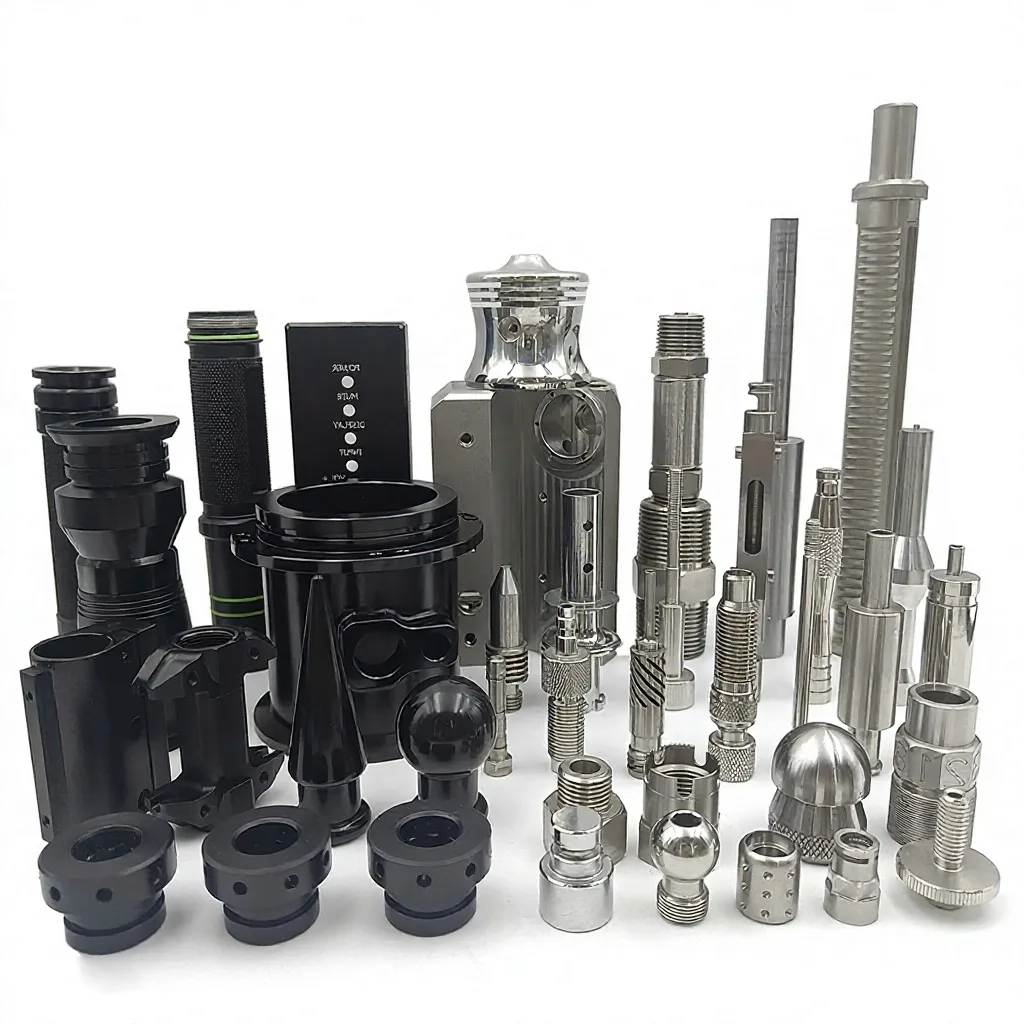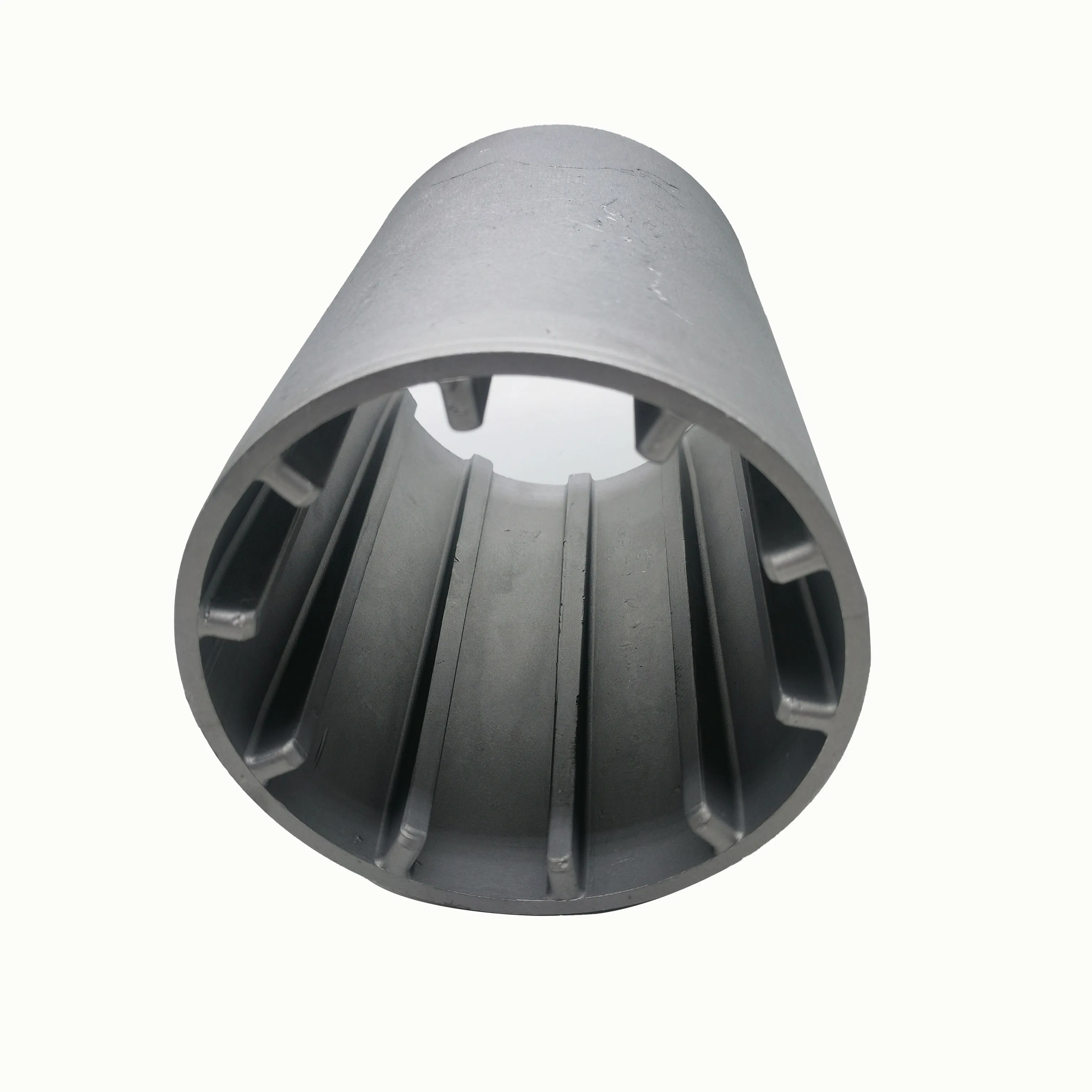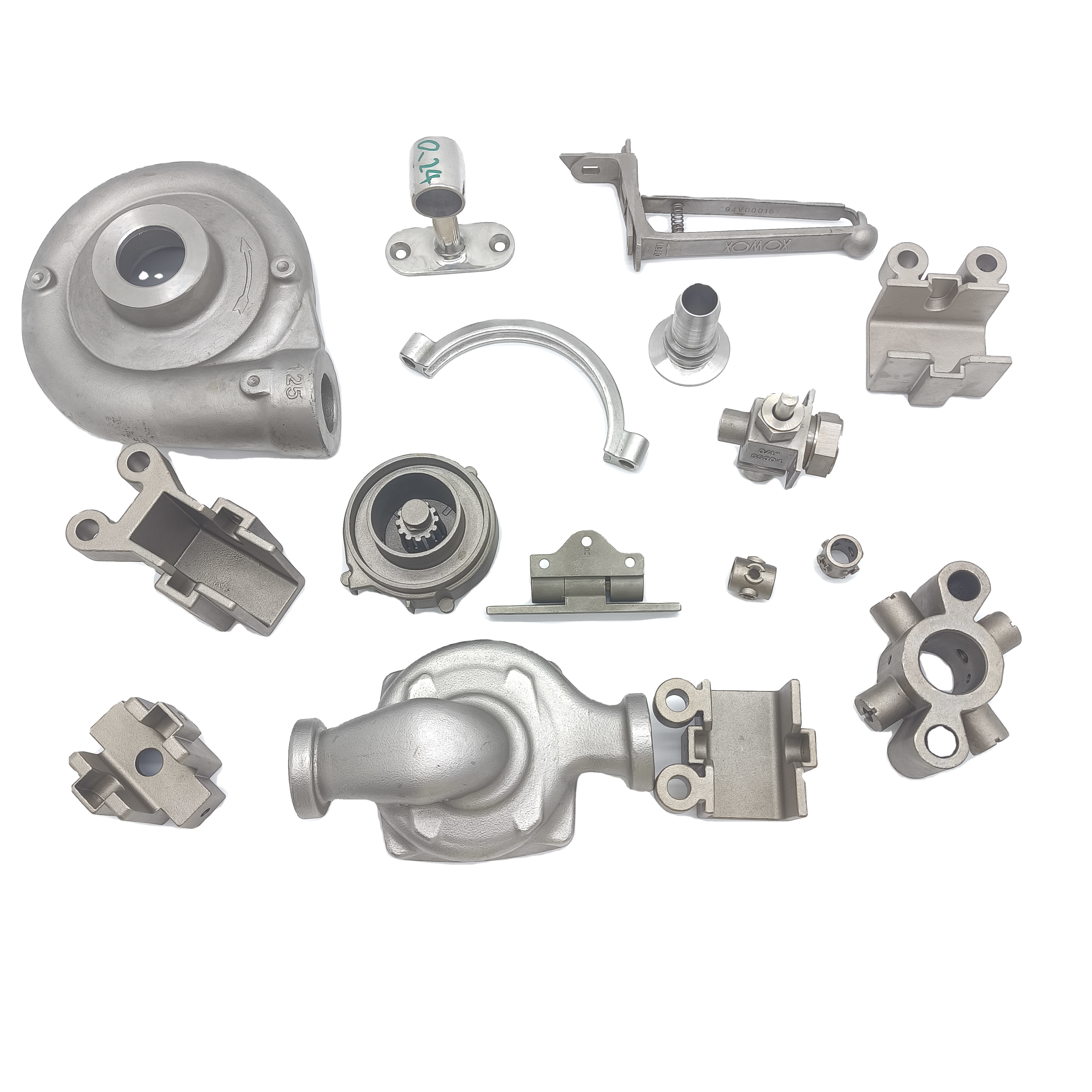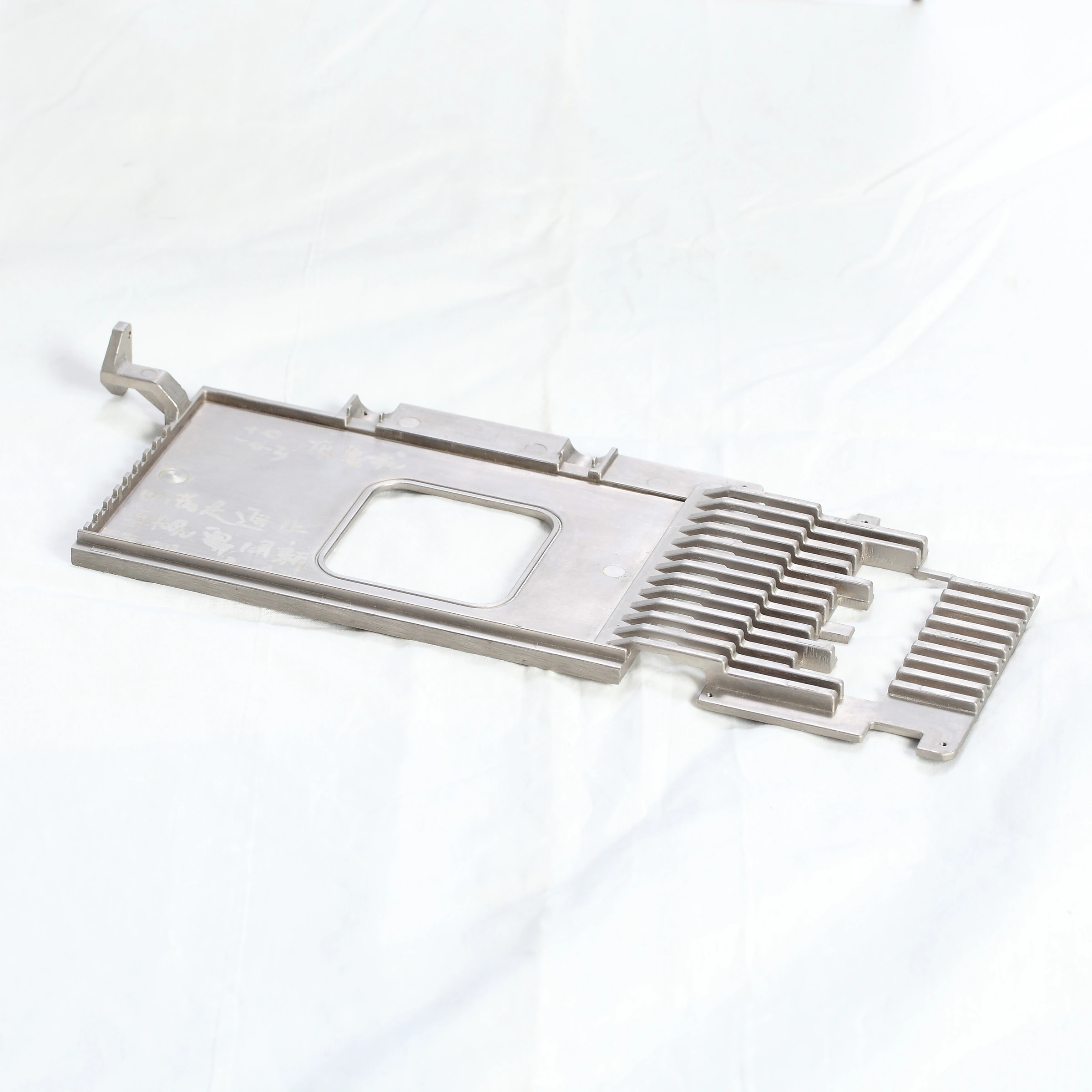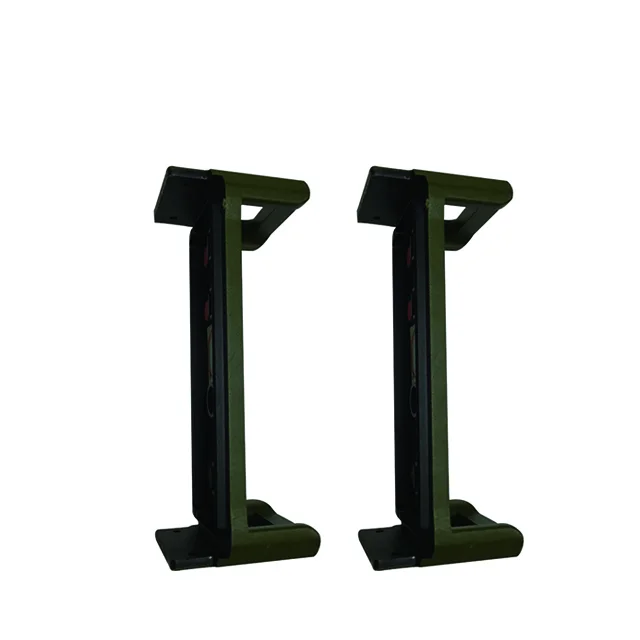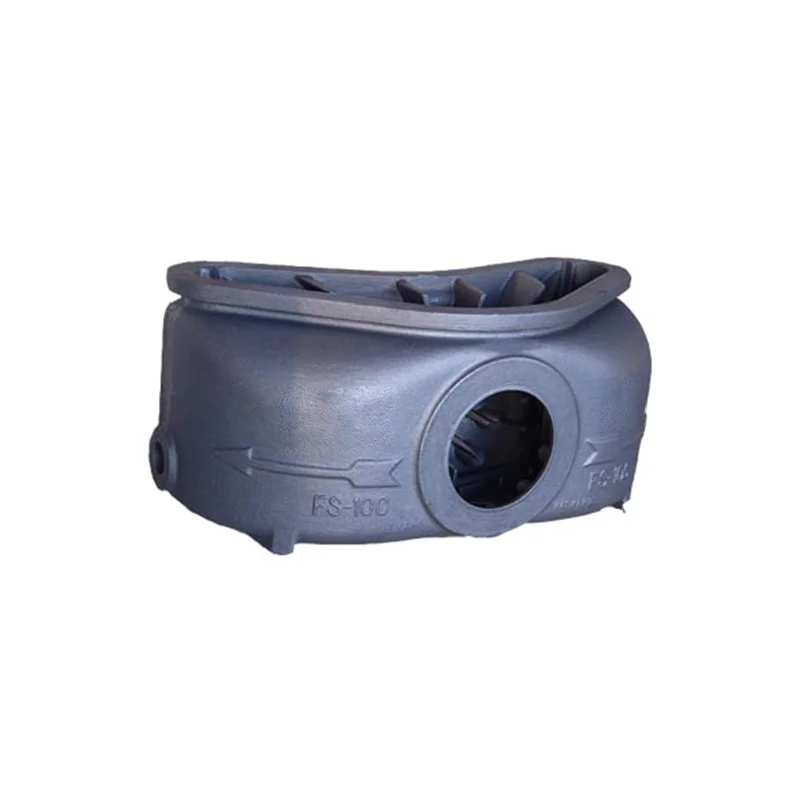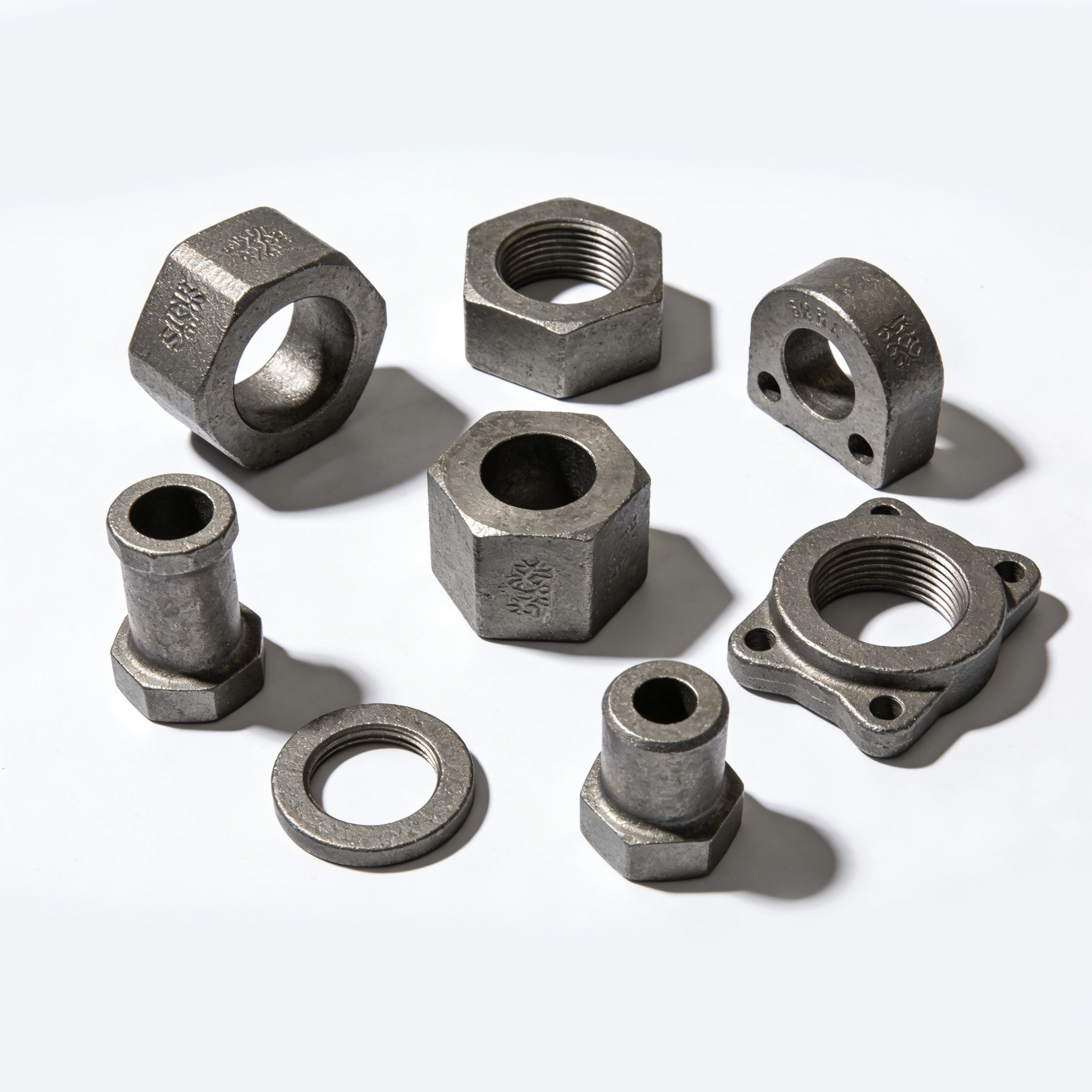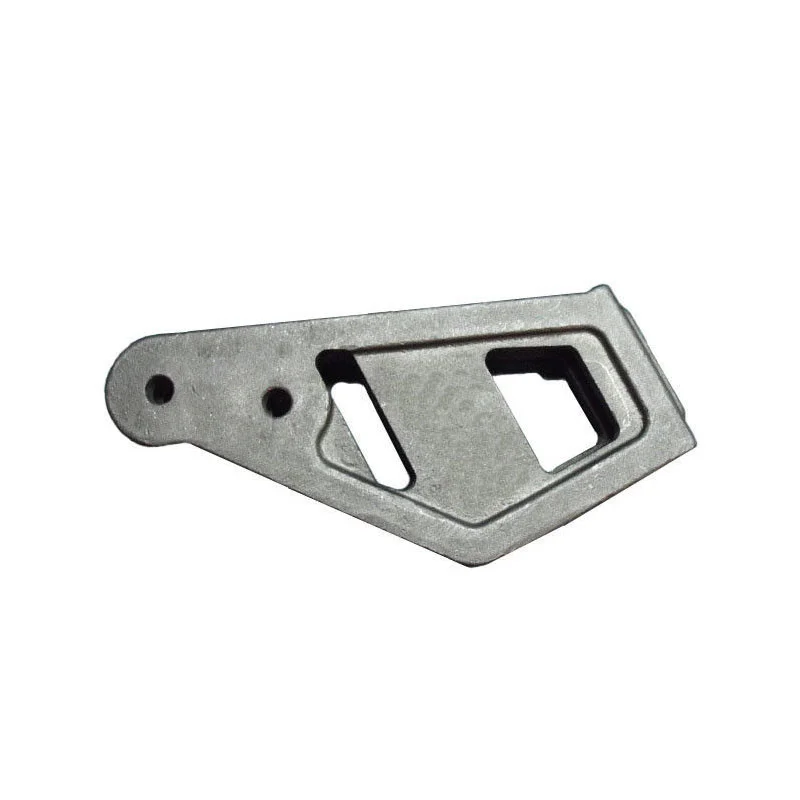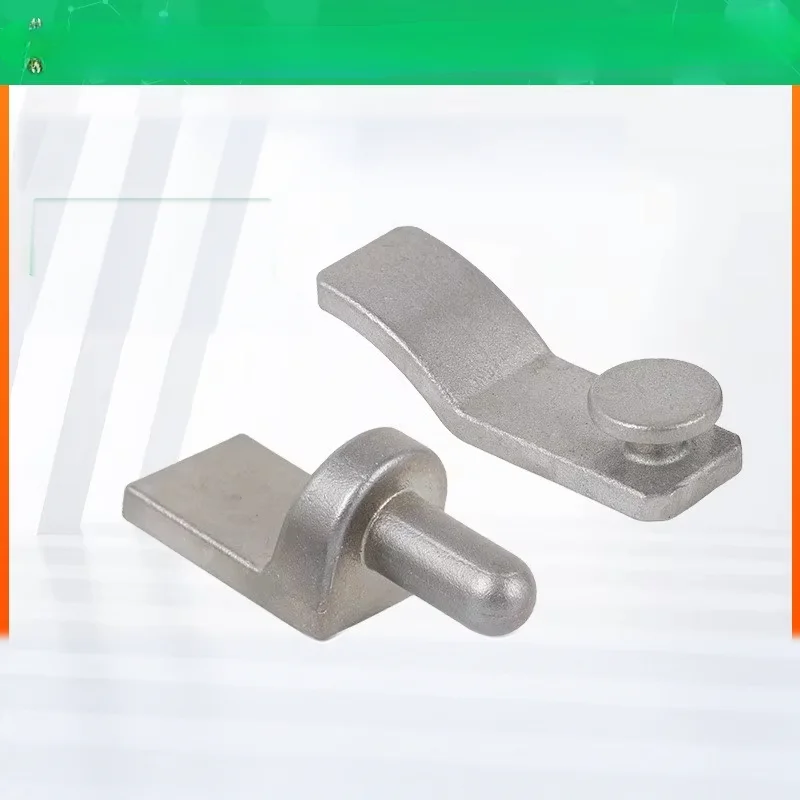
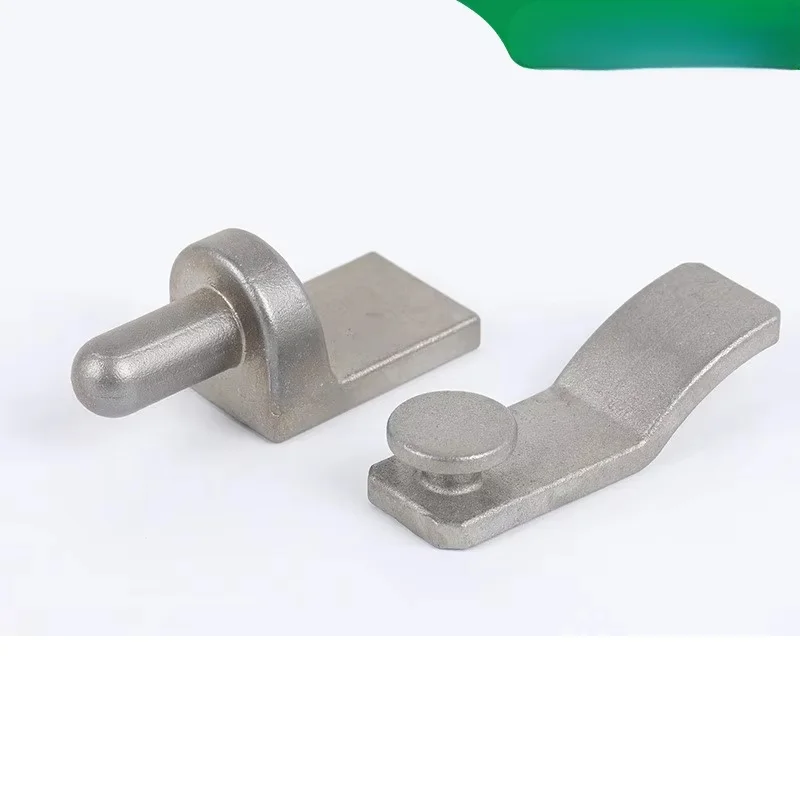
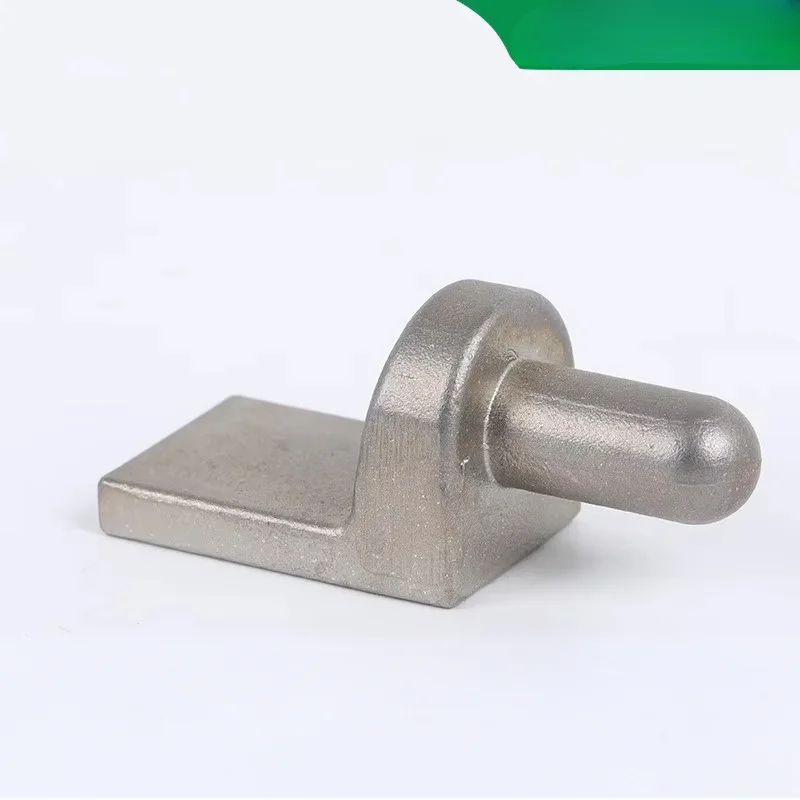
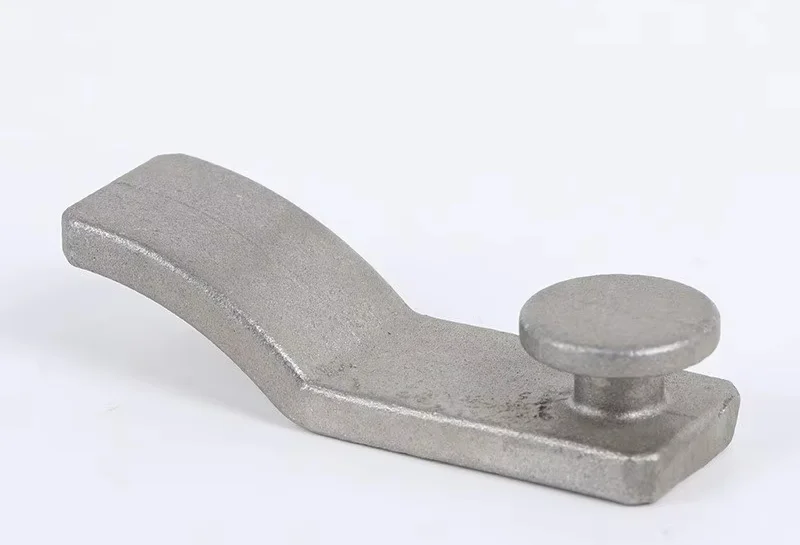
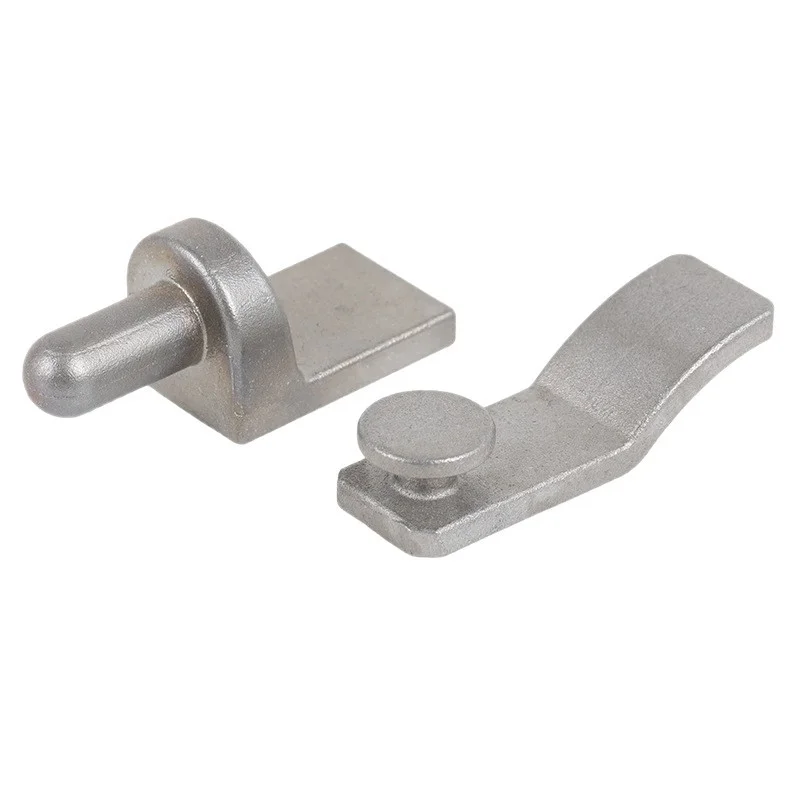
Custom Precision Green Sand Cast Semi Finished Metal Components for CNC Finishing with Polishing
Direct factory support
Get a quote that fits your project
Send your drawing or product reference, material grade and required quantity. Relia will review the requirements with you.
- Drawing & specification review
Confirm the supply scope and critical requirements.
- Samples before custom production
Review inspected samples before approving a batch.
- Inspection documents
Agree material and dimensional records for your part.
-
Processing Trade FormDrawing & Sample Processing, Sample Processing, Drawing ProcessingSurface Finishing ProcessPolishing
-
Sand Casting TypeGreen Sand Casting
Custom general-purpose green-sand castings and semi-finished metal-component enquiries can be defined from drawings or samples. Identify the actual material grade and supplied stage for the part. The intended CNC-finishing work should be connected to controlled geometry and a clear boundary for the casting delivery.
Define what remains for subsequent finishing
Show the cast form and identify the interfaces to be completed later. Mark any machining allowances and reference surfaces required for that work, together with the dimensions accepted at the semi-finished stage. The drawing should explain how the receiving operation locates the component.
- Provide a controlled drawing or identified reference sample.
- State the complete material requirement and quantity.
- Mark cast dimensions and later-finished interfaces.
- Define the supplied surface and acceptance records.
Connect the reference sample to the drawing
A sample can explain the overall form, while controlled dimensions establish what must be reproduced. Identify any wear or damage and distinguish it from the required geometry. Use the same material and supplied-stage definition for sample approval and the ordered components.
Specify polishing and delivery acceptance
Polishing is the named finishing process. Define the relevant areas and the surface condition needed at delivery, including interfaces that will undergo later work. Agree the material, dimensional and visual records required for the selected component, so the accepted semi-finished form supports the intended subsequent operation without leaving the approval basis implicit.