Custom Special-Shaped Steel and Cast-Iron Parts — Gray-Iron Sand Casting, CNC and Wear/Heat-Duty Enquiries
Direct factory support
Get a quote that fits your project
Send your drawing or product reference, material grade and required quantity. Relia will review the requirements with you.
- Drawing & specification review
Confirm the supply scope and critical requirements.
- Samples before custom production
Review inspected samples before approving a batch.
- Inspection documents
Agree material and dimensional records for your part.
-
SizeCustom
-
Surface TreatmentSandblasting, derusting, and primingMaterialsAluminum,steel,Iron,COPPER
-
MaterialHT200,HT250,HT300,QT450,QT500 Aluminum,steel,Iron,COPPERProcessing methodNatural aging, secondary stress relief.
-
Processcasting,CNCSurface treatmentPainting\Powder Coat\Polish\Anodize
-
ServiceCustomize ODM OEMCertificationISO9001
-
TypeOEM PartsDrawing Format3D/CAD/DWG//STEP/PDF
-
ToleranceCustomer's Drawing RequestMOQ1 PCS
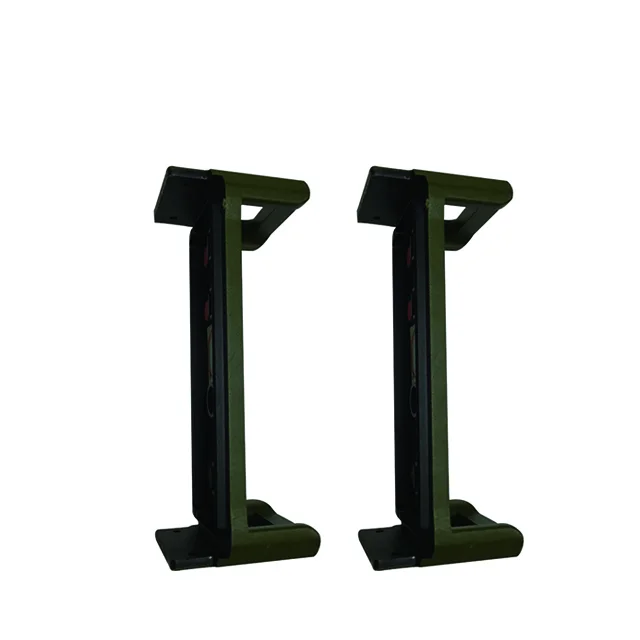
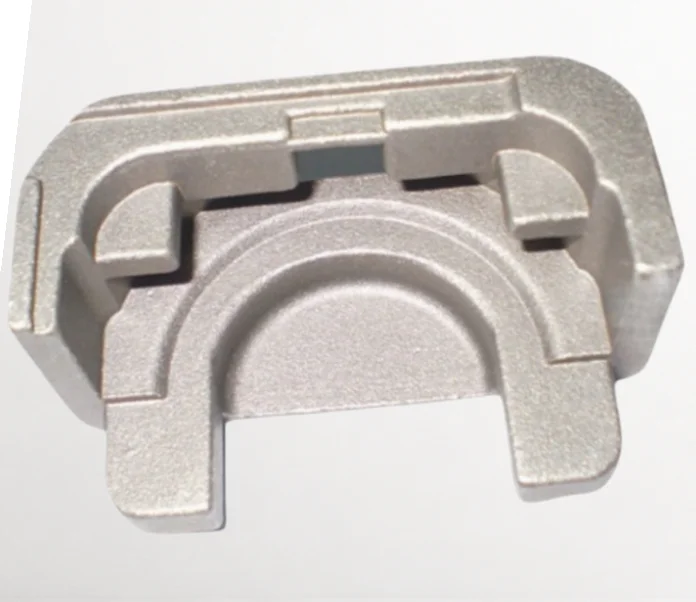
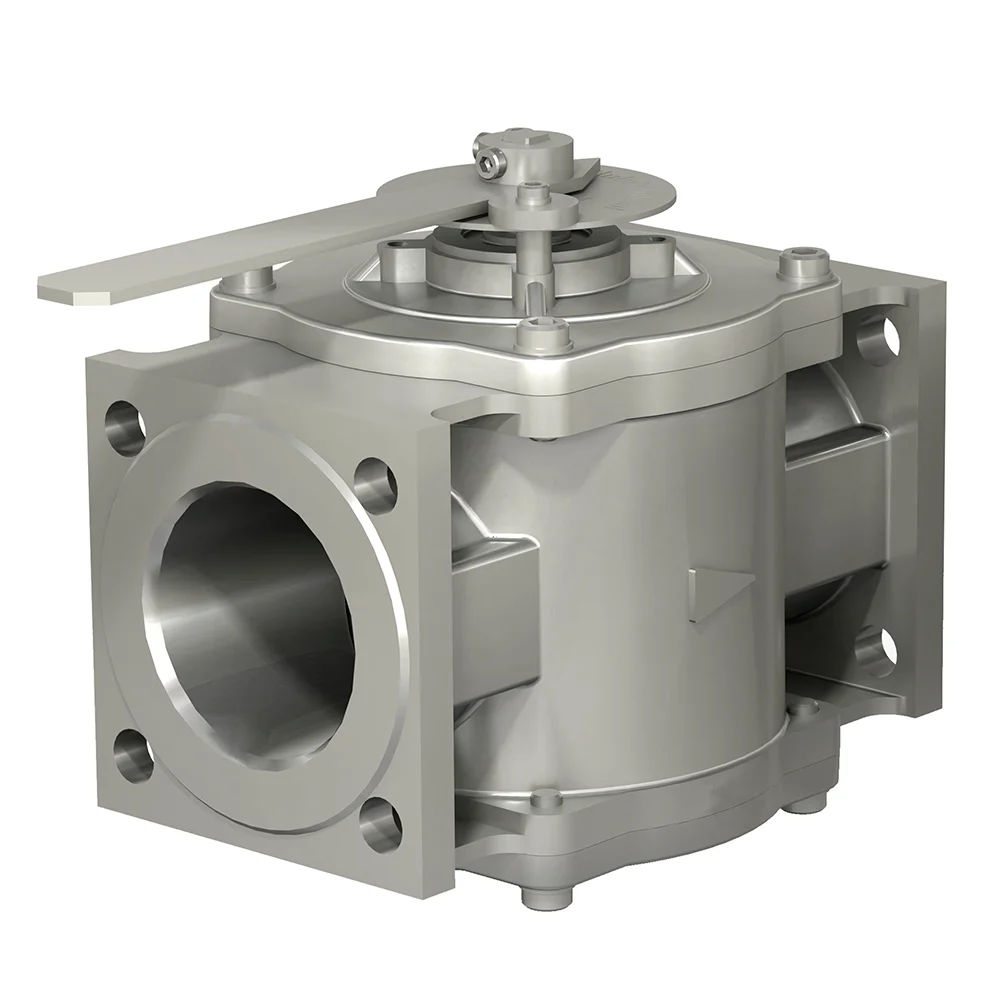
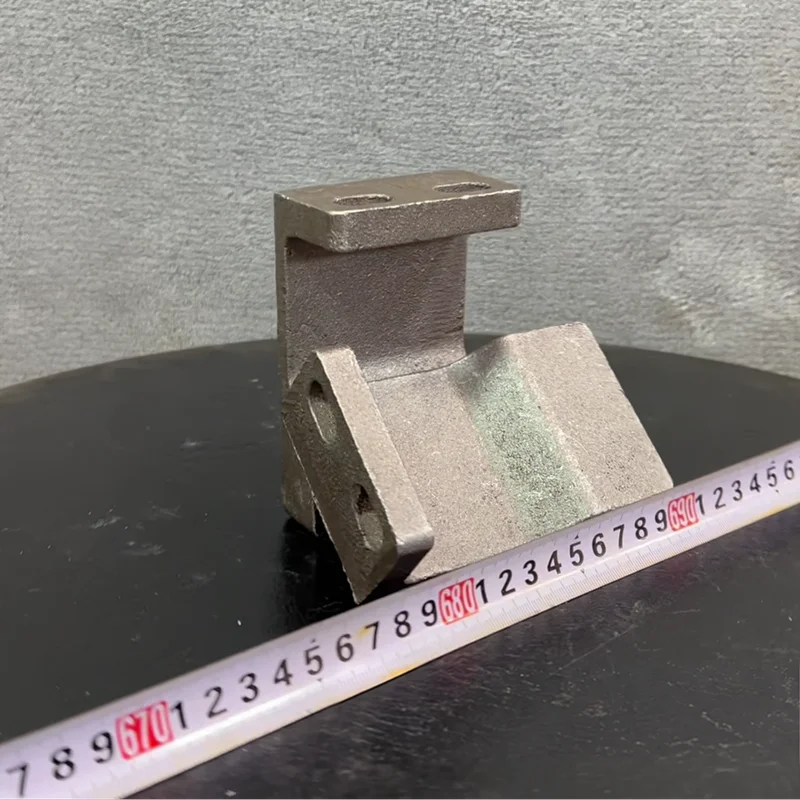
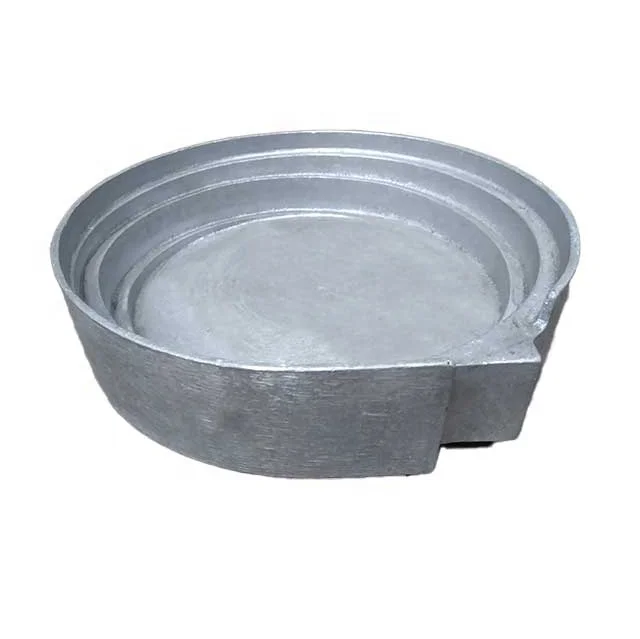
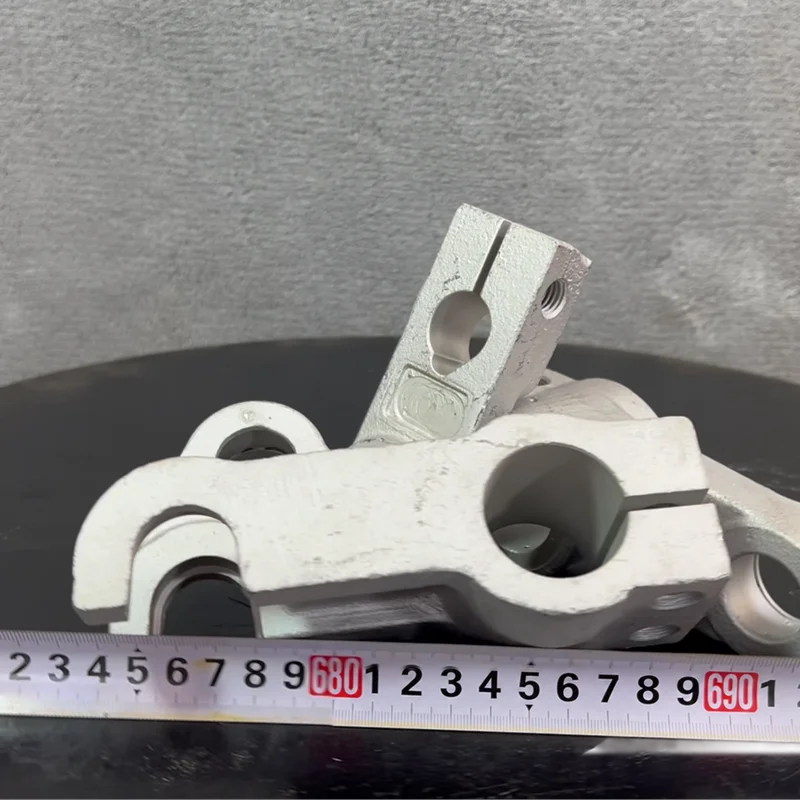
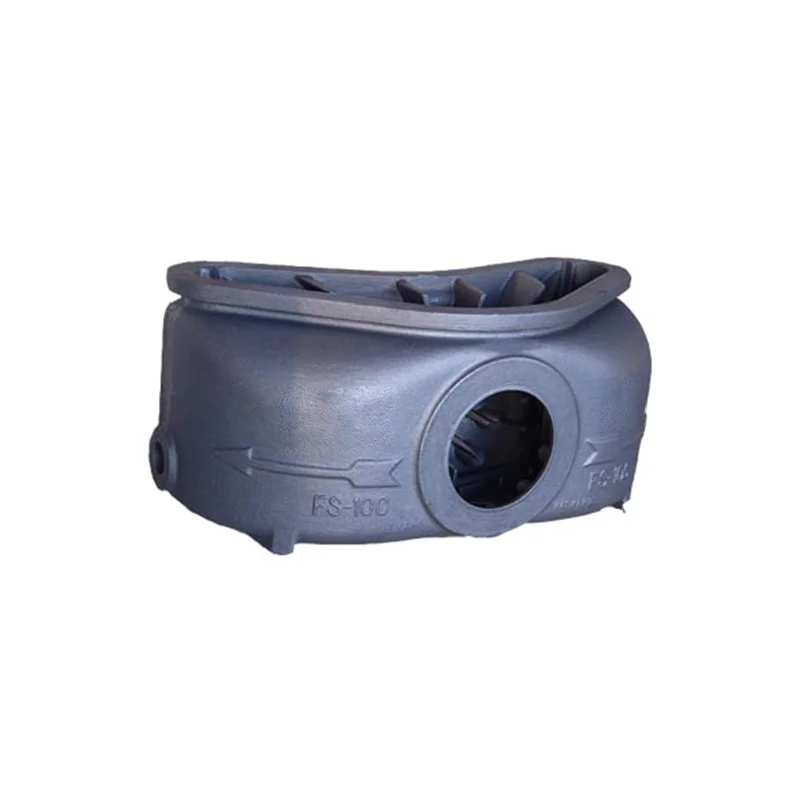
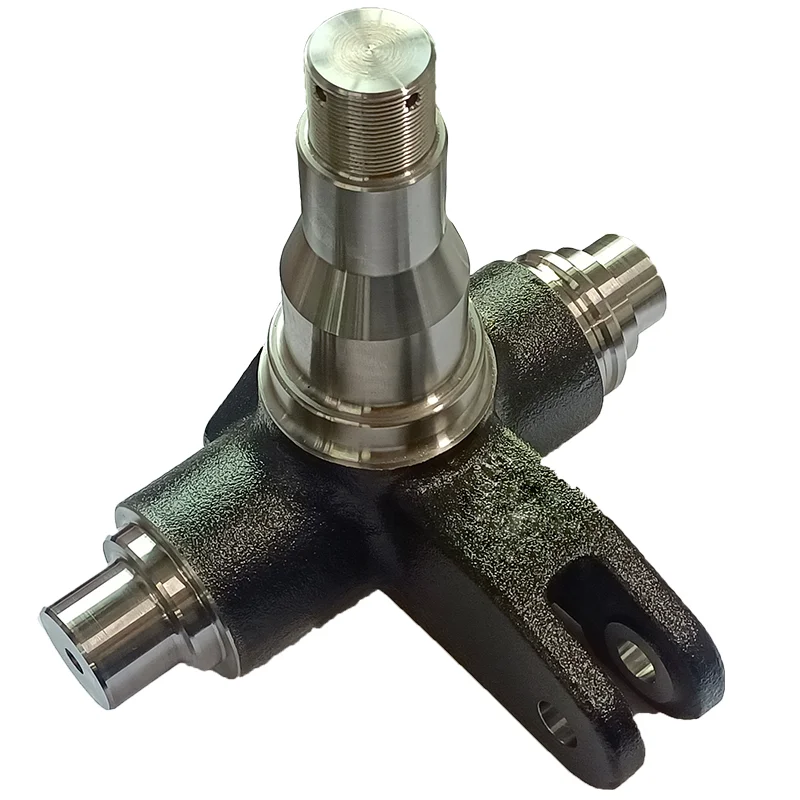
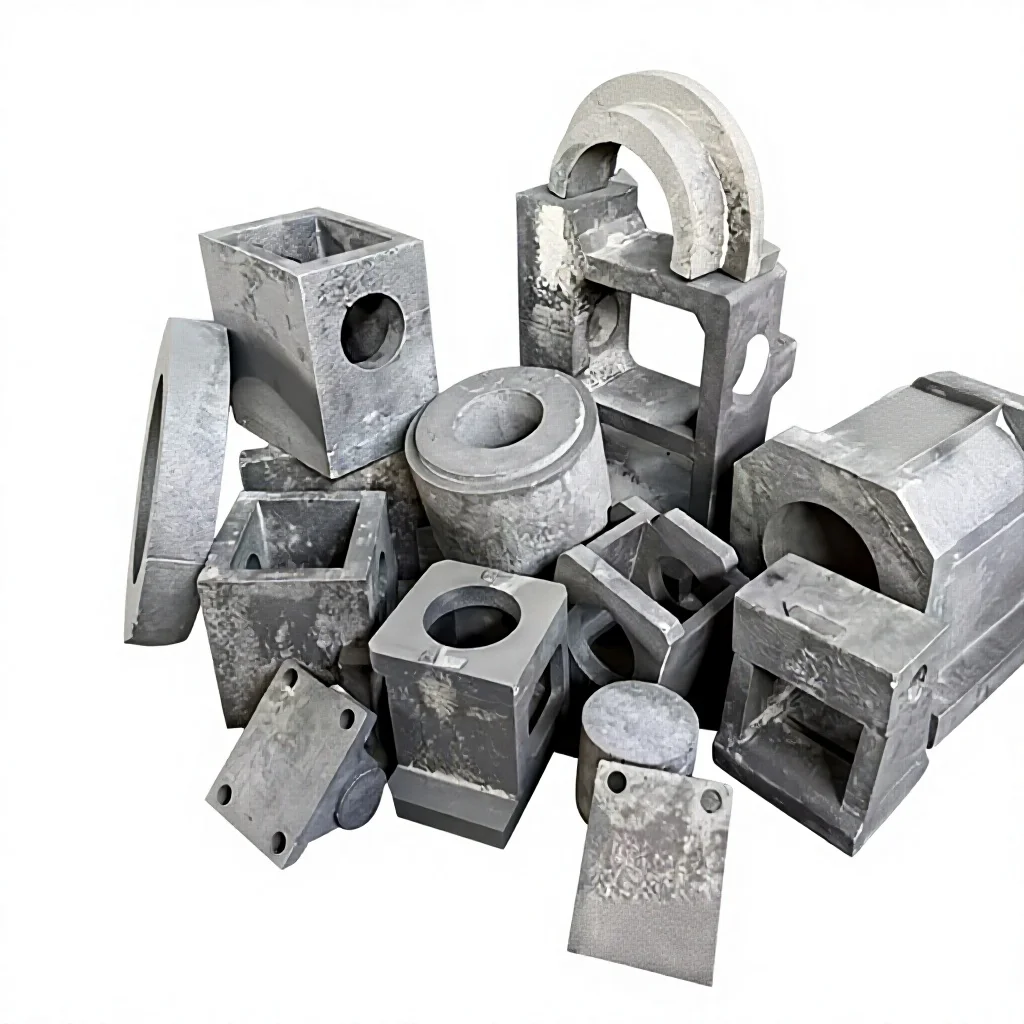
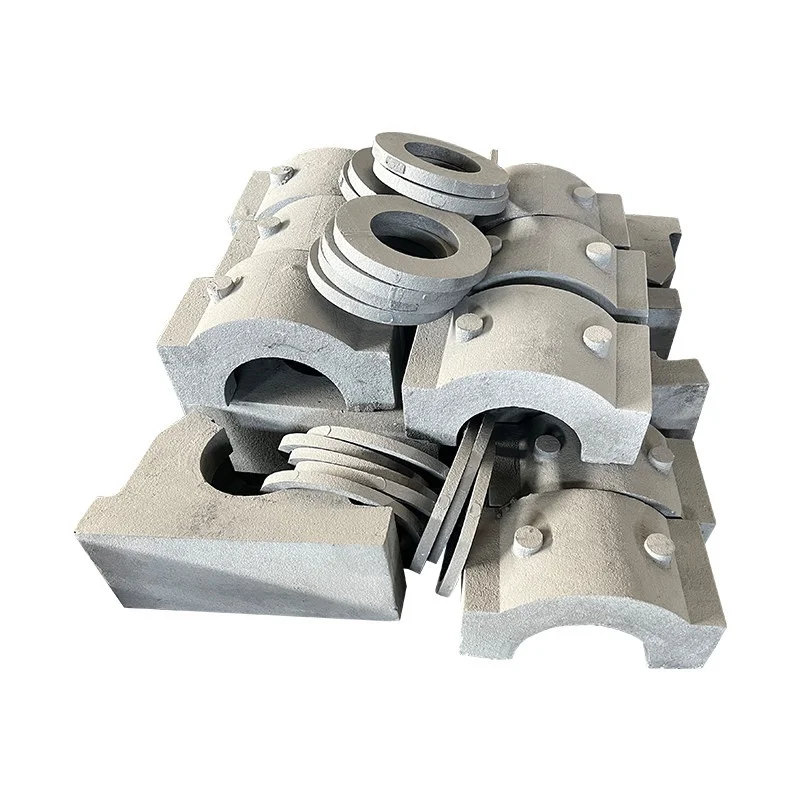
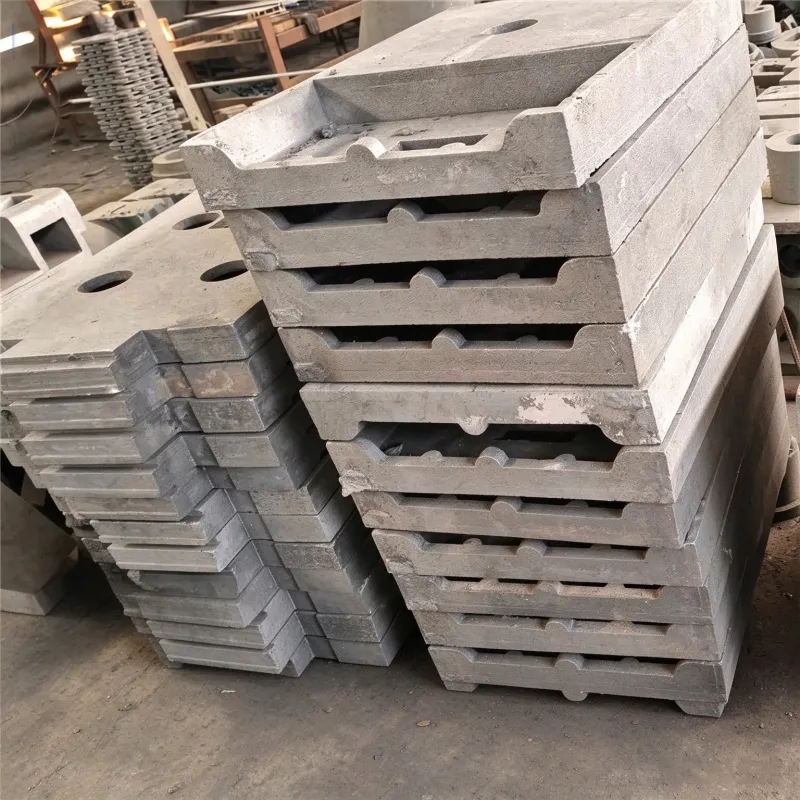
Special-shaped industrial castings should be specified around their function, material and finished interfaces. This OEM/ODM enquiry covers steel and iron parts, including grey-iron sand castings for wear- or heat-duty requirements. Aluminum and copper are additional material enquiries, with casting and CNC work selected for the actual design.
Connect wear or thermal duty to the material requirement
Describe the contact conditions, operating environment and thermal duty relevant to the component. Named iron designations include HT200, HT250, HT300, QT450 and QT500. Select the required grade and governing standard for the part, with any wear or heat-resistance acceptance requirements specified through the design.
Plan the cast shape and CNC interfaces together
Customized size and tolerances follow the customer's drawing. Identify the mating geometry and the surfaces requiring CNC finishing. Natural aging and secondary stress relief are named processing enquiries; define the required processing and delivery condition for the selected casting rather than applying one treatment to every metal option.
- Submit 3D, CAD, DWG, STEP or PDF component information.
- Identify the material grade, operating duty and required quantity.
- Mark CNC-finished surfaces and their dimensional limits.
- Specify the required surface condition and inspection basis.
Select the surface work for the chosen metal
Sandblasting, derusting, priming, painting, powder coating, polishing and anodizing are named choices. Select the appropriate treatment for the component's material and use, and identify contact areas needing particular instructions. The service accepts a one-piece minimum order, allowing an individually defined component enquiry.
Address supplier qualification within the order
ISO9001 is the stated qualification reference. Identify the documentation and applicable scope required for purchasing, alongside the drawing and acceptance criteria. The heat- or wear-resistant description should be translated into the component's actual requirements rather than an assumed numerical limit or service life.