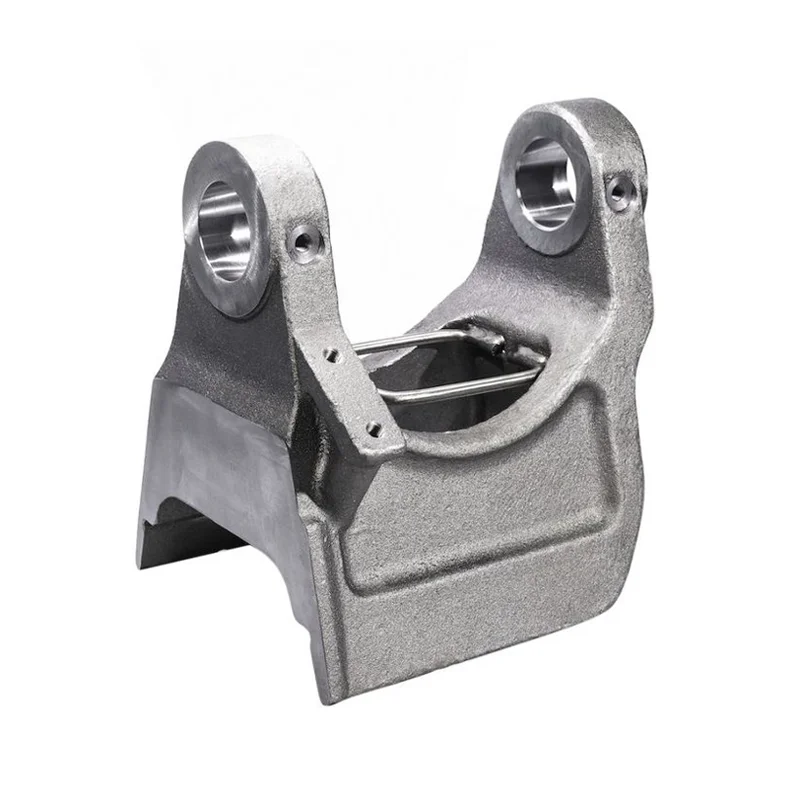
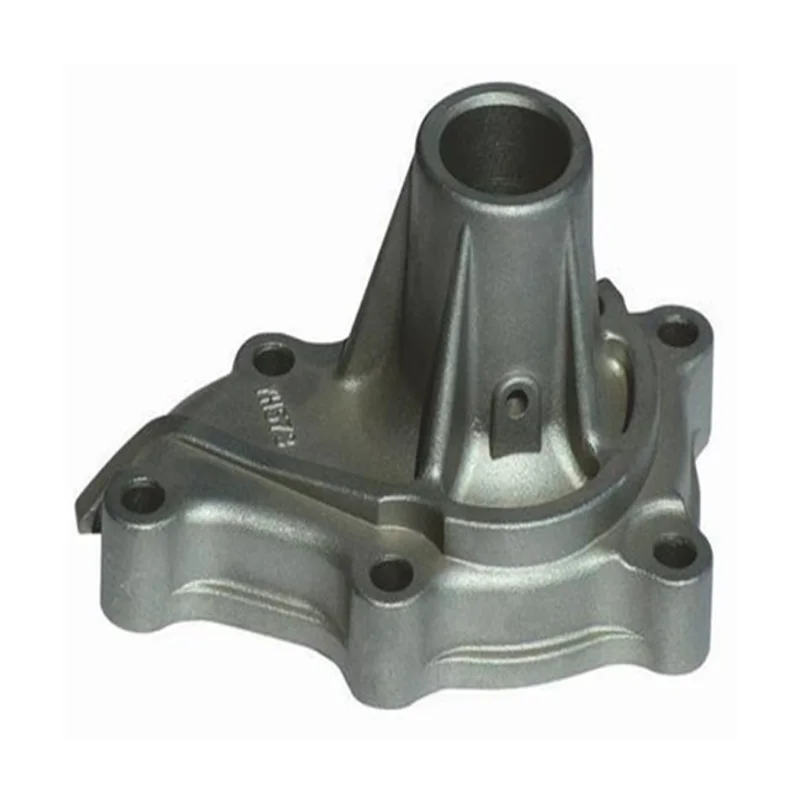
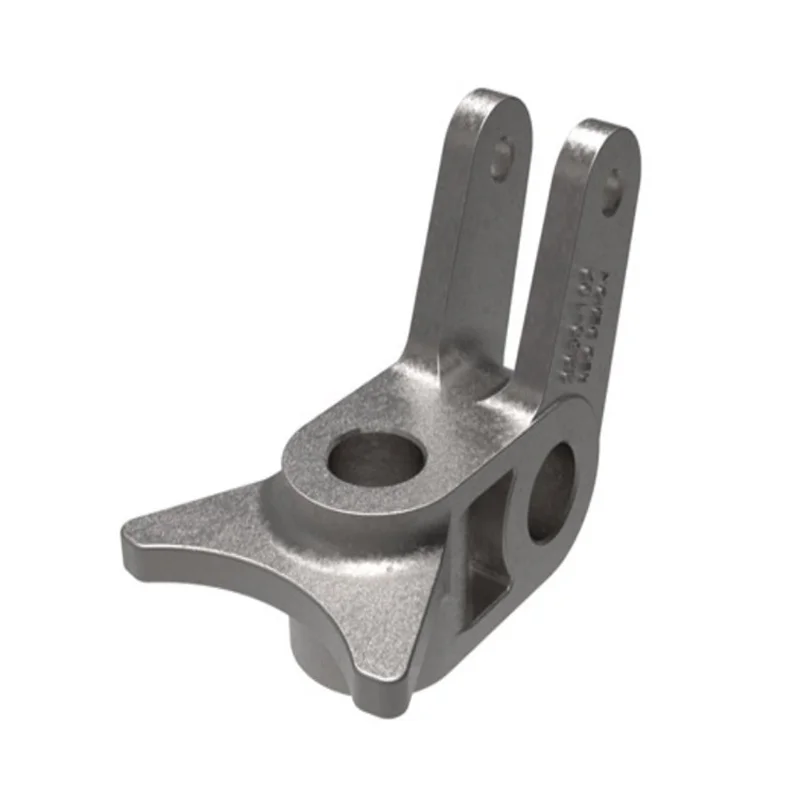
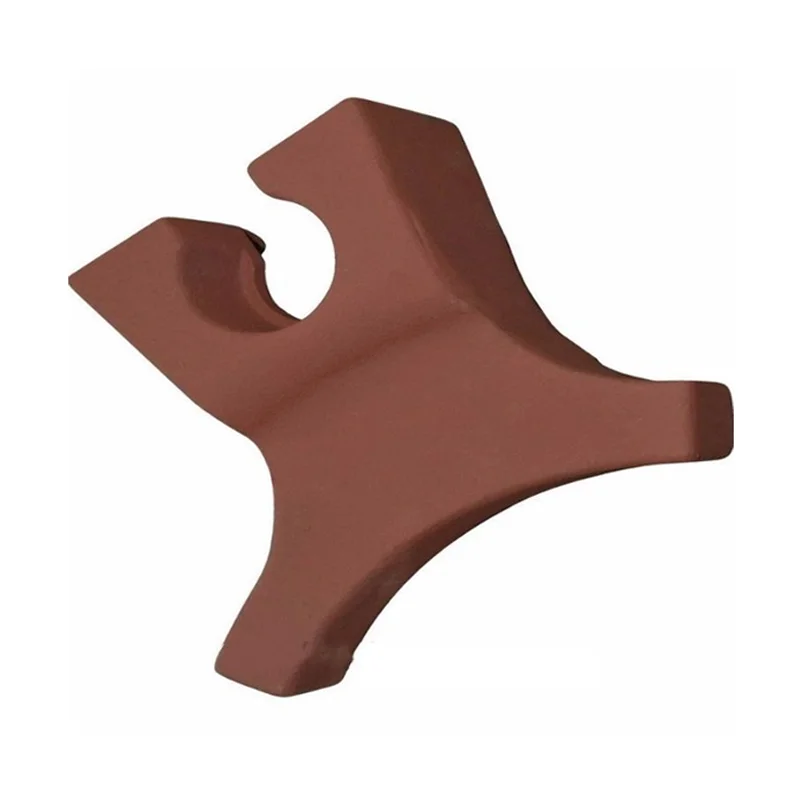
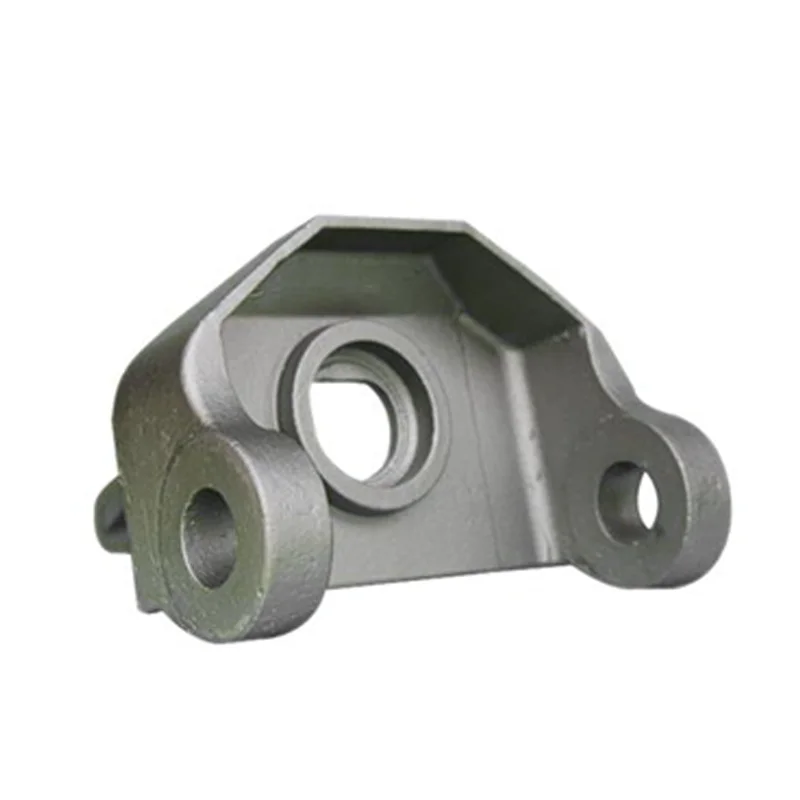
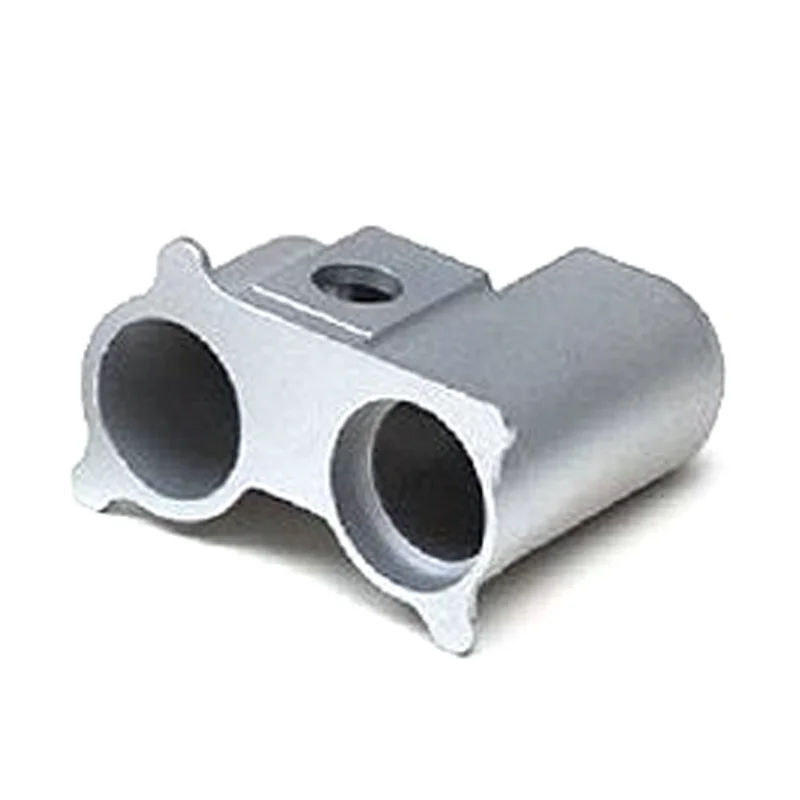
Custom Steel Machinery Sand Casting with Separate Lost Wax Investment Gravity Die Coated Sand Lost Foam Metal Mold Enquiries
Direct factory support
Get a quote that fits your project
Send your drawing or product reference, material grade and required quantity. Relia will review the requirements with you.
- Drawing & specification review
Confirm the supply scope and critical requirements.
- Samples before custom production
Review inspected samples before approving a batch.
- Inspection documents
Agree material and dimensional records for your part.
-
MaterialSteel/Carbon Steel customized
-
ApplicationMachinery PartsProcessCasting +Machining(if Need)+surface Treatment
-
Machining ProcessMachining CenterHeat treatmentTempering/T6 Heat Treatment customized
-
MOQ1000Manufacturing ProcessSand Casting/ customized
-
ServiceCustomized OEMQuality ControlISO/TS16949:2002/ISO9001
-
Surface treatmentCustomers' Demand
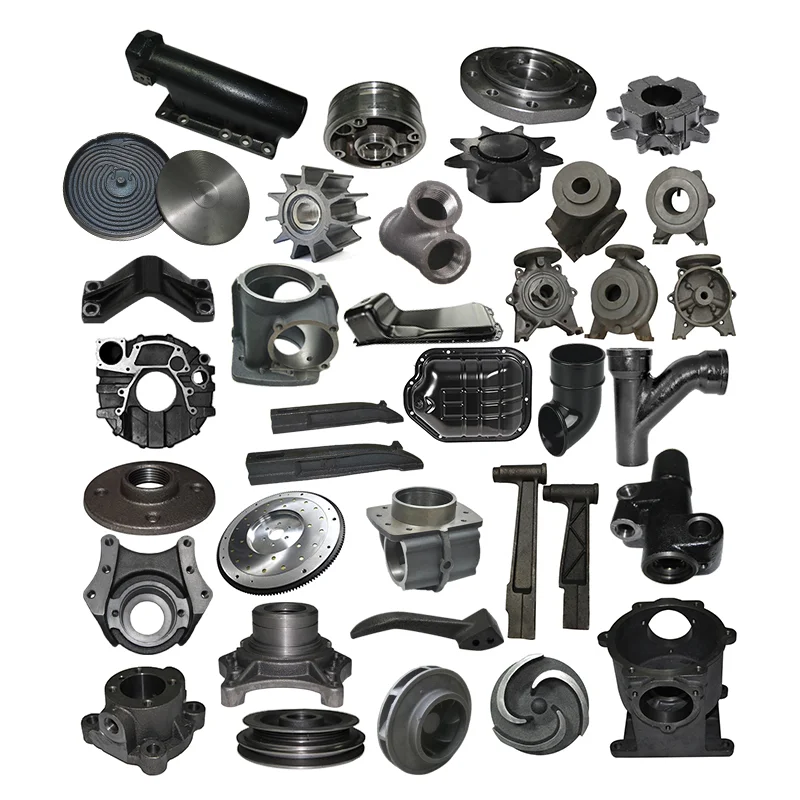
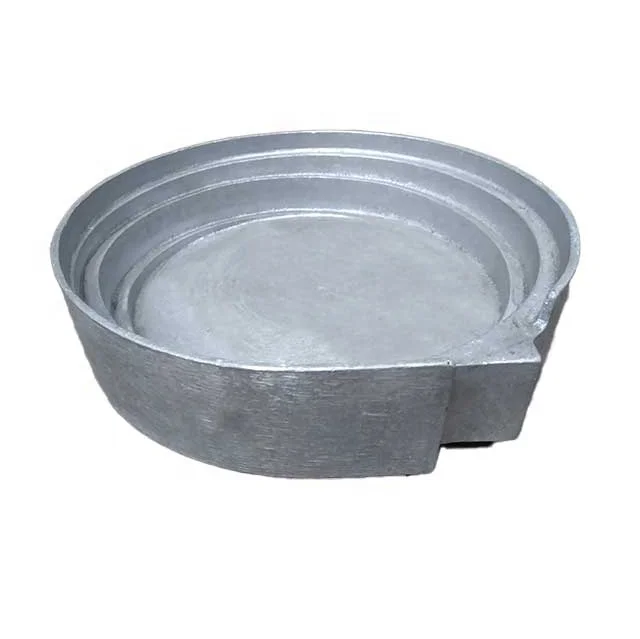
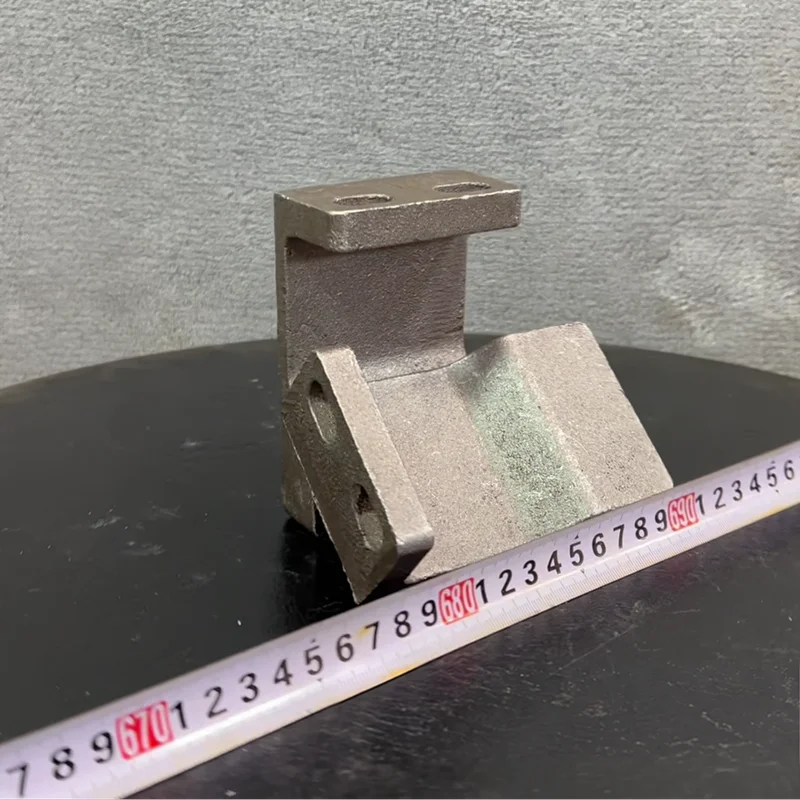
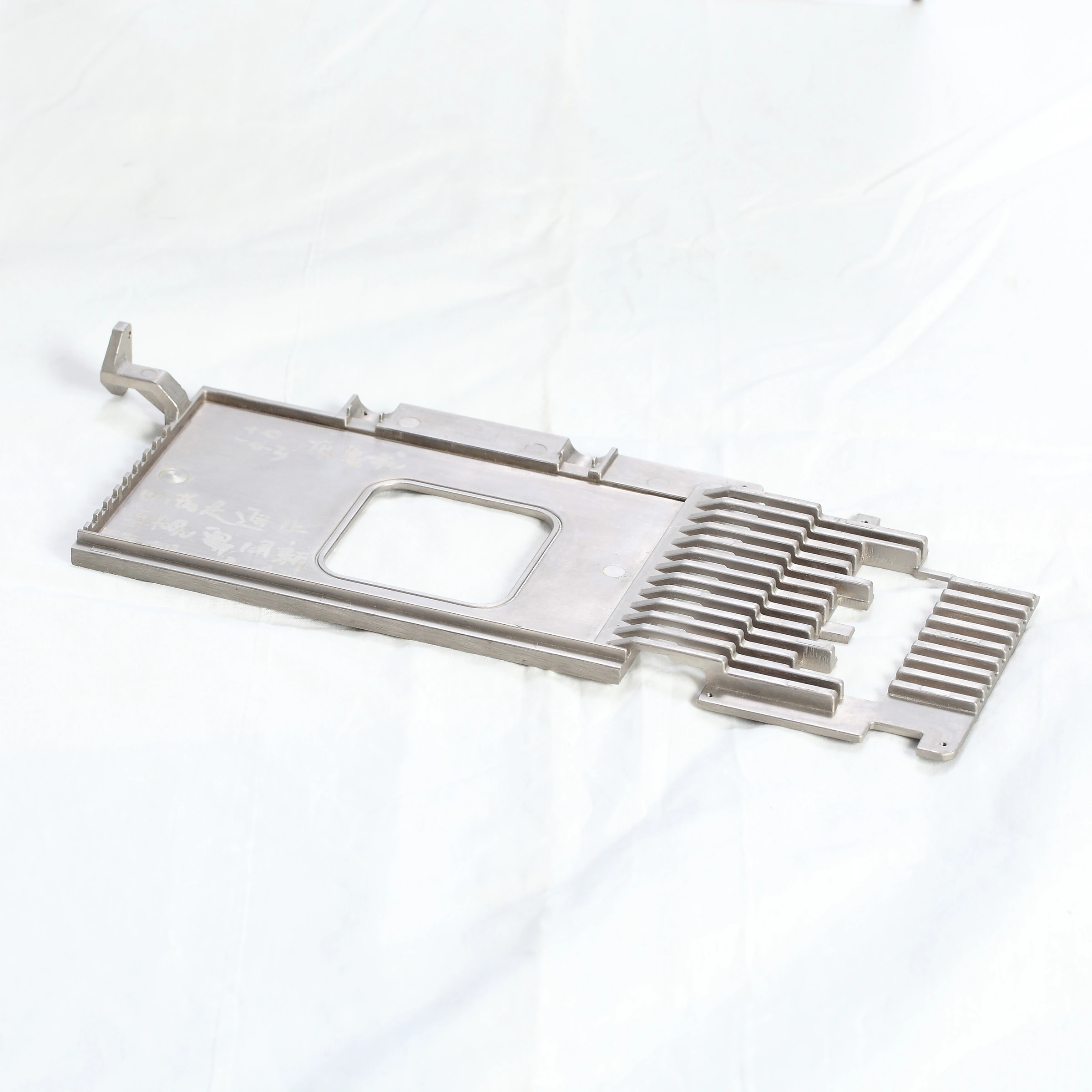
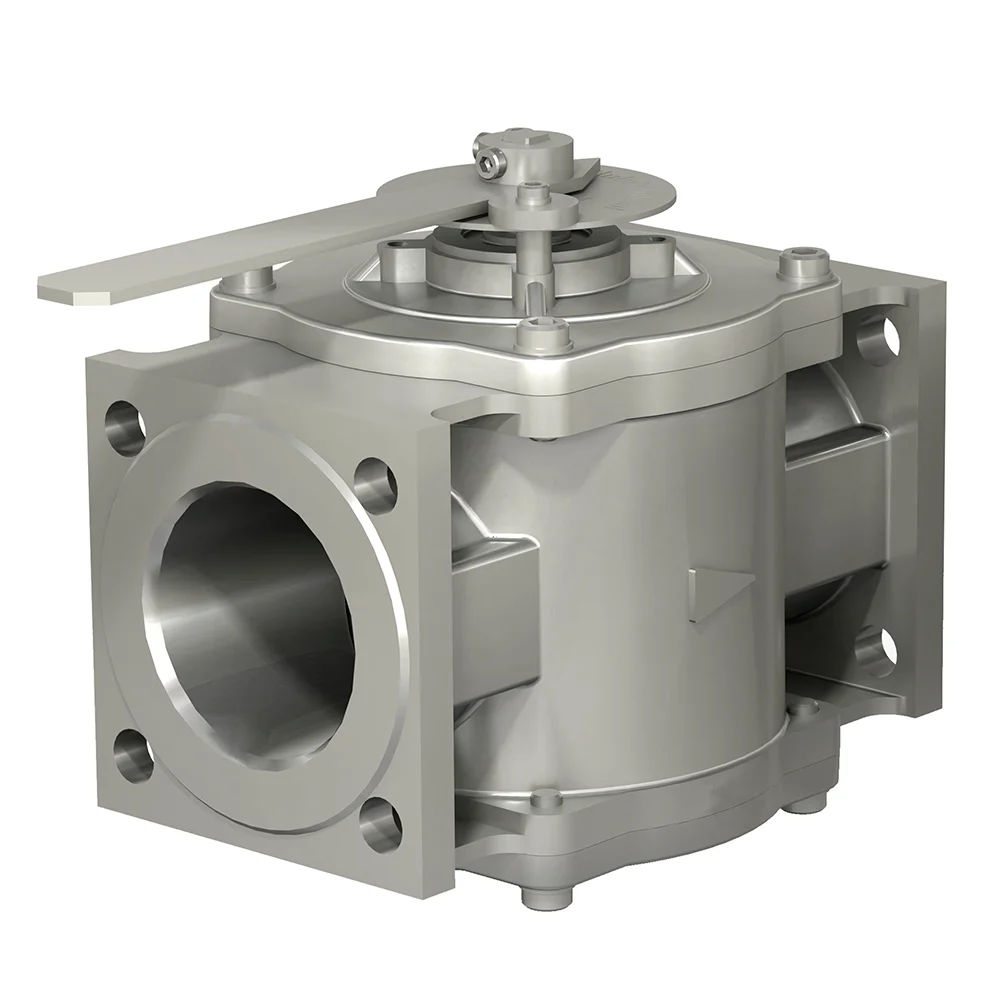
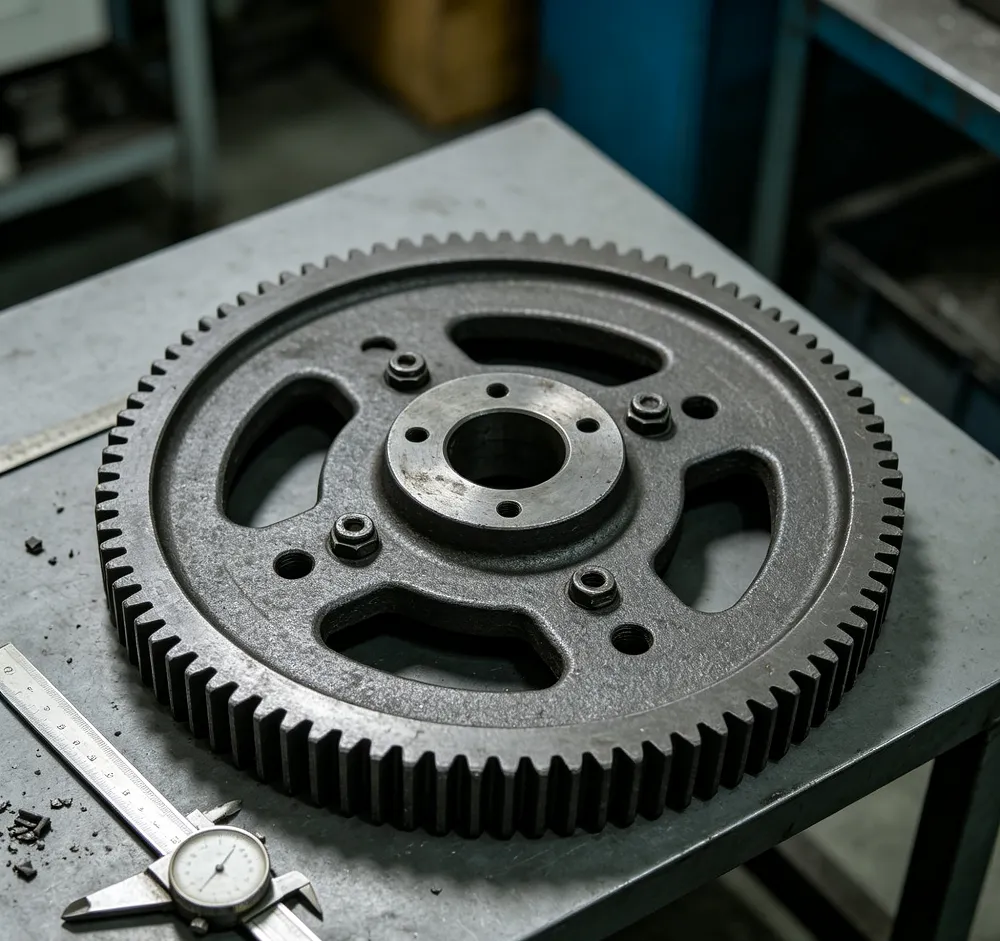
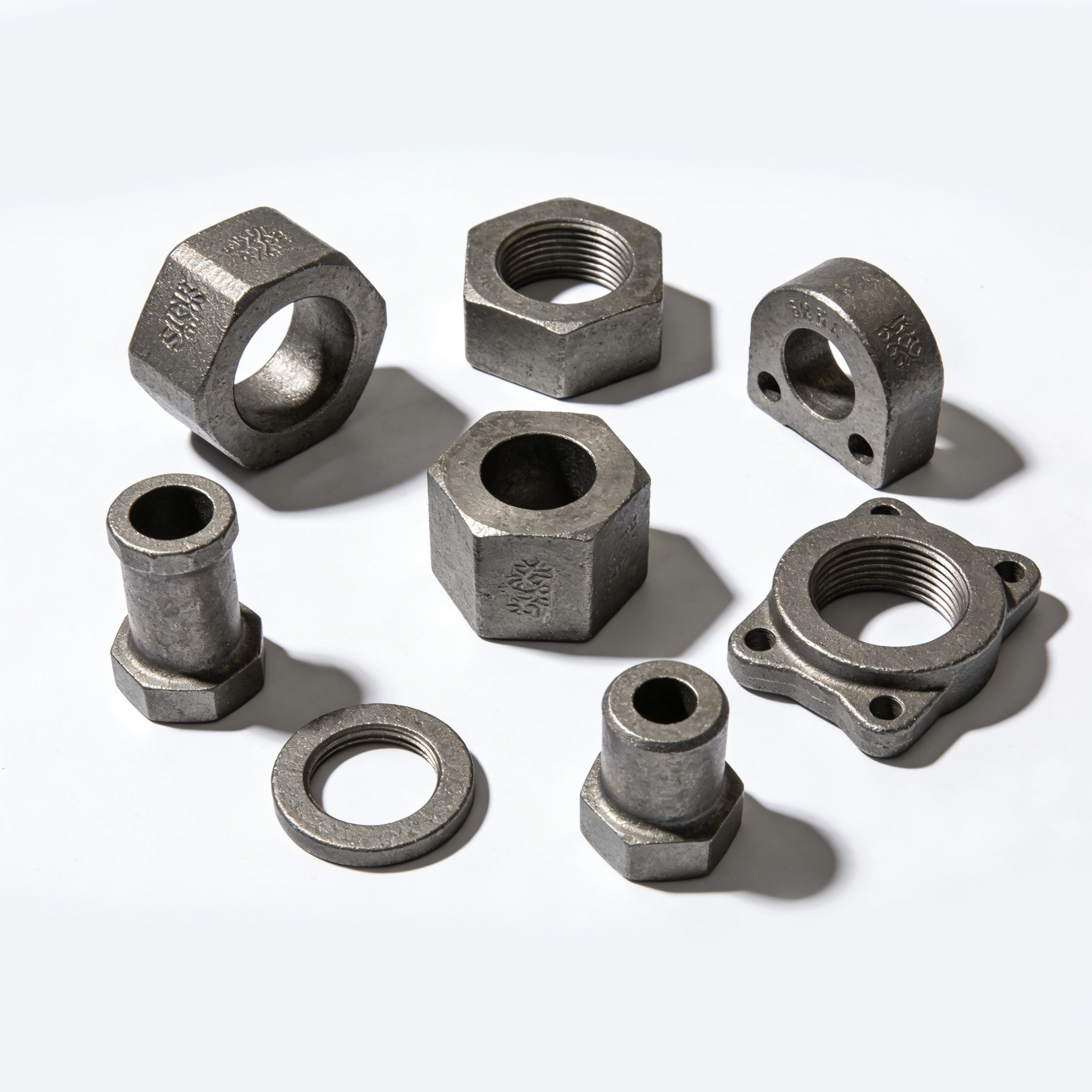
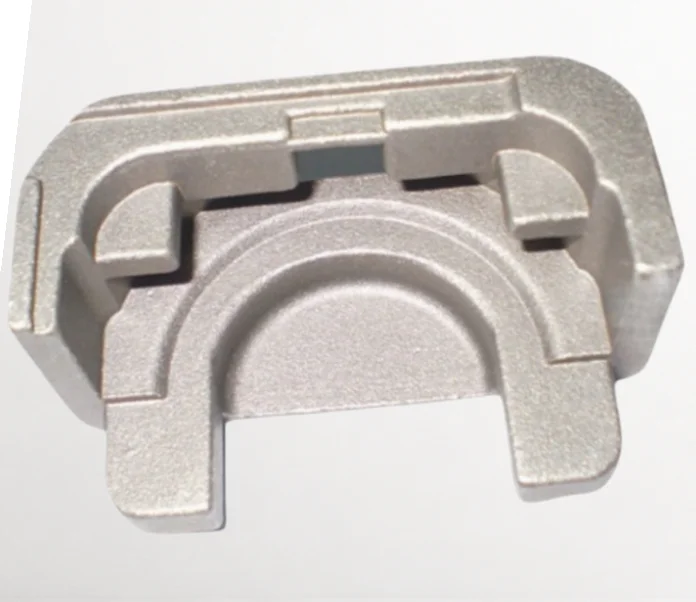
Custom steel or carbon-steel machinery castings can include sand casting, machining-center work where needed and customer-requested surface treatment. Define the complete material and component drawing first. Other casting-route requests should be selected independently for a suitable alloy and geometry.
Choose the actual casting route
The enquiry range includes the following alternatives. Identify the route requested for the part rather than combining the options into a single manufacturing sequence.
- Lost-wax investment casting.
- Die casting.
- Gravity casting.
- Sand casting.
- Clay-sand casting.
- Coated-sand casting.
- Lost-foam casting.
- Metal-mold casting.
Define machining and material condition
Mark the functional dimensions and interfaces requiring subsequent work, with datums and acceptance limits tied to the supplied stage. Customized tempering is listed. A T6-labelled request needs the appropriate alloy and heat-treatment condition established before it is assigned to the selected component.
Specify the delivered surface
Describe the treatment, coverage and appearance needed at the part’s working or contact areas. Identify masking and any dimensional acceptance affected by finishing. Include material and surface records needed for sample approval alongside the controlled drawing.
Agree the order and qualification basis
The minimum-order reference is 1000, with its unit and order basis to be agreed. Request applicable ISO/TS16949:2002 and ISO9001 documentation and supplier scope. Provide quantity and revision with the selected route and component requirements so production acceptance concerns the actual machinery part.