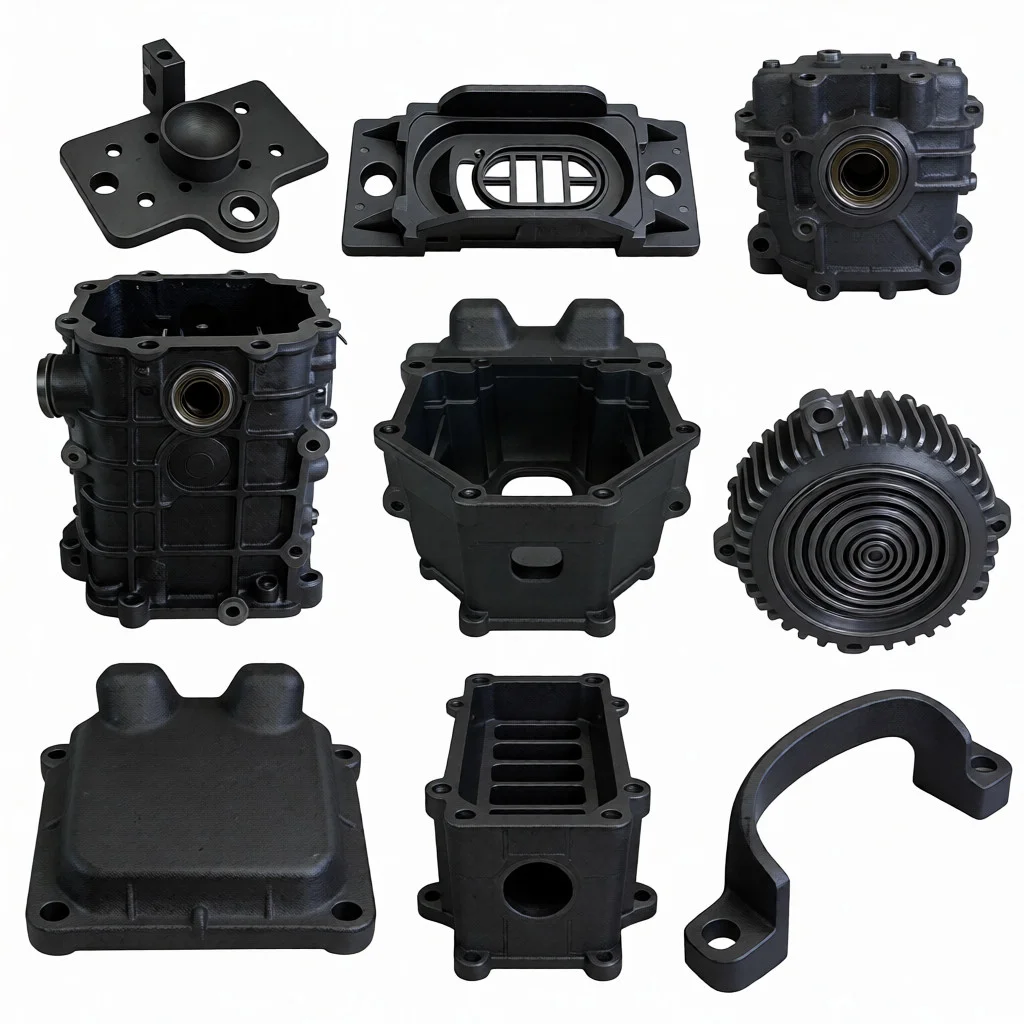
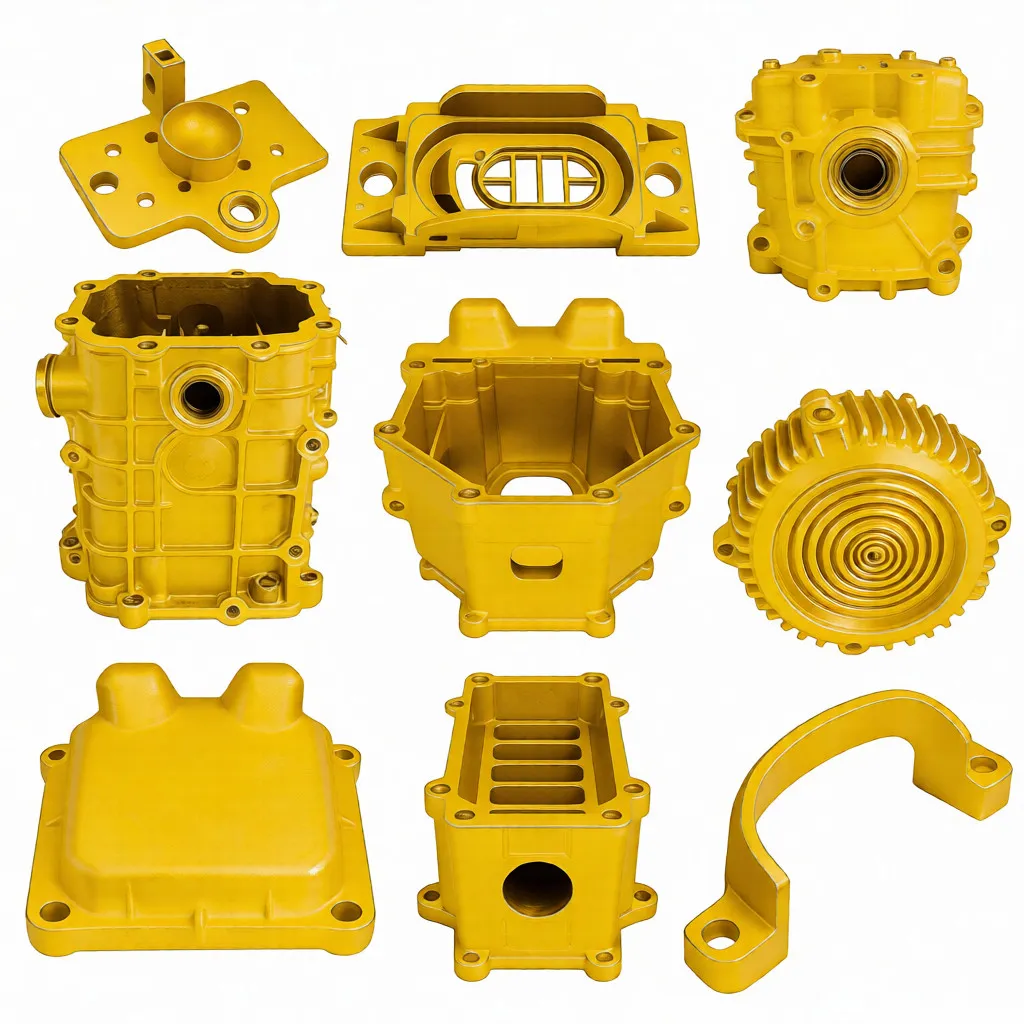
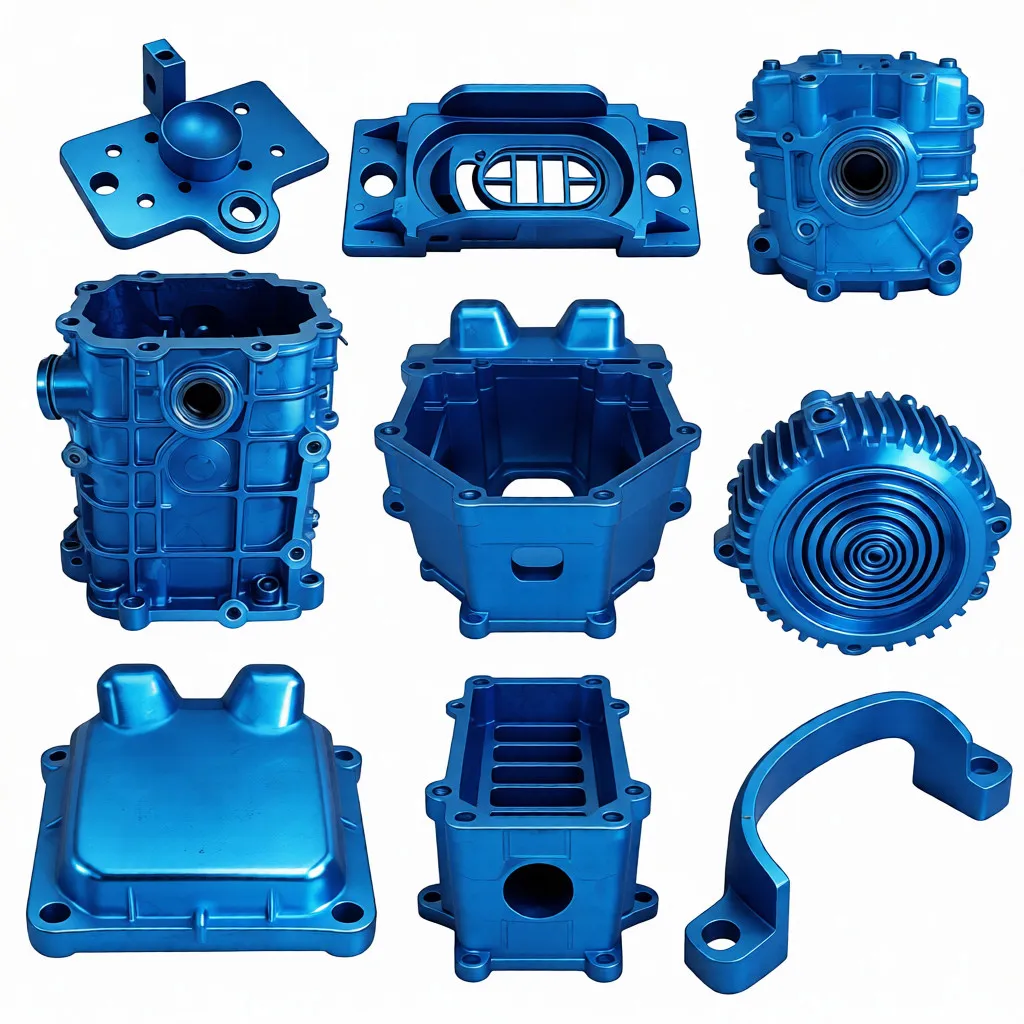
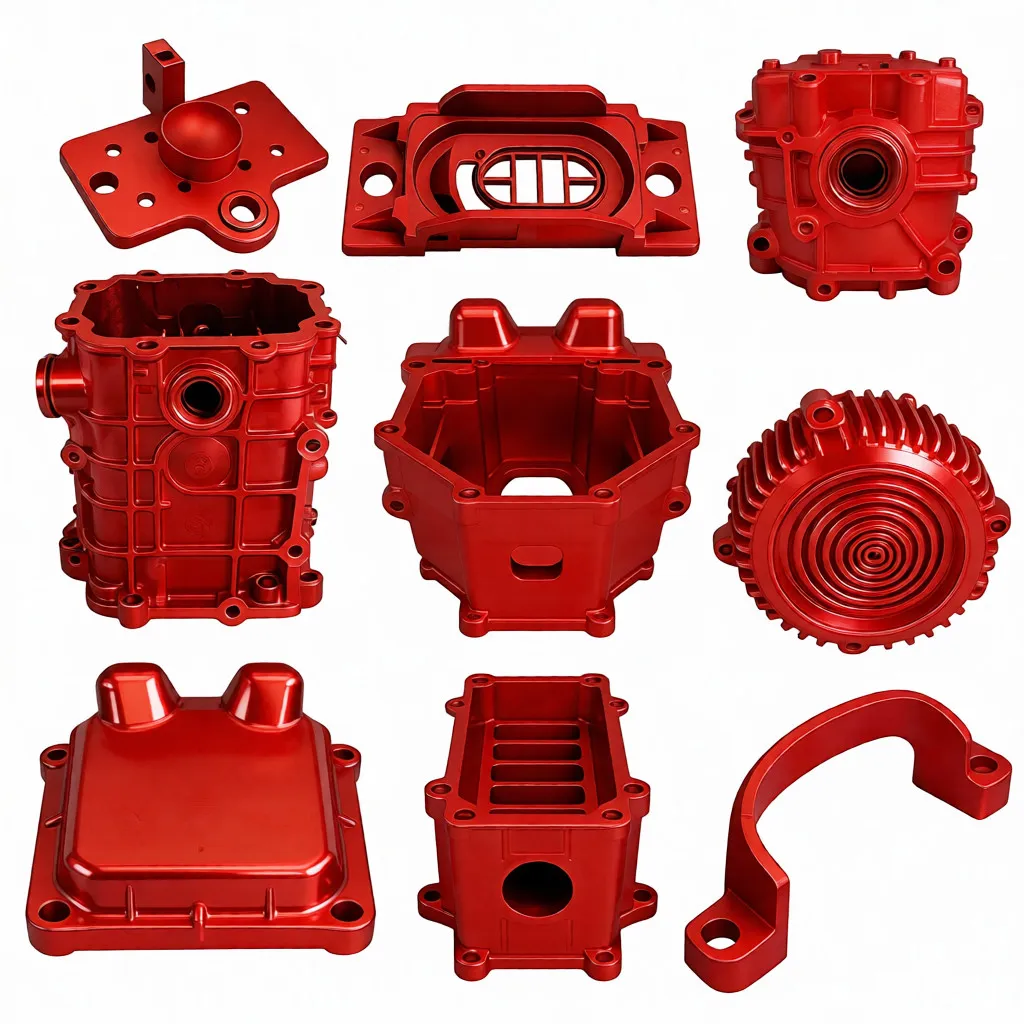
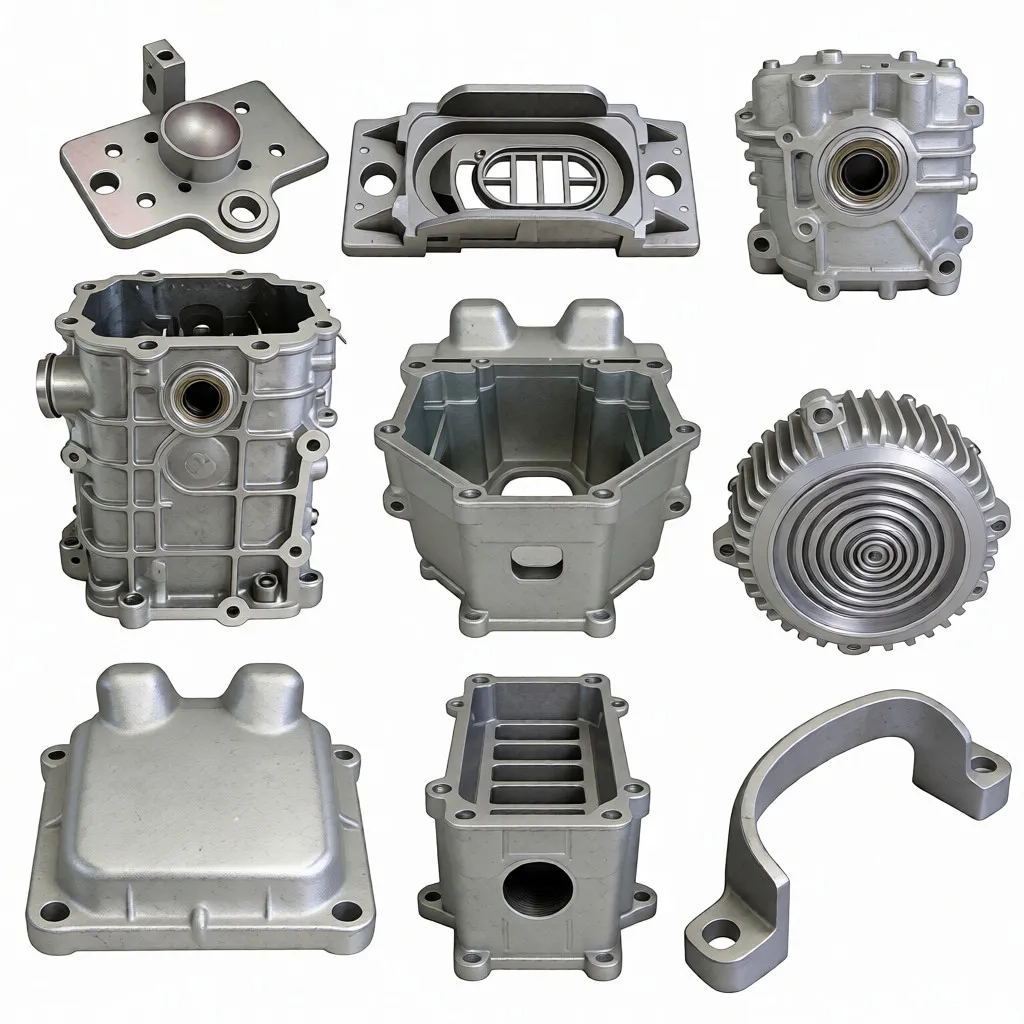
Custom Vacuum Die Sand Investment Casting and CNC Micro Machining Services for Selected Metal Components
Direct factory support
Get a quote that fits your project
Send your drawing or product reference, material grade and required quantity. Relia will review the requirements with you.
- Drawing & specification review
Confirm the supply scope and critical requirements.
- Samples before custom production
Review inspected samples before approving a batch.
- Inspection documents
Agree material and dimensional records for your part.
-
CNC Machining or NotCNC MachiningTypeBroaching, Drilling, Etching / Chemical Machining, Laser Machining, Milling, Other Machining Services, Turning, Wire EDM, Rapid Prototyping
-
Material CapabilitiesAluminum, Brass, Bronze, Copper, Hardened Metals, Precious Metals, Stainless Steel, Steel AlloysMicro Machining or NotMicro Machining
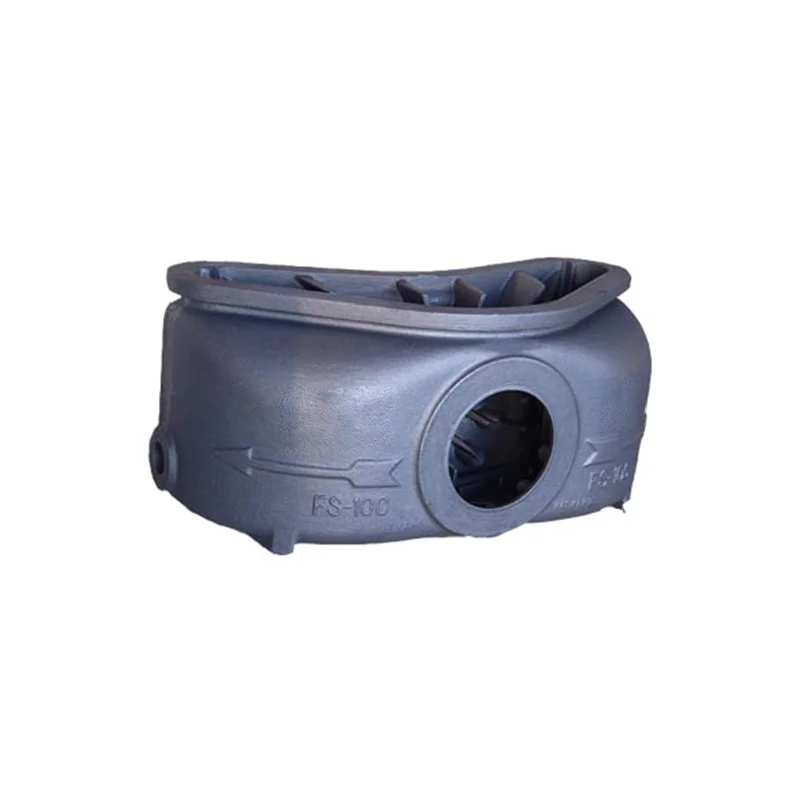
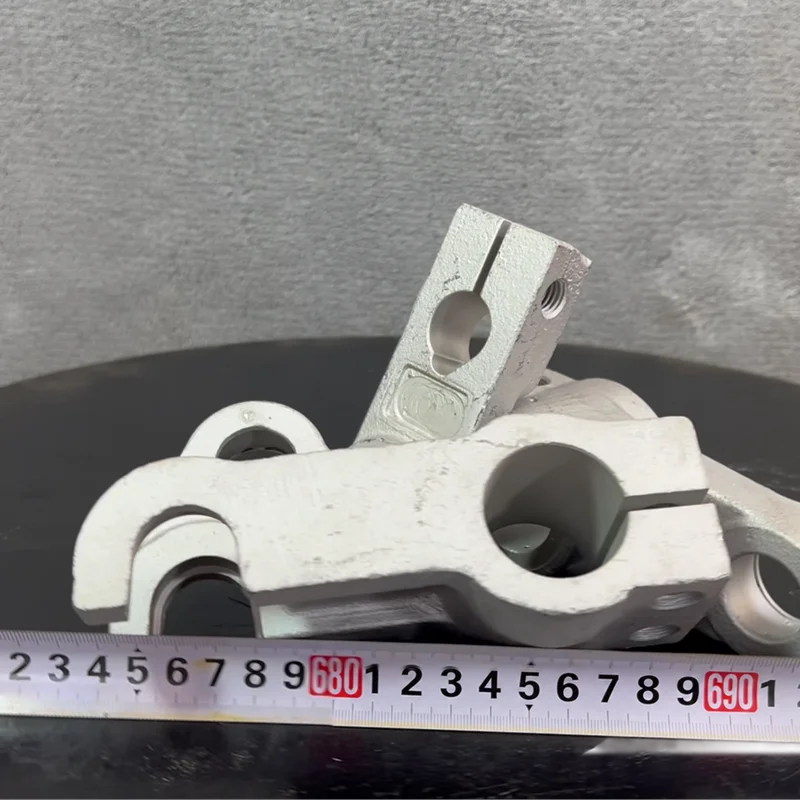
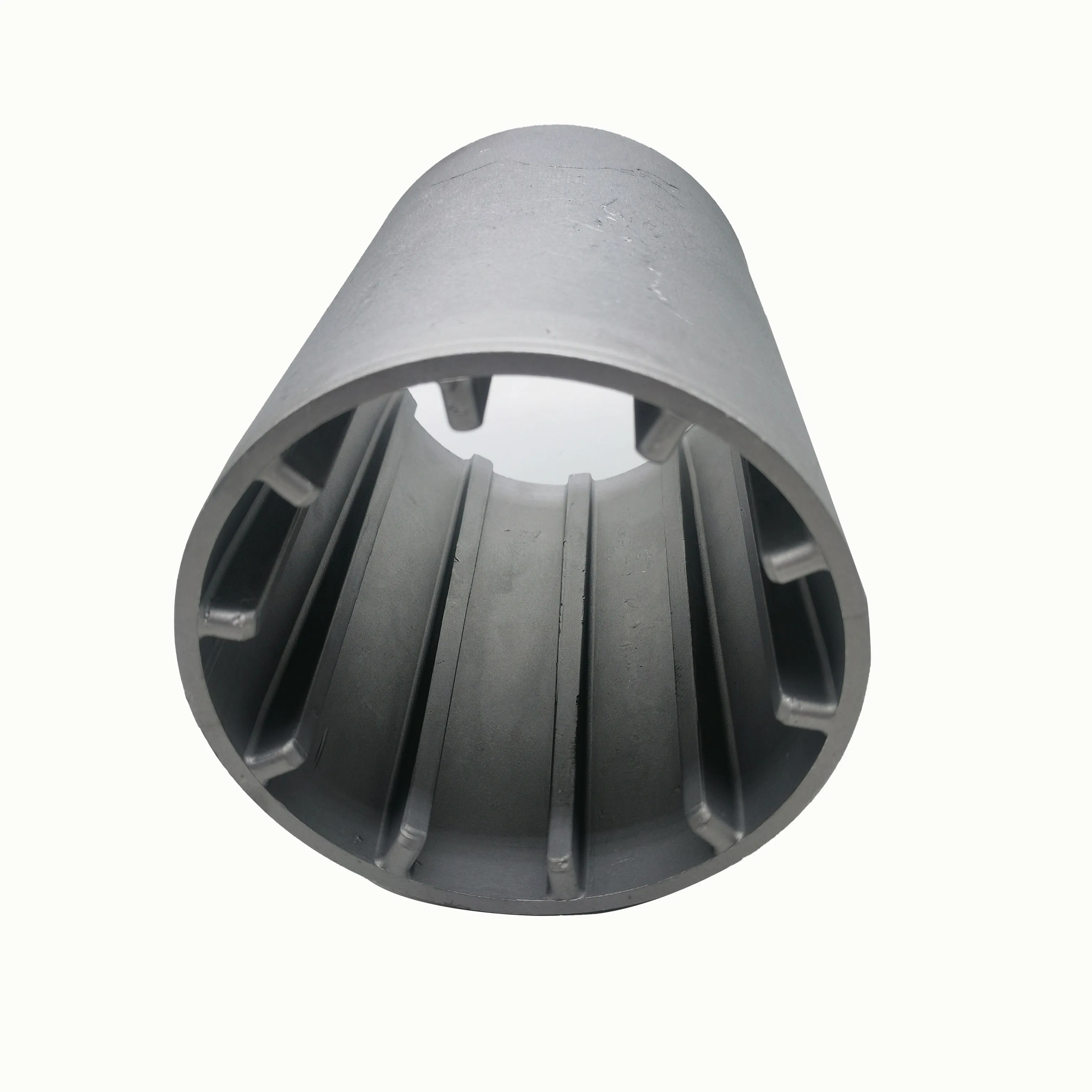
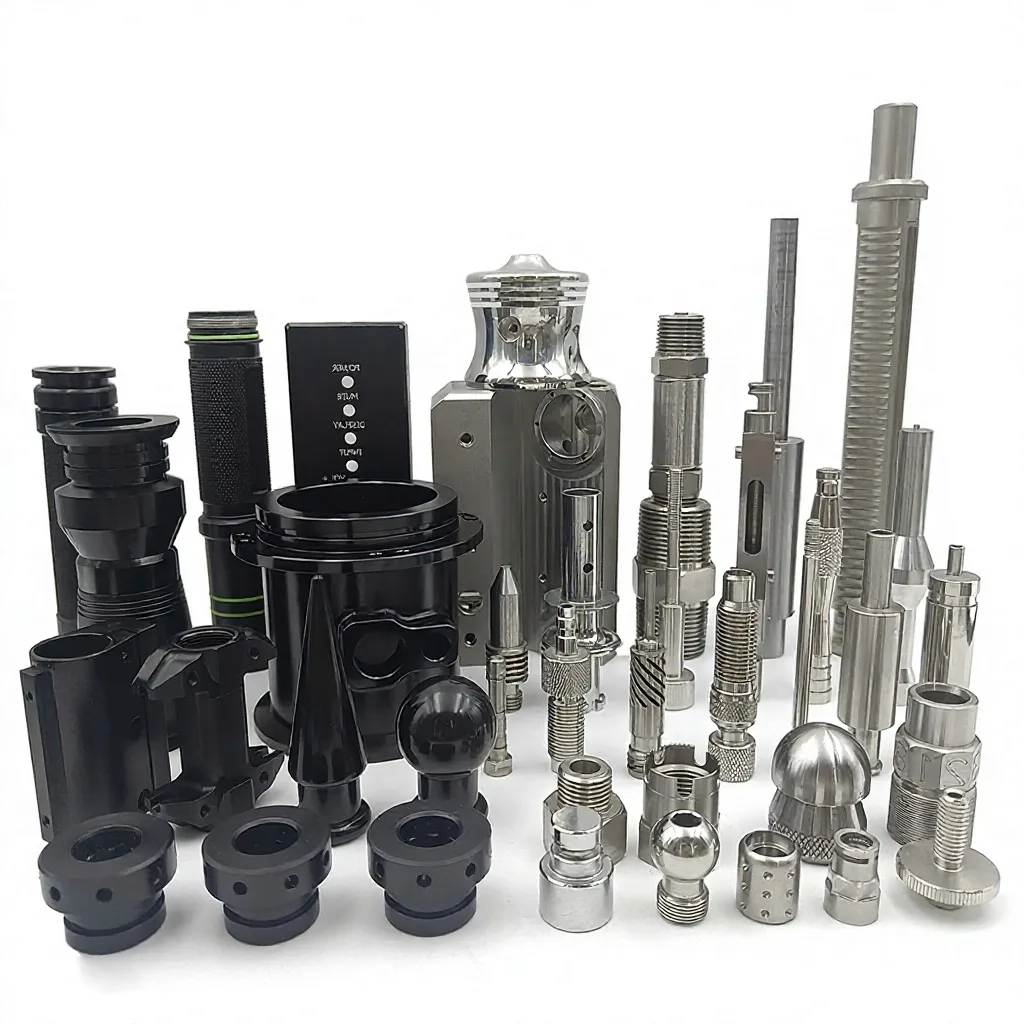
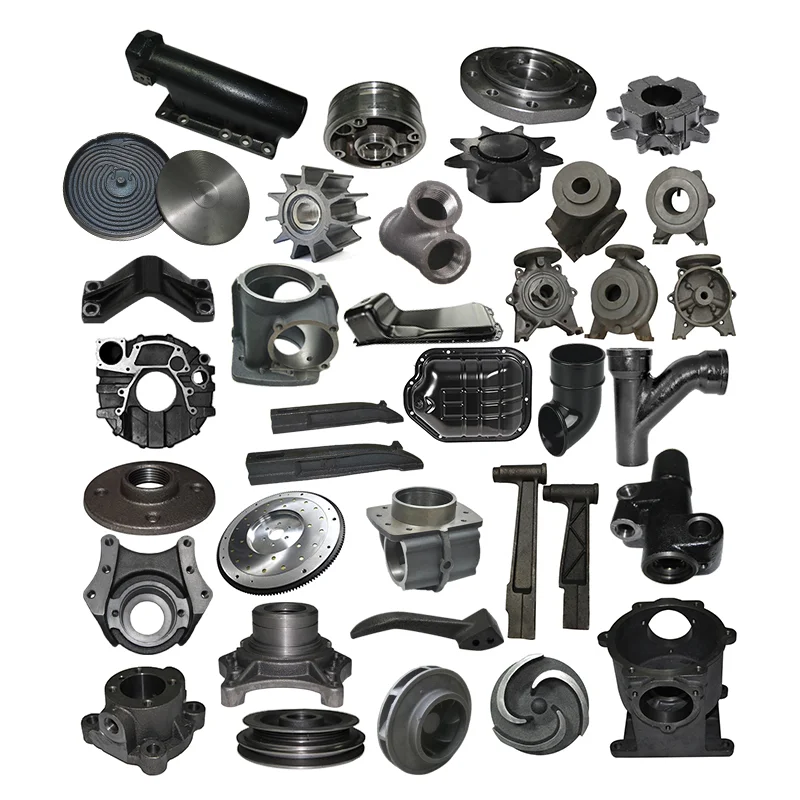
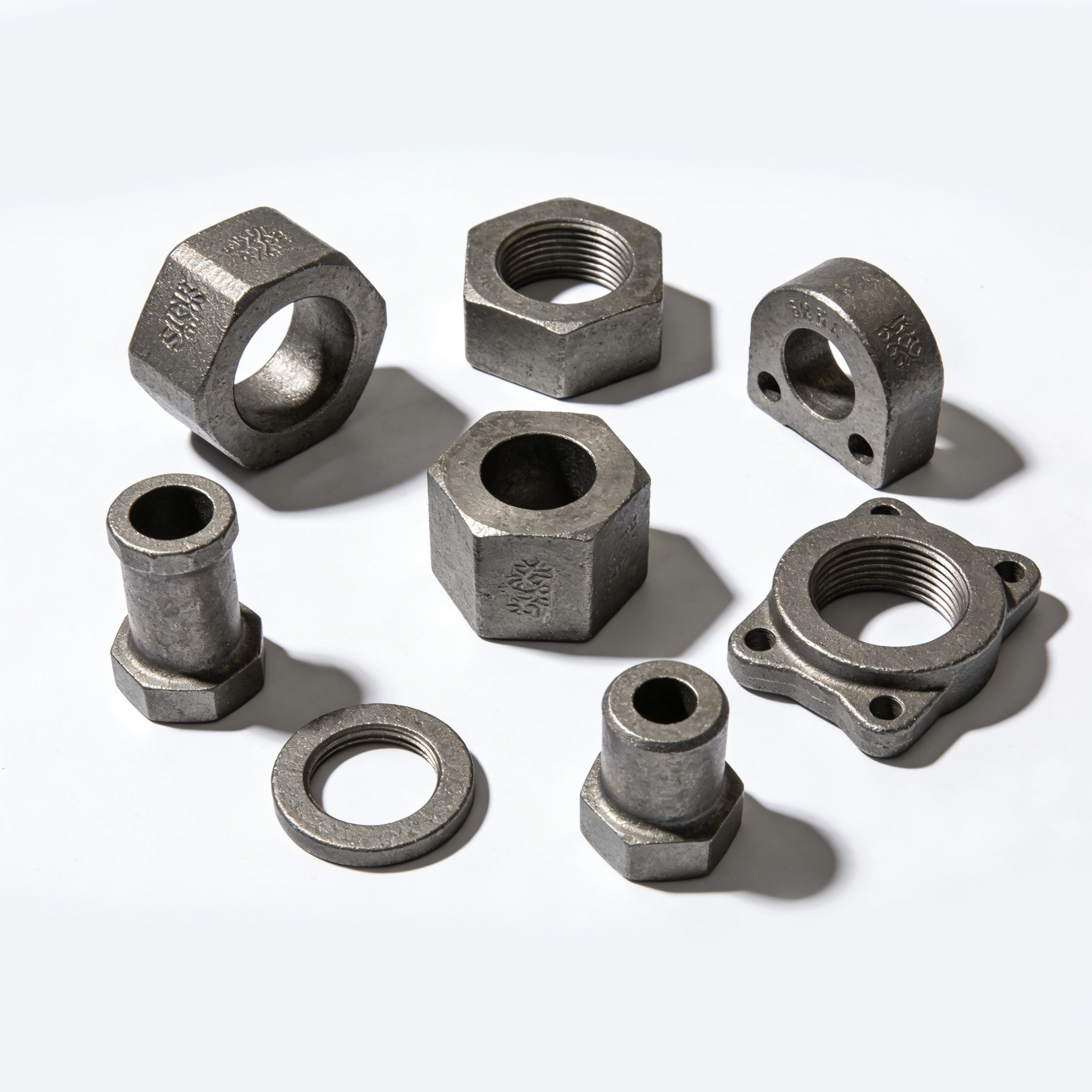
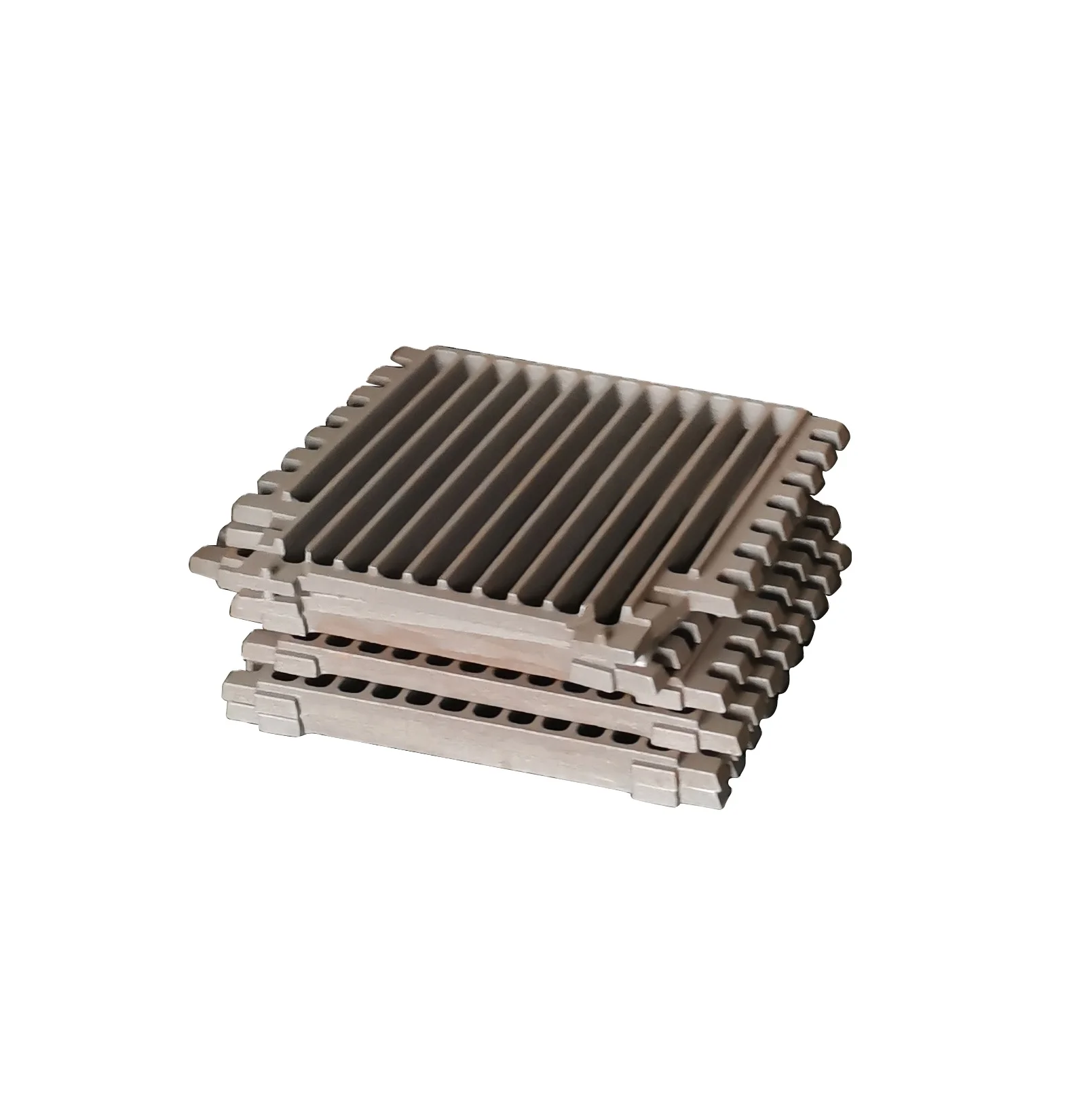
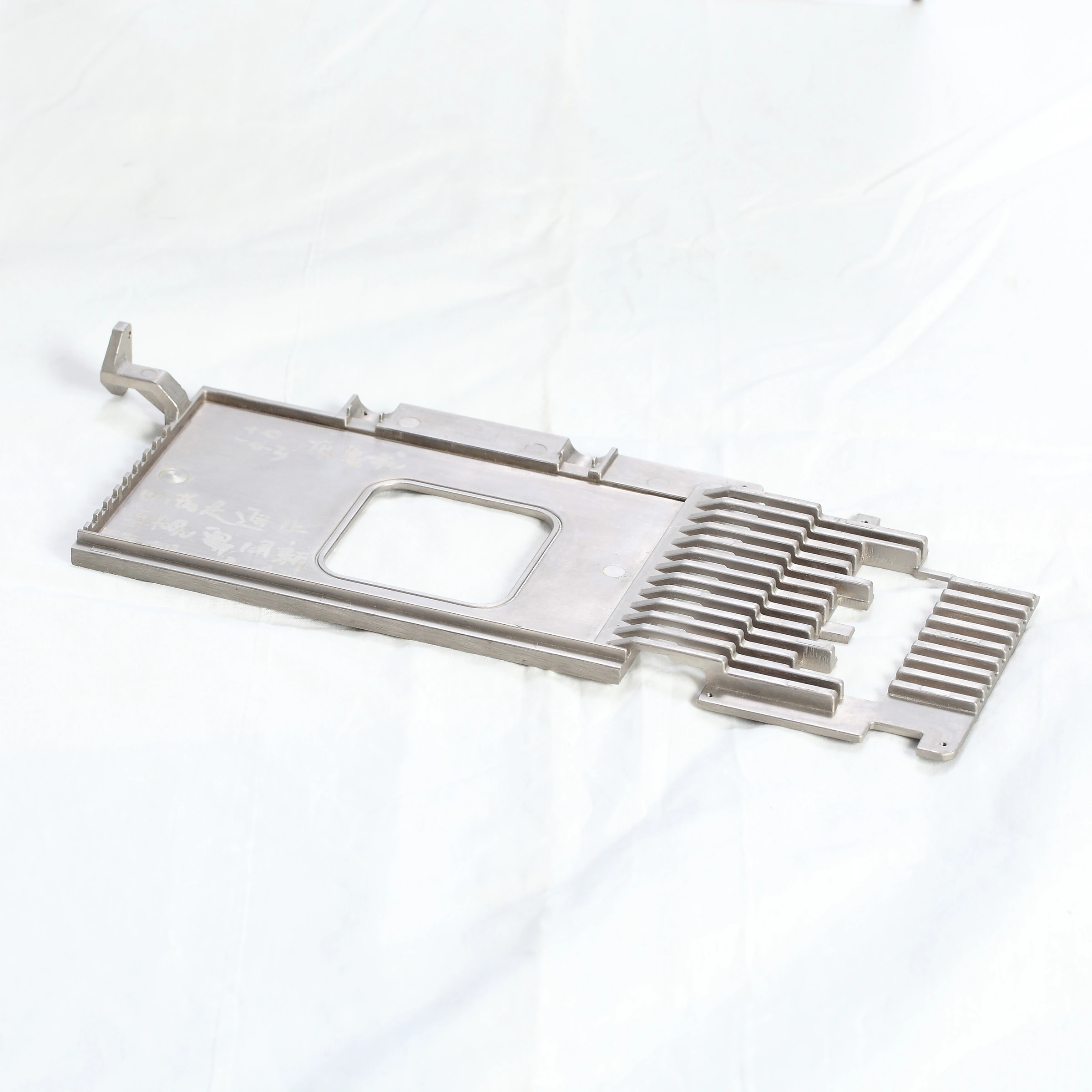
Custom component enquiries combine a selected vacuum-die, sand or investment-casting route with CNC machining where required. Micro-machining and rapid prototyping are also named requests. Define the actual material, starting blank and finished geometry so each operation is matched to the component rather than assumed for every metal.
Select a complete material designation
Material capabilities cover the following choices. Specify the grade and condition needed for the drawing, including the actual alloy where a broad material family is named.
- Aluminum.
- Brass.
- Bronze.
- Copper.
- Hardened metals.
- Precious metals.
- Stainless steel.
- Steel alloys.
Choose operations around the required geometry
Machining requests include broaching, drilling, etching or chemical machining, laser machining, milling, turning, wire EDM and other services. Show the interfaces and local details assigned to the selected operations. For micro-machined areas, define dimensions, datum relationships and acceptance limits that explain the small geometry and its function within the part. Include the intended measuring approach where small details require particular access or visibility.
Define prototype and component approval
State quantity, controlled revision and required delivered condition for the actual order. Mark the final surfaces and dimensions used to assess fit and appearance. For a prototype, explain which requirements it is intended to demonstrate and what records support approval. Agree dimensional, material and surface acceptance before proceeding so the chosen manufacturing scope has a clear, component-specific result.