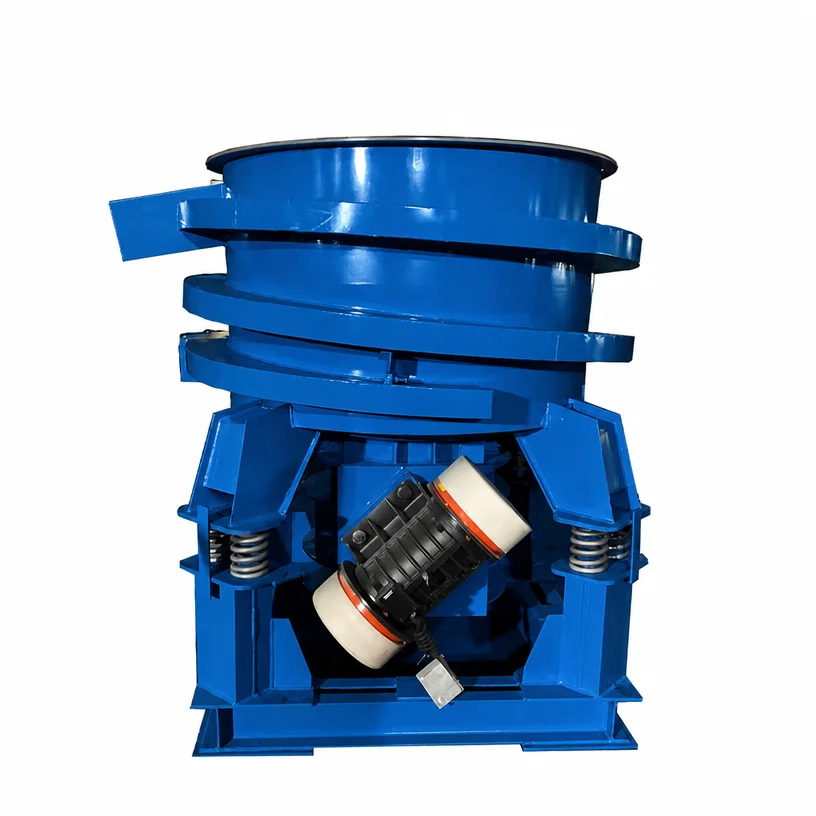
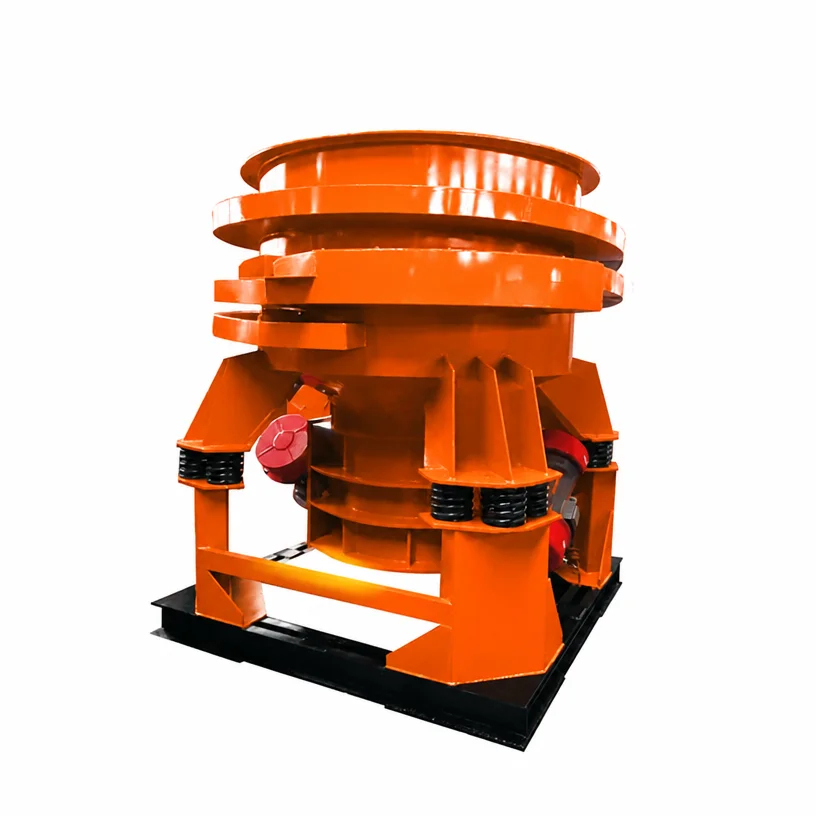
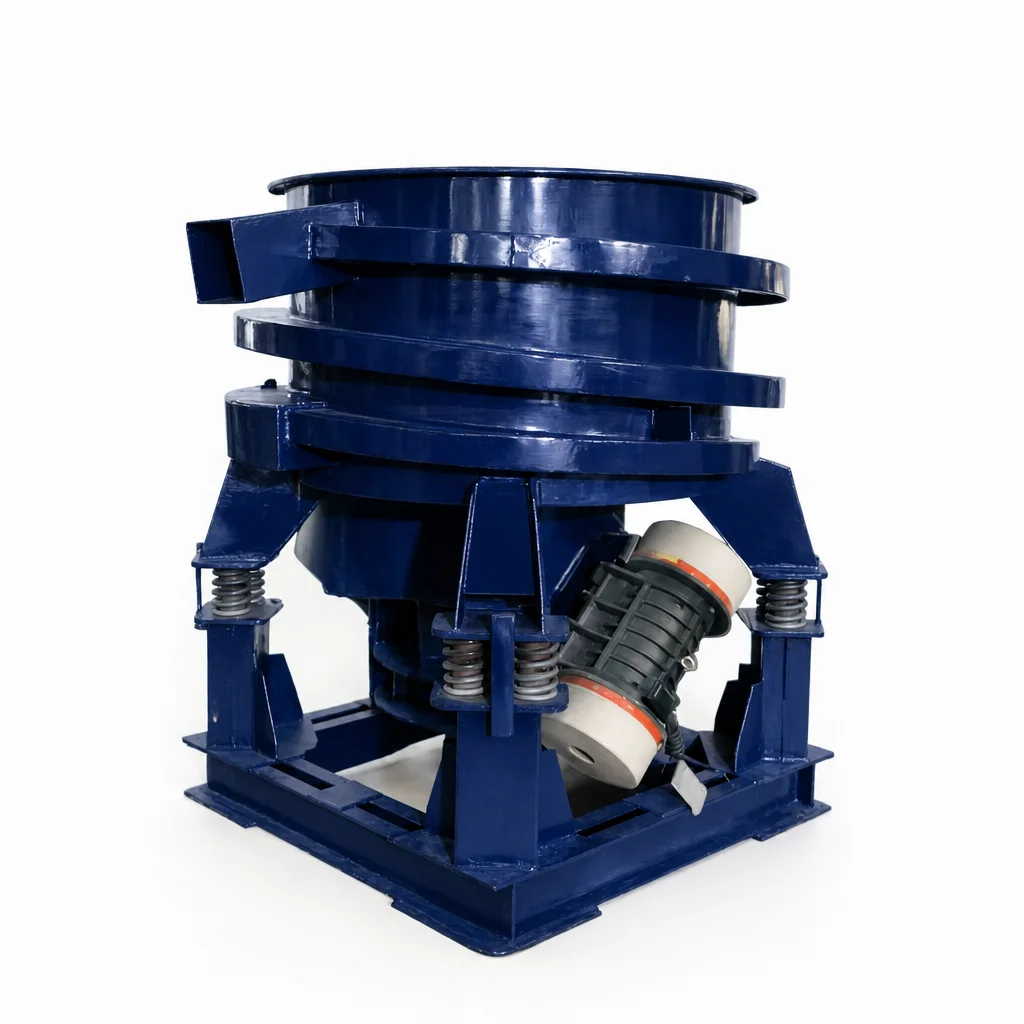
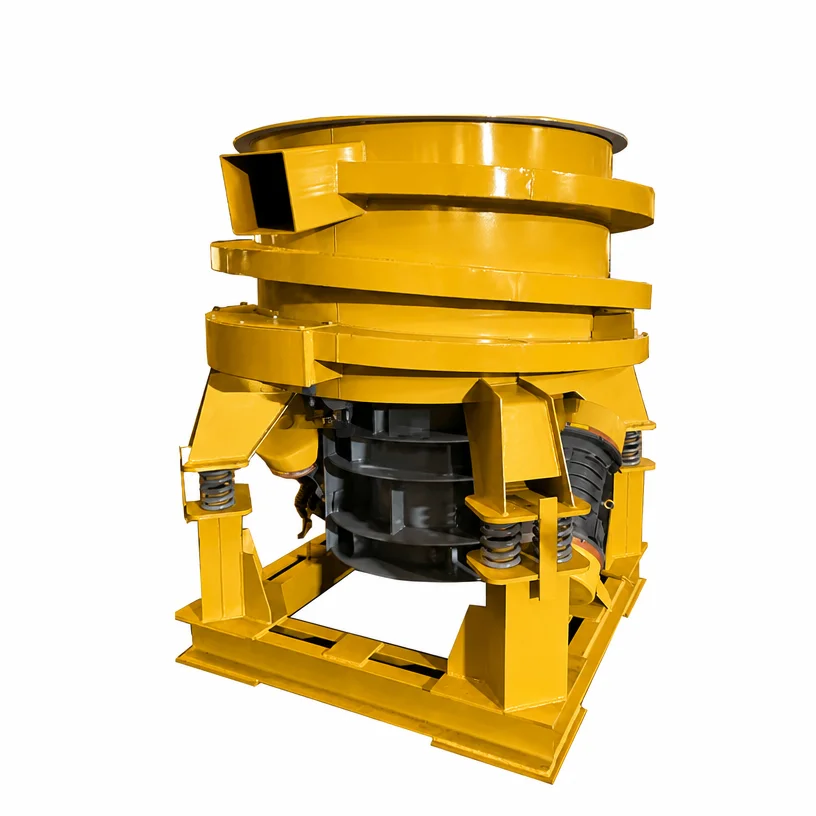
Foundry Used-Sand Resin-Coating Removal and Recycling Equipment — S564II S565II S568II S5610II Enquiries
Direct factory support
Get a quote that fits your project
Send your drawing or product reference, material grade and required quantity. Relia will review the requirements with you.
- Drawing & specification review
Confirm the supply scope and critical requirements.
- Samples before custom production
Review inspected samples before approving a batch.
- Inspection documents
Agree material and dimensional records for your part.
-
machine typecontinuous casting machinevideo outgoing-inspectionProvided
-
machinery test reportProvidedcore componentsPLC, Engine, Bearing, Gearbox, Motor
-
voltage380v 60hz, 220V 50Hz, 220V 60Hz, 380v 50hz, 440v 50hz, 440v 60hz, 110V 60Hzpower(w)Determine based on the equipment
-
dimension(l*w*h)Determine based on the devicewarranty1 Year
-
key selling pointsEasy to Operate, Famous Brand PLC, Other, Remote Control, Accurate Temperature Control, Competitive Priceweight (kg)500
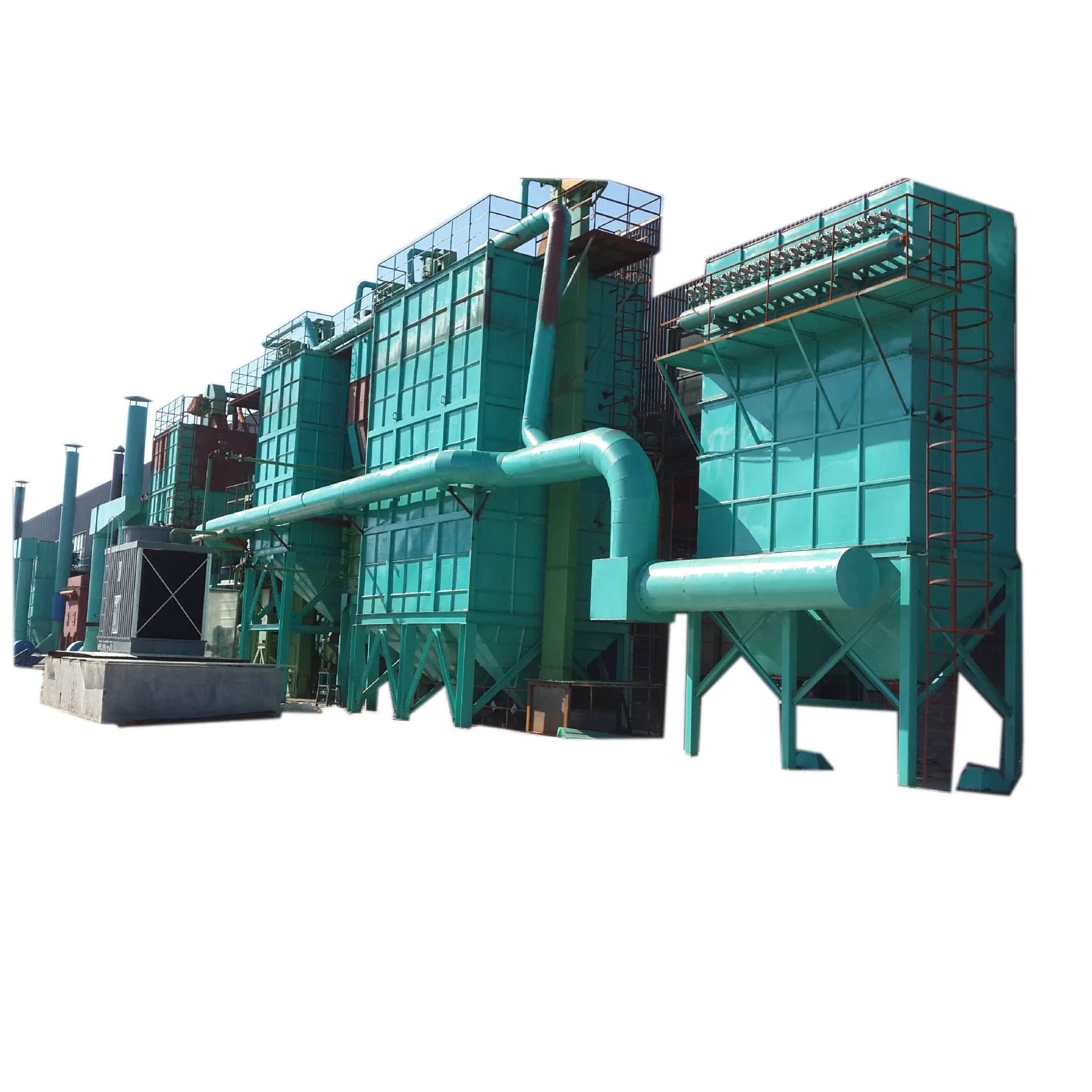
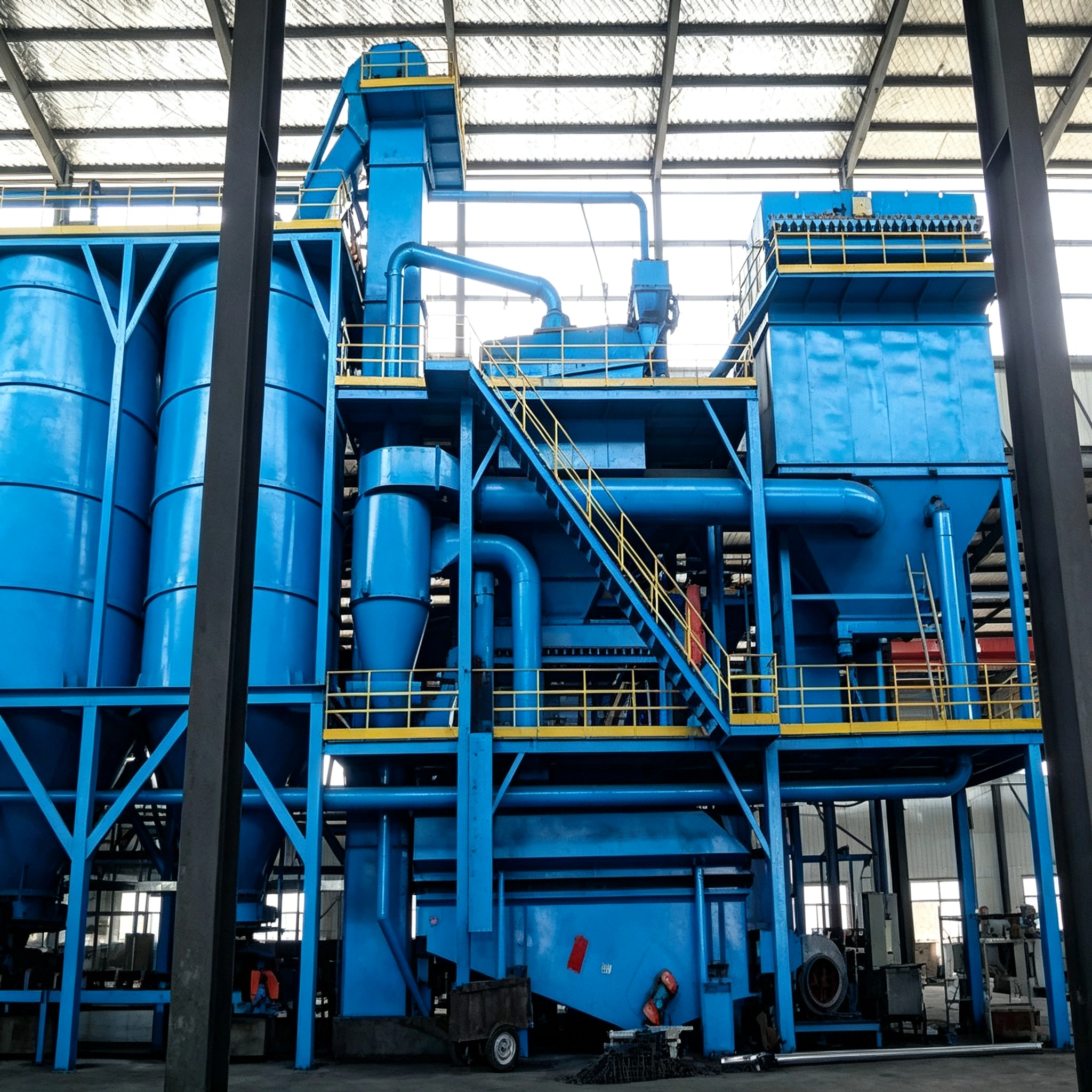
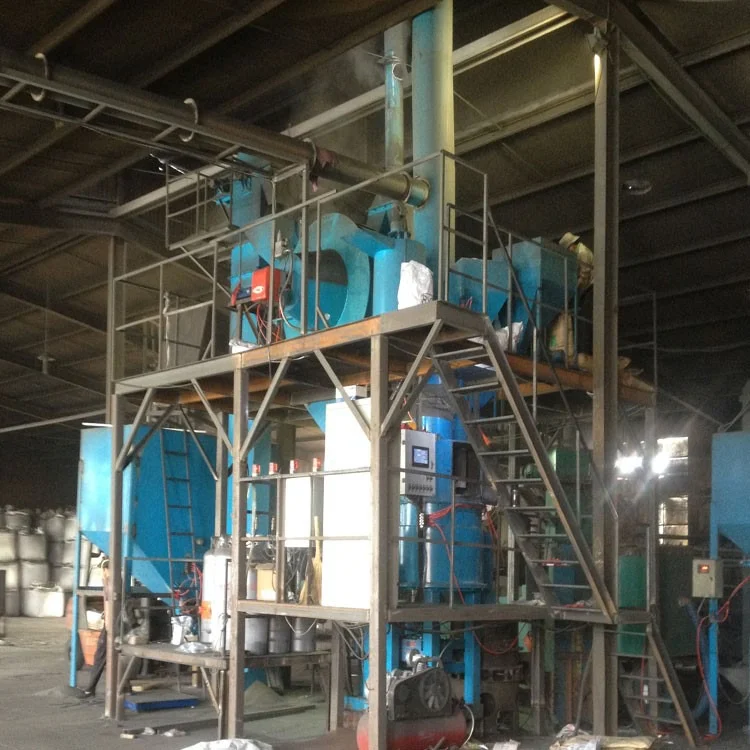
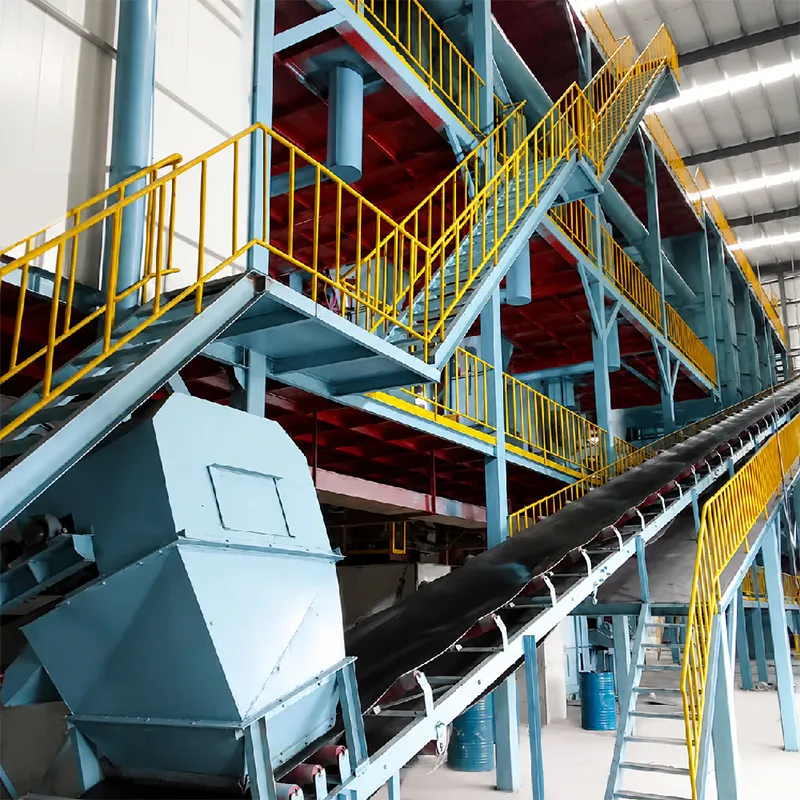
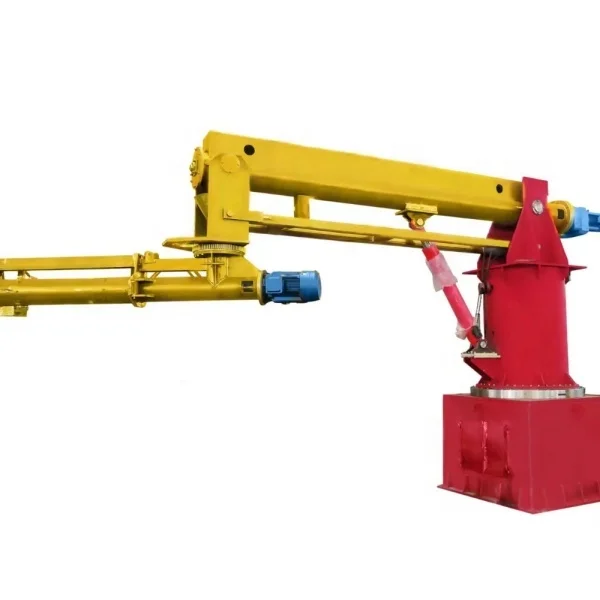
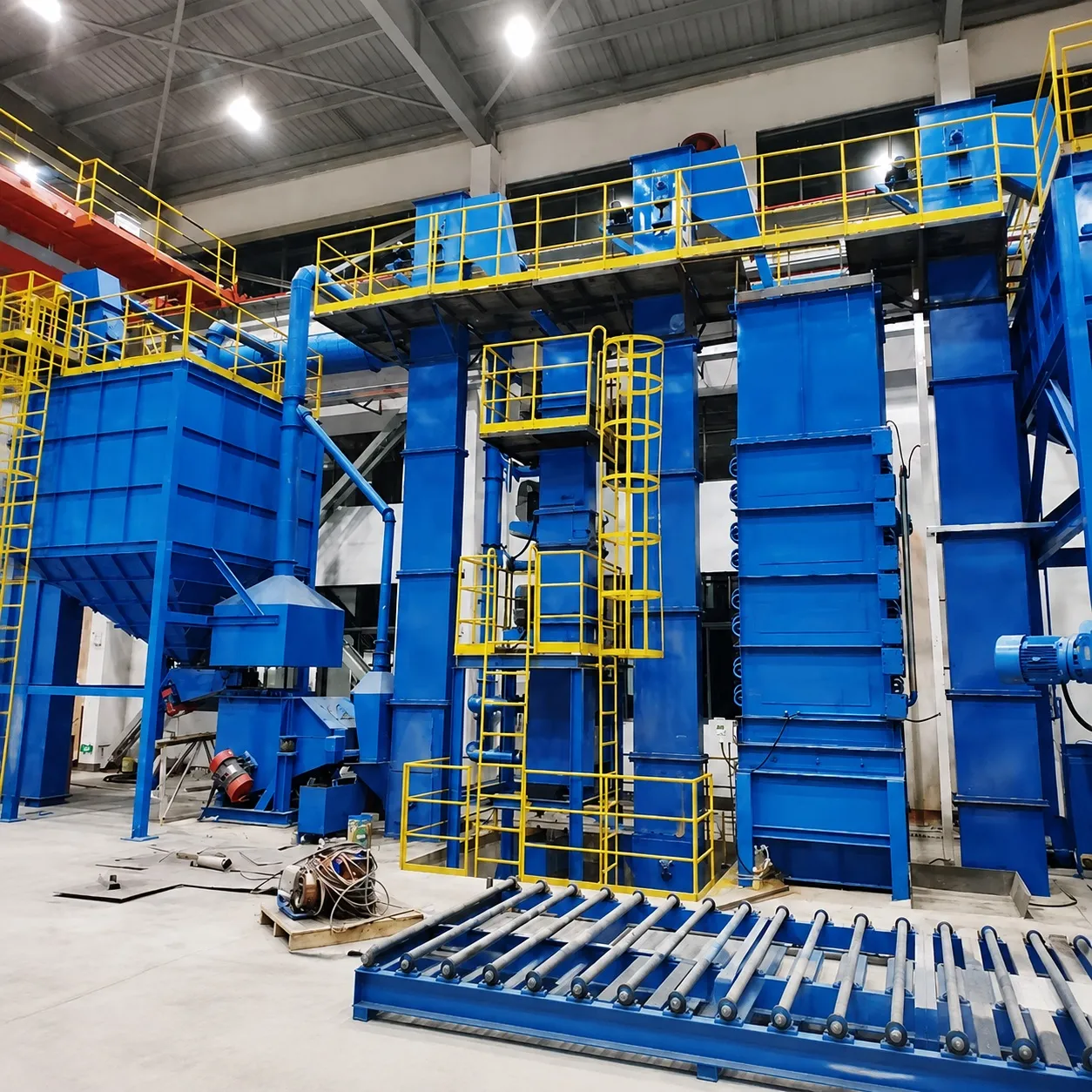
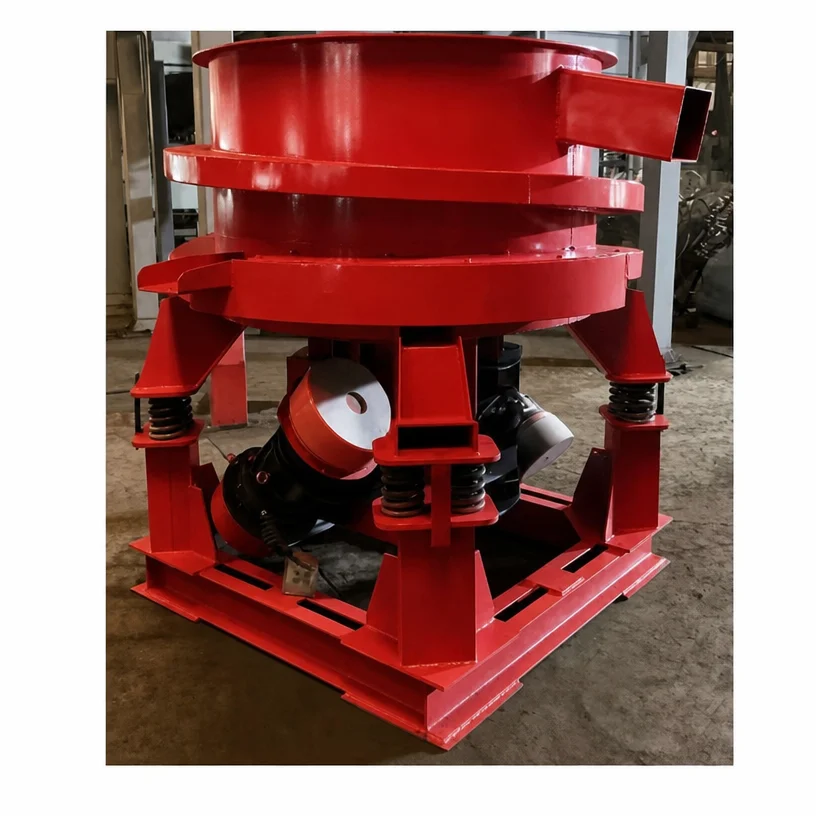
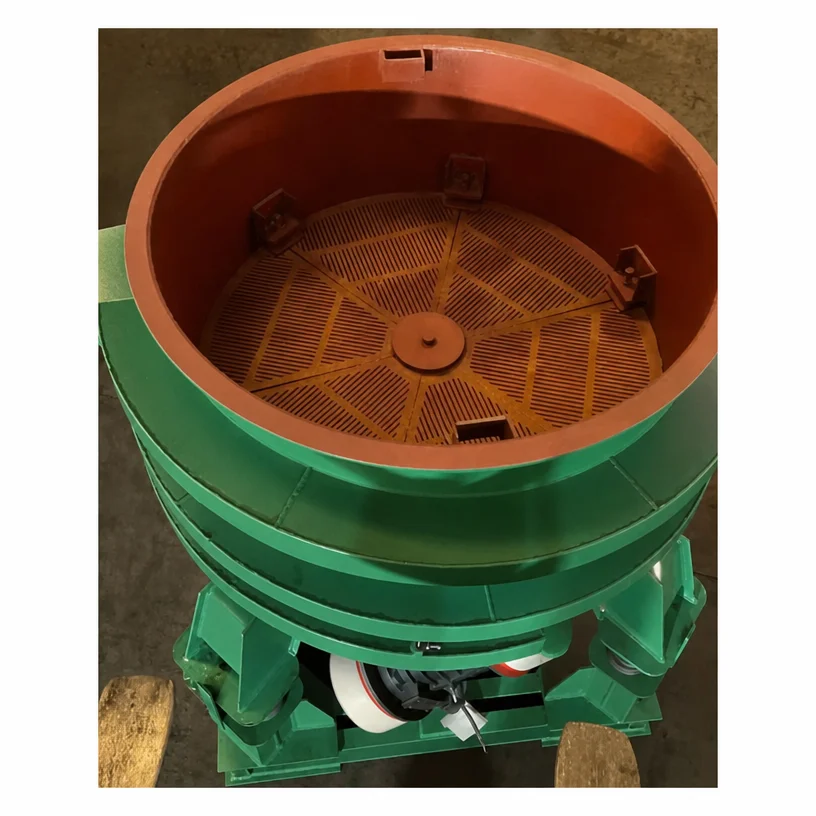
Used-sand recycling enquiries should begin with the resin coating to be removed and the condition in which the recovered sand is needed. This foundry-equipment request names S564II, S565II, S568II and S5610II selections for defining the actual machine and its workshop duty.
Describe the incoming sand and required output
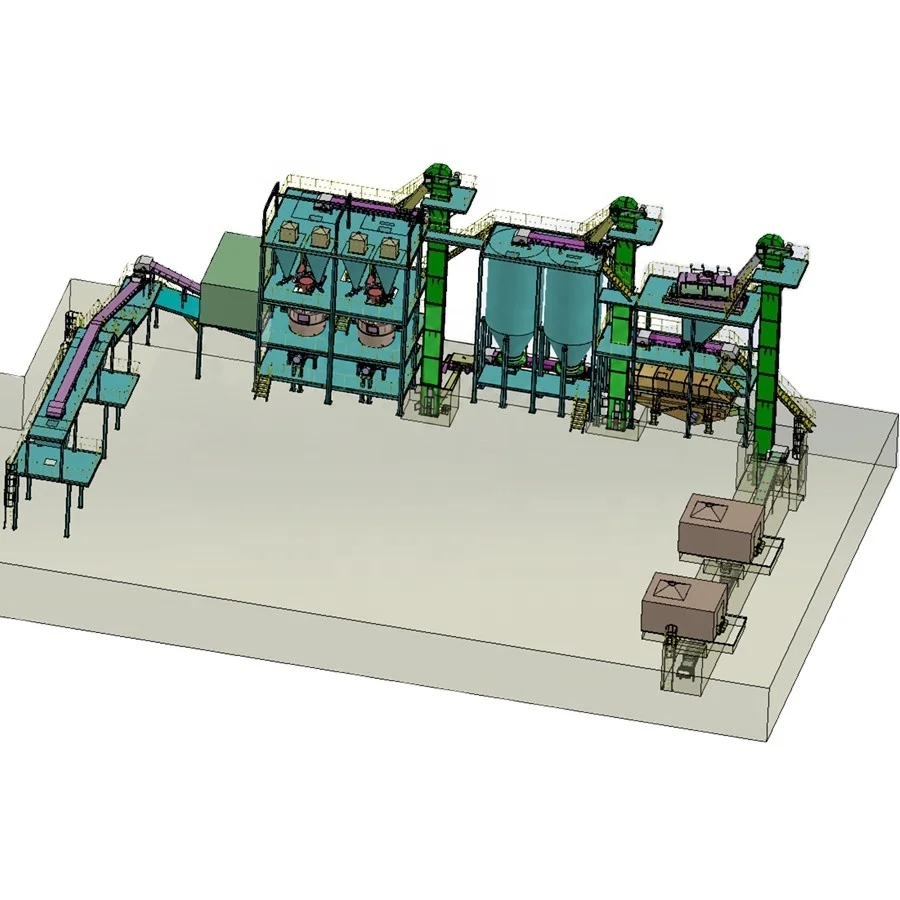
Provide the used-sand characteristics, resin system and required throughput when discussing coating removal. Explain how the machine will connect with the workshop's existing sand-handling stages. Agree the selected equipment's actual function and output requirement before developing the installation arrangement.
- Identify the feed material and resin-coating removal objective.
- State the required throughput and recovered-sand acceptance.
- Select the machine reference to be evaluated.
- Show the available installation space and connecting equipment.
- Specify the site electrical supply and control interfaces.
Coordinate power and controls with the installation
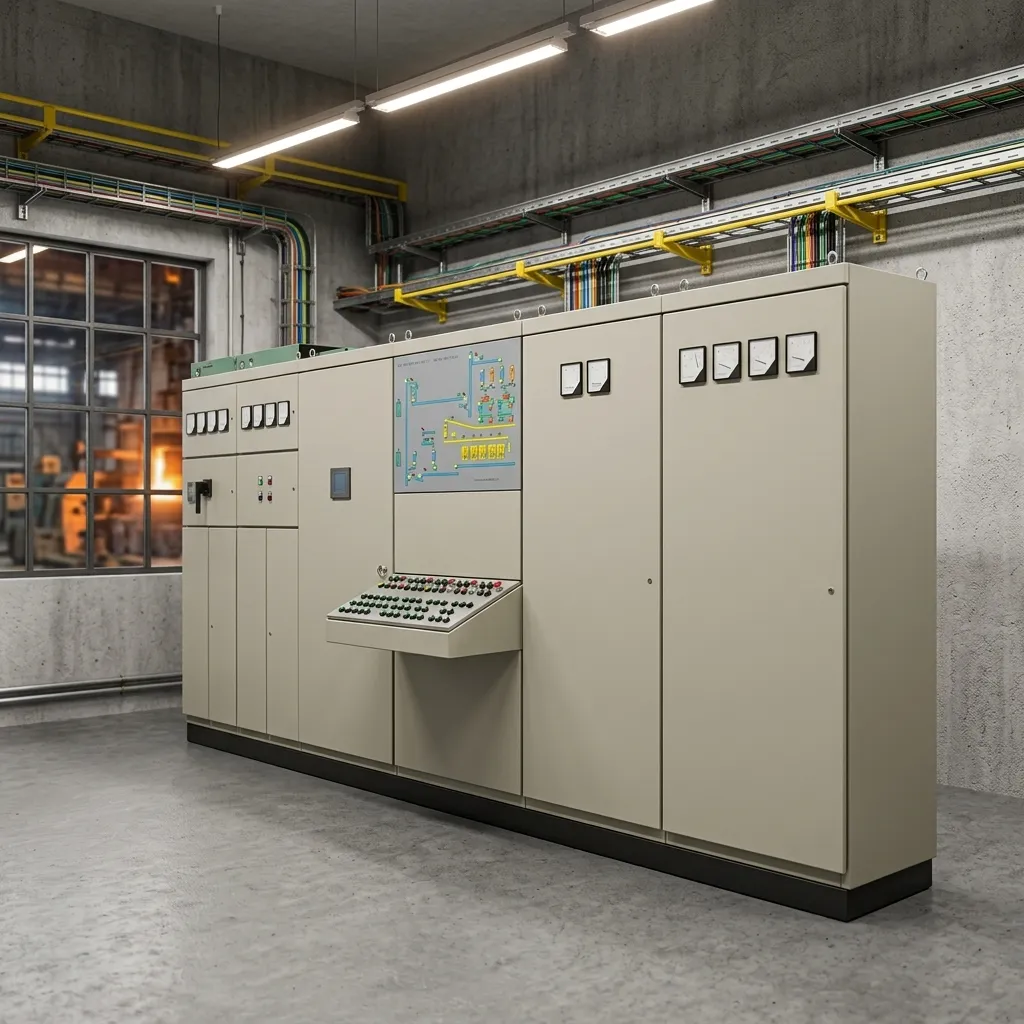
Listed electrical choices include 380 V, 220 V and 440 V at 50/60 Hz, plus 110 V at 60 Hz. Power and dimensions depend on the selected equipment. PLC, engine, bearing, gearbox and motor are named in the component scope; identify the actual drive arrangement and the control functions needed by the workshop.
Use the machine documentation for acceptance
Easy operation, remote control and accurate-temperature-control functions are named enquiries to define for the chosen configuration. An outgoing-inspection video and machinery test report are provided, and a one-year warranty is listed. Relate the agreed checks to the required equipment duty, controls and installation interfaces so the acceptance record describes the machine being ordered.