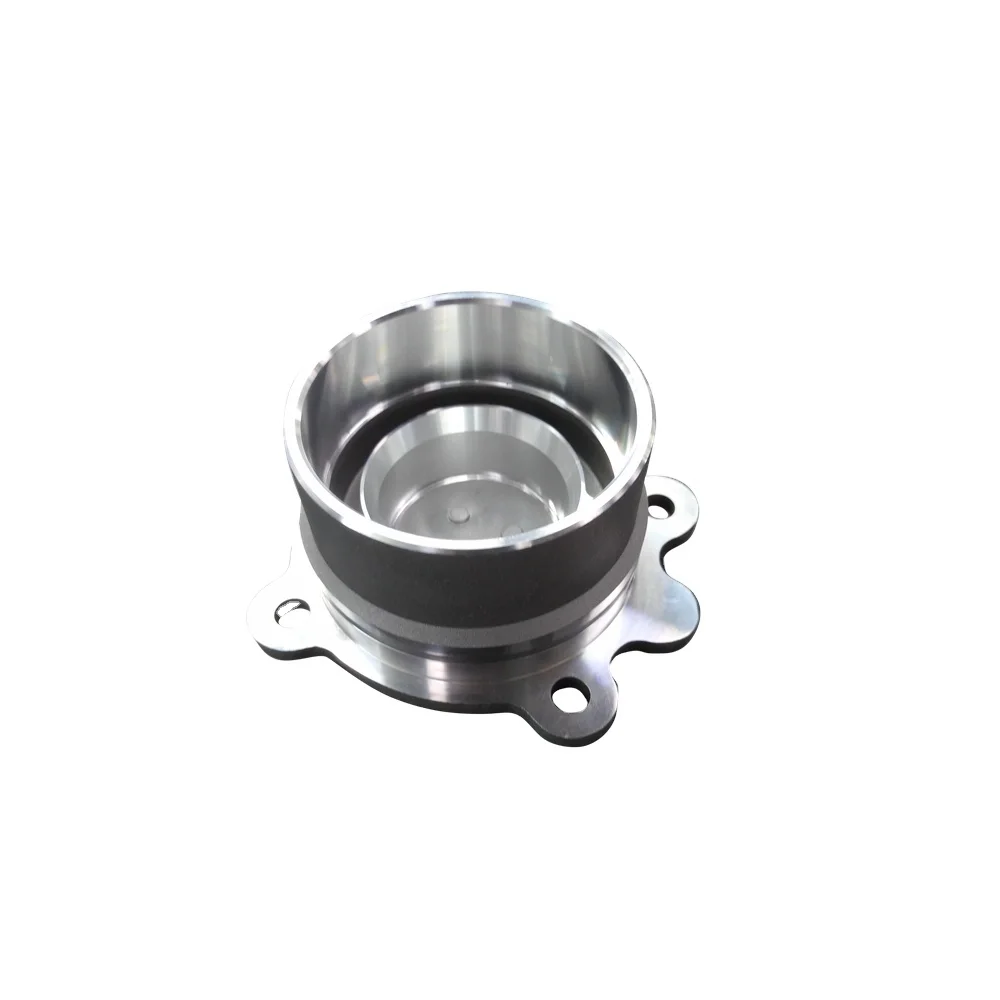
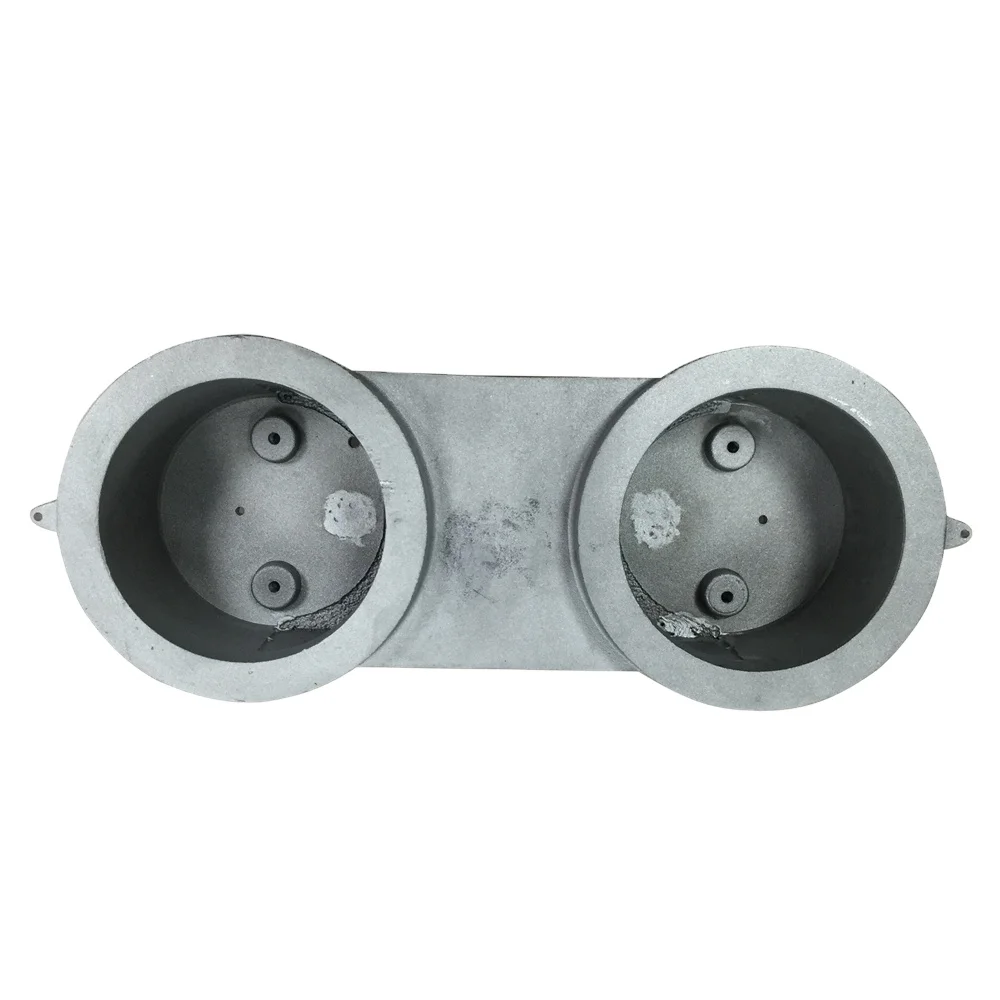
OEM Aluminium Sand Gravity and High Pressure Die Casting with CNC Drilling Turning Tapping and H13 Tooling
Direct factory support
Get a quote that fits your project
Send your drawing or product reference, material grade and required quantity. Relia will review the requirements with you.
- Drawing & specification review
Confirm the supply scope and critical requirements.
- Samples before custom production
Review inspected samples before approving a batch.
- Inspection documents
Agree material and dimensional records for your part.
-
ItemOEM Manufacture Sand Casting Gravity Casting Aluminium Die Casting
-
Processhigh pressure die castingAluminumAluminum/ Zinc/brass/bronze
-
CertificationISO9001;CNCdrilling, turning, tapping
-
MouldH13 steelService life30K-50K times
-
Surface treatmentSandblastingMachining ProcessCNC Machine
-
Quality Control100% Inspection
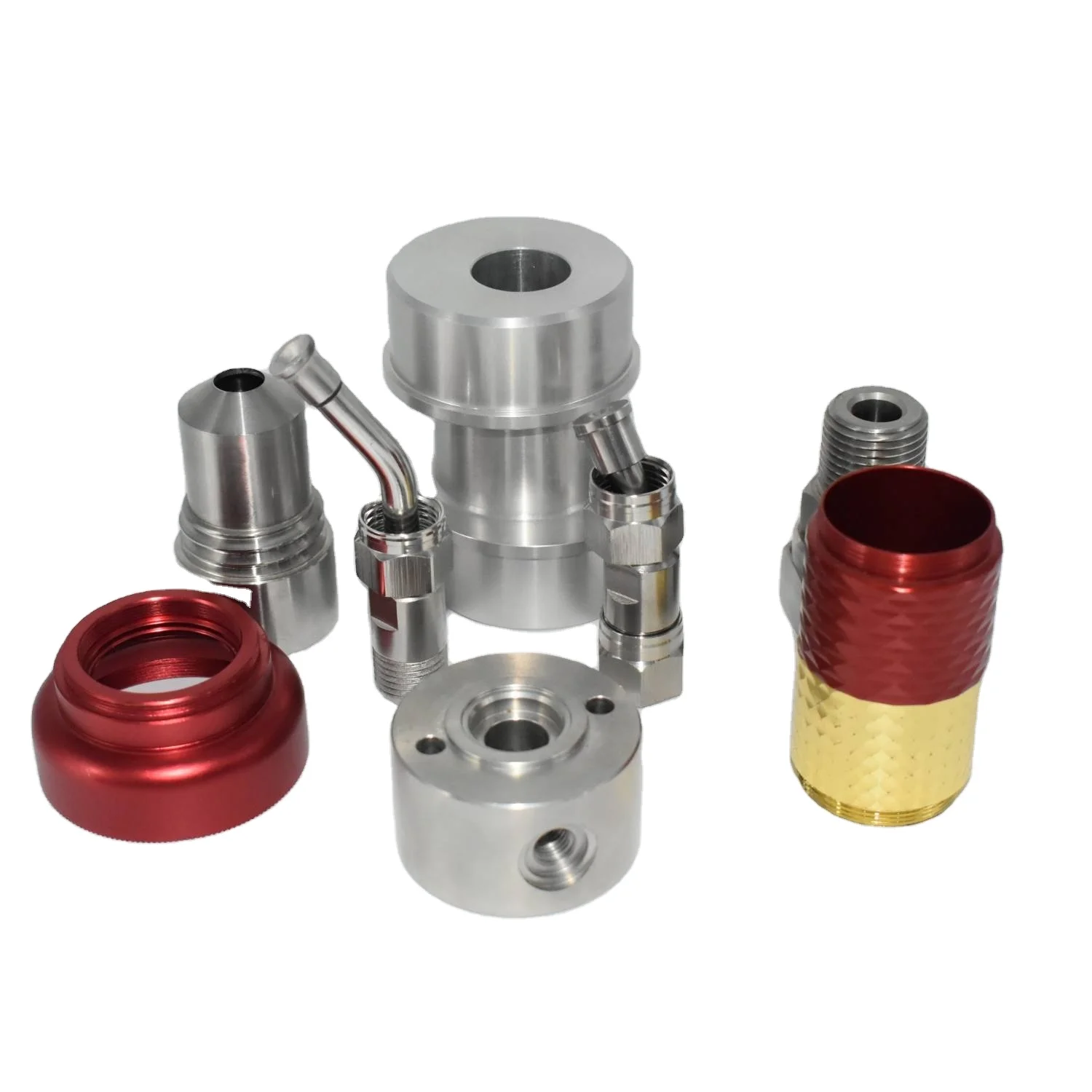
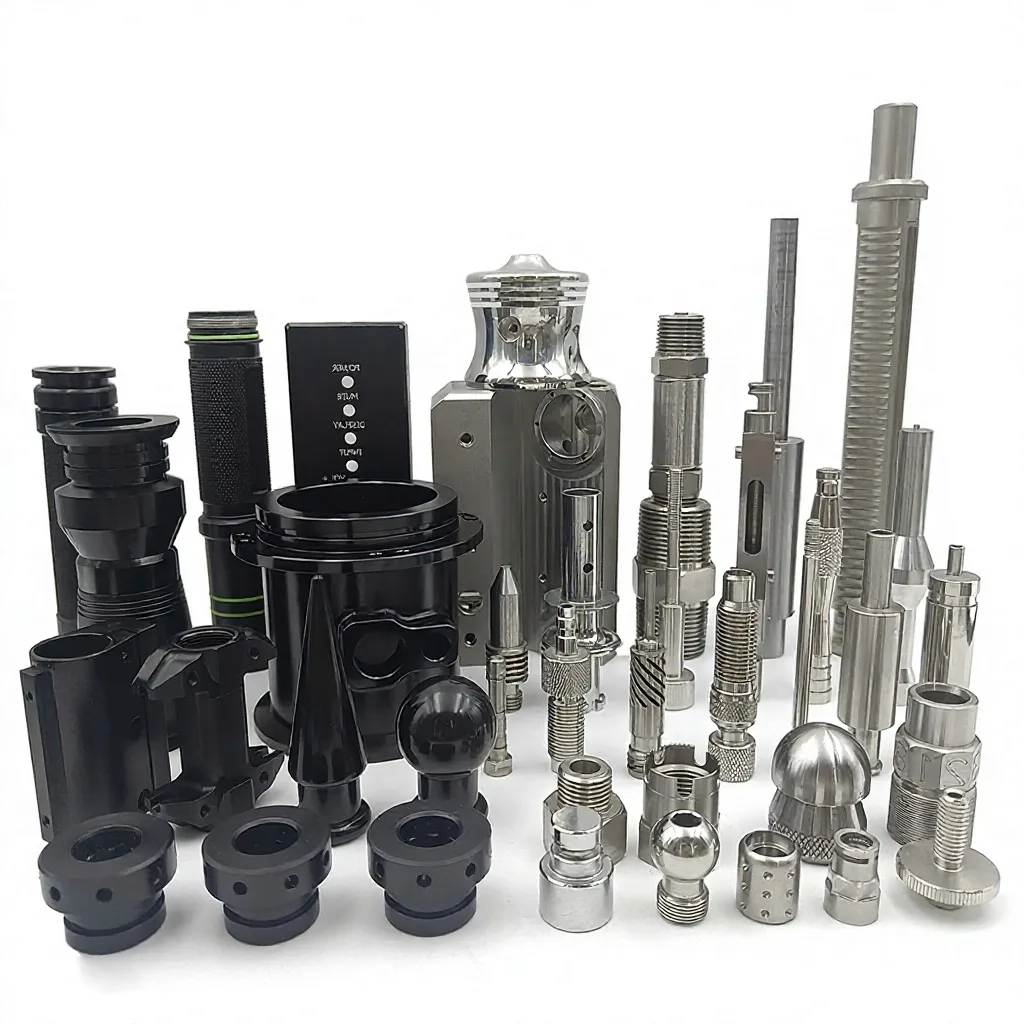
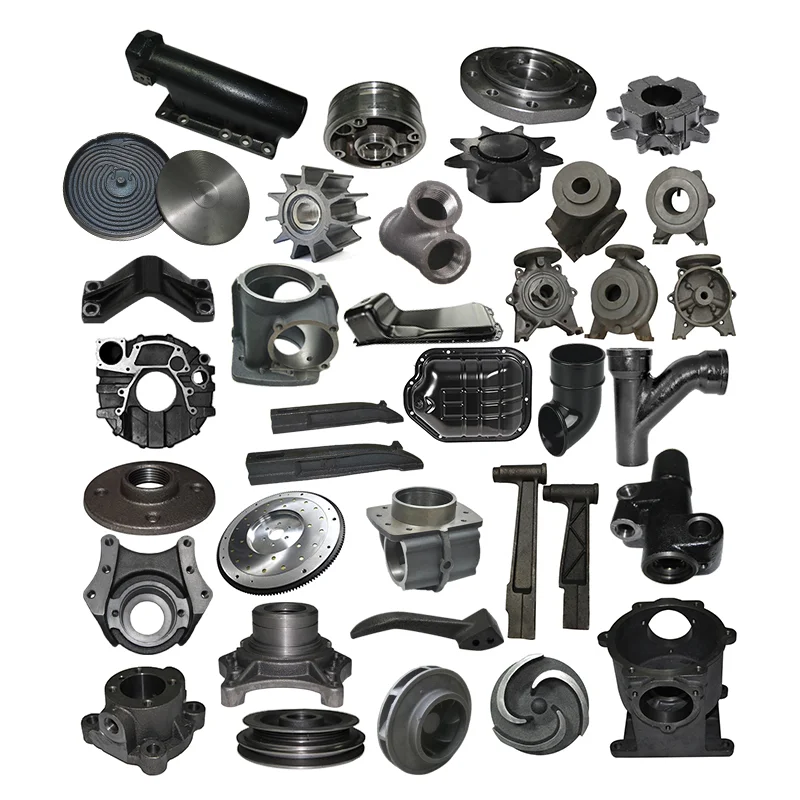
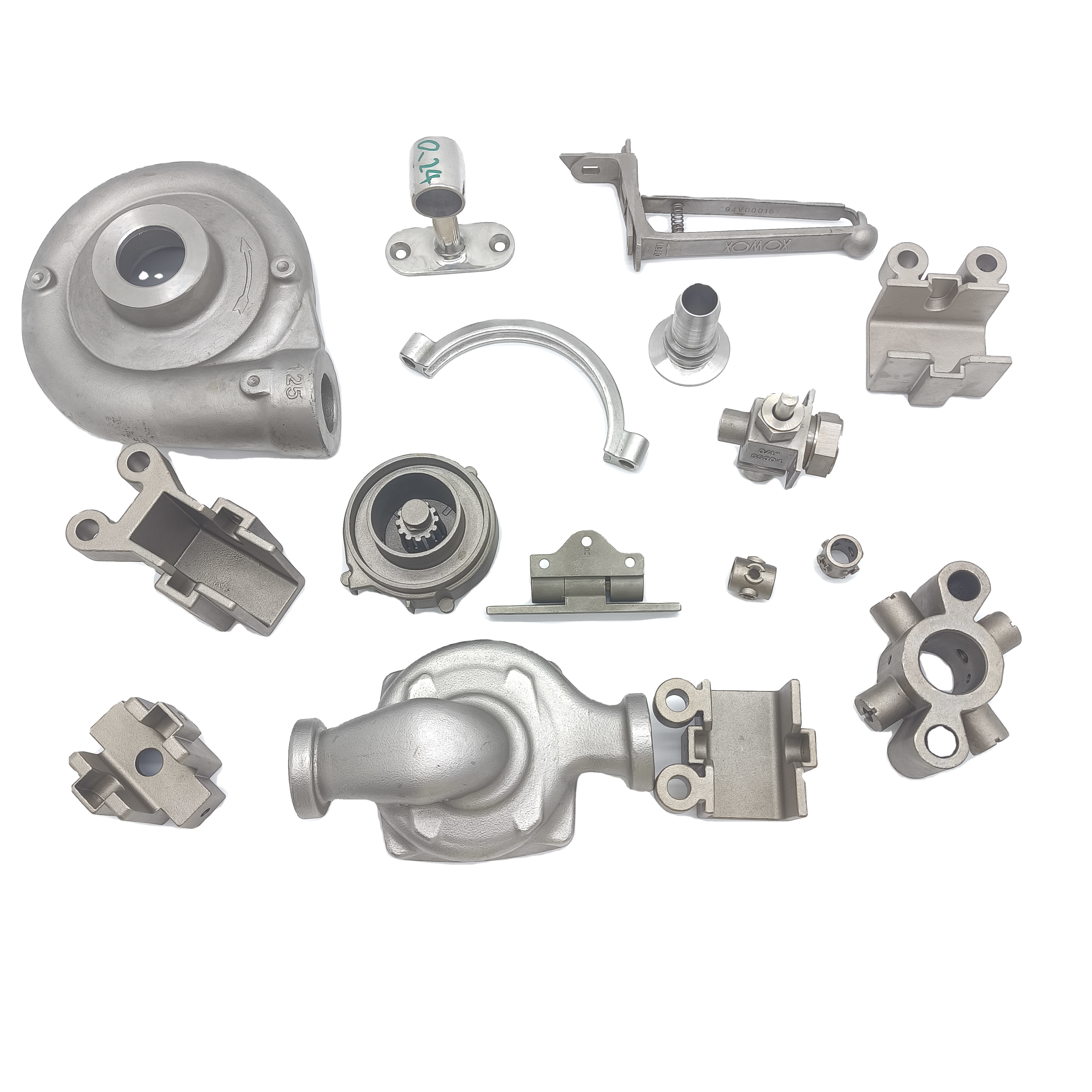
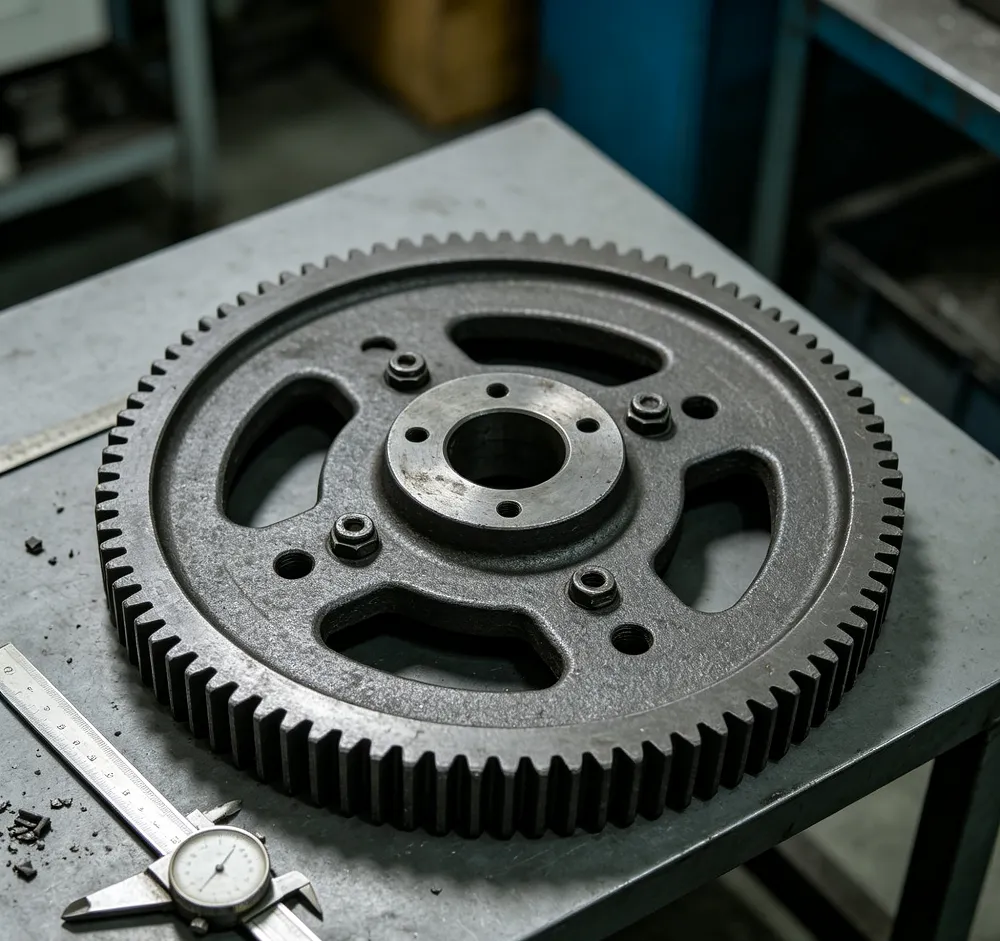
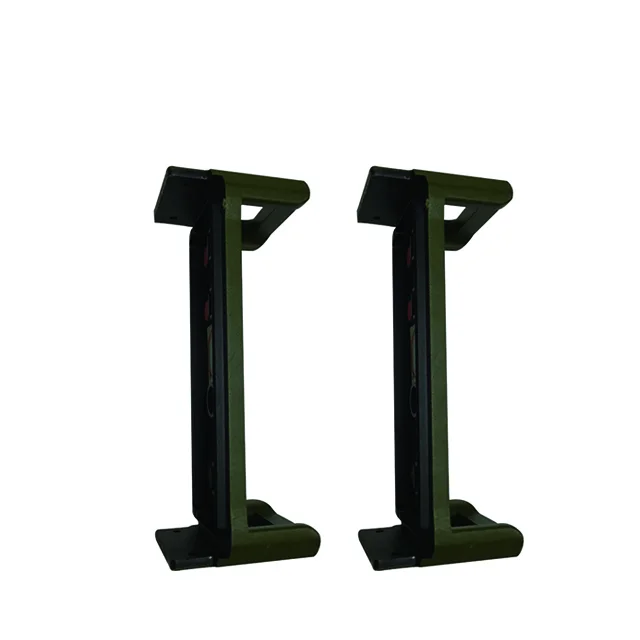
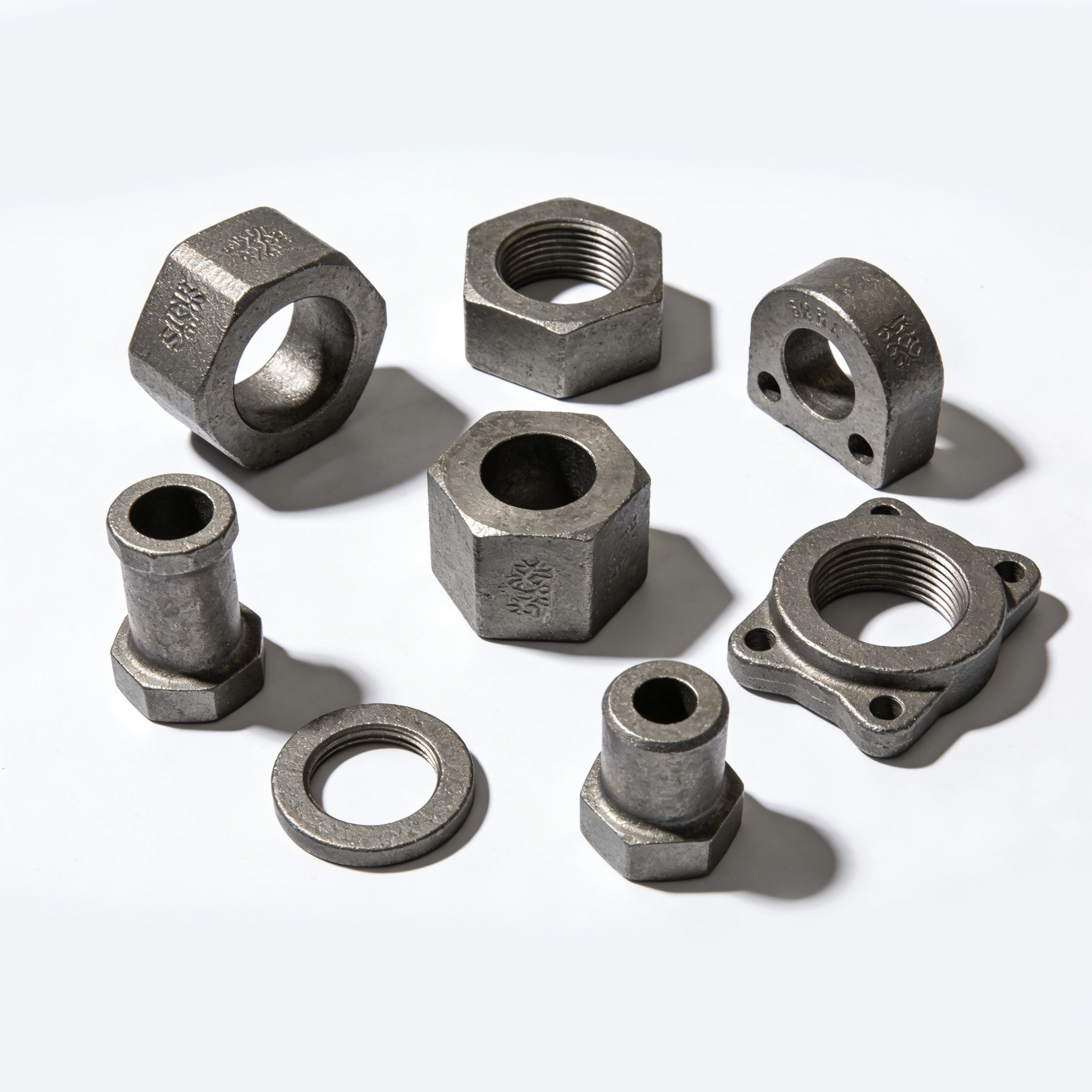
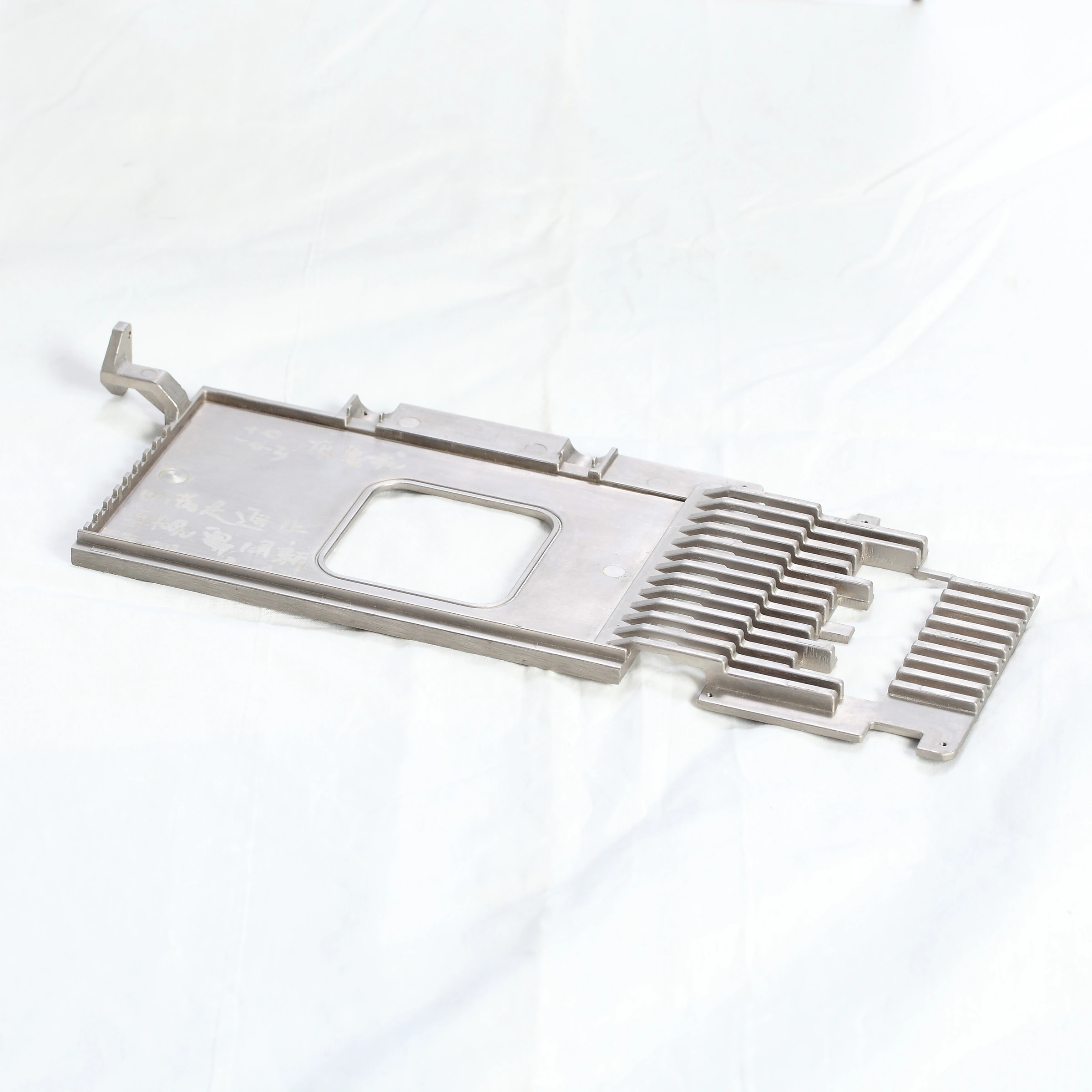
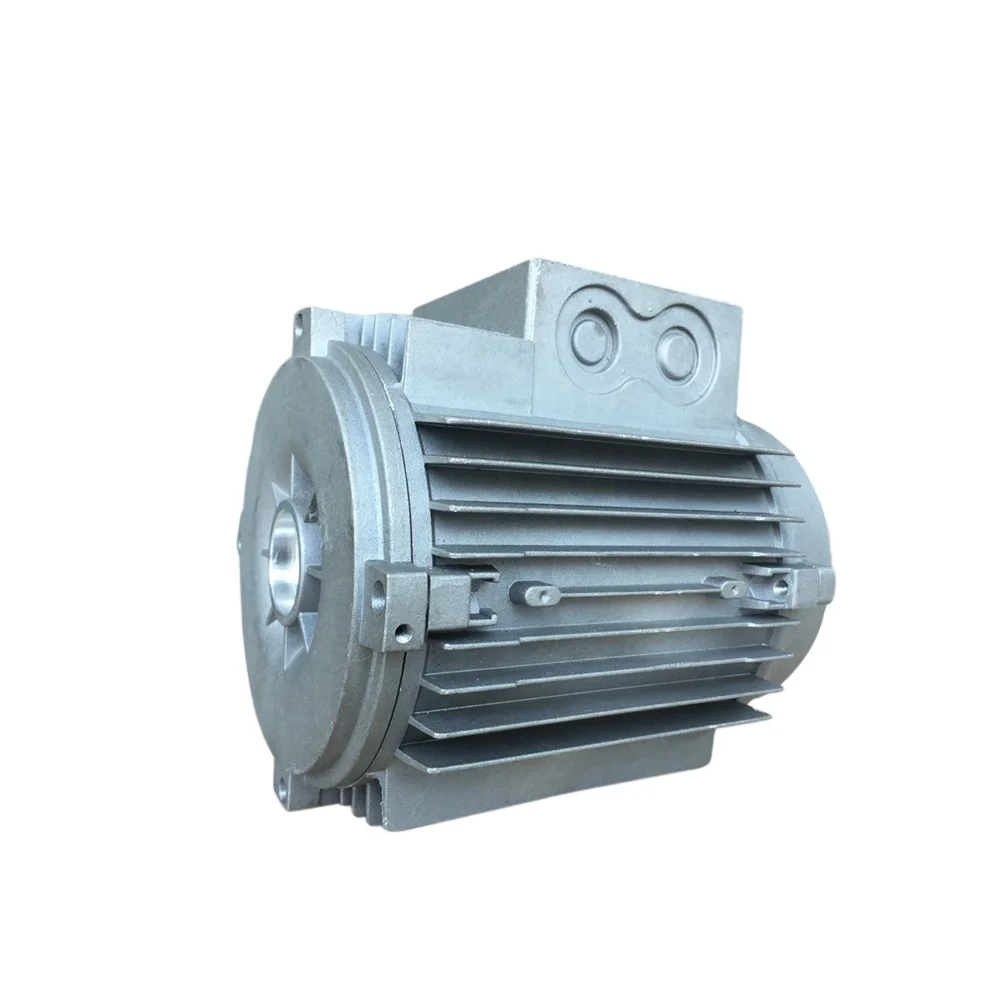
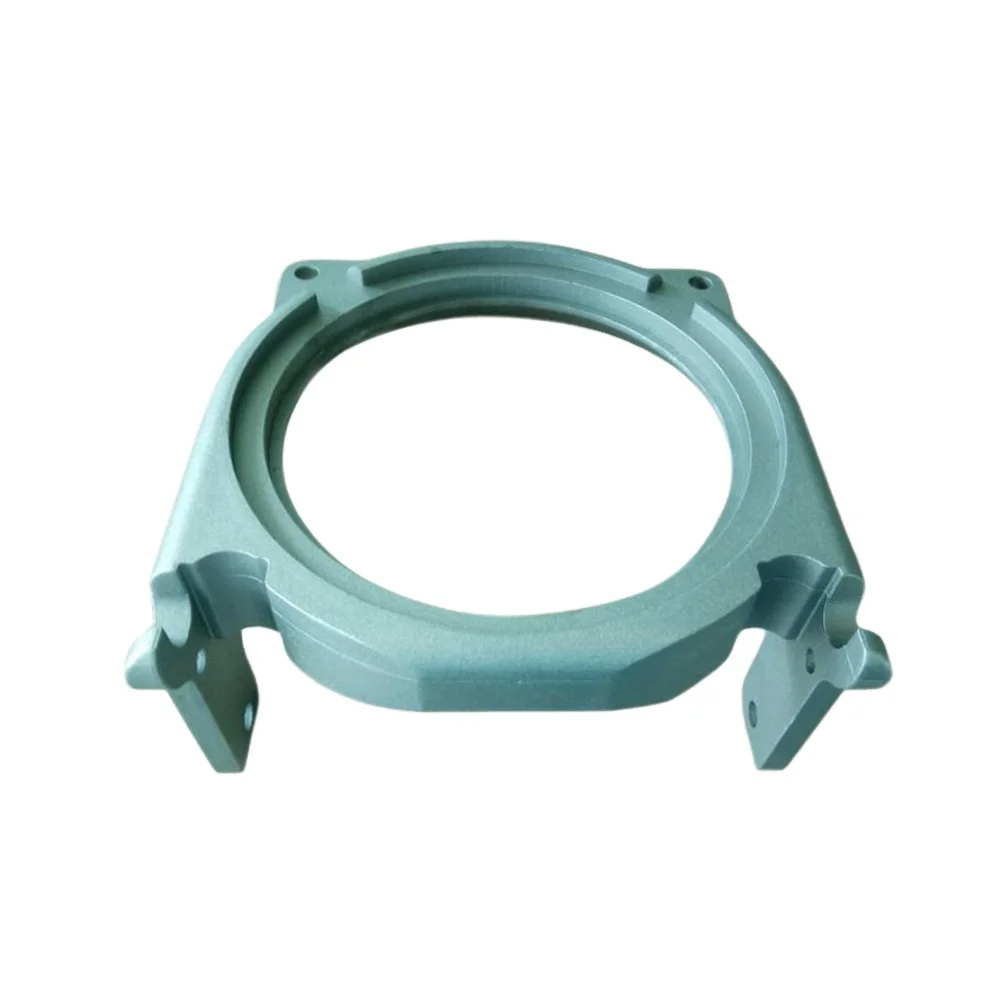
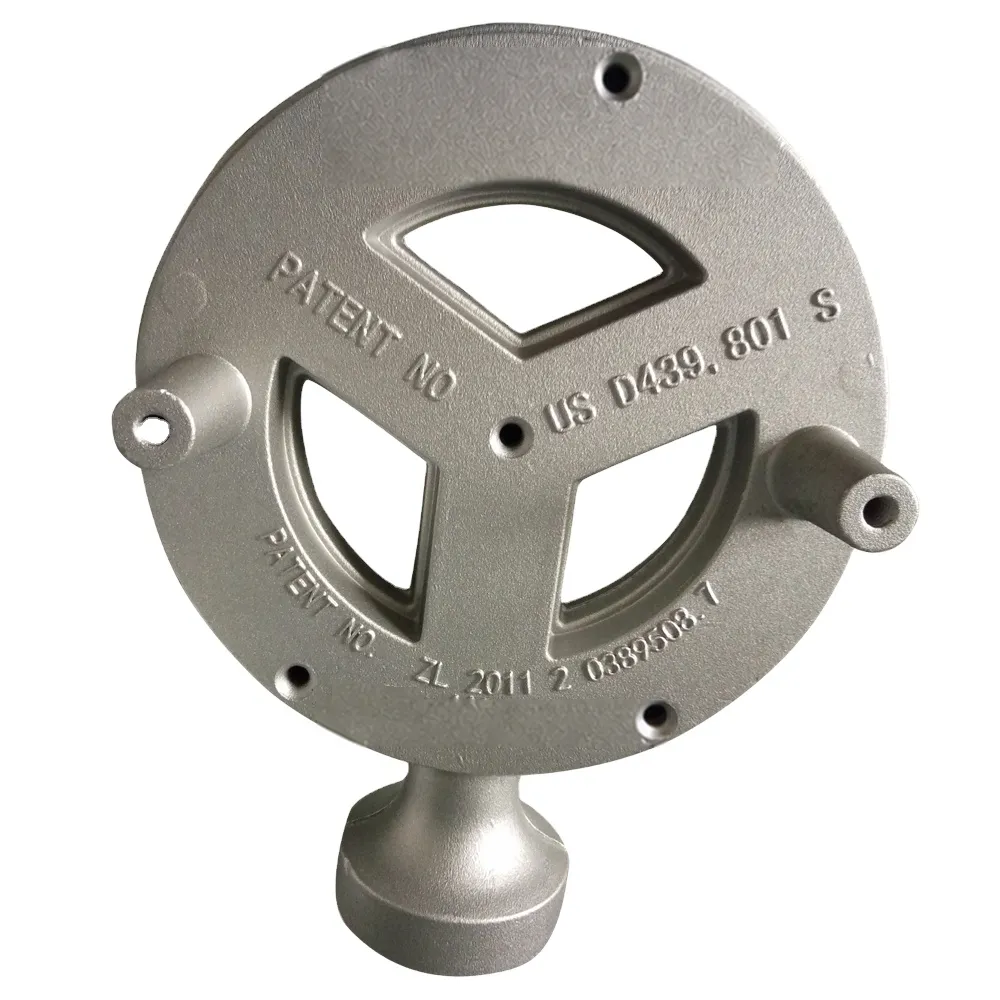
OEM nonferrous-component enquiries include aluminum, zinc, brass and bronze, with sand, gravity or high-pressure die casting selected for the actual part. Specify the alloy and compatible manufacturing route together. The component drawing should distinguish the cast shape from the interfaces that require CNC work.
Make the tooling requirement part of the enquiry
H13 steel is the named mold material, with a tool service-life reference of 30K–50K times. Define the cycle basis, applicable tool and maintenance conditions for the selected order. Tooling acceptance should relate to the component geometry and the production quantity being quoted.
- Provide the controlled drawing and complete alloy designation.
- Identify the selected casting process and required quantity.
- Mark the finished interfaces and measurement datums.
- State any tooling or sample approval requirement.
- Define dimensional and surface acceptance records.
Coordinate the machined geometry
CNC drilling, turning and tapping are named operations. Identify the holes, rotational surfaces and threads required by the assembly, including their relationships to the locating datums. The finished dimensions and supplied condition should remain clear through machining and subsequent surface treatment.
Agree the final surface and inspection scope
Sandblasting is the stated finish and quality control is described as 100% inspection. Define the appearance areas, contact surfaces and checks required for the ordered component. Identify the applicable ISO9001 qualification document and scope alongside the part-specific inspection record, so qualification and component acceptance each have a clear basis.