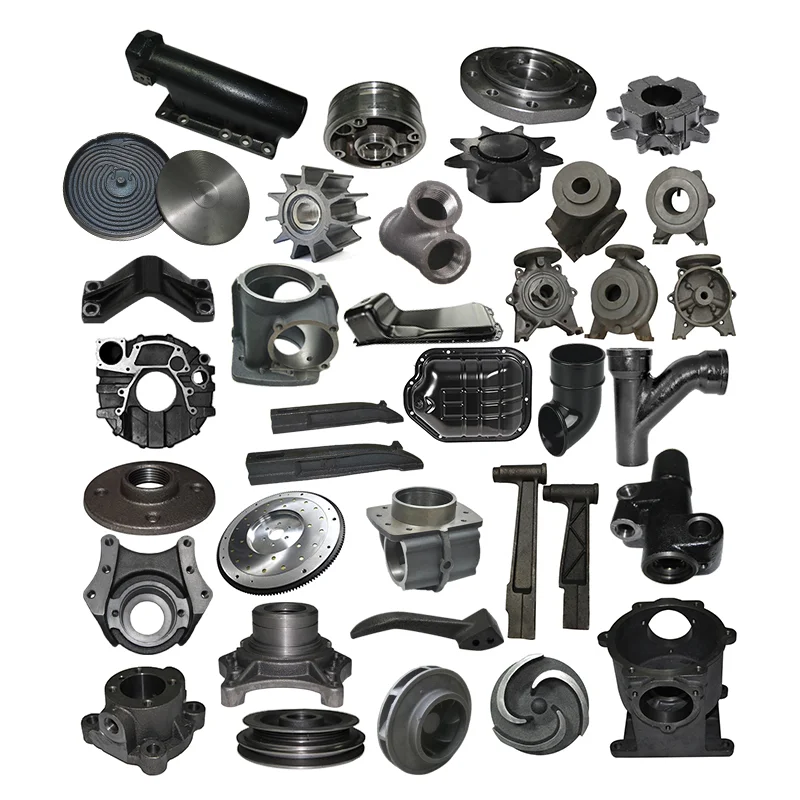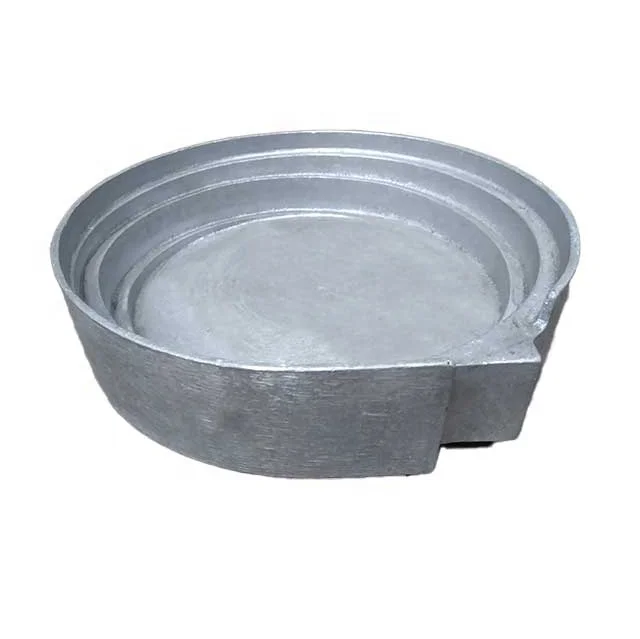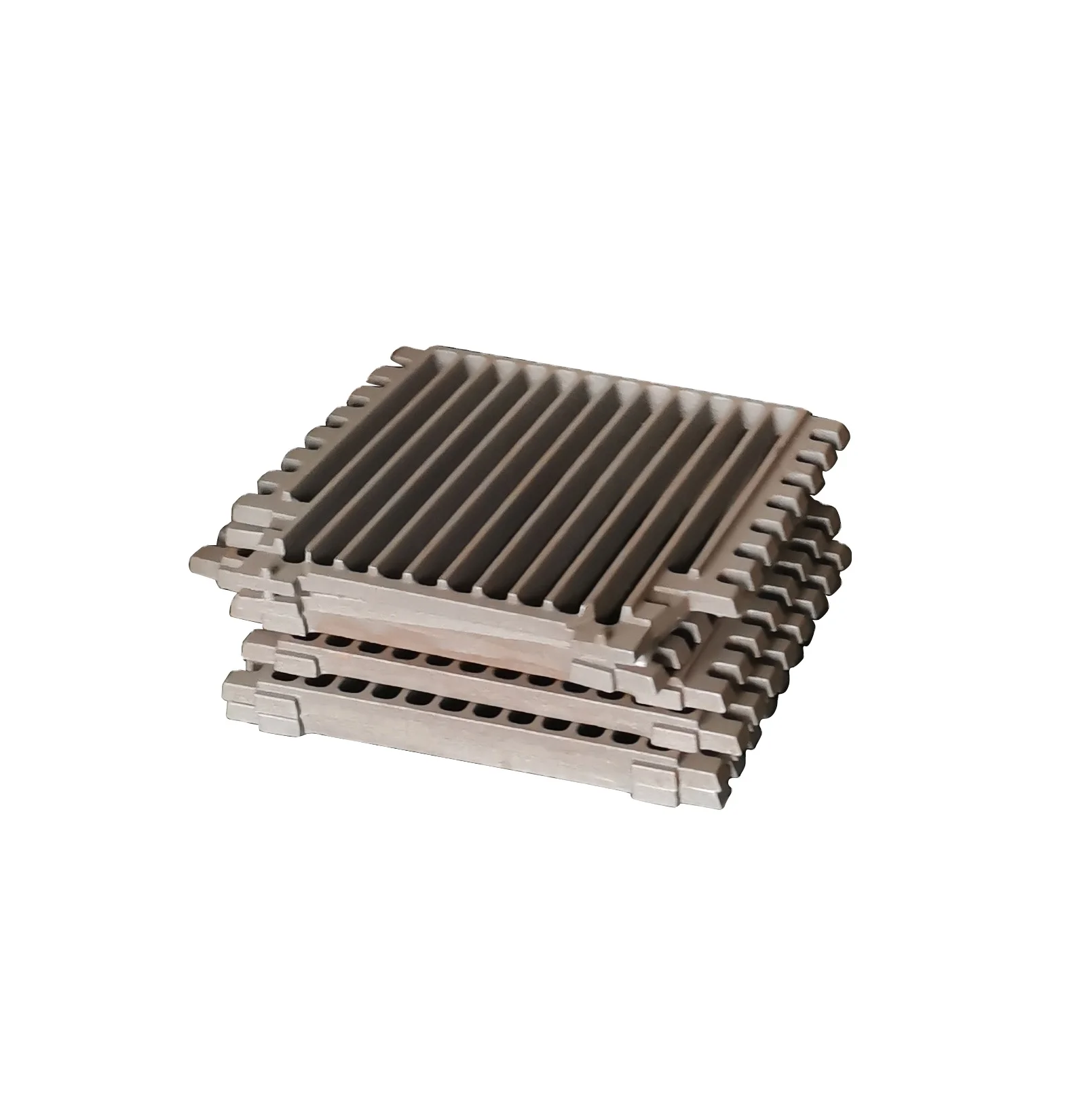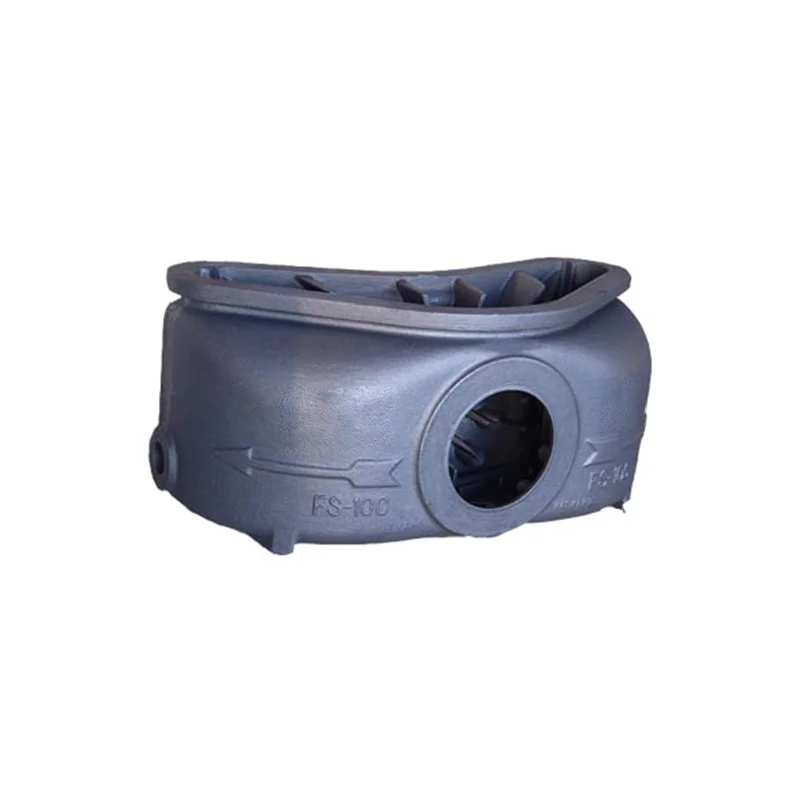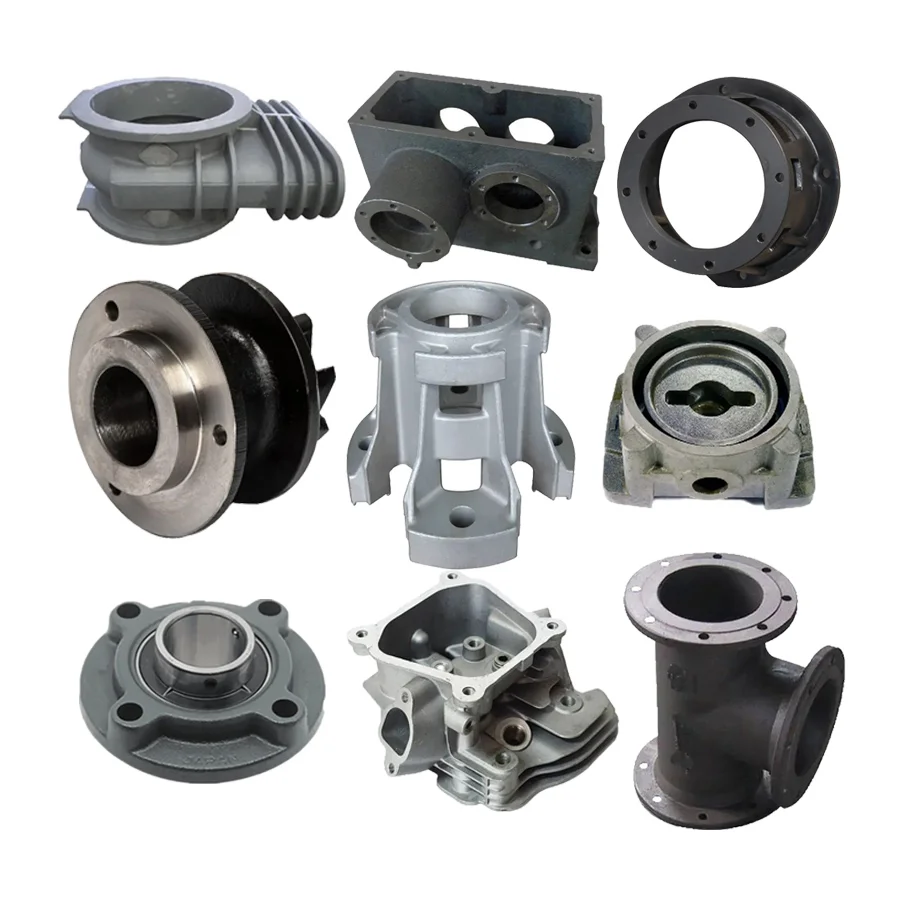
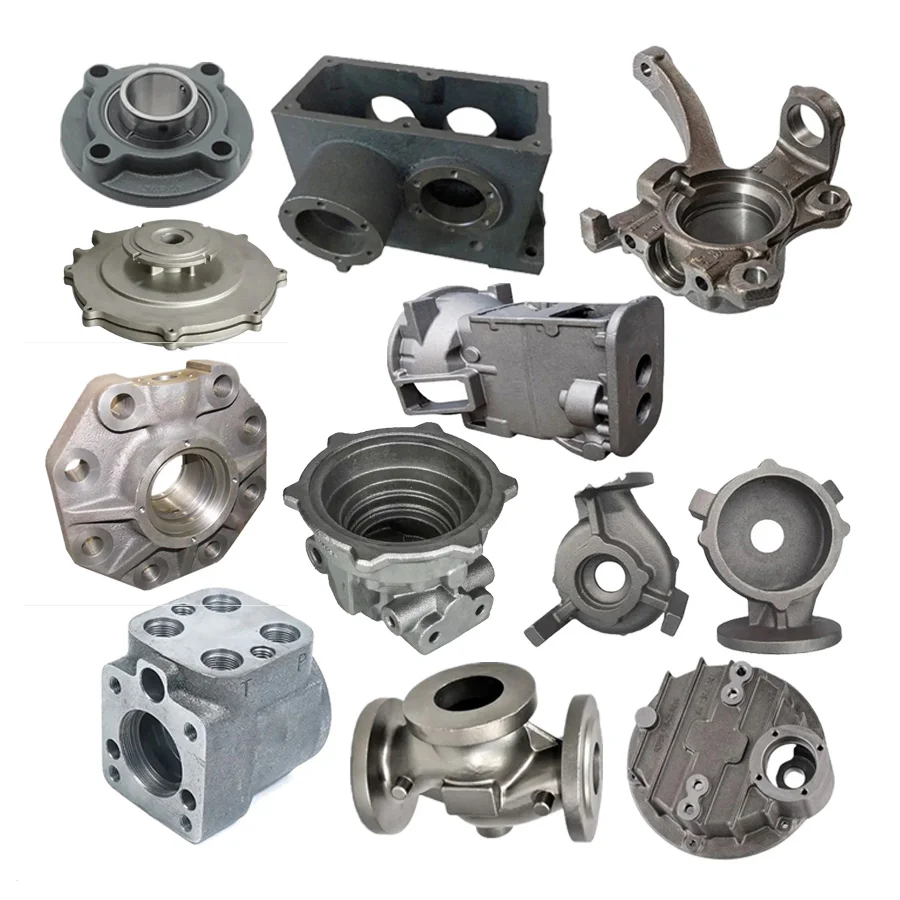
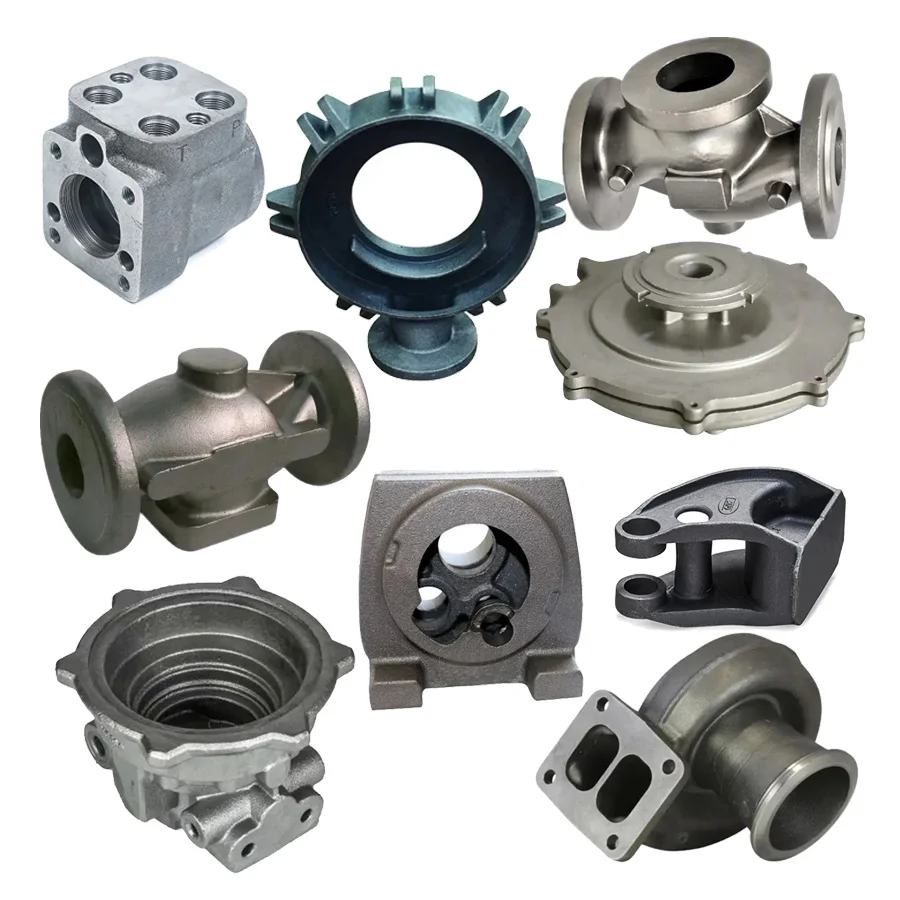
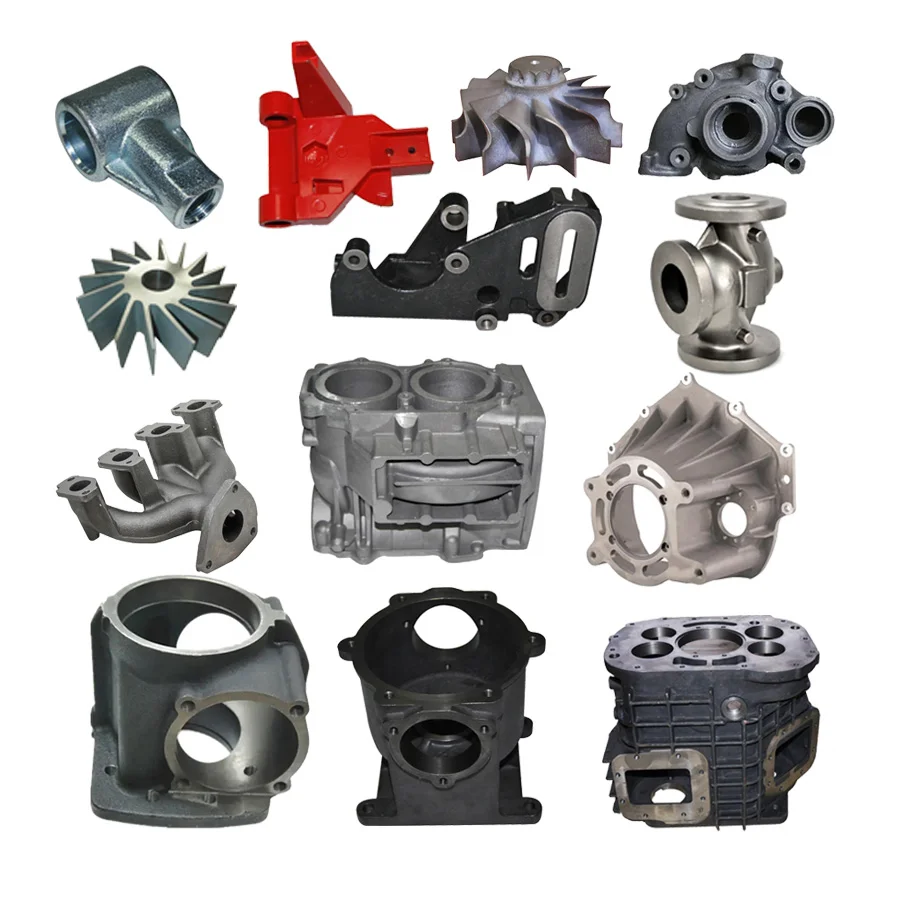
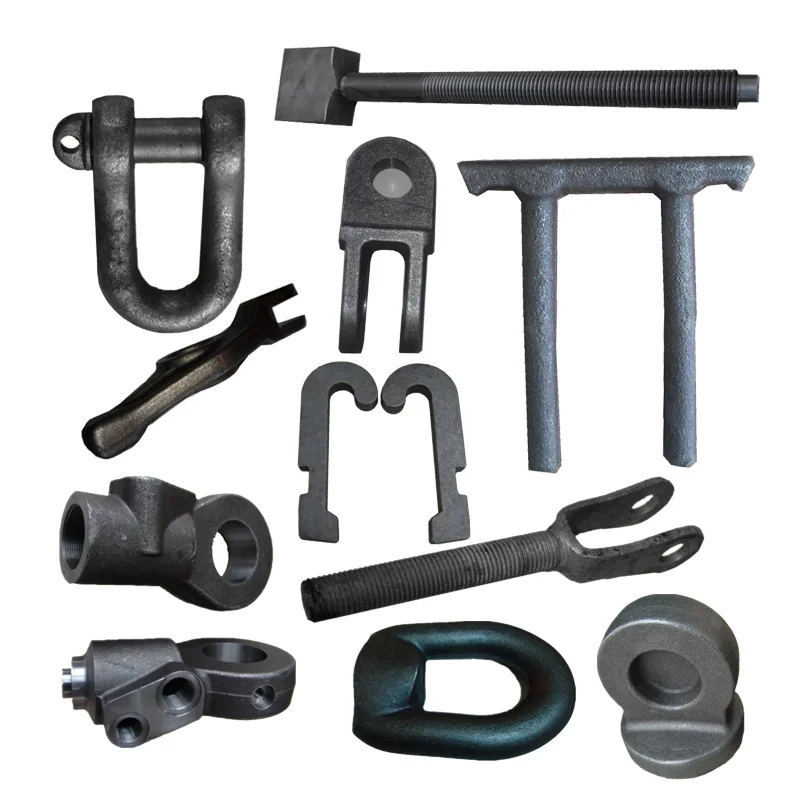
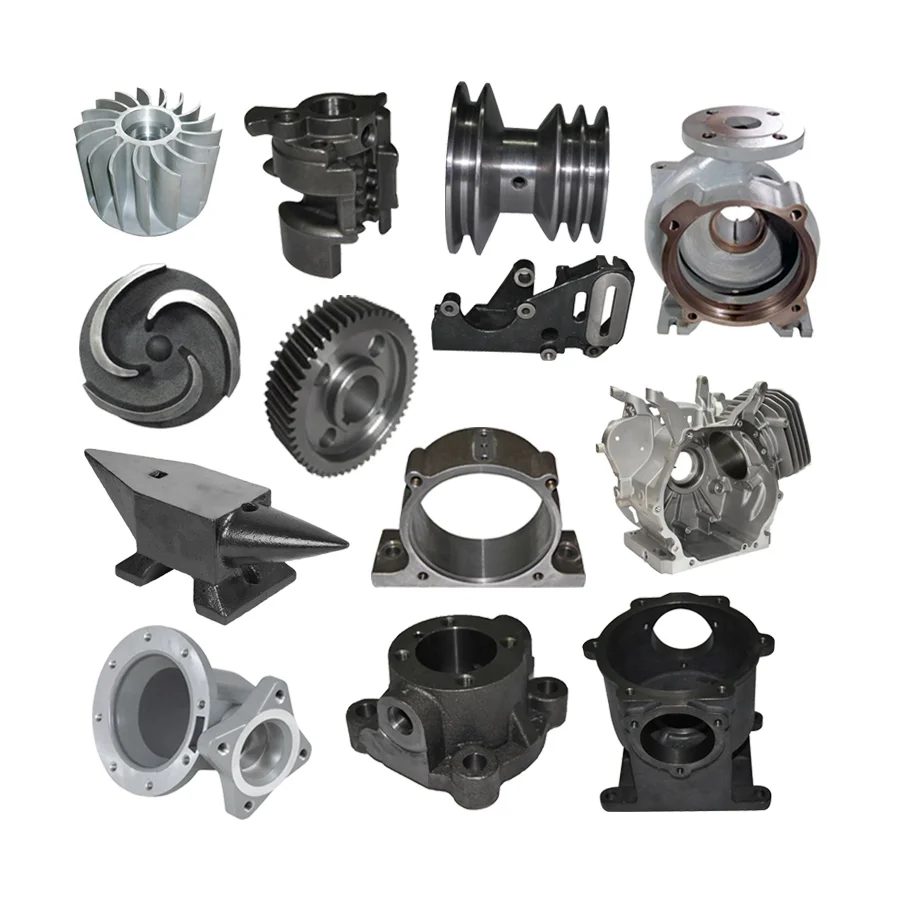
OEM Custom Iron Ductile Iron Steel Lost Foam Sand Cast Parts with CNC Machining and Every Process Strict Inspection
Direct factory support
Get a quote that fits your project
Send your drawing or product reference, material grade and required quantity. Relia will review the requirements with you.
- Drawing & specification review
Confirm the supply scope and critical requirements.
- Samples before custom production
Review inspected samples before approving a batch.
- Inspection documents
Agree material and dimensional records for your part.
-
NameOEM Iron Steel Casting Services
-
MaterialIron,SteelManufacturing ProcessLost foam casting, CNC machining, Surface treatment
-
OEMAcceptableSoftwarePRO/E, Auto CAD, Solid Works, UG, CAM
-
CertificateCE, TUV, SGS or as your requirement to do test by the third partyQC100% Strict Inspection For Every Processing
-
Casting ToleranceAccording ToThe Drawings
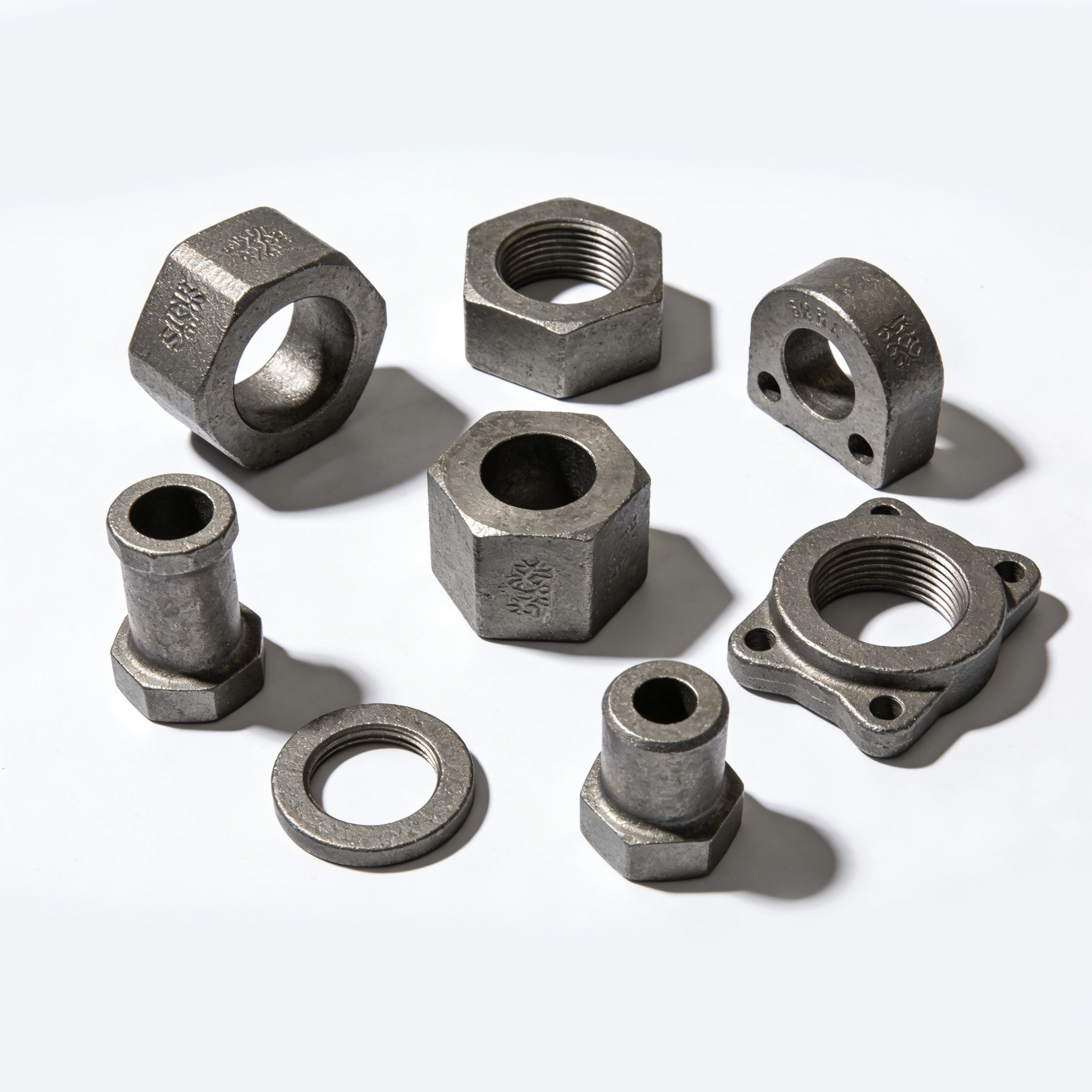
Custom OEM enquiries include iron, ductile-iron or steel components with lost-foam casting, CNC machining and surface treatment. Sand-casting requirements can be selected for the actual part. Specify the complete grade, drawing and material condition for the component being ordered.
Define precision through the actual interfaces
Tolerances follow the drawing. Mark datums and dimensional limits at mounting, mating and working surfaces, identifying their measurement stages. Distinguish cast-state form from CNC-finished geometry and state the final surface result needed for assembly or operation.
Assign strict inspection throughout processing
The stated 100% strict inspection covers every processing stage. Define the relevant checks, acceptance limits and records at those stages for the actual component. Identify the material, dimensional and surface evidence required before the selected supplied state is approved.
Provide the design and qualification brief
Software references include PRO/E, AutoCAD, SolidWorks, UG and CAM. Identify the supplied files and controlling revision. CE, TUV and SGS are qualification or third-party testing references; agree the actual document, tested object and scope, including buyer-requested third-party tests.
- Provide quantity and the complete material condition.
- Define required treatment and finished-interface boundaries.
- Explain the purpose of an initial approval part.
- Retain approved geometry and process changes with the drawing.
Keep those requirements connected to the selected casting route and CNC supply so production acceptance follows the actual ferrous component and its required delivered condition.