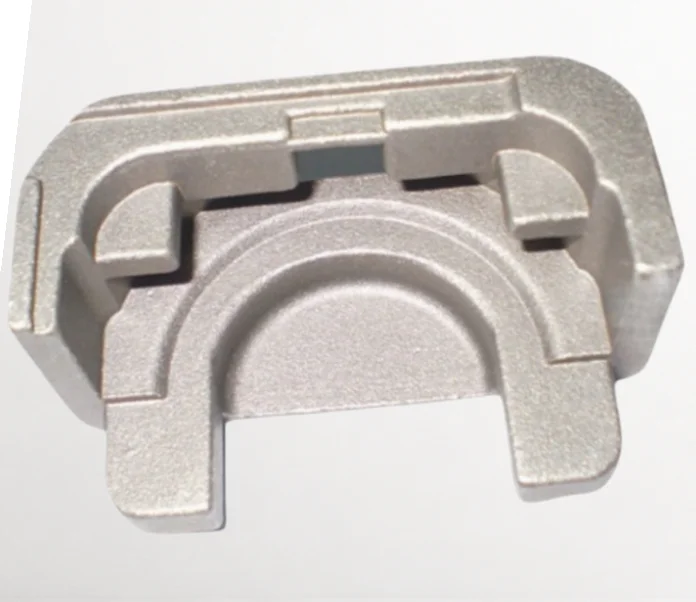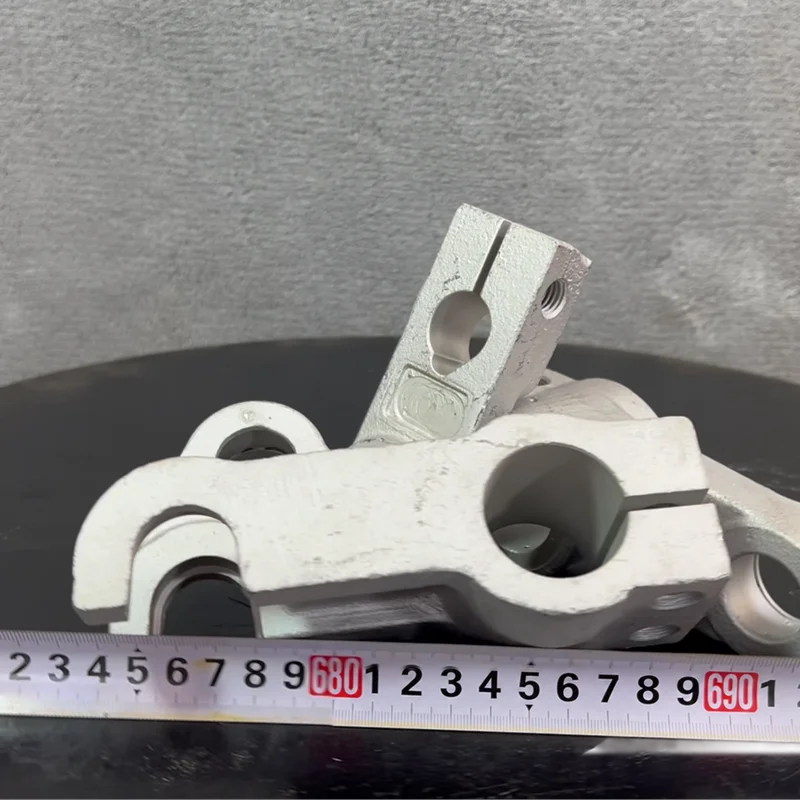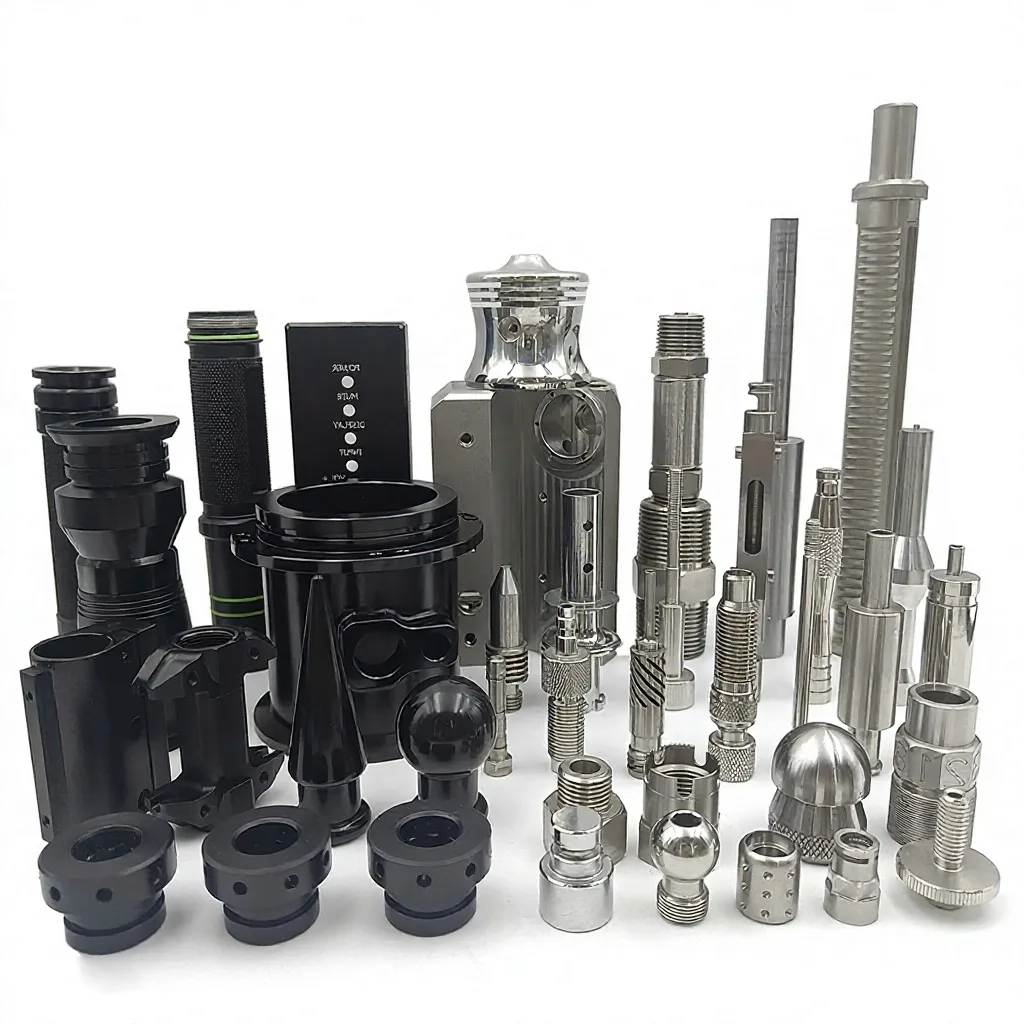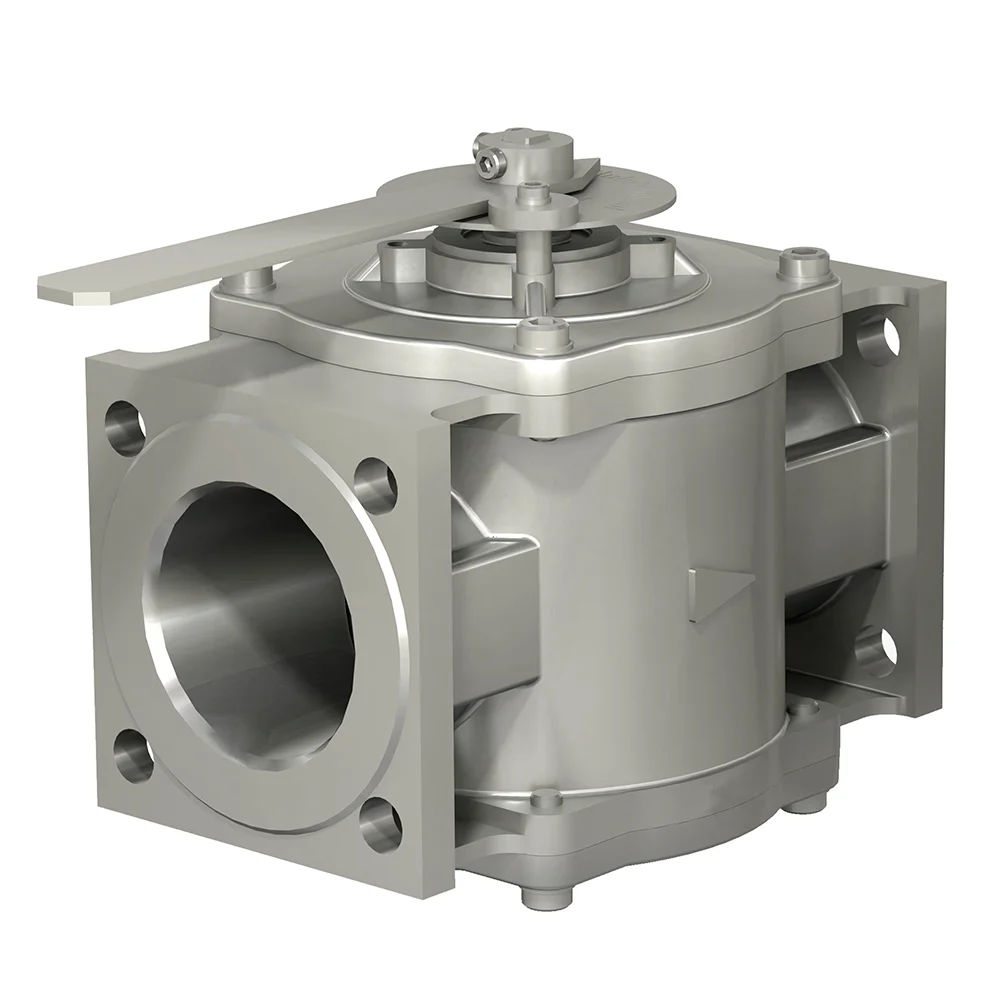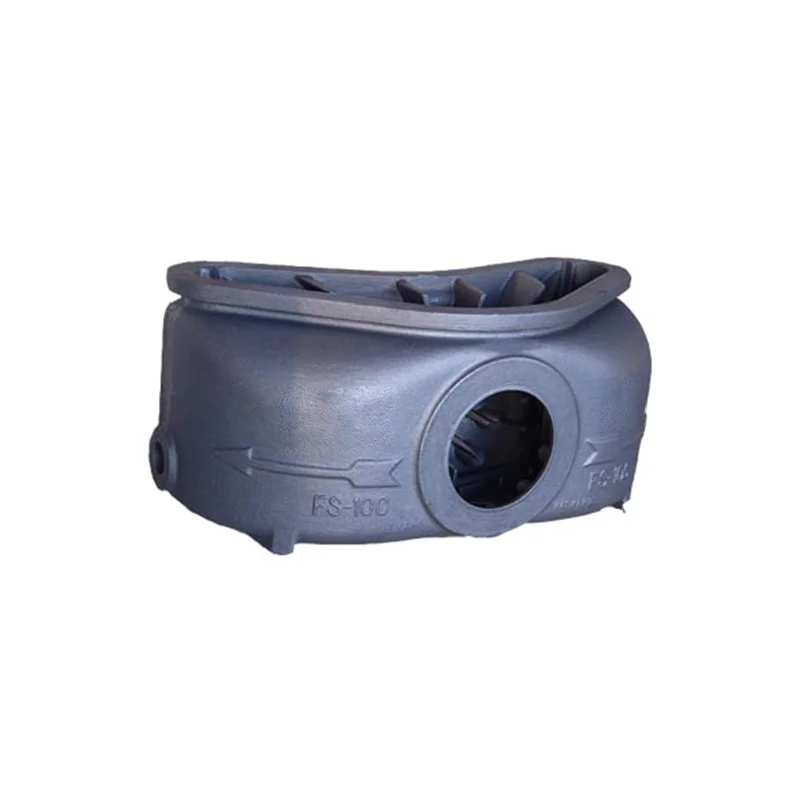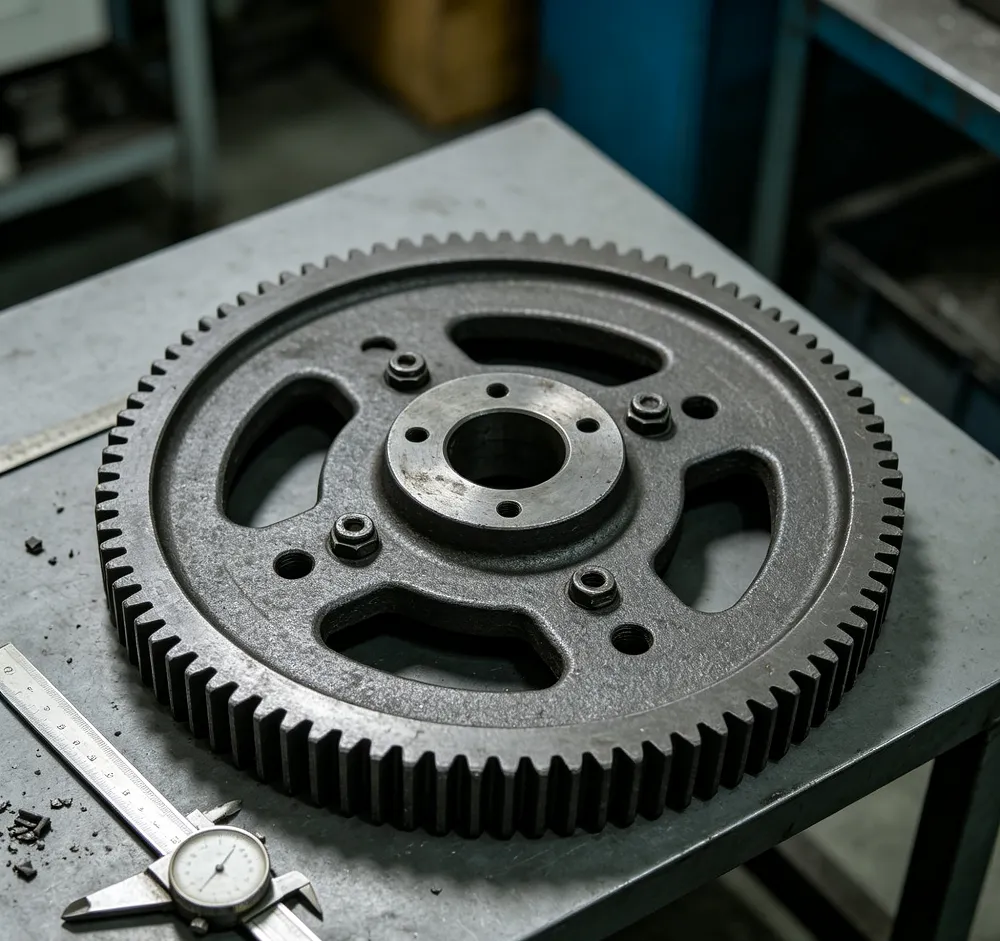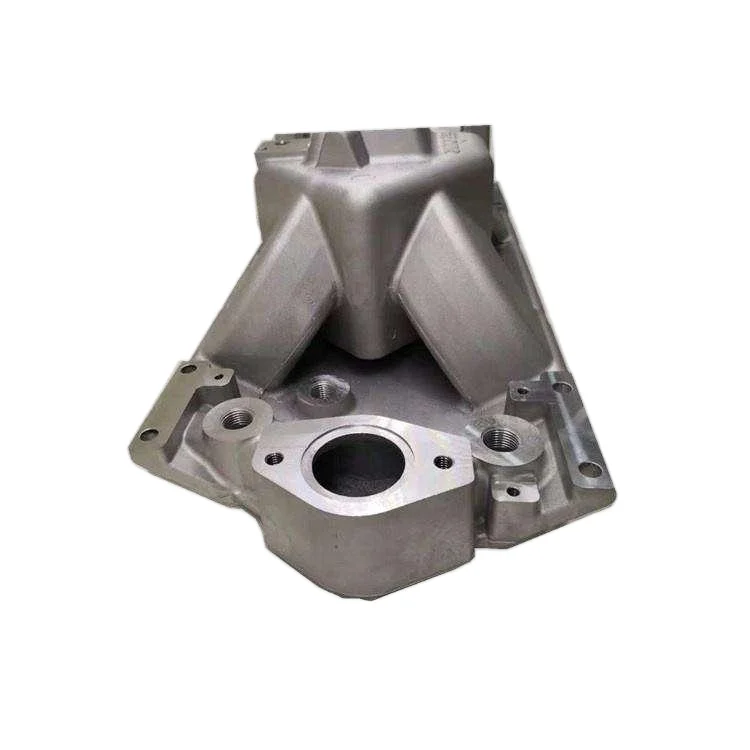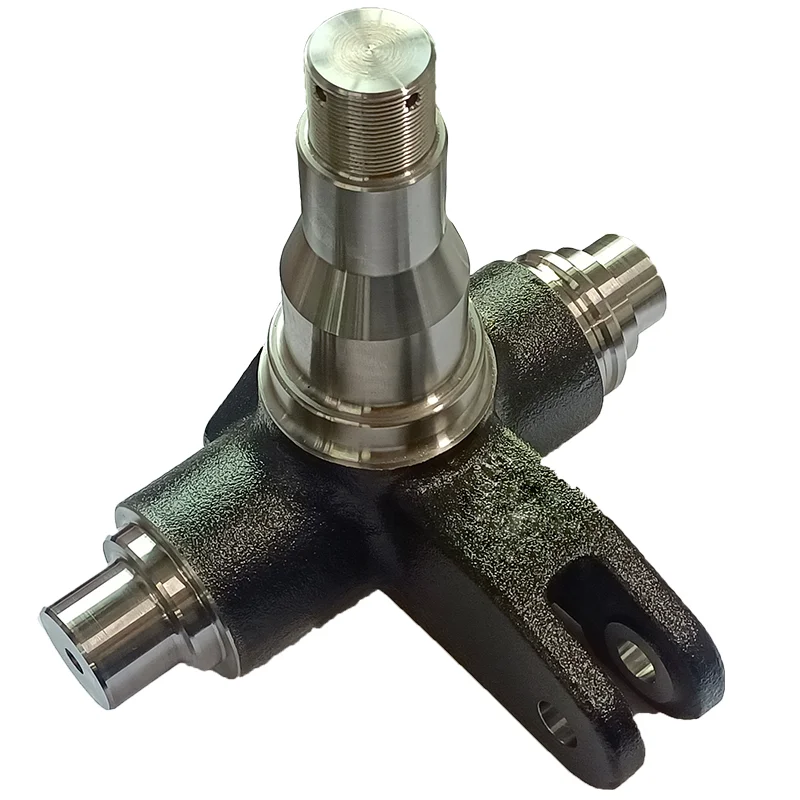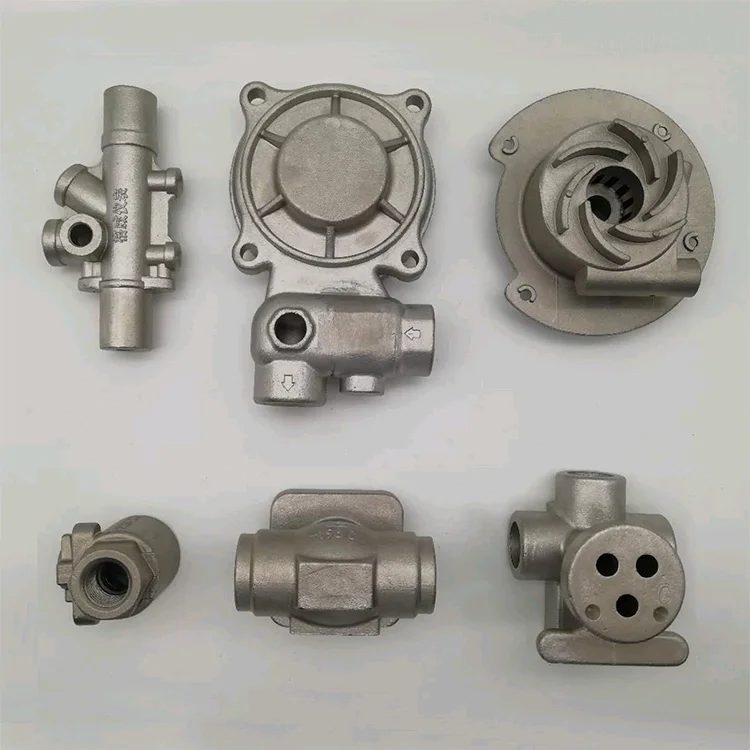
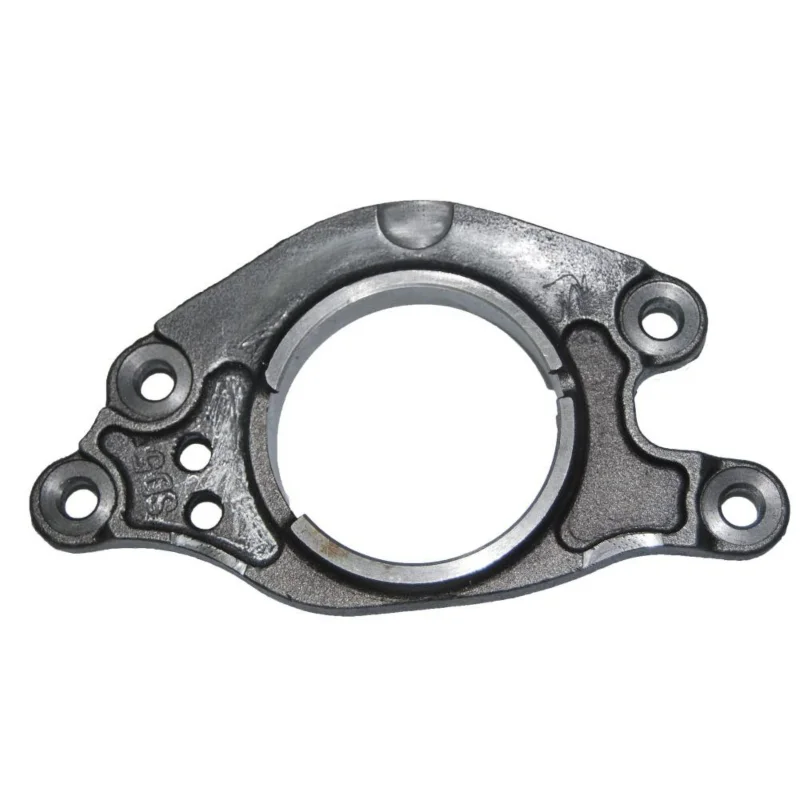
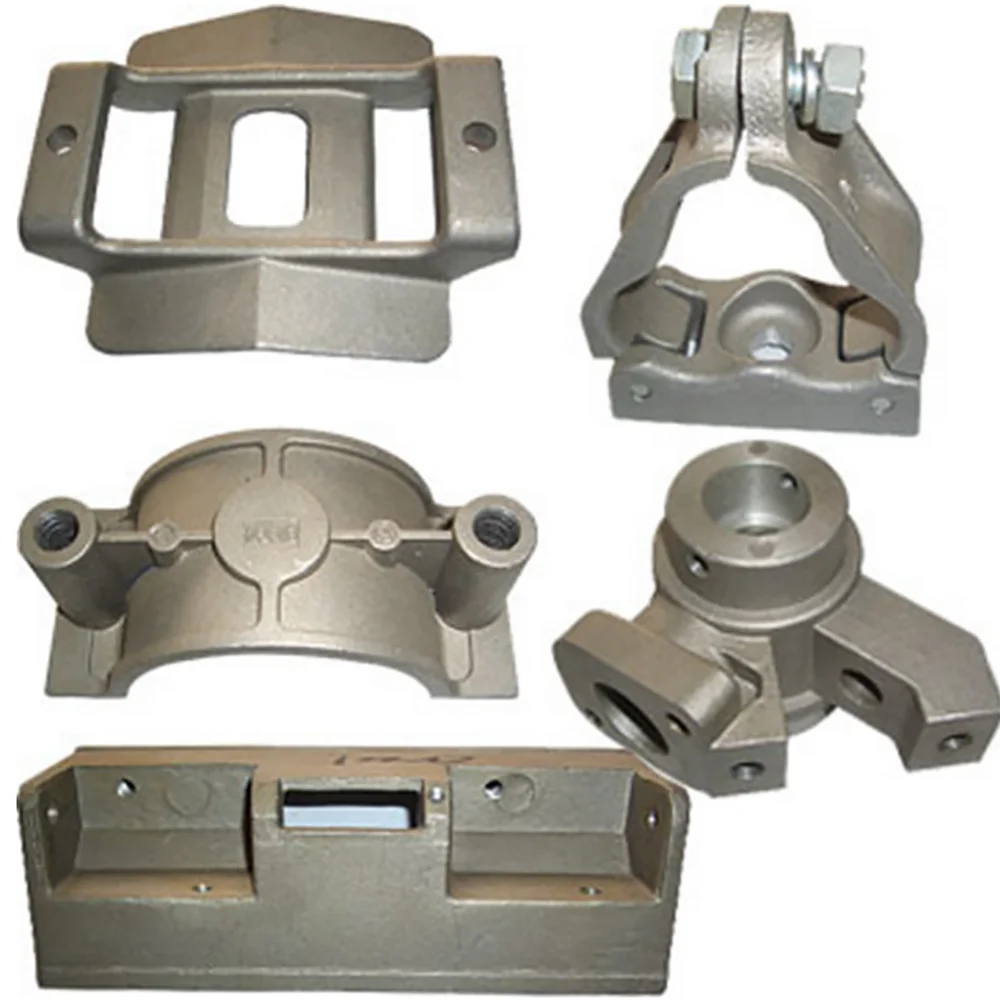
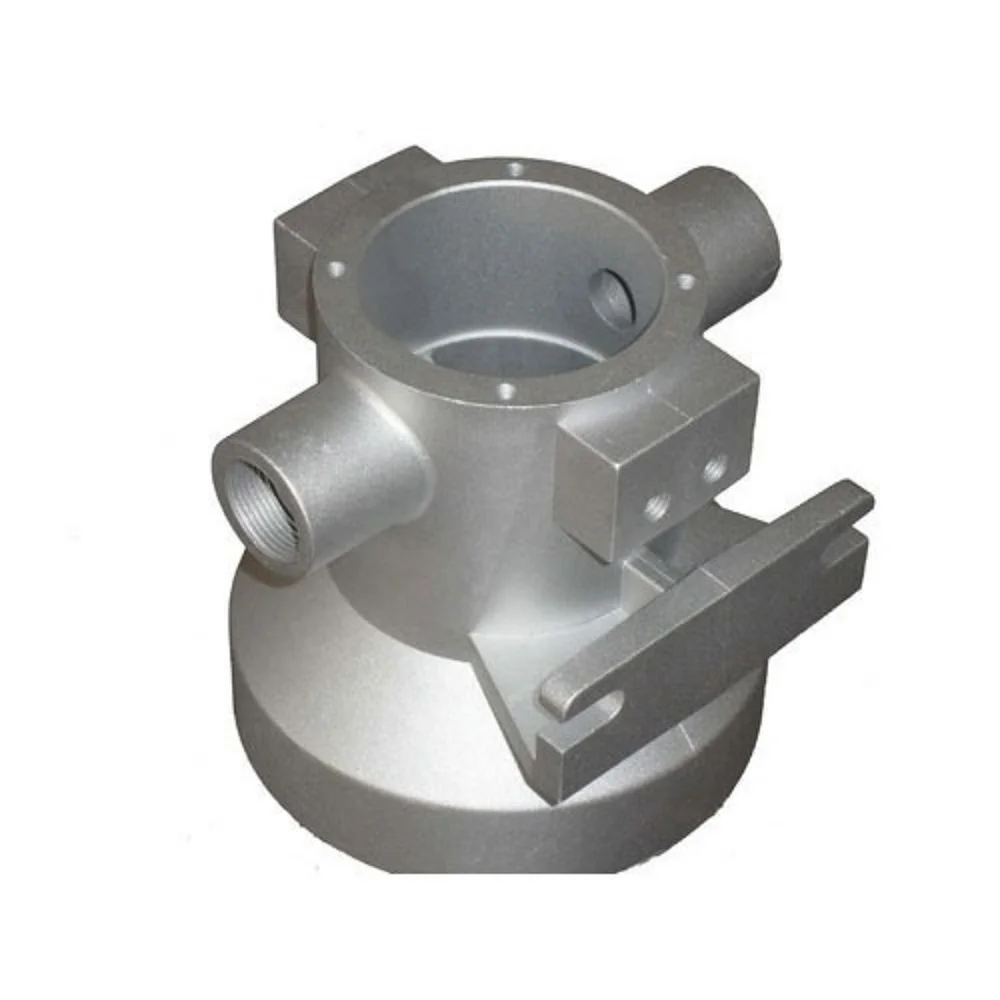
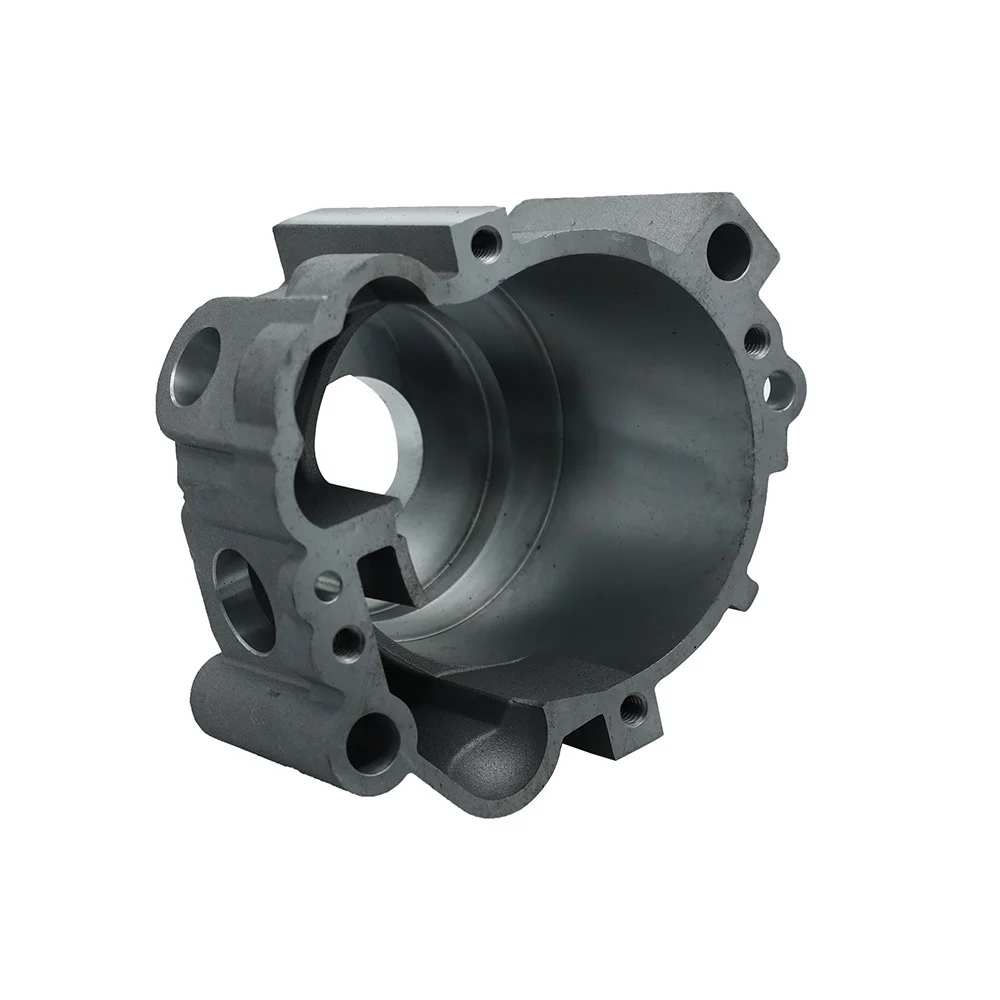
OEM Ductile Iron Steel Brass Sand Castings and Metal Investment Castings with Separate Plastic or Rubber Part Enquiries
Direct factory support
Get a quote that fits your project
Send your drawing or product reference, material grade and required quantity. Relia will review the requirements with you.
- Drawing & specification review
Confirm the supply scope and critical requirements.
- Samples before custom production
Review inspected samples before approving a batch.
- Inspection documents
Agree material and dimensional records for your part.
-
Part NameInvestment casting parts
-
MaterialSteel, Brass, Aluminum, Magnesium, Plastic, rubber, etcSurfaceBurr Free, Electrolytic Polishing, Anodizing, Powder Coating, etc
-
ProcessInvestment CastingApplicationElectrical Appliances, Building Accessories, Sports Equipment, etc
OEM enquiries include ductile-iron, steel and brass sand-cast parts, separate investment-cast metal components and independently specified plastic or rubber parts. Additional metal selections include aluminum and magnesium. Choose the complete grade and compatible manufacturing route for each component.
Give each application its own component definition
Electrical-appliance, building-accessory and sports-equipment requests should identify the part’s actual function. Show working contacts, mounting geometry and the conditions relevant to its design. A plastic or rubber item needs its own production and acceptance brief within the requested supply.
Specify the edge and surface result
Burr-free surface requirements, electrolytic polishing, anodizing and powder coating are named options. Select the required condition for the actual substrate. Mark edges, openings and contacting areas where the finish affects handling or assembly, with coverage and masking boundaries made clear.
Turn precision into drawing-controlled acceptance
Identify datums and dimensional limits at the interfaces governing fit. Distinguish cast-state surfaces from areas requiring further work. State the measurement condition and the material, dimensional and appearance records required to approve the selected part.
- Provide quantity and the controlled revision.
- Identify the final material and supplied state for each item.
- Define edge and surface-inspection criteria.
- Explain the purpose of an approval sample.
Retain those criteria with the selected route and application brief so the casting or separately manufactured component has a clear order definition.