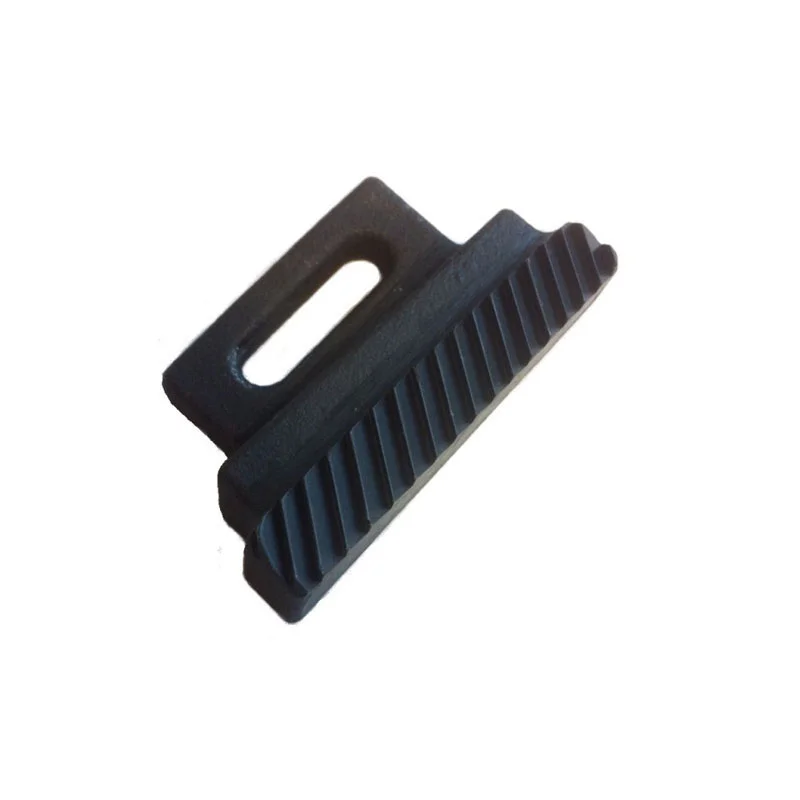
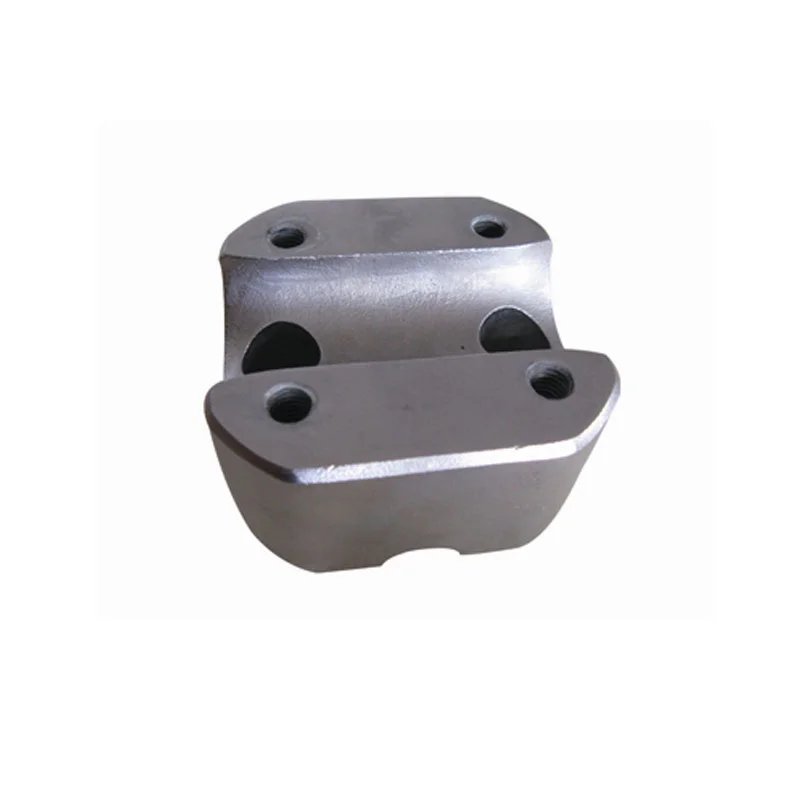
OEM Enamel Gray Iron Cooking Pot Sand Casting CNC Shot Blasting Polishing with Food Contact and Kitchen Acceptance Requirements
Direct factory support
Get a quote that fits your project
Send your drawing or product reference, material grade and required quantity. Relia will review the requirements with you.
- Drawing & specification review
Confirm the supply scope and critical requirements.
- Samples before custom production
Review inspected samples before approving a batch.
- Inspection documents
Agree material and dimensional records for your part.
-
MaterialStainless Steel,Steel,Brass,Copper,Aluminum,Iron,Plastic
-
TechnologyInvestment Casting,Sand Casting,Machining,Welding,ForgingMachiningBroaching,DRILLING,Milling,Turning,Tapping,Wire
-
ProcessMolds,Casting,Deburring,Machining,Surface Treatment,PackingWeightAvailable from 0.01 Kg-10T
-
StandardISO,GB,DIN,JIS,ANSI,BSW,ASTM,ASME,BS,API,ENCasting ToleranceCT4-CT8
-
Machining Tolerance+/-0.02mmSurface TreatmentPolishing, Passivating, Sandblasting, Zinc plating, Oxide black
-
CertificationIS09001: 2015,TUV
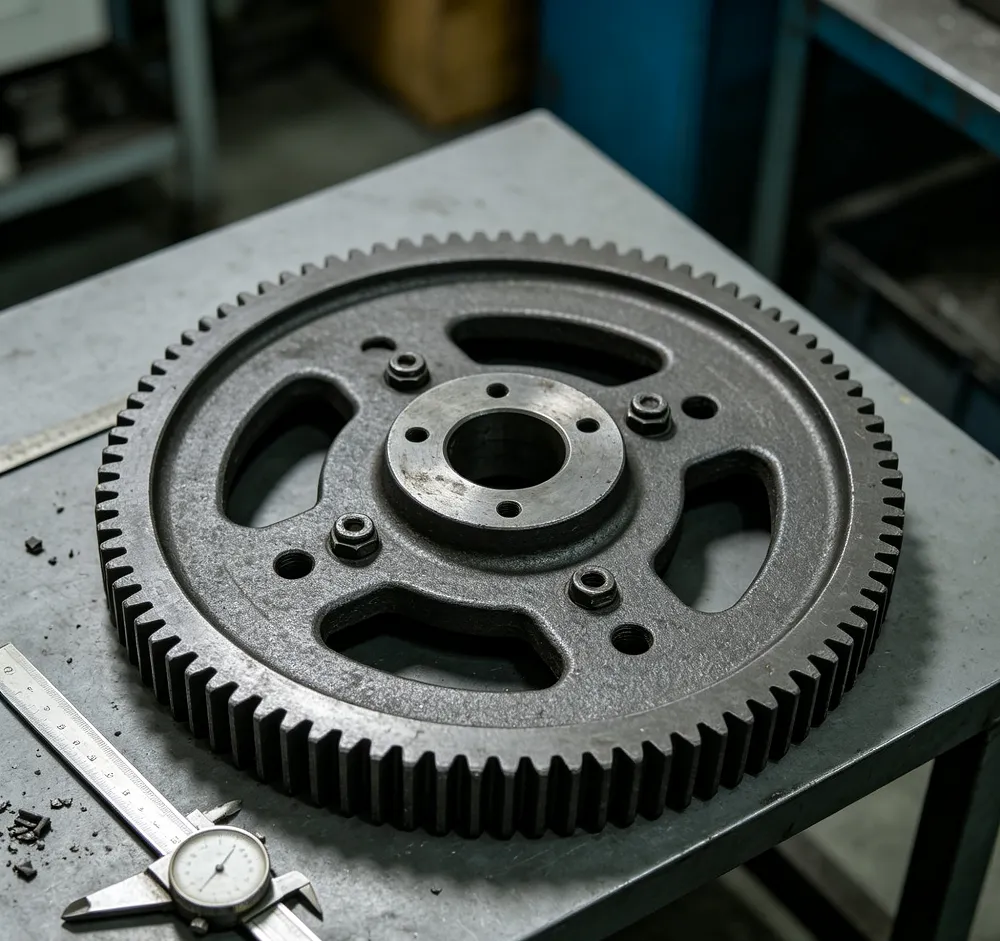
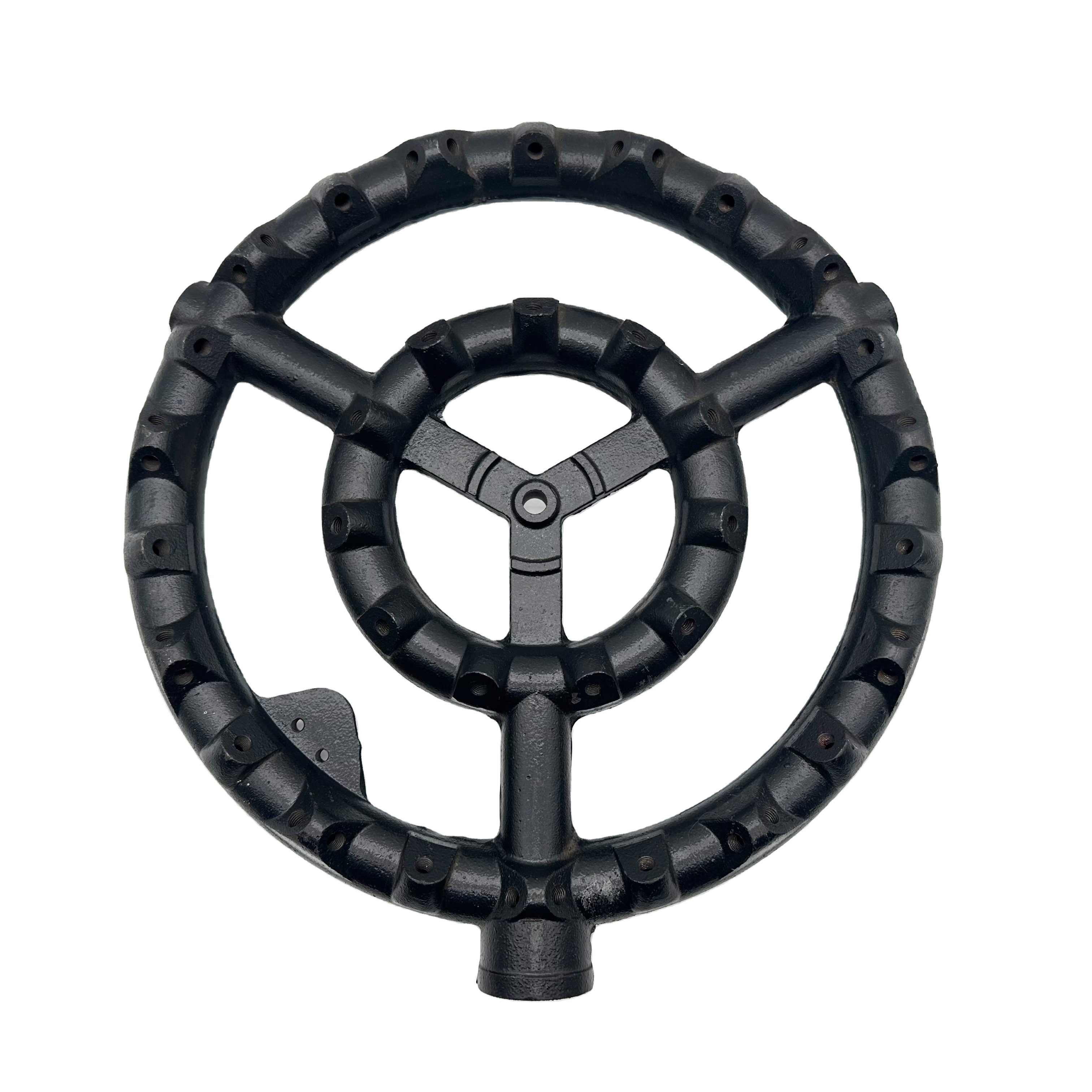
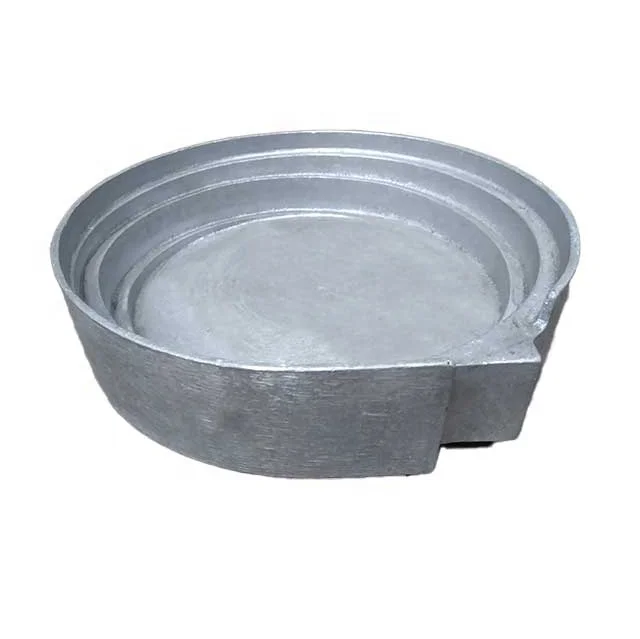
Custom enameled gray-iron cooking pots can be requested through OEM sand casting with CNC machining, shot blasting and polishing. Specify the complete iron grade and enamel for the actual pot. Food-grade and kitchen-safety requirements should establish the contact conditions, coating definition and acceptance records needed.
Define cookware surfaces and supplied geometry
Identify the finished food-contact areas separately from non-contact surfaces. Show the pot geometry, working interfaces and the result required after the selected processing. Define dimensional limits and coating acceptance for the actual cookware design.
Separate other material and process requests
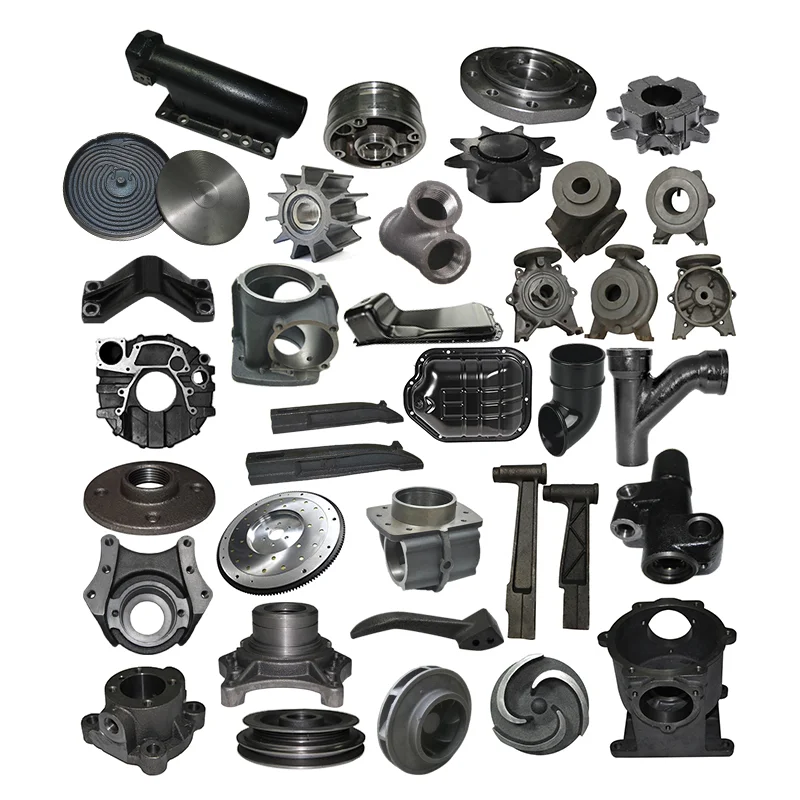
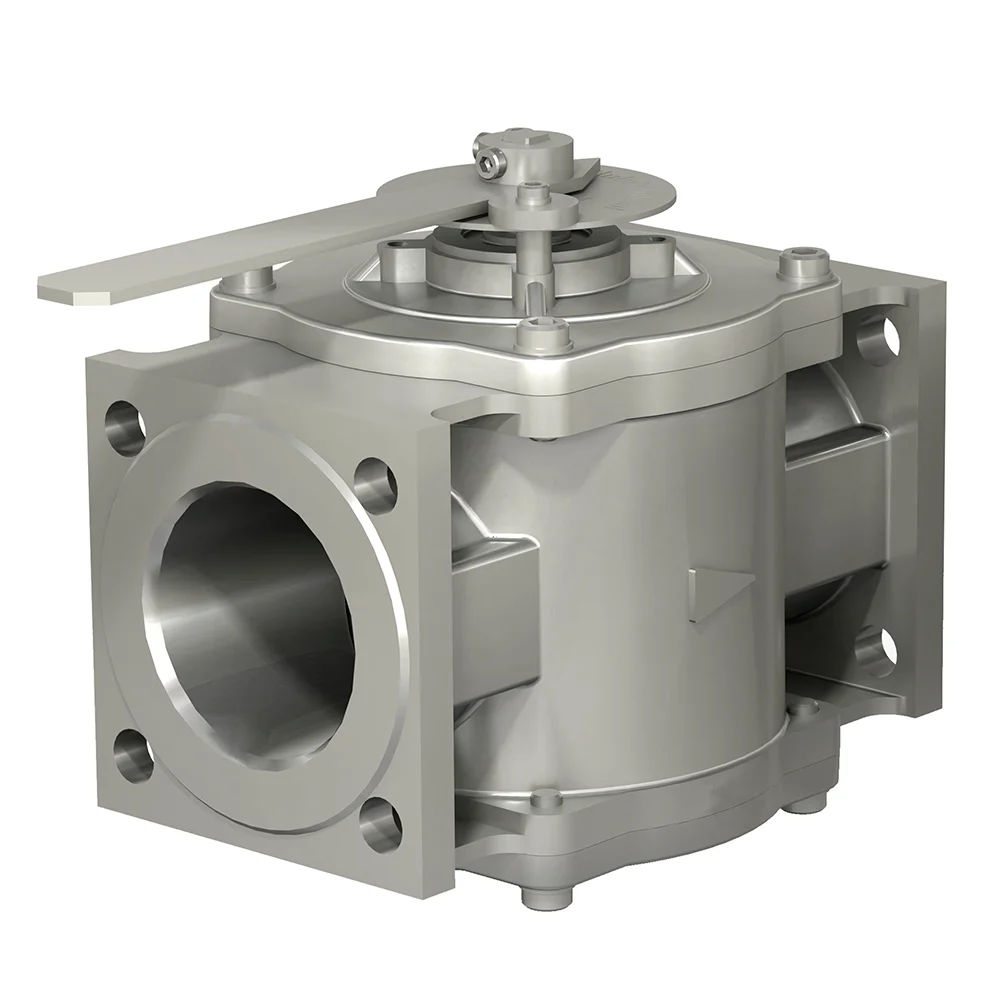
Independent parts can be requested in stainless steel, steel, brass, copper, aluminum, iron or plastic. Select compatible investment casting, sand casting, machining, welding or forging for each item. Named operations include broaching, drilling, milling, turning, tapping and wire processing; specify the required wire method.
Assign stage-specific limits and finishes
Casting tolerance is referenced at CT4–CT8 and machining at ±0.02 mm. Allocate actual features and supplied stages to the selected component. Polishing, passivation, sandblasting, zinc plating and black oxidation require compatible substrates and defined contact or non-contact areas.
- Supply stages name molds, casting, deburring, machining, finishing and packing.
- State cookware or separate-part quantity and controlling revision.
- Identify material, dimensional, coating and surface evidence required for approval.
Scope governing and quality documents
Families include ISO, GB, DIN, JIS, ANSI, BSW, ASTM, ASME, BS, API and EN. Specify complete applicable documents and request relevant ISO9001:2015-related/TUV records with their actual holder and scope. Keep accepted enamel, grade and interface decisions within the selected item’s supply definition.