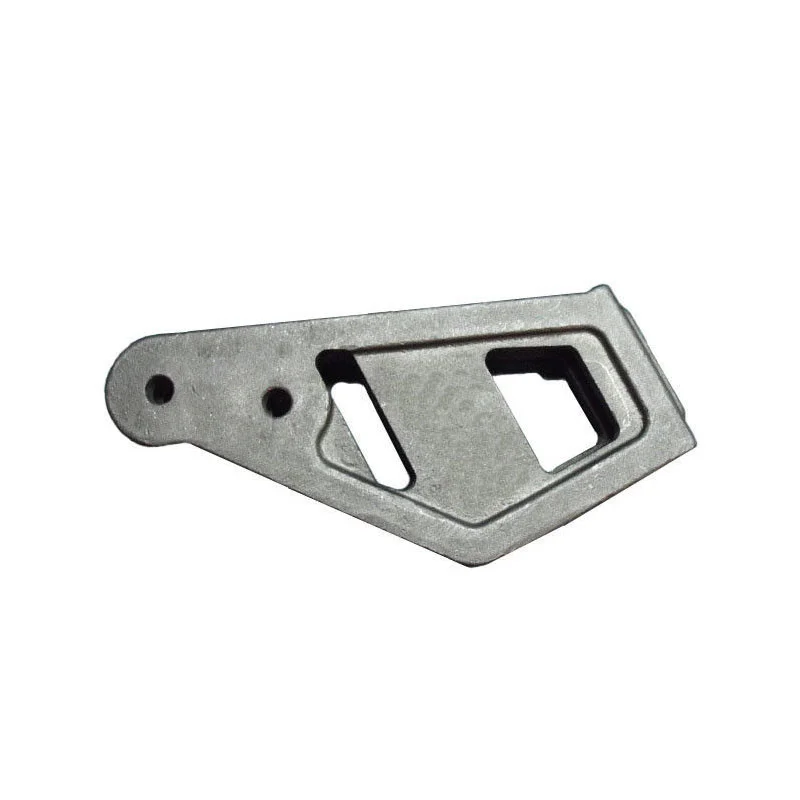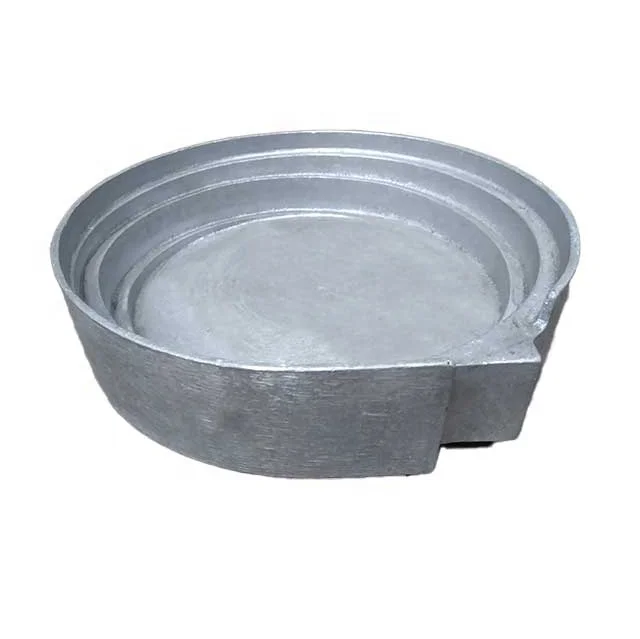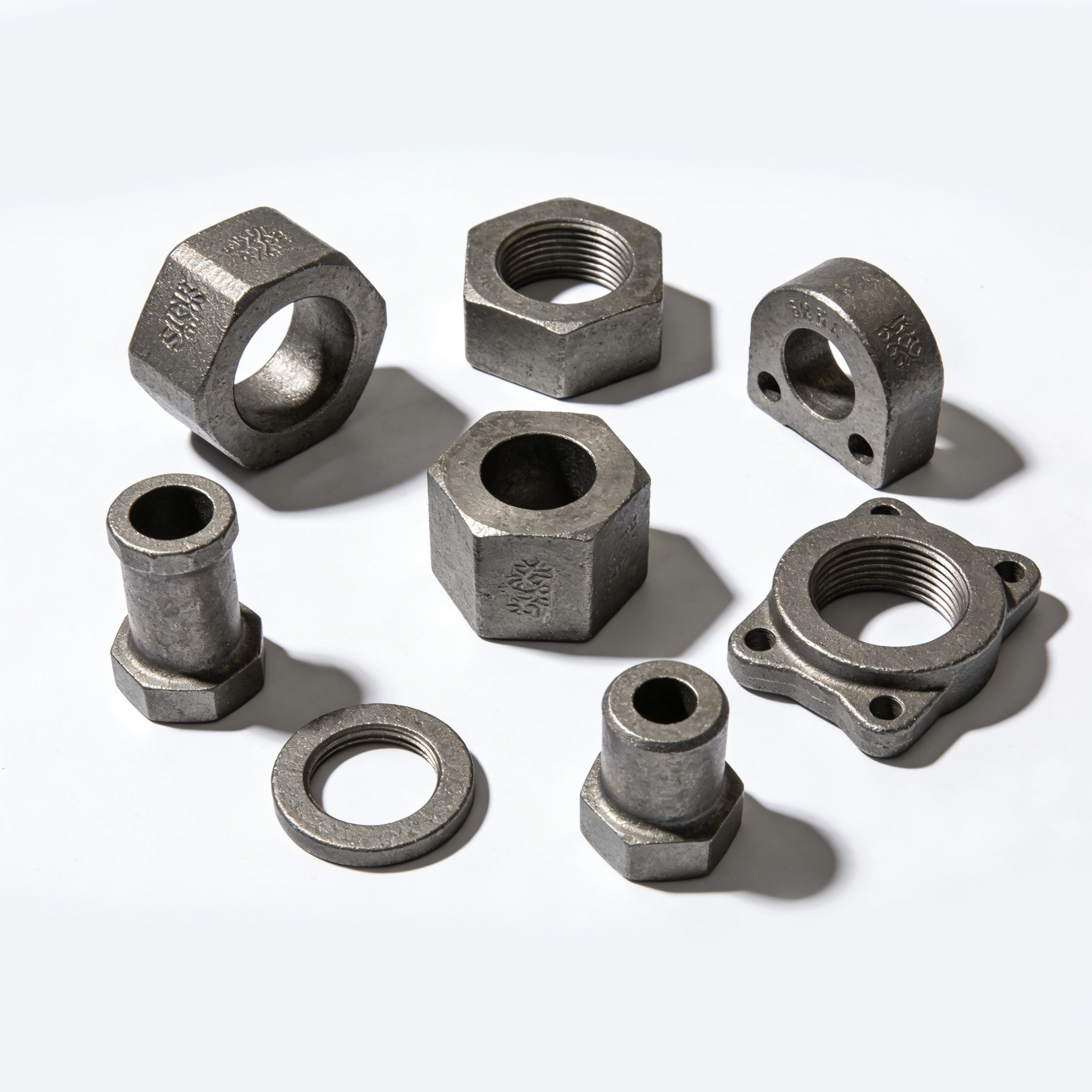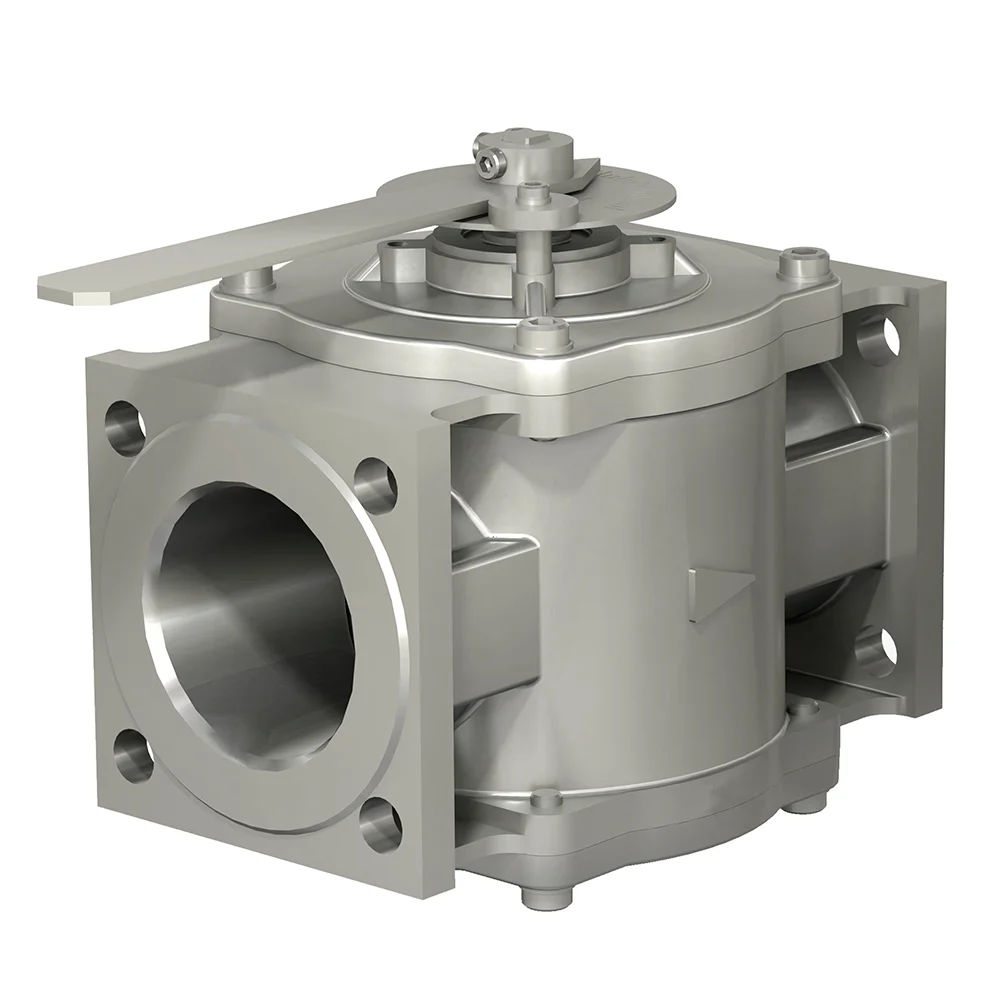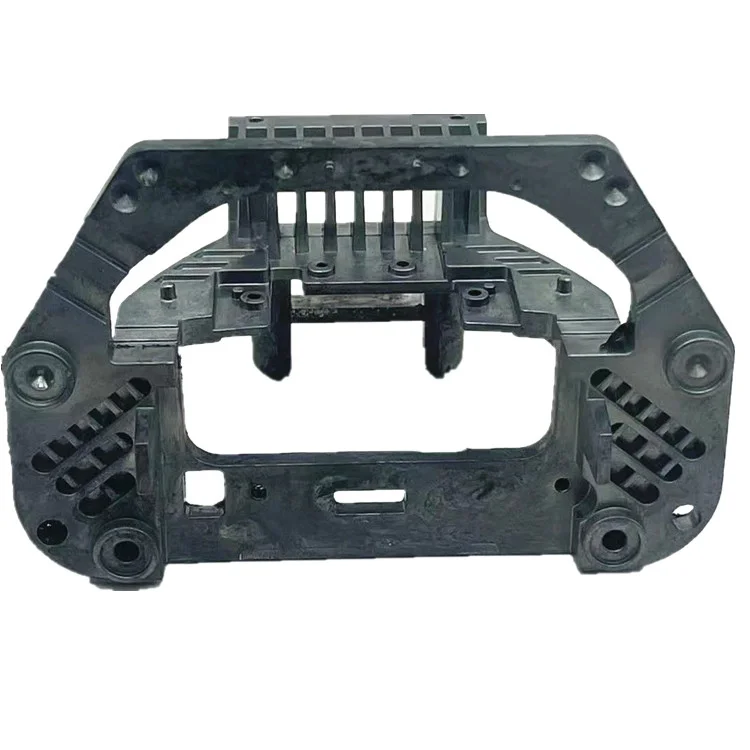
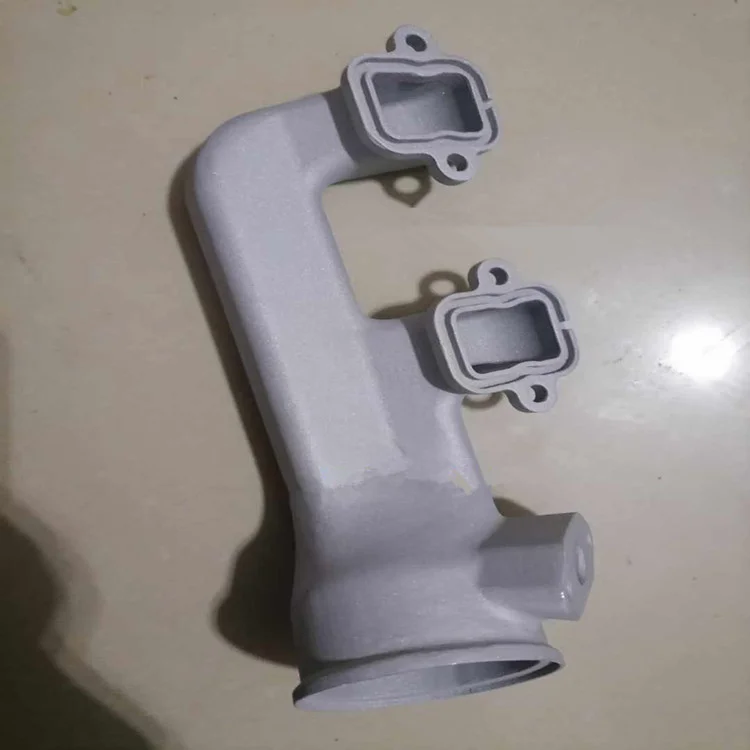
OEM Gray Ductile Iron Sand Investment Castings CNC Turning Milling Five Axis and Separate Steel Aluminum Copper Components
Direct factory support
Get a quote that fits your project
Send your drawing or product reference, material grade and required quantity. Relia will review the requirements with you.
- Drawing & specification review
Confirm the supply scope and critical requirements.
- Samples before custom production
Review inspected samples before approving a batch.
- Inspection documents
Agree material and dimensional records for your part.
-
Drawing Format2D/(PDF/CAD/DWG/DXF)3D(IGES/STEP/VDA)
-
CertificationGB/T19001-2016/ISO9001:2015standardSizeCustomized Size
-
Surface finishAnodized Powder Coating Polishing.sandblastingProduct nameinvestment casting
-
Materialgrey iron, ductile iron, steel, stainless steel, aluminum, copperApplicationIndustry, automotive, agriculture, aviation, construction, electrical
-
ProcessCasting, CNC, turning, milling, 5 AxisToleranceCustomer's Drawing Request
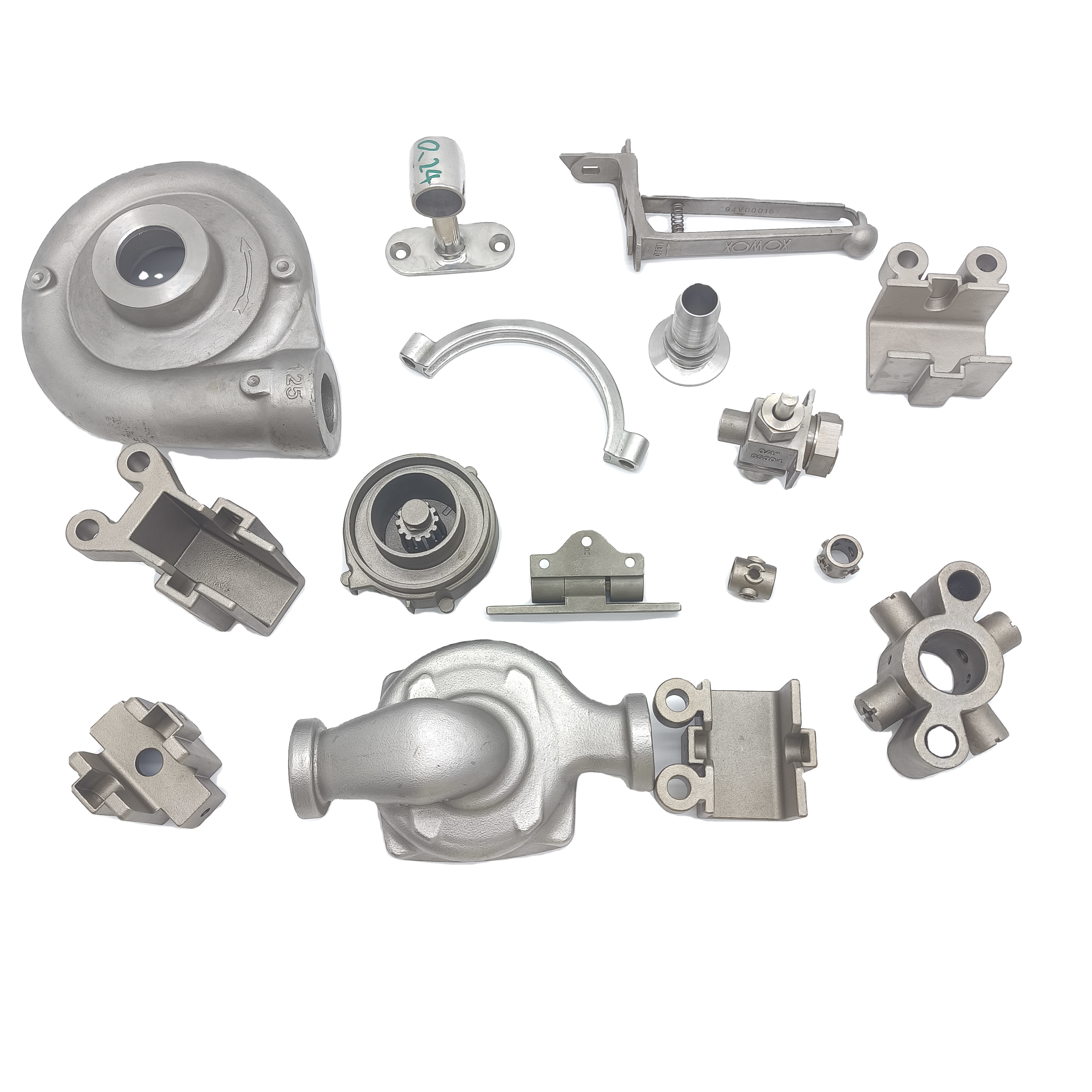
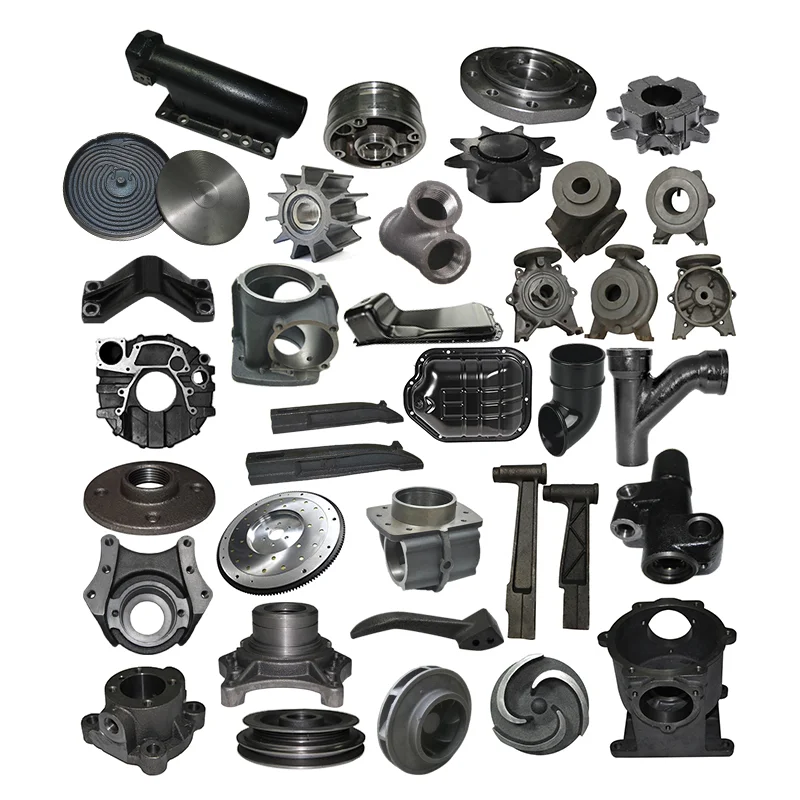
OEM cast-iron sand-casting enquiries include gray- or ductile-iron components, with investment casting selected where compatible with the actual design. Separate steel, stainless-steel, aluminum and copper parts require their own grade and route. Drawing-defined size and tolerances establish the requested supplied geometry.
Choose the application and machining scope
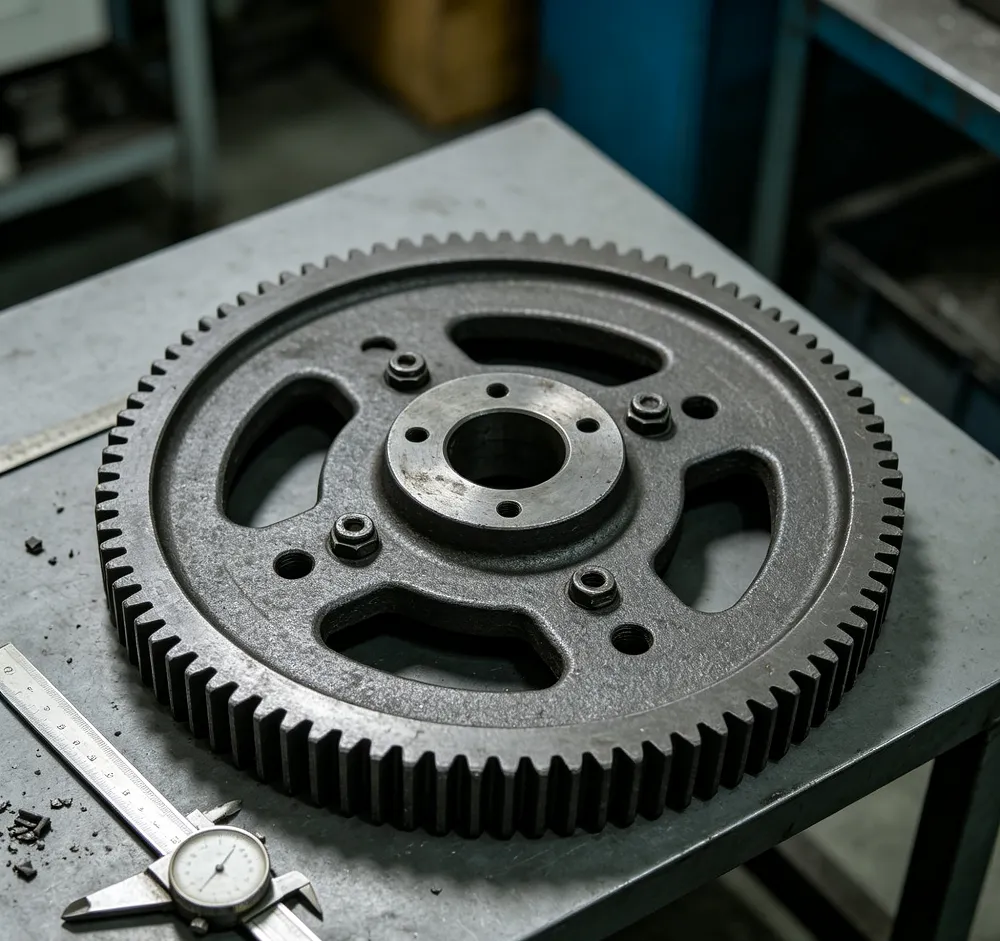
Industrial, automotive, agricultural, aviation, construction and electrical requests need the selected component’s duty and mating arrangement. CNC work, turning, milling and five-axis machining are named operations. Identify interfaces requiring those services and distinguish them from regions accepted in the cast state. Show locating references and measurement conditions for the selected finished-component interfaces.
Specify surface treatment for the substrate
Anodizing, powder coating, polishing and sandblasting require the actual material and final result to be defined. Mark treated areas, masking and contact conditions where surface work affects fit. Keep each component’s material and finish selection connected rather than applying the full menu across the alternatives.
- 2D file references are PDF, CAD, DWG and DXF.
- 3D references are IGES, STEP and VDA.
- Supply the selected component’s quantity and controlling revision.
- Identify material, dimensional and surface records for acceptance.
Scope the quality-system records
Request applicable GB/T19001-2016 and ISO9001:2015 documentation with the relevant holder and activity scope. Explain the characteristics required for initial component approval. Retain accepted grade, machining and finishing decisions with the drawing-based part definition used for repeat orders.