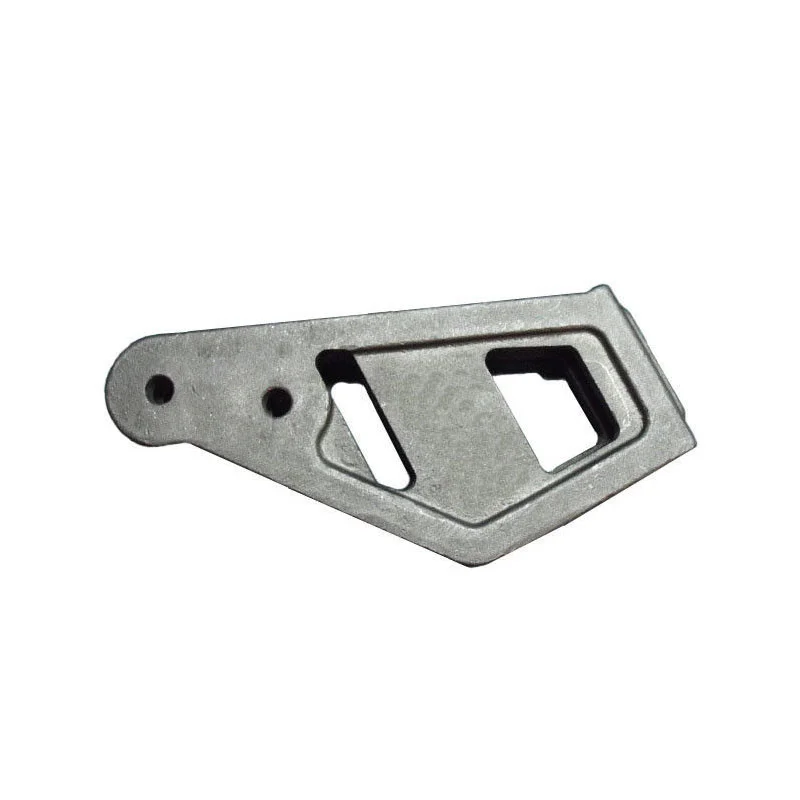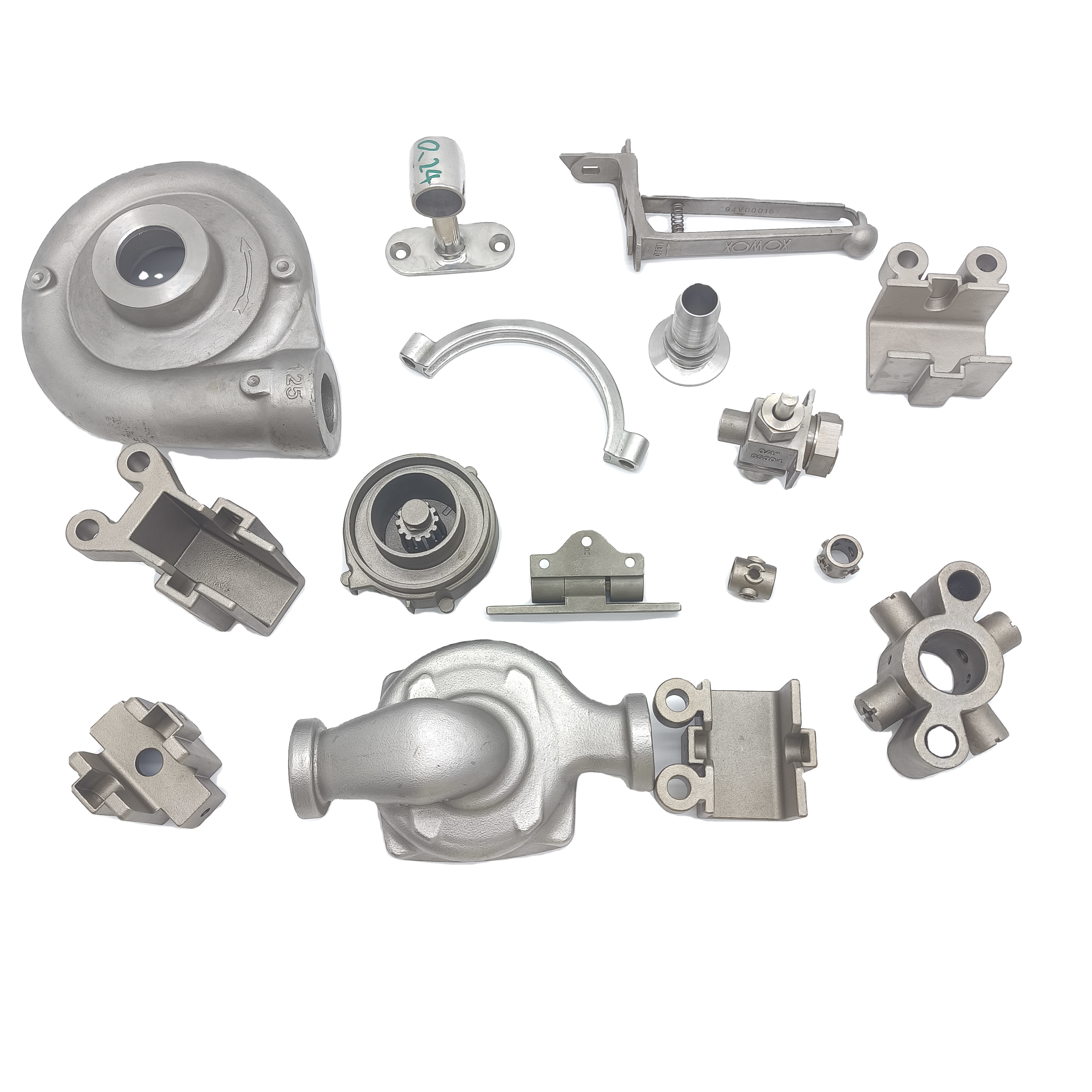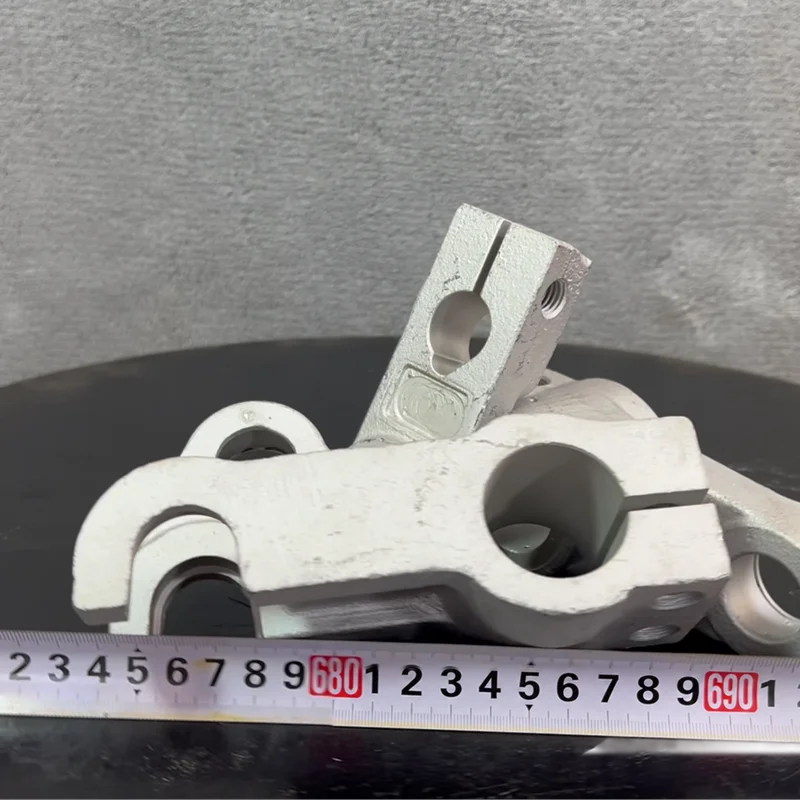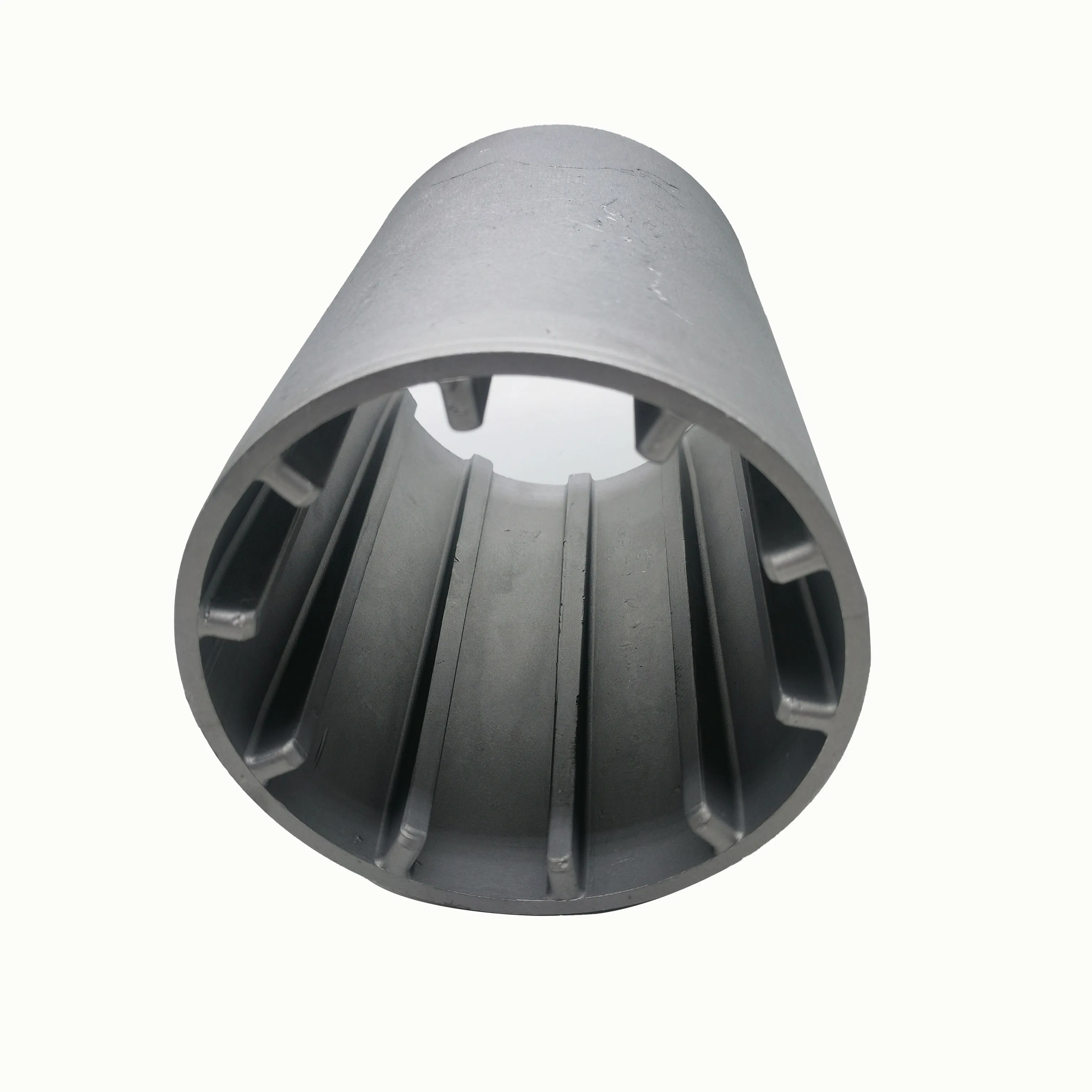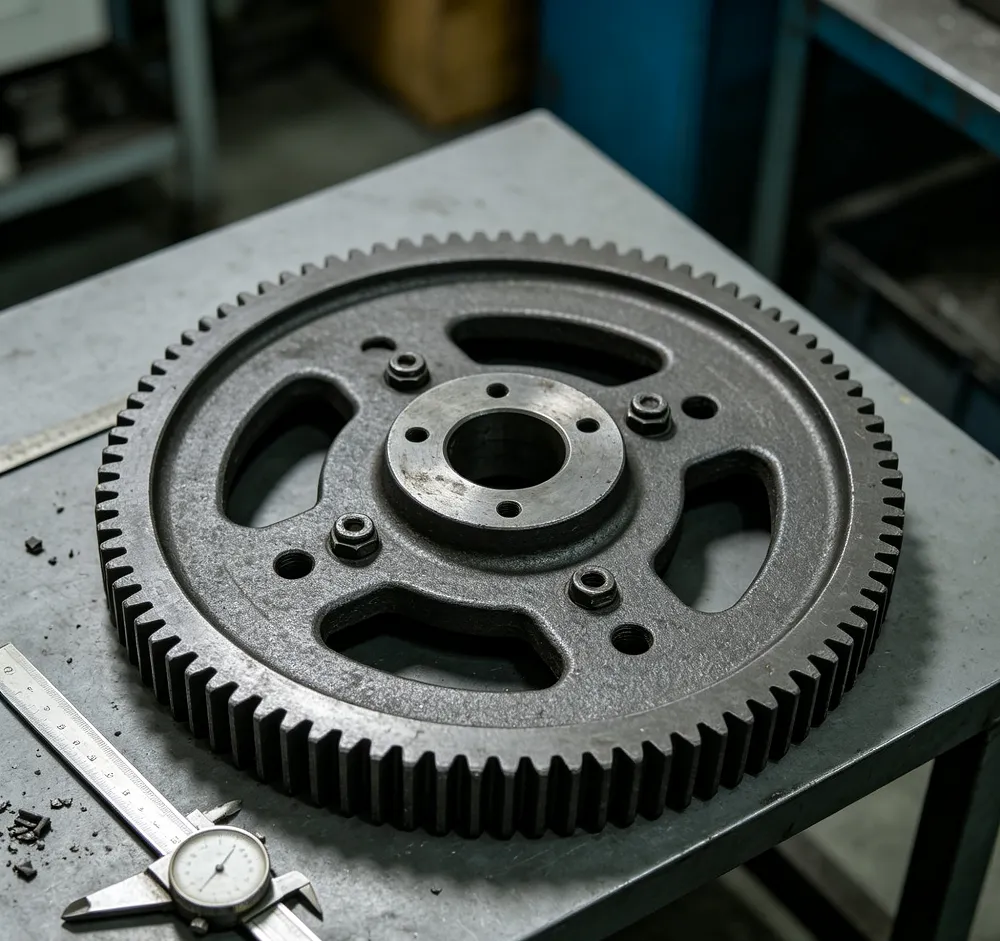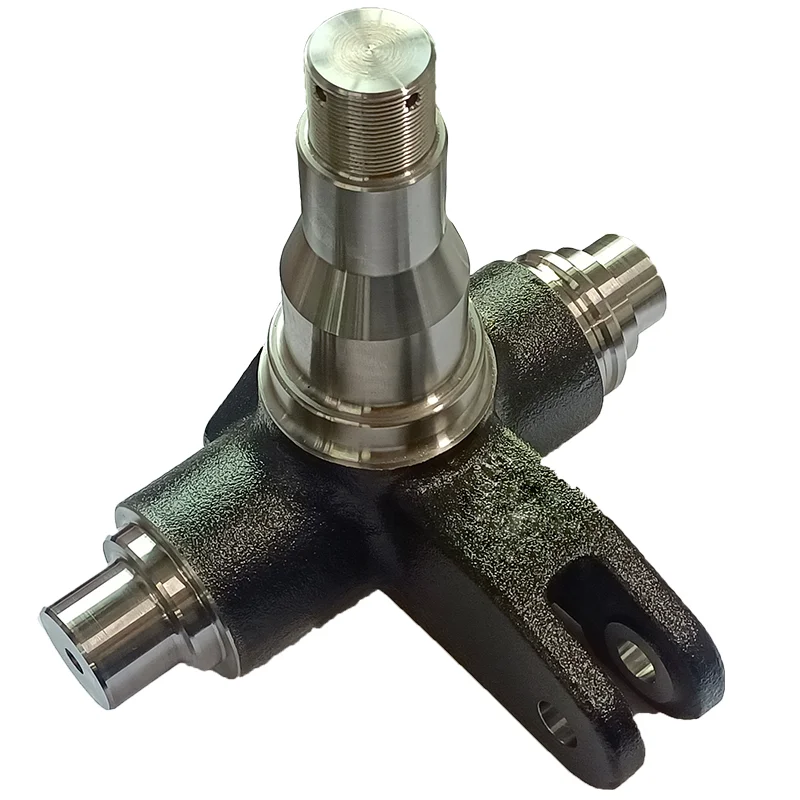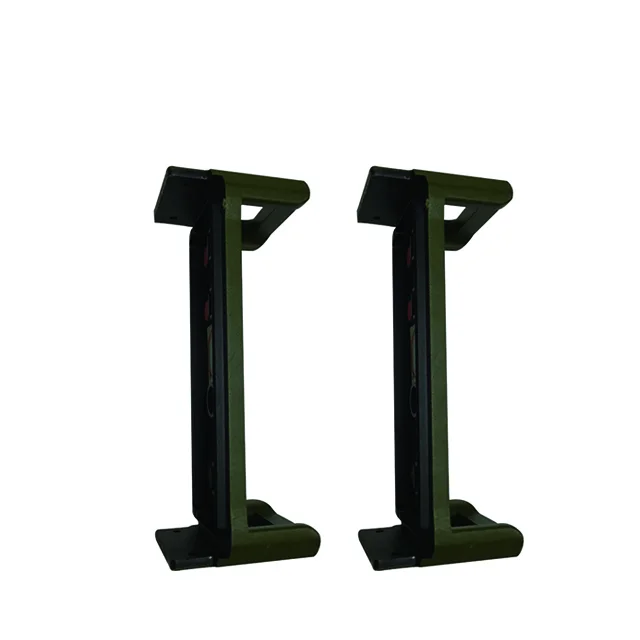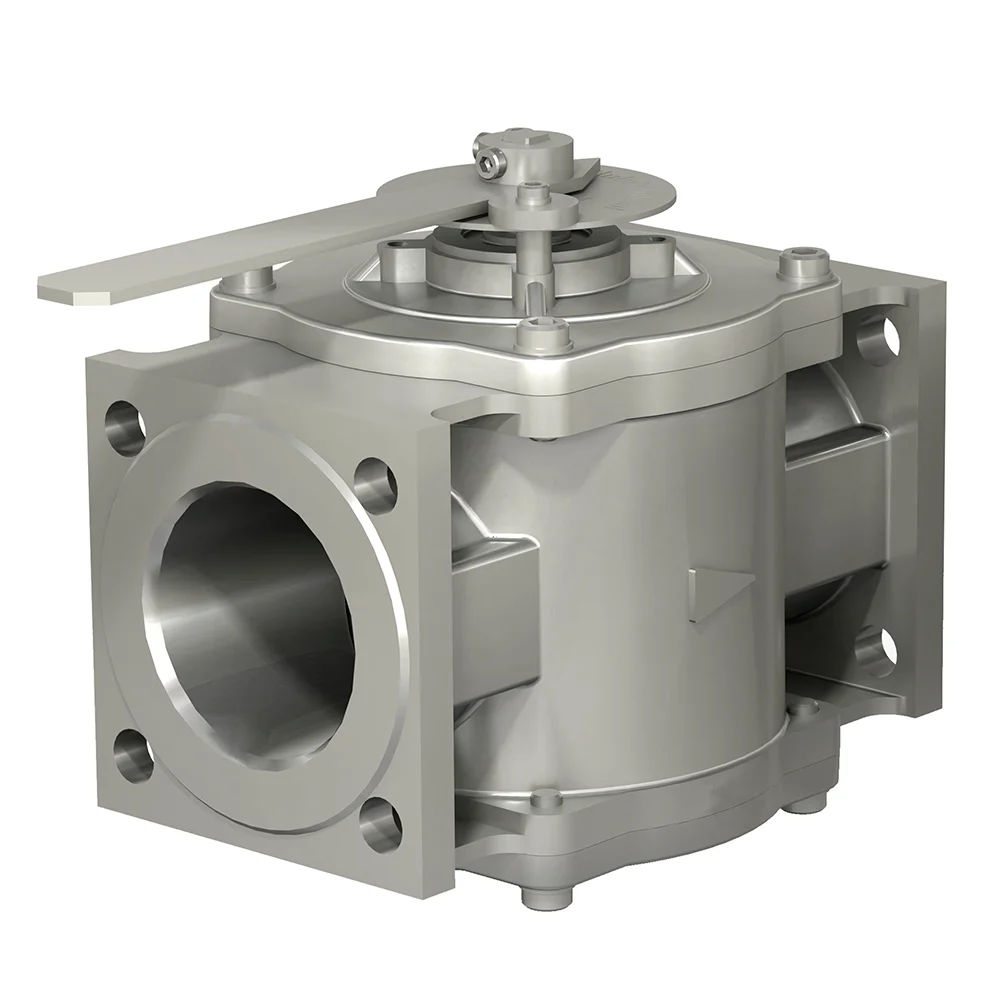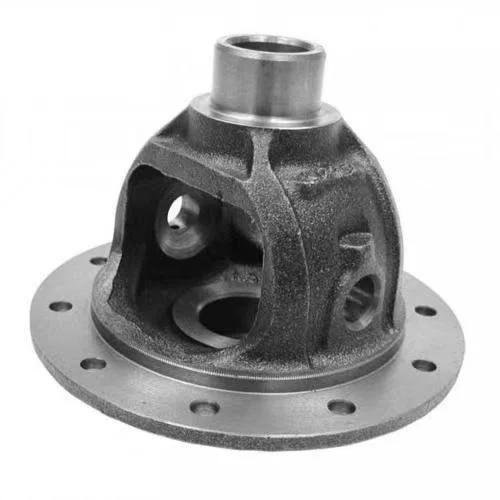
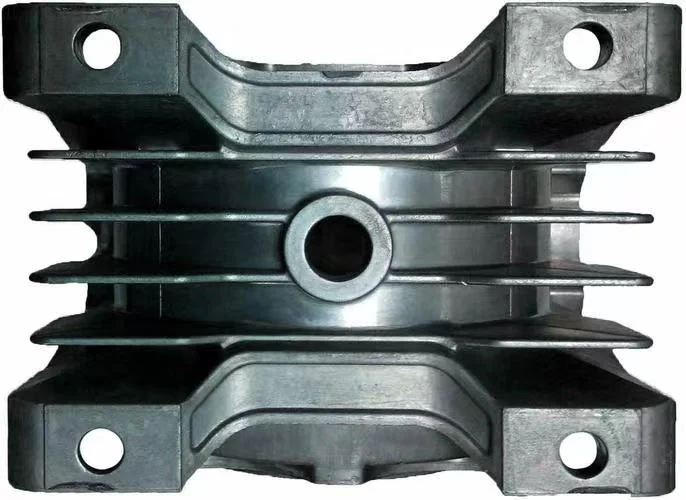
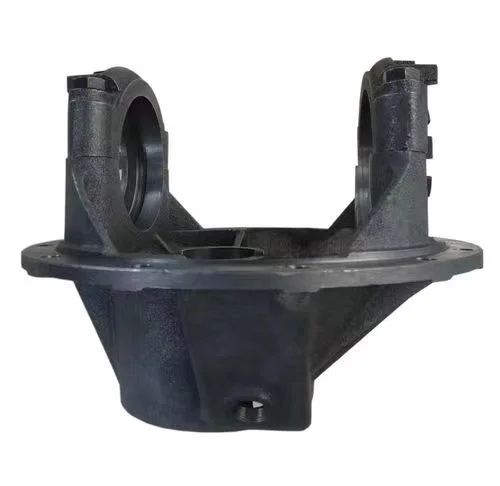
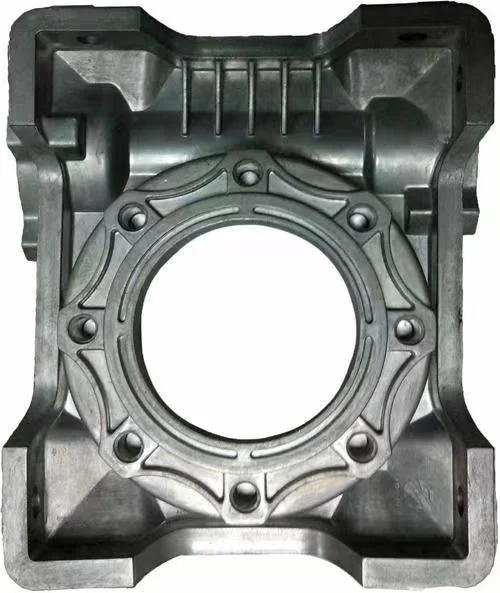
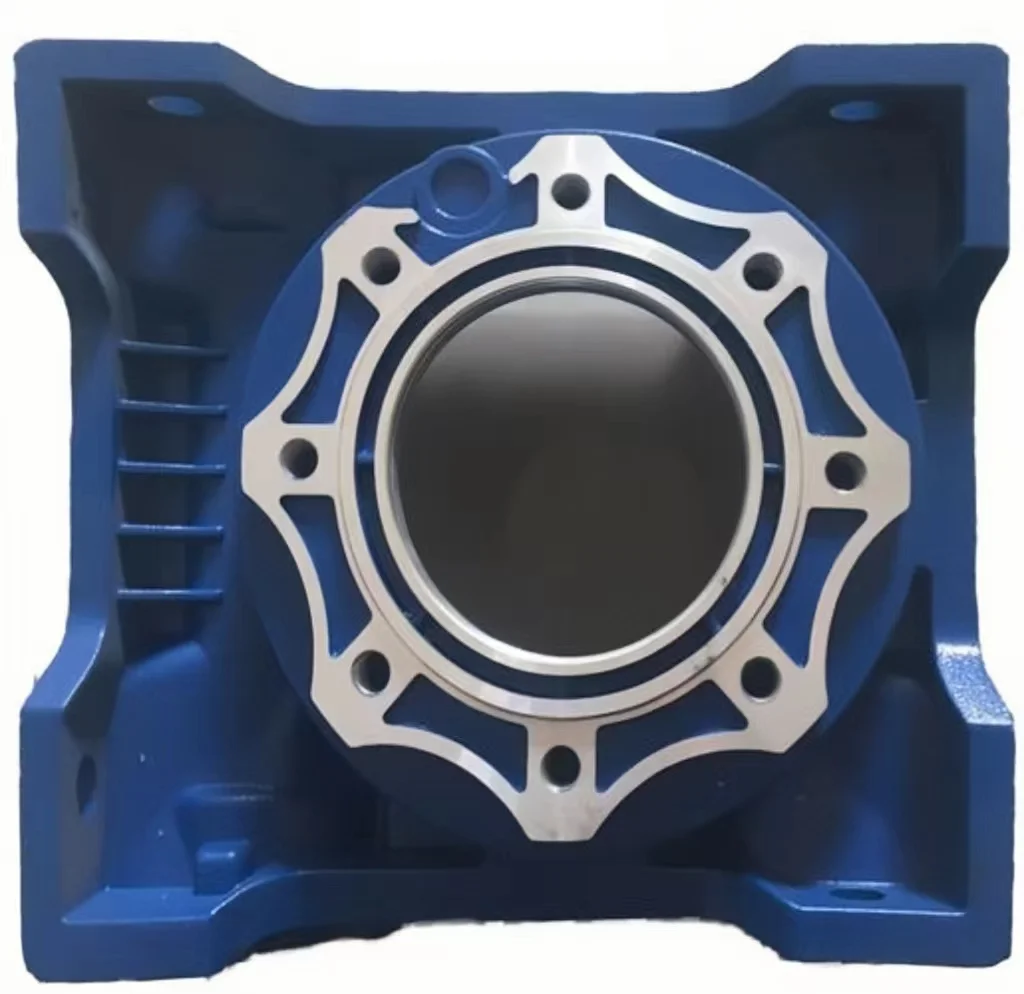
OEM Grey Ductile Iron CNC Machined Sand Casting for Industrial Parts with Custom Shape Color and Surface
Direct factory support
Get a quote that fits your project
Send your drawing or product reference, material grade and required quantity. Relia will review the requirements with you.
- Drawing & specification review
Confirm the supply scope and critical requirements.
- Samples before custom production
Review inspected samples before approving a batch.
- Inspection documents
Agree material and dimensional records for your part.
-
MaterialGrey Iron, Ductile Iron
-
CertificationISO9001-2015DimensionsCustomized Sizes
-
Quality Control100% InspectionColorCustomized Color
-
Inspection100% TestShapeCustomized Shape
-
QualityGuaranteedSizeCustomer's Drawing Required
-
Surface treatmentCustomers' Demand
OEM industrial iron-component enquiries include grey- or ductile-iron sand castings with CNC machining. Size and shape follow the customer drawing, with customized color and surface requirements. Select the grade and material condition for the part’s duty before defining its finished interfaces.
Use the shape to explain function
Show where the component mounts, locates or contacts neighboring parts in the industrial assembly. Identify sections needed to explain internal geometry and the areas requiring CNC work. Mark the datum relationships and acceptance limits that determine the supplied part’s fit.
Connect color with the final surface
Provide the selected finish and an appearance reference for the faces where color matters. Define coverage and any masking needed around contact or fitted areas. Dimensional acceptance should refer to the stage and surface condition required by the assembly.
- Identify the drawing revision used for quotation.
- State the quantity and complete iron grade.
- Mark cast and finished-interface boundaries.
- Define sample approval for appearance and fit.
Specify what inspection and testing cover
The industrial part’s stated 100% inspection and 100% testing require an agreed scope of characteristics, methods and acceptance records. Assign those requirements to the selected material, geometry and delivered surface. Identify applicable ISO9001:2015 certificate scope alongside the part-specific checks. Keep the approved drawing and surface reference attached to the production requirement so the custom shape and finished condition remain consistently defined.