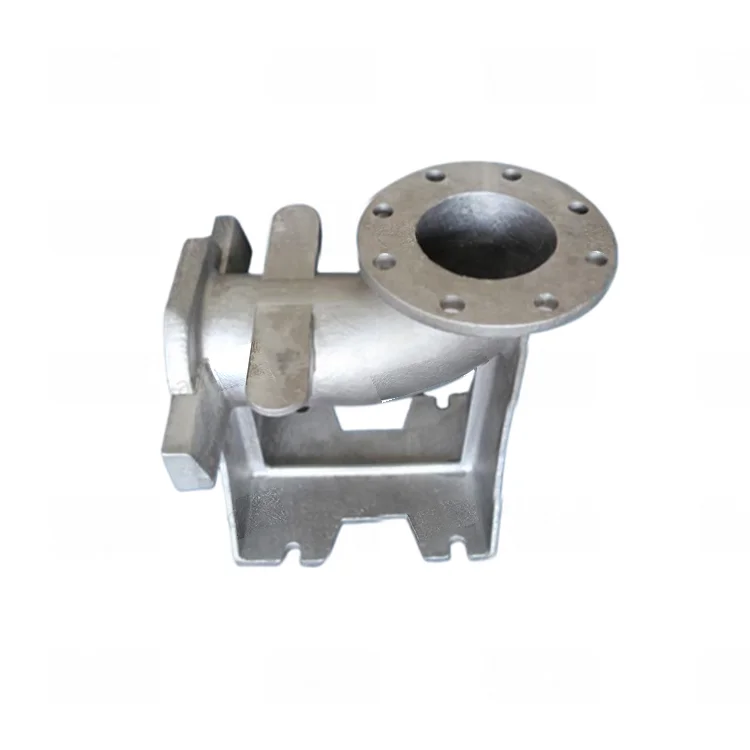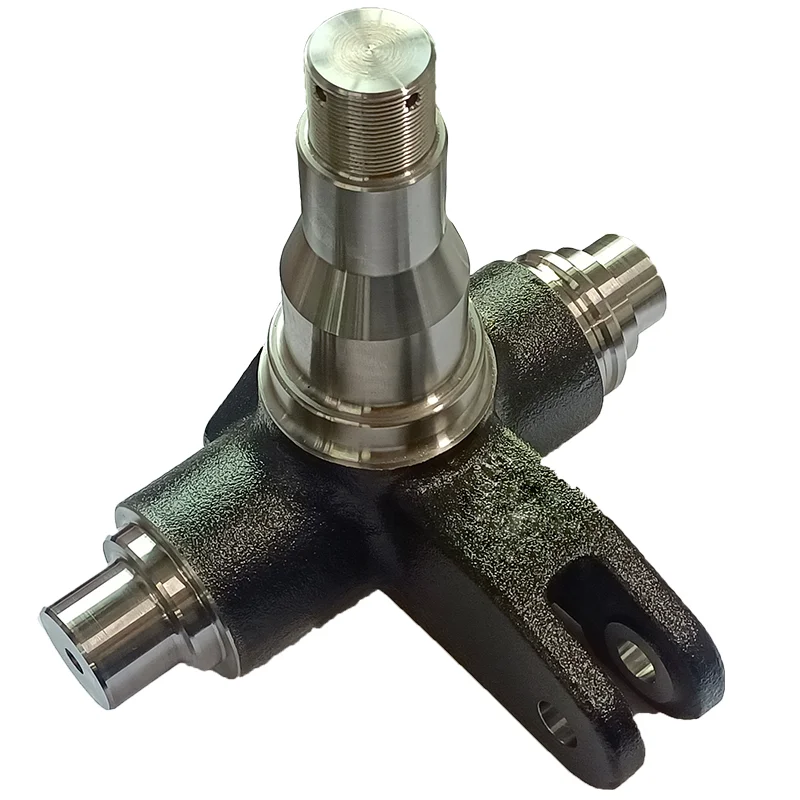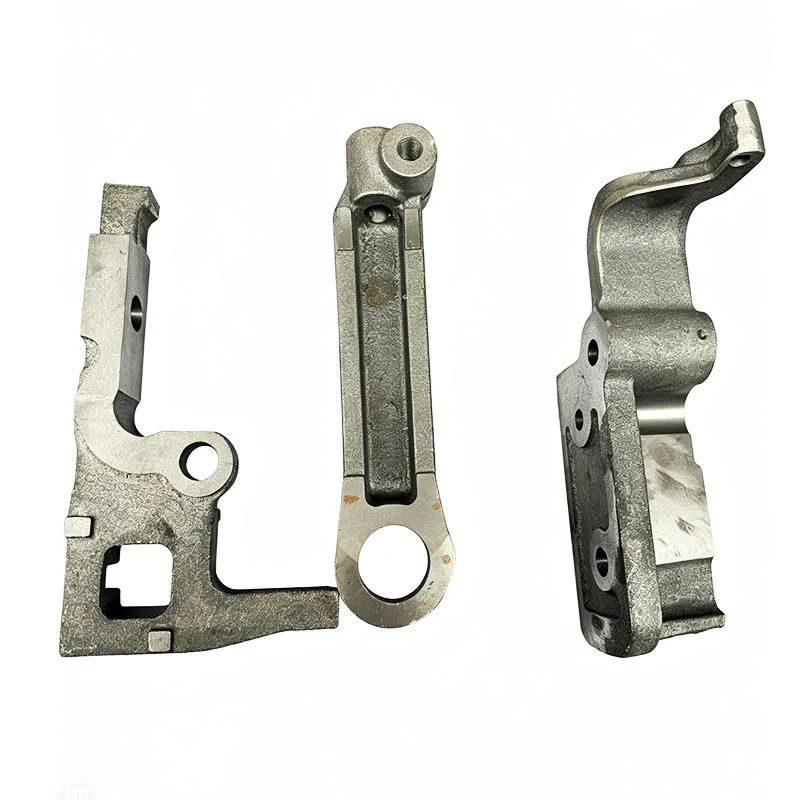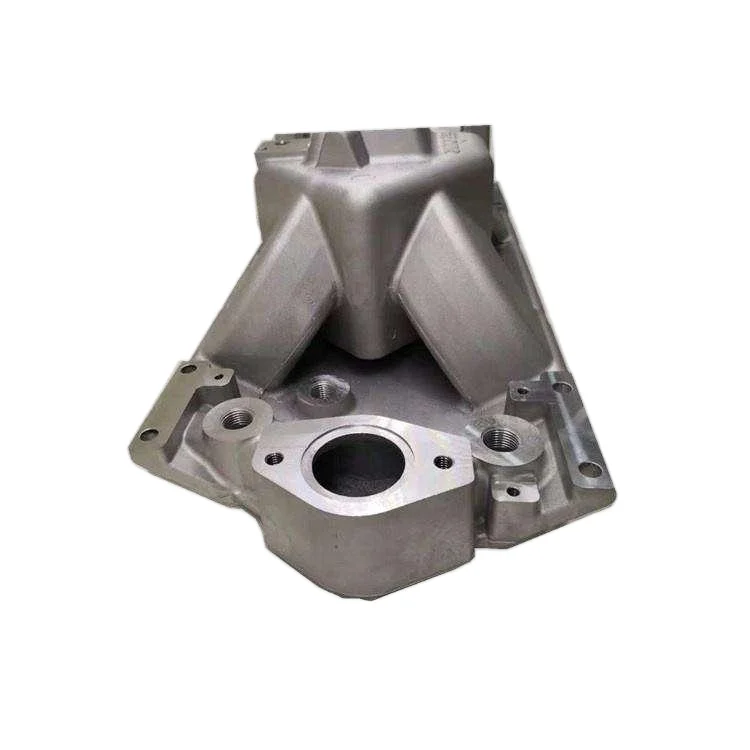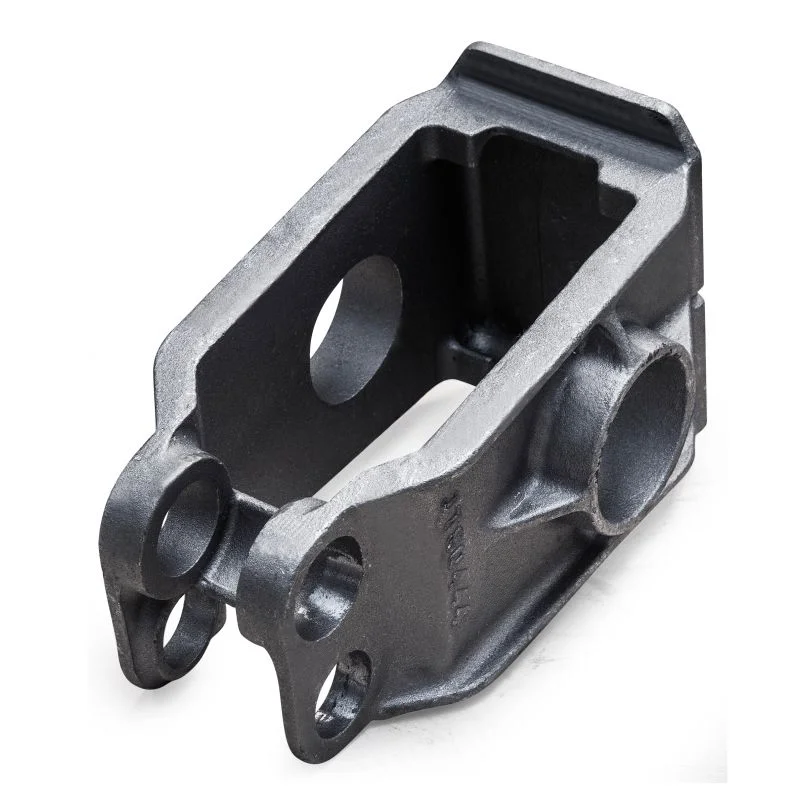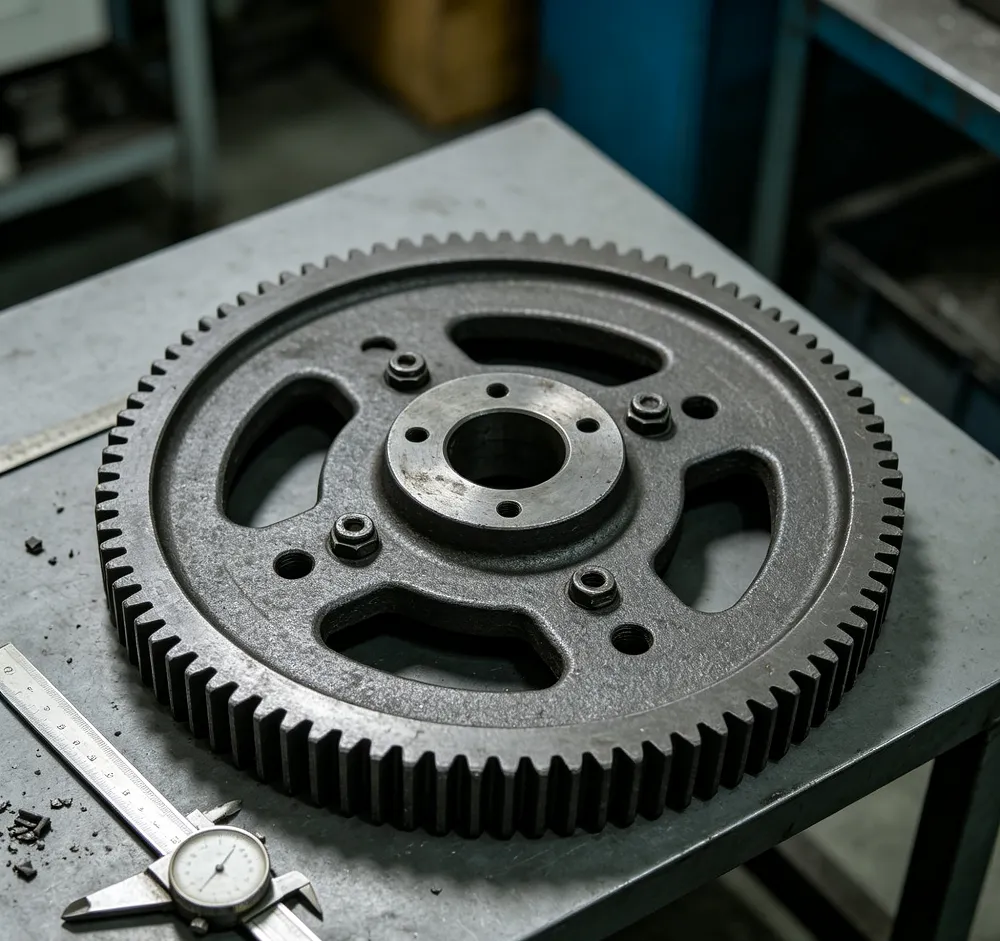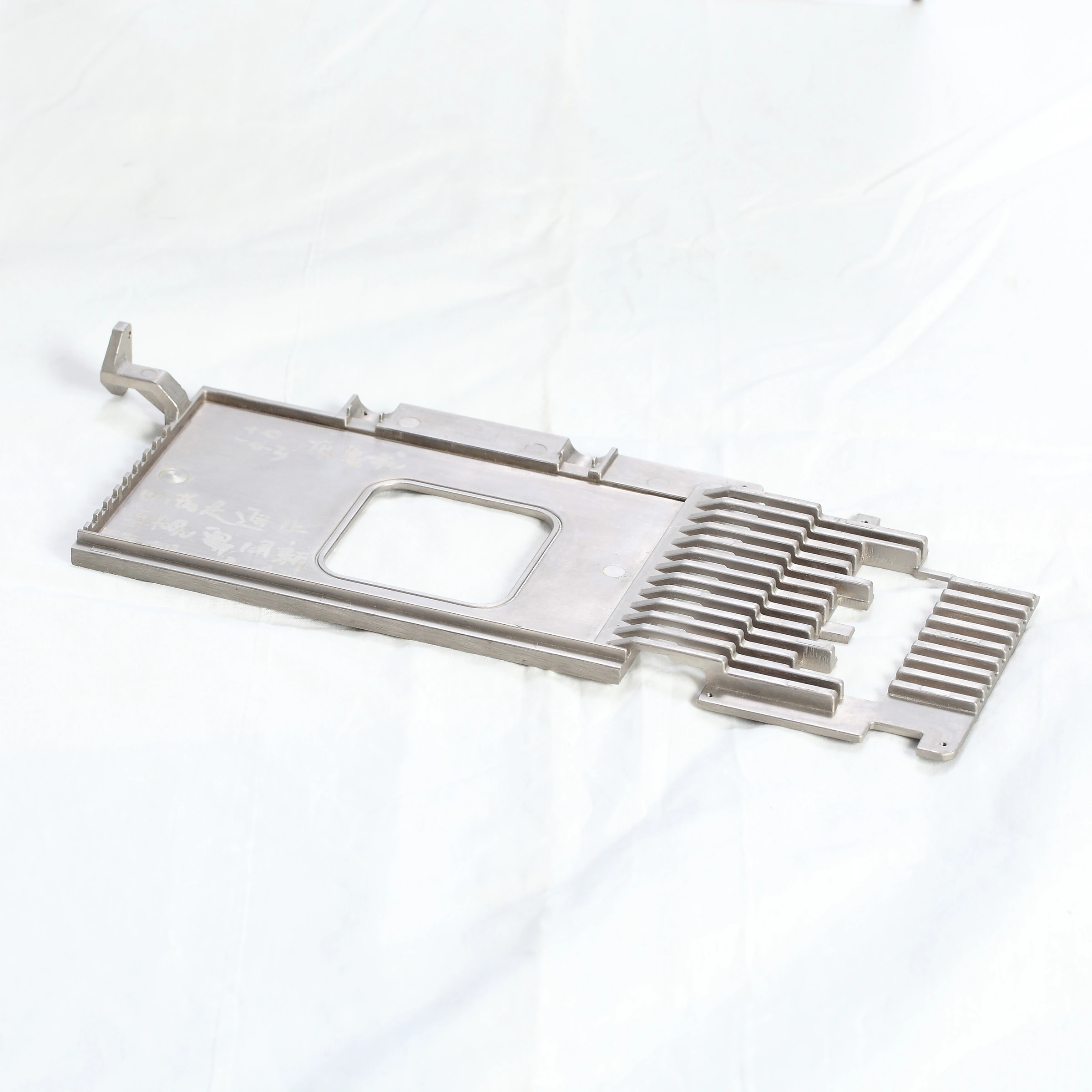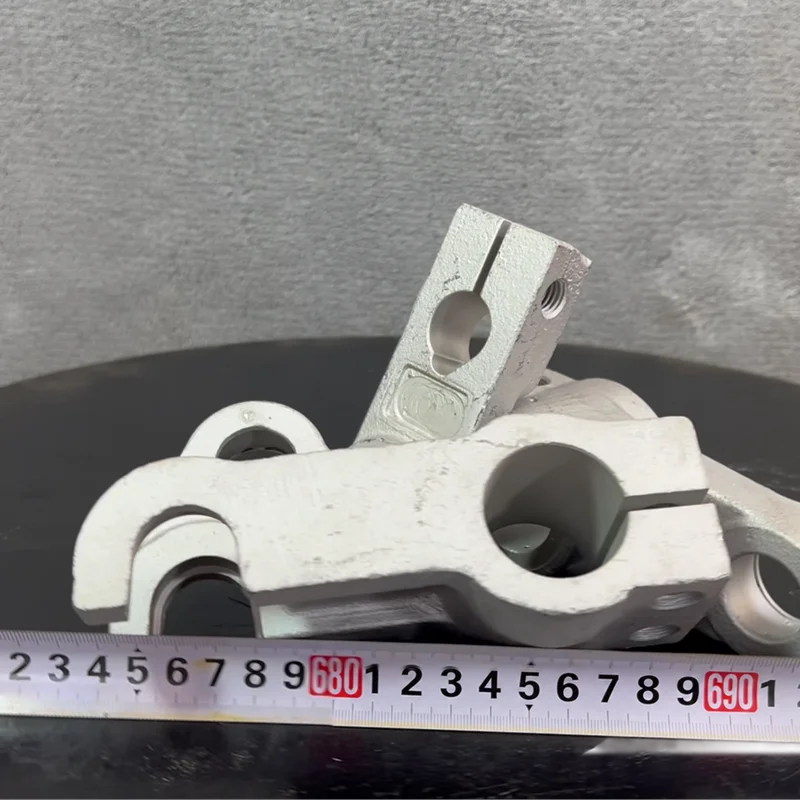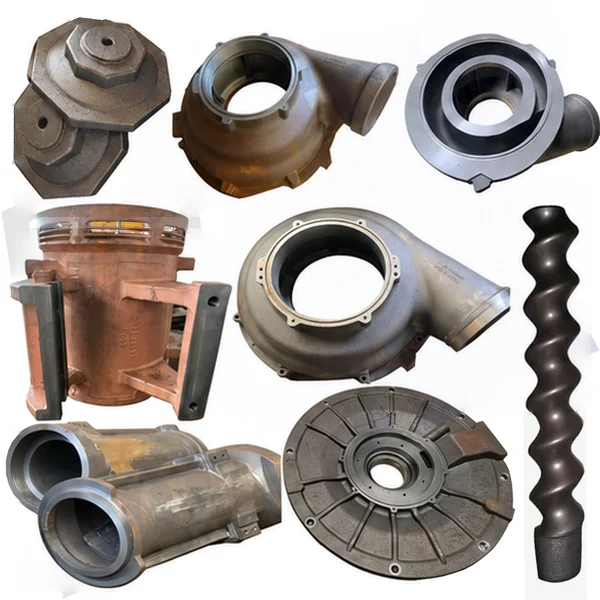
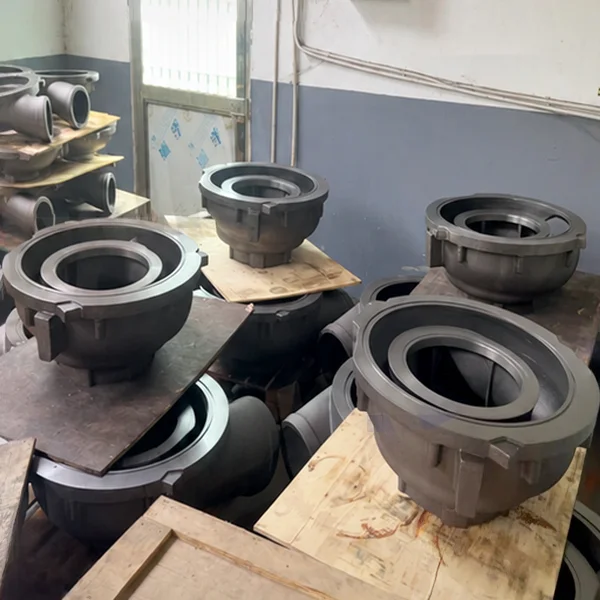
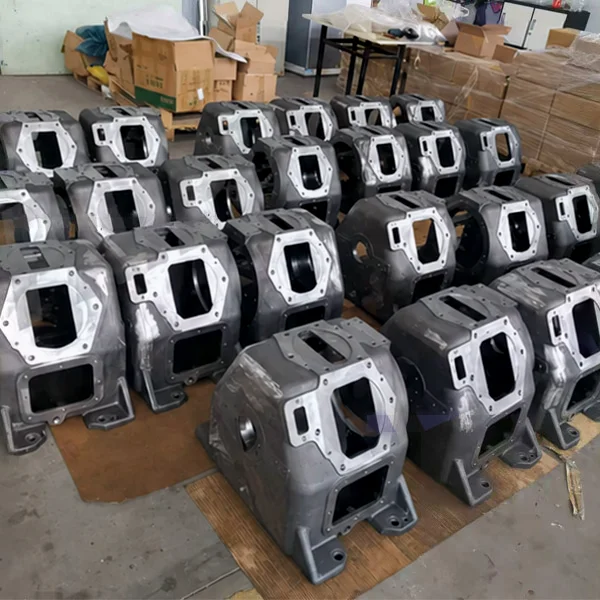
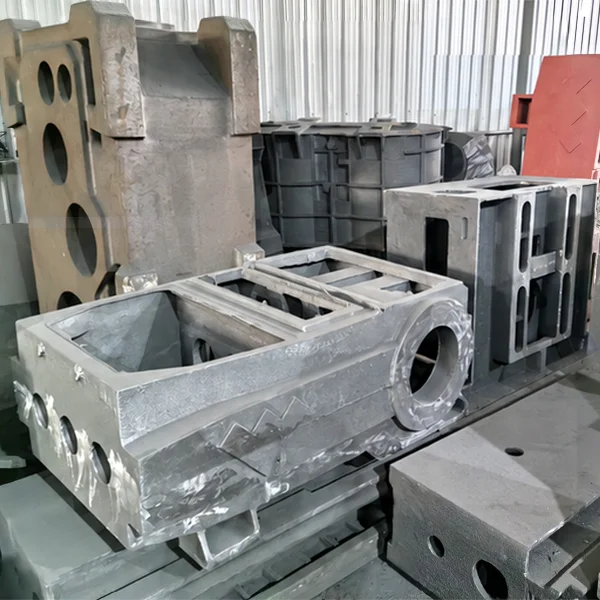
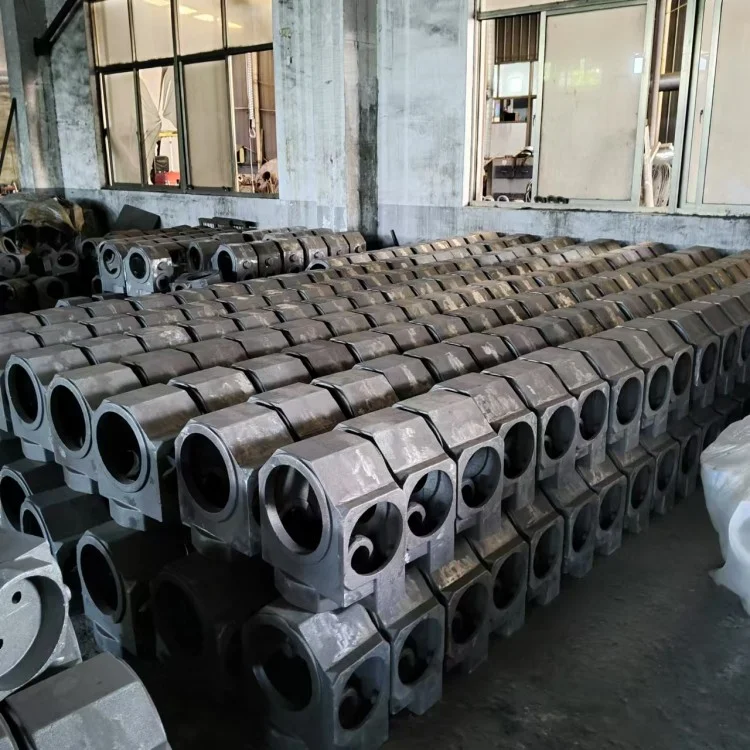
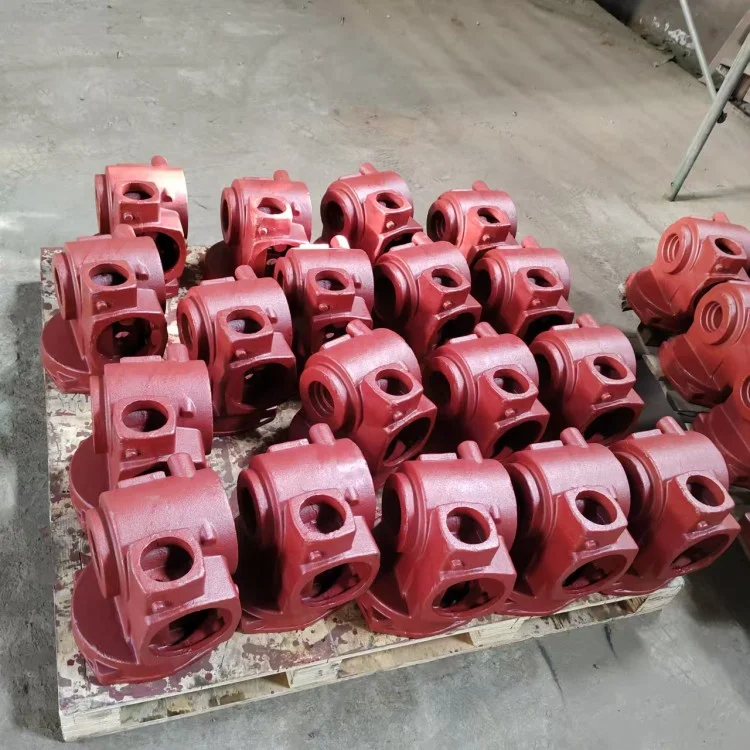
OEM ODM Custom Grey Ductile Iron Sand Castings for Automotive Machinery with Drawing Based Tolerances and Selected Surface Finishes
Direct factory support
Get a quote that fits your project
Send your drawing or product reference, material grade and required quantity. Relia will review the requirements with you.
- Drawing & specification review
Confirm the supply scope and critical requirements.
- Samples before custom production
Review inspected samples before approving a batch.
- Inspection documents
Agree material and dimensional records for your part.
-
Namesand casting
-
DimensionsAs drawingsToleranceCustomized
-
Weight0.2-999kgServiceManufacturer, OEM, ODM
-
ApplicationAuto/medical/agricultural/train/valve/textileFinishpolish, sandblast, color anodize, plated and etc
-
Inspection100% inspectionCertificationISO9001:2008 , ISO/TS16949
-
Export MarketsGlobal
Custom gray- or ductile-iron sand castings are available for automotive and machinery enquiries. OEM/ODM dimensions and tolerances follow the selected drawing. Identify the complete iron grade, governing document and required material condition for the component being ordered.
Describe the actual application and interfaces
Automotive, medical, agricultural, train, valve and textile components need their own duty and approval criteria. Show mounting, locating and working contacts in the intended assembly. Mark the geometry and dimensional relationships determining whether the selected casting meets its design requirements.
Choose the surface process for the component
Polishing, sandblasting, color-anodizing and plating requests are listed. Identify the actual substrate and suitable finishing process for each item. Define coverage, appearance and masking at functional interfaces, including the final contact condition needed at assembly.
Agree complete inspection coverage and records
The stated 100% inspection should address agreed characteristics of the chosen iron component. Specify methods, measurement conditions and material or dimensional records required for approval. Request relevant ISO9001:2008 and ISO/TS16949 documentation with its applicable scope.
Retain the approved supplied state
Provide quantity, revision and the purpose of any sample or initial item. Explain what a reference component establishes about geometry or appearance. Keep the selected grade, finished-interface conditions and accepted drawing changes attached to the production brief so component approval follows the actual casting and its intended equipment application.