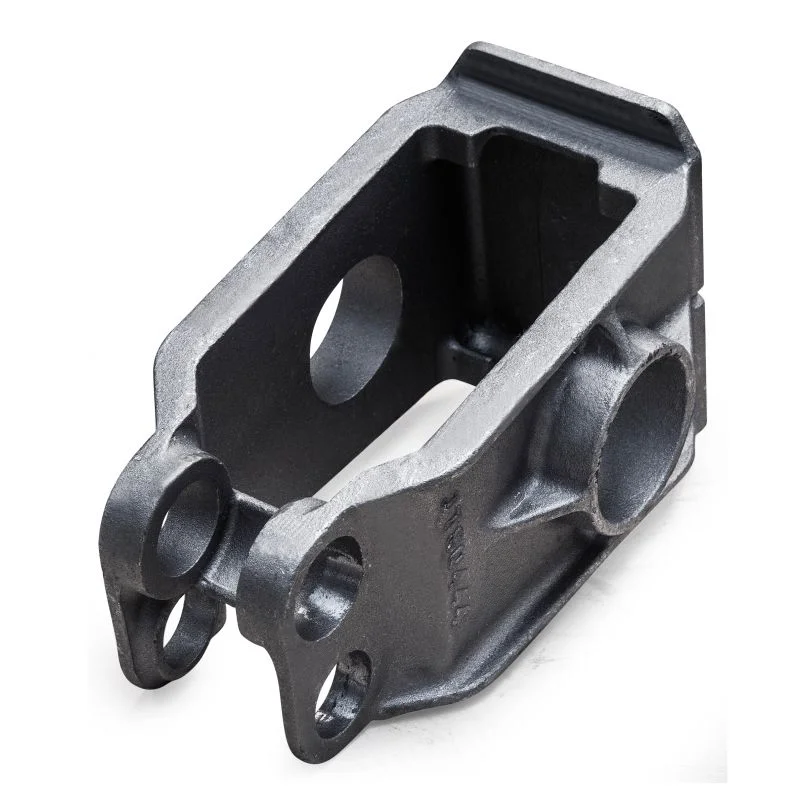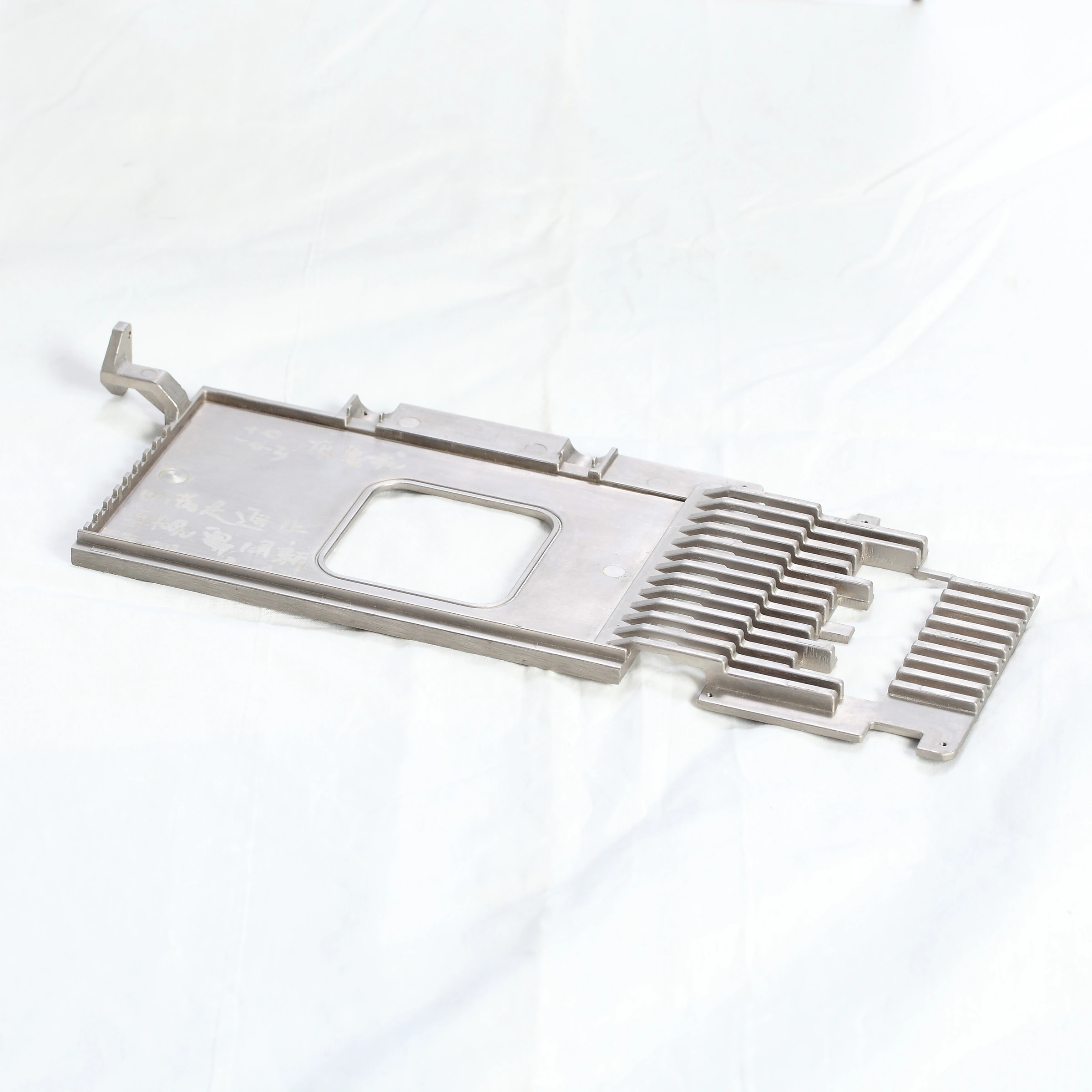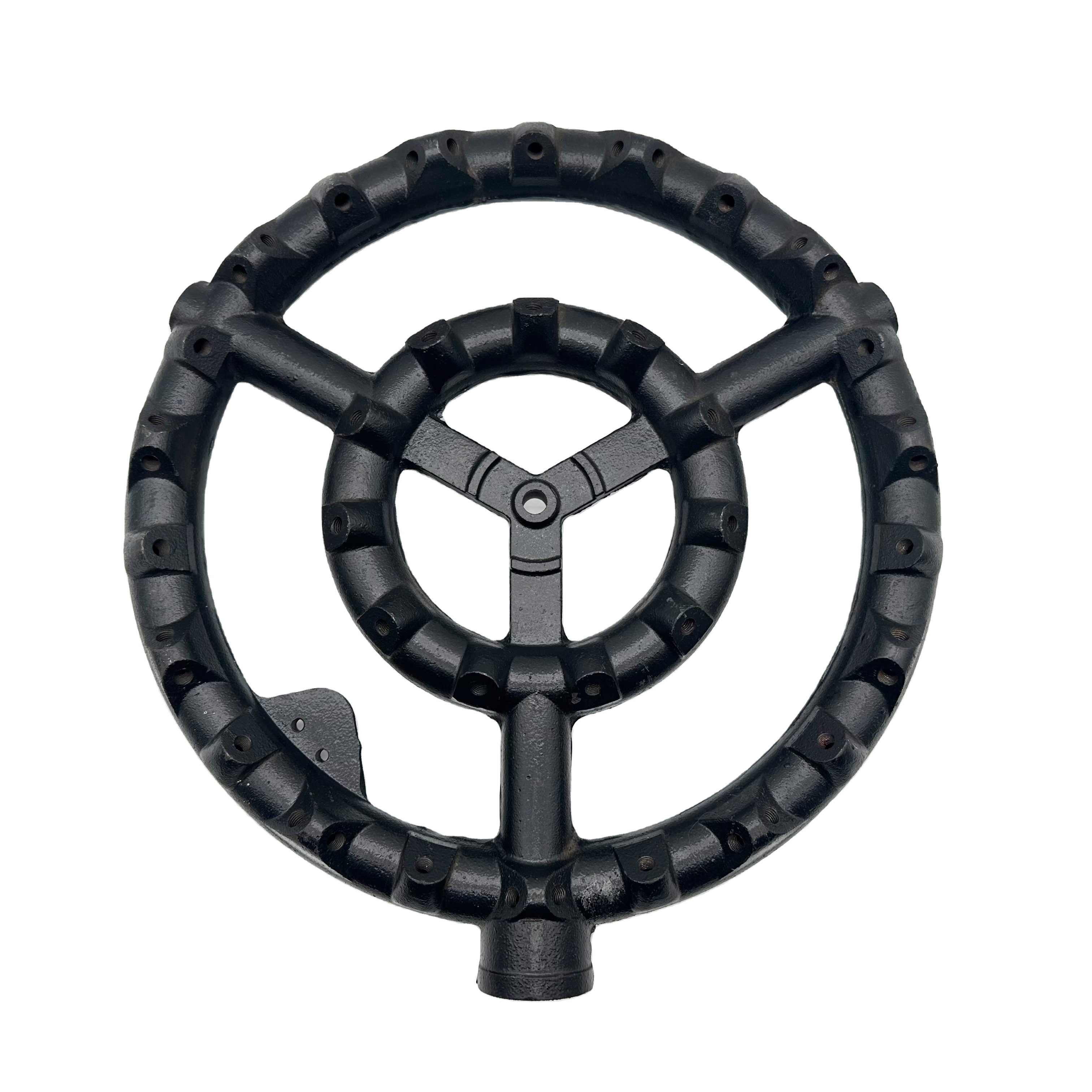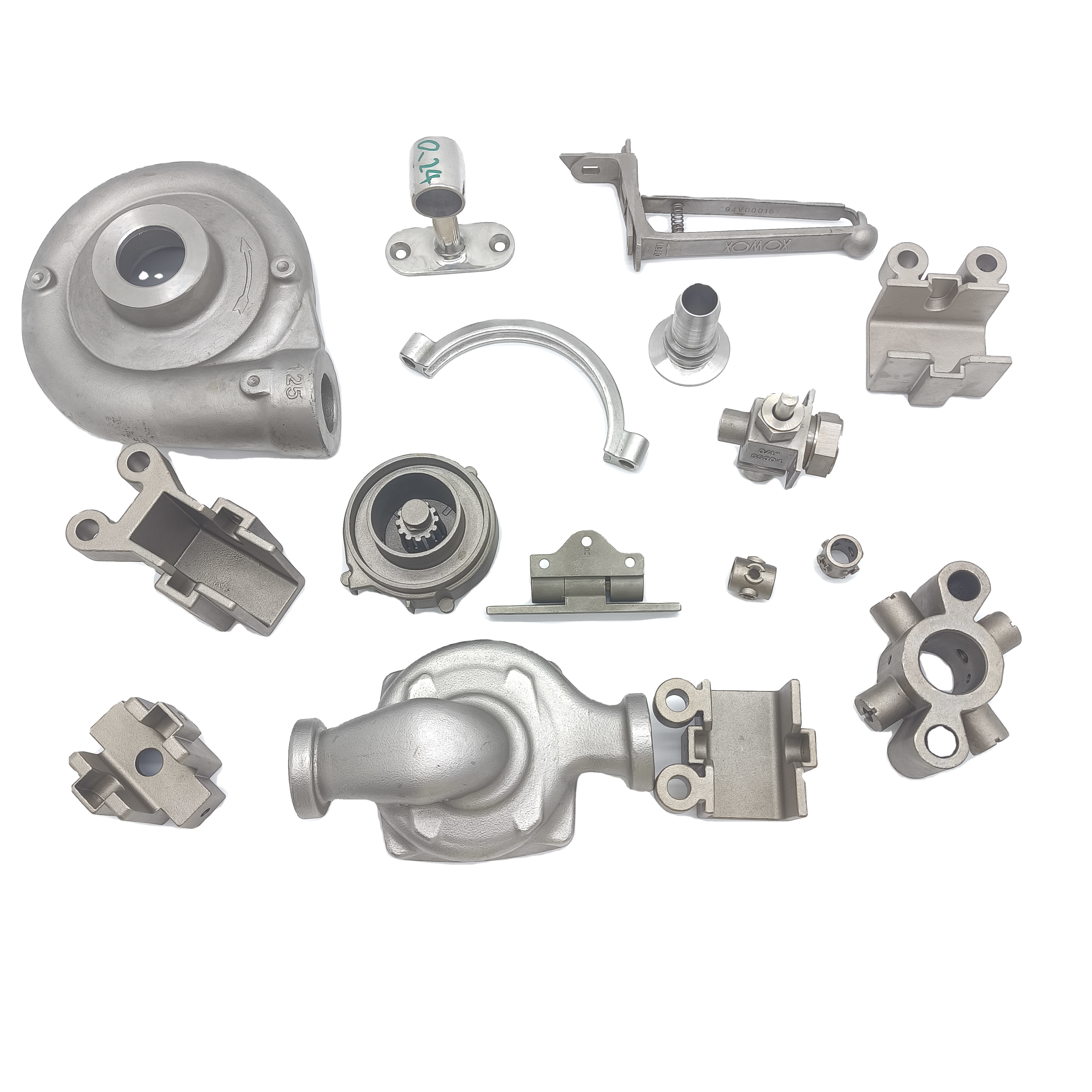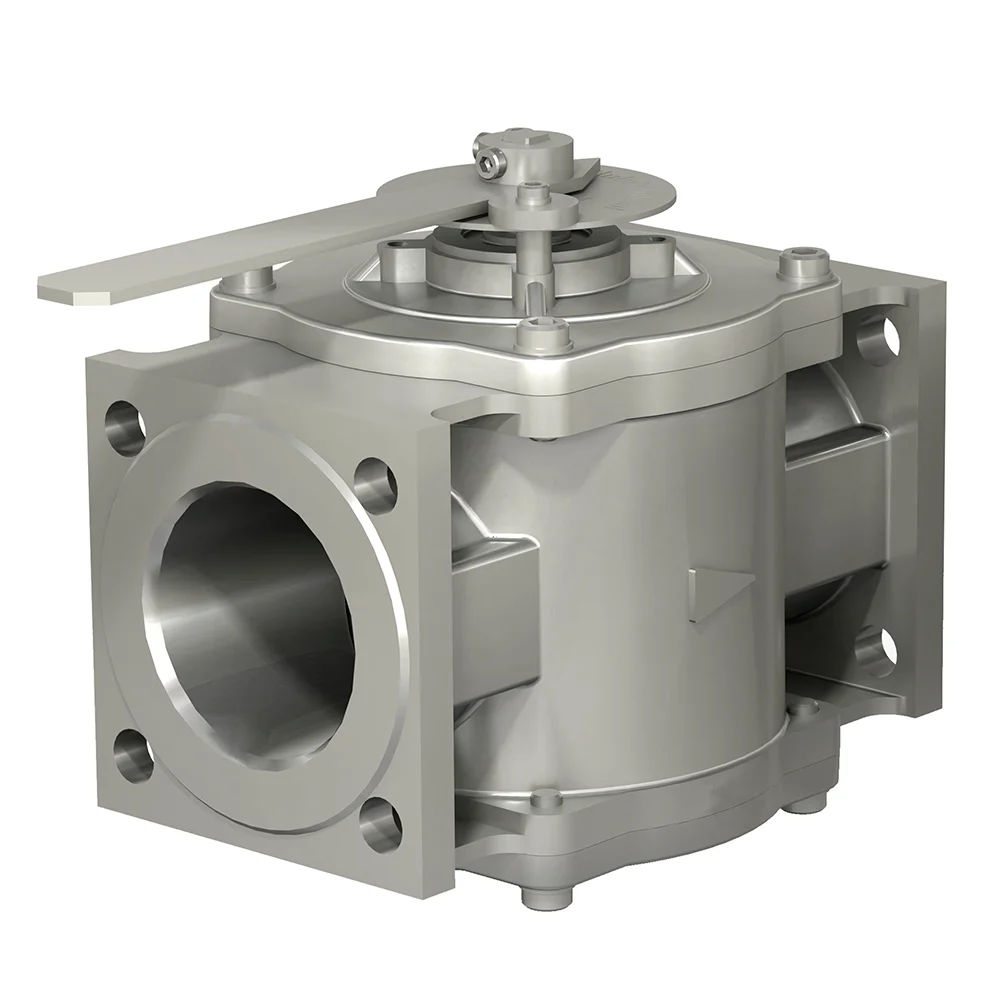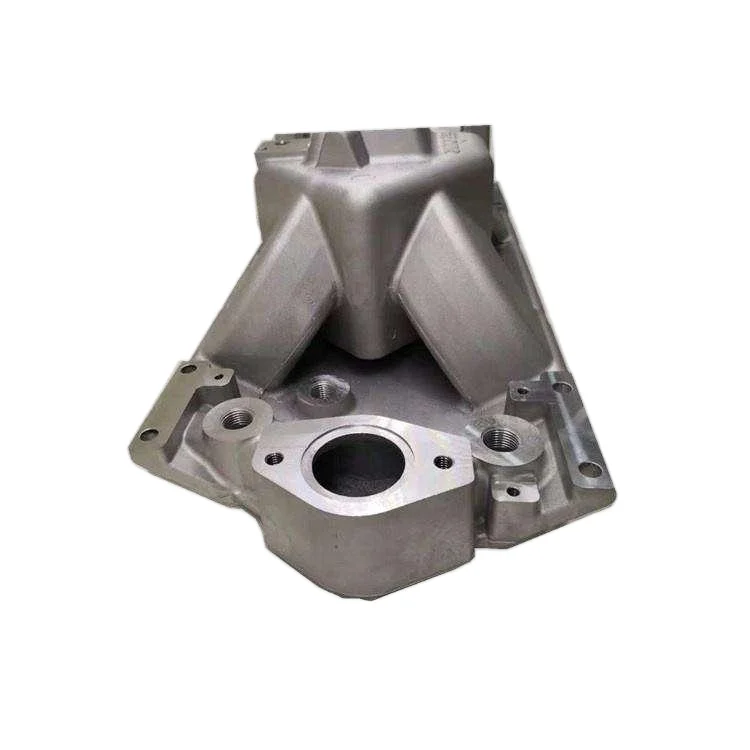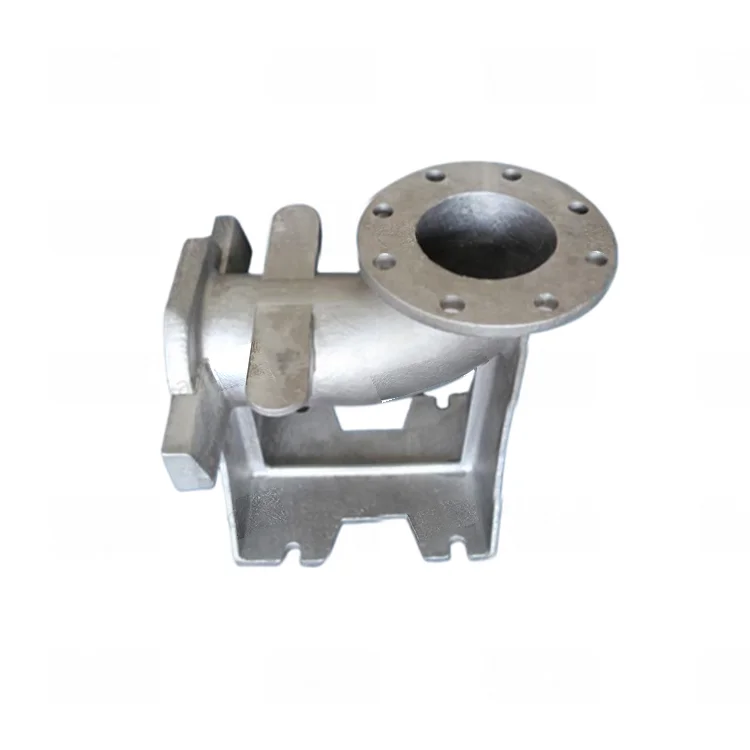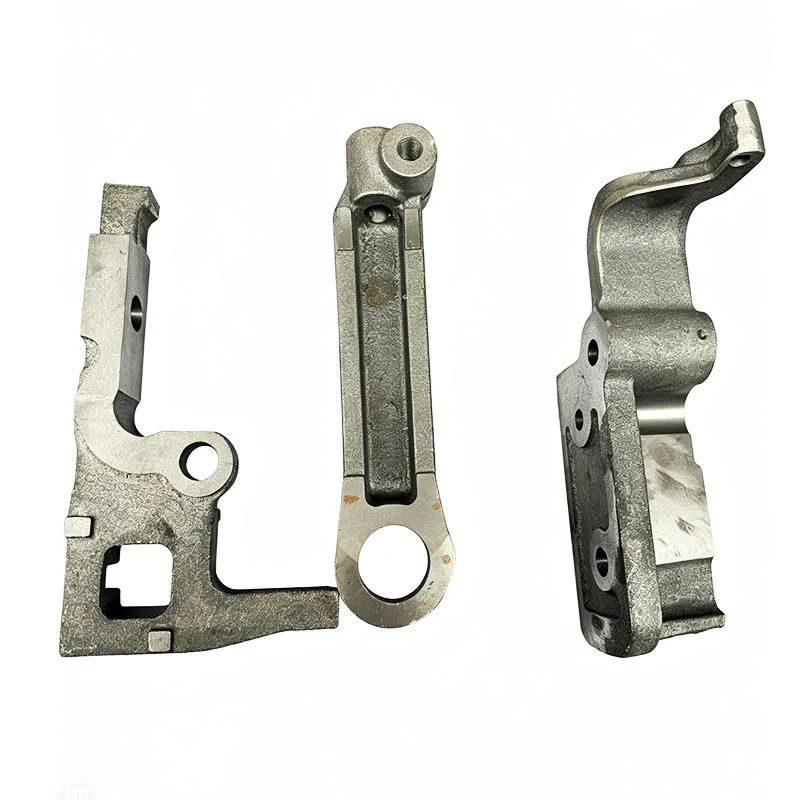
OEM ODM Grey Iron Sand Cast Auto Machinery Parts ASTM A48 Class30 Class40 GG25 EN-GJL-250 FC250 HT250
Direct factory support
Get a quote that fits your project
Send your drawing or product reference, material grade and required quantity. Relia will review the requirements with you.
- Drawing & specification review
Confirm the supply scope and critical requirements.
- Samples before custom production
Review inspected samples before approving a batch.
- Inspection documents
Agree material and dimensional records for your part.
-
Materialgrey iron casting
-
ApplicationAuto MachineryProcessSand casting
-
ServiceOEM\ODMCertificationISO9001
-
DimensionsCustomized SizesQuality Control100% Inspected /ISO9001 System
-
ToleranceCustomer's Drawing Request
Custom grey-iron sand cast components are offered for automotive and machinery OEM/ODM enquiries. Sizes and tolerances follow customer drawings. Select the complete material requirement for the individual design before agreeing its final geometry, supplied condition and acceptance records.
Identify the exact grade request
Choose the governing standard and edition for the actual order. The named references require independent selection and any cross-standard mapping to be agreed against the component requirement.
- ASTM A48 requests may specify Class30 or Class40.
- State whether the requirement names DIN GG25 or EN-GJL-250.
- JIS FC250 is another material enquiry reference.
- GB HT250 should retain its own applicable document scope.
Show the interfaces governing installation
Provide the current drawing revision with mounting, locating and mating relationships clearly defined. Mark controlled dimensions and their permissible limits, including the references used for assessment. Specify the condition in which the casting must meet these requirements and identify any further processing requested for agreement.
Set inspection around the supplied part
The selected grey-iron work includes 100% inspection under an ISO9001 system. Agree actual methods, checked characteristics and reporting needed for the ordered component, with applicable system-document scope identified. State quantity and initial part-approval requirements, including the material, dimensional and surface evidence needed for acceptance. Record approved design changes within that same component specification so repeat requests remain linked to the intended assembly and required supplied state.