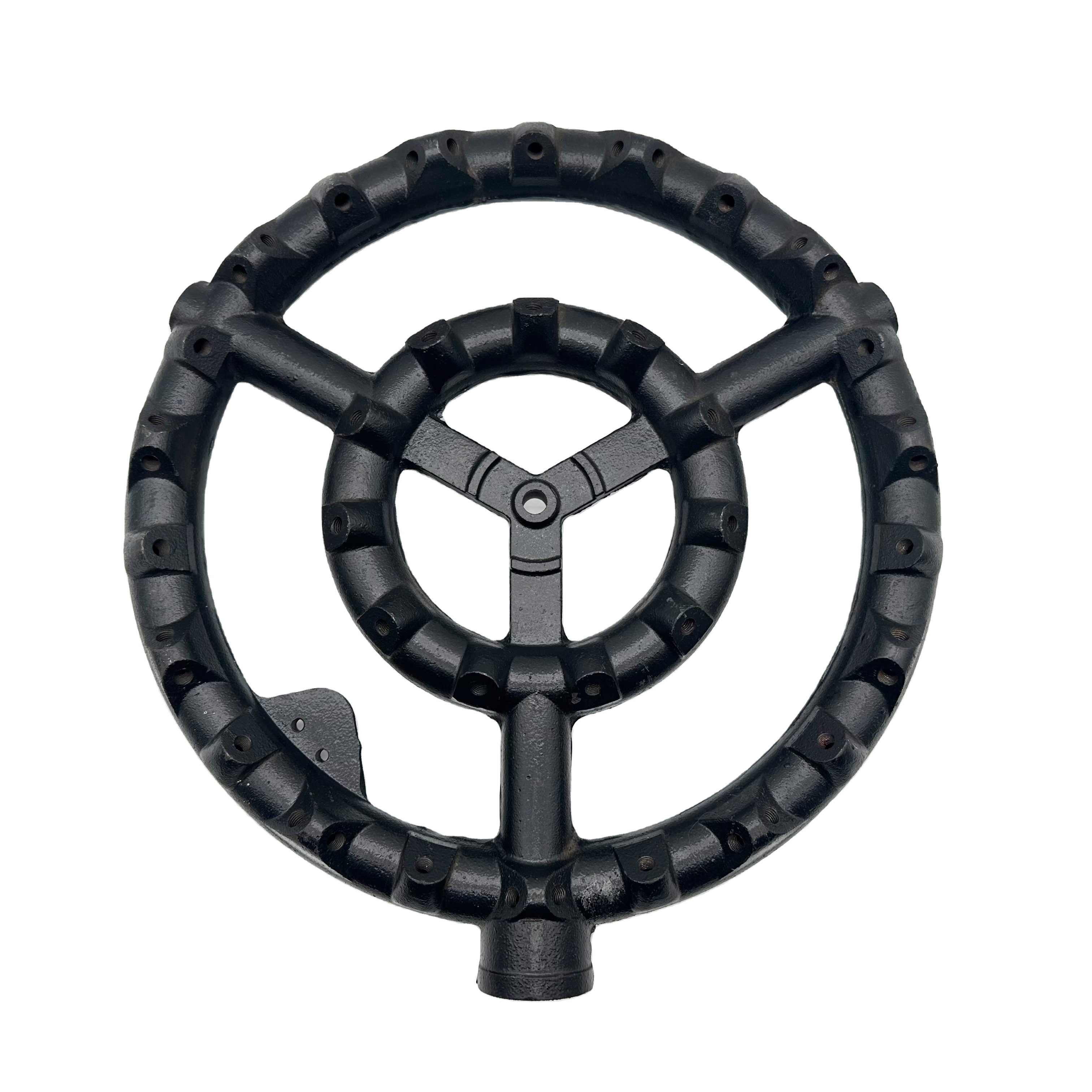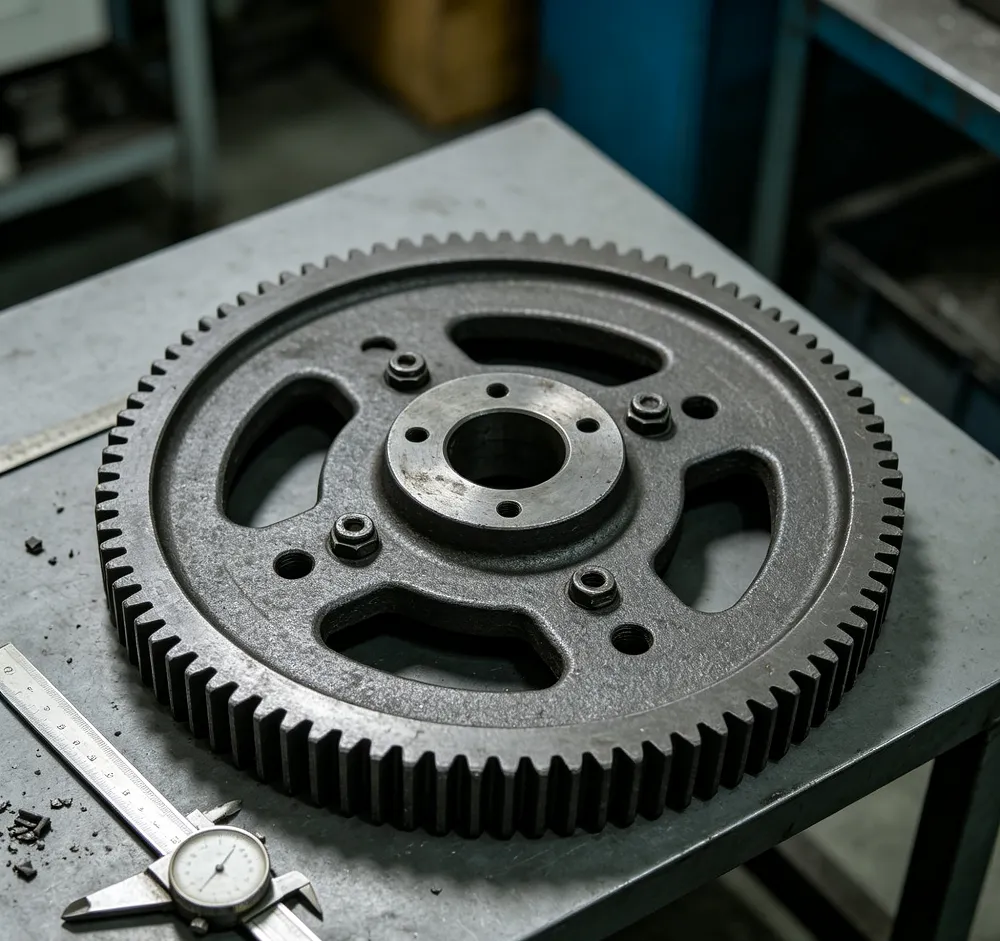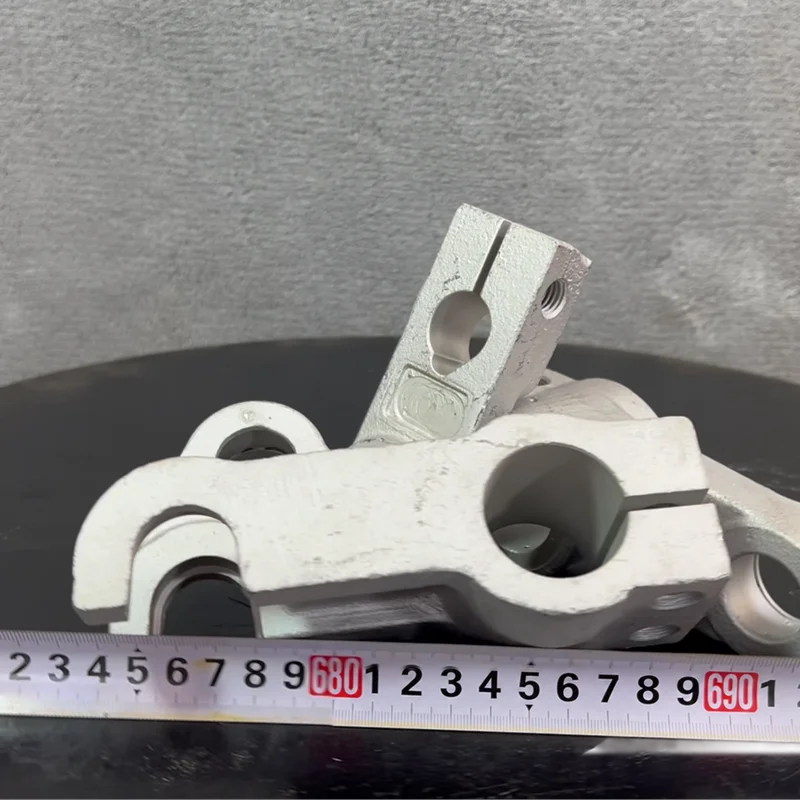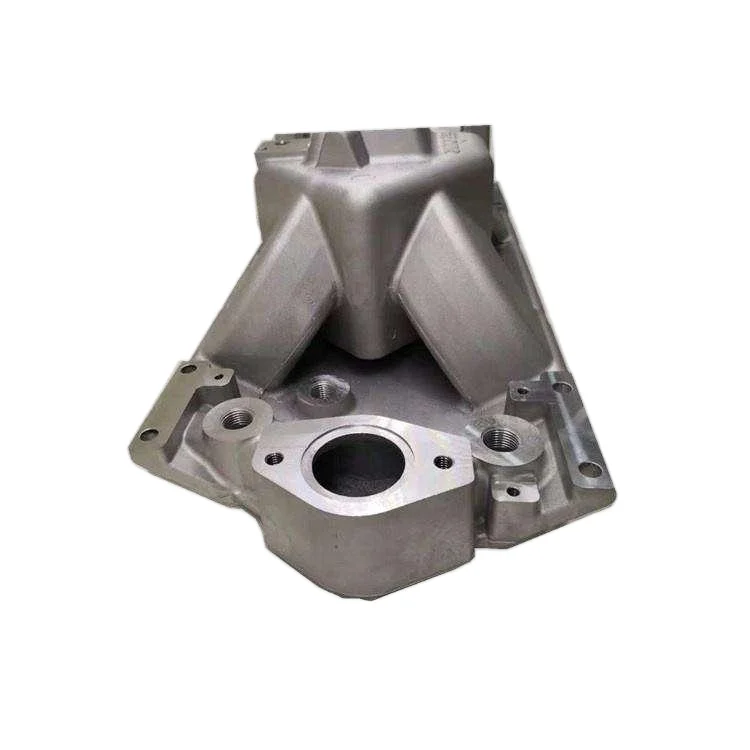
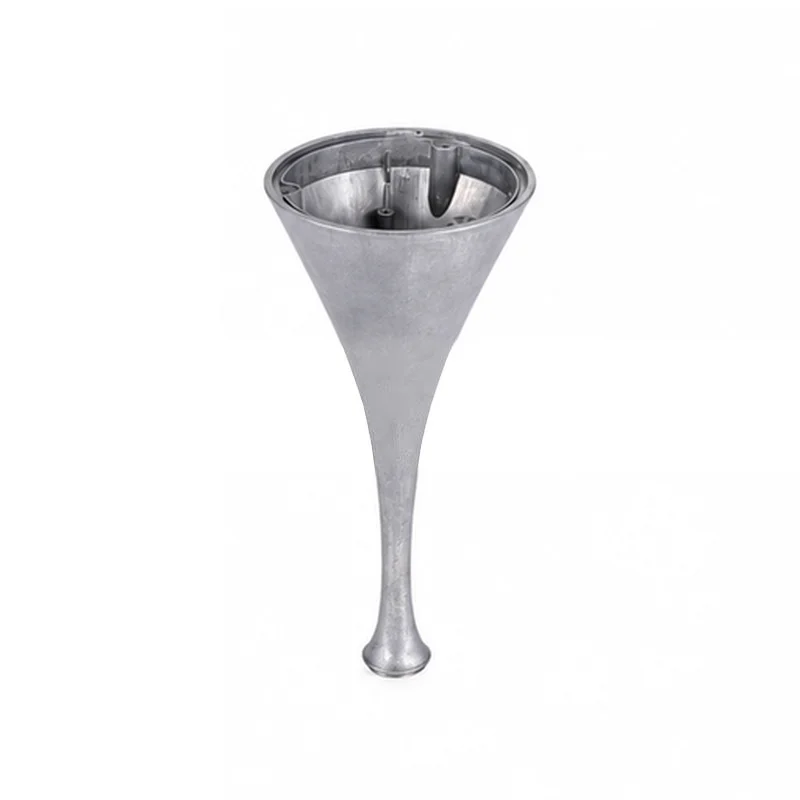
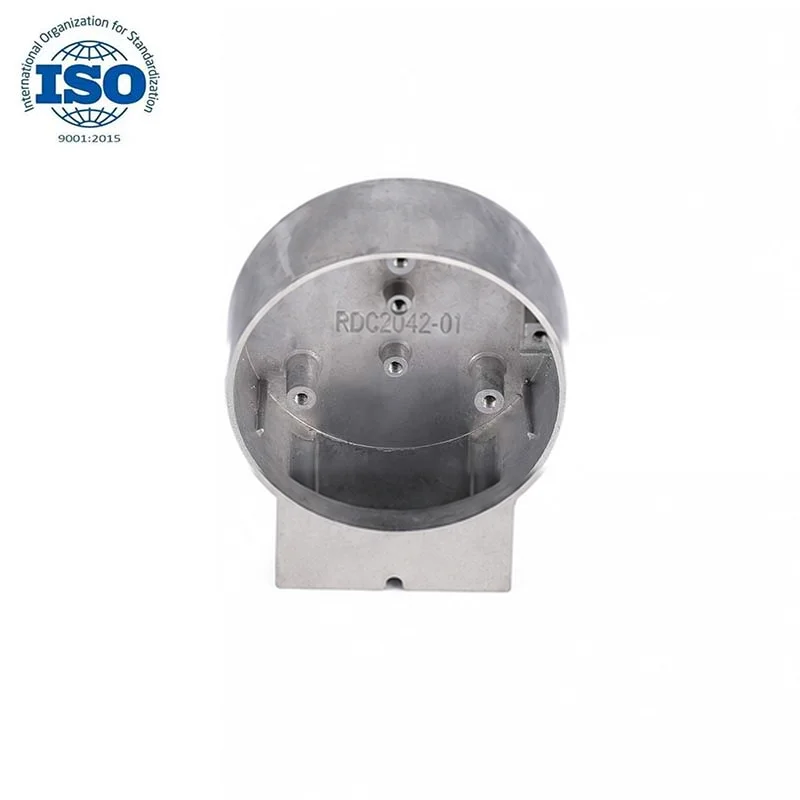
Relia ADC12 or Magnesium Die-Casting Requests and Separate Steel Gravity/Sand-Casting Enquiries for Aerospace and Machinery
Direct factory support
Get a quote that fits your project
Send your drawing or product reference, material grade and required quantity. Relia will review the requirements with you.
- Drawing & specification review
Confirm the supply scope and critical requirements.
- Samples before custom production
Review inspected samples before approving a batch.
- Inspection documents
Agree material and dimensional records for your part.
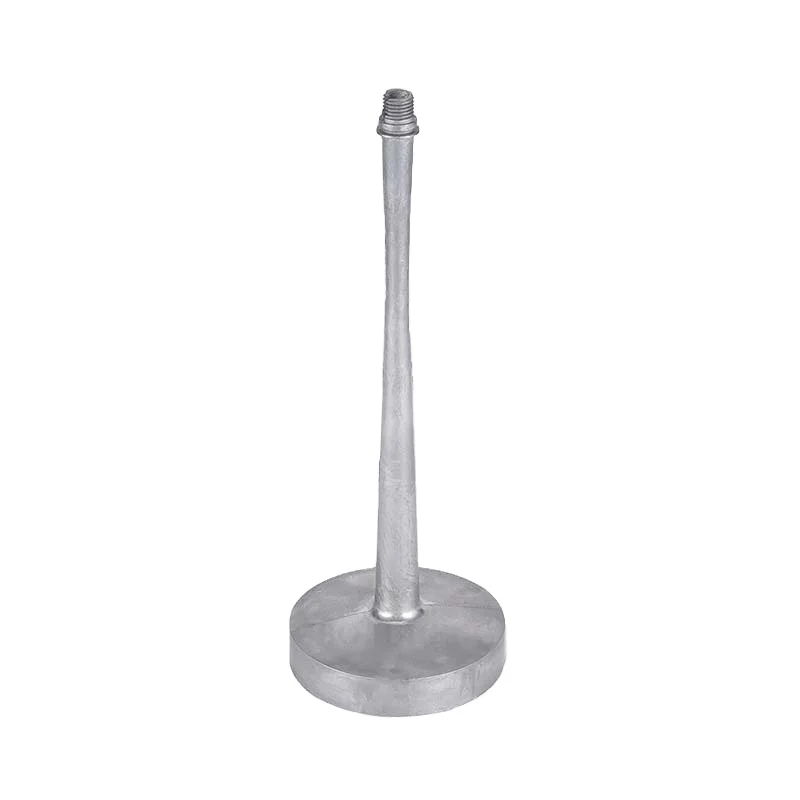
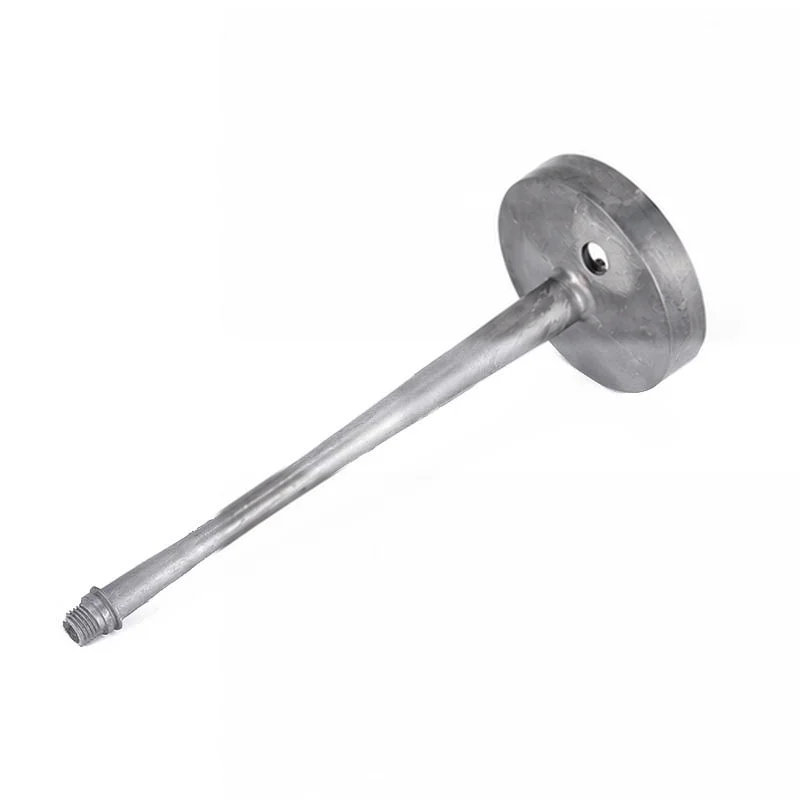
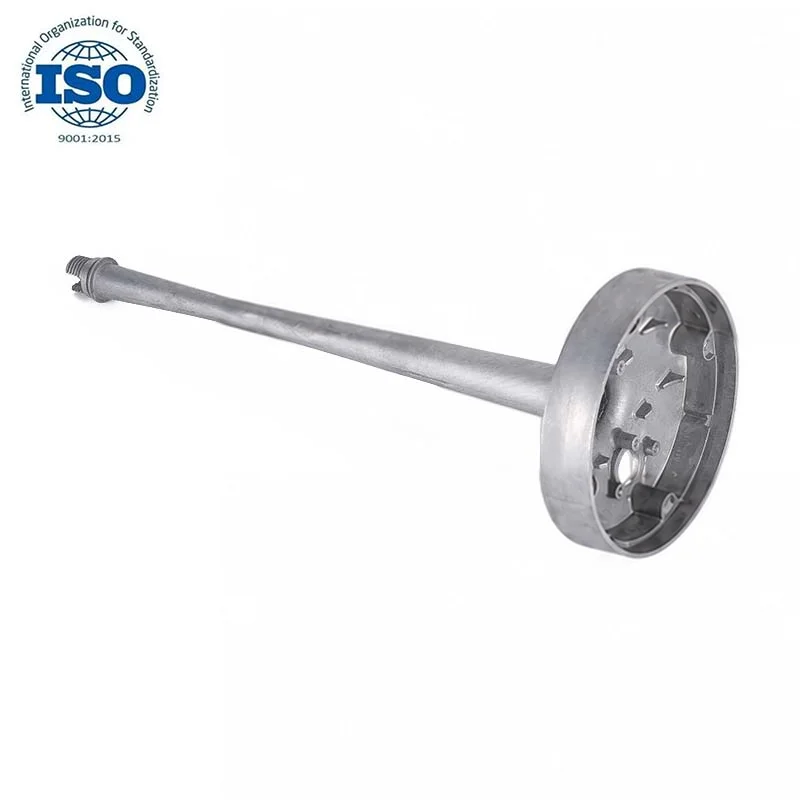
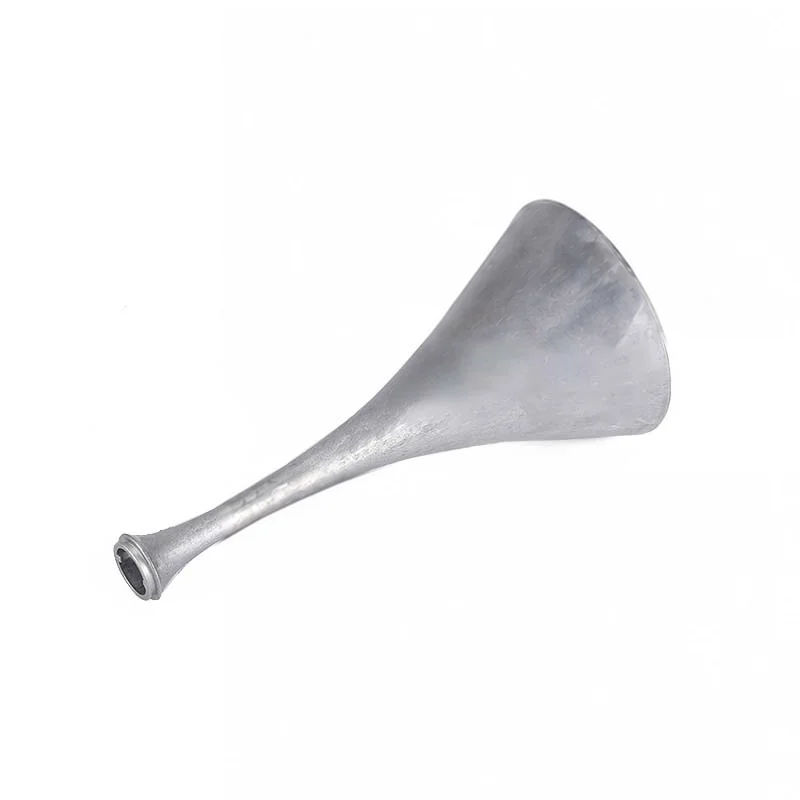
Identify the actual aerospace or machinery component and its full material requirement before selecting a casting route. This custom enquiry covers separately defined ADC12, magnesium and steel requests. Each item needs its own drawing, governing grade and required final condition so the proposed process can be assessed against an identifiable component.
Assign the Material Family and Complete Grade
Keep ADC12 requirements separate from magnesium or steel specifications. State the actual material family and governing designation for each ordered item, including the condition needed by the design. Where a project contains several components, identify their individual drawings and quantities so the material for one part remains distinct from the others.
Select a Compatible Casting Proposal
For ADC12 or magnesium requirements, define the suitable die-casting proposal against the actual grade and drawing. Steel components and other gravity- or sand-casting requests need their own material-compatible manufacturing scope. Functional dimensions and supplied condition should be defined through the component drawing used for acceptance.
- The aerospace request can identify its own application-specific approval criteria.
- The machinery request can state the relevant working interfaces and duty.
- Each deliverable can carry its own material, dimensional and surface requirements.
Connect the Enquiry to the Intended Use
Provide the required quantity and the final acceptance basis for the actual part. The technical discussion should resolve the alloy and route before the manufacturing scope is agreed. A complete request connects one governing specification and drawing to the component's intended aerospace or machinery duty, giving the casting proposal a clear material and application boundary.