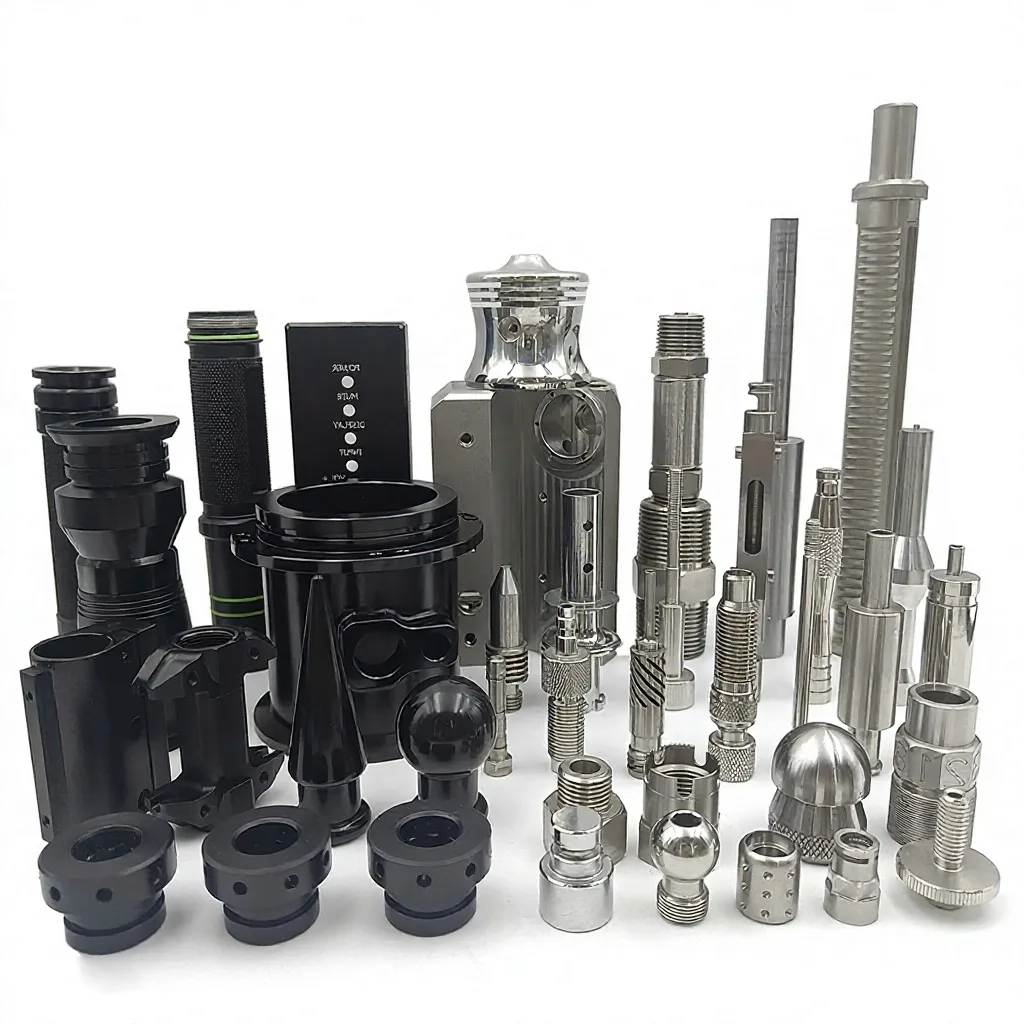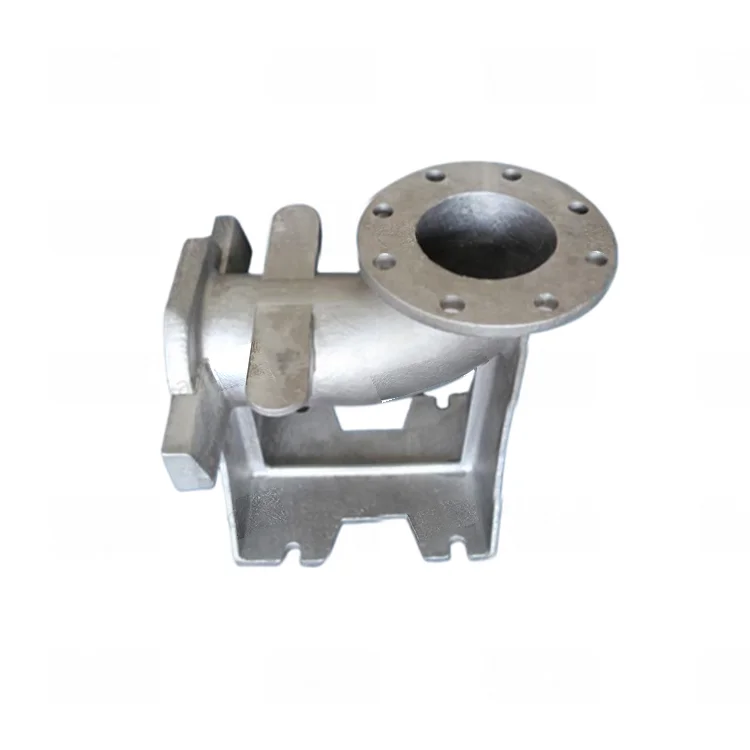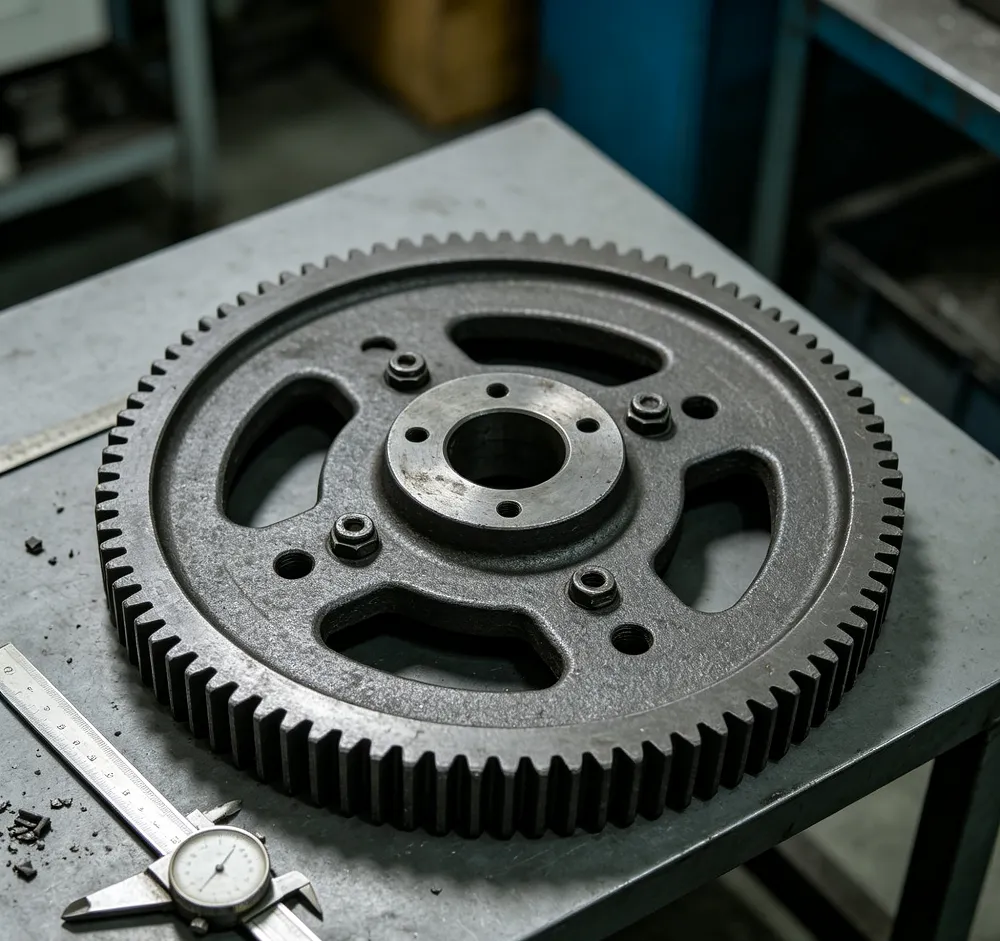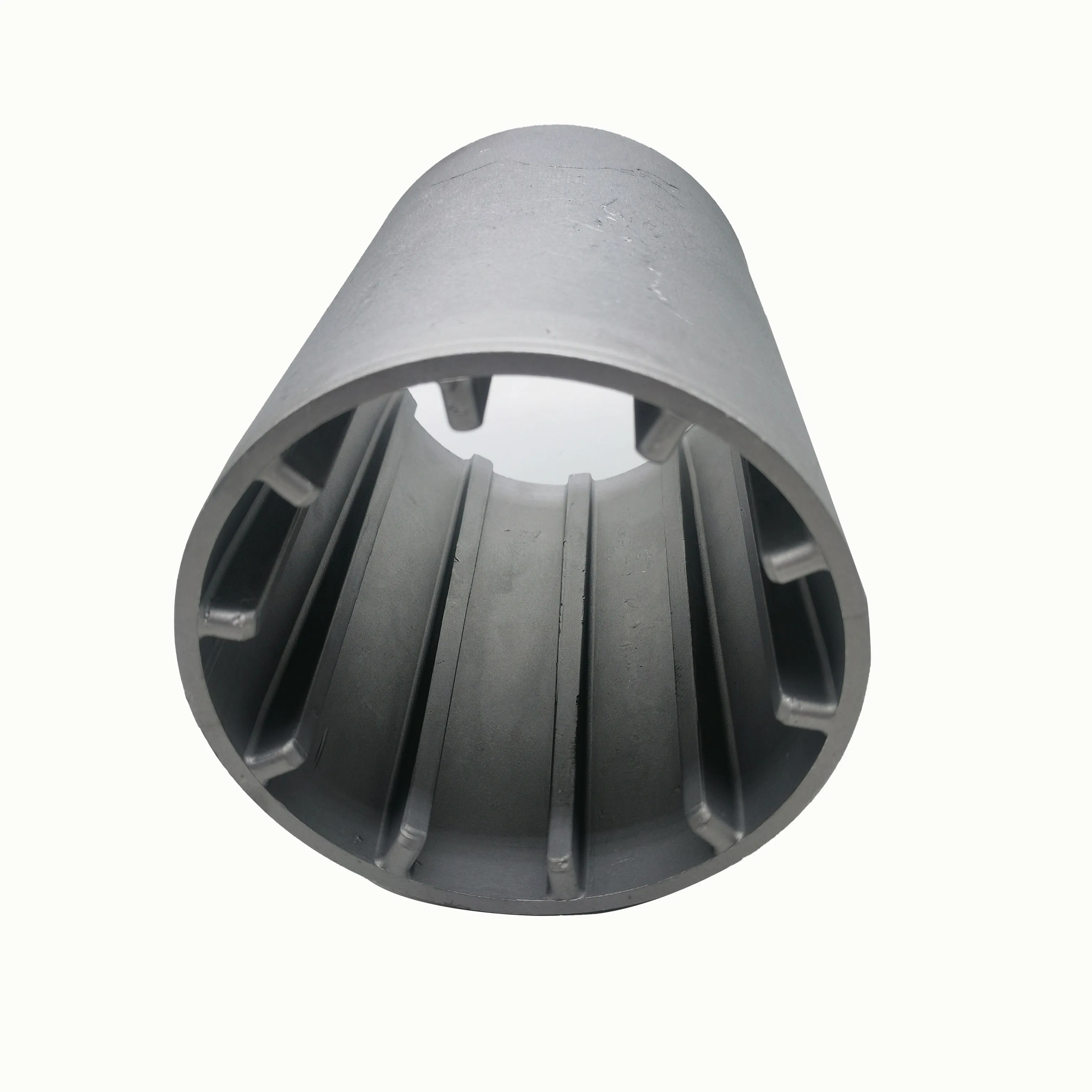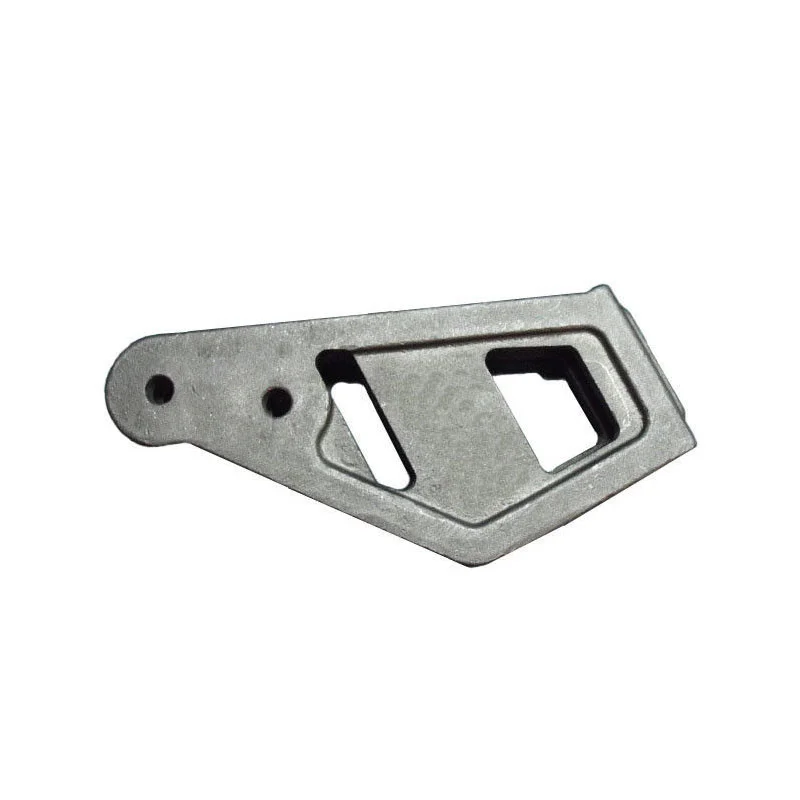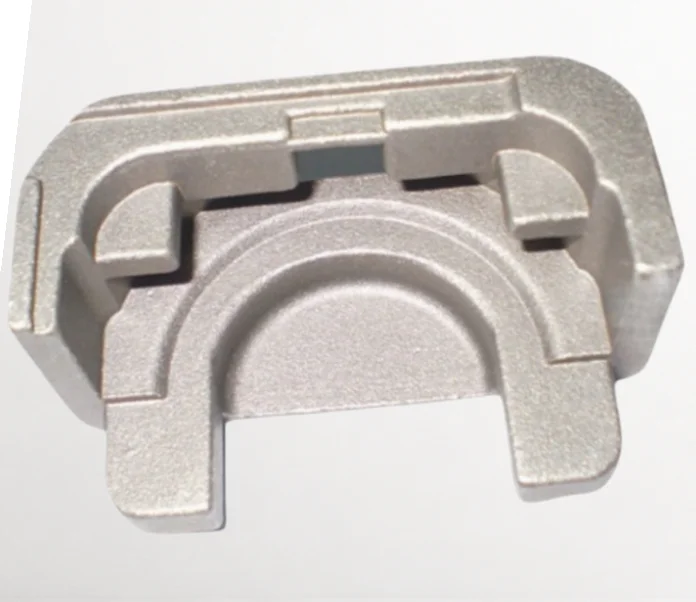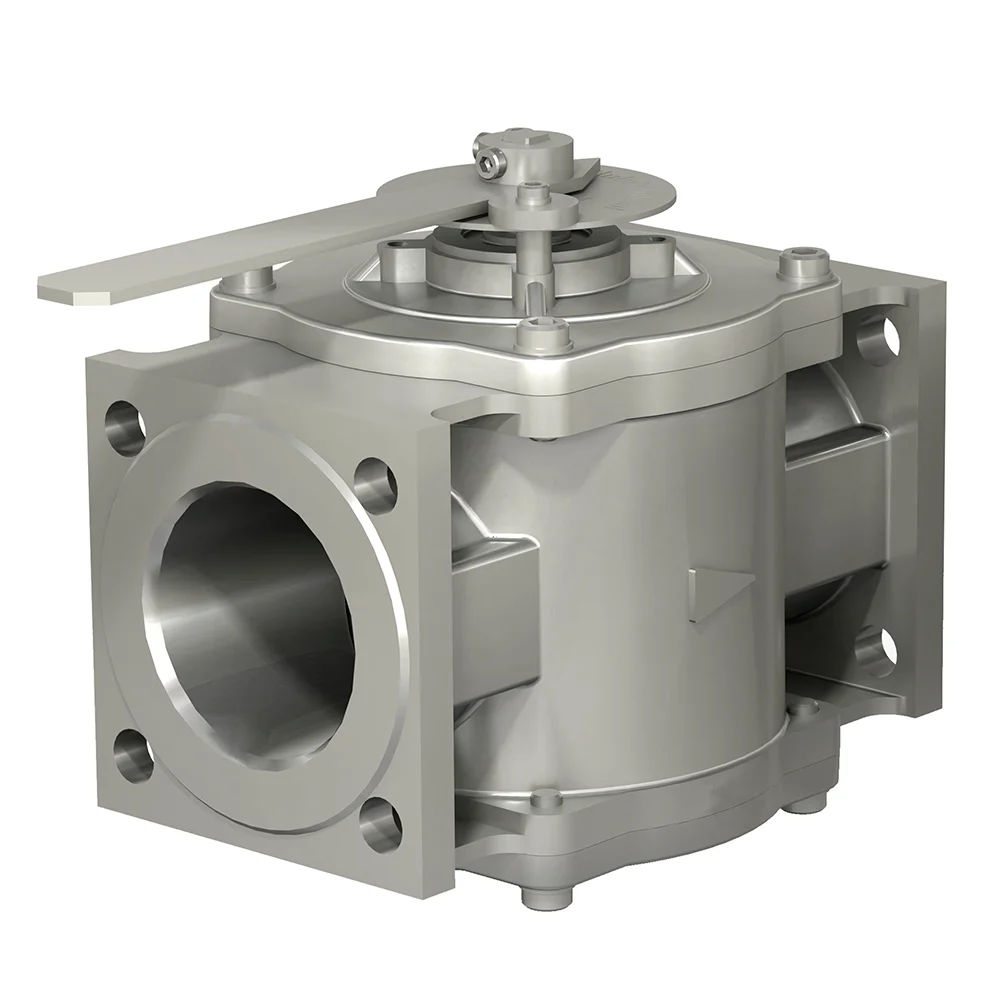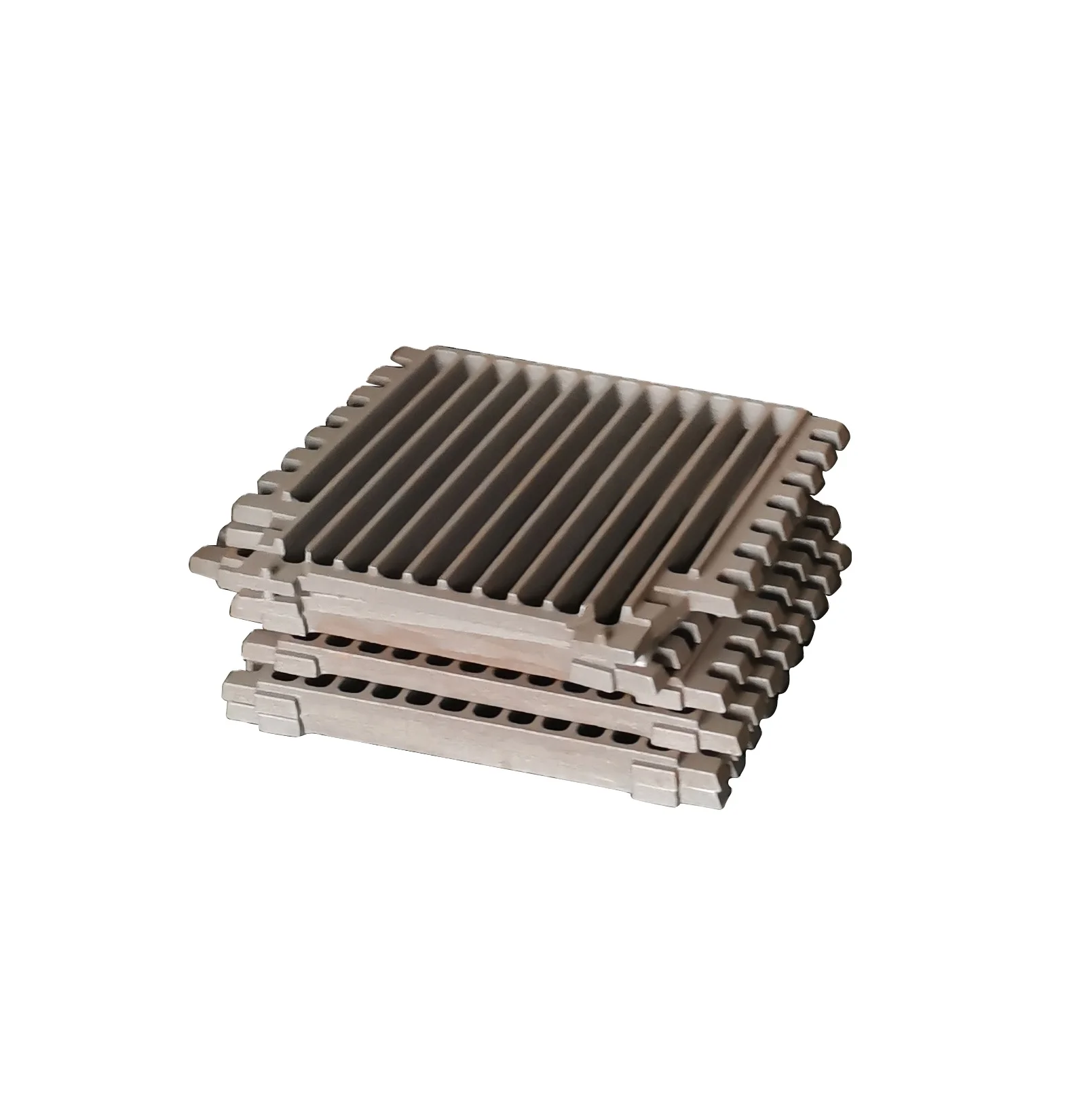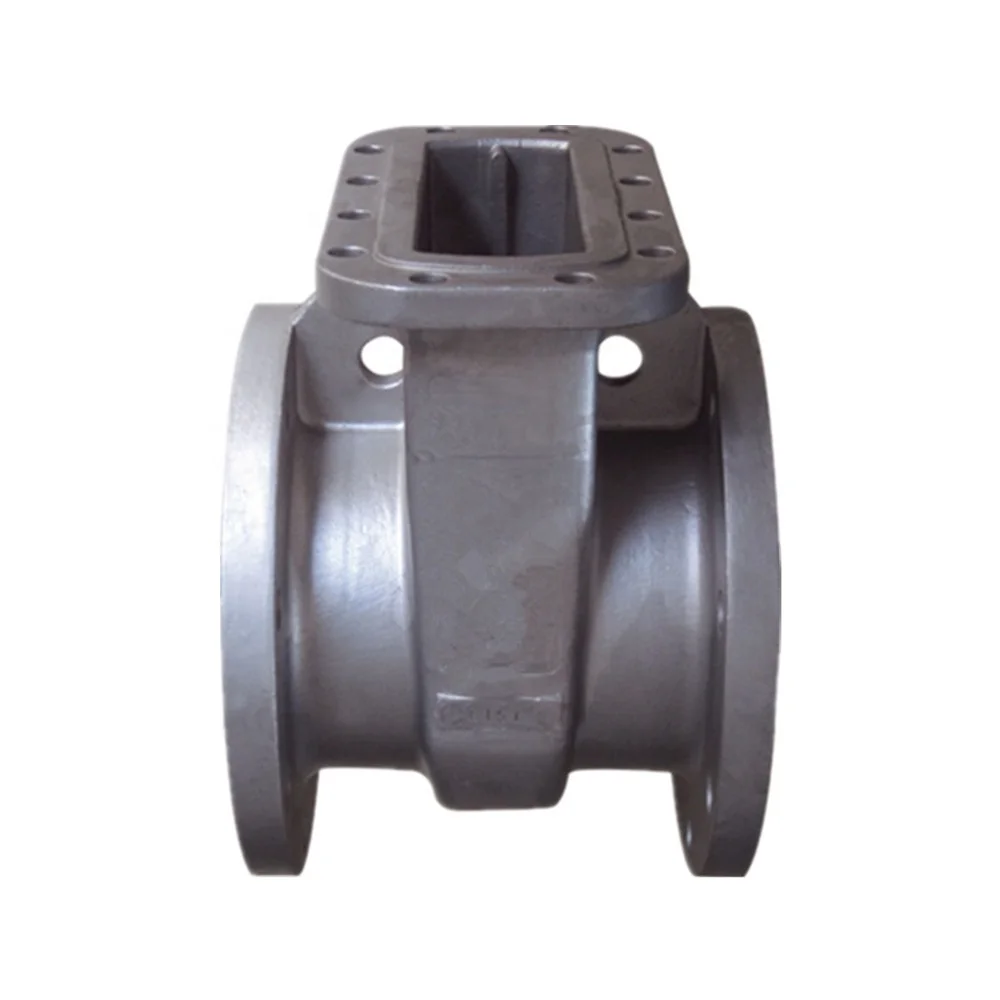
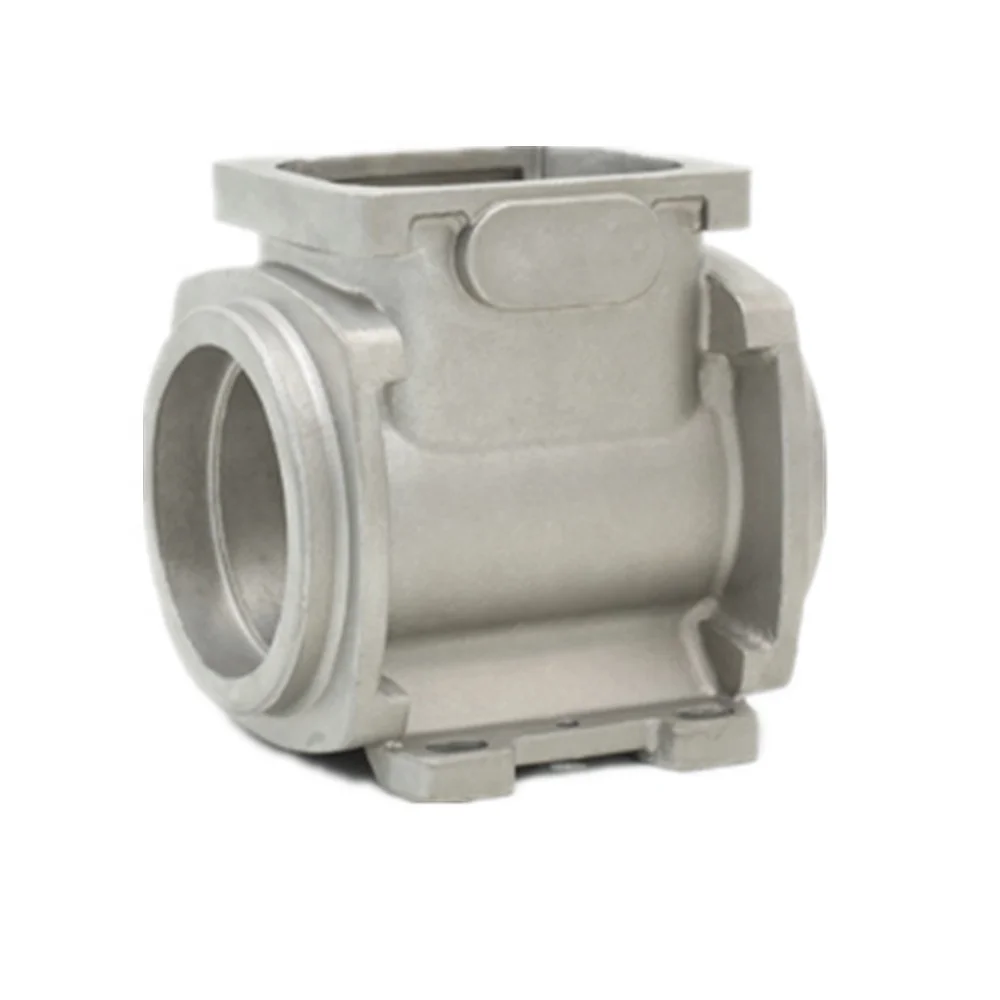
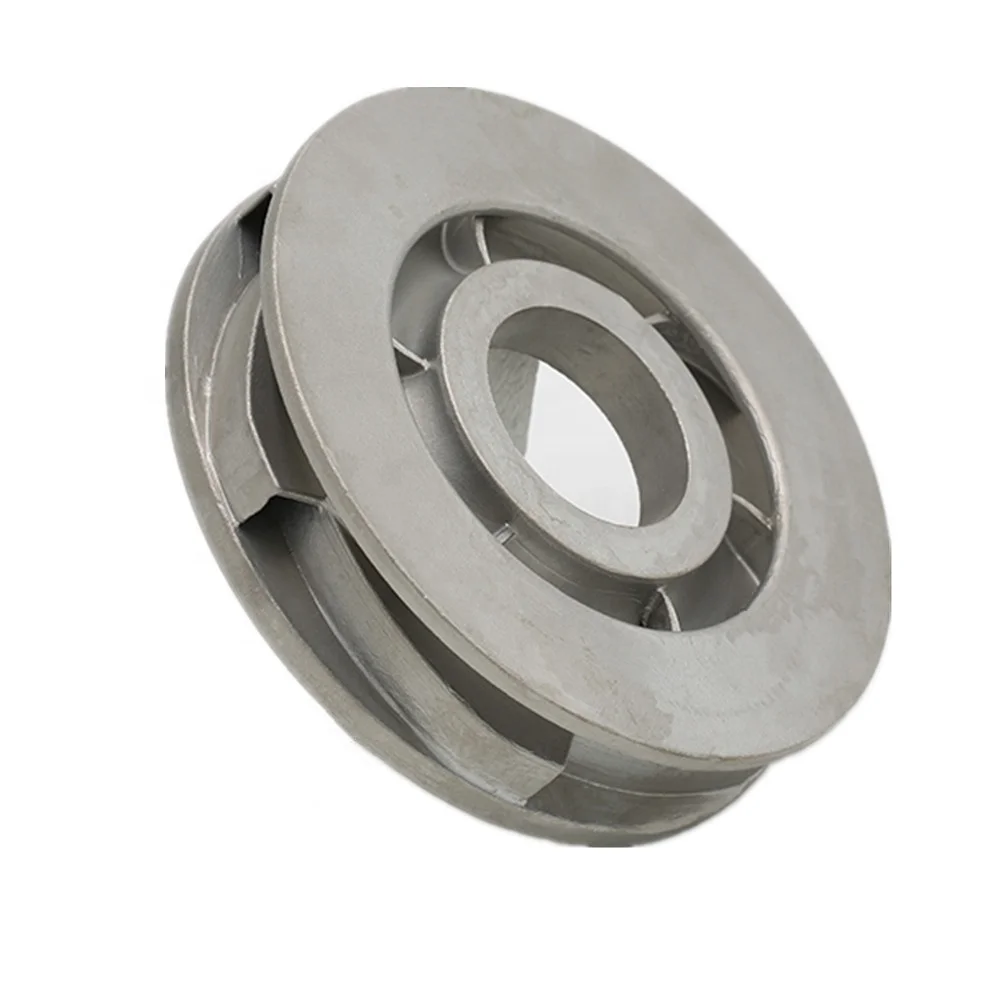
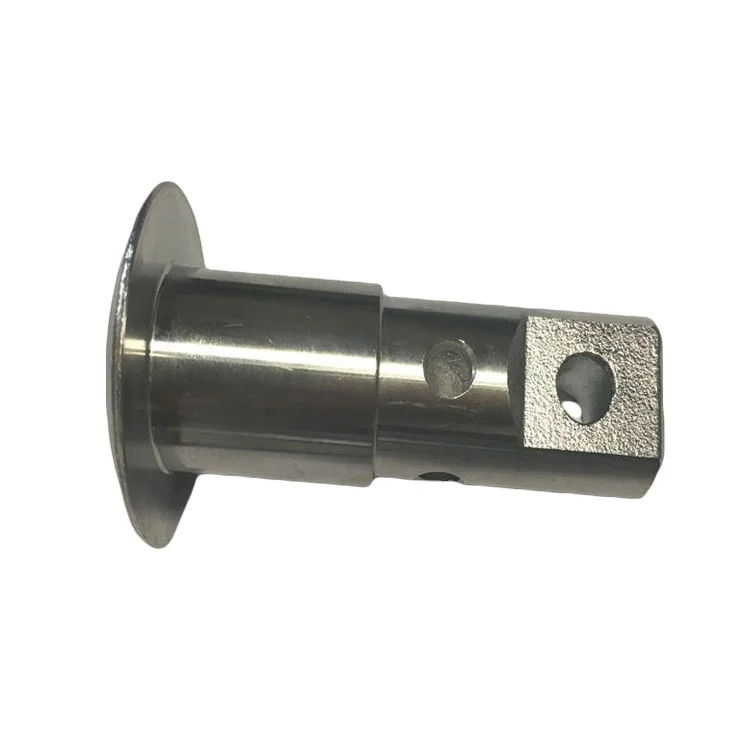
Relia CNC-Machined Iron Investment/Lost-Wax and Resin-Sand Castings: CT6–CT8 and 480MPa Requirements
Direct factory support
Get a quote that fits your project
Send your drawing or product reference, material grade and required quantity. Relia will review the requirements with you.
- Drawing & specification review
Confirm the supply scope and critical requirements.
- Samples before custom production
Review inspected samples before approving a batch.
- Inspection documents
Agree material and dimensional records for your part.
-
DimensionsGG20.G3000
-
ApplicationMachined industrialMaterialIron
-
Mechanical property480MPAHardness200HBS
-
Elongation10%Spheroidization>80%
-
Surfacepainted,powder coating,galvanizing,Hot dip galvPackingspecial for each products
-
Guaranteeone year against quality defects
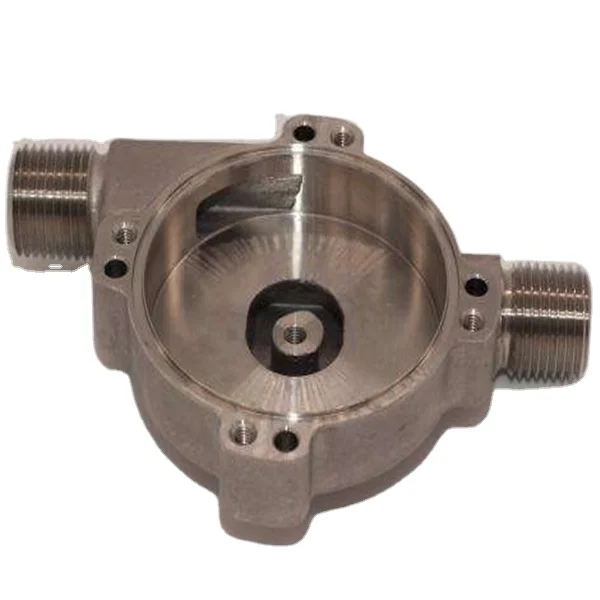
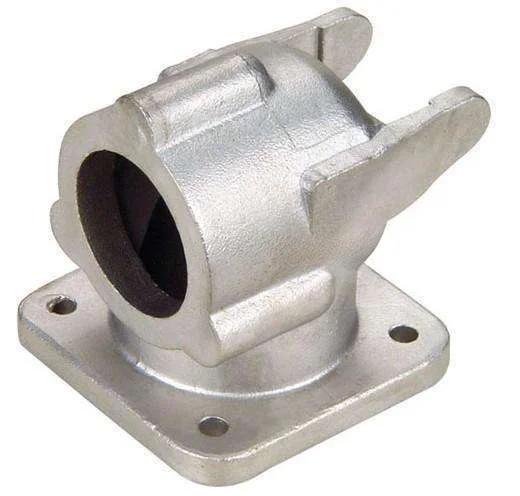
Define the industrial iron component by its complete material specification before connecting casting, machining and property requirements. Lost-wax investment or resin-sand casting can be selected for the actual drawing, with CNC-finished interfaces identified separately. This custom enquiry keeps the chosen iron grade and test basis central to approval of the ordered part.
Assign the Grade and Property Requirements
For GG20 or G3000 requests, identify the governing standard and complete material condition. Agree the mechanical-property test type and which requirements apply to that selected grade rather than combining the references into one unverified material specification.
- The 480 MPa requirement needs its actual mechanical-property test definition.
- The hardness reference is 200 HBS for the agreed material condition.
- The elongation reference is 10%, with the applicable test basis to define.
- Spheroidization above 80% requires agreement on its applicability and acceptance.
Separate the Casting Dimensions from CNC Interfaces
The casting-tolerance request is CT6–CT8, with its convention and applicable dimensions to agree. Mark the CNC-finished surfaces on the drawing and define their final limits independently. That distinction lets the industrial-part proposal address the casting condition and finished geometry without treating the same tolerance as universal across both stages.
Choose the Surface for the Actual Iron Part
Painting, powder coating, galvanizing and hot-dip galvanizing are the named surface options. Specify the chosen process, coverage and appearance acceptance for the selected substrate. The surface requirement should follow the same drawing and supplied condition used for dimensional approval.
Agree the Component and Guarantee Scope
Packing is tailored to each product, and a one-year guarantee against quality defects is offered with the covered supply, start date and terms agreed. Provide quantity and material, dimensional and surface acceptance for the actual component. The completed enquiry should connect one iron designation and drawing to its allocated property, machining and final-condition requirements.