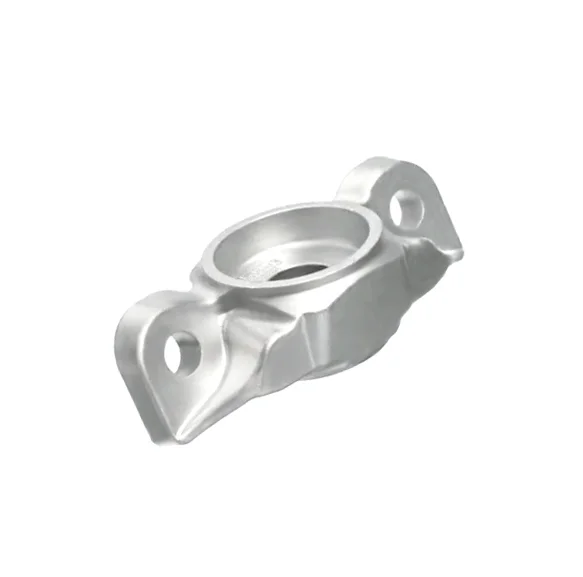
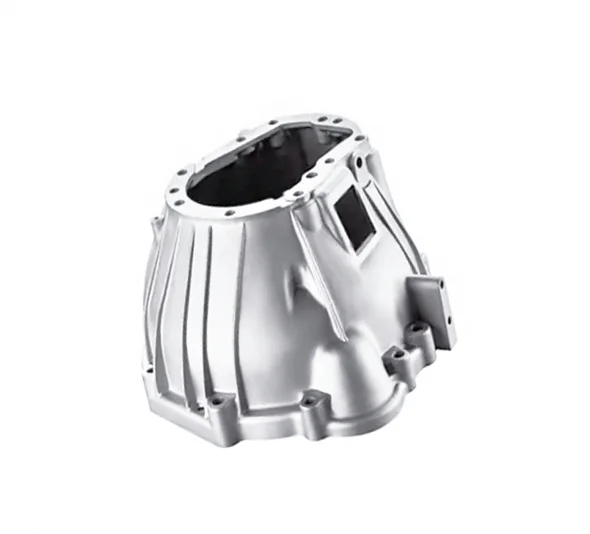
Relia Custom Aluminum Die, Sand and Resin-Sand Casting with Mold Development and Separate Steel Components
Direct factory support
Get a quote that fits your project
Send your drawing or product reference, material grade and required quantity. Relia will review the requirements with you.
- Drawing & specification review
Confirm the supply scope and critical requirements.
- Samples before custom production
Review inspected samples before approving a batch.
- Inspection documents
Agree material and dimensional records for your part.
-
Surface treatmentCustomers' Demand
-
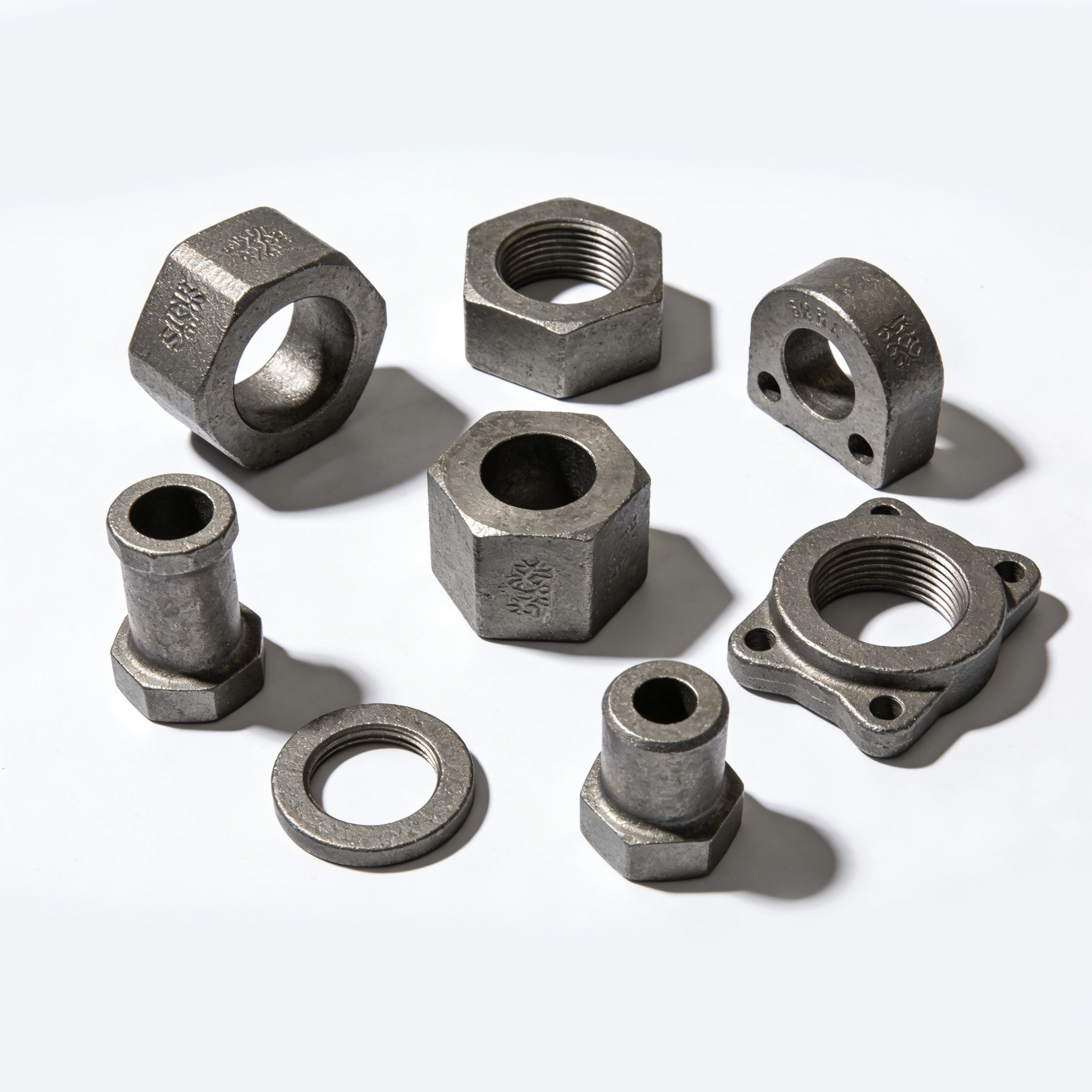
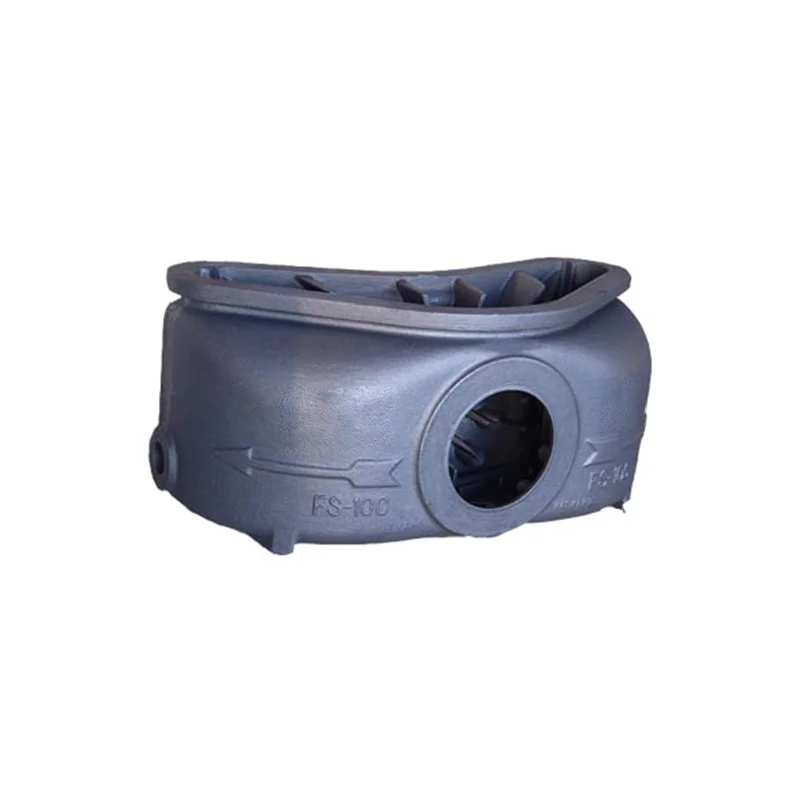
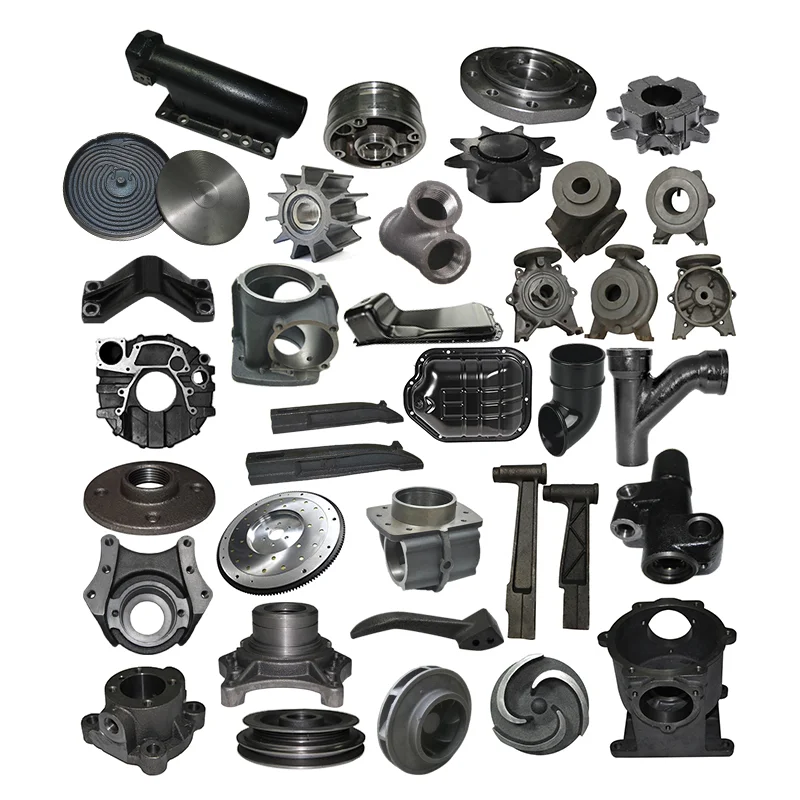
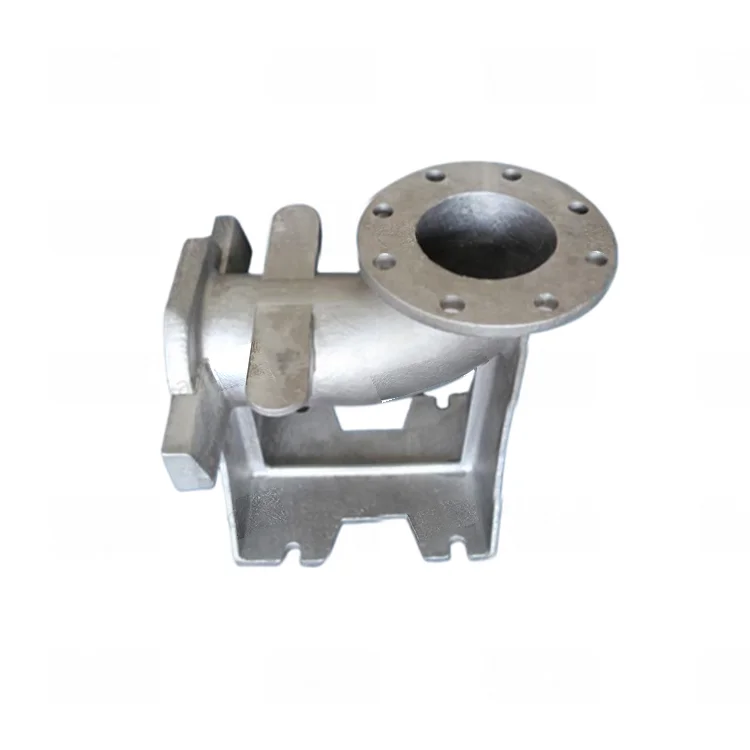
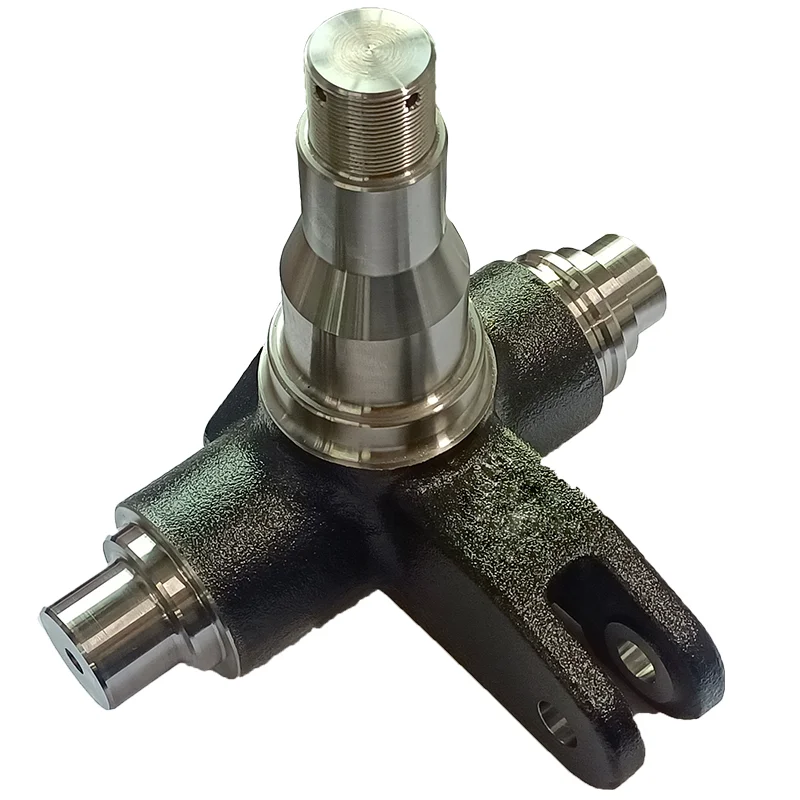
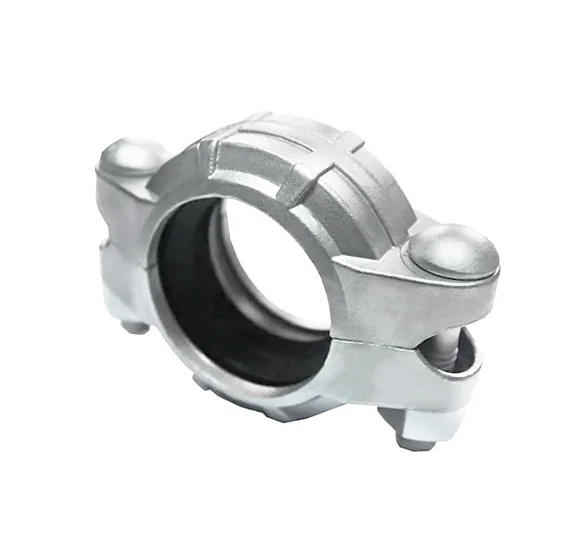
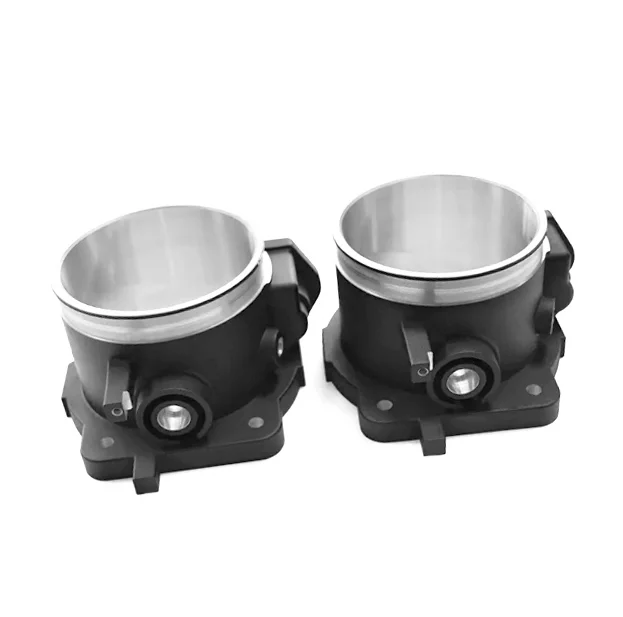
Product nameCustomized Steel Casting PartsApplicationAuto Parts
-
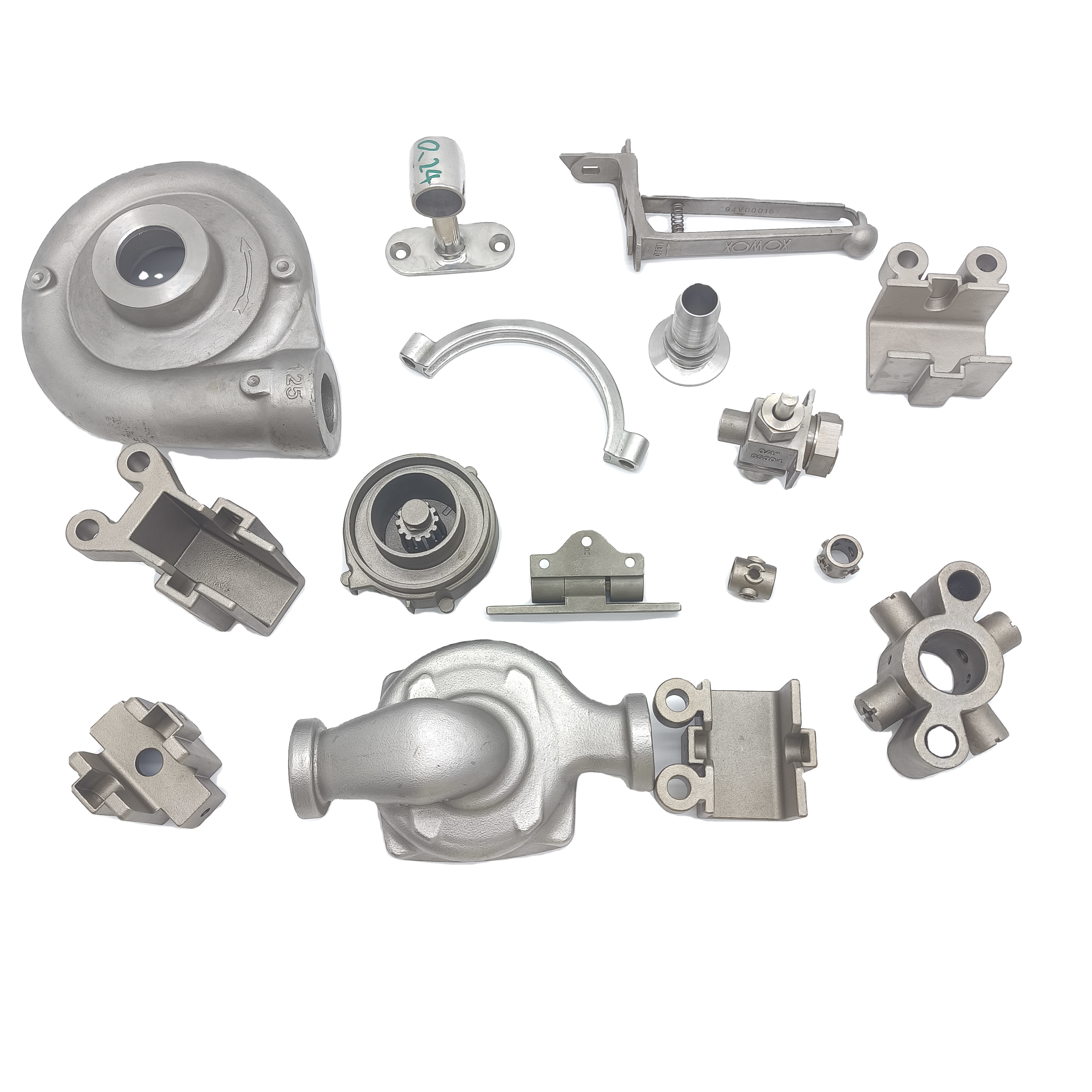
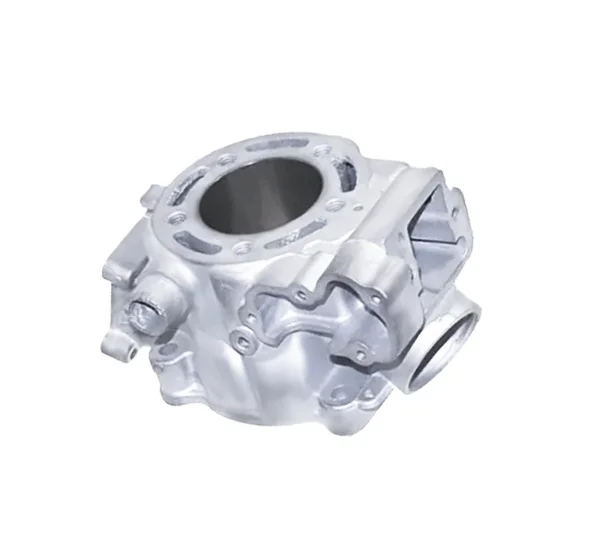
ServiceOEM ODM CustomisedMaterialAluminum
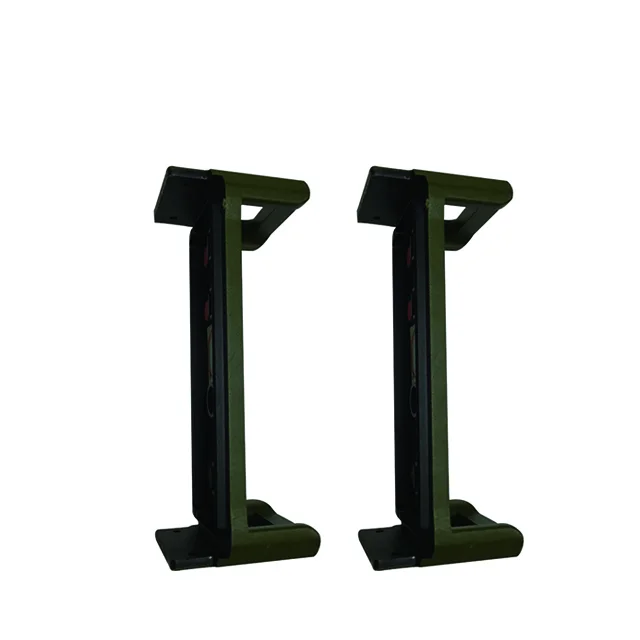
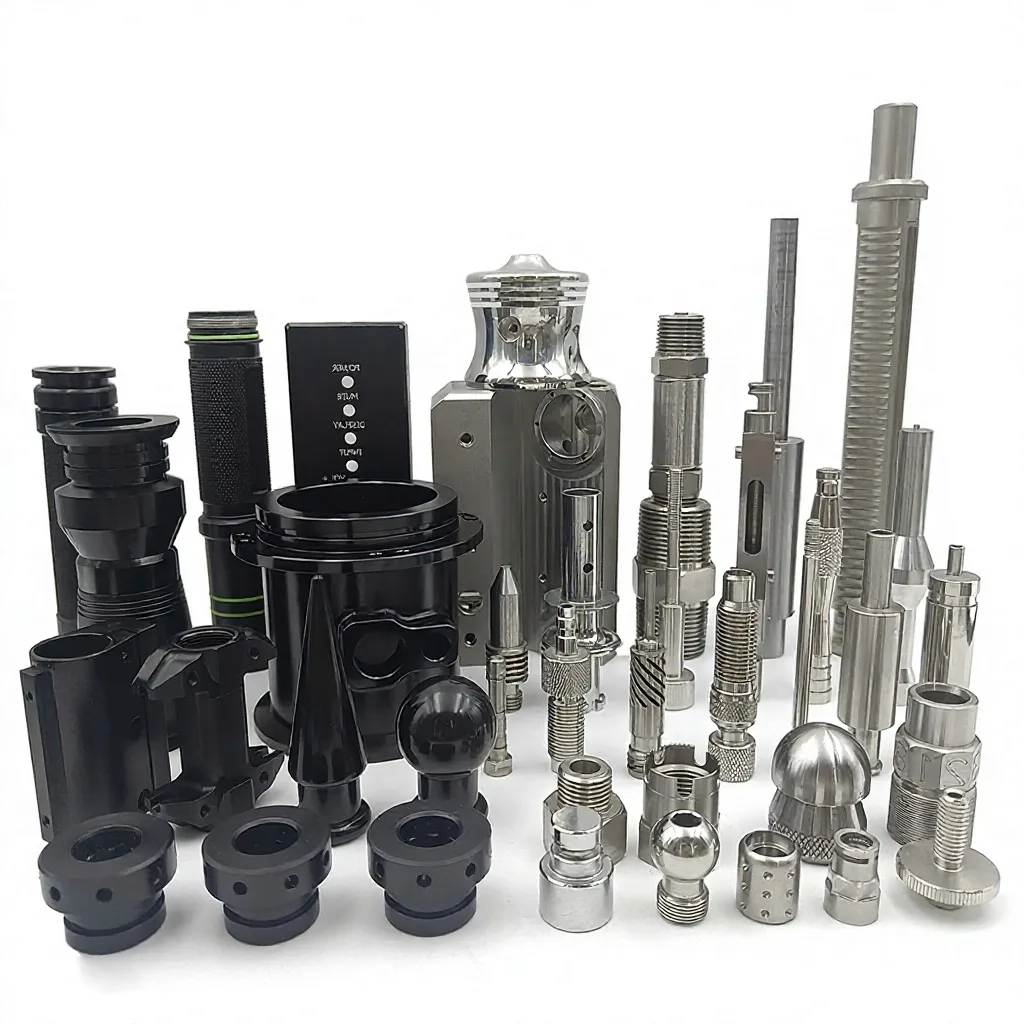
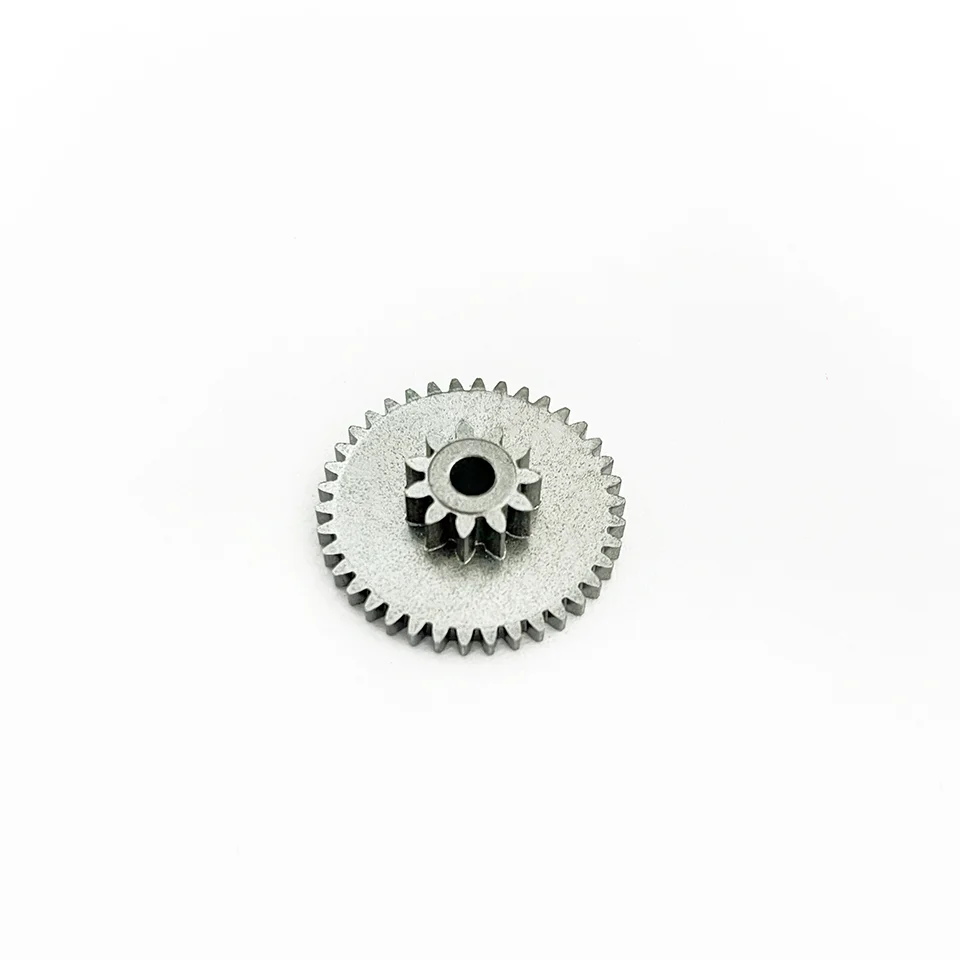
Identify whether the automotive project requires a mold, a cast component or separately defined deliverables. This OEM/ODM enquiry includes custom aluminum casting and mold-development requests, alongside independently specified steel castings. The actual drawing and full material requirement should establish the boundary of each item before its manufacturing route is agreed.
Define the Tool and Component Separately
For a mold-development request, identify the tooling deliverable and the component geometry it is intended to support. A cast-part request needs its own complete material designation and final-condition requirements. Keep steel and aluminum items separately identified so the material for one deliverable is not assumed to describe another.
Select the Actual Aluminum Casting Route
Die, sand and resin-sand casting are process choices to consider for the selected drawing and alloy. State the automotive assembly interfaces and dimensions that determine approval of the actual component. The process proposal should follow those requirements without turning a broad casting term into an unagreed pressure, precision or tooling-material claim.
Describe the Required Surface and Supply Scope
Surface treatment follows customer demand, with the actual process, coverage and final appearance defined for the chosen material. Provide the required quantity and supplied condition for each tool or cast-part deliverable. Material, dimensional and surface criteria should refer to the drawing revision used for the enquiry.
For the completed automotive request, connect the selected alloy and route to the component interfaces that matter in the assembly. Any proposed change in material or geometry should remain visible within that same approval discussion. This keeps the aluminum development scope and any separate steel casting focused on identifiable deliverables.