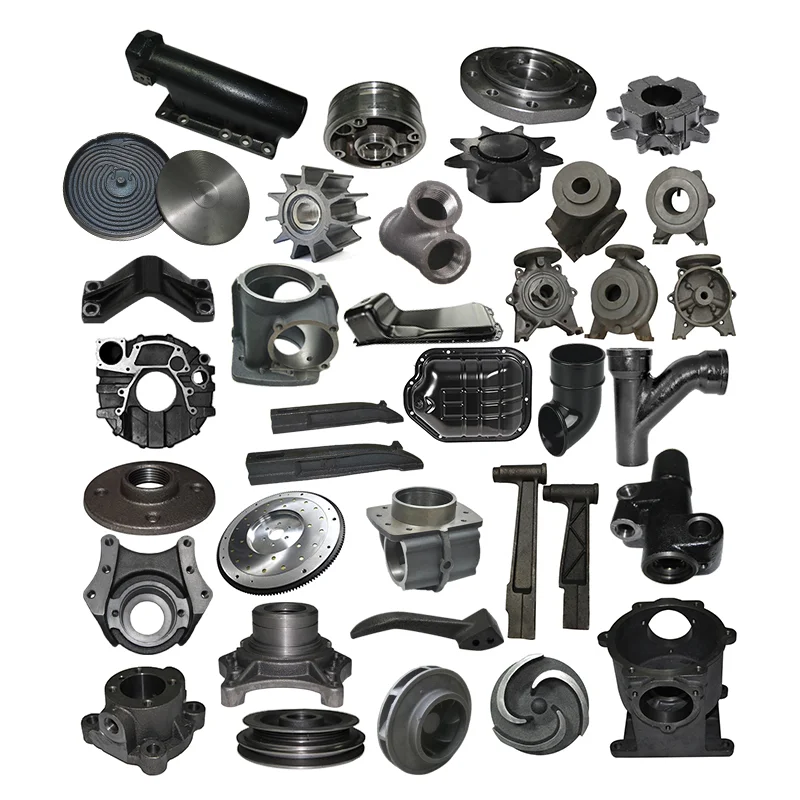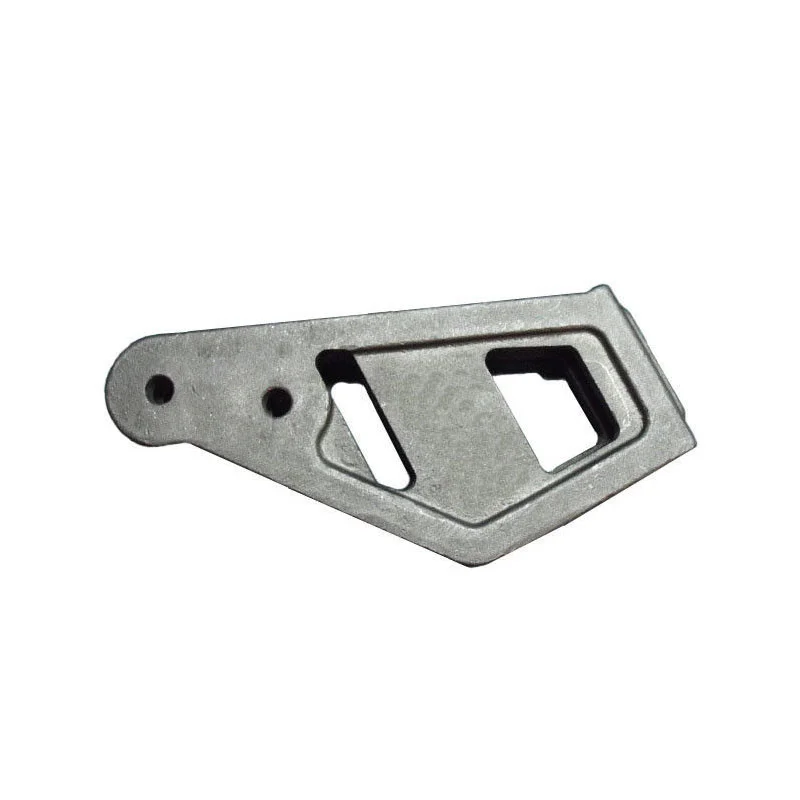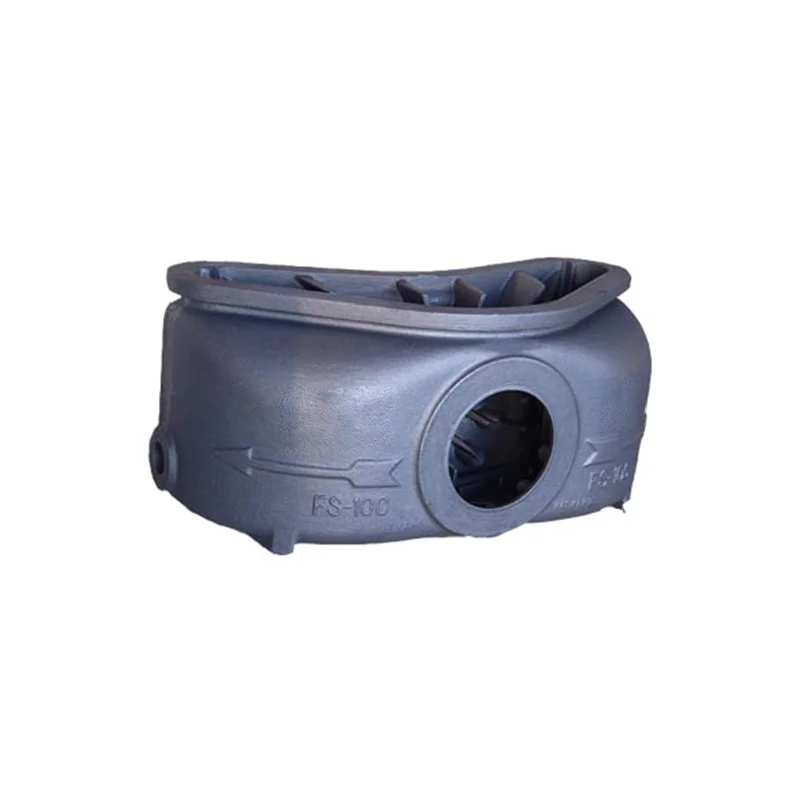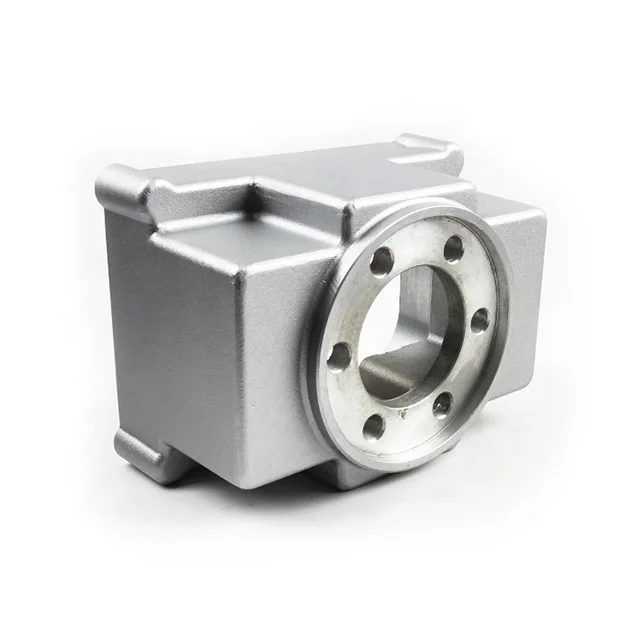
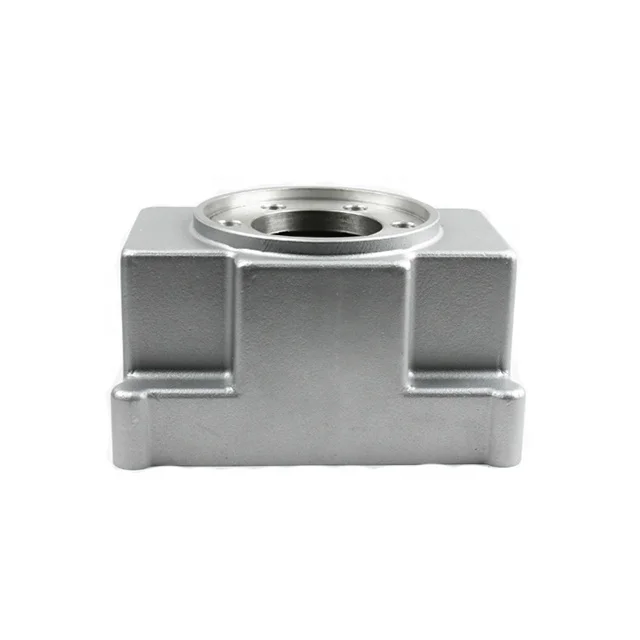
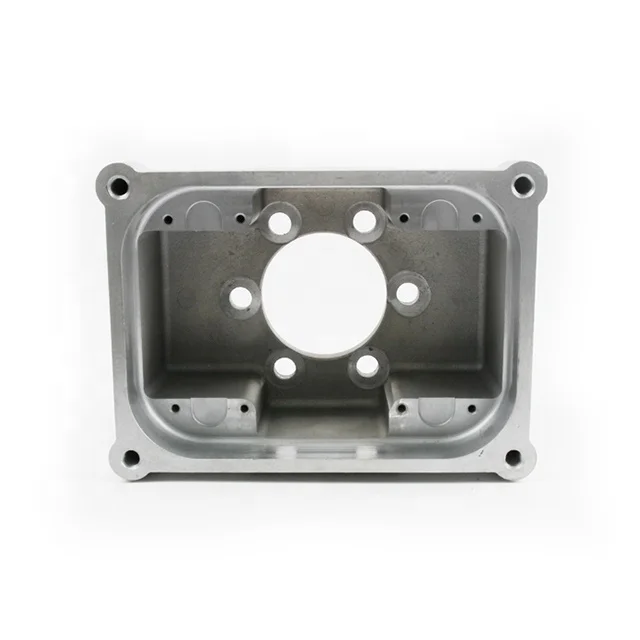
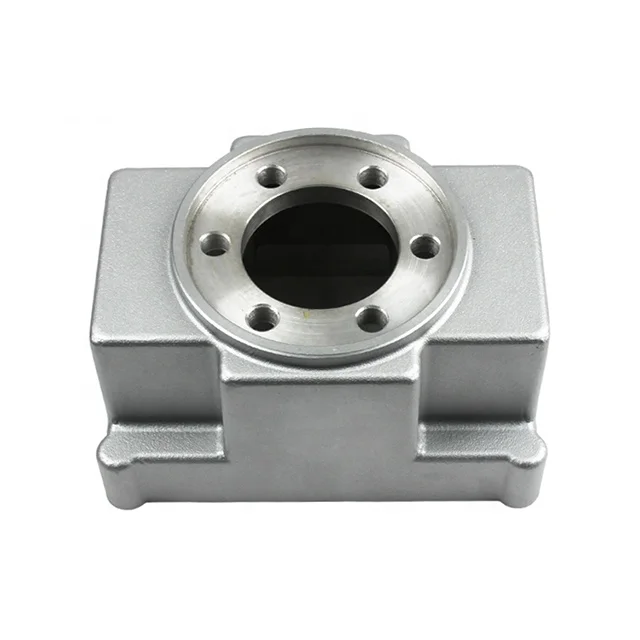
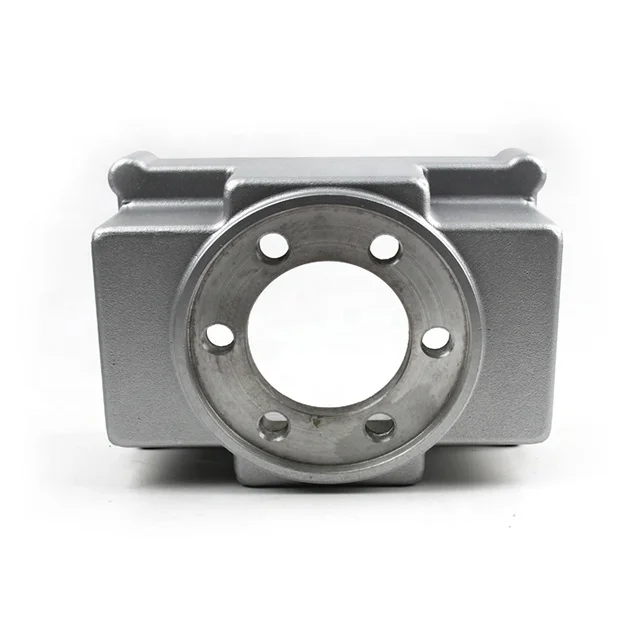
Relia OEM ODM ZL101 ZL104 Aluminum Gravity Sand Cast Machinery Parts with Sandblasting and Separate Casting Route Enquiries
Direct factory support
Get a quote that fits your project
Send your drawing or product reference, material grade and required quantity. Relia will review the requirements with you.
- Drawing & specification review
Confirm the supply scope and critical requirements.
- Samples before custom production
Review inspected samples before approving a batch.
- Inspection documents
Agree material and dimensional records for your part.
-
Applicationmachine
-
Product nameOEM factory Customized Aluminum gravity casting and sand casting parts
-
SizecustomizedTypegravity casting
-
MaterialZl-101, Zl-104Processing wayaluminum gravity casting
-
Surface treatmentblast sandingBrandRelia
-
ServiceOEM
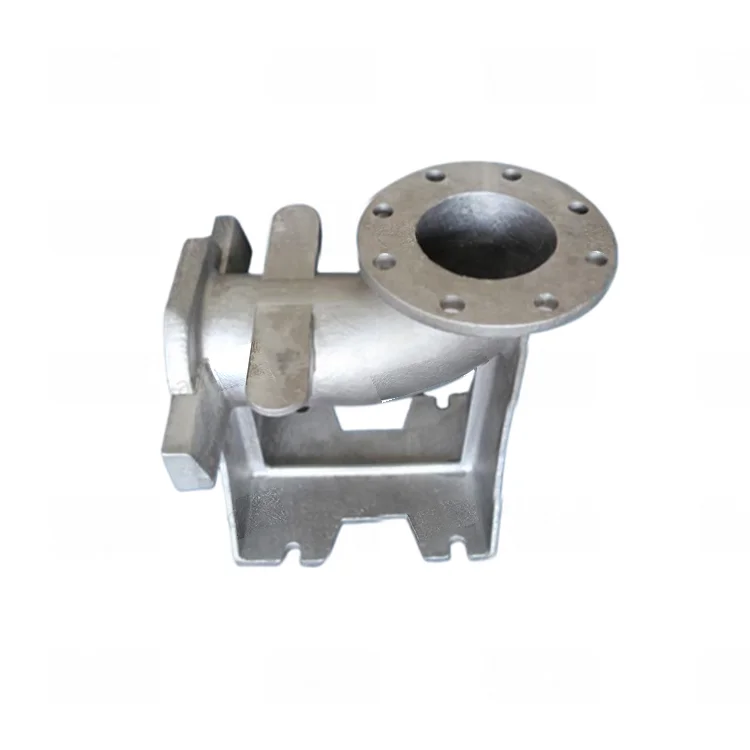
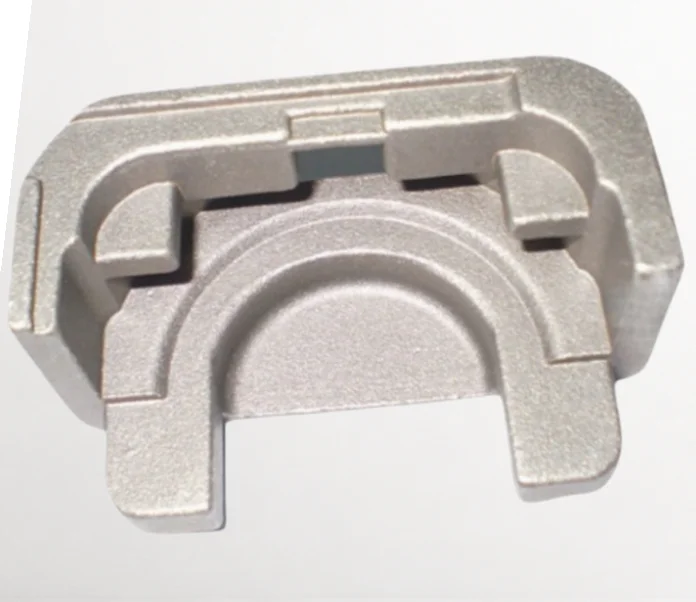
Relia aluminum machinery parts can be requested through gravity or sand casting with custom sizes and sandblasting. Alloy references are ZL101 and ZL104. OEM/ODM enquiries should establish the complete specification, required material condition and actual component drawing for the selected order.
Define the machinery part and selected route
Show the component’s function and the relationships with adjoining equipment. Any separate die- or centrifugal-casting request needs a compatible material and process definition. A steel component is specified independently from the aluminum item and its chosen route.
Set geometry and supplied-interface limits
Mark mounting, locating and mating references controlling the part’s installation. Put functional dimensional limits and measurement conditions on the applicable drawing geometry. Distinguish cast-state regions from contacts requiring another supplied result for the intended machinery duty.
Specify the sandblasted condition
Identify treated areas and the required appearance or contact result on the selected substrate. Define any masking where the surface work affects fit or final dimensional assessment. Keep the finish requirement connected to the component’s actual material and supplied-state definition.
- State the machinery item’s quantity and controlling revision.
- Identify material, dimensional and surface evidence required for approval.
- Explain what an initial casting must demonstrate with its mating components.
- Retain accepted grade and process decisions within the part record.
Use the approved geometry and working-duty requirements when confirming further Relia component requests.