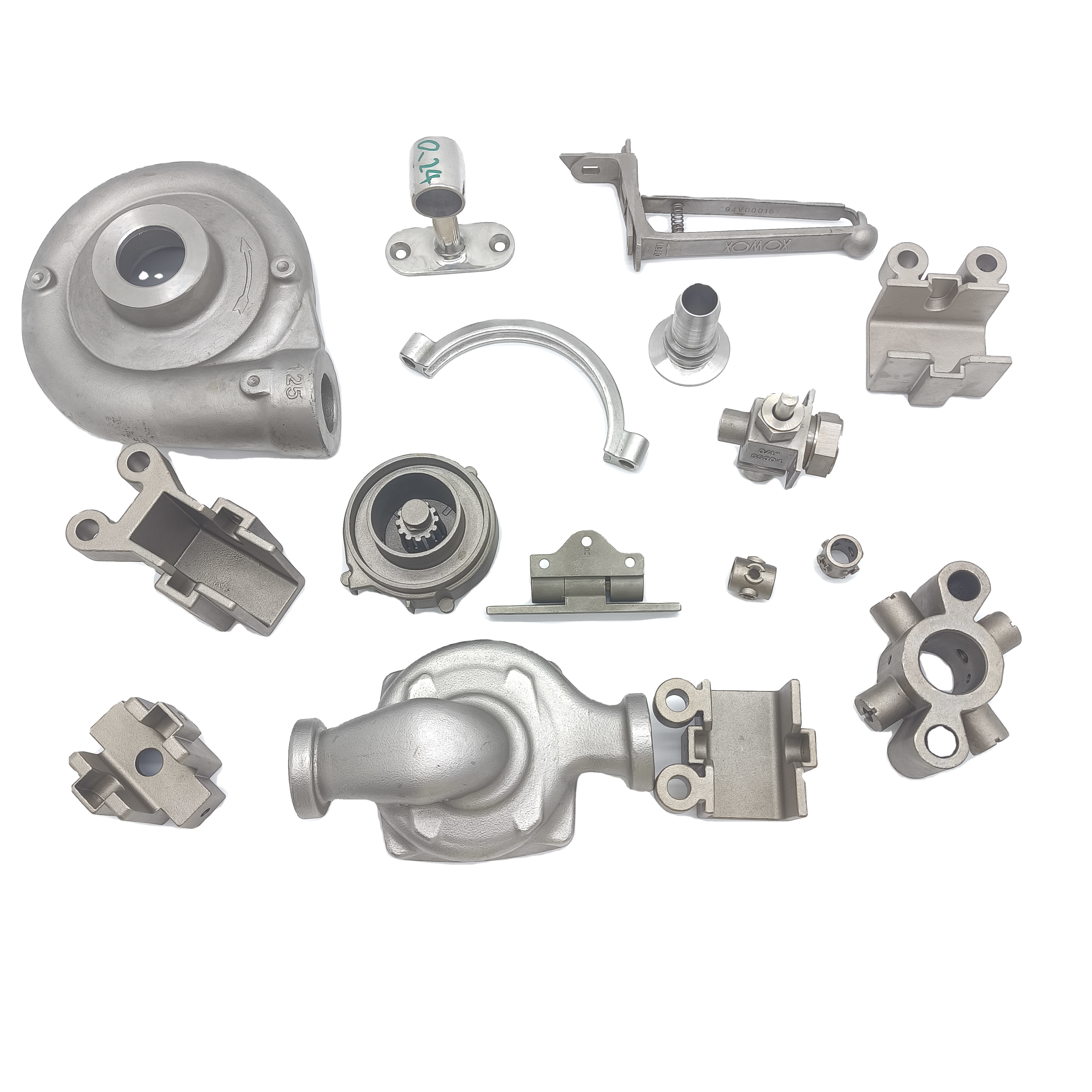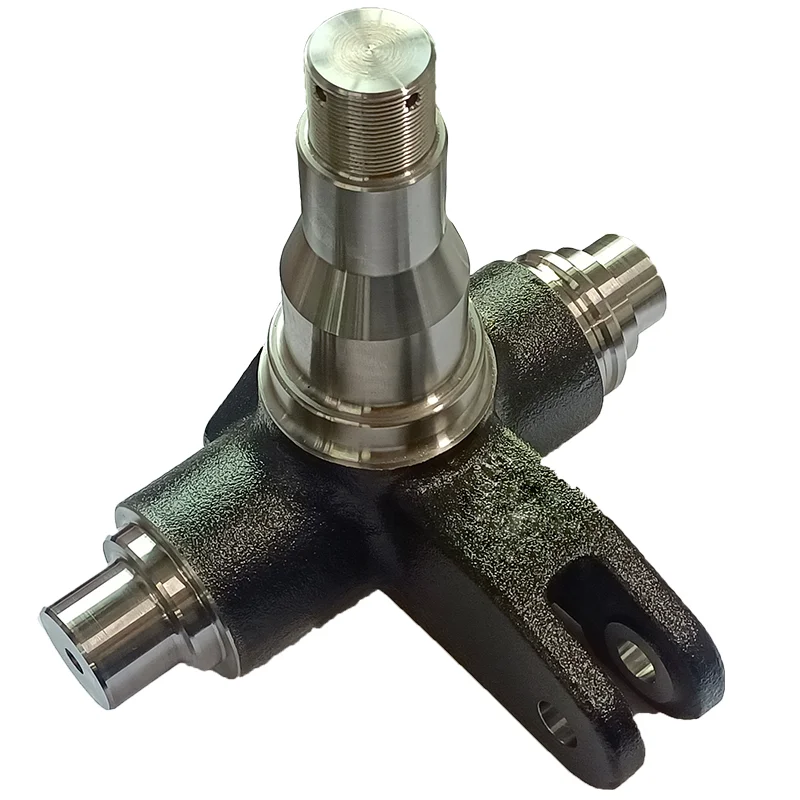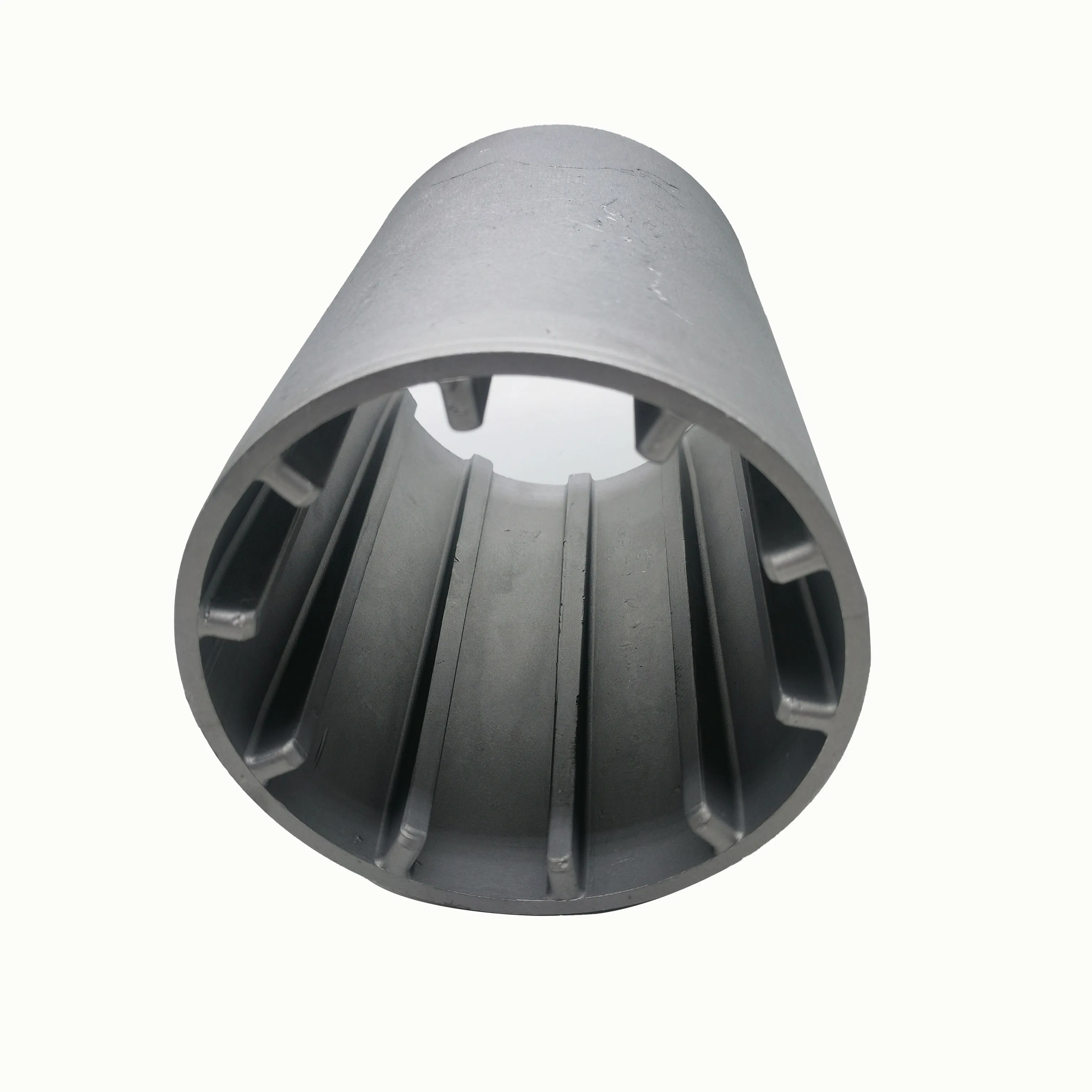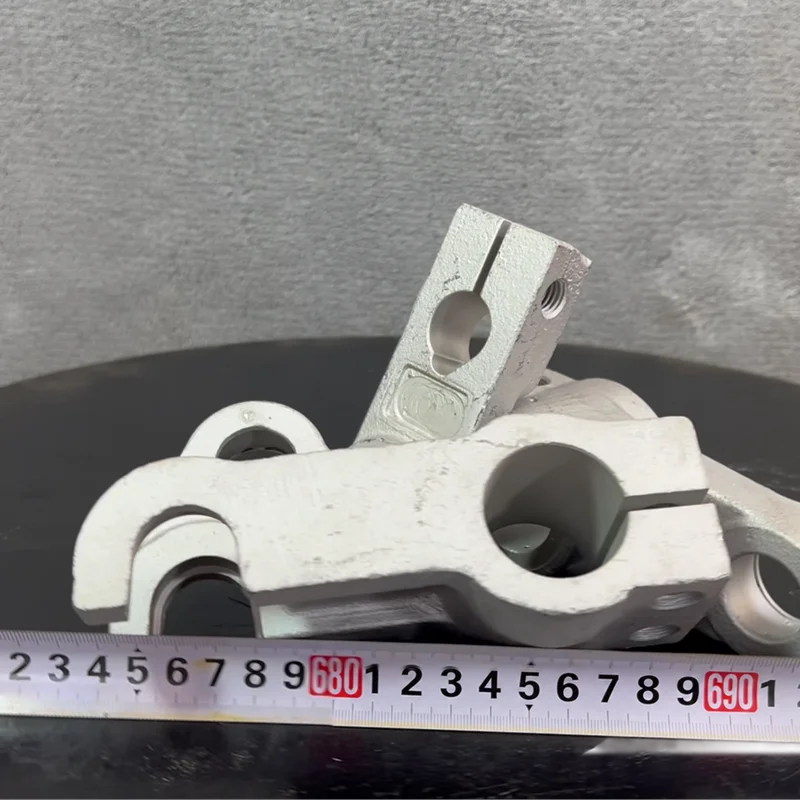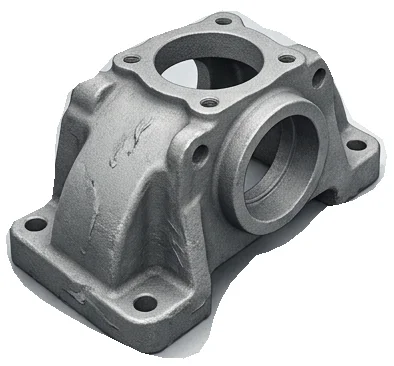
Thin Walled Gray Iron Sand Cast Auto Machinery Components with Complex Geometry and ASTM ISO9001 References
Direct factory support
Get a quote that fits your project
Send your drawing or product reference, material grade and required quantity. Relia will review the requirements with you.
- Drawing & specification review
Confirm the supply scope and critical requirements.
- Samples before custom production
Review inspected samples before approving a batch.
- Inspection documents
Agree material and dimensional records for your part.
-
MaterialDuctile Iron & Grey iron
-
ApplicationAuto MachineryProcessSand casting
-
ServiceOEM\ODMCertificationISO9001
-
DimensionsCustomized SizesQuality Control100% Inspected /ISO9001 System
-
ToleranceCustomer's Drawing Request
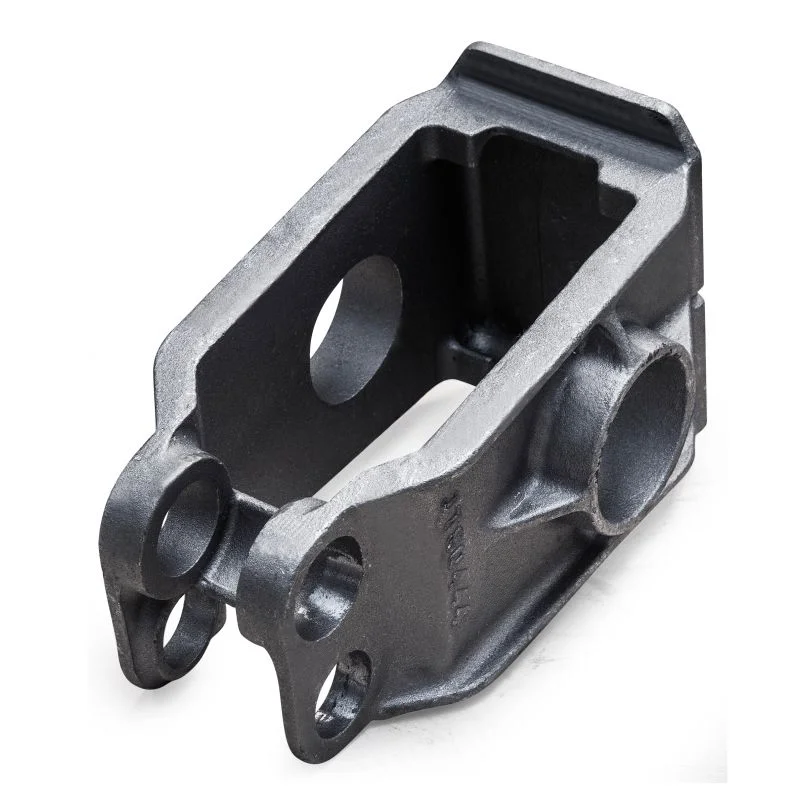
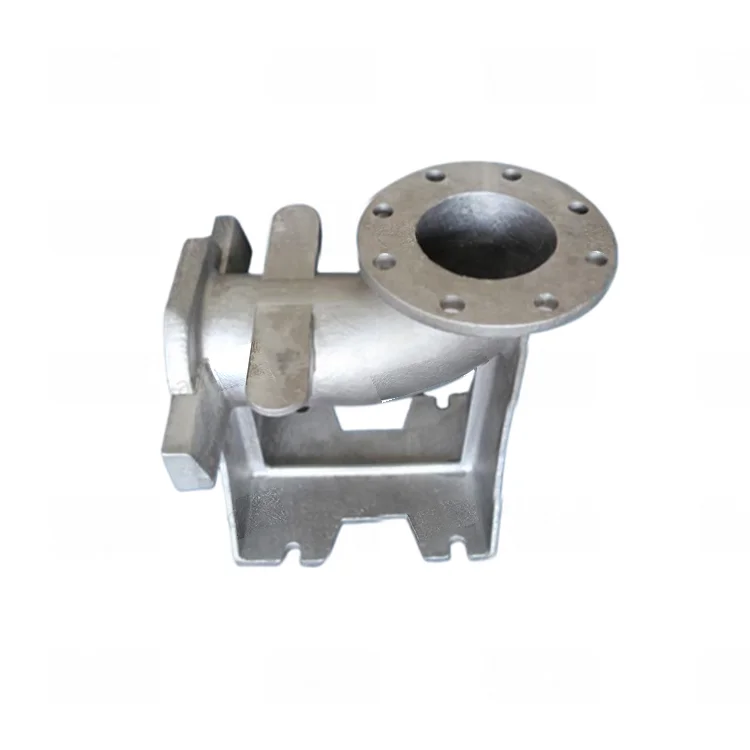
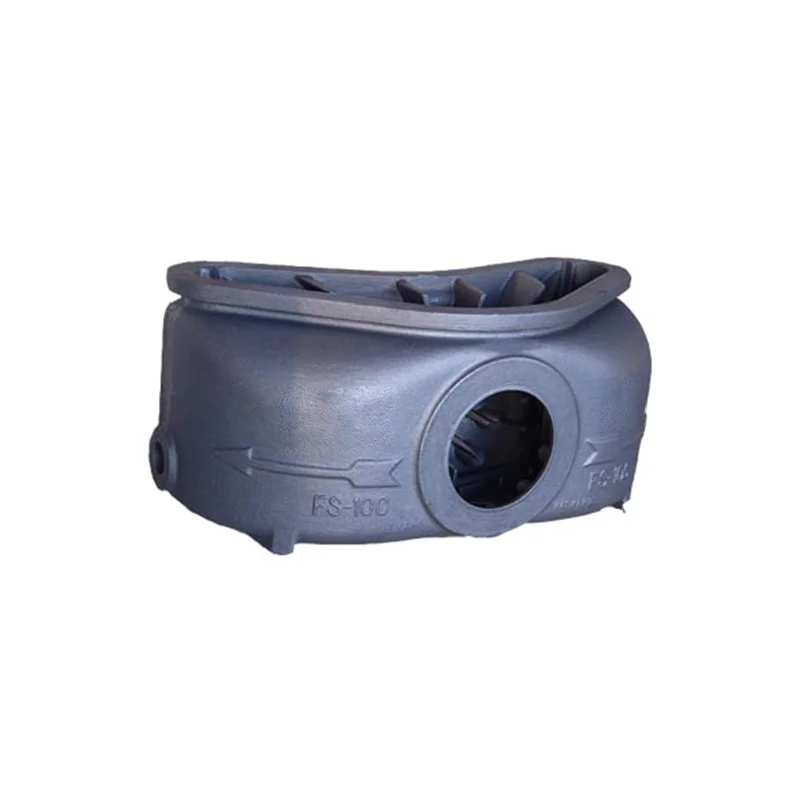
Thin-walled gray iron components with complex geometries are offered through sand casting for automotive machinery. OEM and ODM service supports customer-defined sizes and drawing tolerances. Ductile iron is an additional option requiring its own grade and component specification.
Describe the critical wall geometry
Show the actual wall sections, transitions and interfaces on the controlled drawing. Identify the dimensions that govern assembly and the areas requiring particular casting acceptance criteria. Keep the selected gray or ductile iron specification connected to the geometry and intended machinery duty.
Identify standards for the ordered part
Specify the governing ASTM standard and complete grade for the thin-wall component's compliance requirement. Establish the applicable ISO 9001 certification document and scope for the order. Material requirements and finished-component acceptance should be defined against the actual part rather than a general standard-family reference.
Agree dimensional checks and inspection records
Quality control is stated as 100% inspection under an ISO 9001 system. Identify the checks, coverage and records needed for the selected casting. Mark governing datums and permitted dimensional limits, and include any additional machining or finish requirements for agreement during quotation.
- Provide the drawing revision and complete iron specification.
- State quantity and initial component-approval requirements.
- Identify the wall sections and assembly relationships needing particular assessment.
Explain the operating conditions that affect evaluation of the component. When the design changes, connect the revised wall geometry, interfaces and supplied condition to the inspection plan. Keep repeat production enquiries traceable to the same complex automotive casting and agreed acceptance criteria.