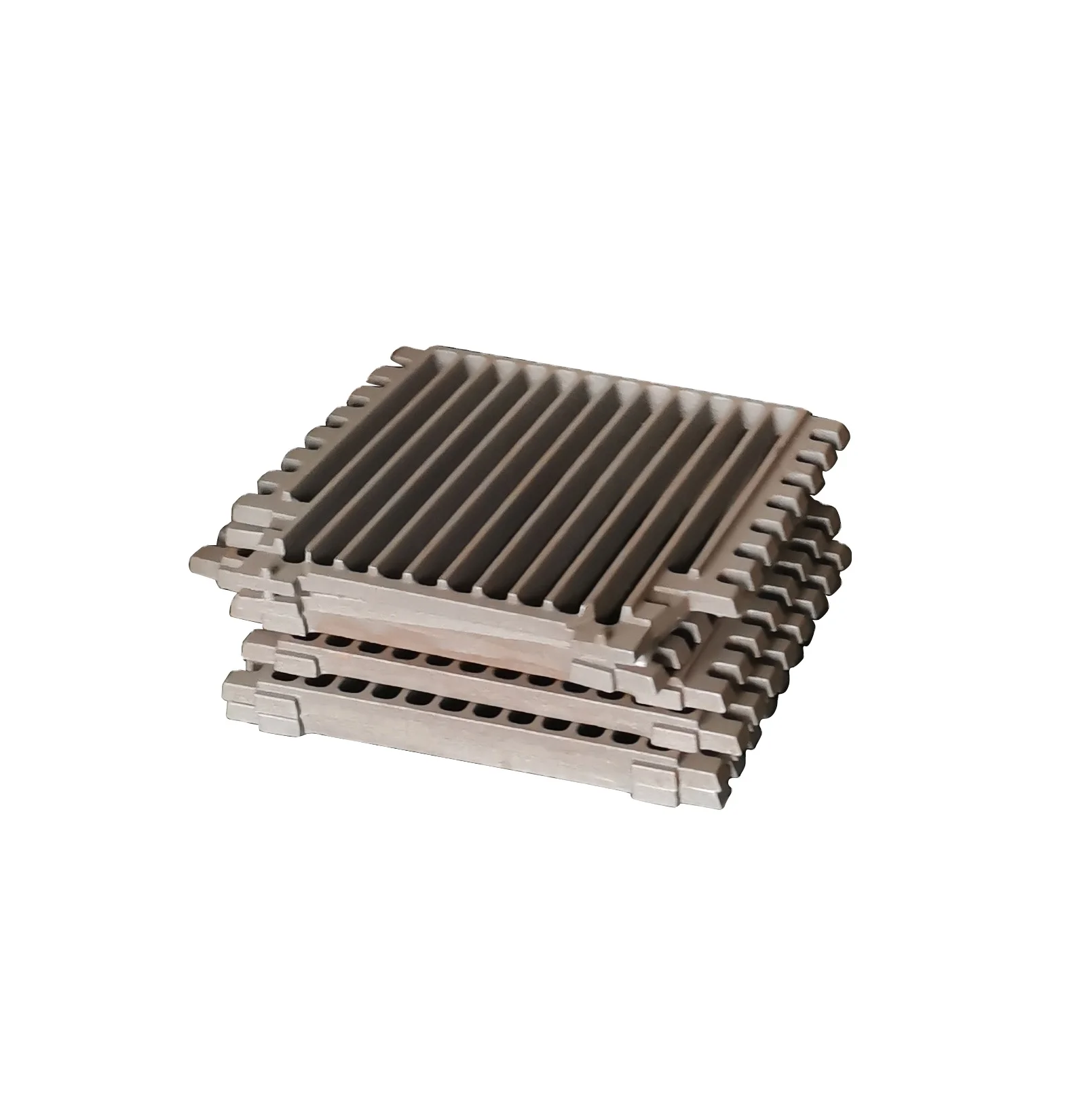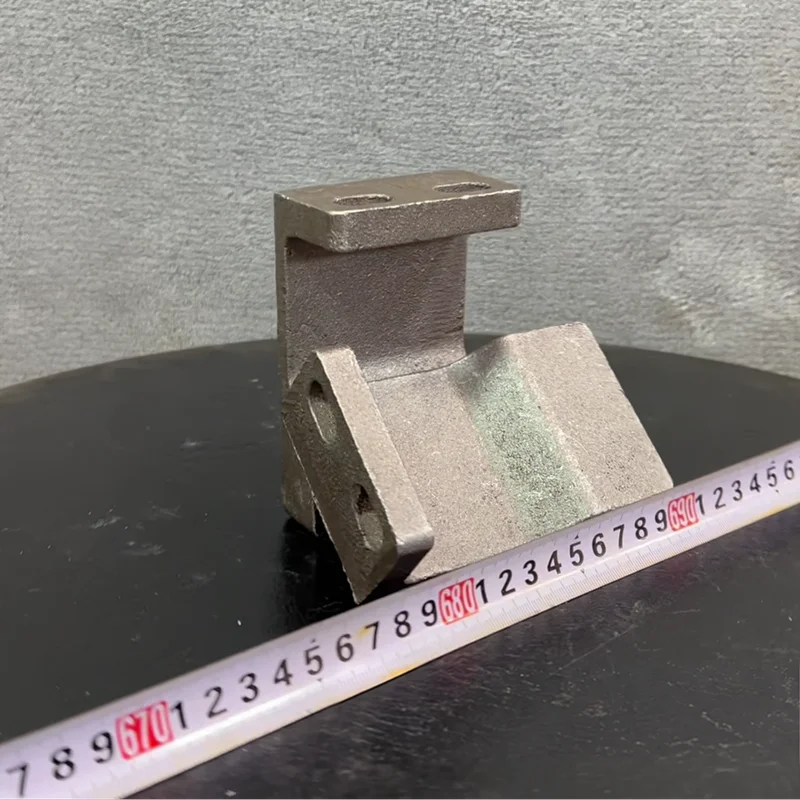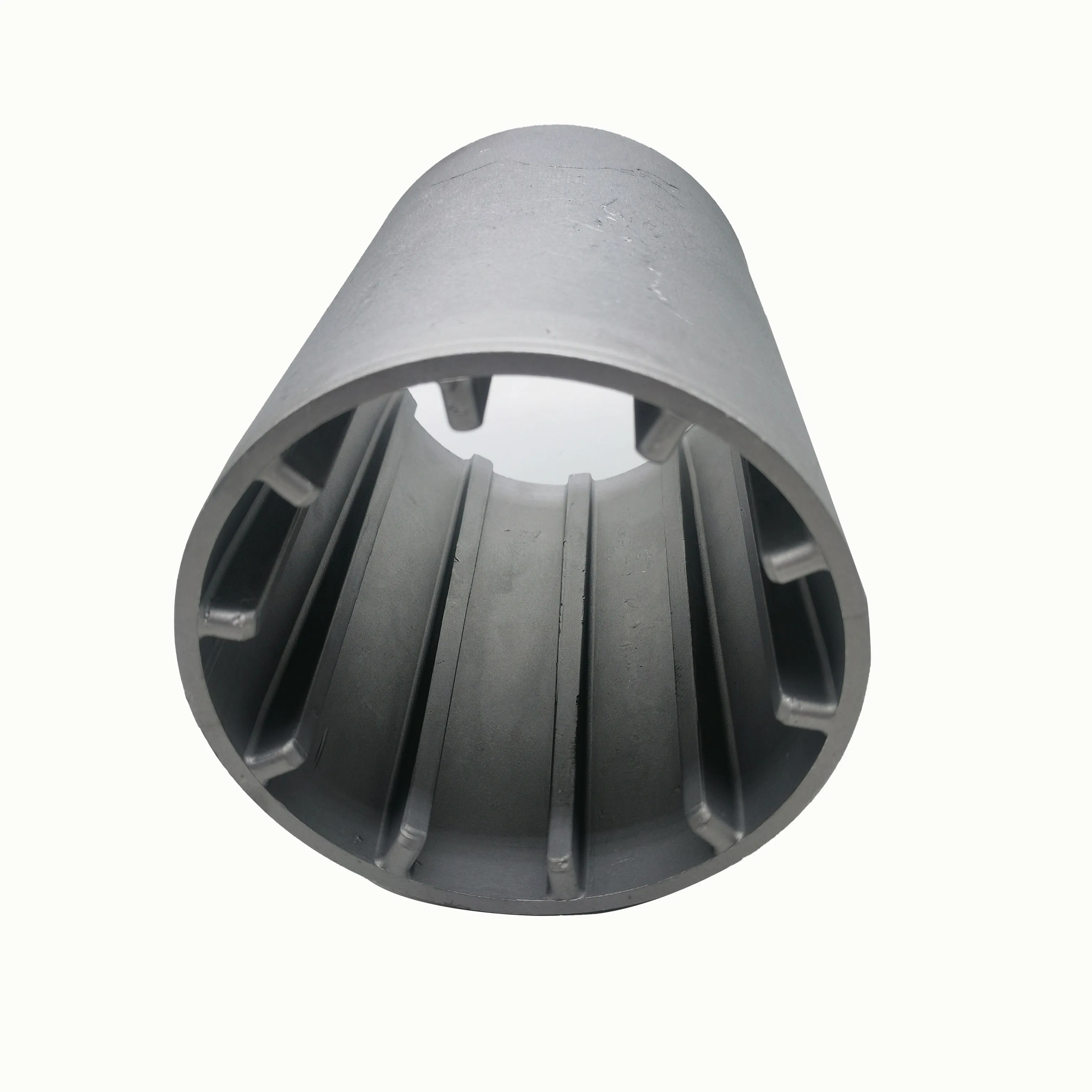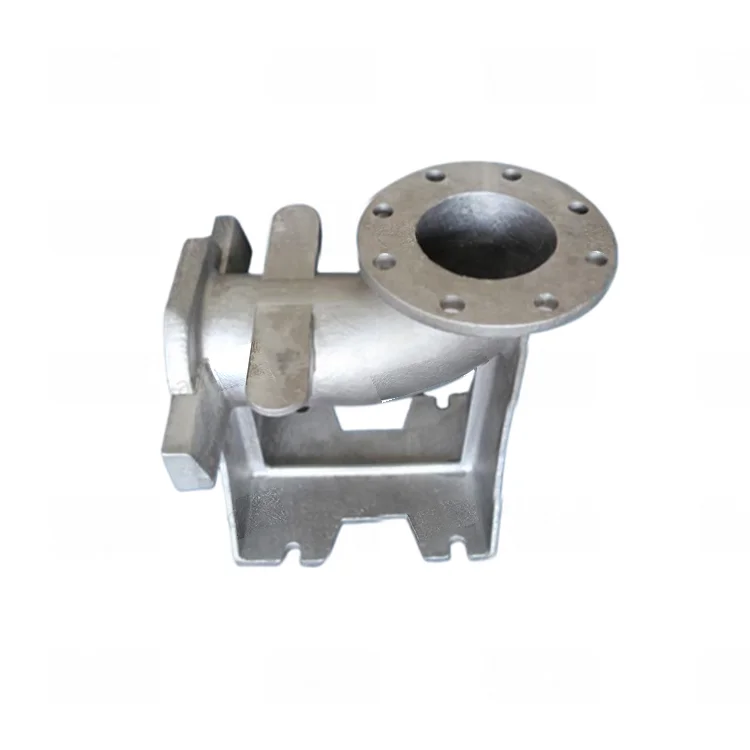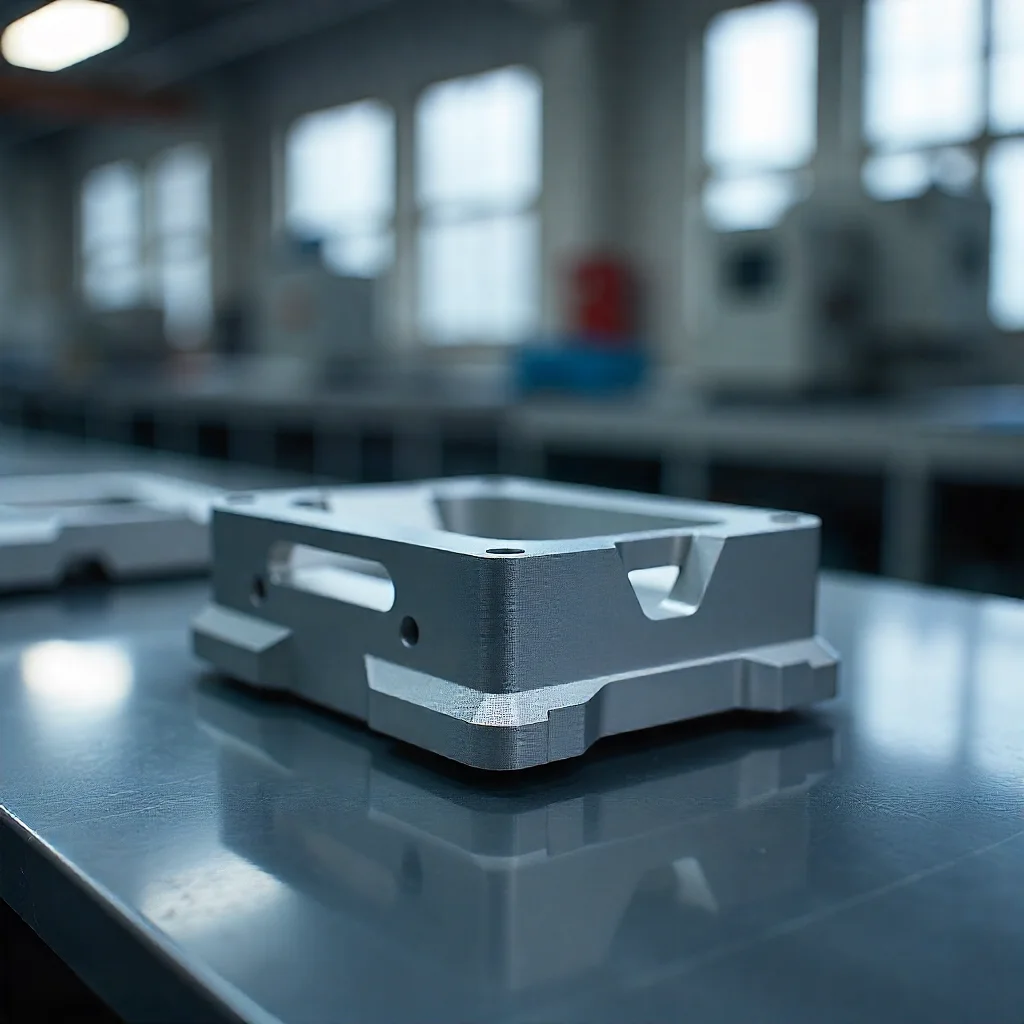
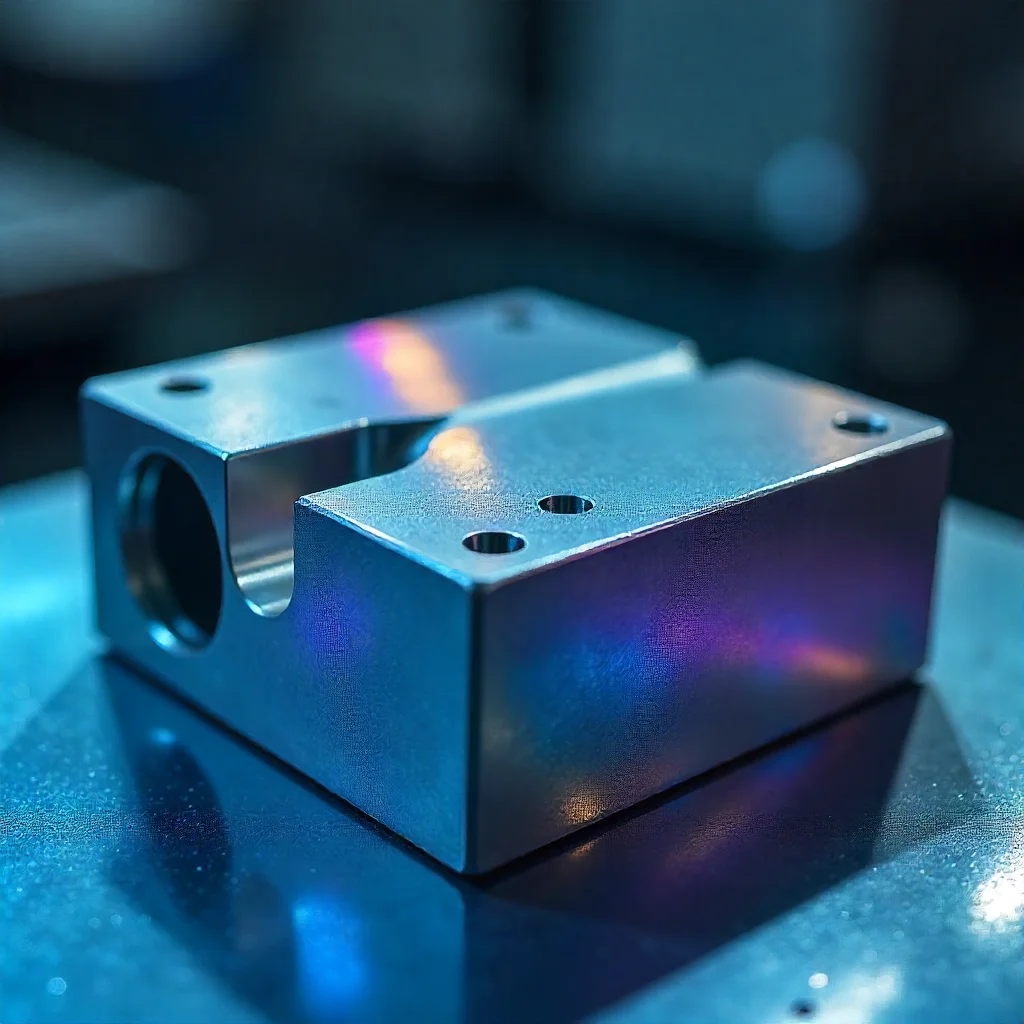
A380 Aluminum Die Cast Parts and Mold Enquiries with CNC Permanent Mold Sand Gravity Investment Casting
Direct factory support
Get a quote that fits your project
Send your drawing or product reference, material grade and required quantity. Relia will review the requirements with you.
- Drawing & specification review
Confirm the supply scope and critical requirements.
- Samples before custom production
Review inspected samples before approving a batch.
- Inspection documents
Agree material and dimensional records for your part.
-
Product namePermanent Mold Investment Sand Casting Die Cast A380 Aluminum
-
QualityHigh-QualityMaterialIron, Aluminum
-
FinishPlating, Paint, Powder CoatingMachiningCNC
-
TechnologySand Casting, Die Casting, Gravity CastingStandardASTM & AISI & DIN
-
DimensionsCustomizedApplicationIndustrial
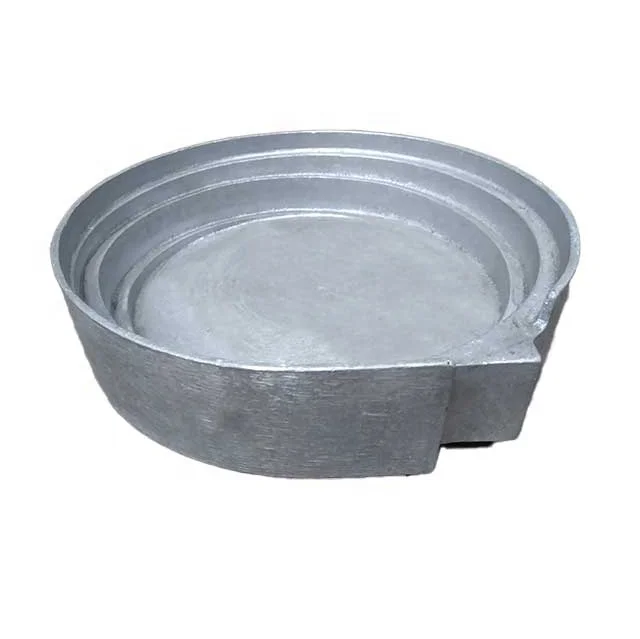
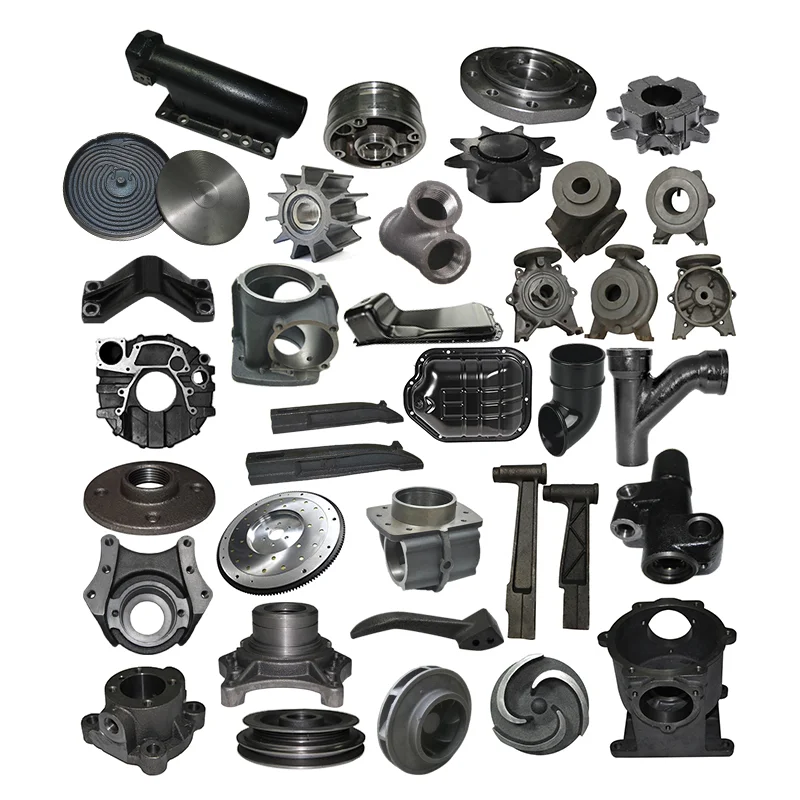
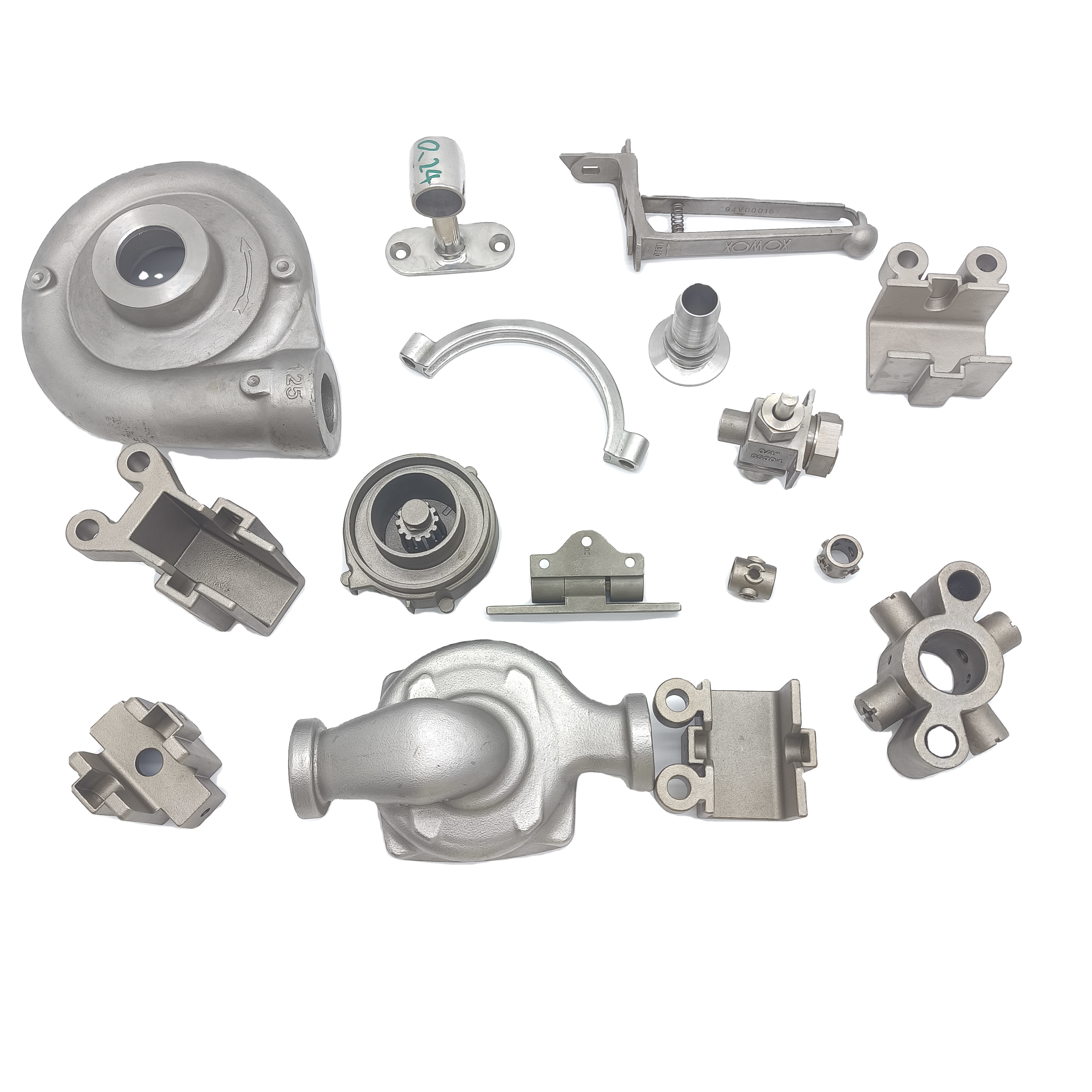
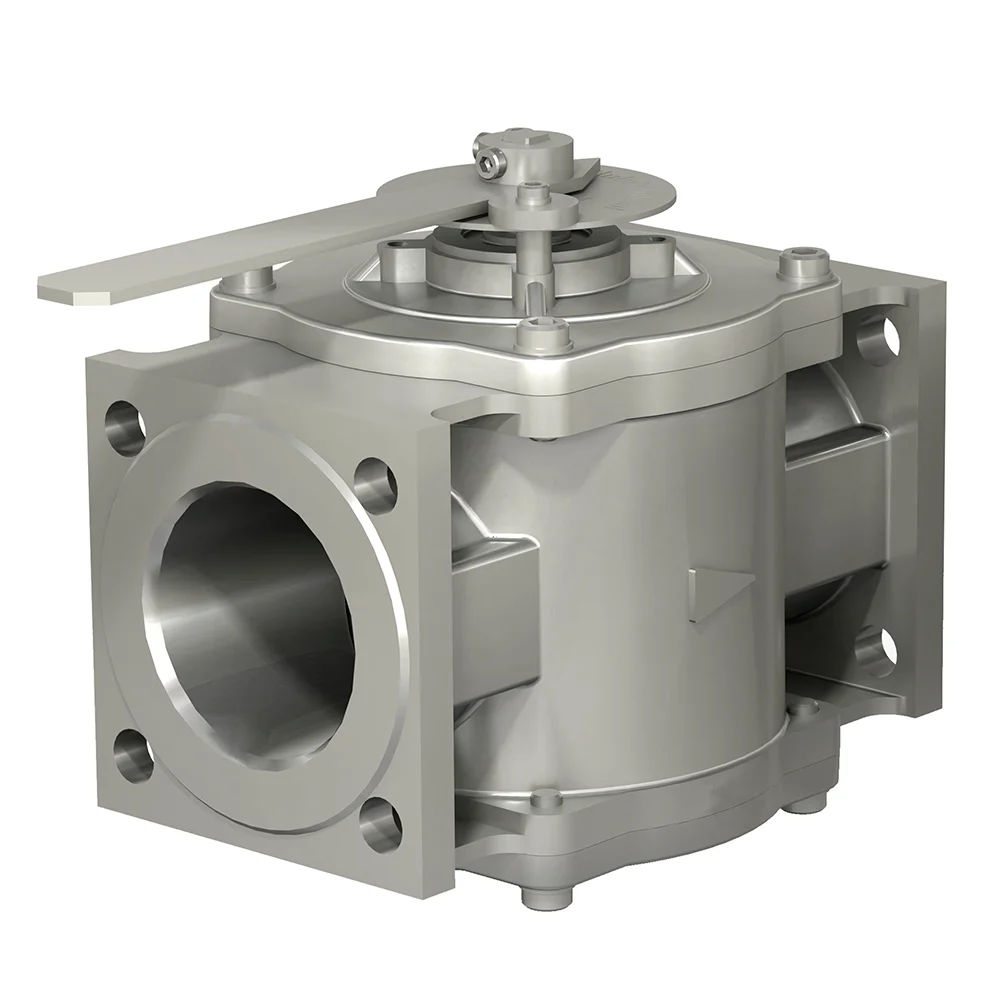
Custom industrial enquiries cover A380 aluminum die-casting and mold requests, with separately selected iron or aluminum cast components. Identify whether the order concerns tooling or a part and which item the material designation describes. Permanent-mold, sand, gravity and investment-casting requests should be defined for the actual design.
Separate the tooling and component requirements
Provide the drawing and custom dimensions for each deliverable being quoted. A mold request needs its own material and acceptance specification, distinct from the cast part. State the required supplied condition and the records needed to approve the selected order.
Locate the CNC-machined interfaces
CNC work is available for the selected component or tooling scope. Mark the datums, fitted geometry and dimensional limits that determine acceptance. Identify cast areas and finished interfaces with the measurement stage clear for each controlled requirement.
- State quantity and the controlled revision.
- Specify the complete material requirement.
- Identify working and visible surfaces.
- Define sample or tooling approval records.
Choose finish and governing documents
Plating, paint and powder coating are named choices for suitable materials and applications. Define coverage, masking and appearance at the relevant faces. ASTM, AISI and DIN are standard-family references; agree the exact document and grade needed for the drawing. Keep the selected route, material, CNC scope and surface definition connected to approval so the part and any tooling are evaluated against their respective requirements.