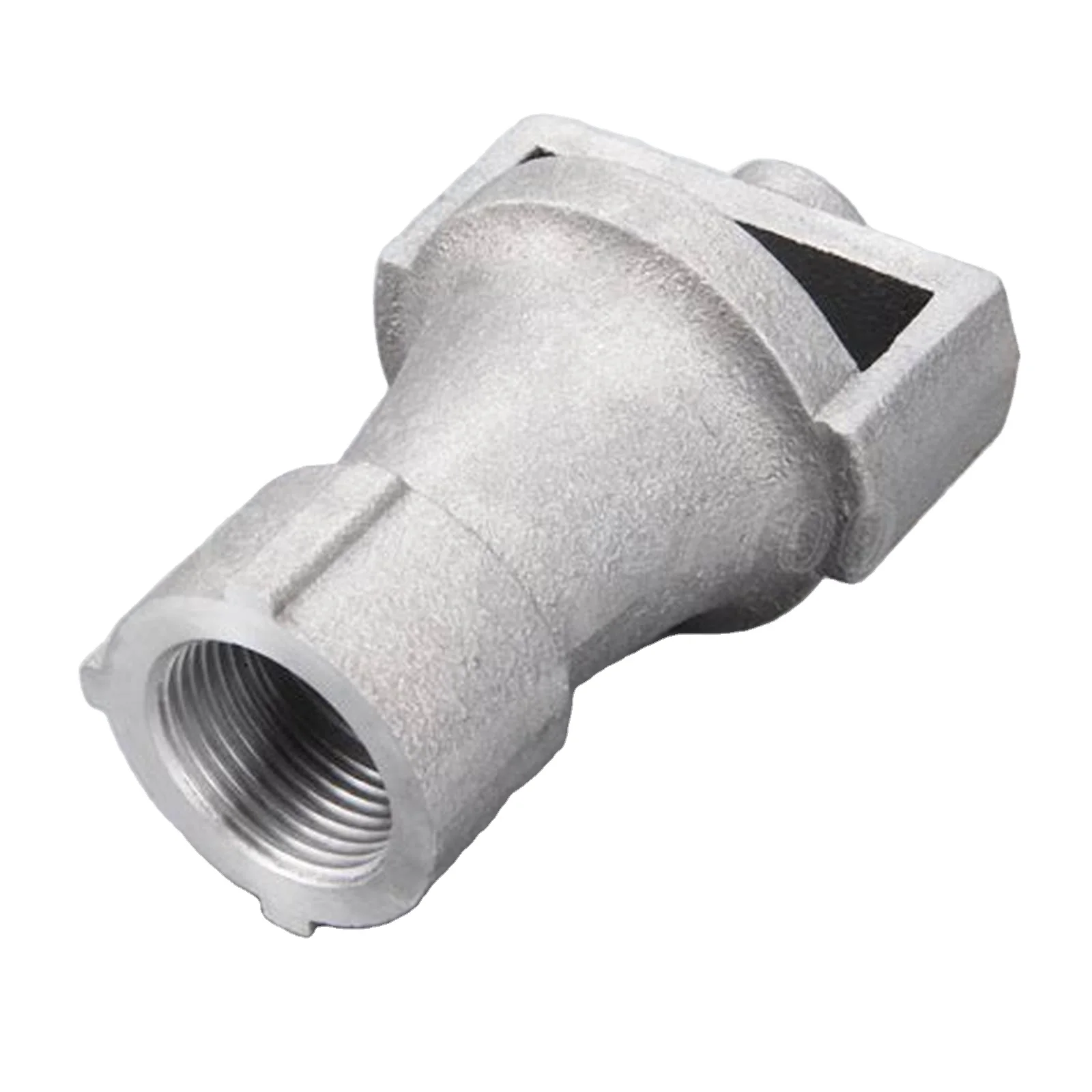
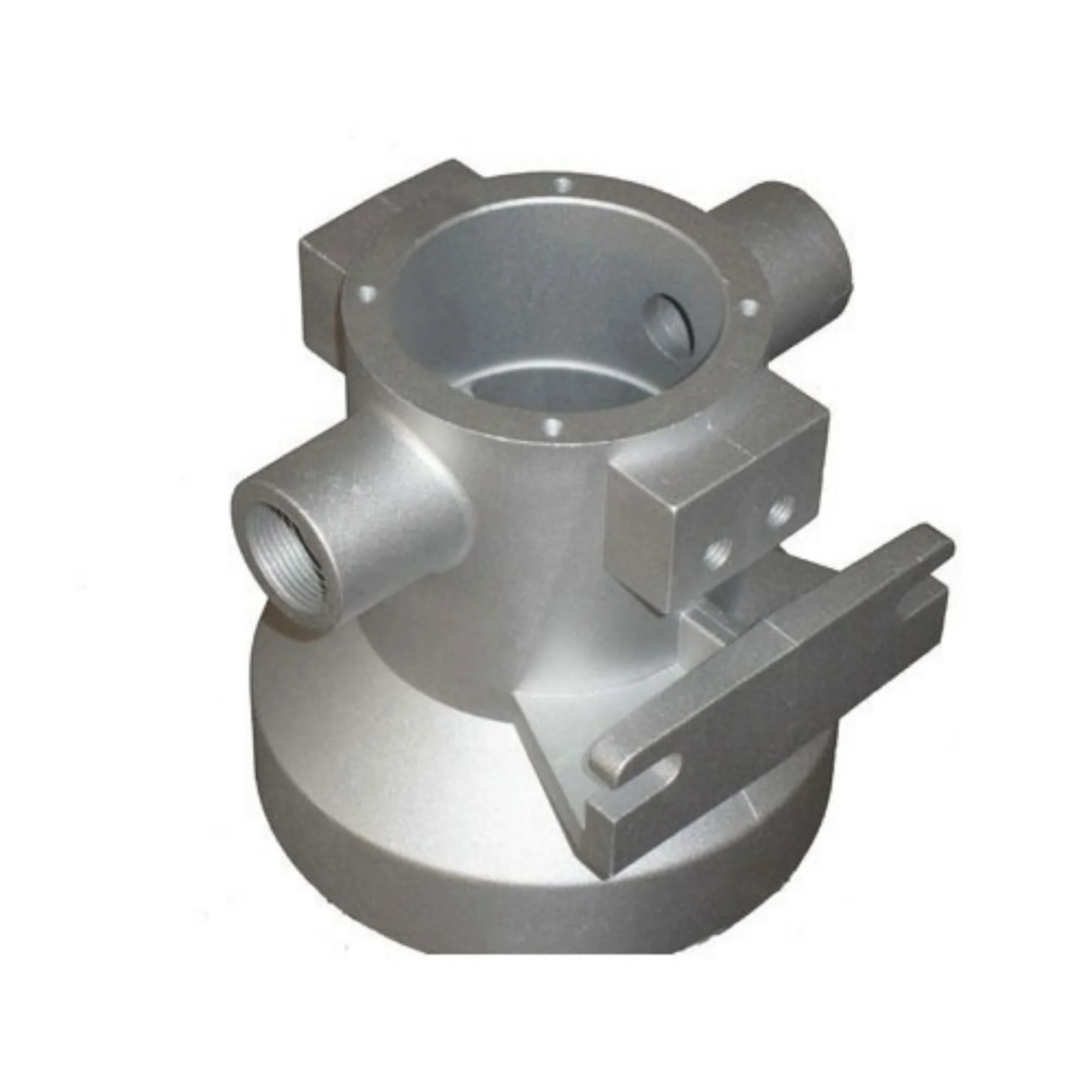
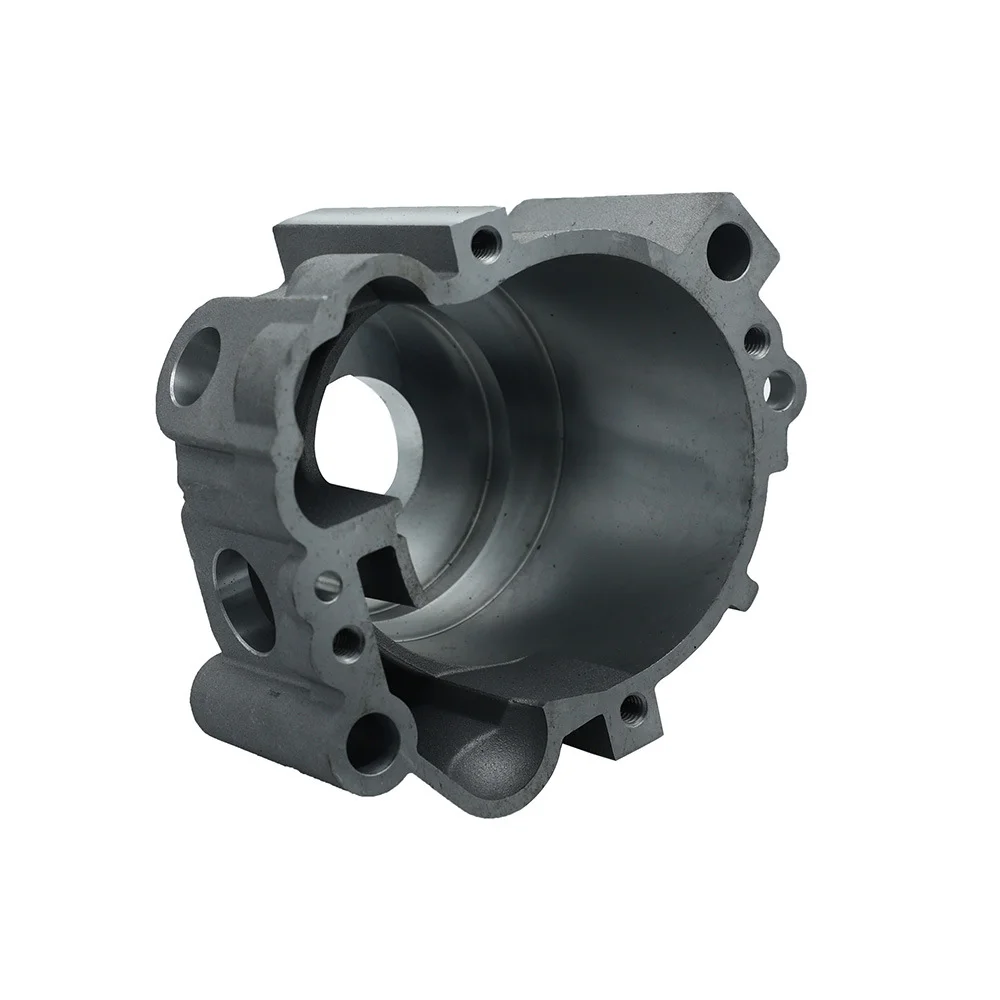
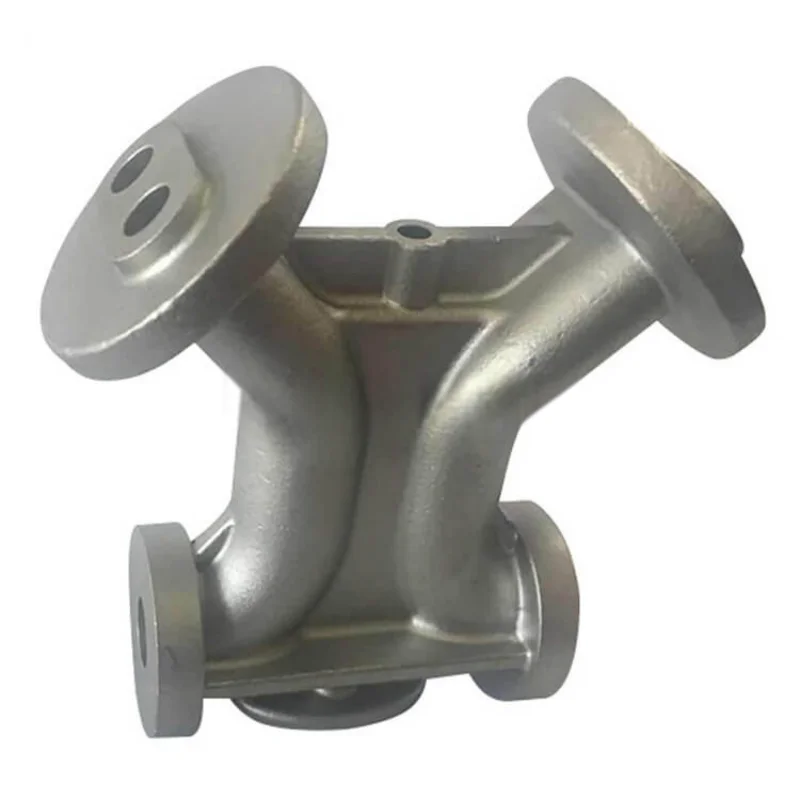
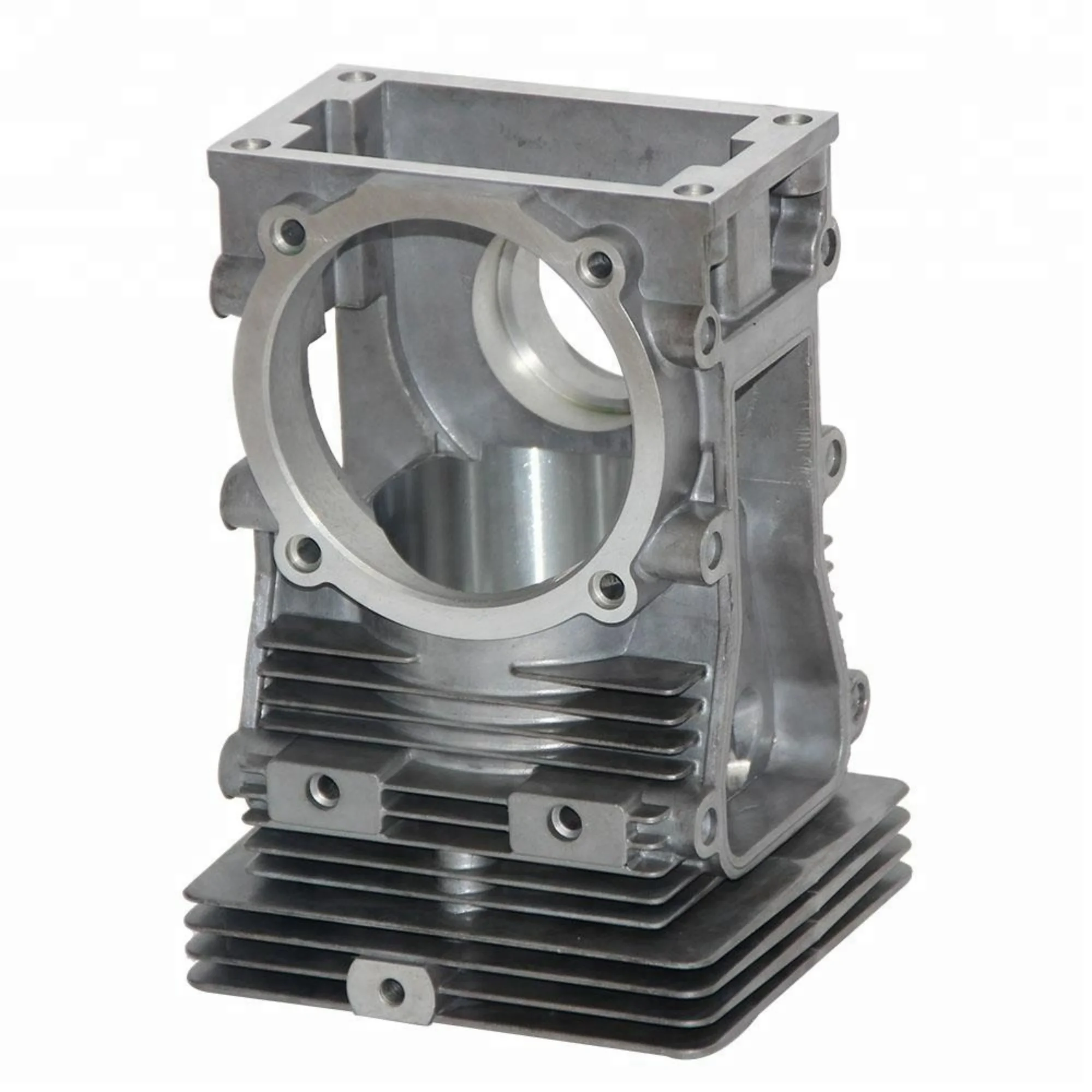
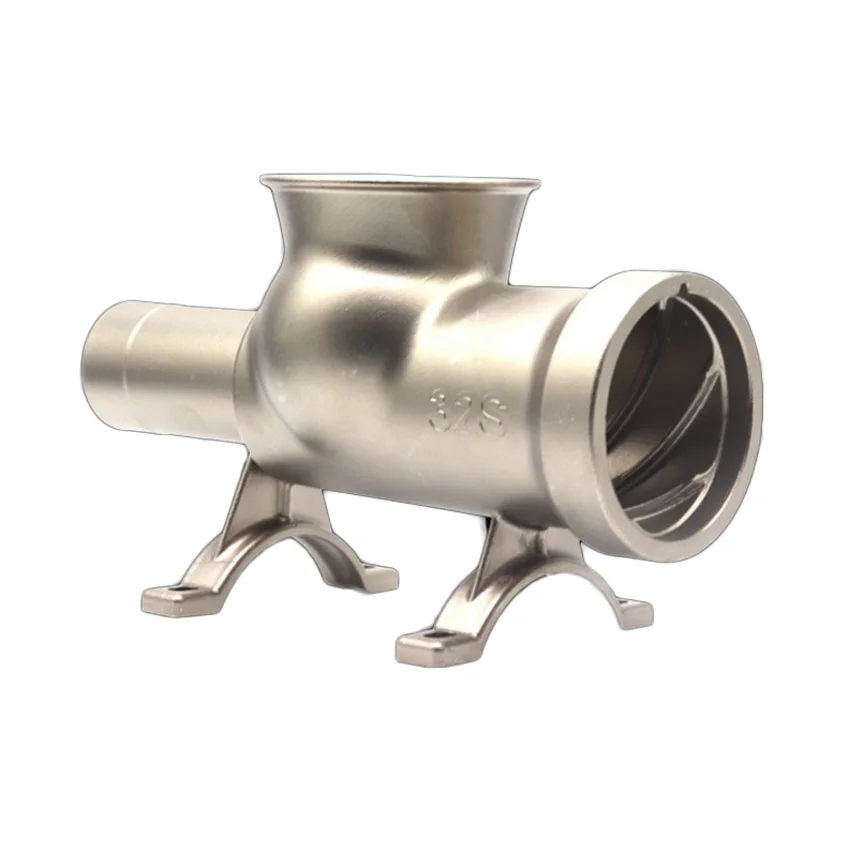
Aluminum Alloy Sand Casting with Machining Services and Separately Specified Investment Cast Metal Parts
Direct factory support
Get a quote that fits your project
Send your drawing or product reference, material grade and required quantity. Relia will review the requirements with you.
- Drawing & specification review
Confirm the supply scope and critical requirements.
- Samples before custom production
Review inspected samples before approving a batch.
- Inspection documents
Agree material and dimensional records for your part.
-
Part NameInvestment casting parts
-
MaterialSteel, Brass, Aluminum, Magnesium, Plastic, rubber, etcSurfaceBurr Free, Electrolytic Polishing, Anodizing, Powder Coating, etc
-
ProcessInvestment CastingApplicationElectrical Appliances, Building Accessories, Sports Equipment, etc
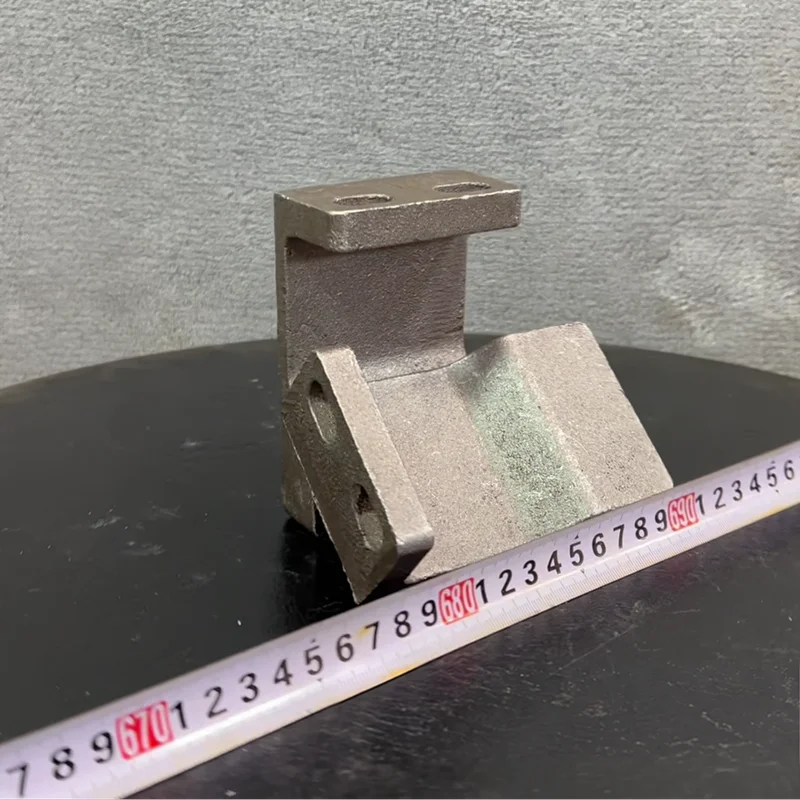
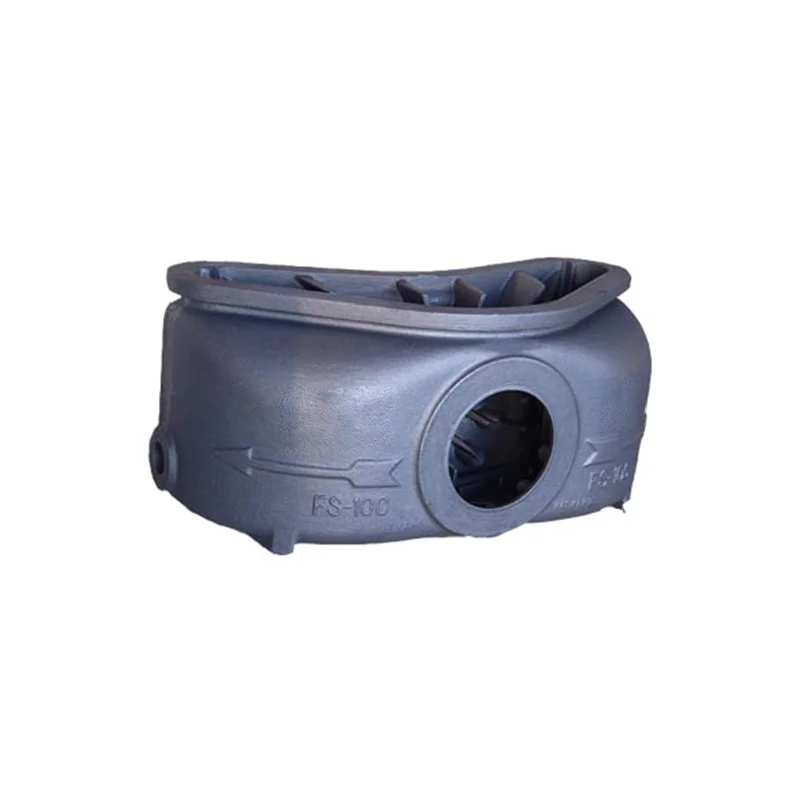
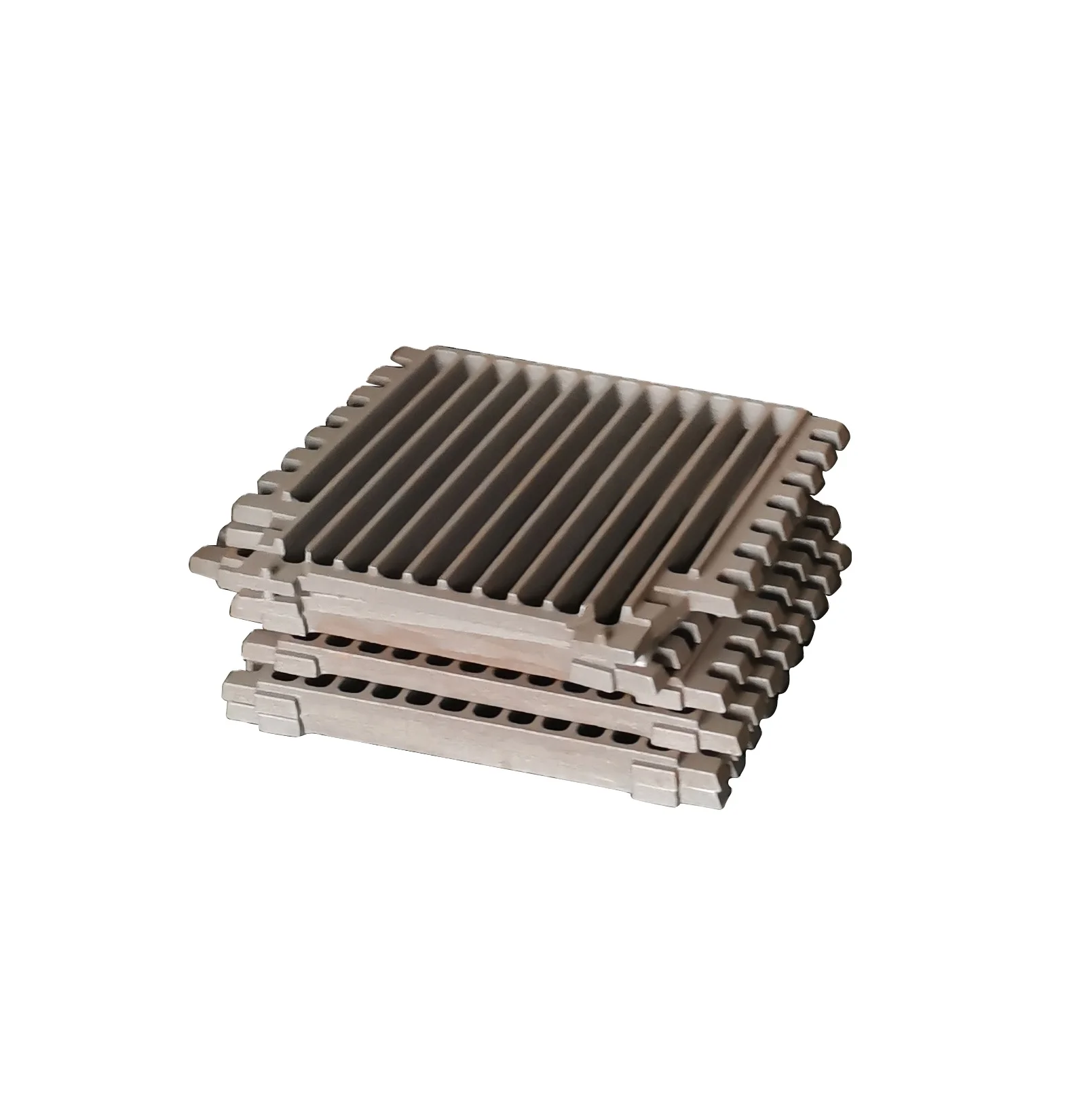
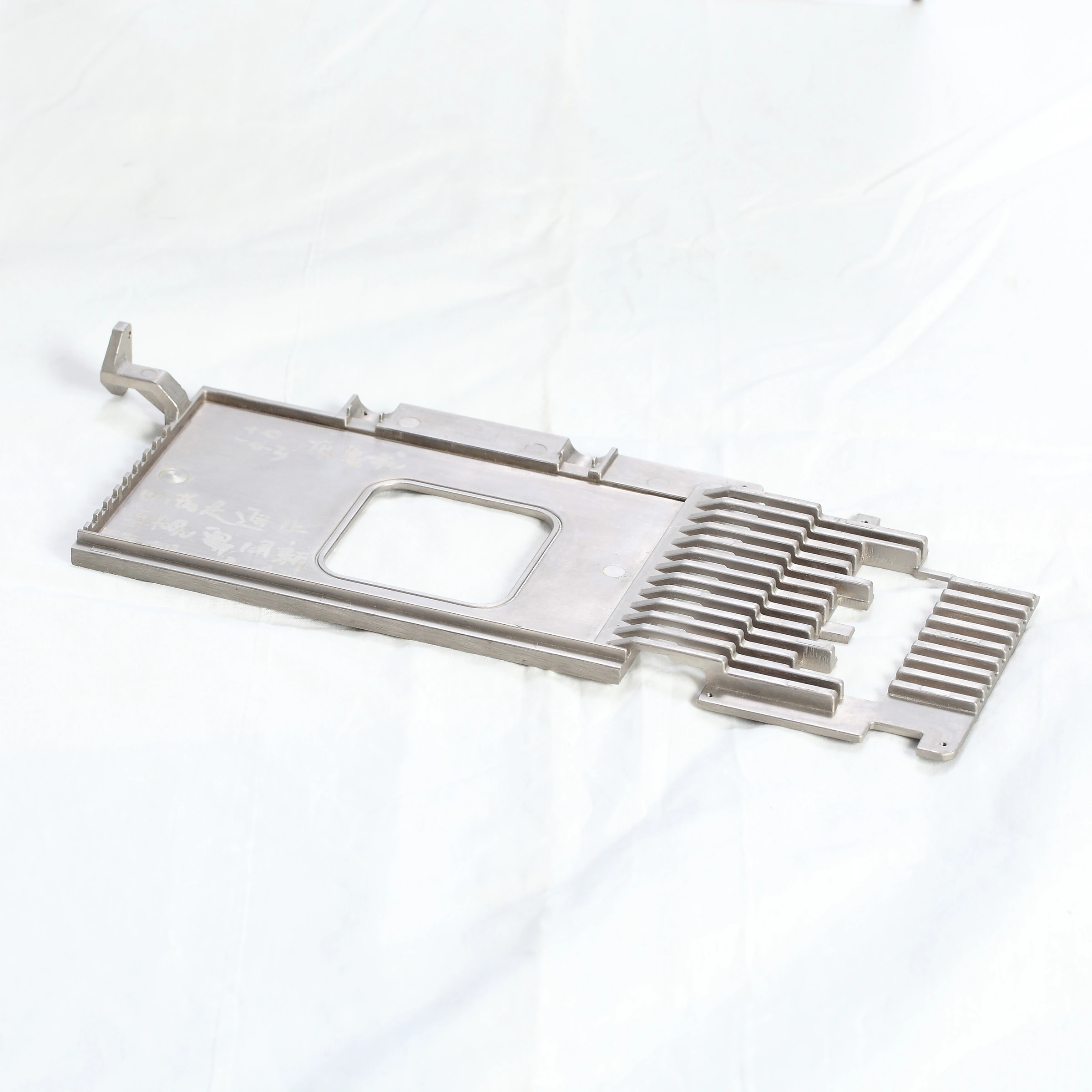
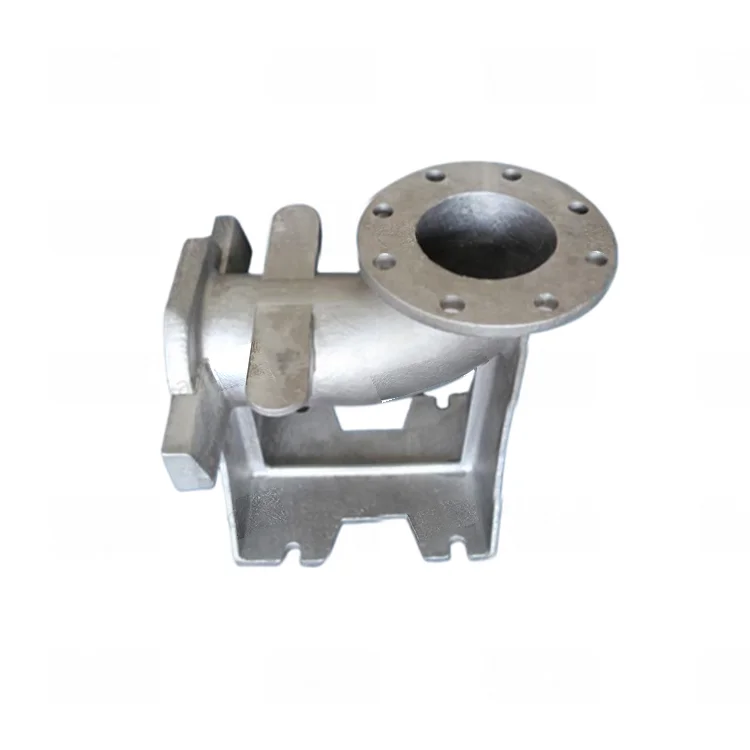
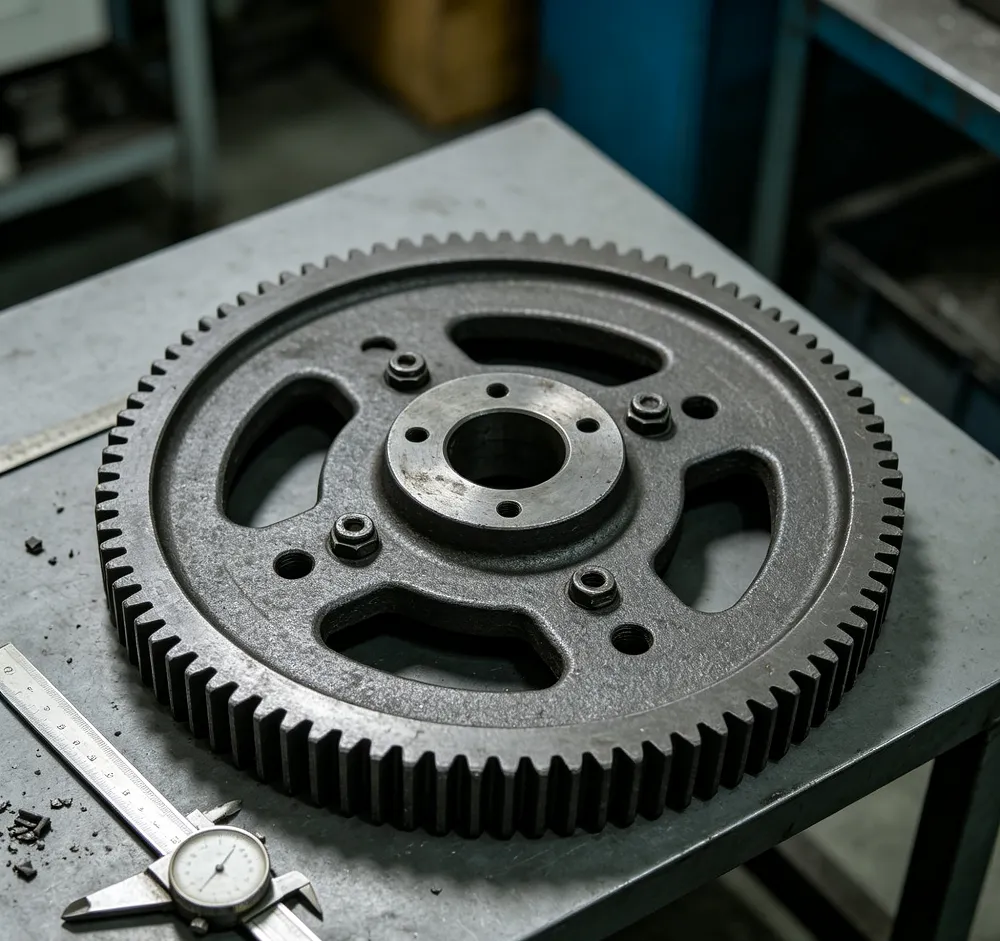
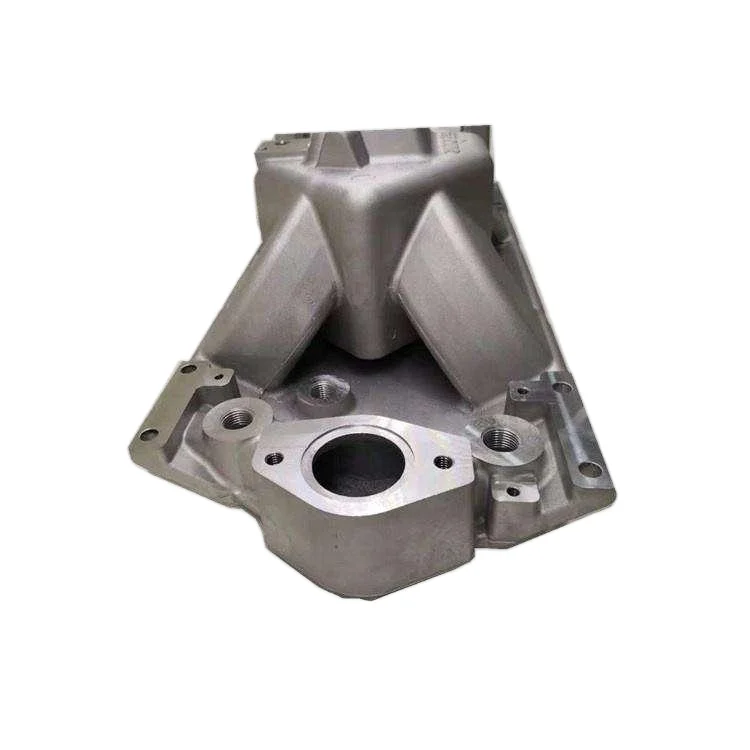
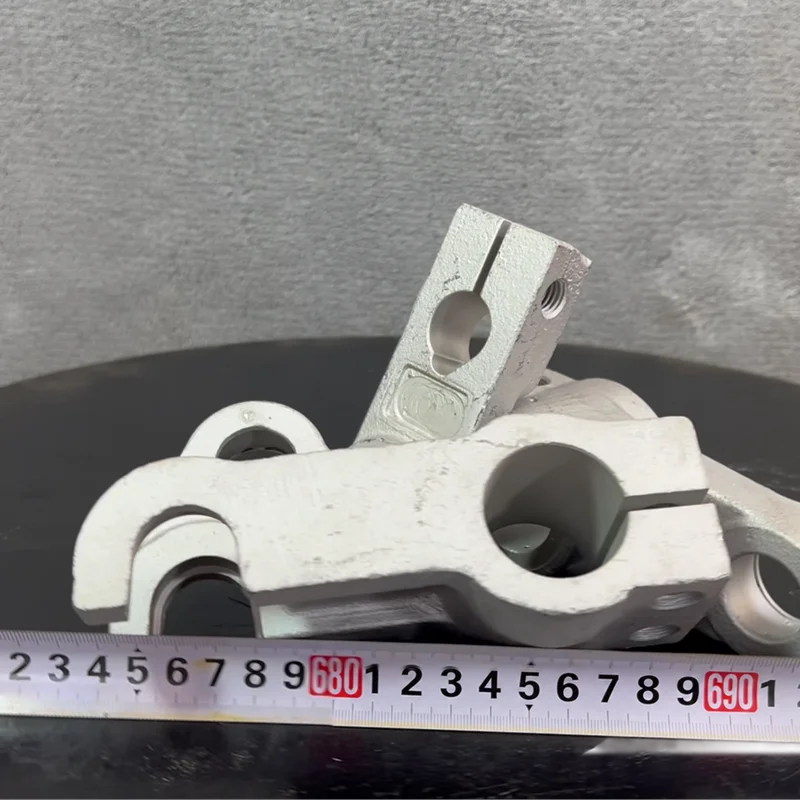
Aluminum alloy sand casting with machining services is available for custom component enquiries. Investment casting is another route for metal parts. Define the required part and supplied condition first, then agree a manufacturing route suited to its selected material and geometry.
Keep metal and polymer requests distinct
The material menu includes steel, brass, aluminum and magnesium, alongside separately specified plastic and rubber components. Choose the complete metal grade for a casting enquiry. Plastic and rubber requests need their own material and manufacturing requirements; they are not metal investment castings. Where several materials occur in an assembly, identify which component each specification describes.
Connect the finish to functional surfaces
A burr-free condition, electrolytic polishing, anodizing and powder coating are offered requirements or treatments where suitable. State the intended surface result and identify the areas to which it applies. Consider mating features and visible faces separately when defining acceptance. Agree any machining operations and the dimensions that must be checked in the final supplied condition.
Describe the component's working context
Applications include electrical appliances, building accessories and sports equipment. Explain the part's role, assembly interfaces and operating environment. These details provide a basis for reviewing the chosen material and process against the actual component requirements.
- Provide the drawing revision, material designation and selected casting route.
- Mark critical dimensions, datums and required surface conditions.
- Agree inspection coverage, approval records and any application-specific qualification documents.
Keep the quotation tied to the defined component and its acceptance criteria. For repeat enquiries, identify approved changes to geometry, material or finishing before the next production instruction is confirmed.