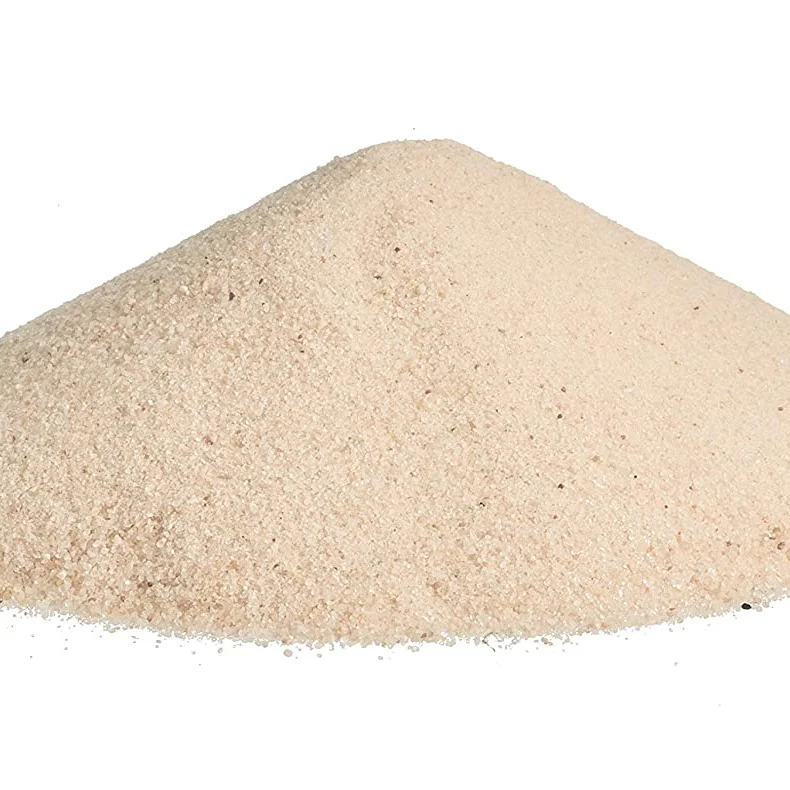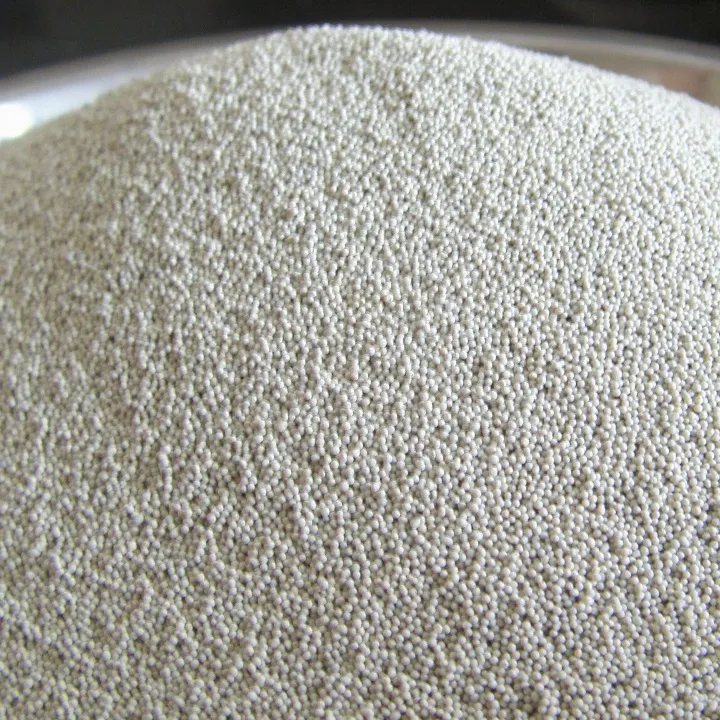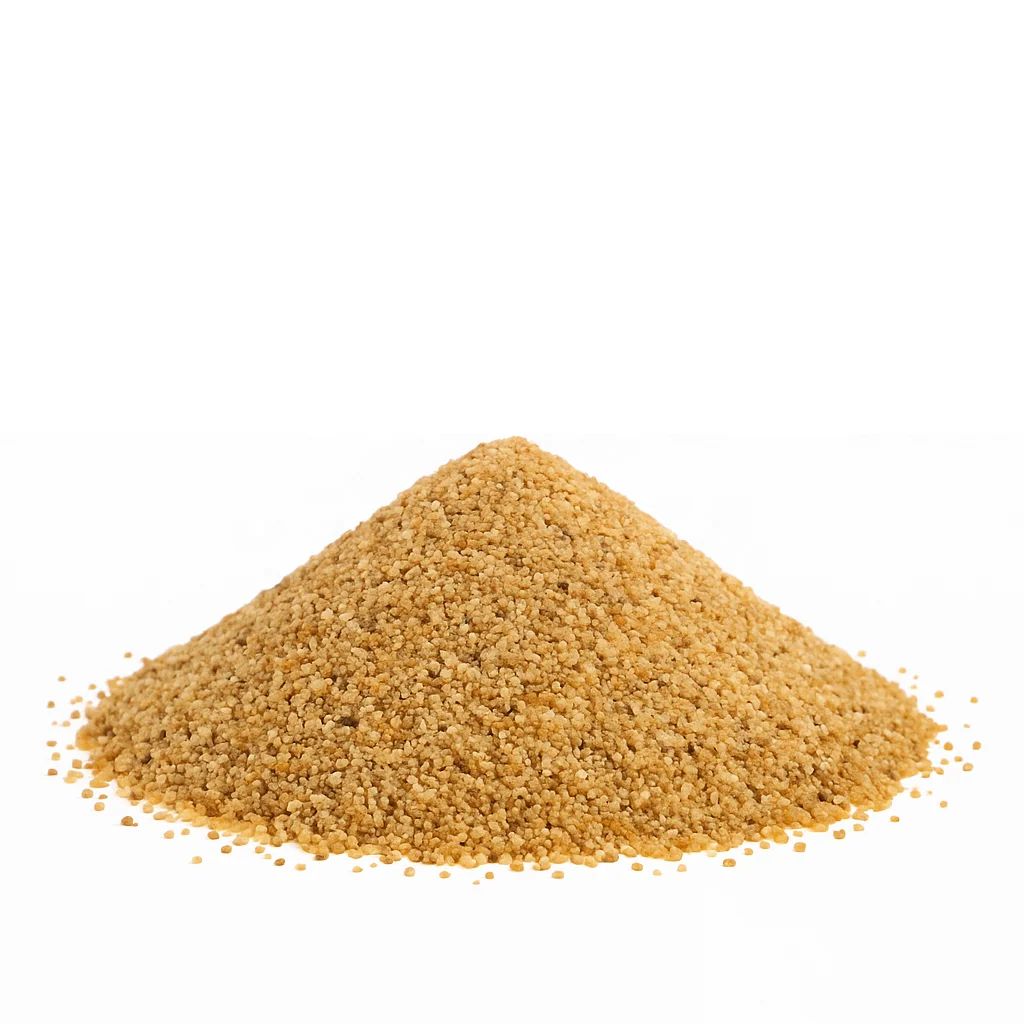

Brown Foundry Ceramic Sand for Precision Metal and Investment-Casting Enquiries — 20–270 Mesh, Low Expansion
Direct factory support
Get a quote that fits your project
Send your drawing or product reference, material grade and required quantity. Relia will review the requirements with you.
- Drawing & specification review
Confirm the supply scope and critical requirements.
- Samples before custom production
Review inspected samples before approving a batch.
- Inspection documents
Agree material and dimensional records for your part.
-
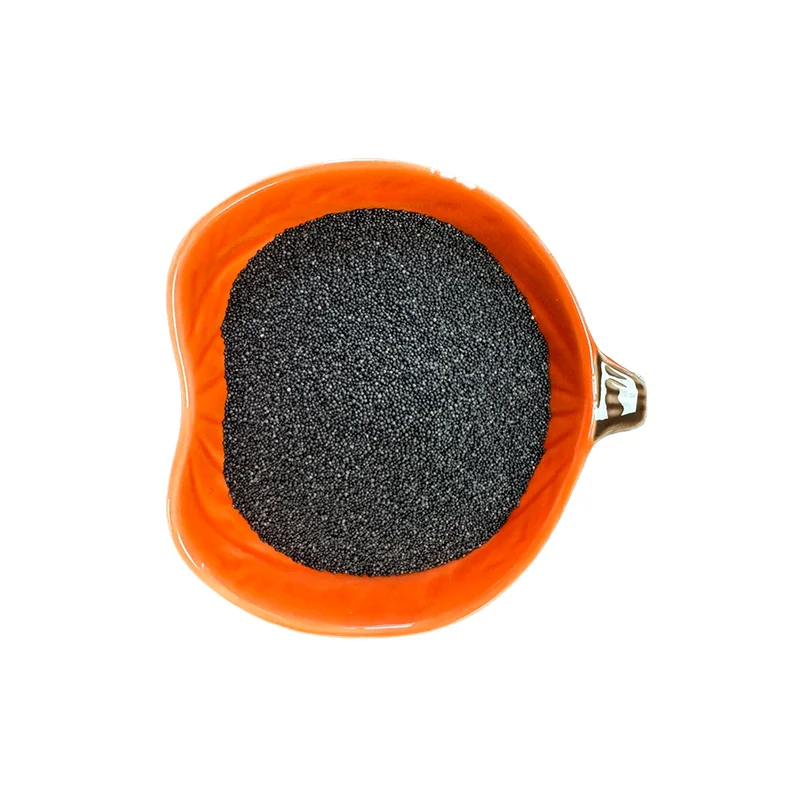
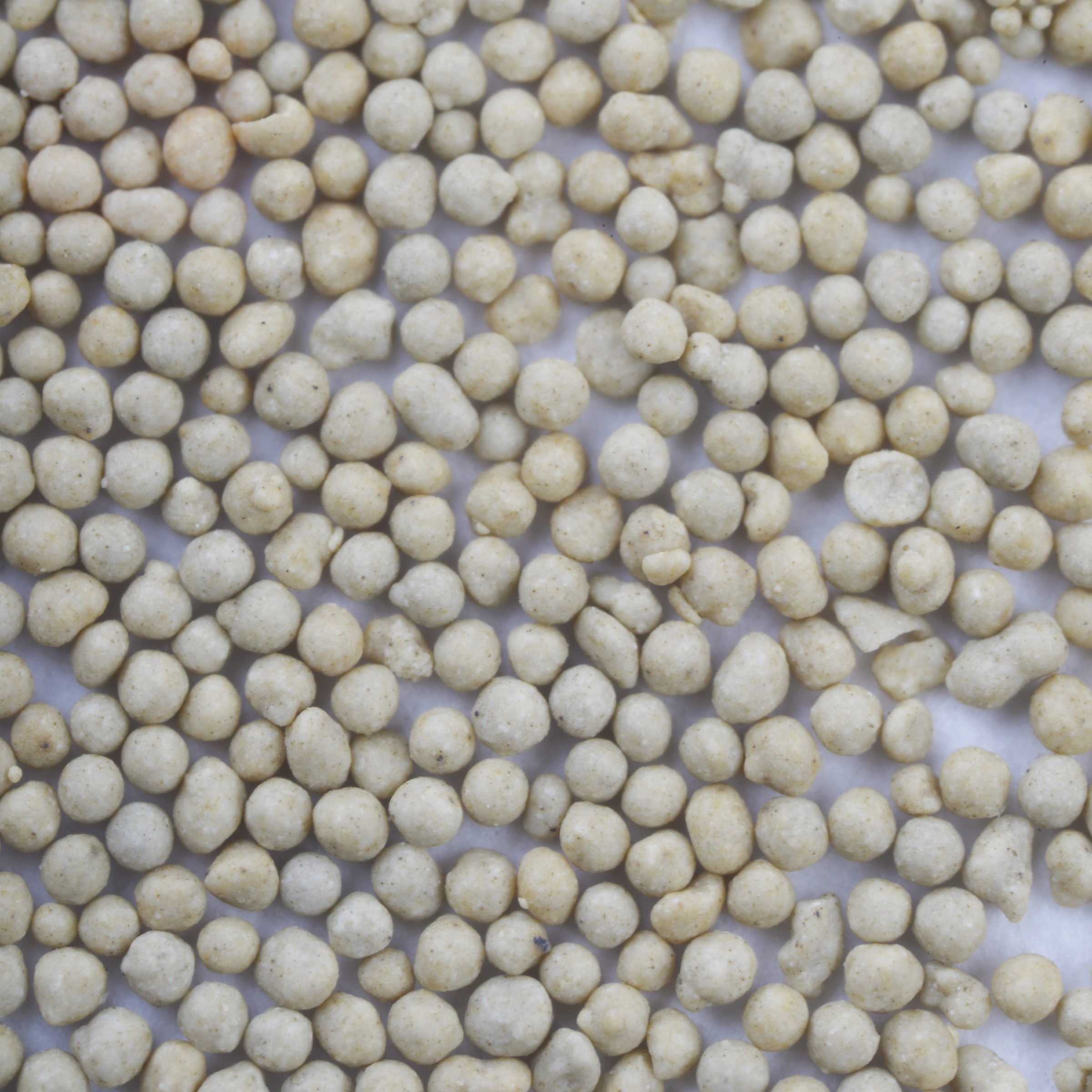
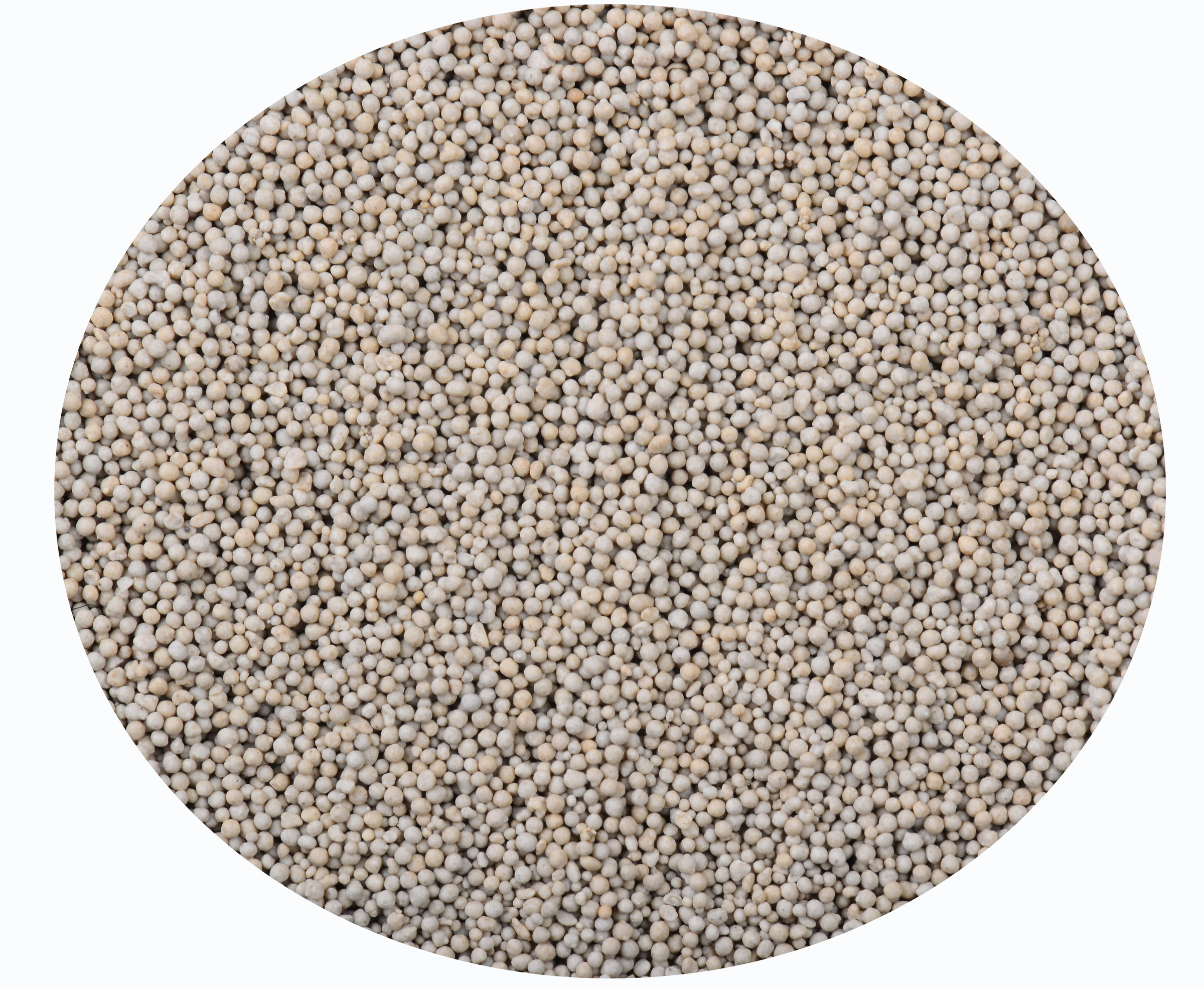
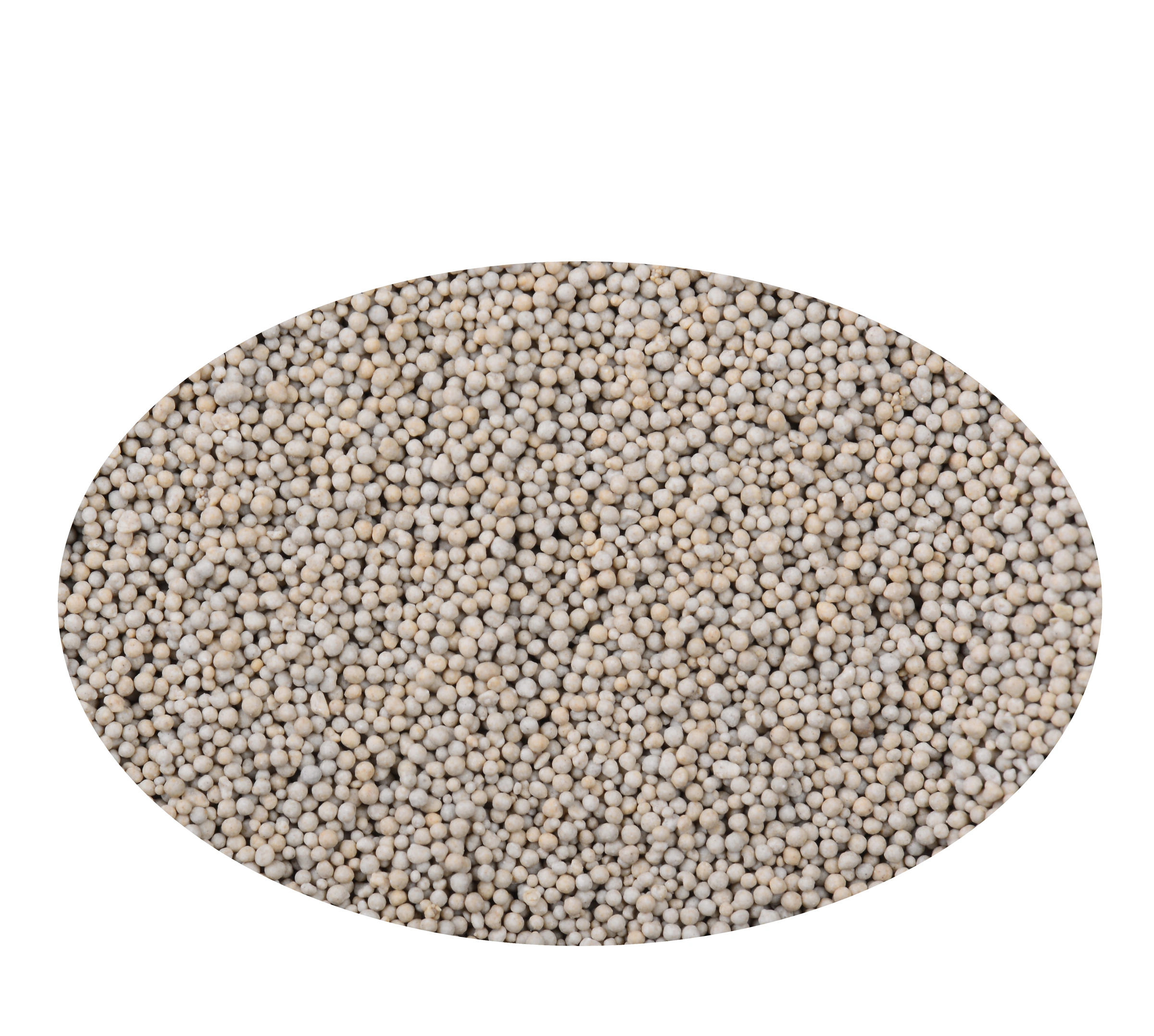
Product nameFoundry Ceramic SandColorbrown
-
Thermal expansion4.5-6.5*10-6/KAngular Coefficient≤1.1
-
Loss on Ignition<0.1%mesh range20-270mesh
-
Refractoriness≥1800℃Bulk density1.50-1.65g/cm3
-
ApplicationSand CastingCertificateISO9001
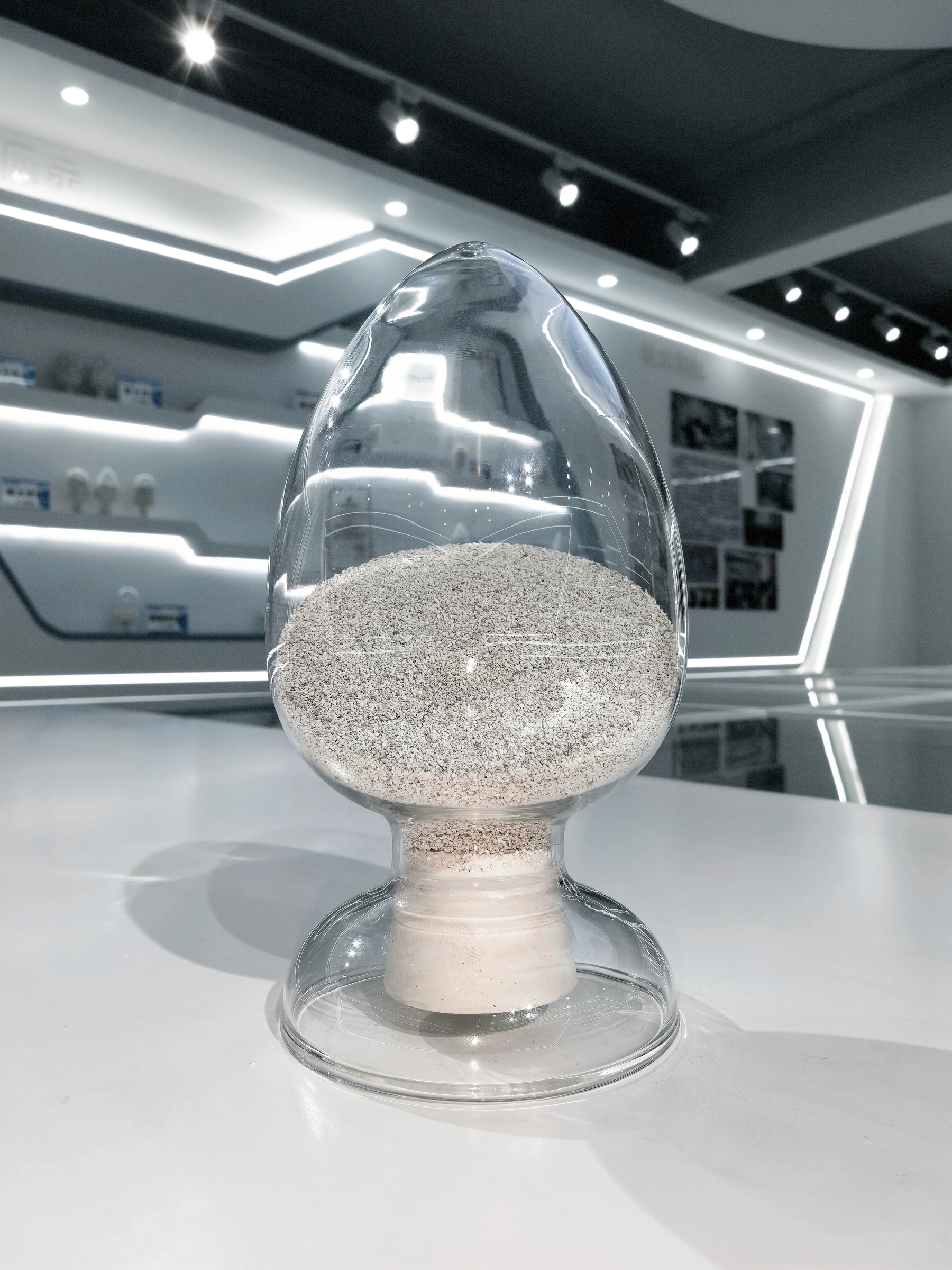
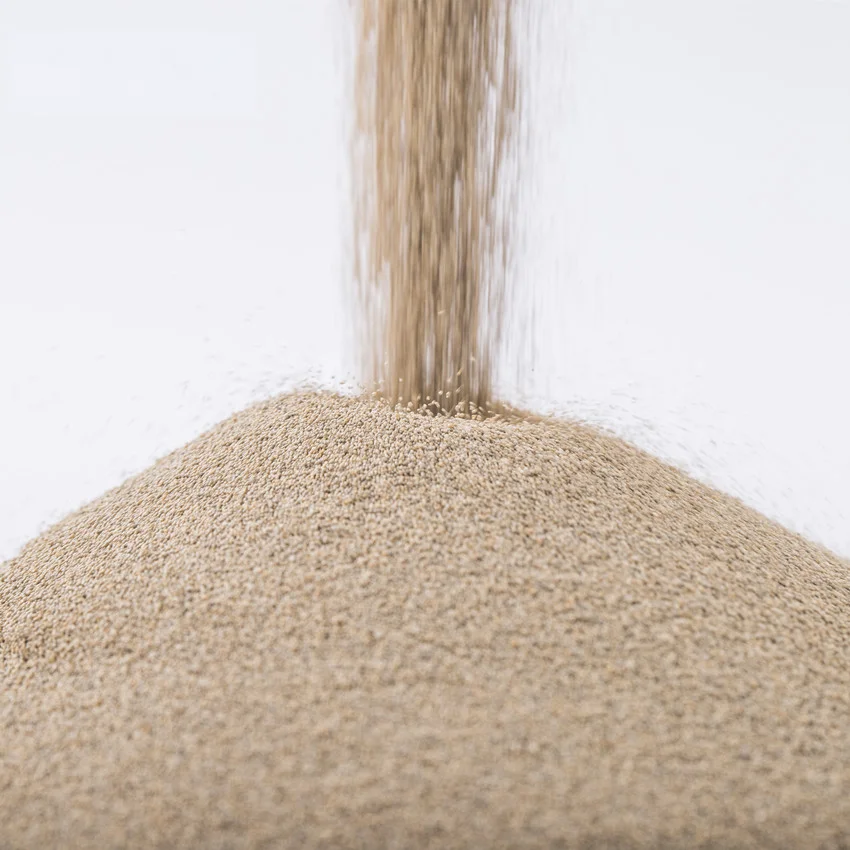
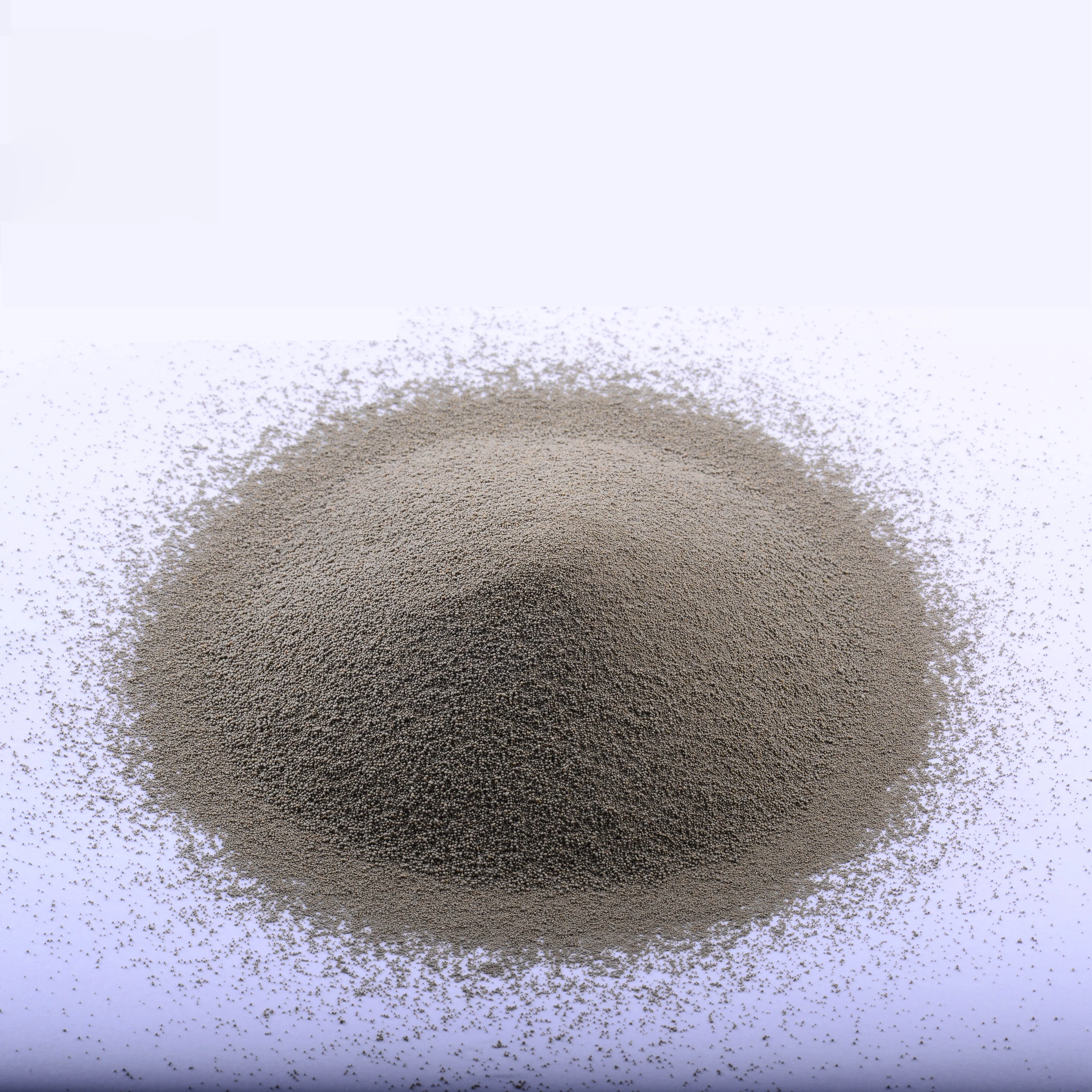
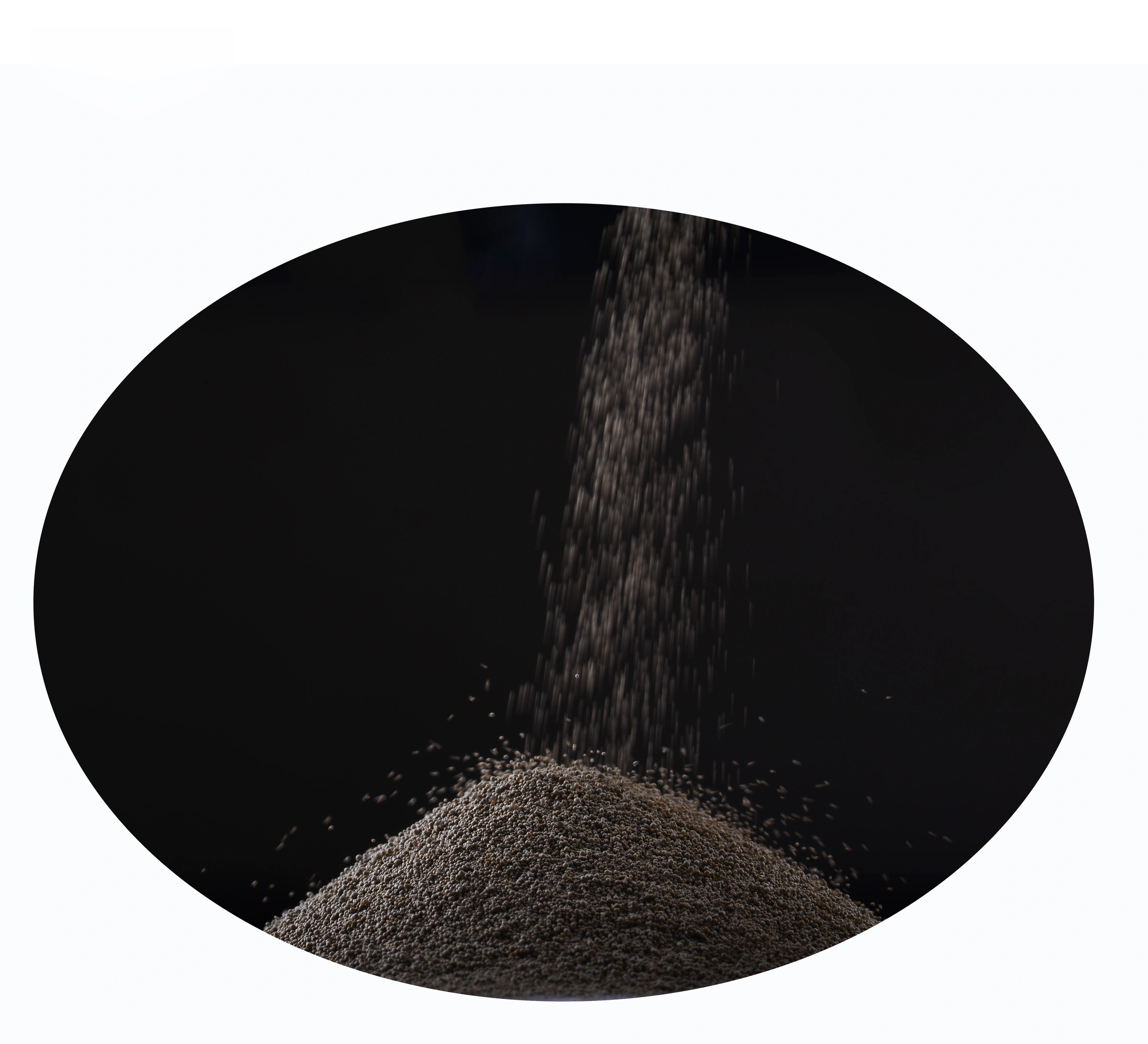
Brown foundry ceramic sand is offered for precision metal-casting enquiries, including investment-casting requests and sand-casting applications. The required material role should be identified with the molding, core or shell process before a particular grading is selected.
Define how the ceramic sand will be used
For investment casting, describe the intended role and the binder or shell-system requirements relevant to that request. For sand casting, identify the mold or core system and the casting alloy. This application brief lets the proposed material be evaluated against the process in which it will actually be used.
Select the grading and property acceptance
The stated mesh range is 20–270. Specify the particle-size distribution and grading method required for the selected supply. Material references include refractoriness of at least 1800°C, thermal expansion of 4.5–6.5 × 10^-6/K and angular coefficient at most 1.1, with the relevant test conditions to accompany the comparison.
- Identify the investment-casting or sand-casting material role.
- Define the binder, shell, mold or core-system conditions.
- Specify the required distribution within 20–270 mesh.
- Set the thermal-property and incoming acceptance checks.
- State quantity and batch-document requirements.
Keep batch information tied to the selected grade
Loss on ignition is below 0.1%, and bulk-density data can be included in the material-acceptance brief. Request applicable ISO9001 supplier documentation and scope. Keep the accepted grading, test methods and process conditions with the order so subsequent supply can be compared against the same selected-grade requirements.