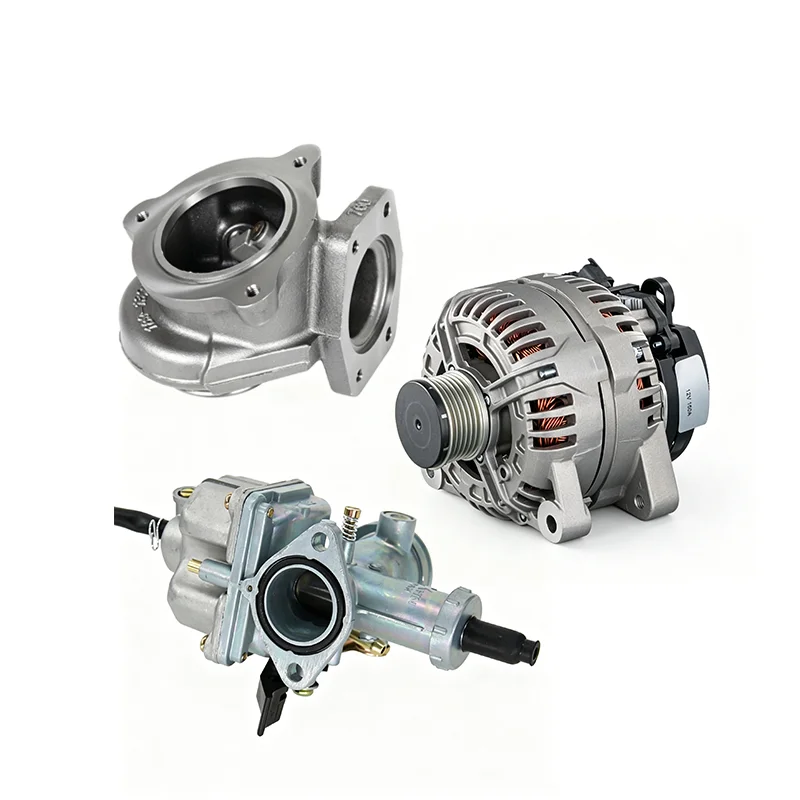
Custom 316L Stainless Steel Sand Casting and Precision Machining with Polished Surface One Stop Enquiries
Direct factory support
Get a quote that fits your project
Send your drawing or product reference, material grade and required quantity. Relia will review the requirements with you.
- Drawing & specification review
Confirm the supply scope and critical requirements.
- Samples before custom production
Review inspected samples before approving a batch.
- Inspection documents
Agree material and dimensional records for your part.
-
Surface treatmentPolishing
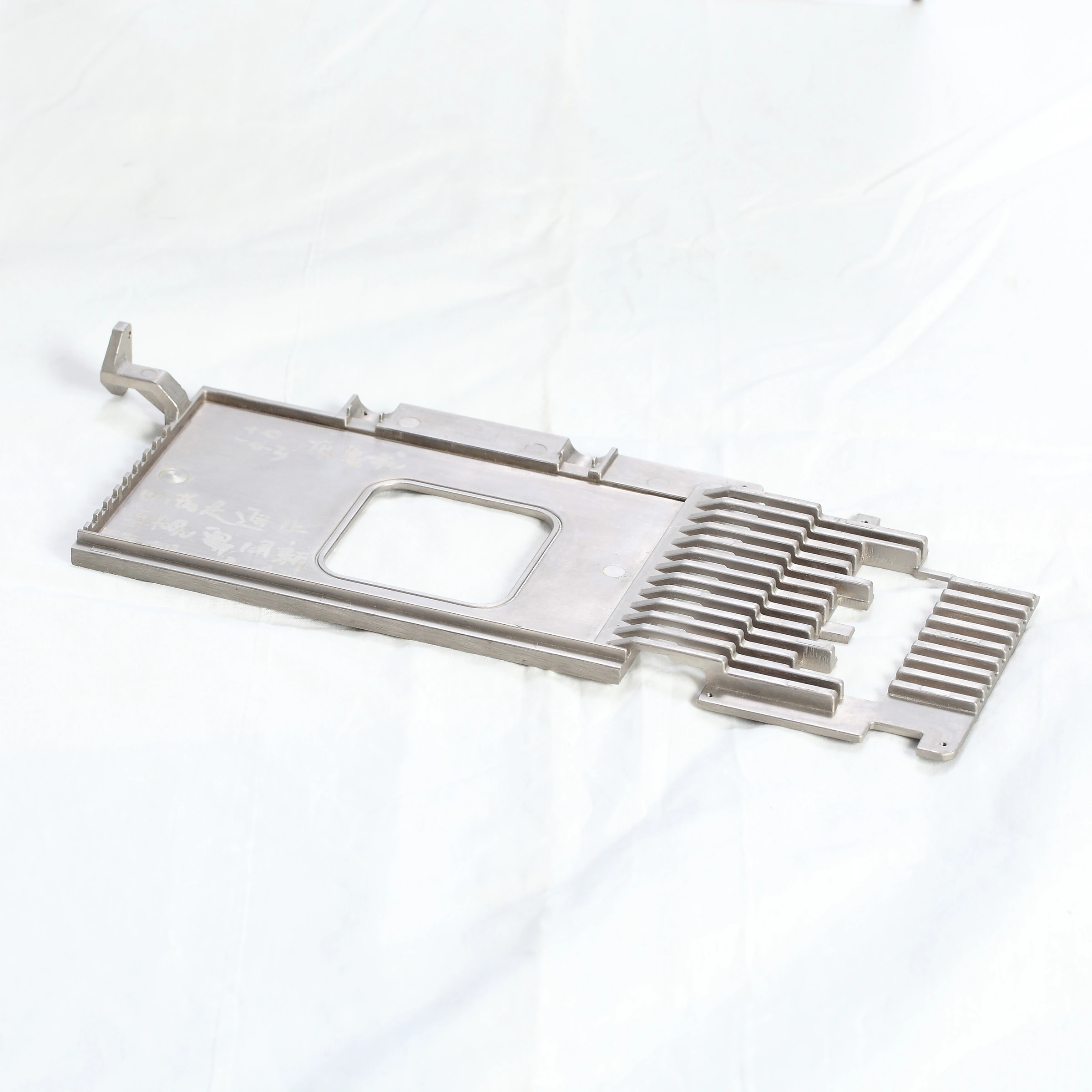
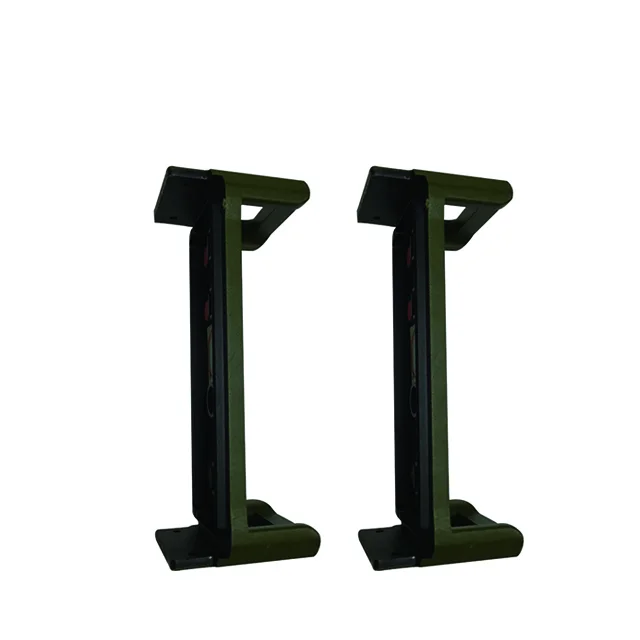
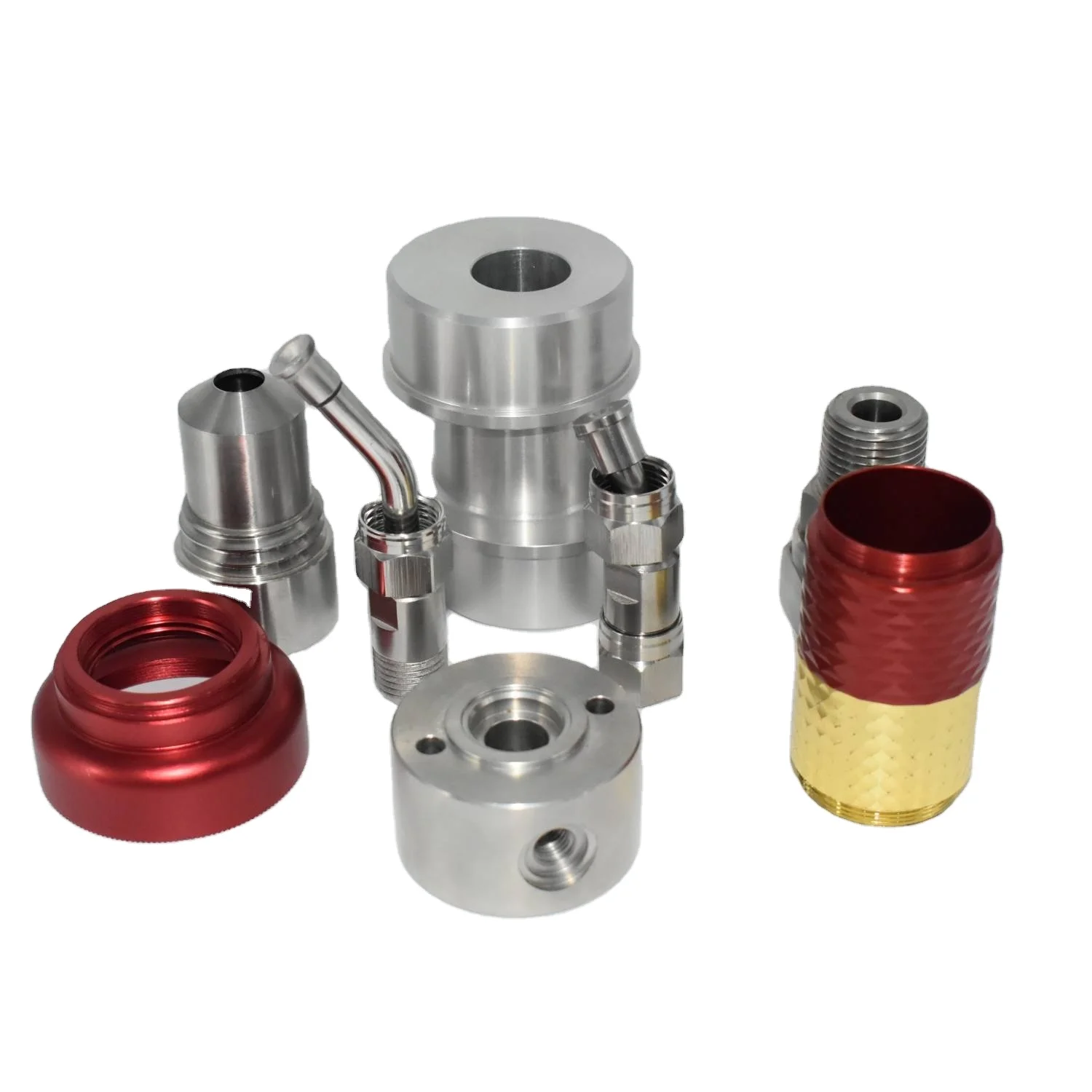
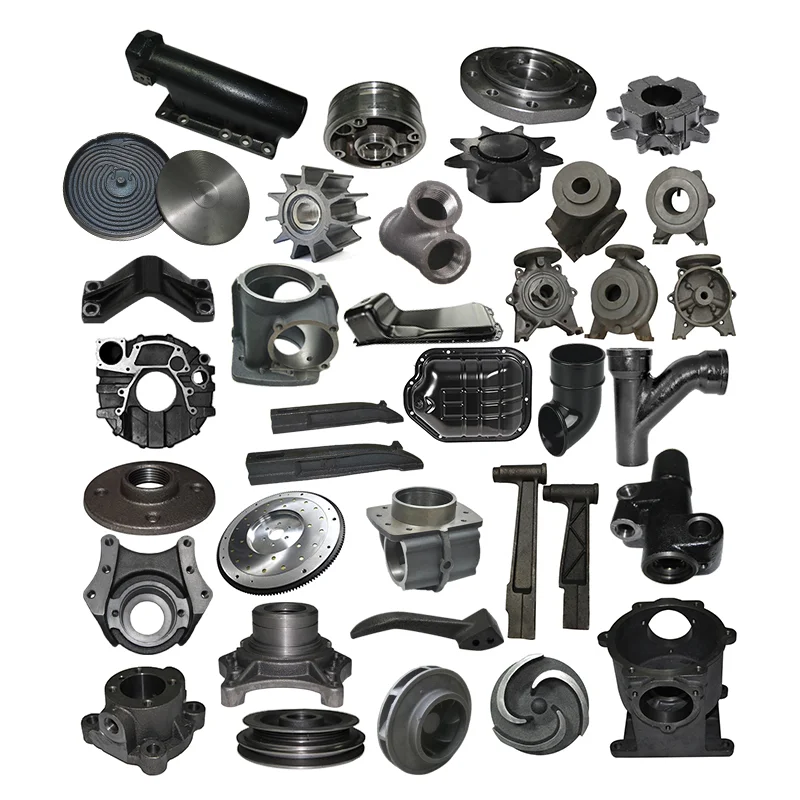
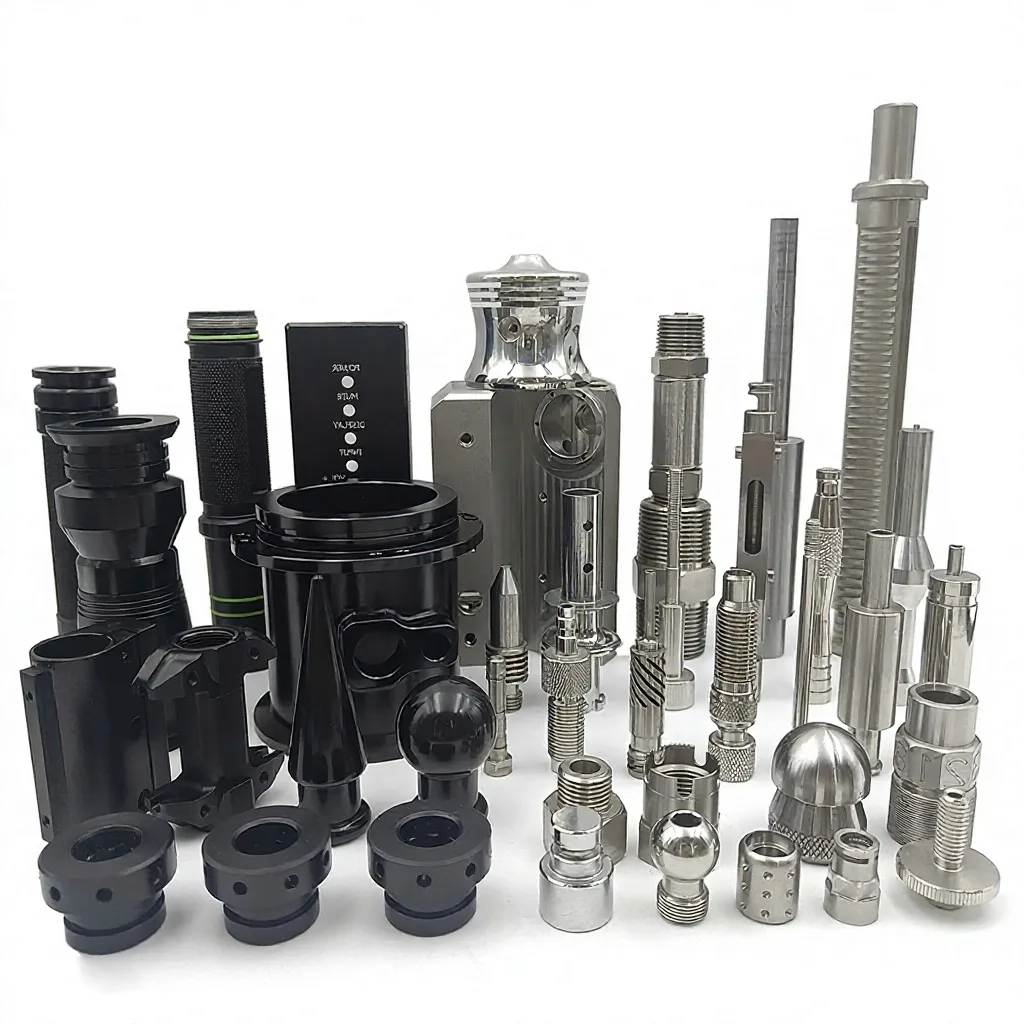
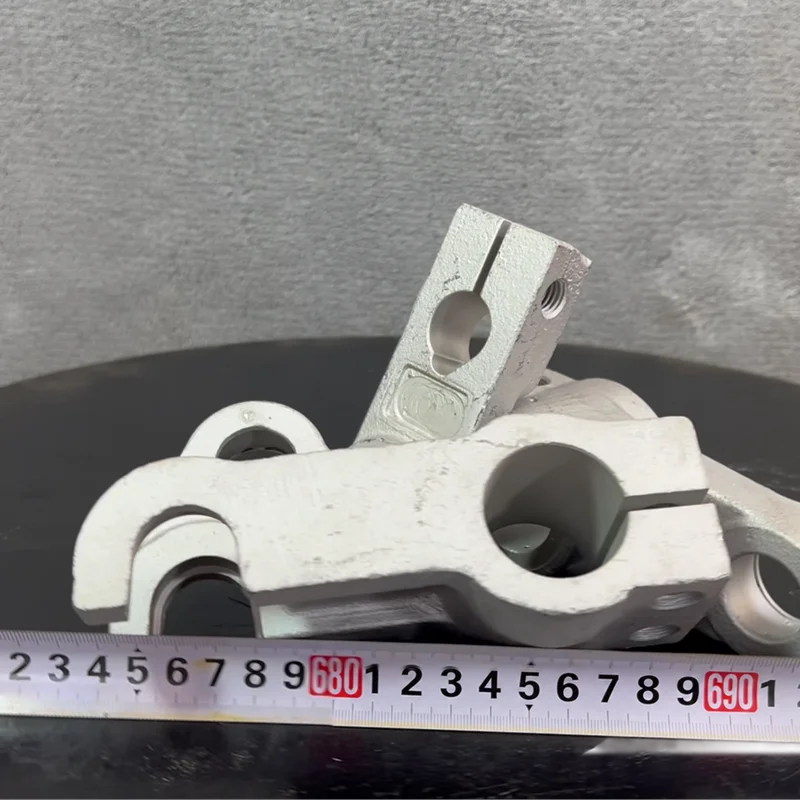
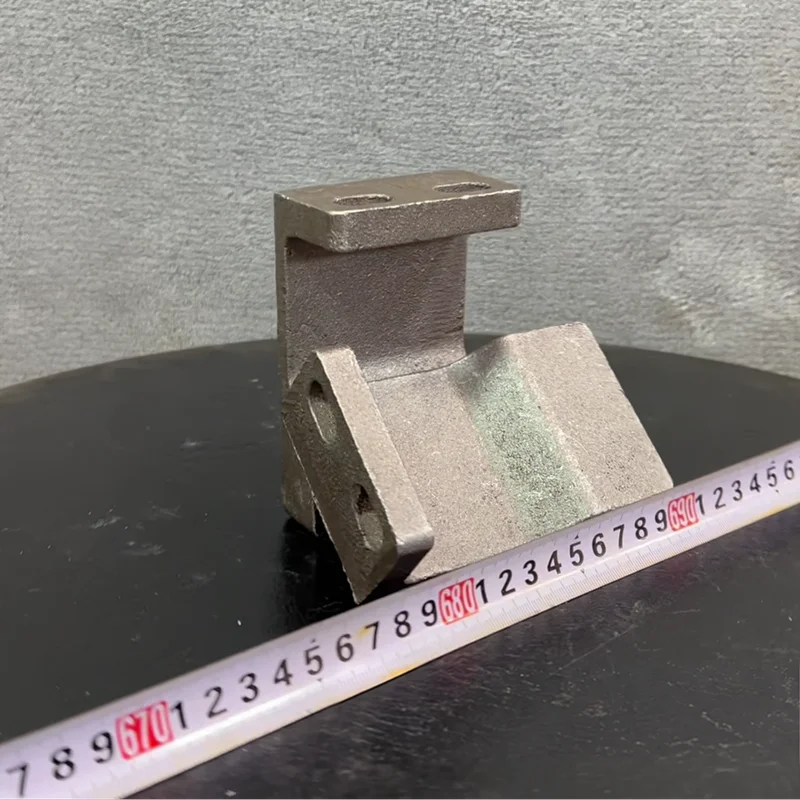
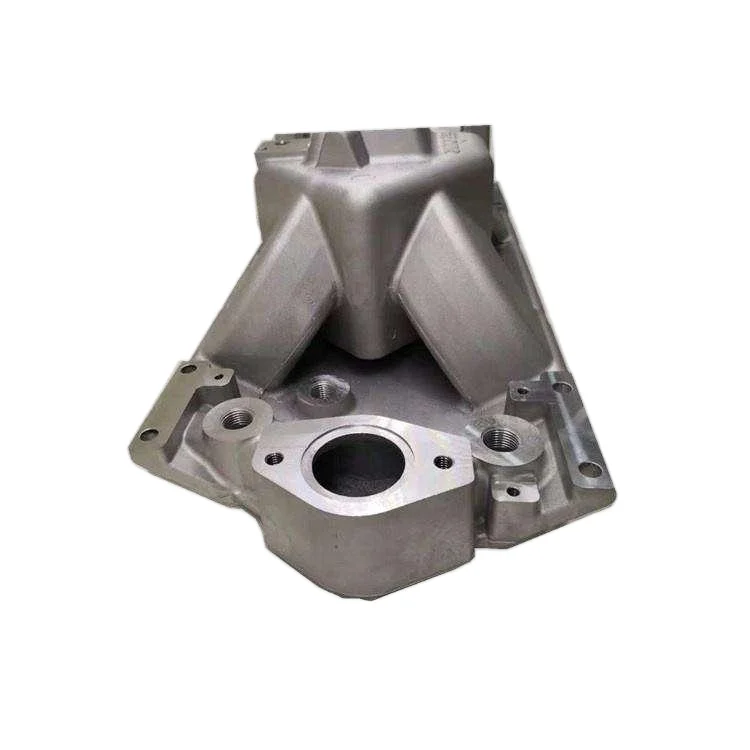
Custom 316L stainless-steel enquiries cover sand casting and machining with polished surfaces. A one-stop request should define the complete part drawing, required material specification and final component condition. Use the component’s actual function to explain which geometry and surface areas determine acceptance.
Locate the machined interfaces
Show the faces, openings and other details that mate with neighboring parts. Mark the datum relationships and limits needed to assess their fit, distinguishing cast surfaces from areas requiring subsequent work. Specify the machining scope requested for those interfaces without relying on a broad precision description.
Describe the polished result
Identify the faces requiring polishing and any areas with a different contact or appearance requirement. Provide a visual reference or measurable surface requirement appropriate to the design. Where polishing affects a fitted interface, state the dimensional acceptance stage and any coverage boundaries needed for the delivered part.
- Provide the controlled revision and quantity.
- State the governing 316L material requirement.
- Mark cast and finished surface boundaries.
- Identify material and dimensional approval records.
- Define sample acceptance for the polished faces.
Connect the quotation to a finished-component definition
Agree the work included between casting and the required supplied state, with the checks and records needed for approval. If a reference component accompanies the drawing, identify what it illustrates and any wear or damage. Keep production acceptance tied to the same geometry, material and surface definition so the order concerns a reproducible finished part.