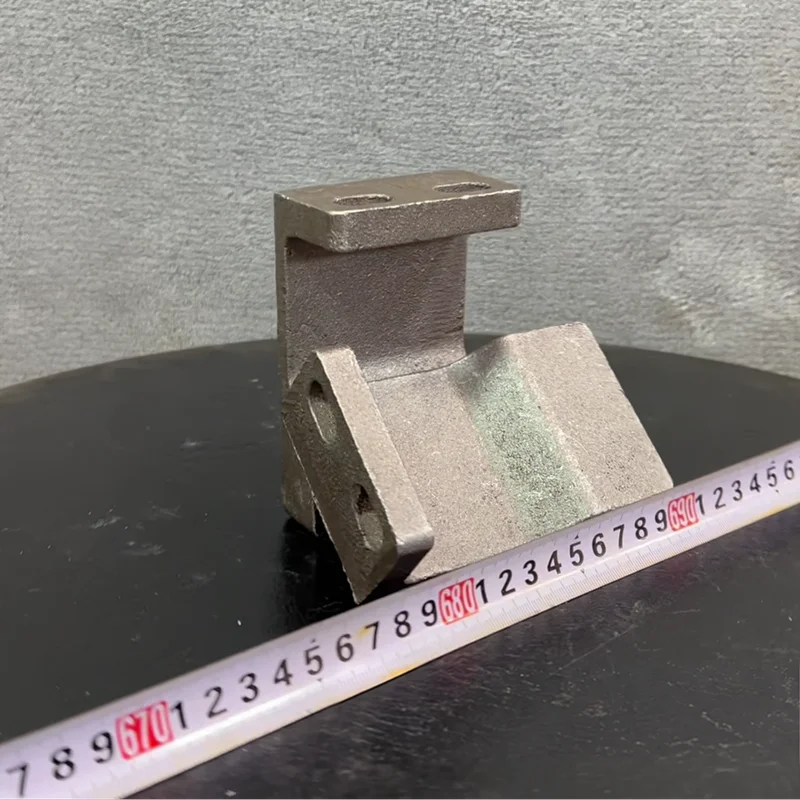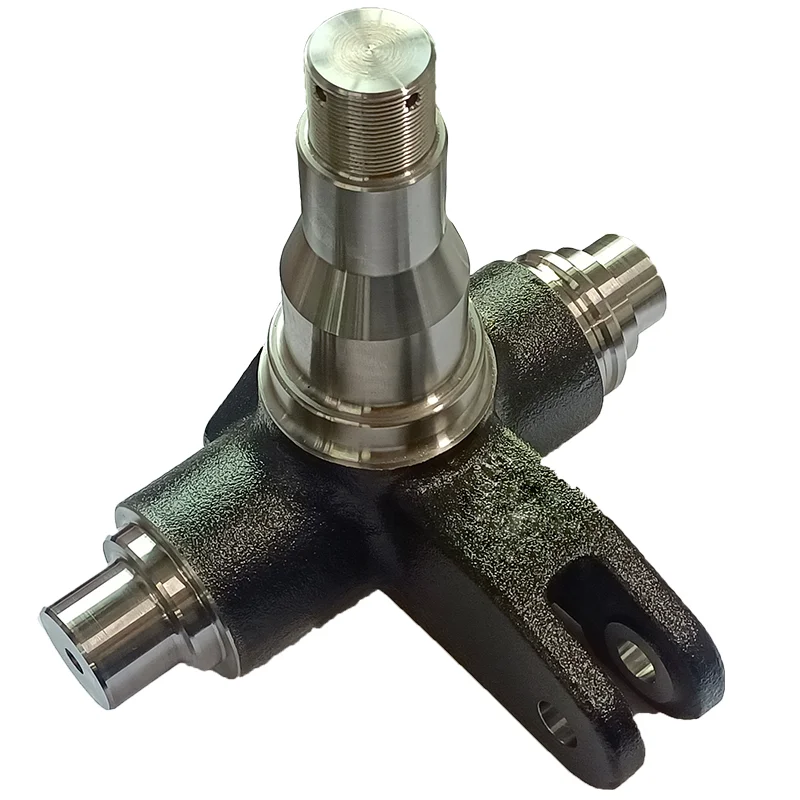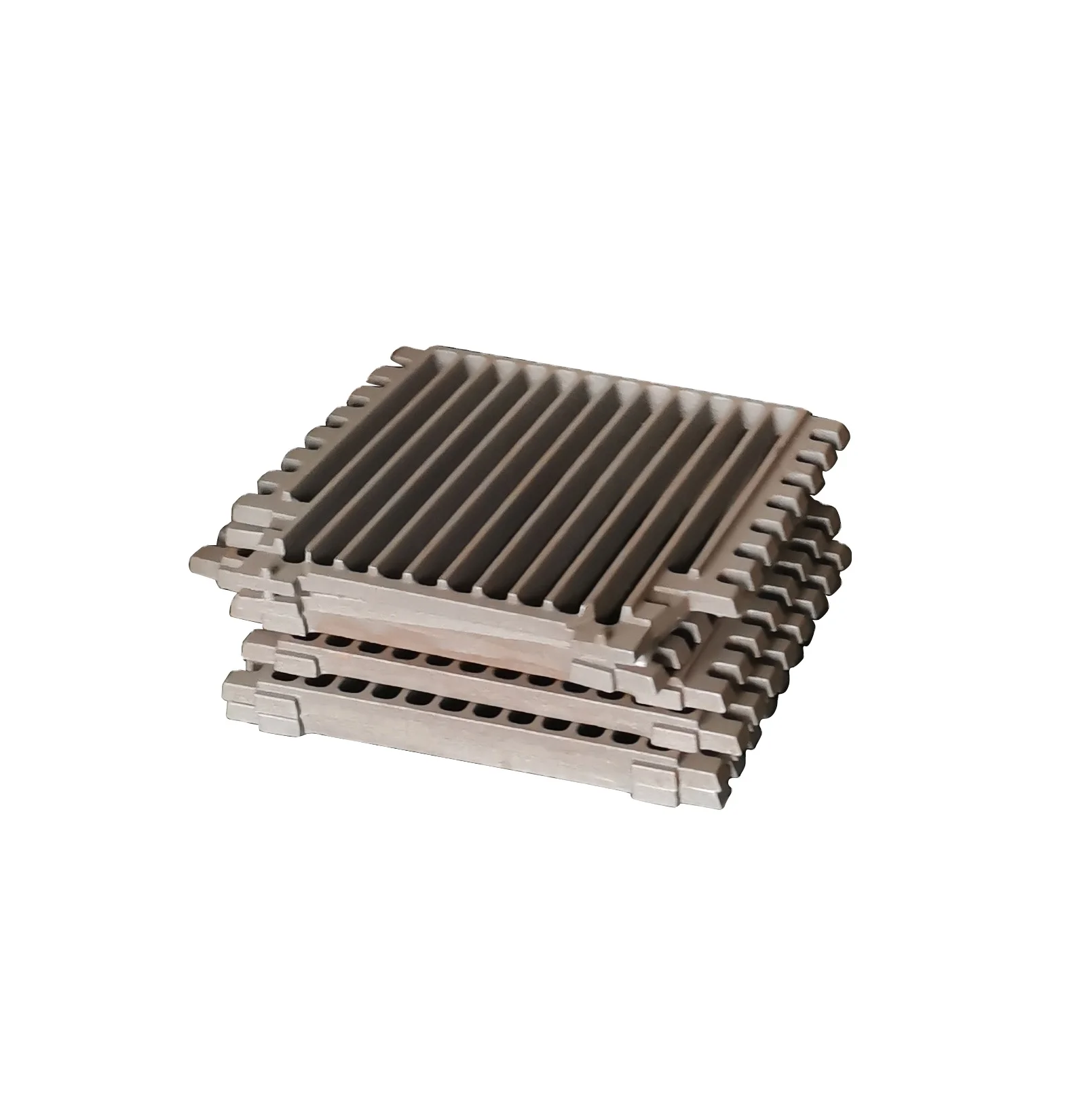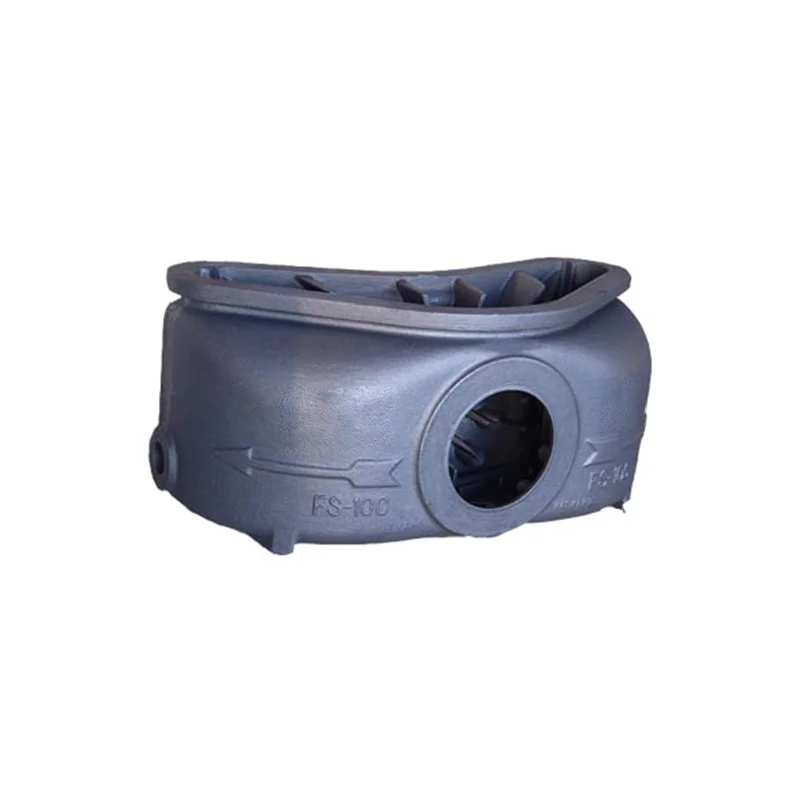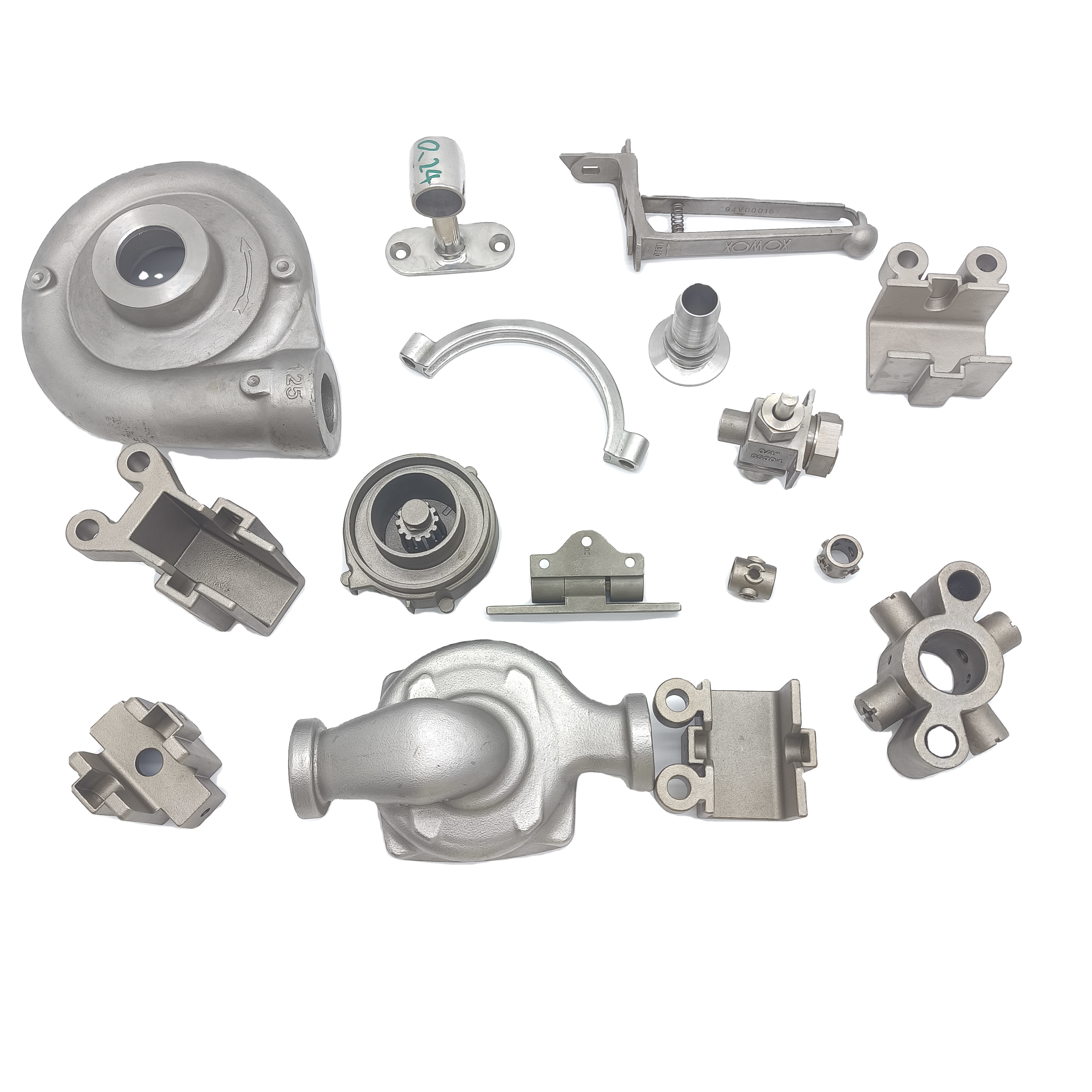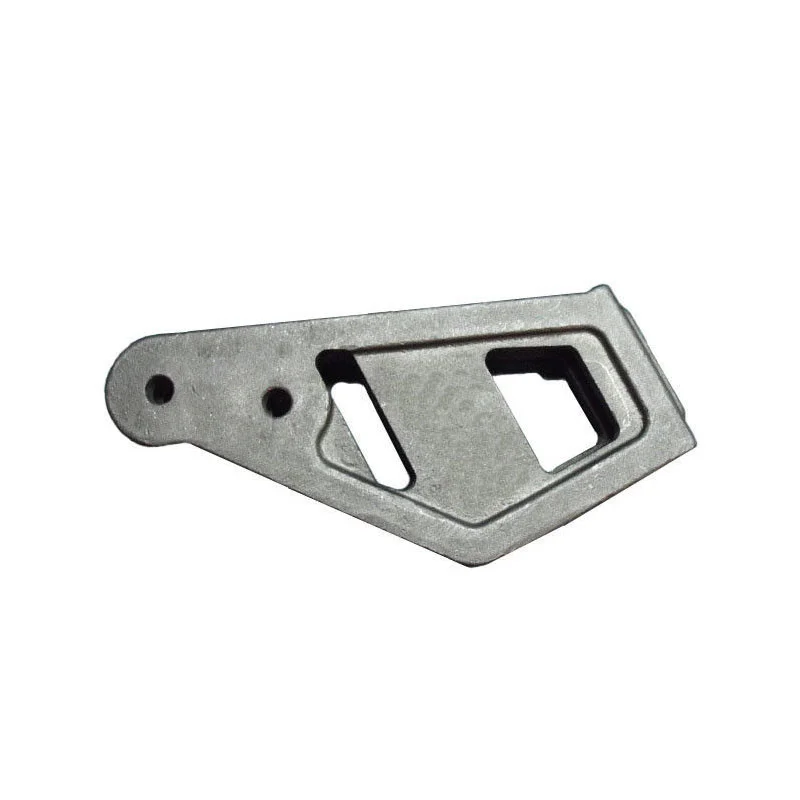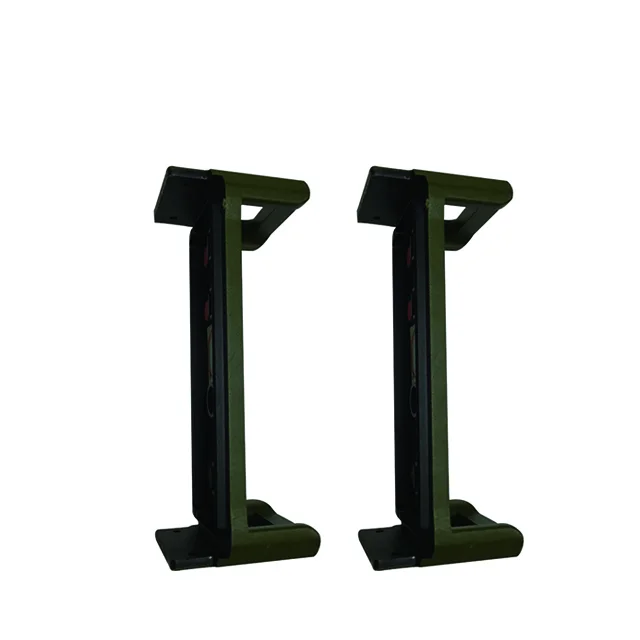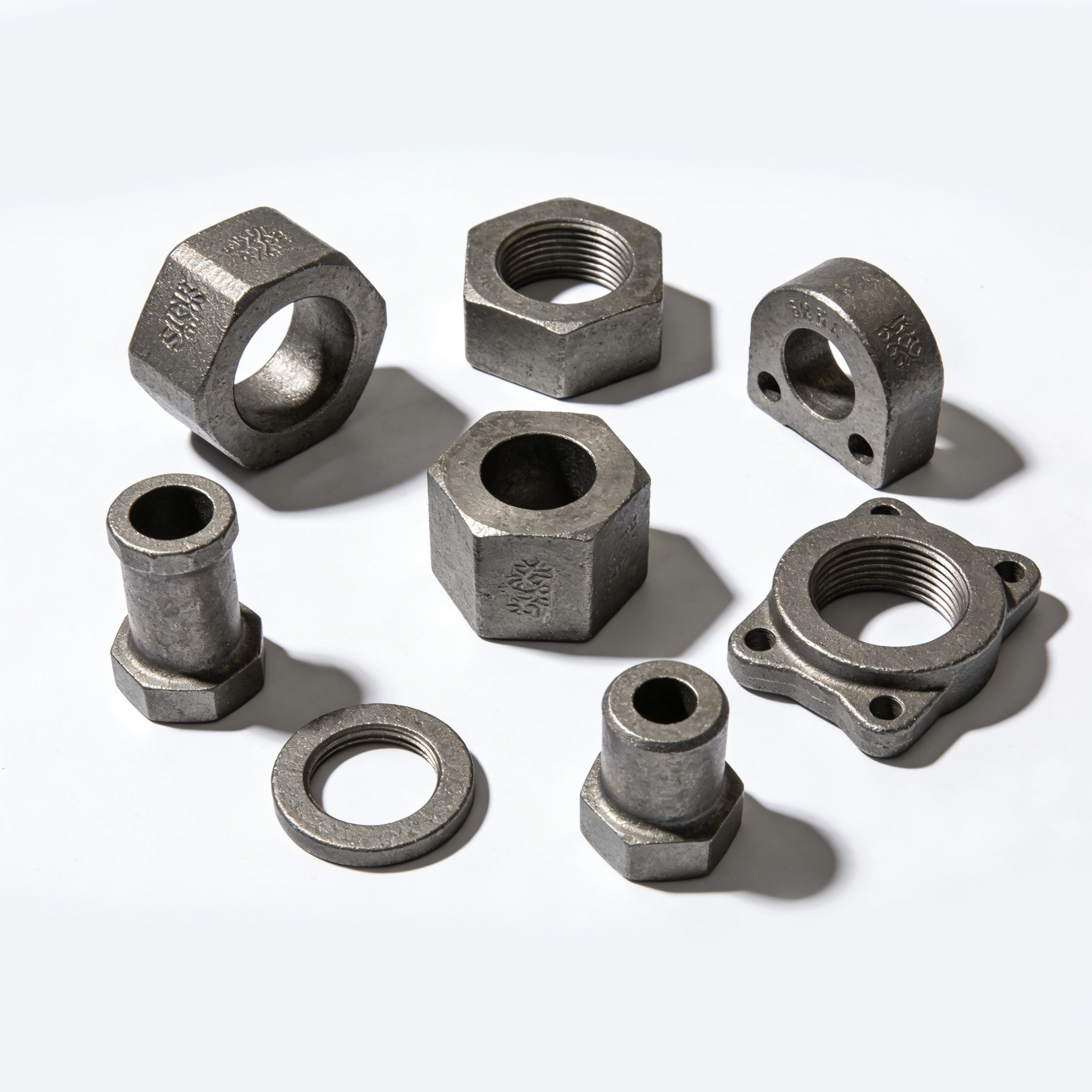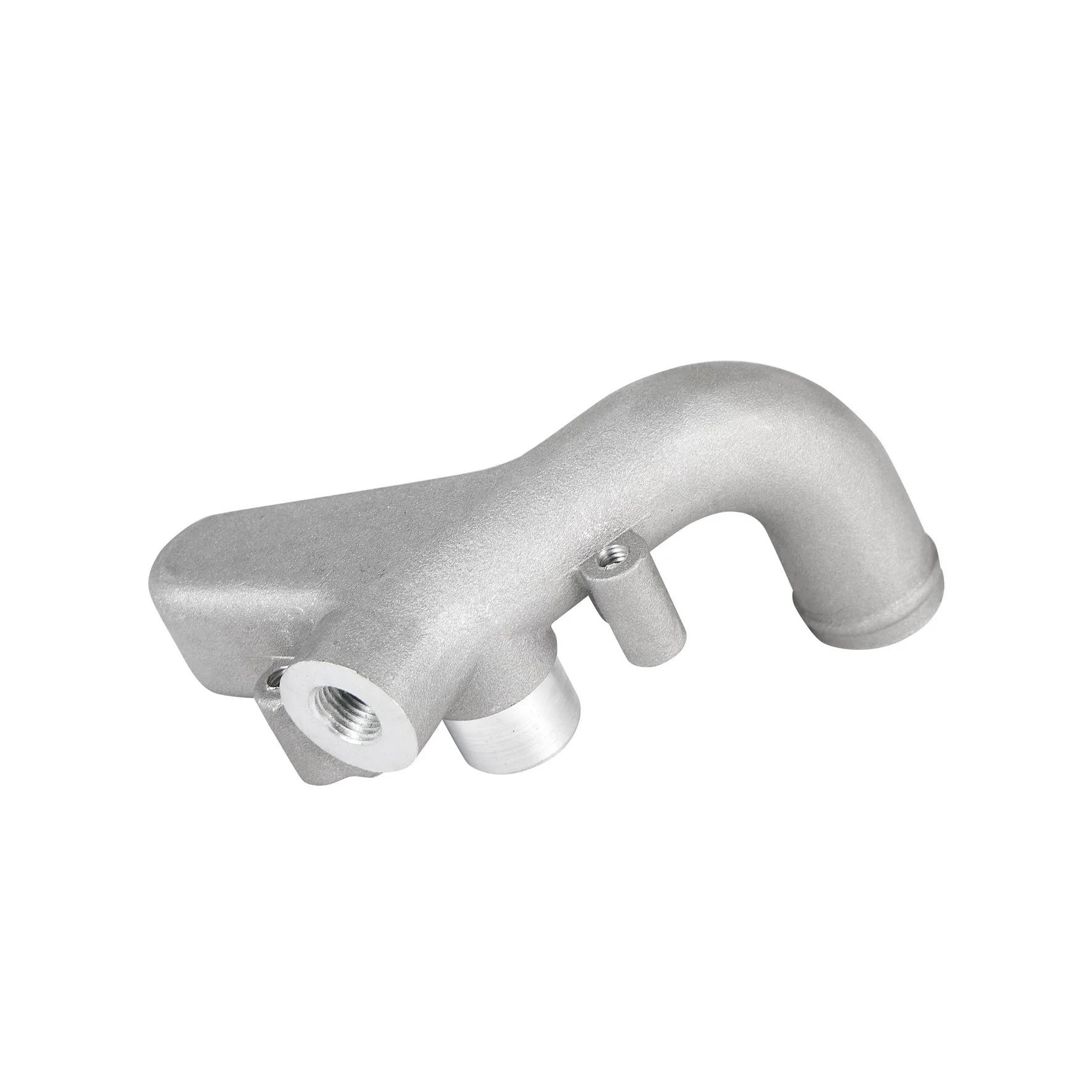
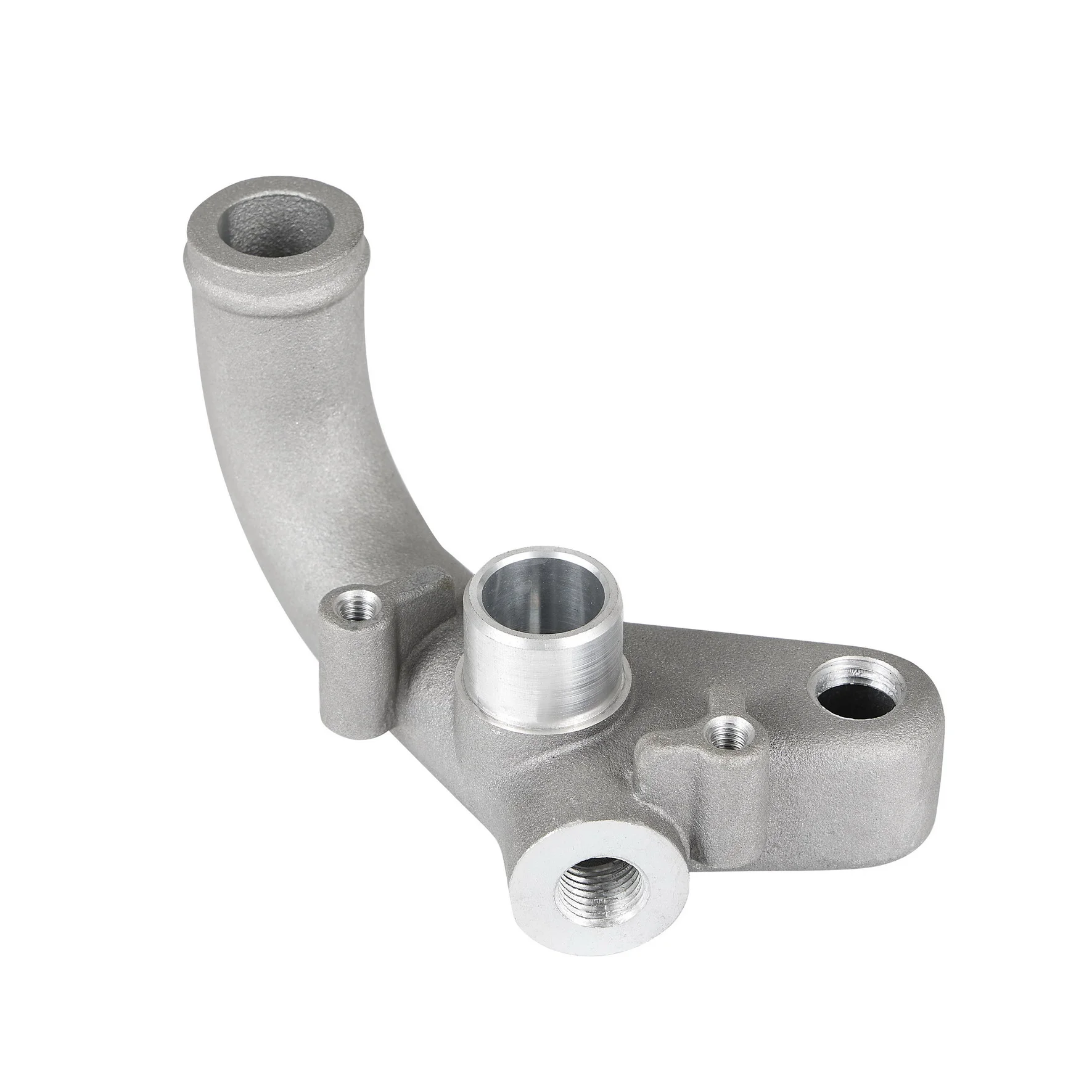
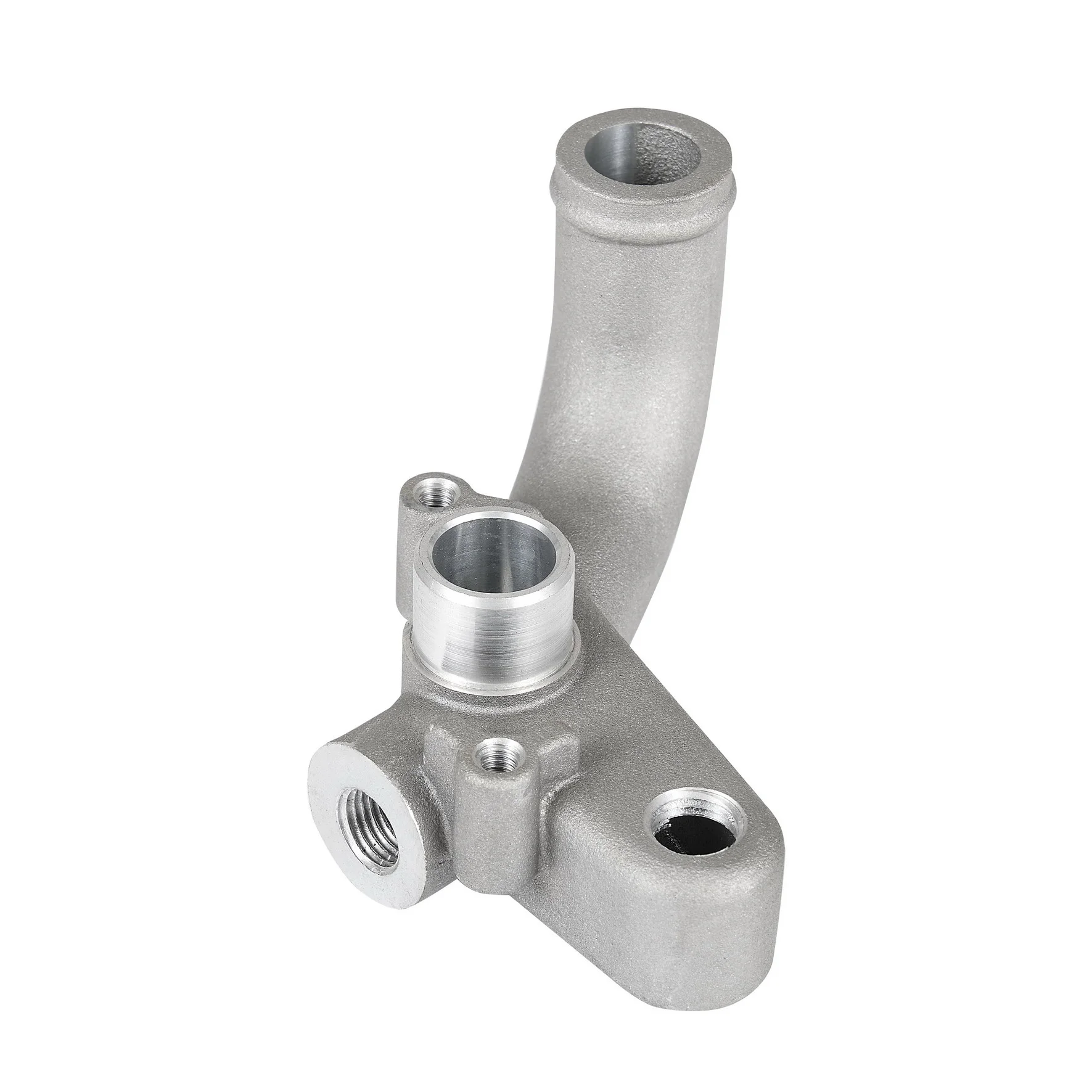
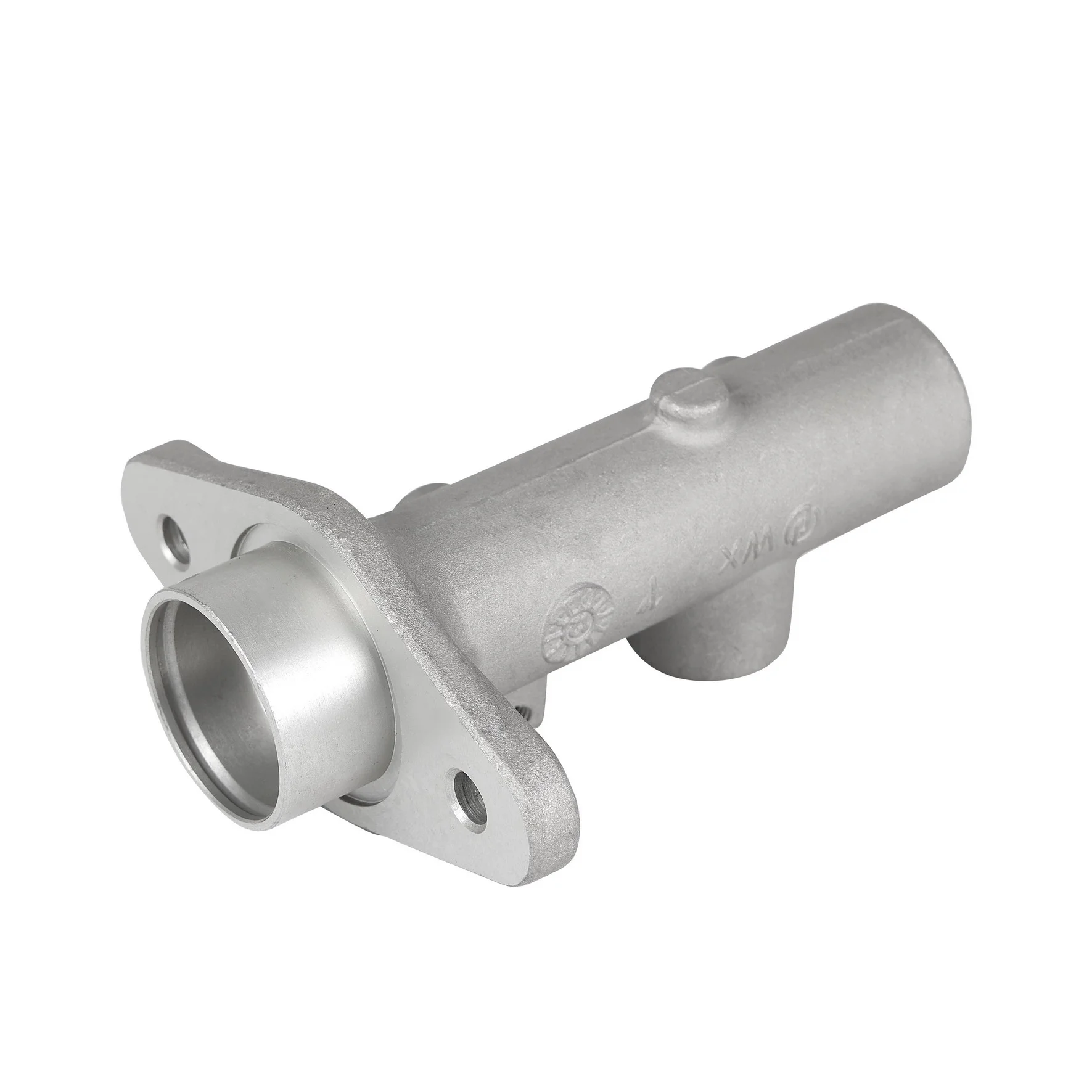
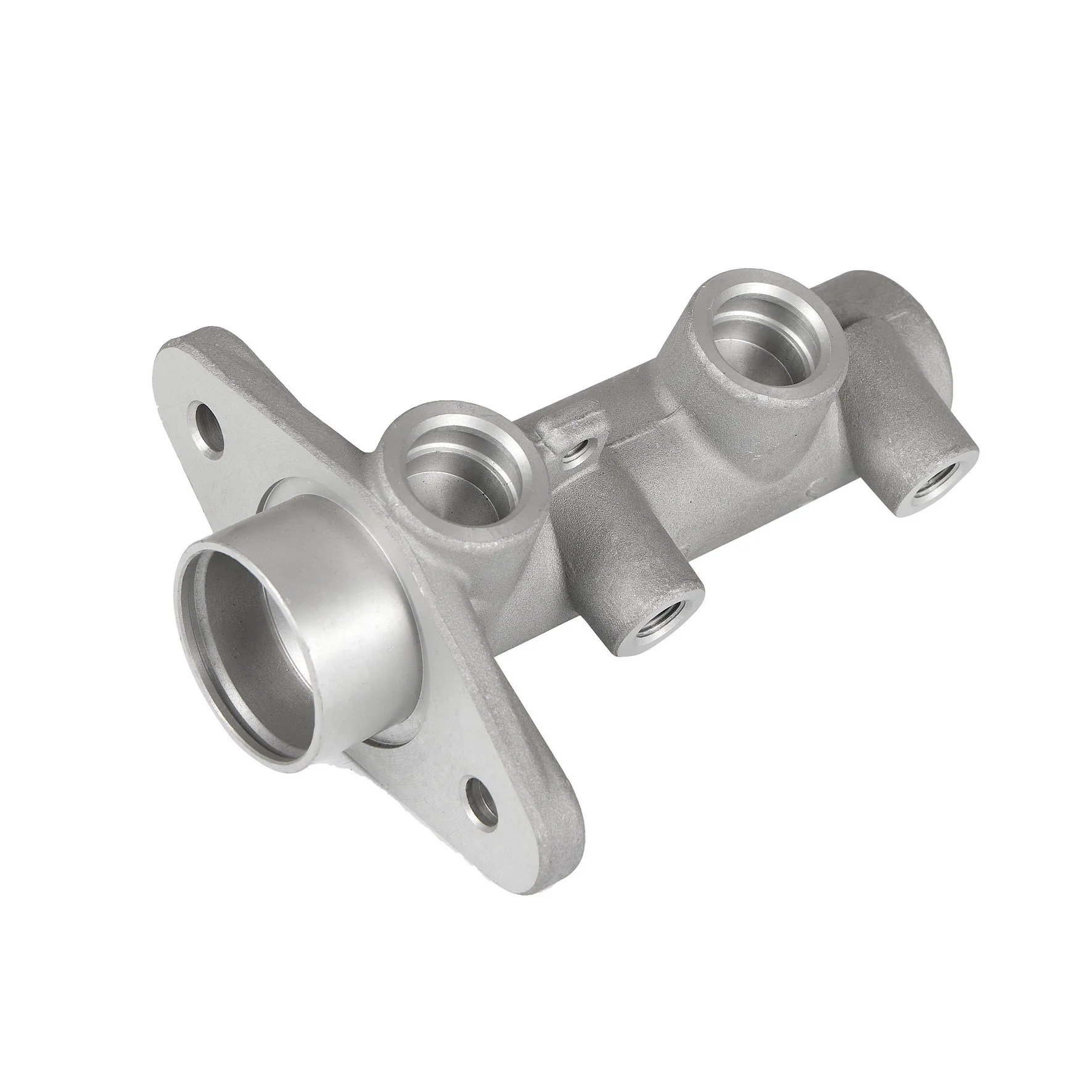
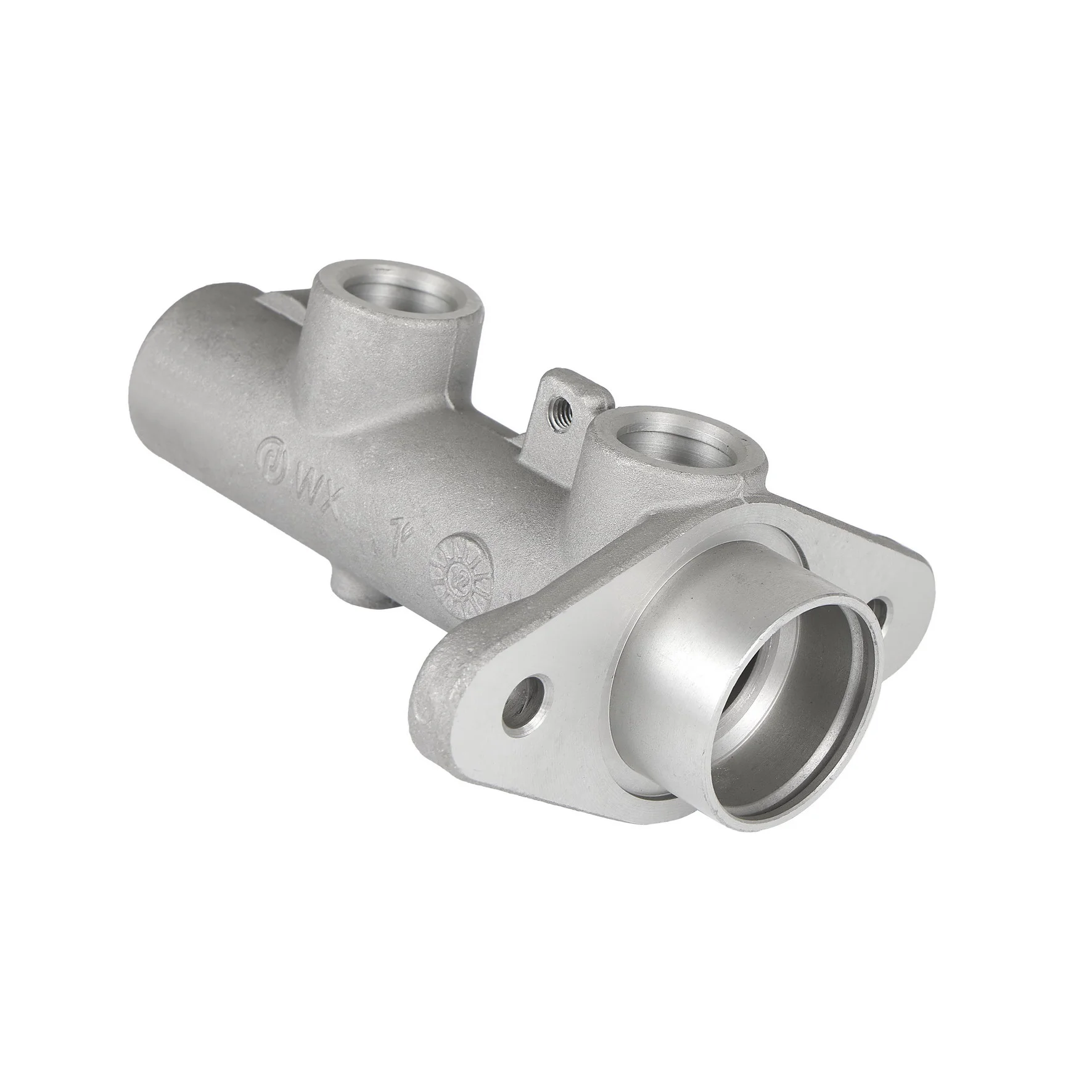
Custom Aluminum Alloy Machinery Spare Parts Sand Cast with CNC Precision Machining and Surface Finishing
Direct factory support
Get a quote that fits your project
Send your drawing or product reference, material grade and required quantity. Relia will review the requirements with you.
- Drawing & specification review
Confirm the supply scope and critical requirements.
- Samples before custom production
Review inspected samples before approving a batch.
- Inspection documents
Agree material and dimensional records for your part.
-
Machining ProcessSand Casting
-
KeywordCNC Precision MachiningSurface treatmentSandblasting, painting, polishing or as customer's requirements
-
MaterialAluminum AlloyServiceOEM ODM Customized
-
StandardGB ASTM AISI DIN BSCertificationISO 9001:2015
OEM and ODM aluminum-alloy machinery spare-part enquiries combine sand casting with CNC precision machining. Select the complete alloy and required material condition for the actual replacement or new component. The drawing should define the geometry used for both manufacturing review and final approval.
Identify the spare’s functional interfaces
Show the mounting and mating surfaces that determine interchangeability with adjoining parts. Mark the dimensions that must remain fixed and the datums used to measure them. Where an existing part is a reference, note wear or damage so it does not become the required replacement geometry.
- Provide the controlled drawing revision and order quantity.
- State the complete grade and governing material requirement.
- Mark cast areas and CNC-finished interfaces.
- Define material, dimensional and surface acceptance records.
Select the delivered surface
Sandblasting, painting, polishing or customer-requested treatments are named choices. Specify the selected process, coverage and any masking at contact or locating areas. The finish requirement should identify both the appearance of exposed surfaces and the condition needed for assembly.
Name the standards and qualification scope
GB, ASTM, AISI, DIN and BS are standard families requiring the applicable documents and editions for the part. Identify actual ISO9001:2015 qualification information and supplier scope alongside the component inspection requirements. Any sample approval should use the same drawing revision, alloy and supplied condition that will govern subsequent production, including the selected finishing boundaries.