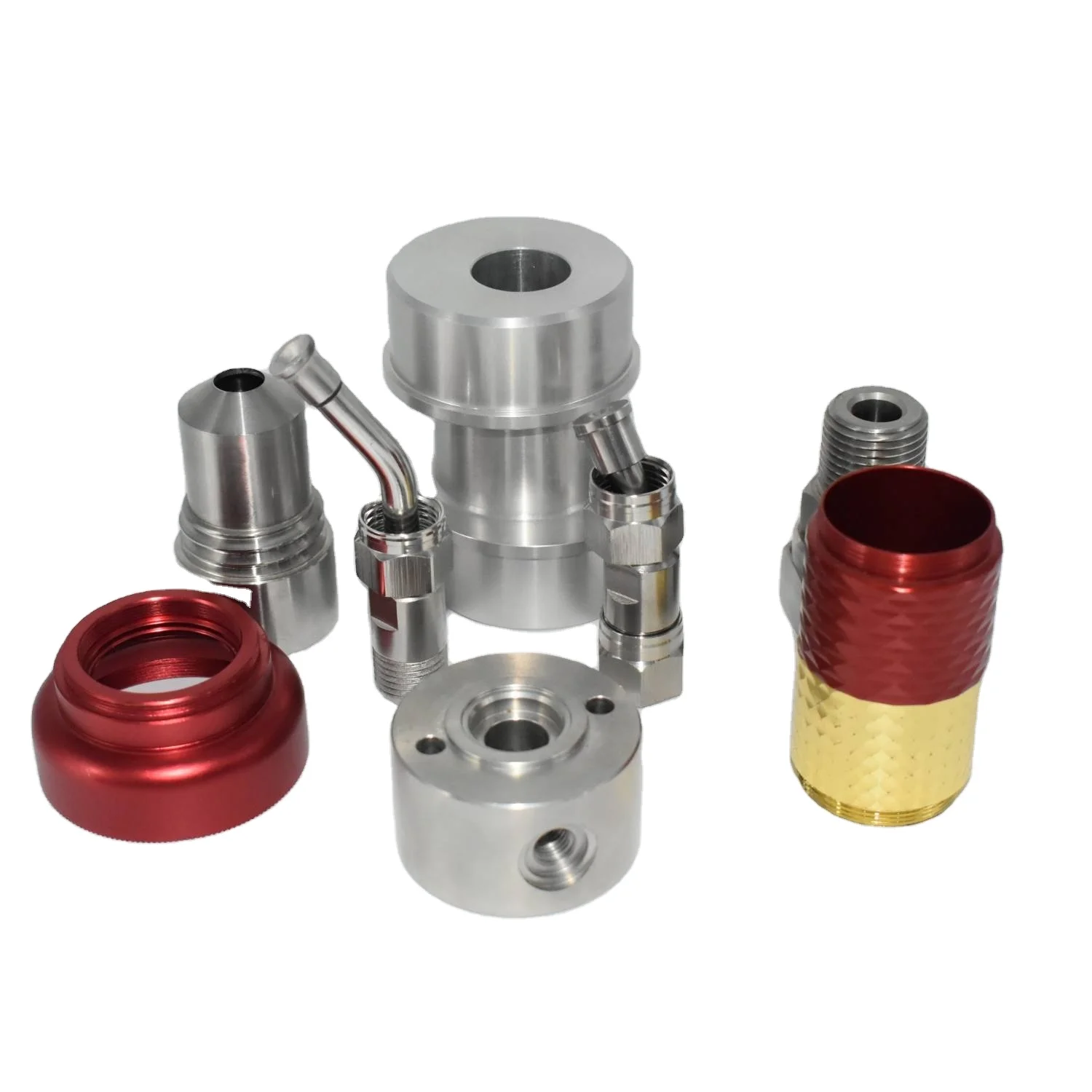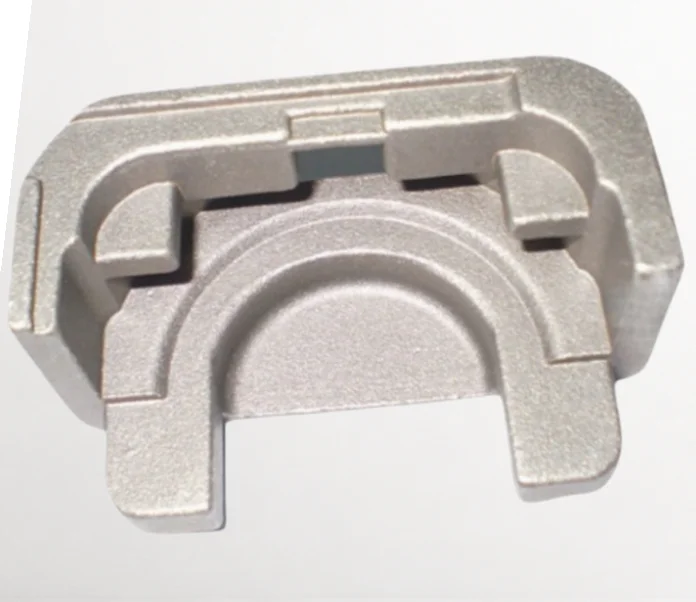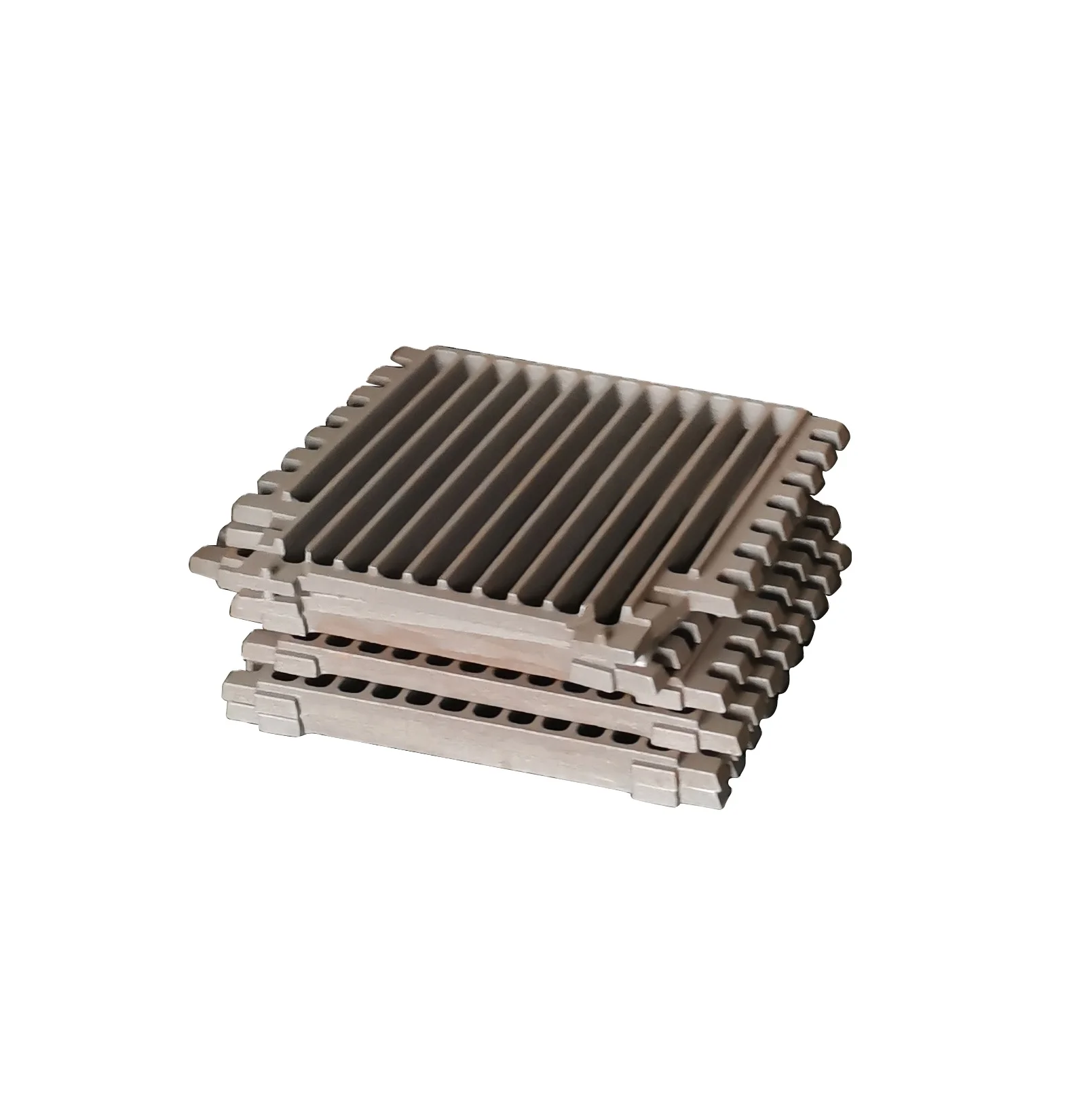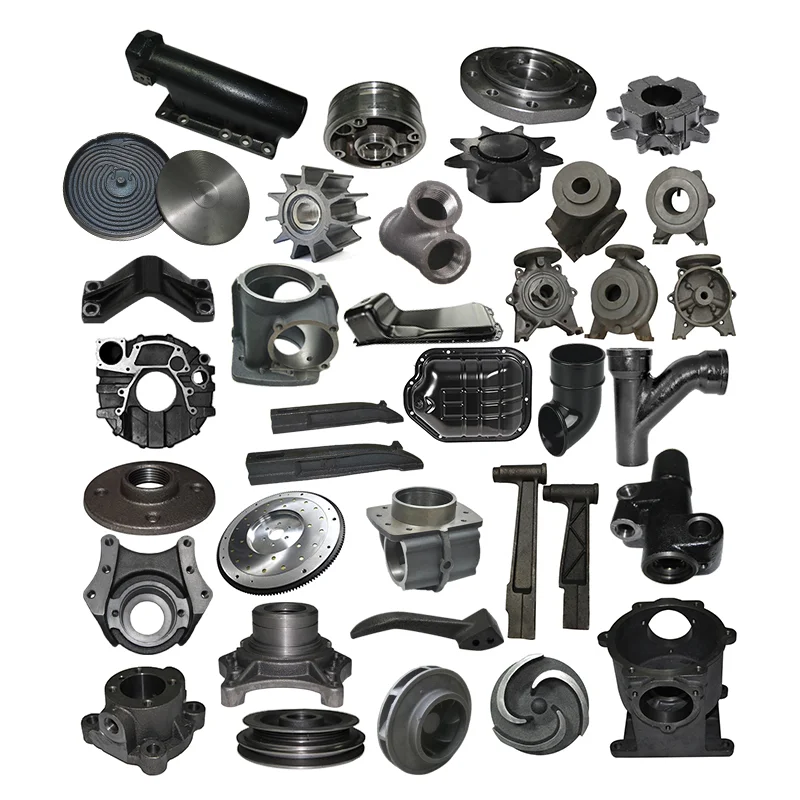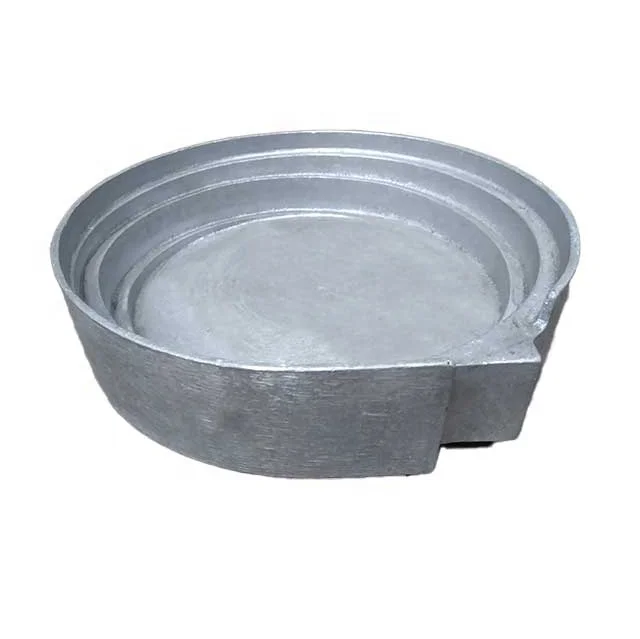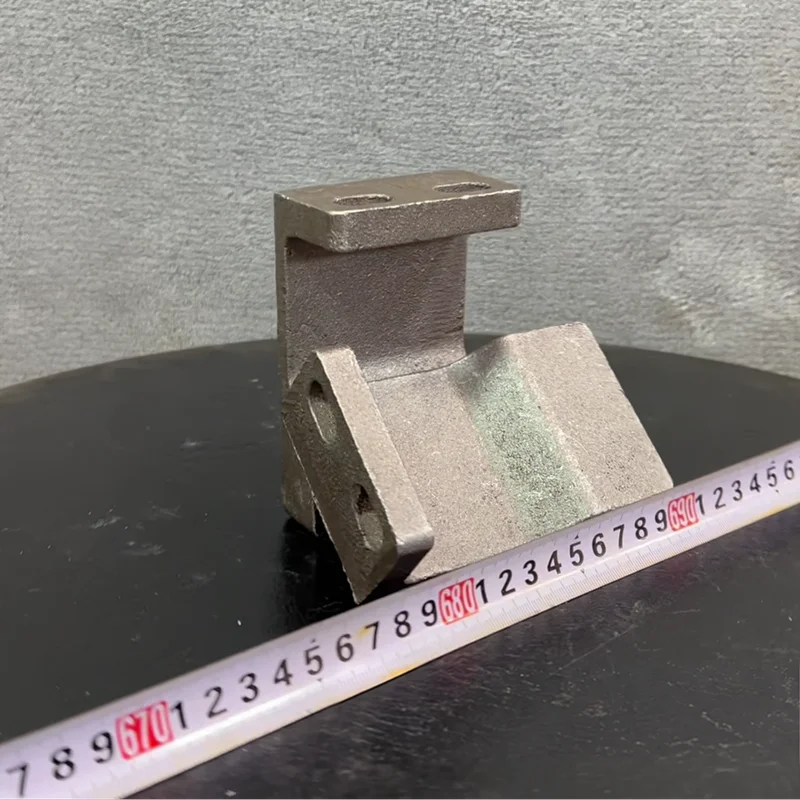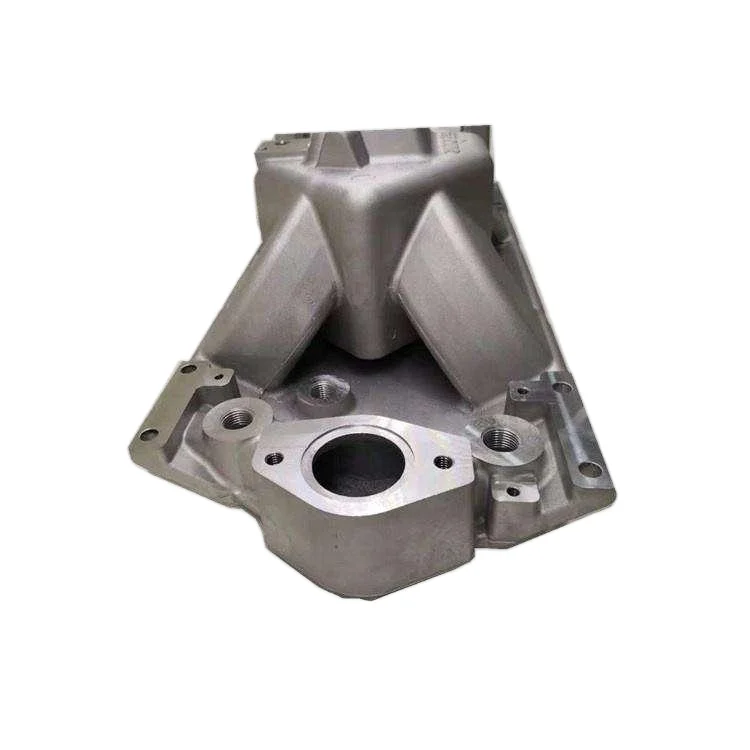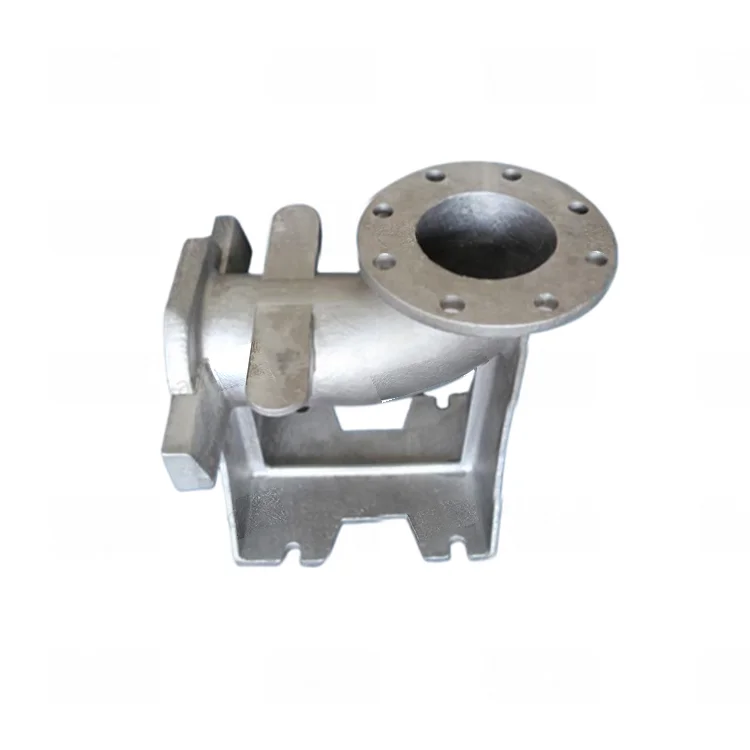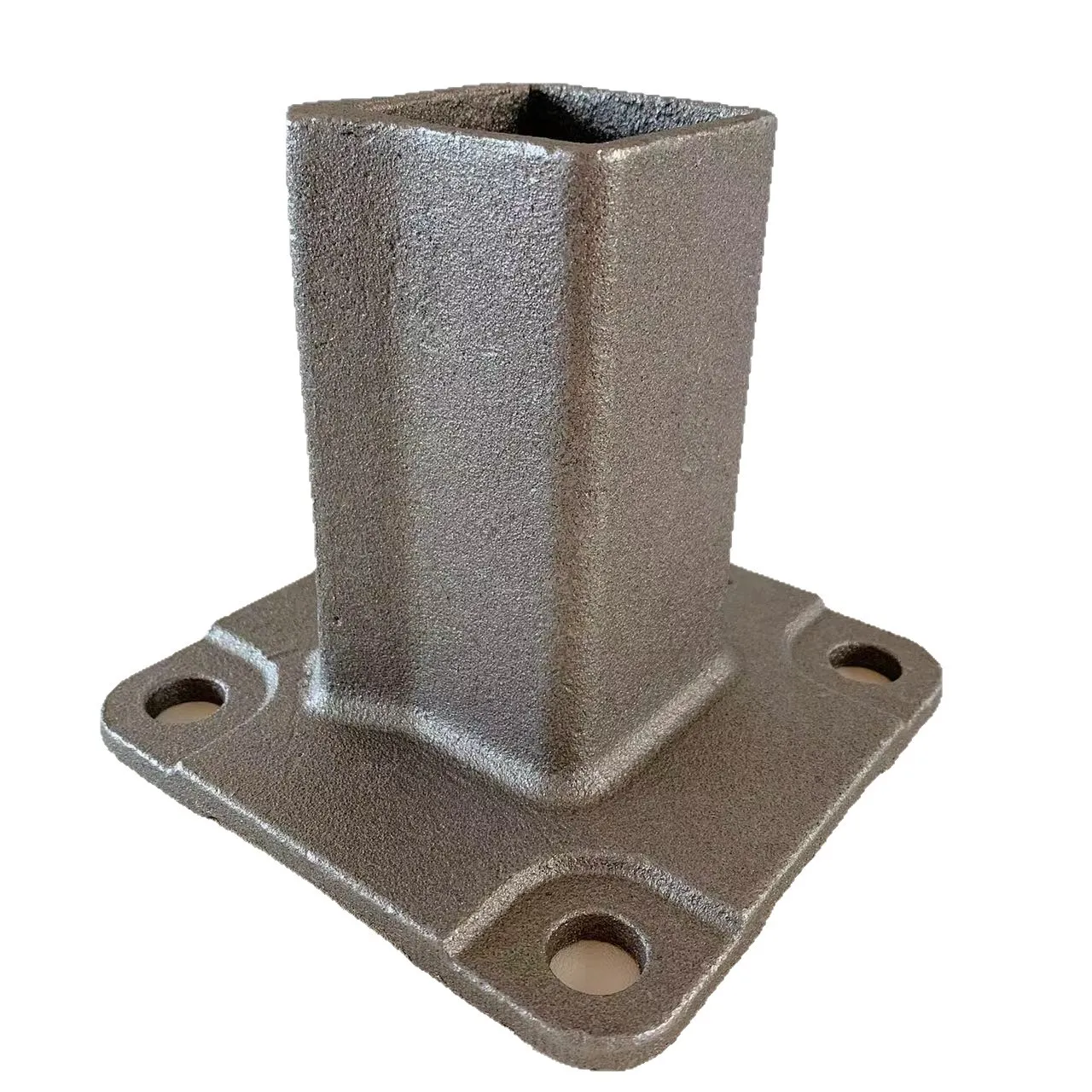
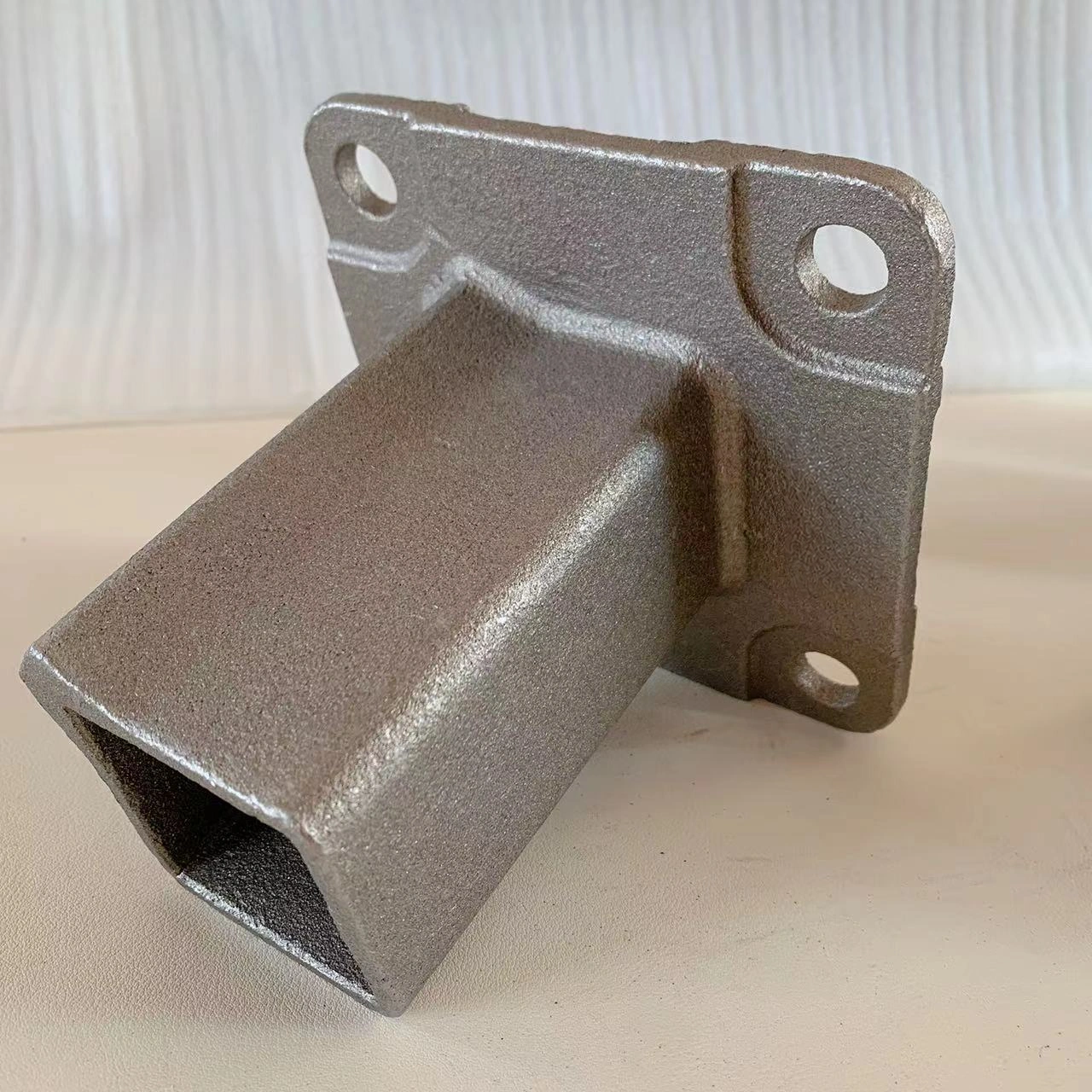
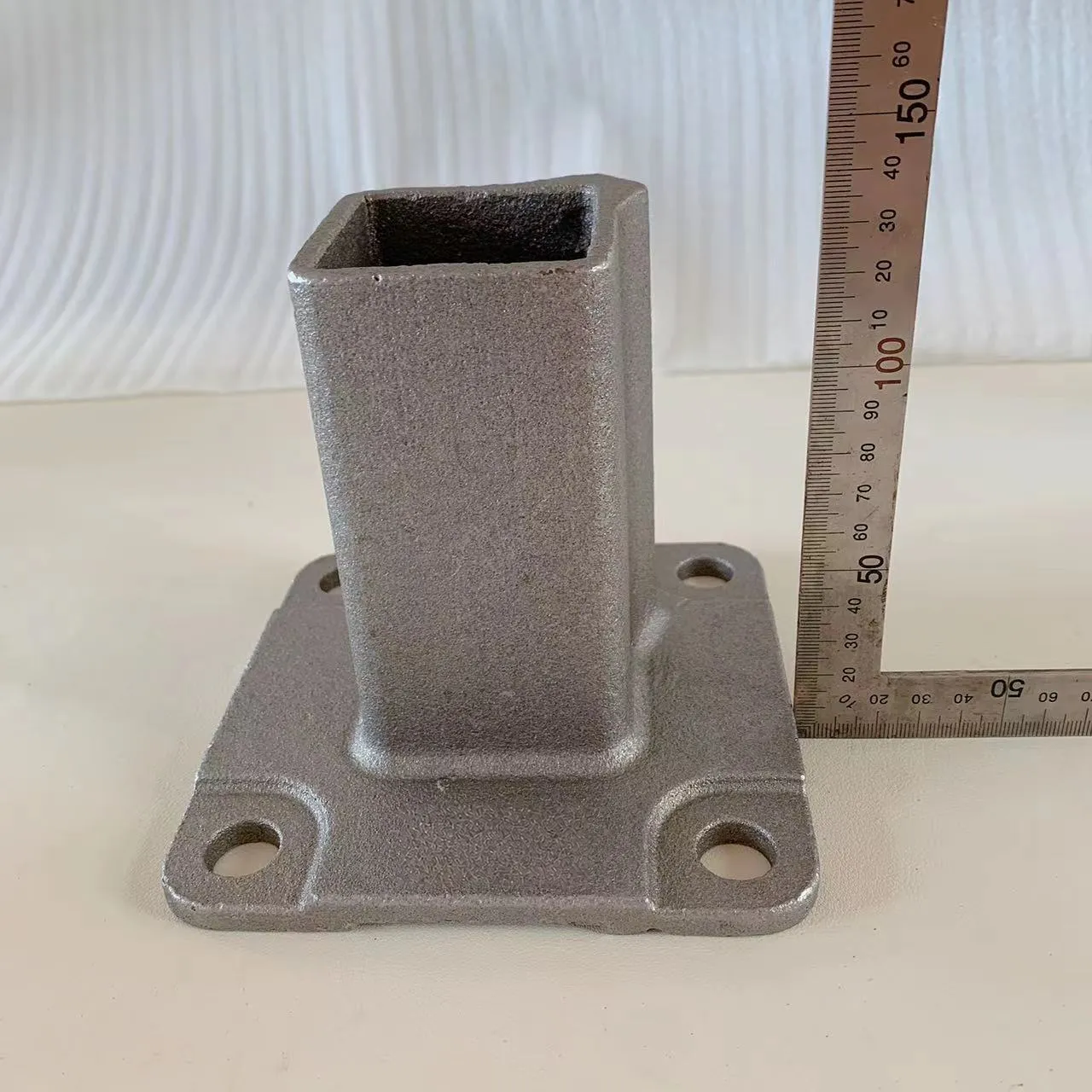
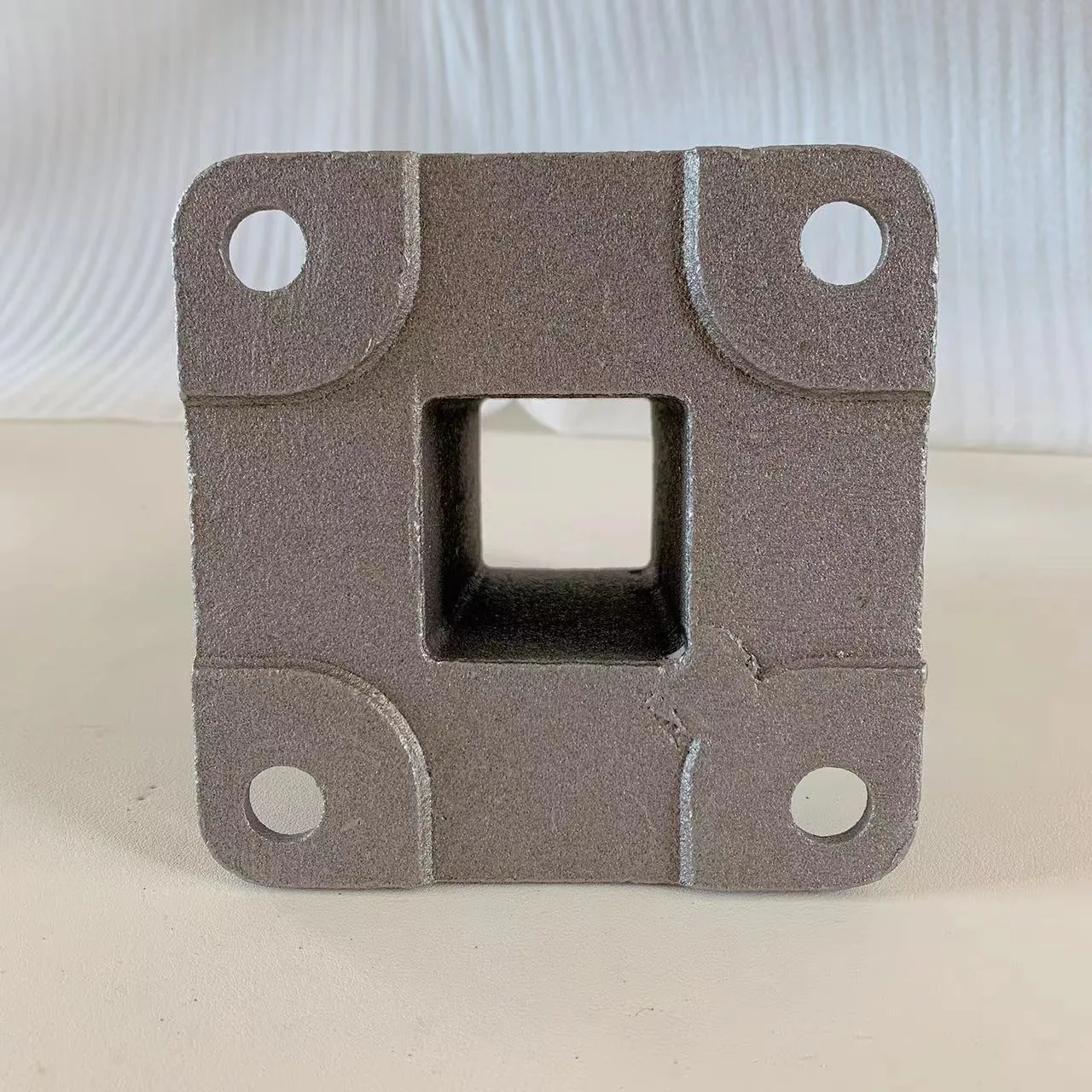
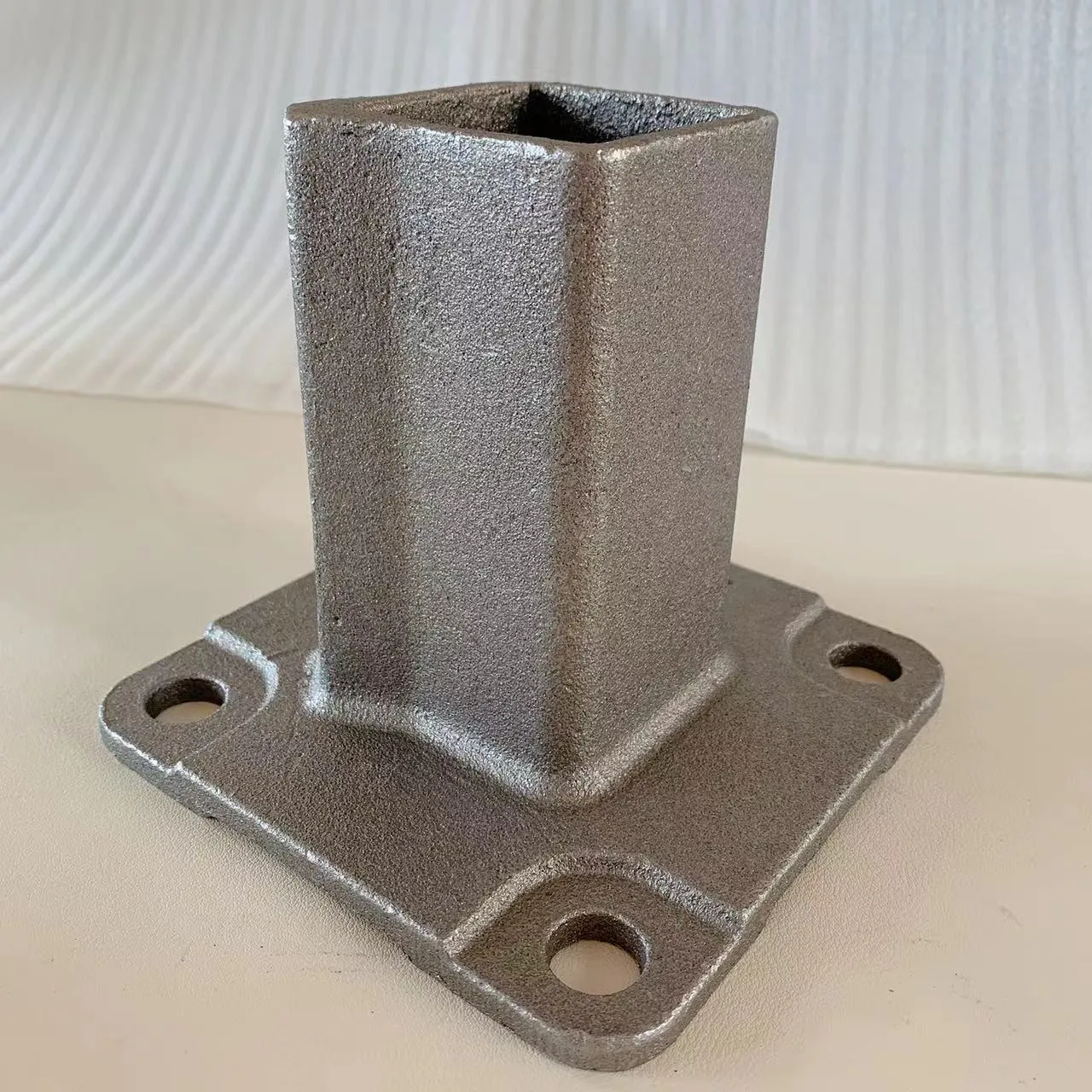
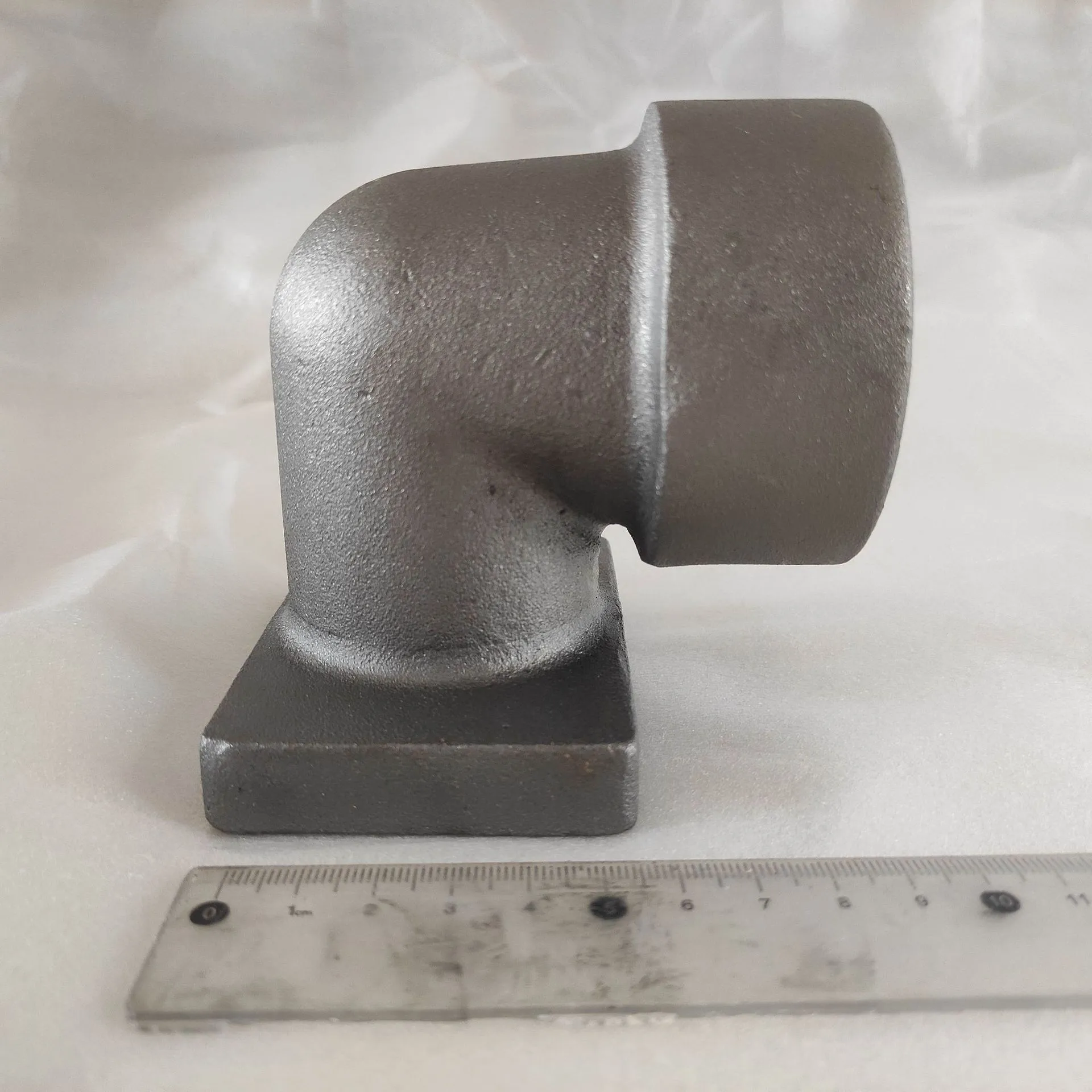
Custom Aluminum Coated-Sand Precision Castings — Square-Tube Fixings and Four-Hole Flanges for Machinery
Direct factory support
Get a quote that fits your project
Send your drawing or product reference, material grade and required quantity. Relia will review the requirements with you.
- Drawing & specification review
Confirm the supply scope and critical requirements.
- Samples before custom production
Review inspected samples before approving a batch.
- Inspection documents
Agree material and dimensional records for your part.
-
MaterialAluminum
-
ApplicationMachinery PartsProcessCasting +Machining(if Need)+surface Treatment
-
DimensionsCustomized SizesToleranceStrictly Casting Tolerance
-
PackingCustomers'requirementDrawing format2D/(PDF/CAD)3D(IGES/STEP)
Square-tube fixings and four-hole flanges are most useful to quote from their mating geometry. This enquiry covers custom aluminum machinery castings with coated-sand casting, machining where required and a selected surface treatment. The drawing determines the dimensions of the fixing or flange to be supplied.
Locate the tube and mounting holes on the drawing
For a square-tube fixing, identify the tube section and the way the fixing contacts or locates it. For a four-hole flange, dimension the hole pattern from defined references and show the mounting face. Include the assembly clearances required by the design so that the cast shape and any finished interfaces can be considered together.
- Supply 2D PDF/CAD information or a 3D IGES/STEP model.
- Select the aluminum grade and state the requested quantity.
- Dimension the tube interface, hole locations and mounting surfaces.
- Identify the required delivered condition and surface treatment.
Separate casting limits from finished dimensions
The stated supply sequence is casting, machining if needed and surface treatment. Mark dimensions that require later machining and specify their individual limits. A general precision or casting-tolerance description is not a numerical drawing requirement, so place the required tolerances on the relevant dimensions for quotation and inspection.
Specify how the finished component will be accepted
Agree the dimensional checks that establish fit to the tube or mating equipment, together with the required surface condition. If a treatment affects a mounting face or a hole, identify how that interface should be delivered. Customized dimensions and customer-required packing allow the order to be defined around the actual machinery component and its agreed supply requirements.