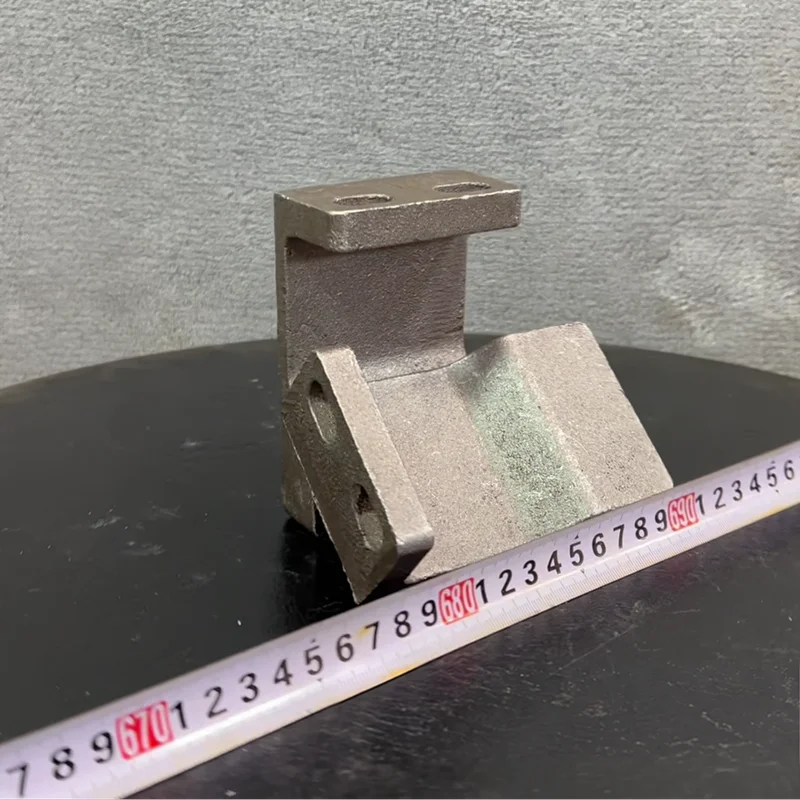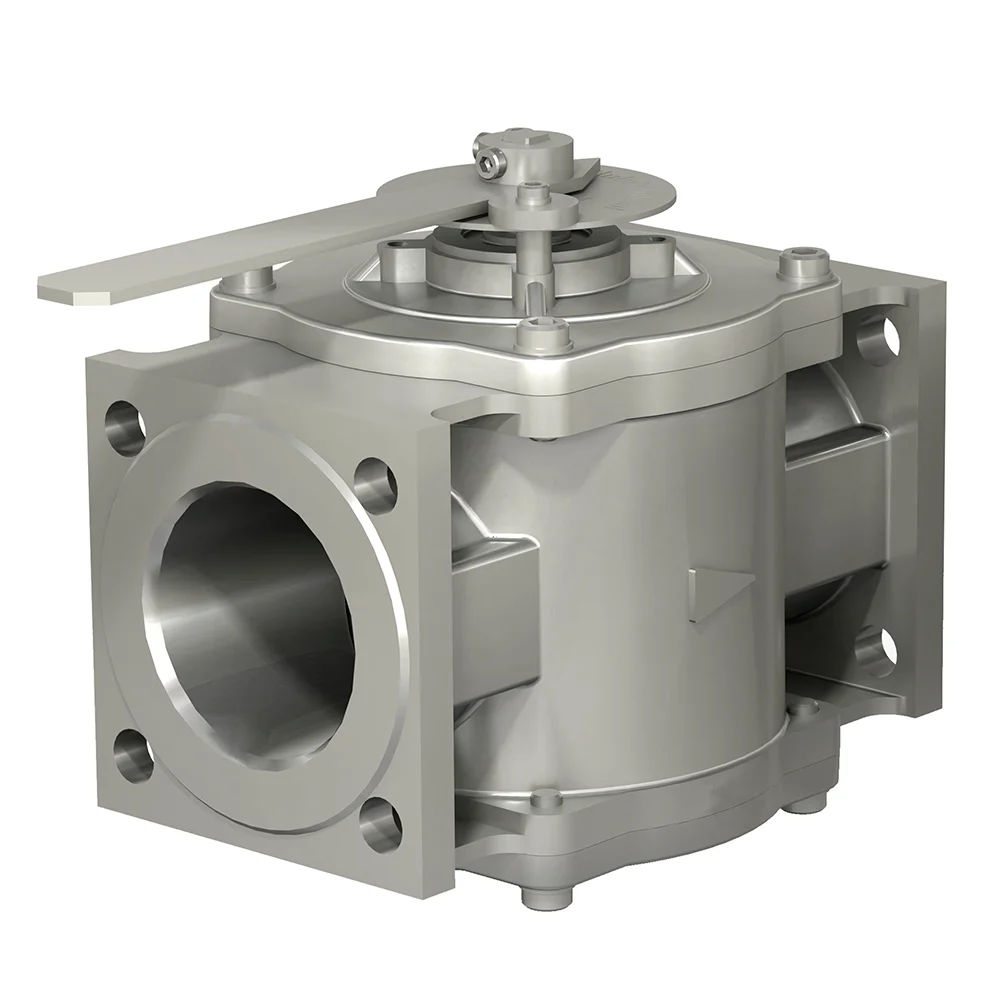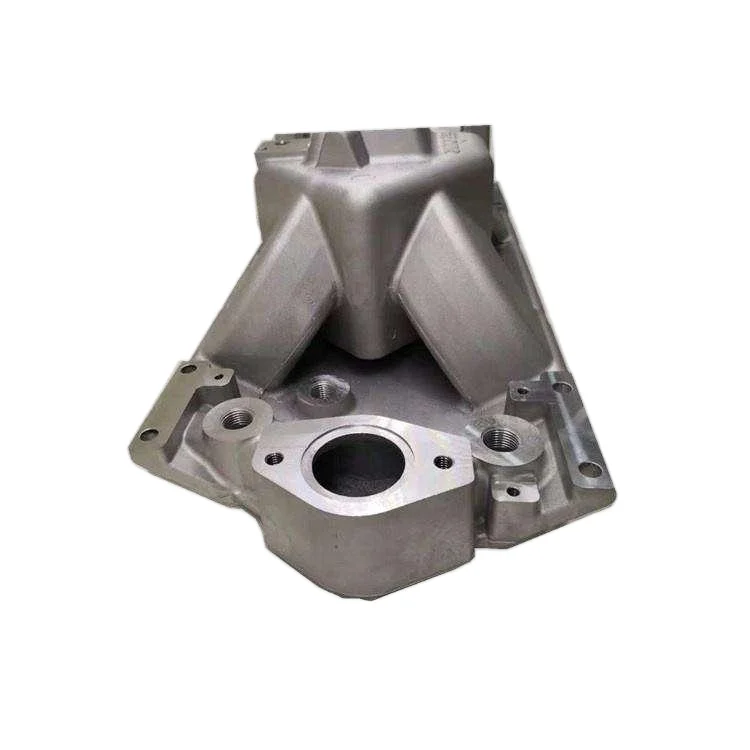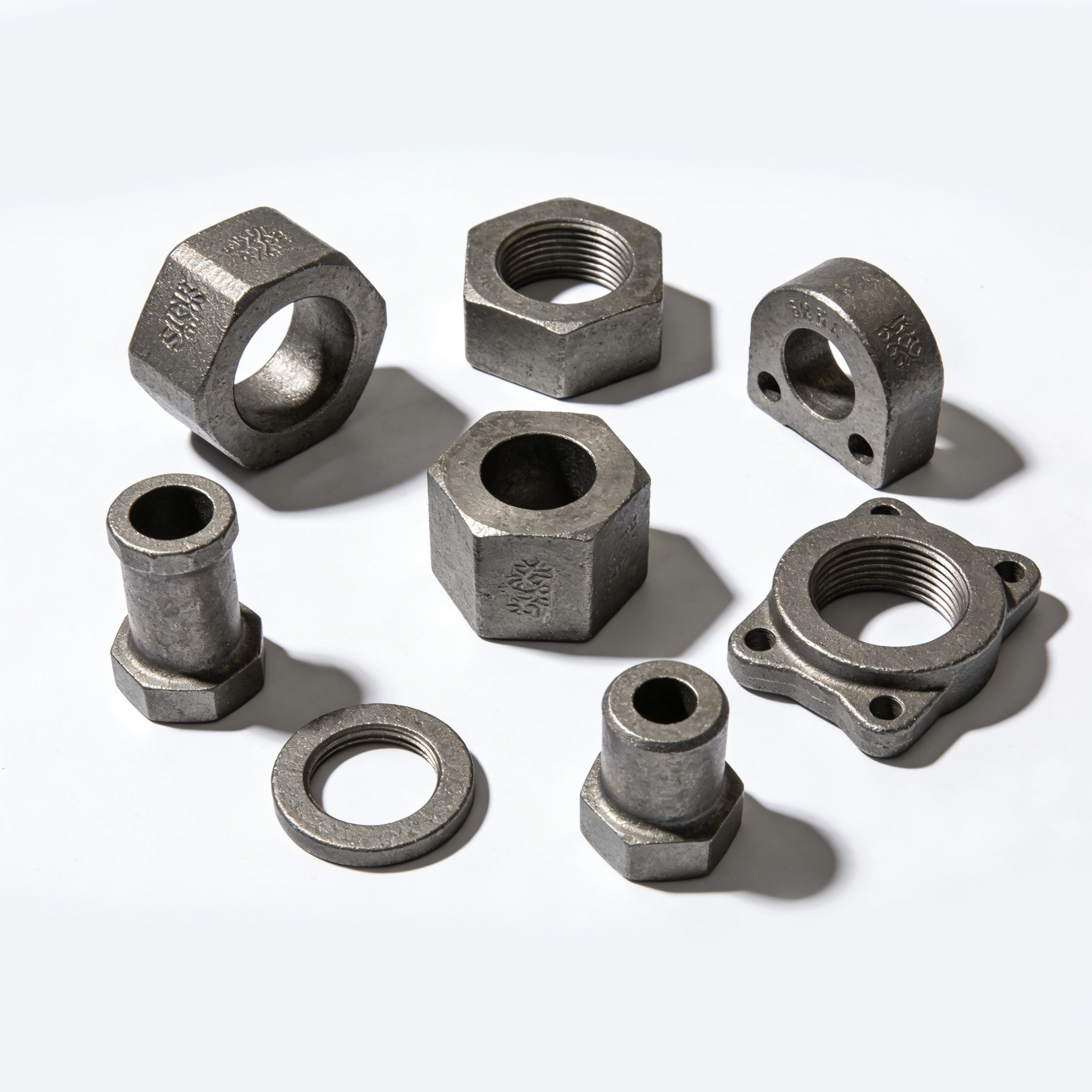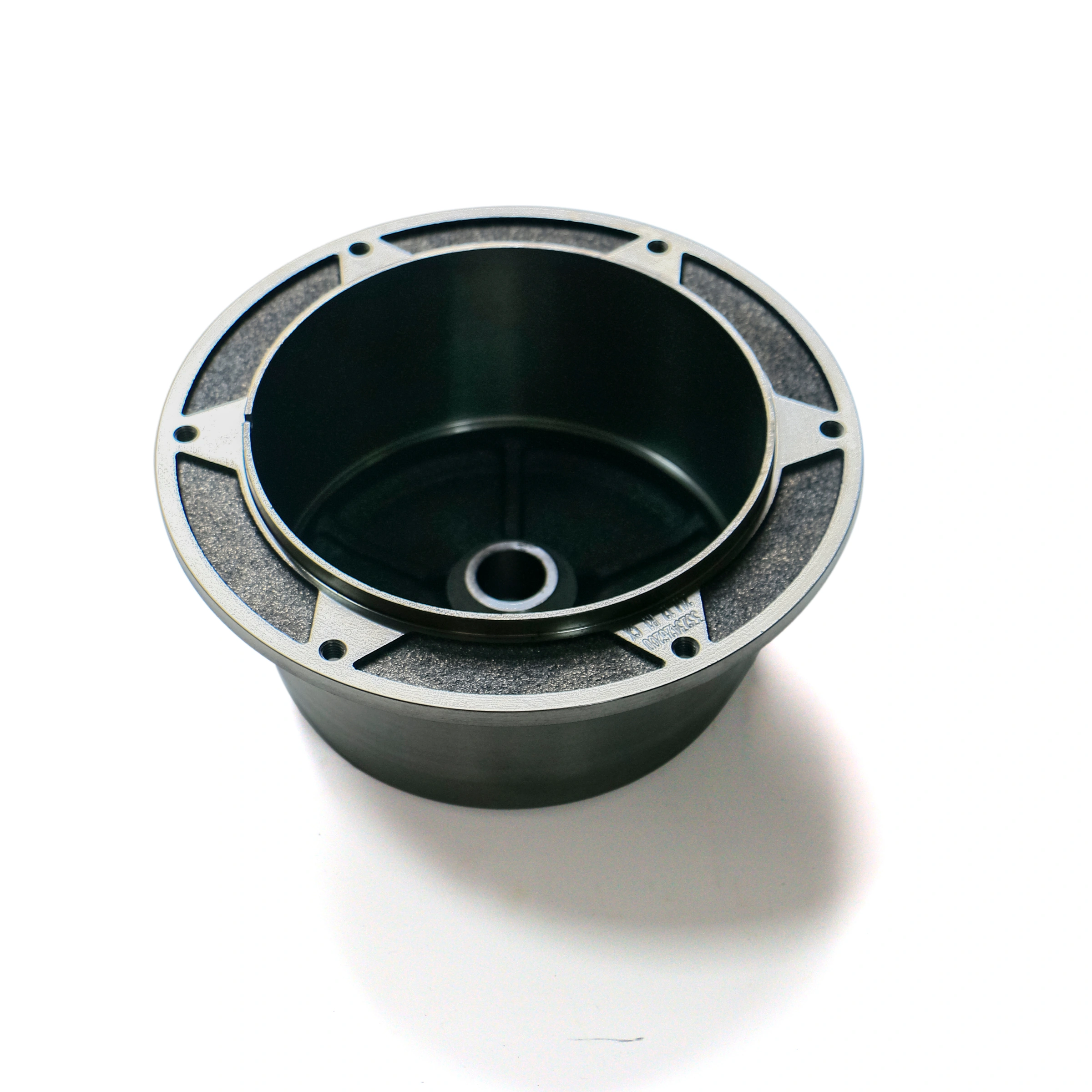
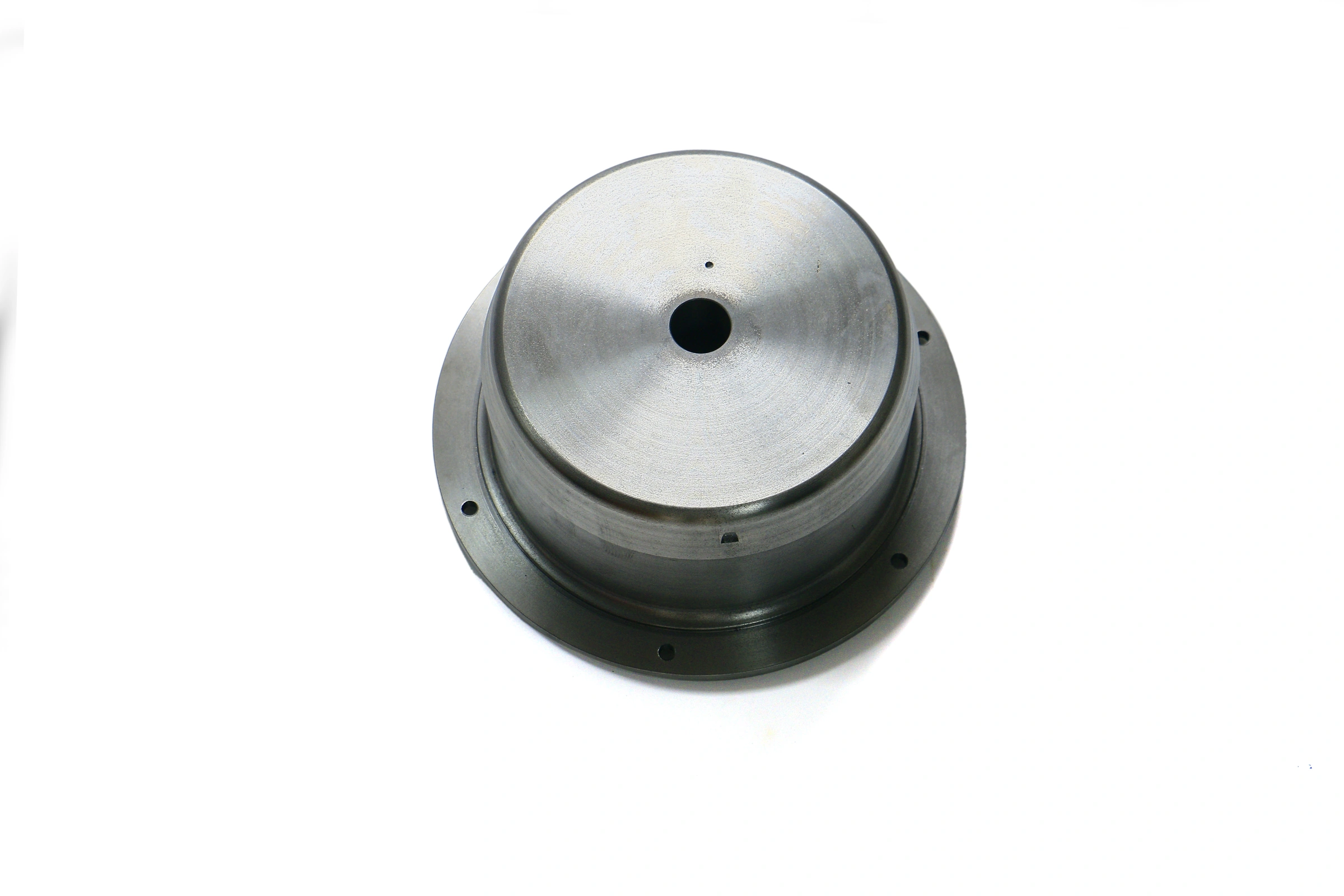
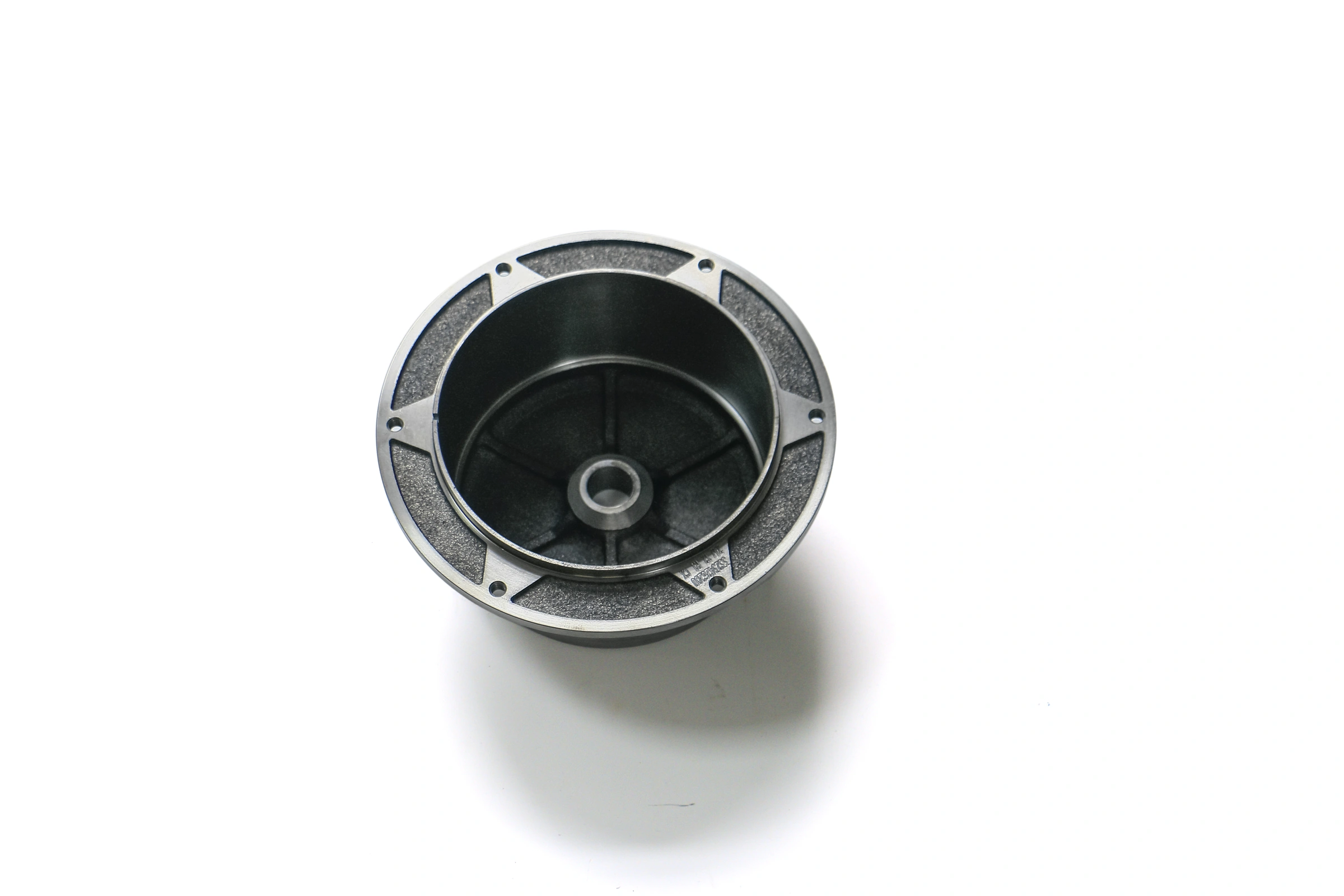
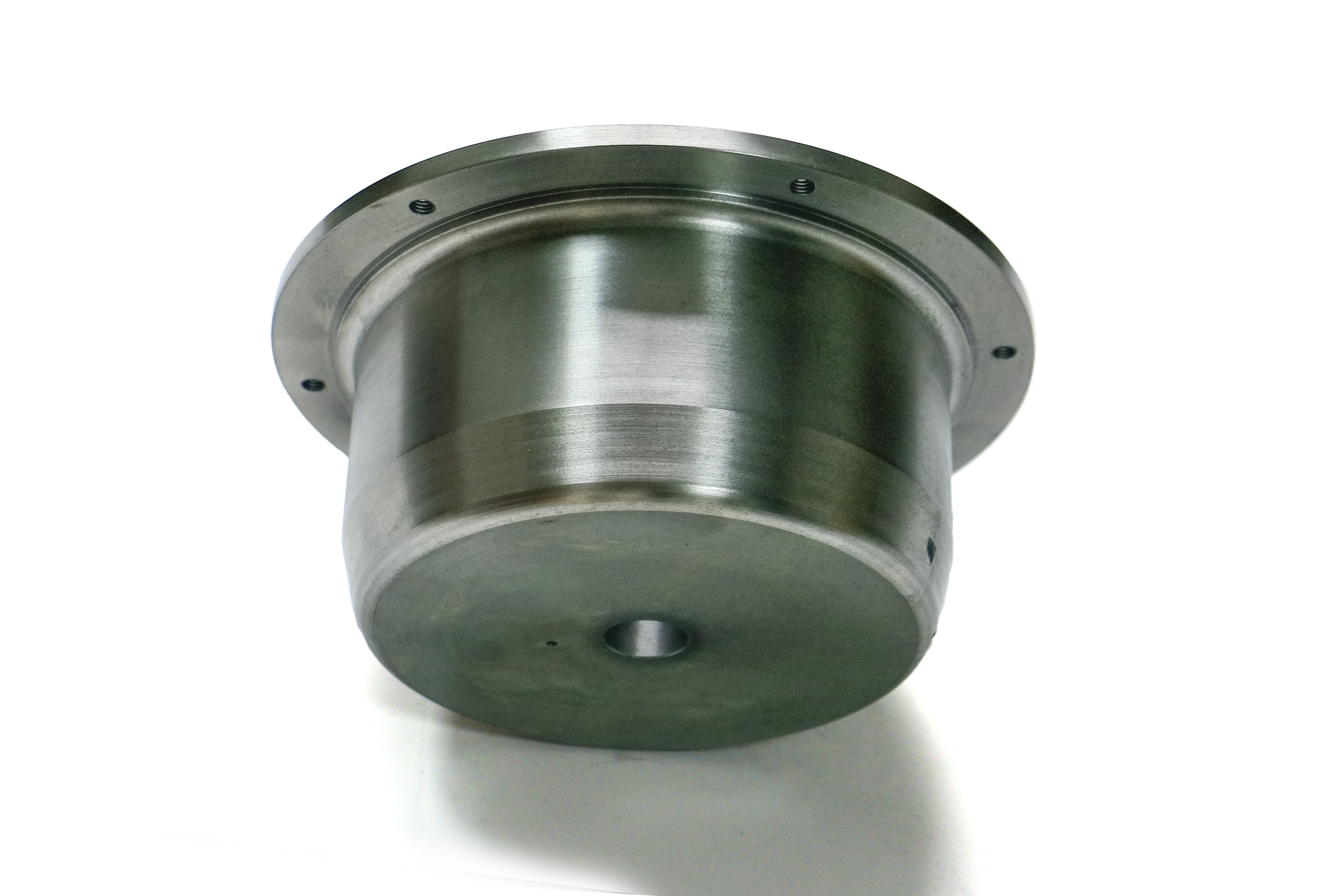
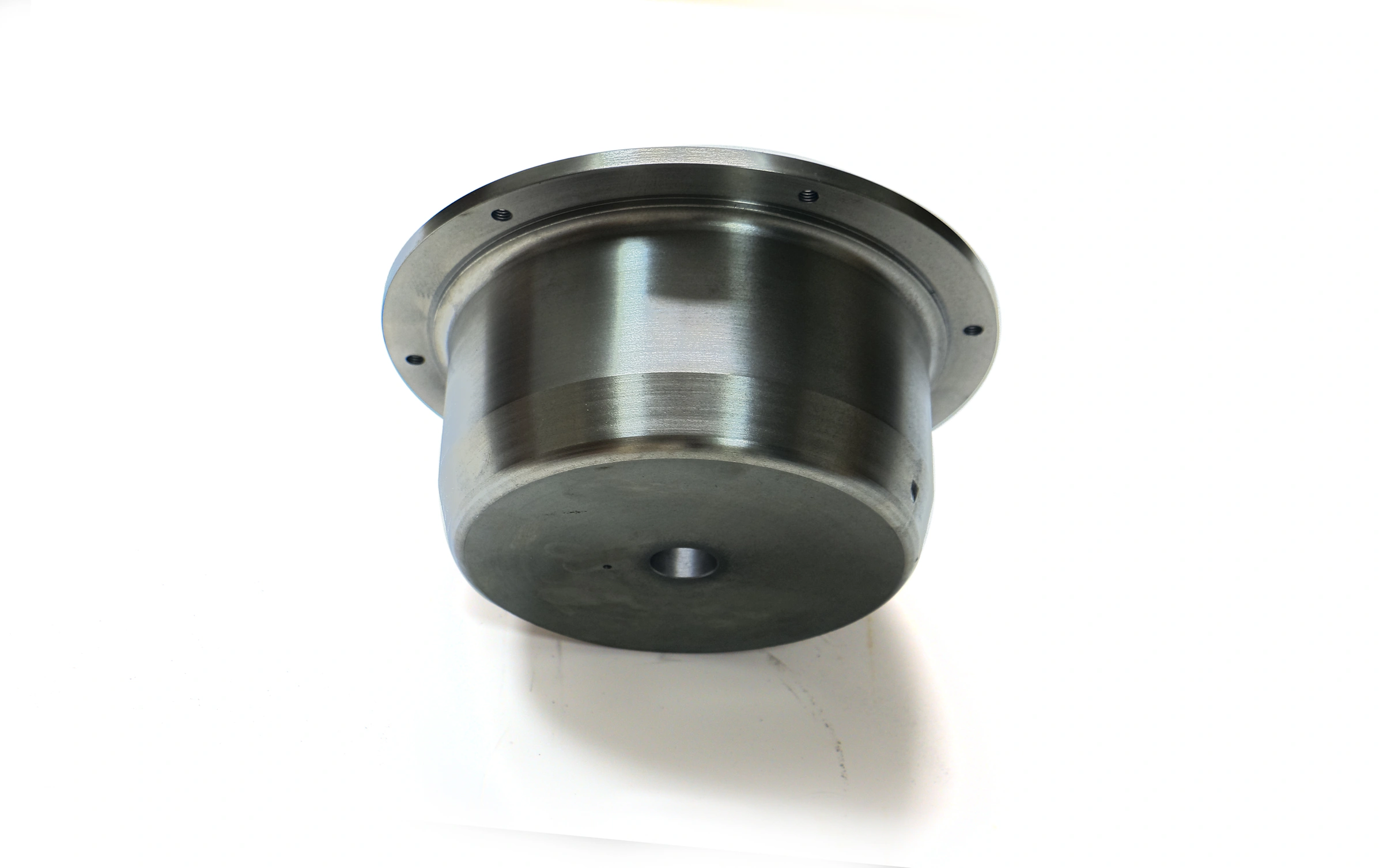
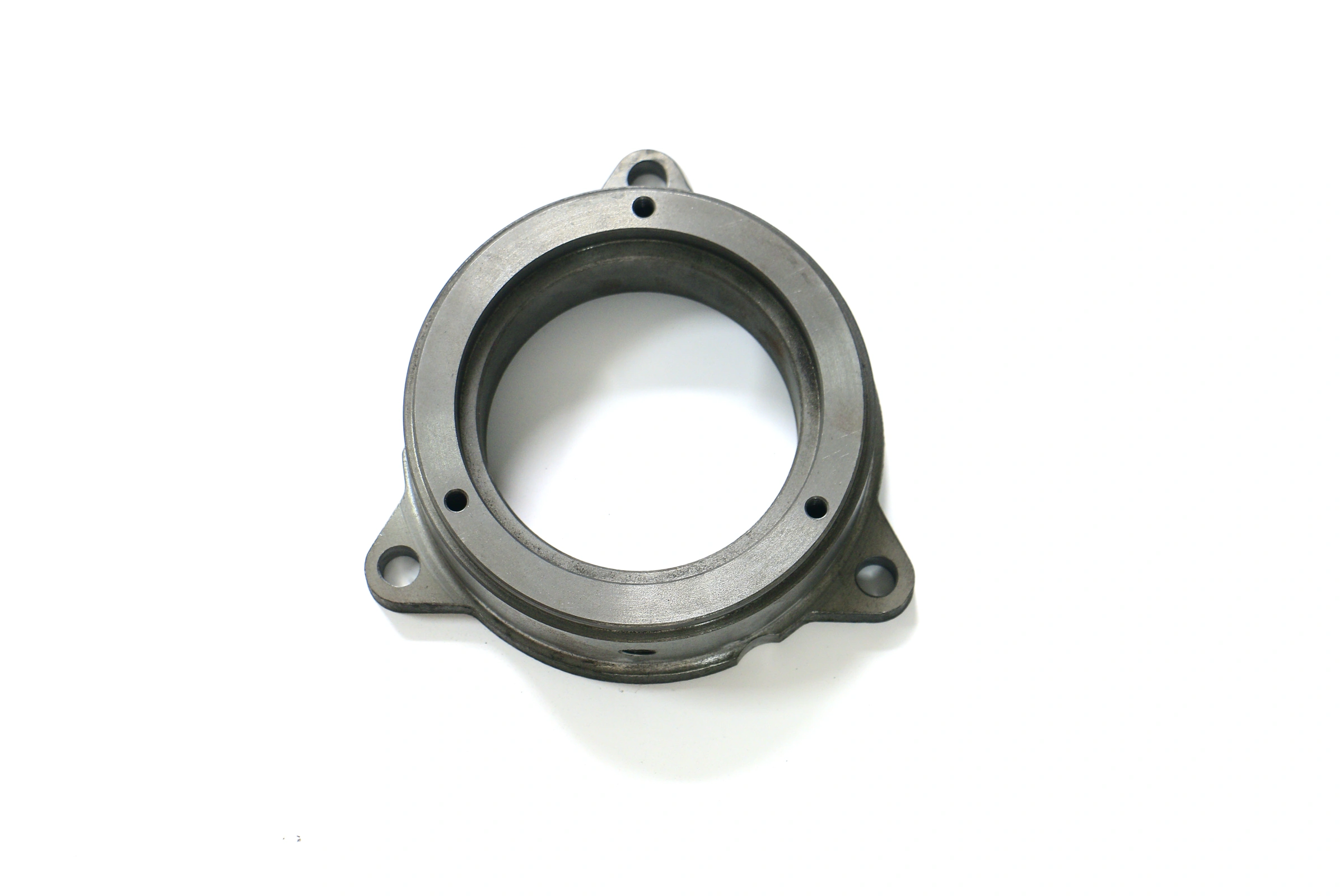
Custom Aluminum Housing Shell Sand Casting Foundry Service and CNC Machining for Machinery Equipment Parts
Direct factory support
Get a quote that fits your project
Send your drawing or product reference, material grade and required quantity. Relia will review the requirements with you.
- Drawing & specification review
Confirm the supply scope and critical requirements.
- Samples before custom production
Review inspected samples before approving a batch.
- Inspection documents
Agree material and dimensional records for your part.
-
Shaping ModePunching MoldProduct MaterialPlastic
-
ProductHousehold Product
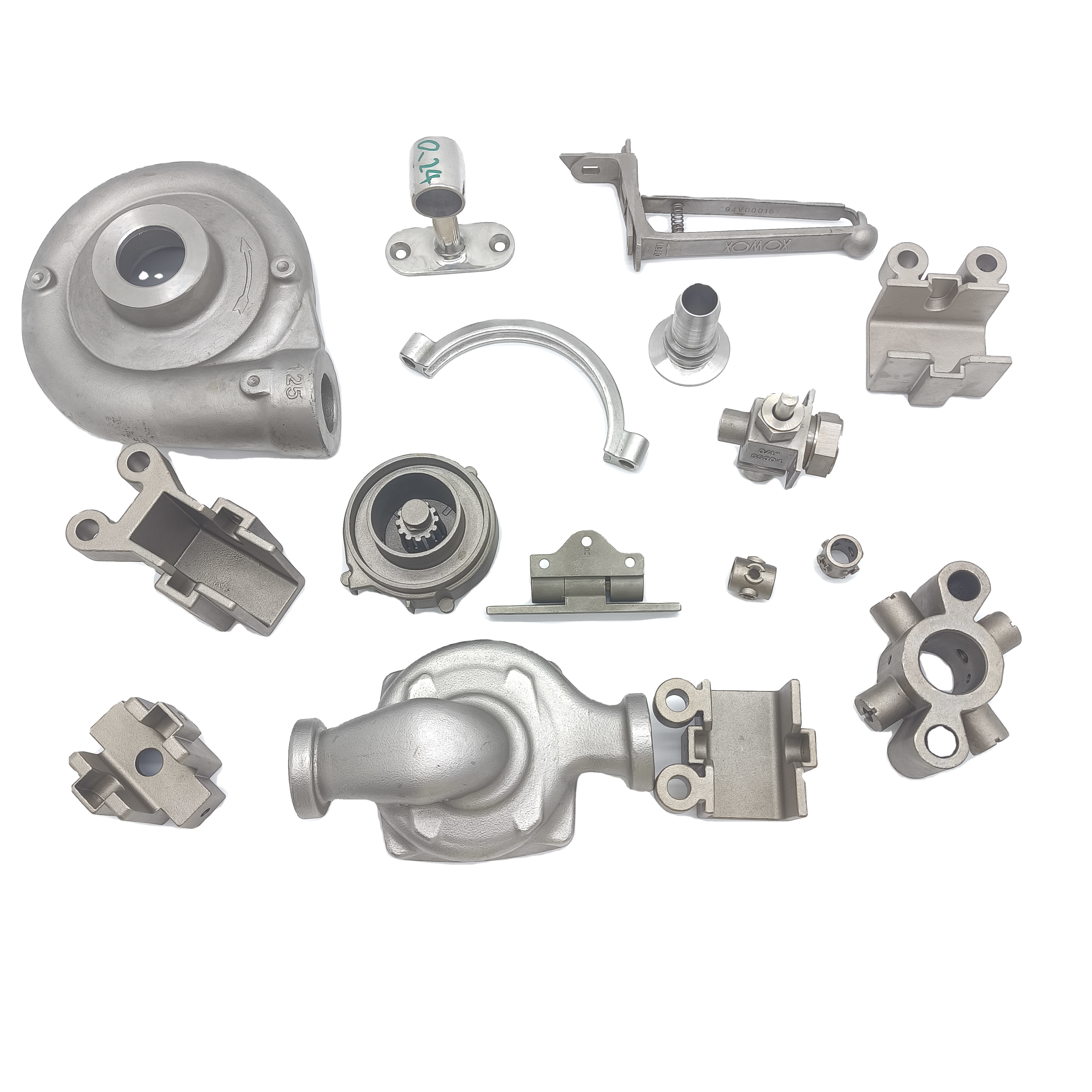
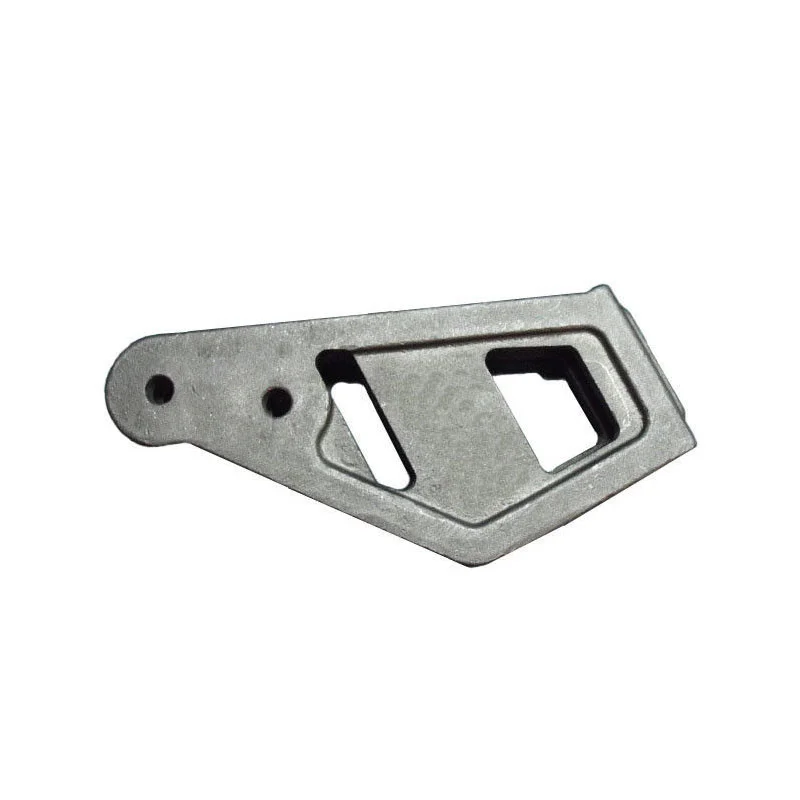
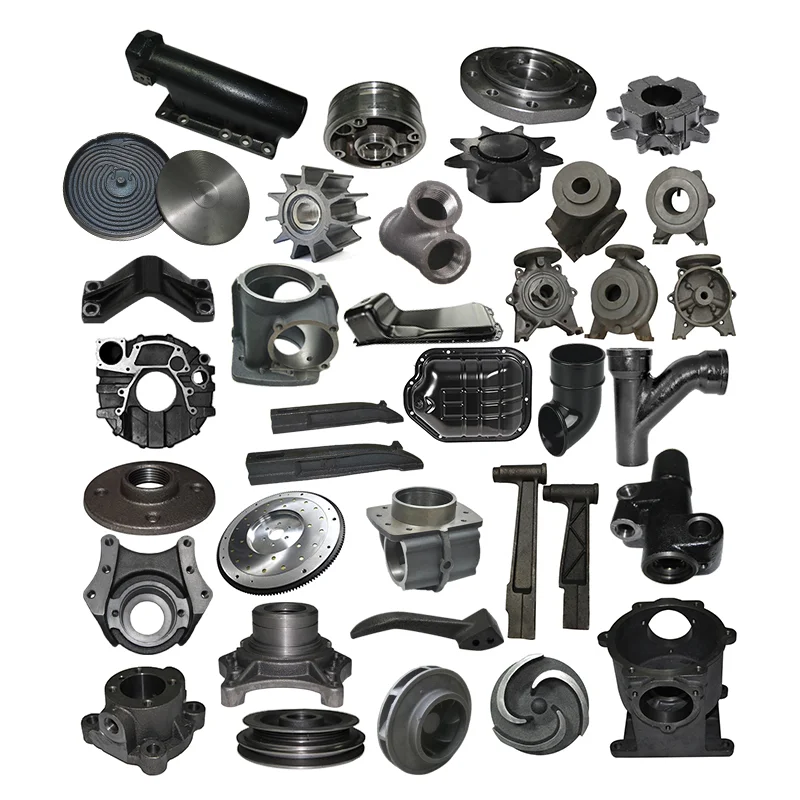
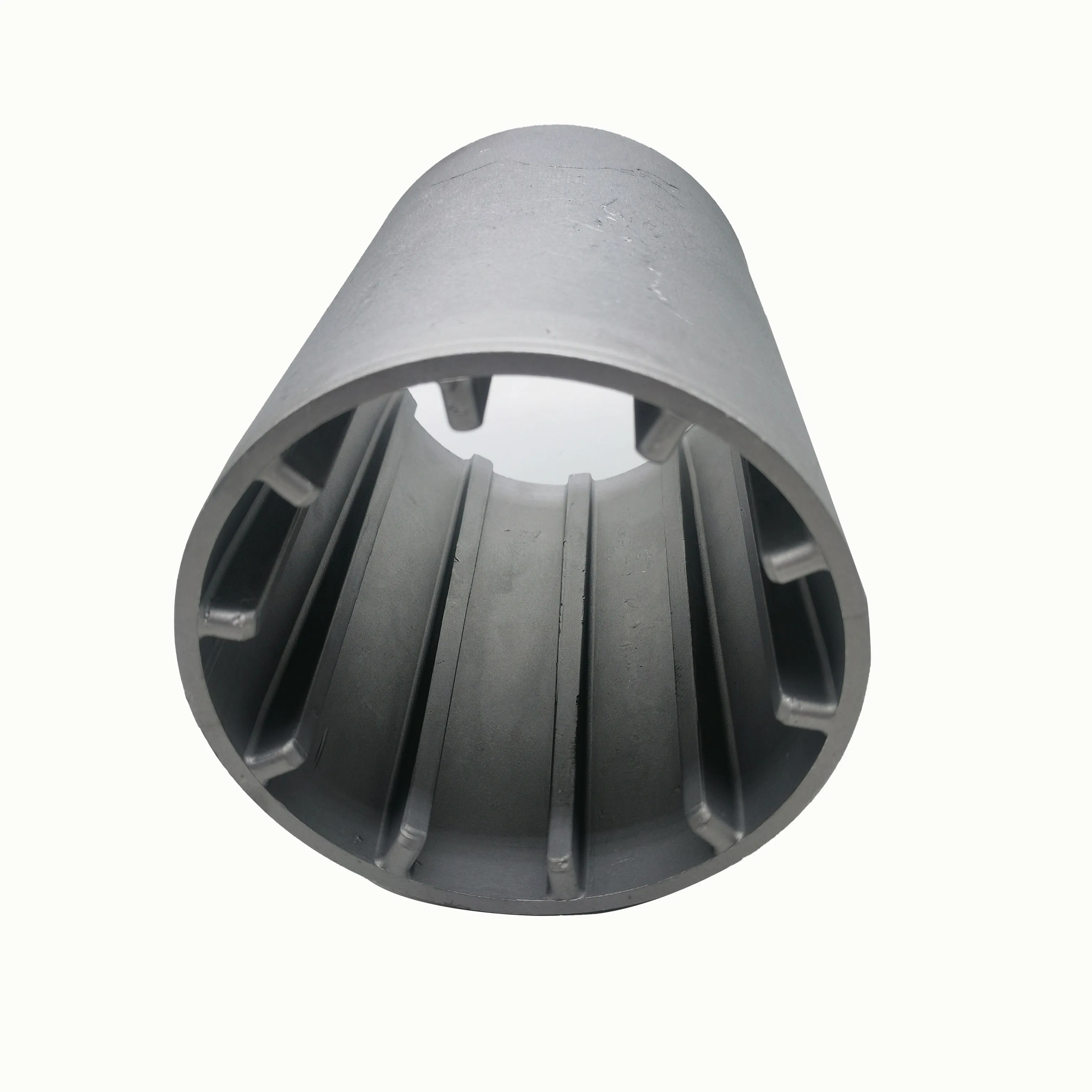
Custom aluminum housing and shell enquiries combine a machinery-component drawing with a sand-casting and CNC-machining brief. A separate plastic household-product or punching-mold request needs its own part or tool definition. Identify the item being purchased before setting the material and manufacturing scope.
Start with the housing’s assembly role
Show the space enclosed, adjoining components and the faces used to locate or fasten the housing. Mark access openings and internal clearances relevant to assembly. State the working environment and functional requirements that determine the material choice and the component’s final condition.
Locate the cast and CNC-controlled geometry
For an aluminum machinery shell, identify the complete alloy specification and surfaces needing final machining. Put datum references, dimensional limits and measurement conditions on the controlled drawing. Separate the casting’s general form from bores, seats or connection faces requiring particular acceptance criteria.
Give a tool or household-product request its own brief
For a punching mold, define the tool’s intended work and the interfaces needed by the surrounding equipment. For a plastic household component, provide its material requirement, use and finished geometry. The selected manufacturing proposal should address that item’s actual form and order deliverable.
Agree what the quotation will supply
Include quantity, drawing revision and the required delivered surface. Identify any sample’s purpose and the characteristics it must demonstrate. Agree the material, dimensional and appearance records needed for approval, then retain that definition for the chosen component or tool throughout production acceptance.