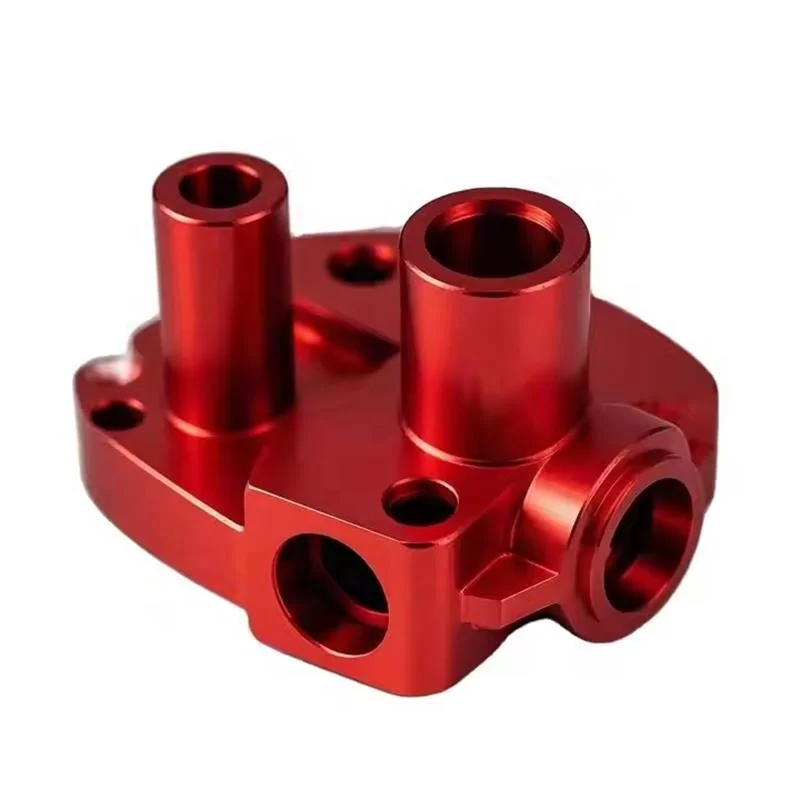
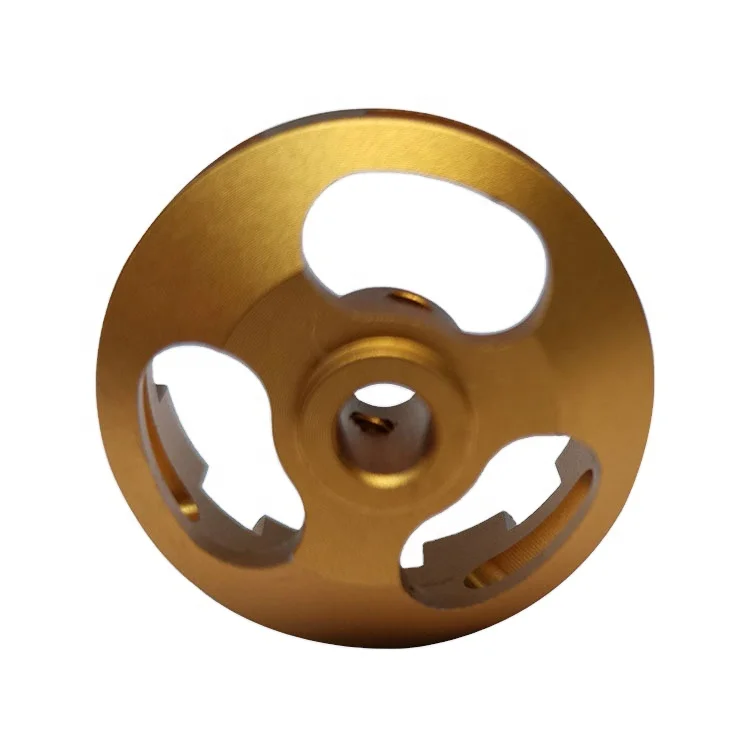
Custom Aluminum, Zinc and Magnesium High-Pressure Die-Cast Parts with CNC — Separate Steel/Sand-Casting Enquiries
Direct factory support
Get a quote that fits your project
Send your drawing or product reference, material grade and required quantity. Relia will review the requirements with you.
- Drawing & specification review
Confirm the supply scope and critical requirements.
- Samples before custom production
Review inspected samples before approving a batch.
- Inspection documents
Agree material and dimensional records for your part.
-
Namedie casting parts
-
MaterialAluminum Alloy, Zinc Alloy, Magnesium AlloyAluminum GradesA380, A360, A383, ADC12, or Custom
-
Zinc GradesZamak 3, Zamak 5, ZA-8, or CustomProcessCold Chamber (Aluminum), Hot Chamber (Zinc)
-
ToleranceISO 2768, or as per customer drawingSurface FinishPowder Coating, Anodizing, Plating, Painting, etc.
-
Mold/Tooling Life50,000 - 100,000 shotsServiceHigh-Pressure Die Casting, CNC Machining
-
Drawing FormatSTEP, IGS, X_T, AutoCAD, PDF, JPG
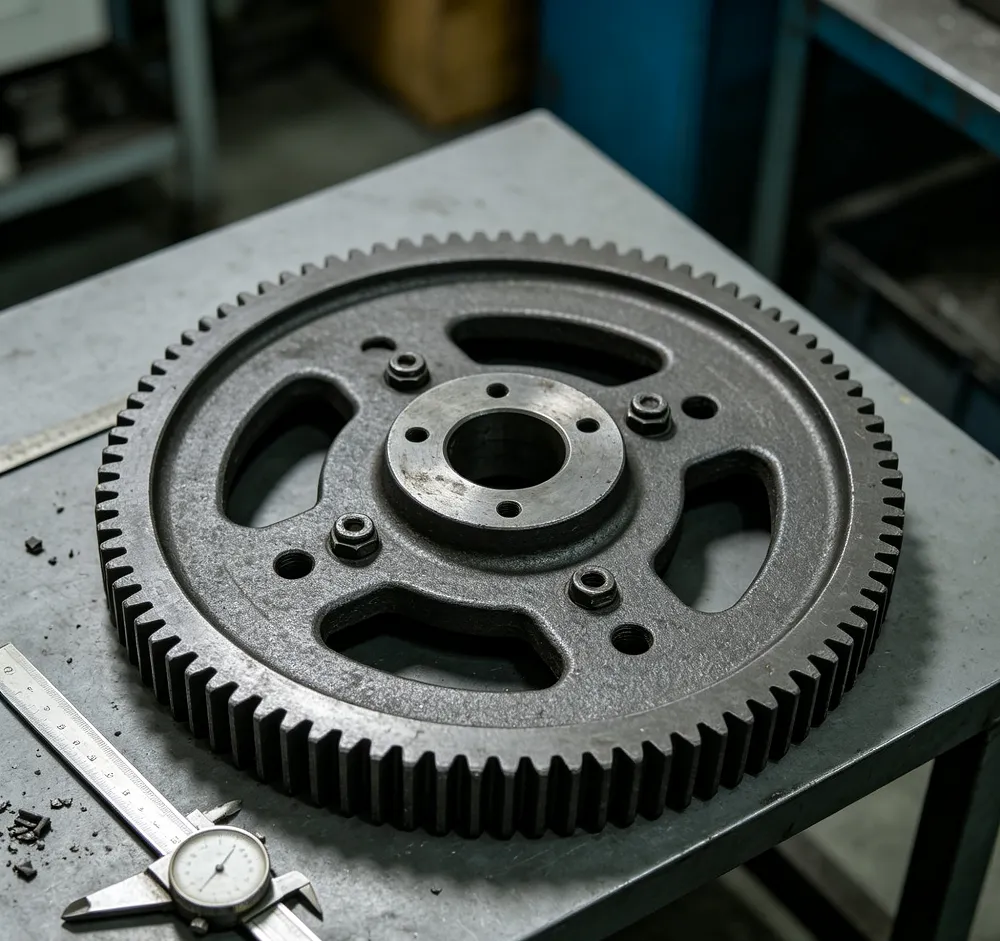
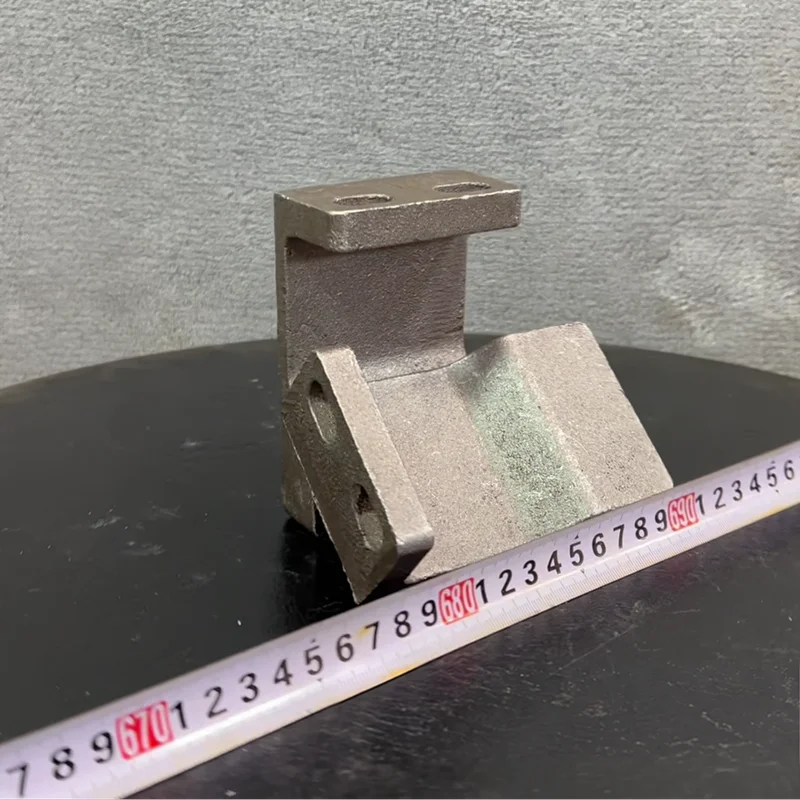
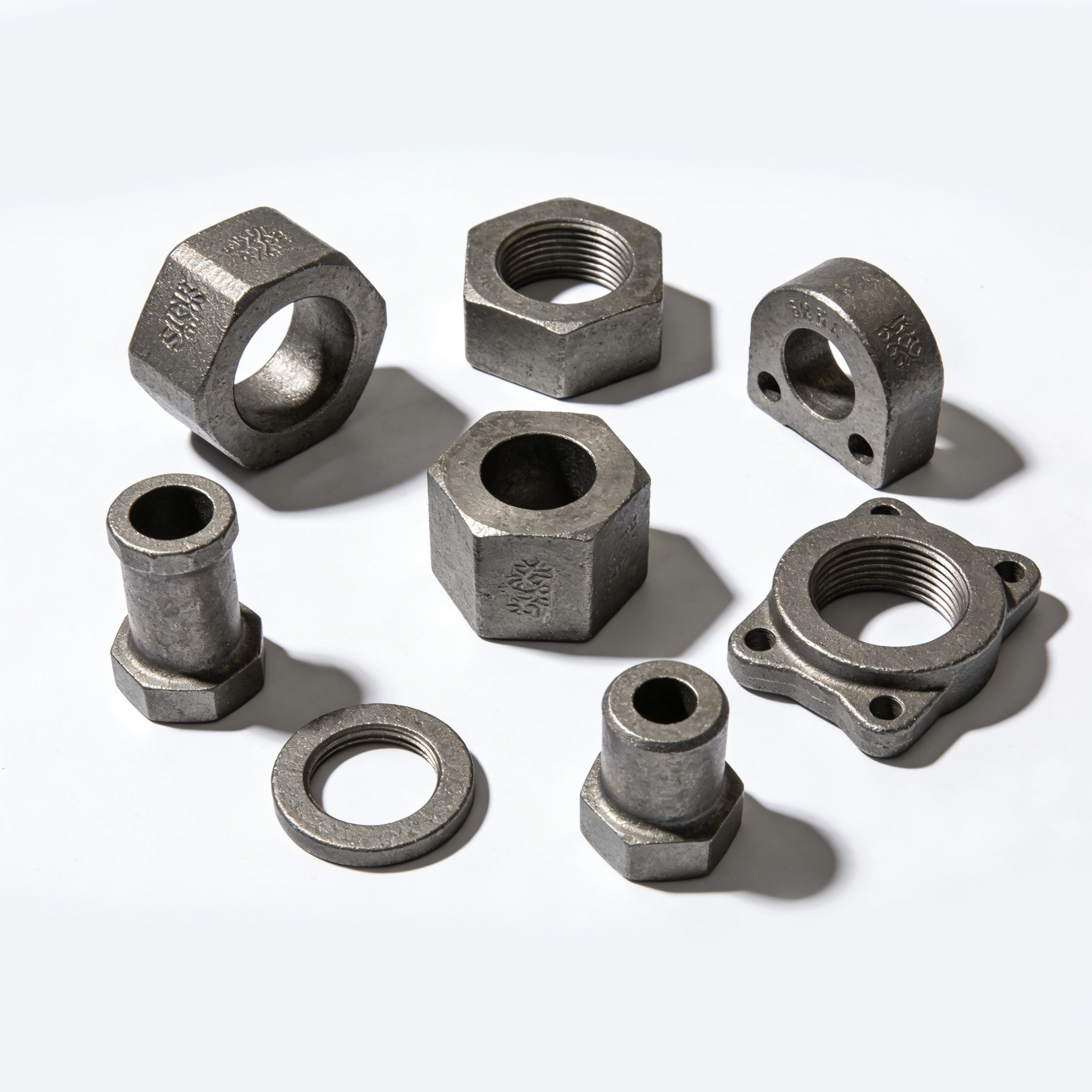
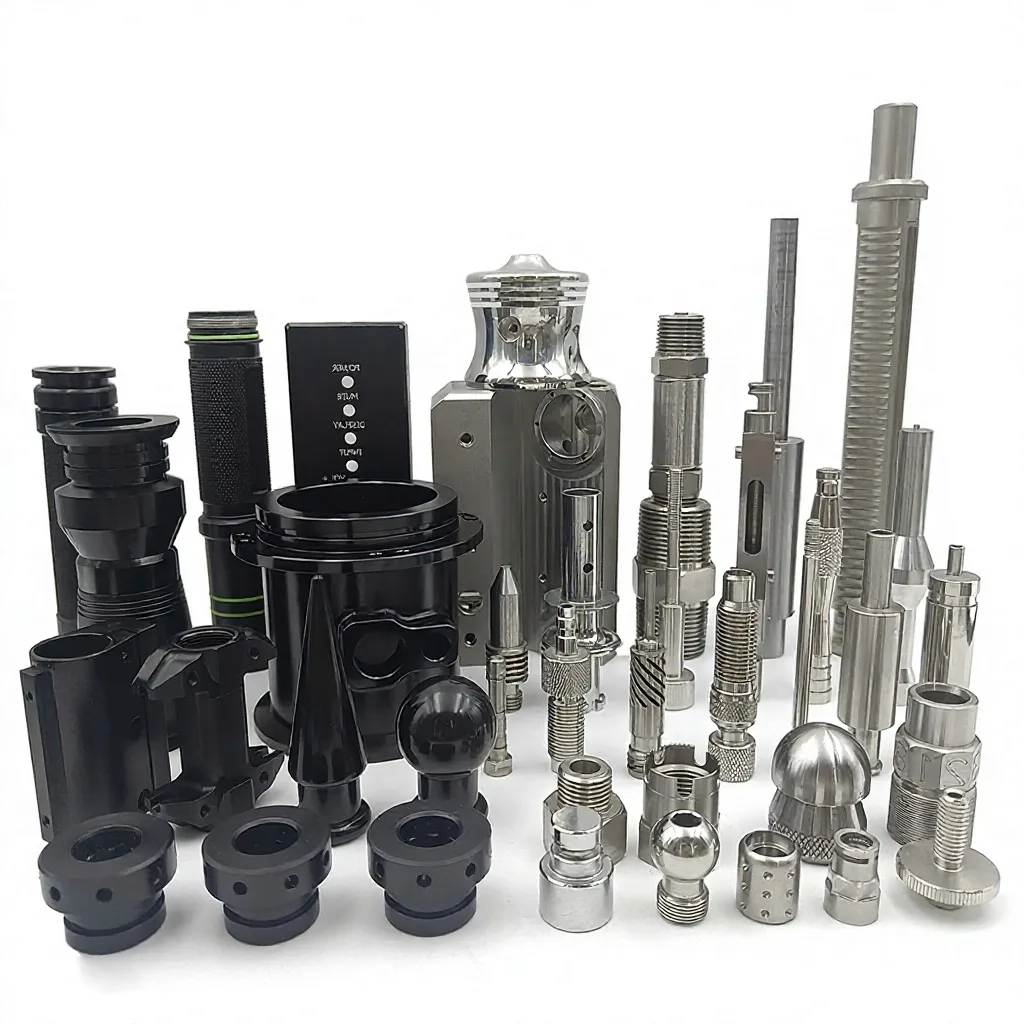
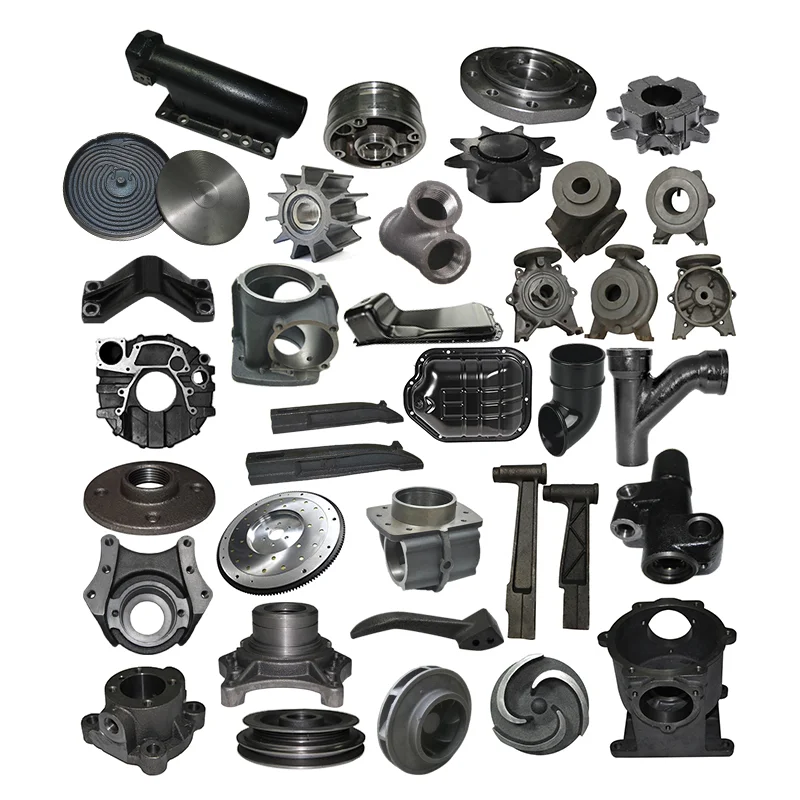
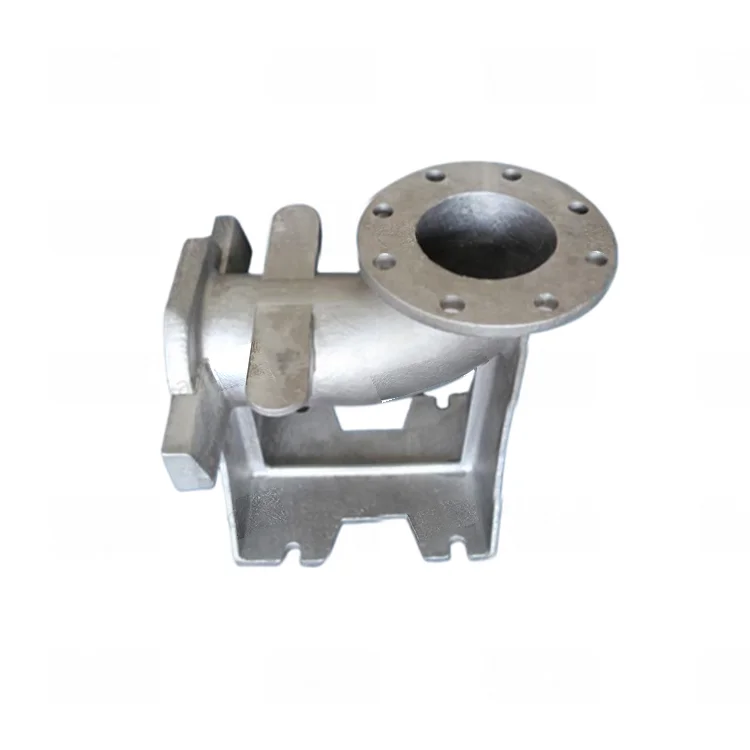
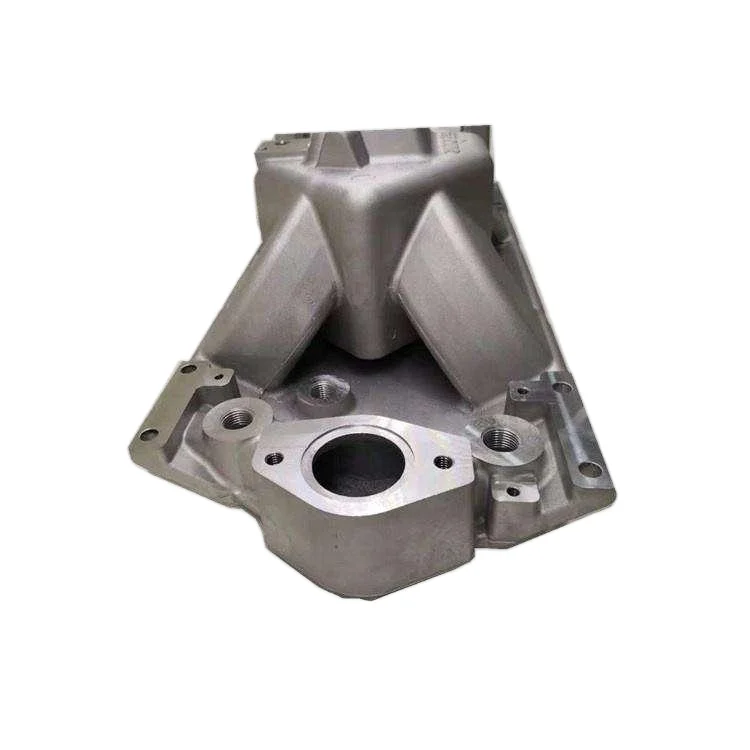
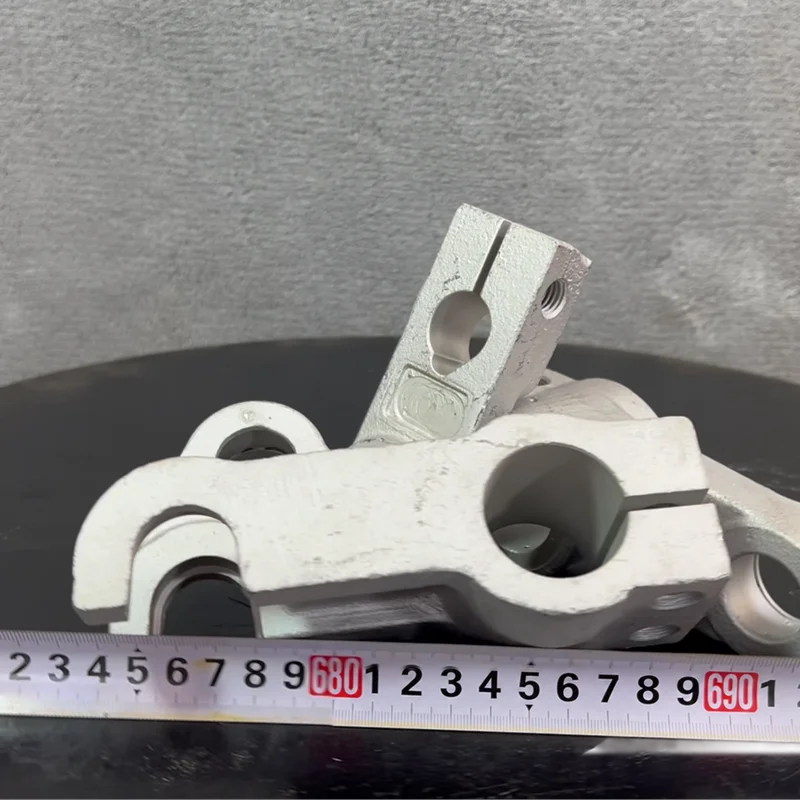
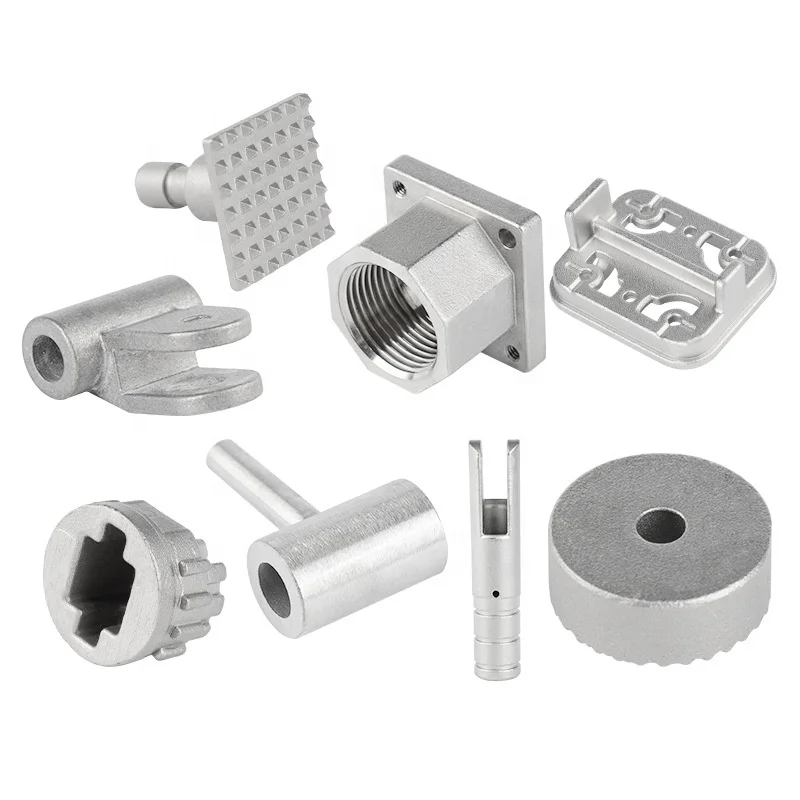
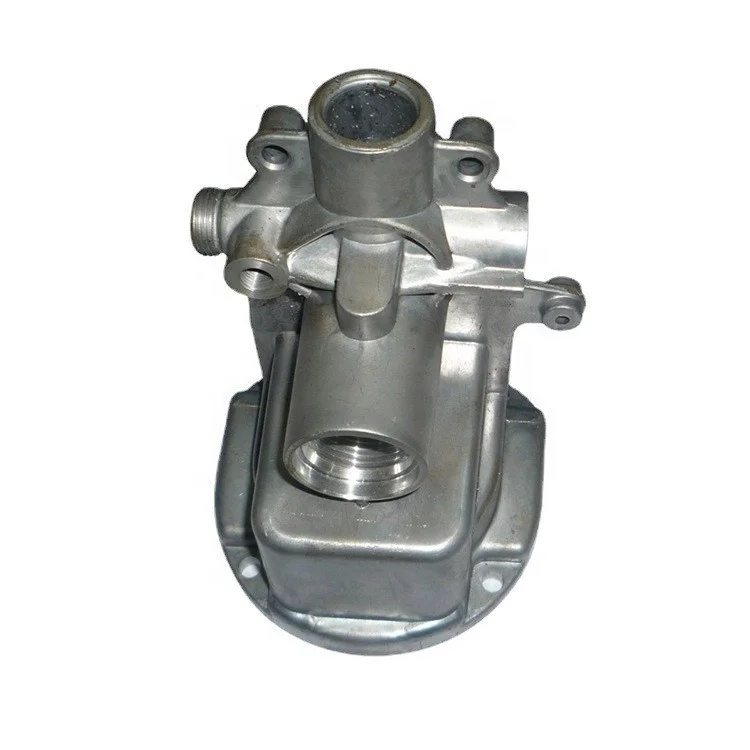
High-pressure die-cast component enquiries cover aluminum, zinc and magnesium alloys with CNC machining. Separate steel-part or sand-casting requests should define their own material, geometry and manufacturing scope within the project.
Choose the alloy and chamber process
Aluminum choices include A380, A360, A383 and ADC12, while zinc choices include Zamak 3, Zamak 5 and ZA-8; custom grades can also be requested. Cold-chamber processing is named for aluminum and hot-chamber processing for zinc. Select the actual grade and route for the component drawing.
Define tolerance and tooling-life requirements
Tolerances follow ISO2768 or the customer drawing. Identify the applicable class and controlled dimensions, including interfaces needing CNC work. Tooling life is referenced at 50,000–100,000 shots; agree the alloy, tooling definition and operating conditions relevant to that reference before setting the order's tooling requirement. State the planned production quantity and sample-approval requirements for that tool.
- Submit STEP, IGS, X_T, AutoCAD, PDF or JPG information.
- Select the alloy and actual chamber or casting route.
- Mark CNC-finished dimensions and inspection criteria.
- Define tooling requirements and expected production use.
- Specify finish, quantity and delivered-condition acceptance.
Match the finish to the selected material
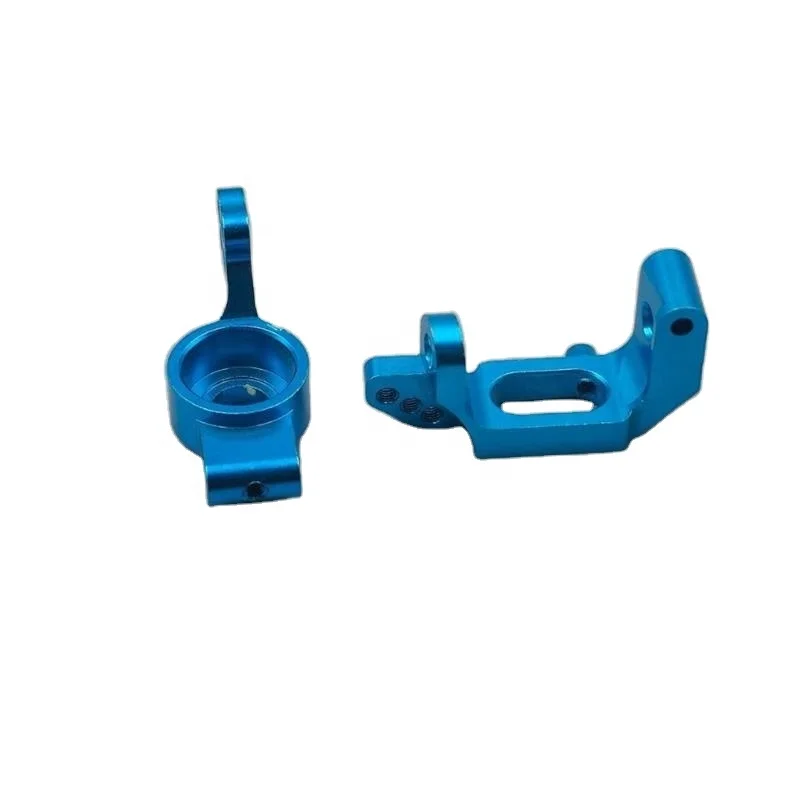
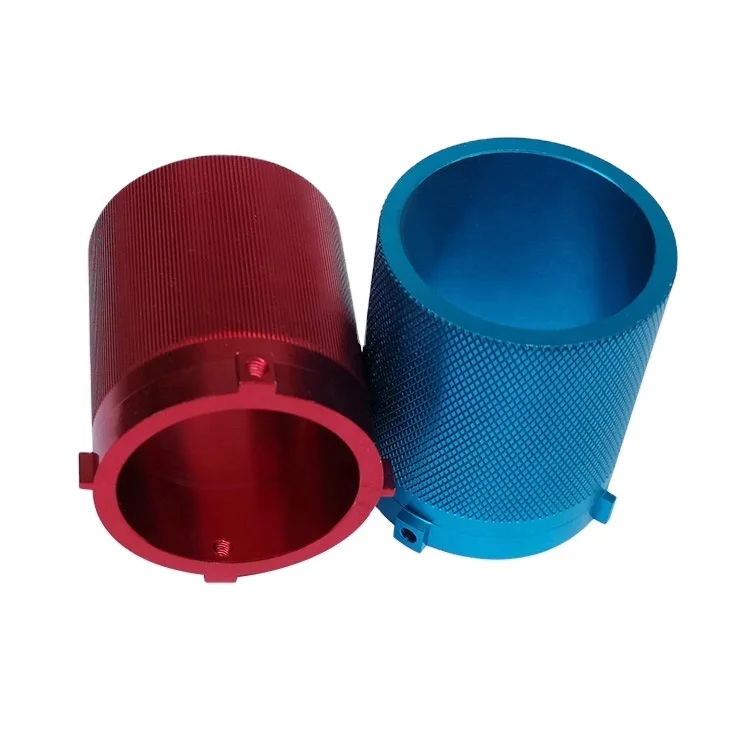
Powder coating, anodizing, plating and painting are named options. Identify treatment coverage and the appearance or functional result needed for the part. Keep any steel or sand-cast project separate from the nonferrous die-cast brief so each quotation addresses a workable material and process combination.