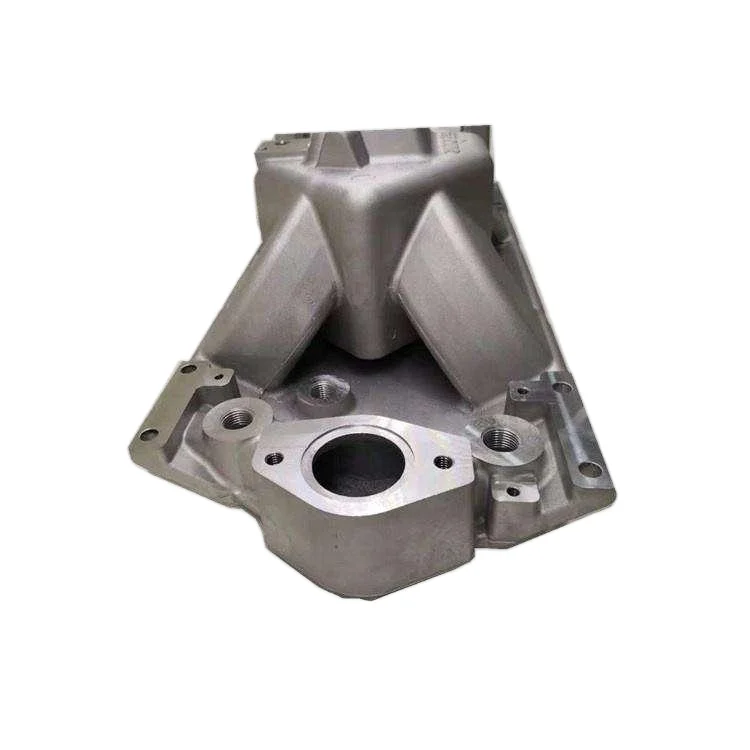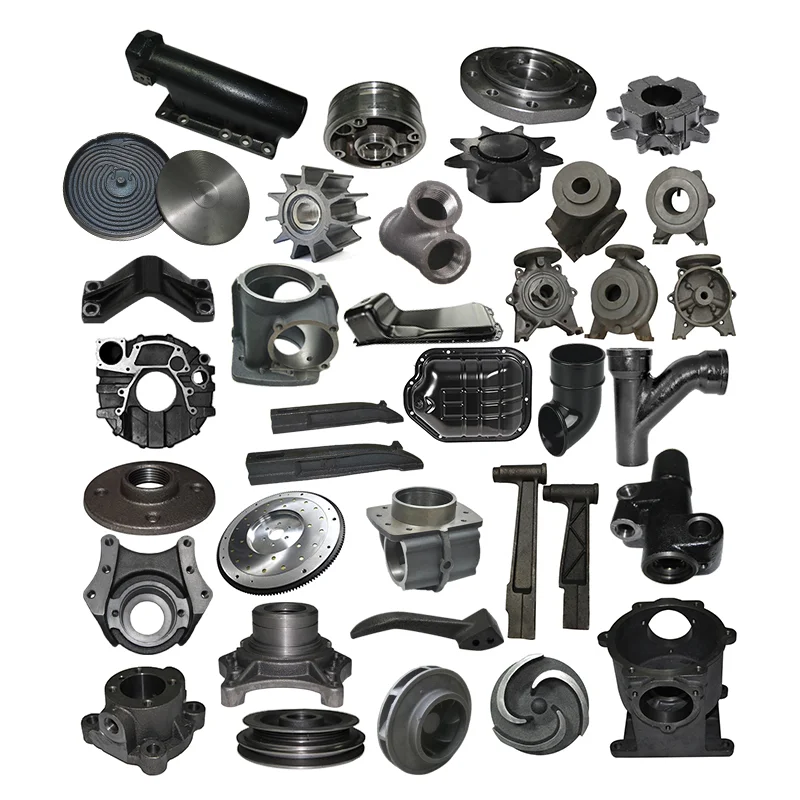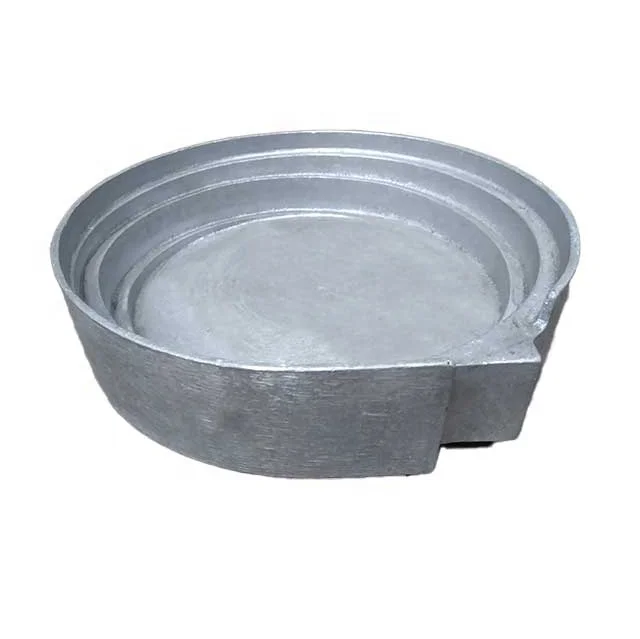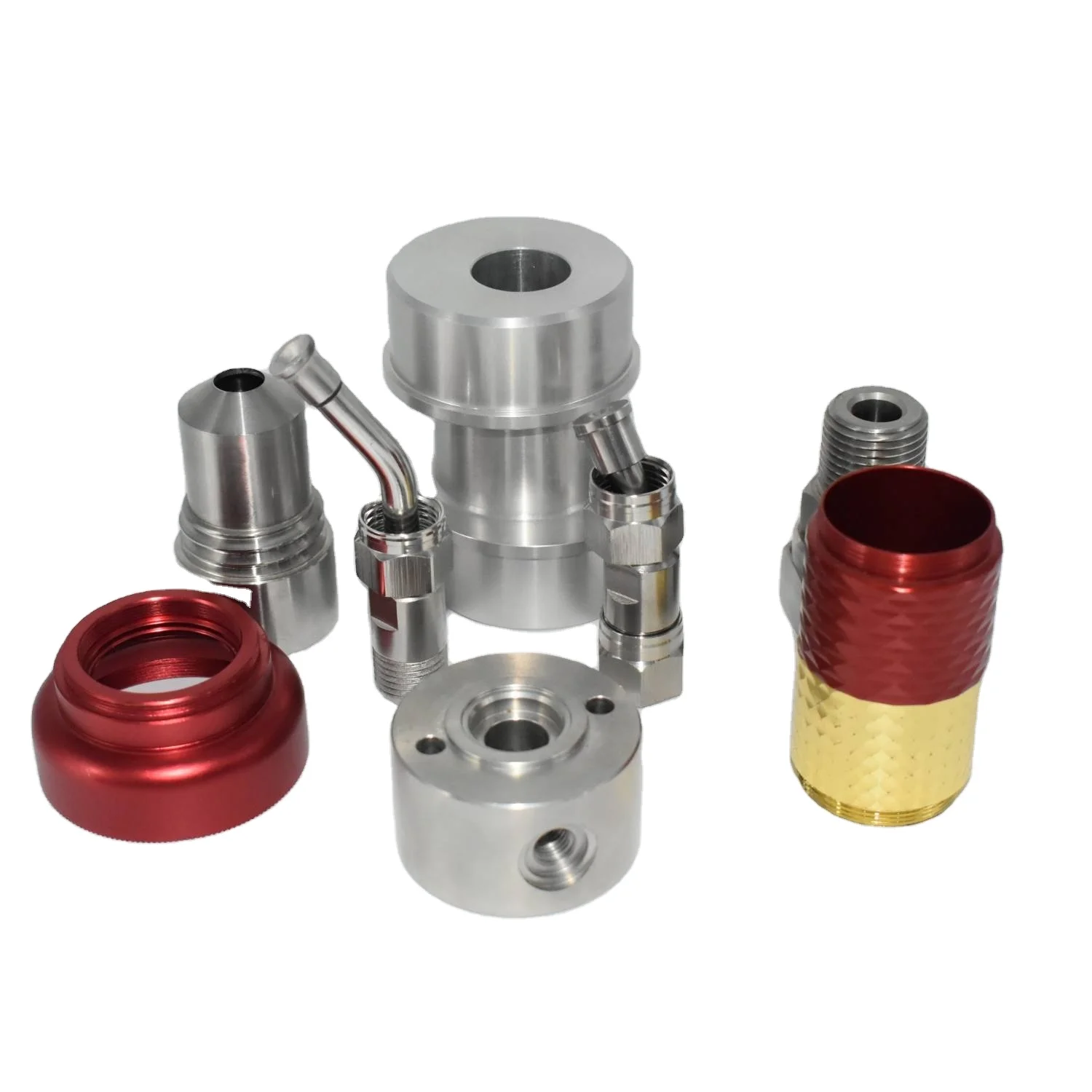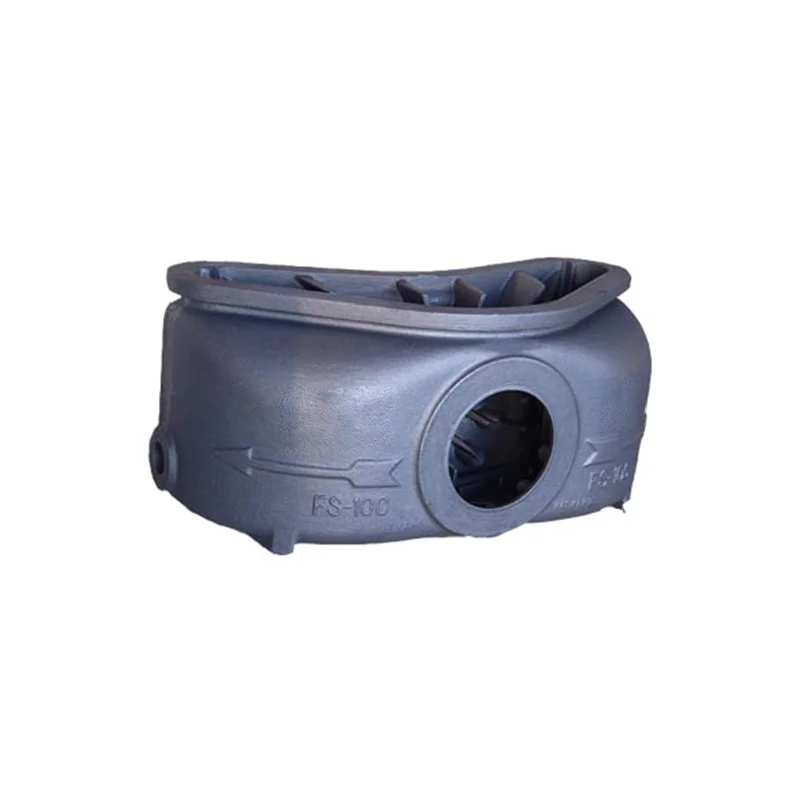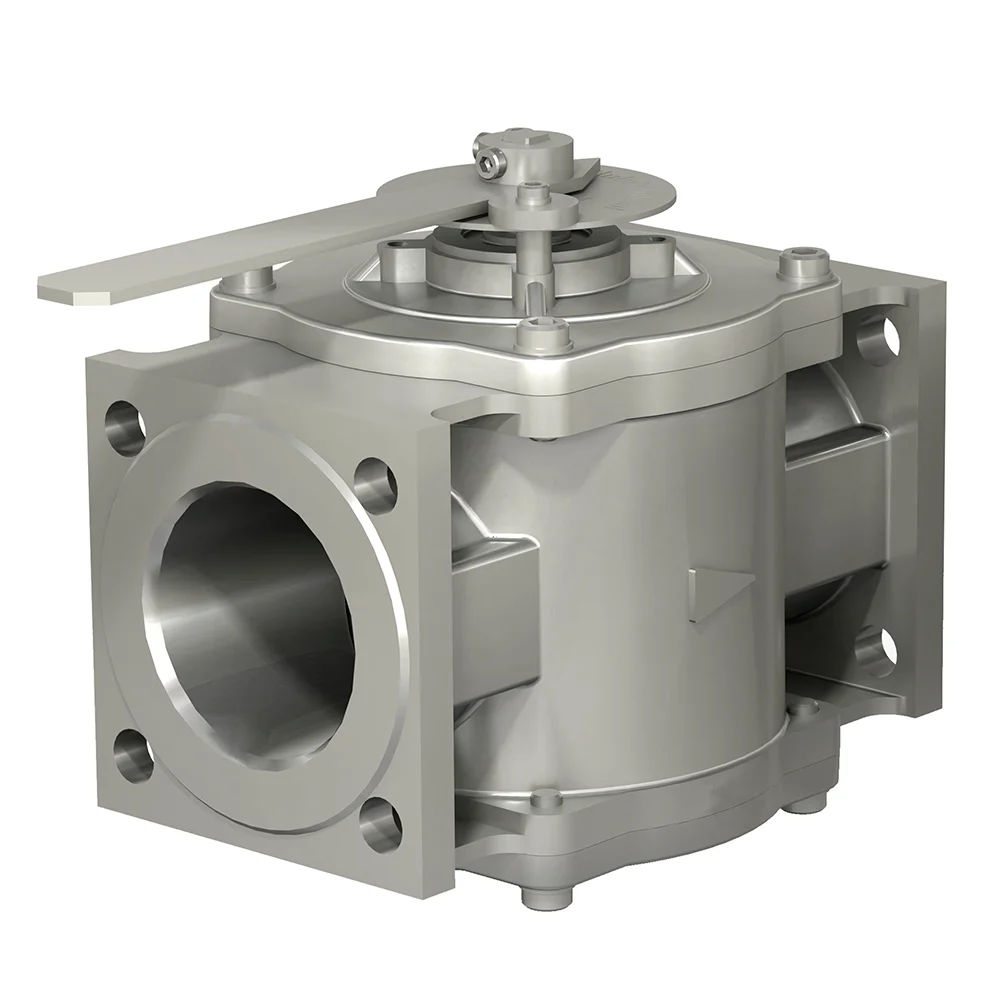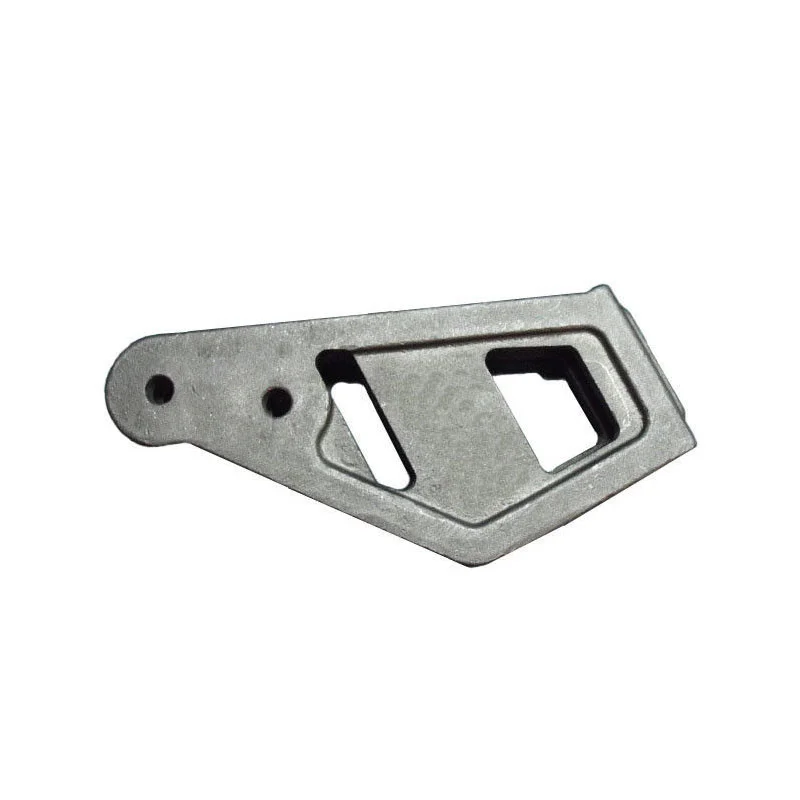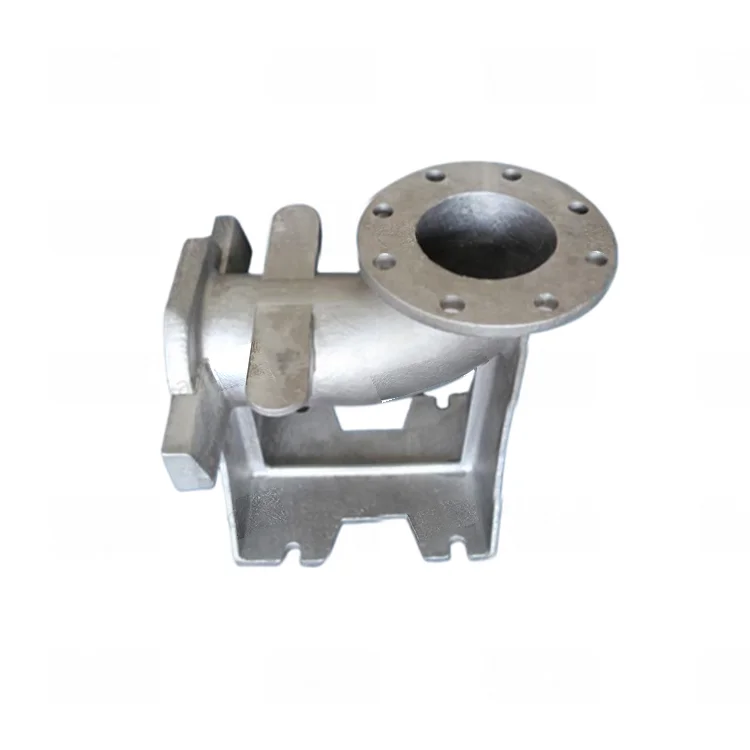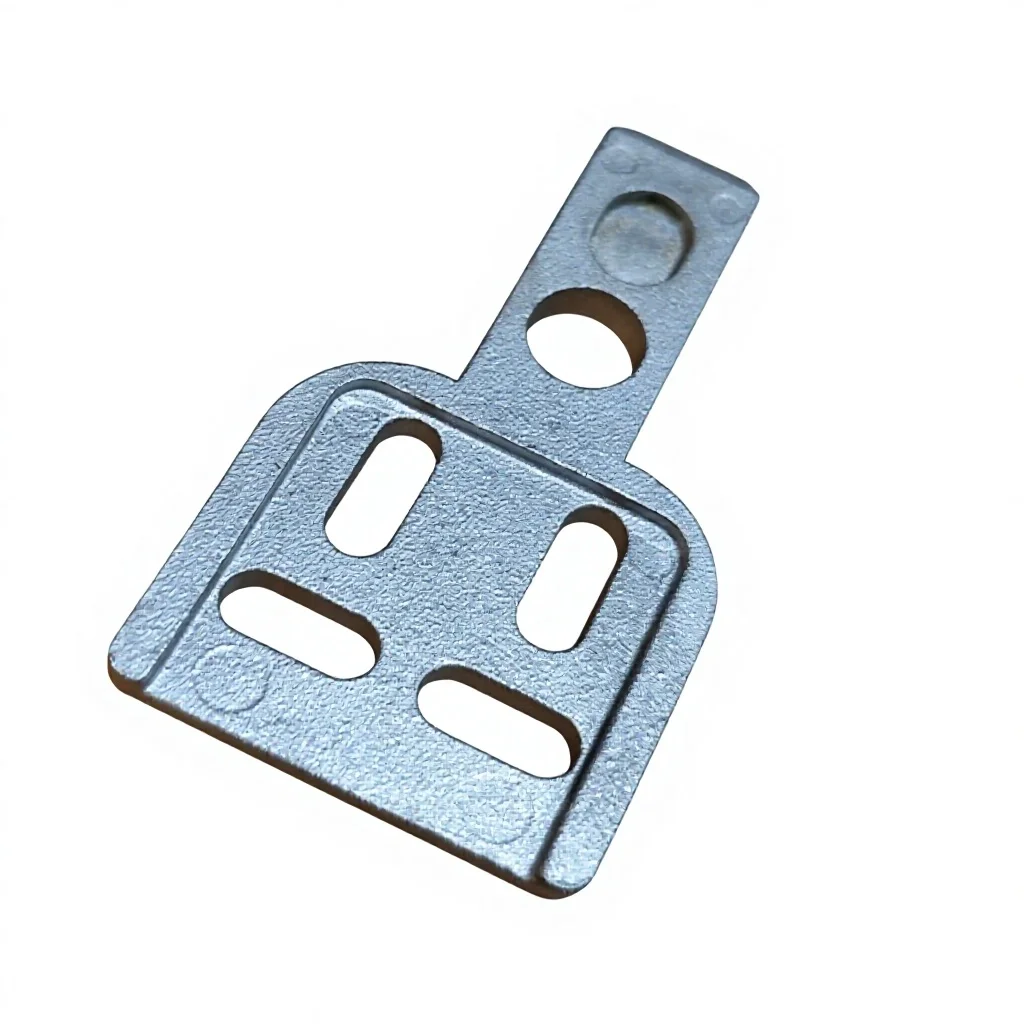
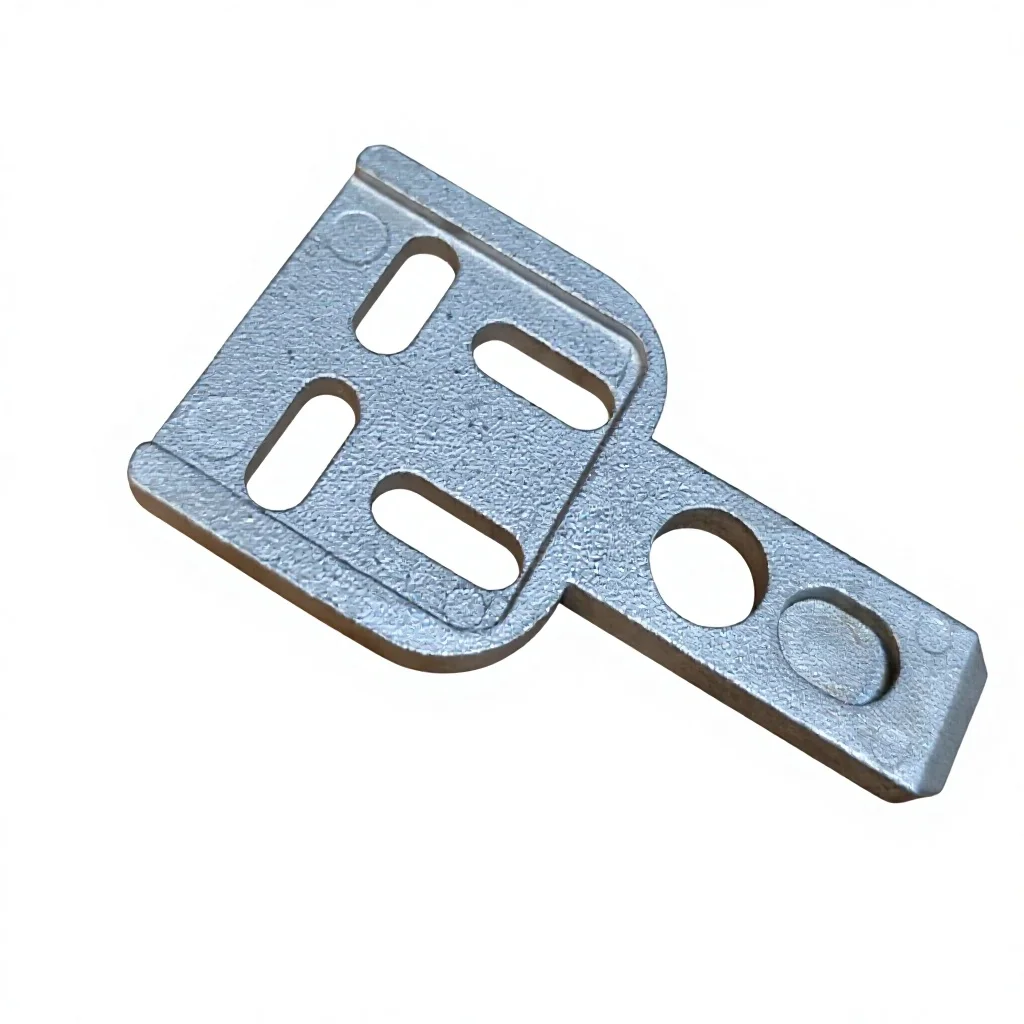
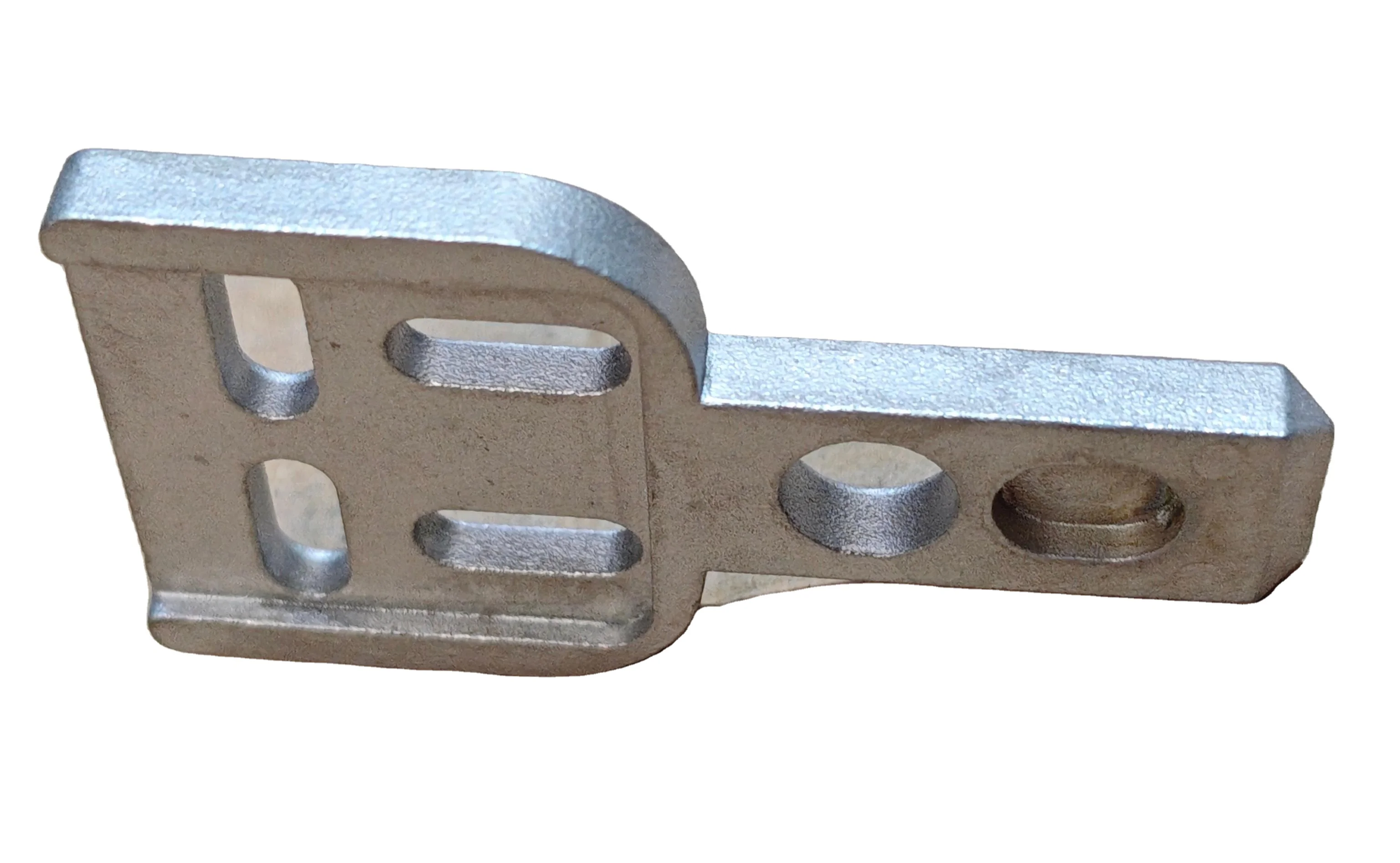
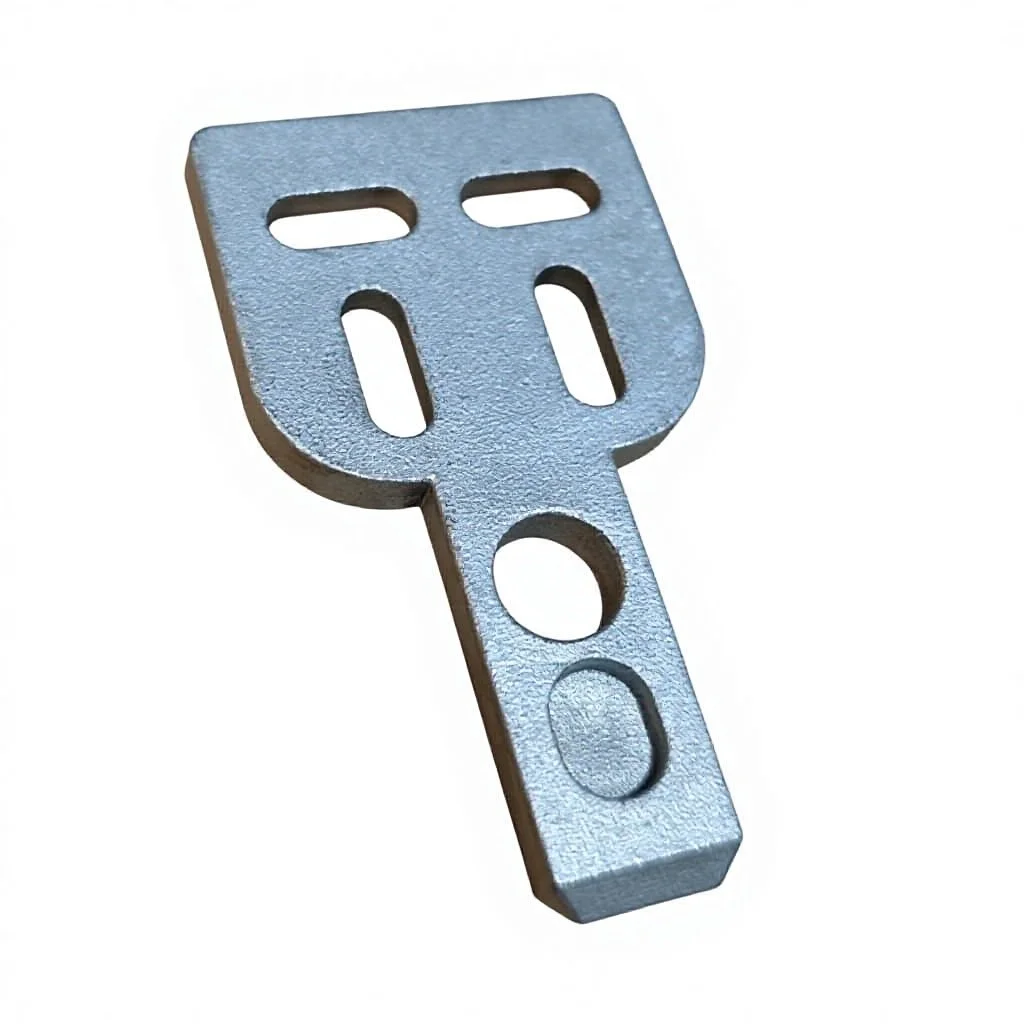
Custom Aluminum Zinc Die Cast Parts and Separate Stainless Sand Casting Components with Machining and Surface Treatment
Direct factory support
Get a quote that fits your project
Send your drawing or product reference, material grade and required quantity. Relia will review the requirements with you.
- Drawing & specification review
Confirm the supply scope and critical requirements.
- Samples before custom production
Review inspected samples before approving a batch.
- Inspection documents
Agree material and dimensional records for your part.
-
MaterialAluminum, Stainless steel, Zinc, etc.ApplicationIndustry Machinery
-
Surface treatmentSandblasting, Wire drawing, Polishing, ElectrolysisProduct nameDie Casting Parts
-
ProcessCasting +Machining+surface TreatmentServiceOEM\ODM
-
StandardDIN/GB
Industrial-machinery OEM/ODM enquiries include aluminum, stainless-steel or zinc casting parts with selected sand- or die-casting routes. Machining and surface treatment can be defined for the actual component. Specify the full grade and compatible route for each item being ordered.
Explain the machinery interface and required geometry
Show how the component mounts, locates or contacts surrounding equipment. Mark datums and dimensional limits governing assembly or operation. Identify which areas remain in their cast condition and which require machining to reach the specified final result.
Select the actual surface process
Sandblasting, wire drawing, polishing and electrolysis-related work are named treatments. Define the selected process, substrate and coverage rather than using a general finish description. Identify working, contacting and visible surfaces, with masking and final appearance criteria where needed for approval.
Name the governing document and acceptance records
DIN and GB are the referenced standard families. Specify the complete document, edition and material condition required by the component drawing. Assign material, dimensional and surface checks to the supplied state in which acceptance is established.
- Include quantity and the controlling revision.
- Identify assembly-critical interfaces and measurement conditions.
- Explain the required purpose of an approval sample.
- Retain approved treatment and geometry changes with the drawing.
Keep those requirements attached to the selected material and route so production approval follows the actual casting and machined-component order.