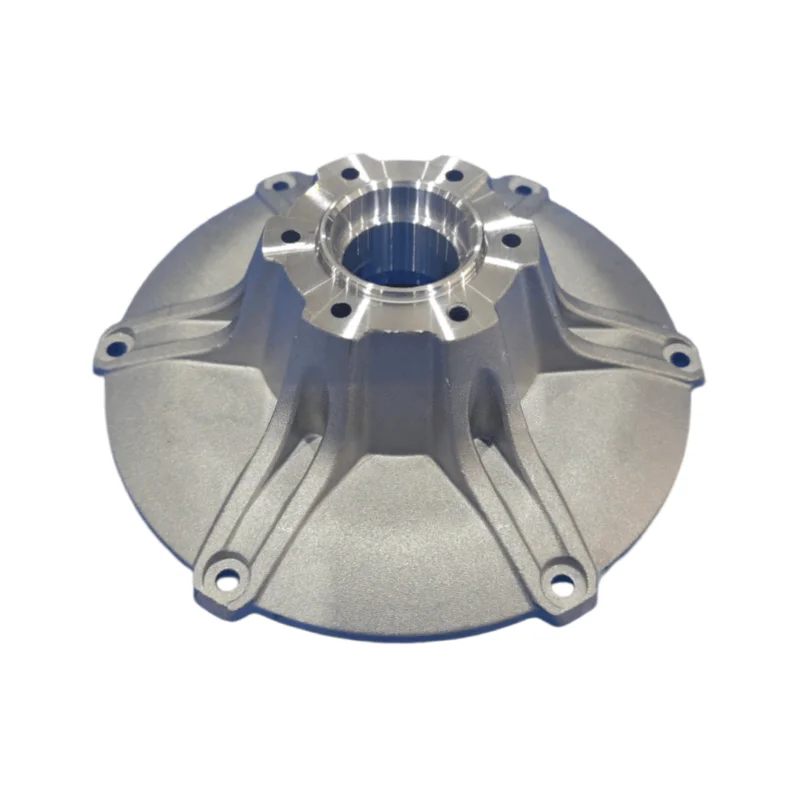
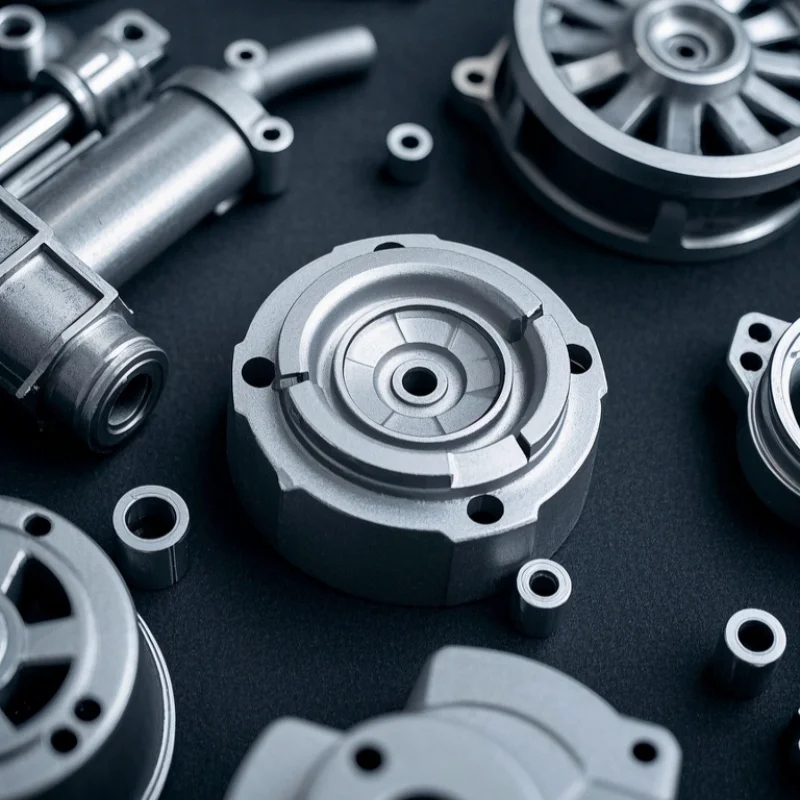
Custom Complex and Irregular Aluminum-Alloy Components — Die Casting, Optional Machining and Powder Coating
Direct factory support
Get a quote that fits your project
Send your drawing or product reference, material grade and required quantity. Relia will review the requirements with you.
- Drawing & specification review
Confirm the supply scope and critical requirements.
- Samples before custom production
Review inspected samples before approving a batch.
- Inspection documents
Agree material and dimensional records for your part.
-
MaterialAluminum AlloyCasting MethodDie Casting
-
ProcessCasting +Machining(if Need)+surface TreatmentSurface treatmentPowder Coating
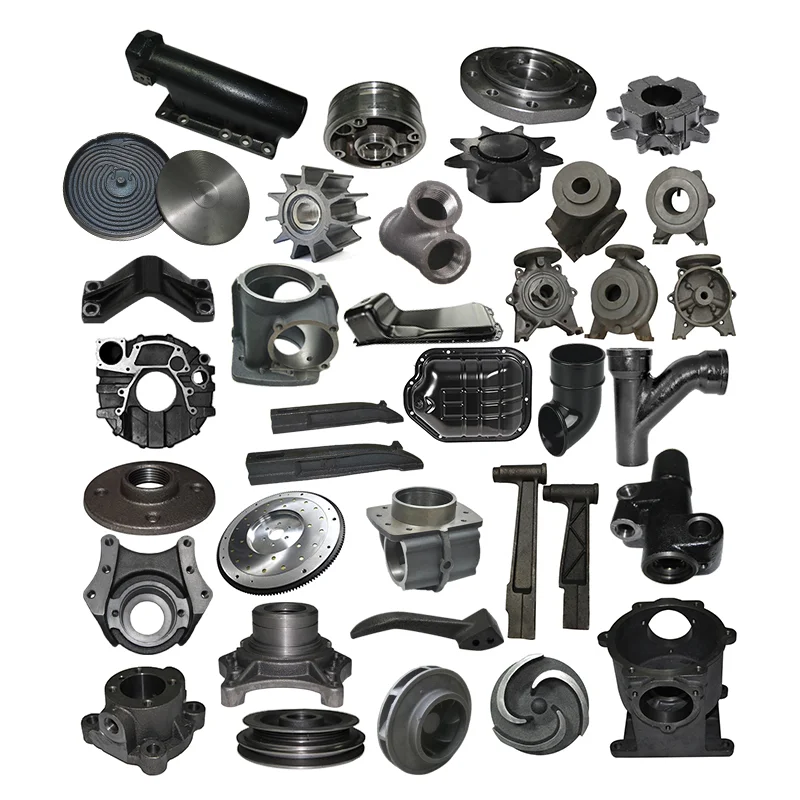
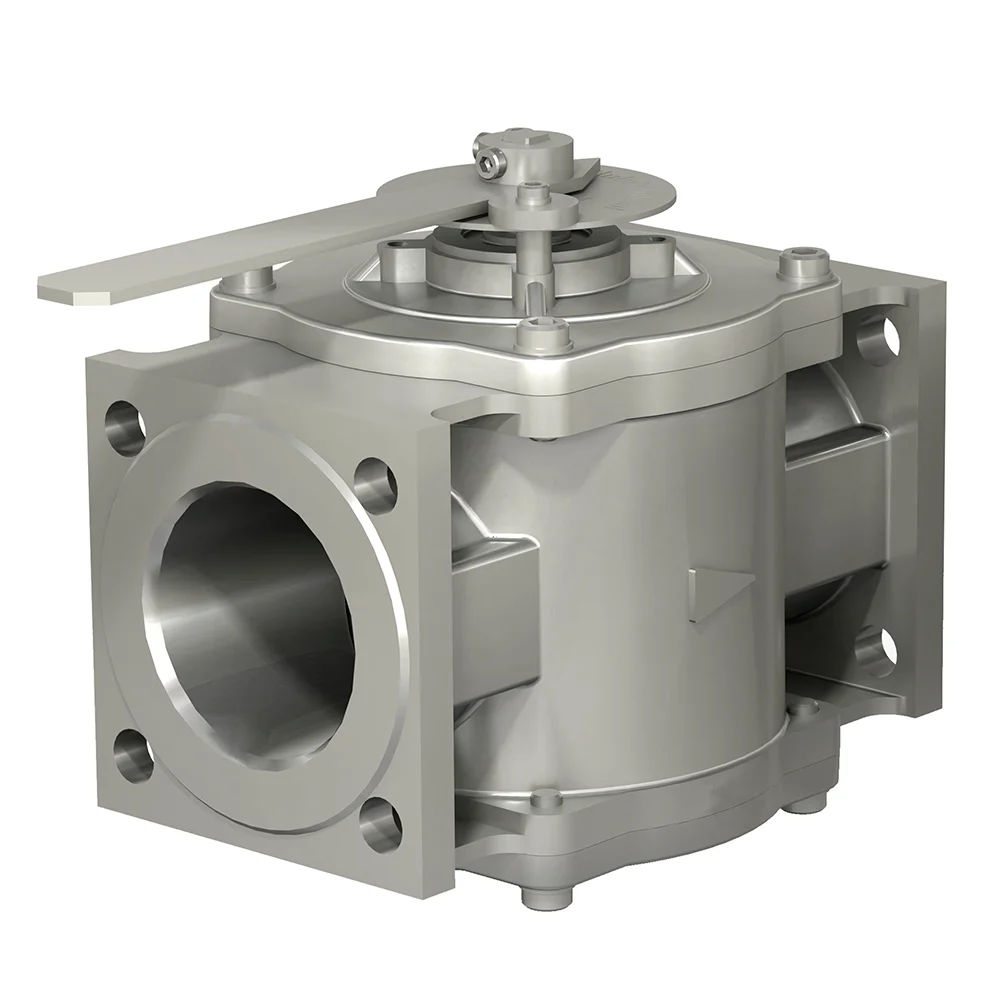
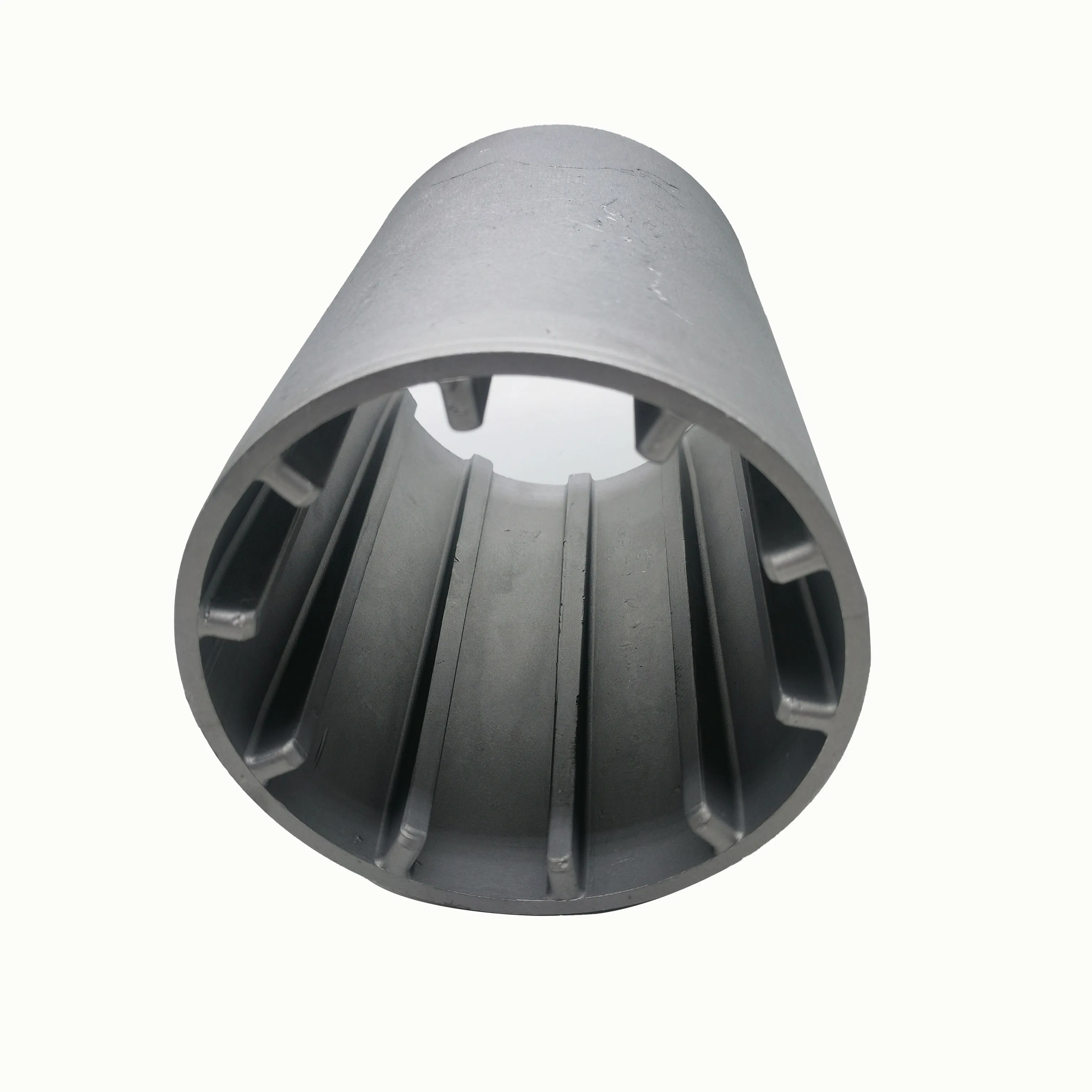
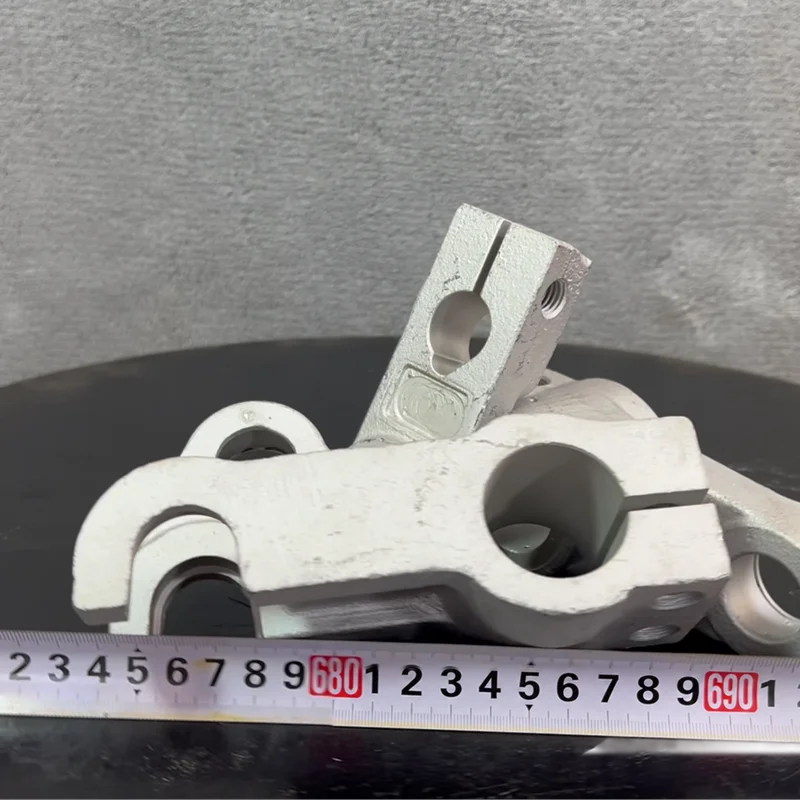
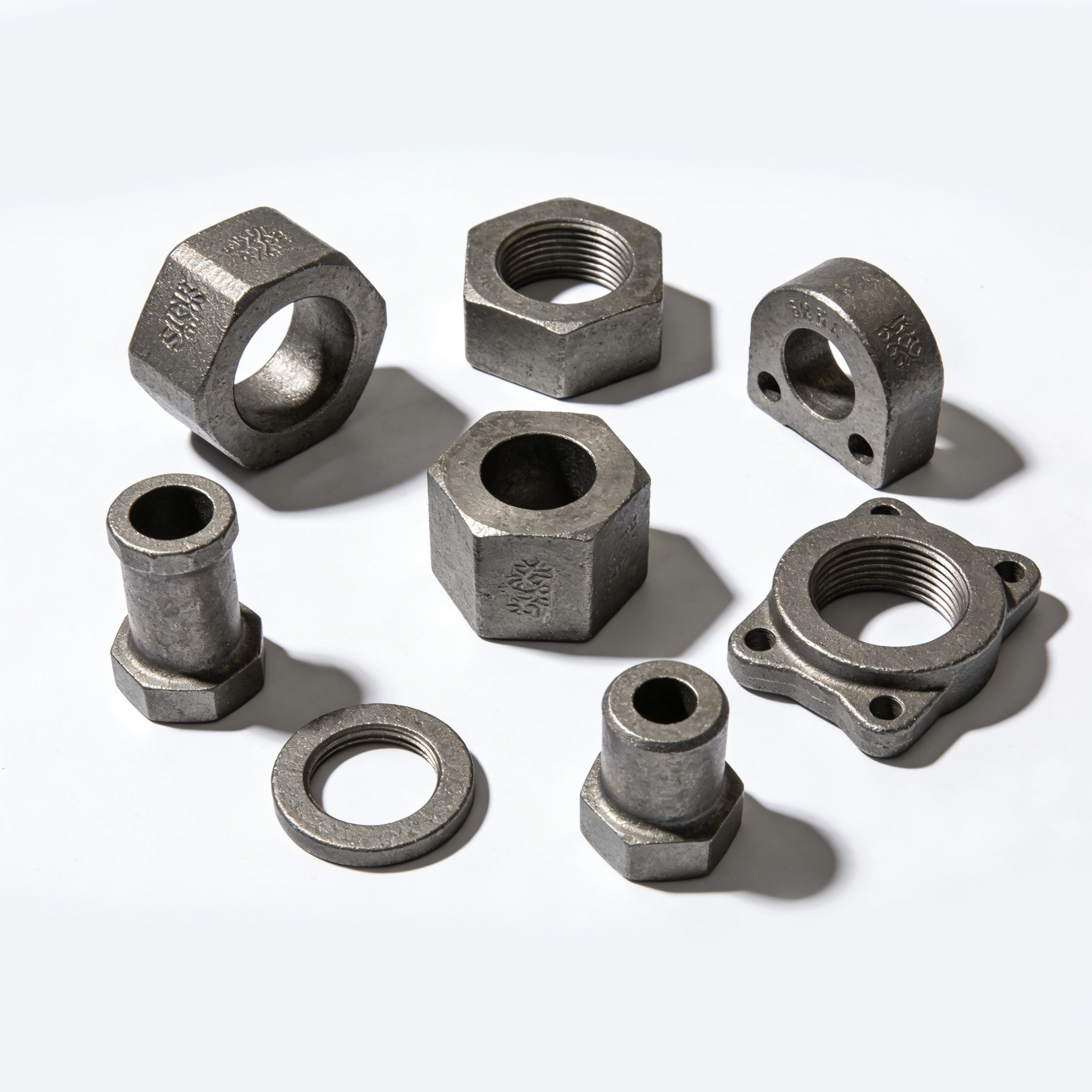
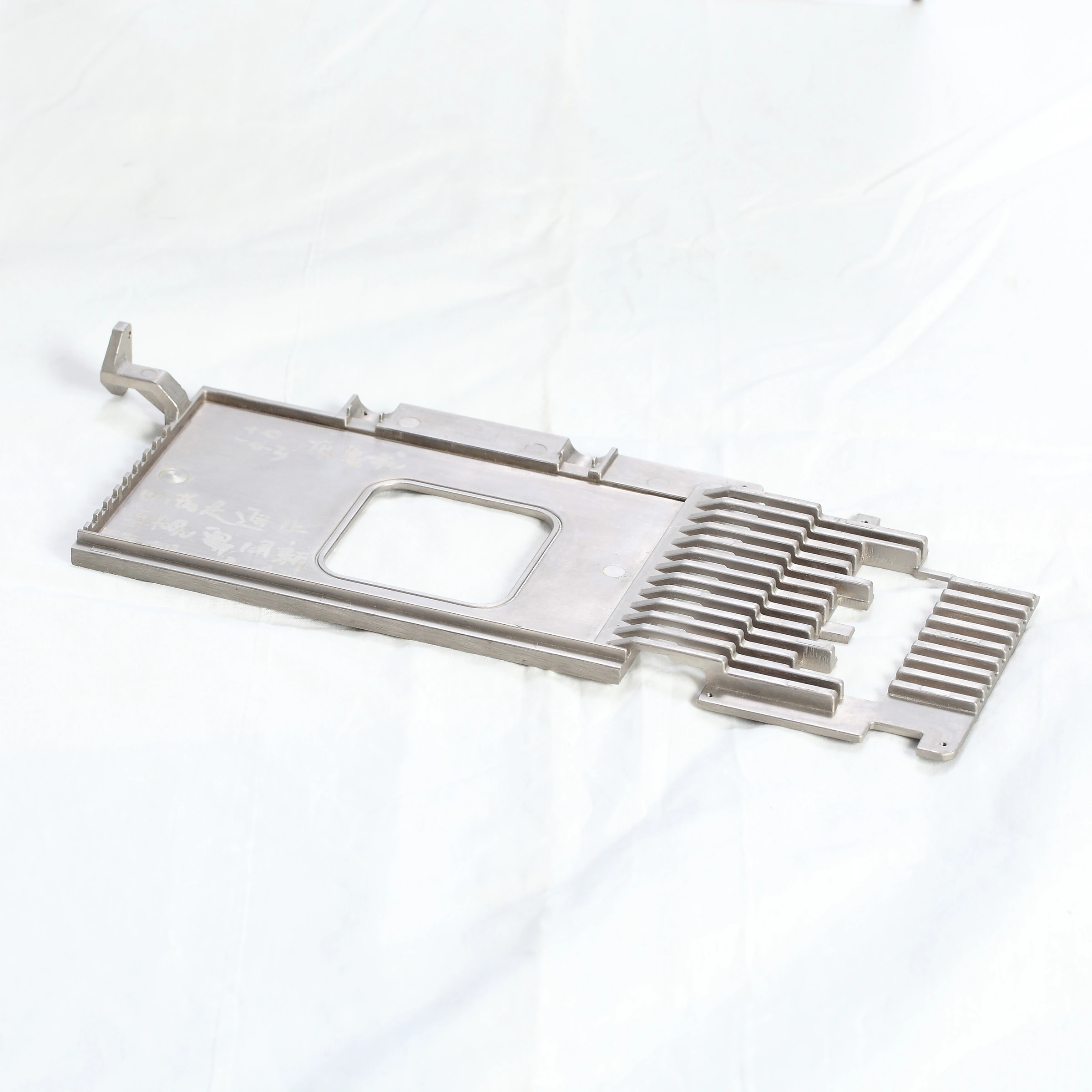
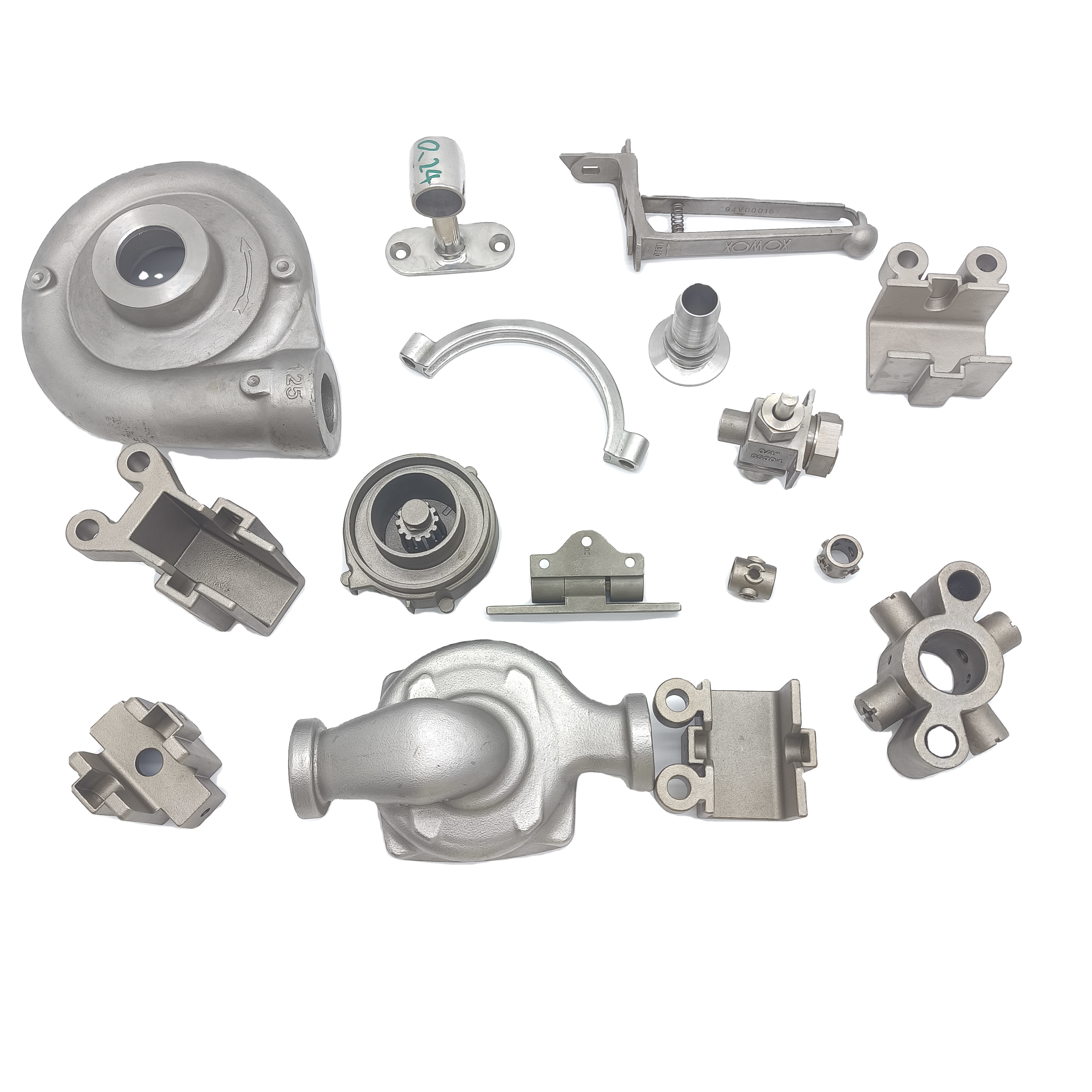
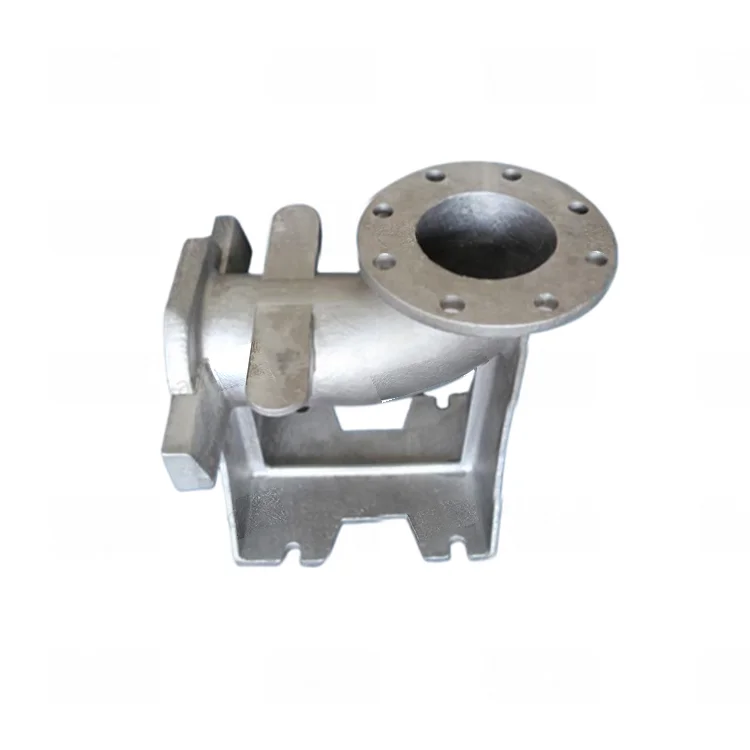
Complex industrial components need a complete drawing that defines the cast geometry and required delivered condition. This custom aluminum-alloy enquiry includes die casting, machining when needed and powder coating. Investment- and sand-casting requests are separate routes to discuss for the selected design.
Show the geometry that makes the component complex
Provide the overall shape with sections or detailed views needed to describe irregular areas. Identify the interfaces that must match other equipment and mark their acceptance dimensions. The alloy grade and required quantity should accompany that geometry so the proposal addresses the actual component.
- Supply the complete drawing and relevant detailed views.
- Select the aluminum-alloy grade and quantity.
- Identify critical geometry and any required machining.
- Define powder-coating and finished acceptance requirements.
Select the casting method for the design
Die casting is the stated body route, with investment and sand casting available as separate enquiry scope. Identify the method required by the project or discuss the proposed route for the selected alloy and geometry. The quotation should describe one agreed manufacturing scope for the ordered component.
Specify machining only where the part requires it
Mark the interfaces that need finished machining and the dimensions to be accepted after that work. Other areas can be described through their required casting condition. This separates the complex cast shape from the selected finished surfaces without assuming an unstated general precision.
Coordinate powder coating with functional interfaces
Describe the powder-coated surface result and any contact or measurement areas needing particular instructions. Include the required supplied condition with the drawing acceptance criteria. The casting, optional machining and coating requirements should all refer to the same component design.