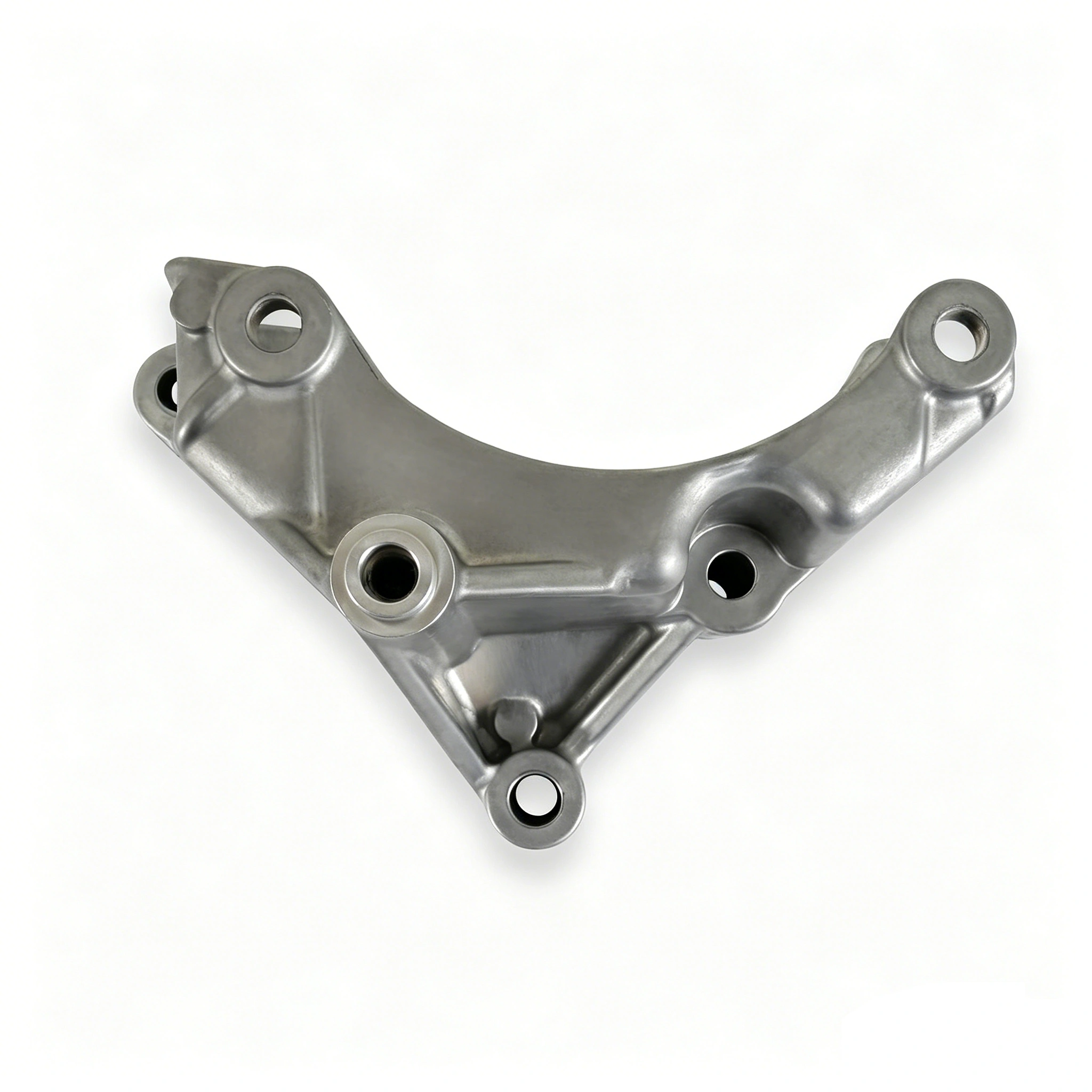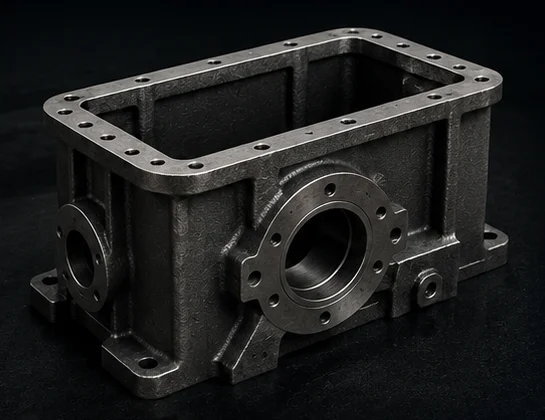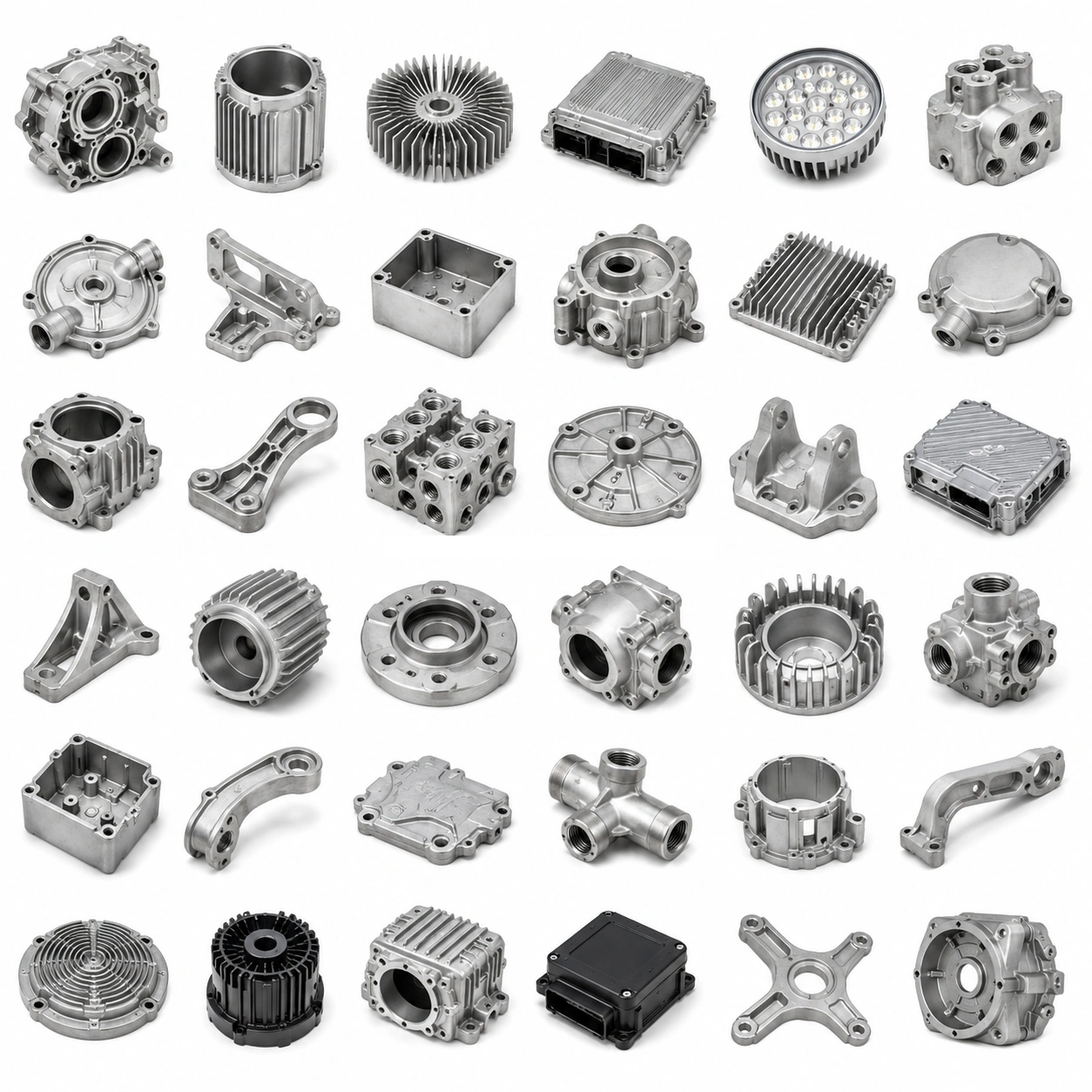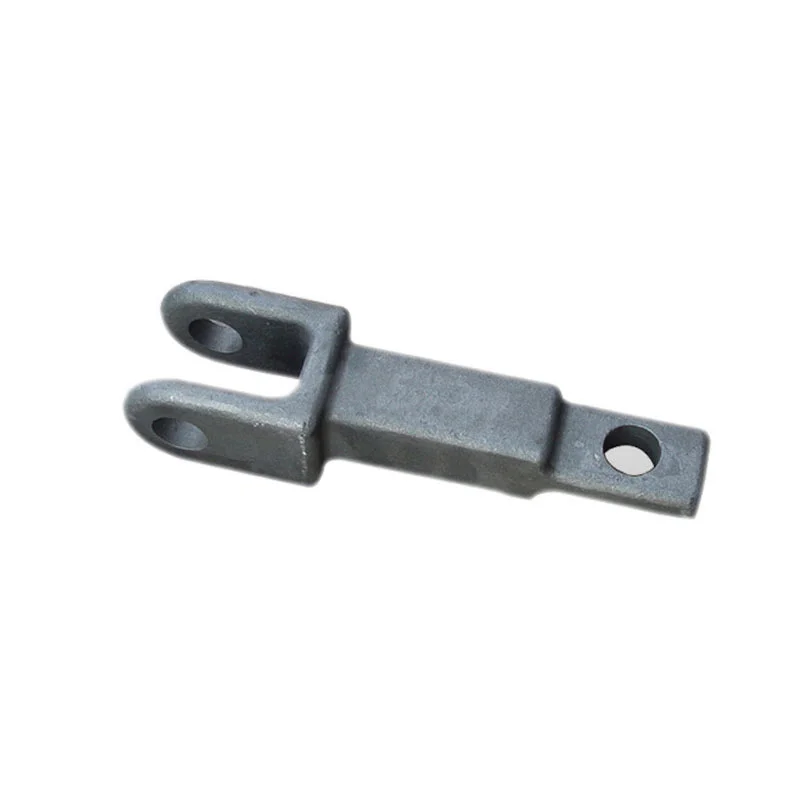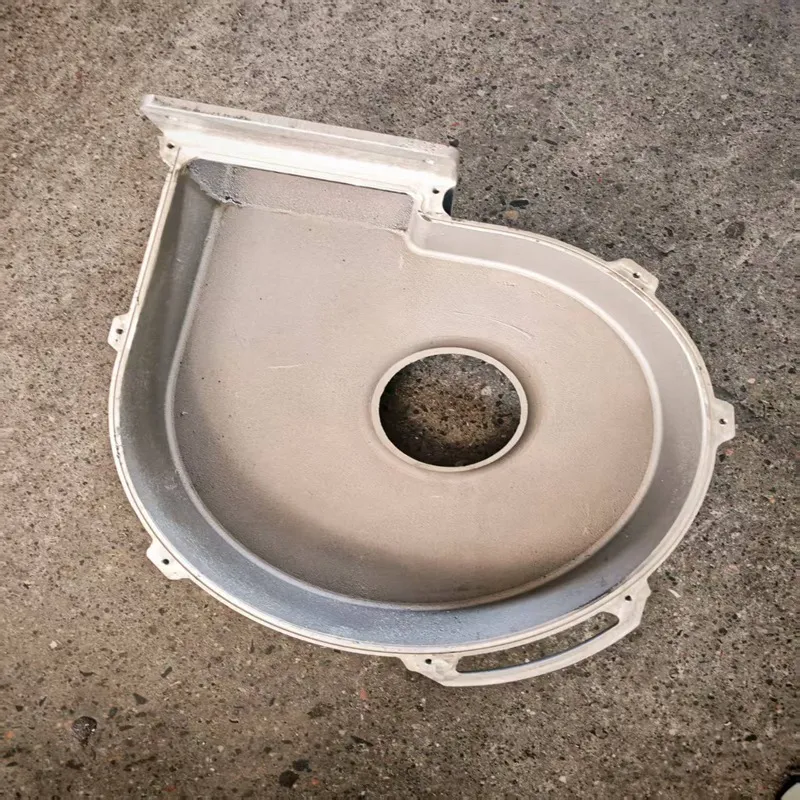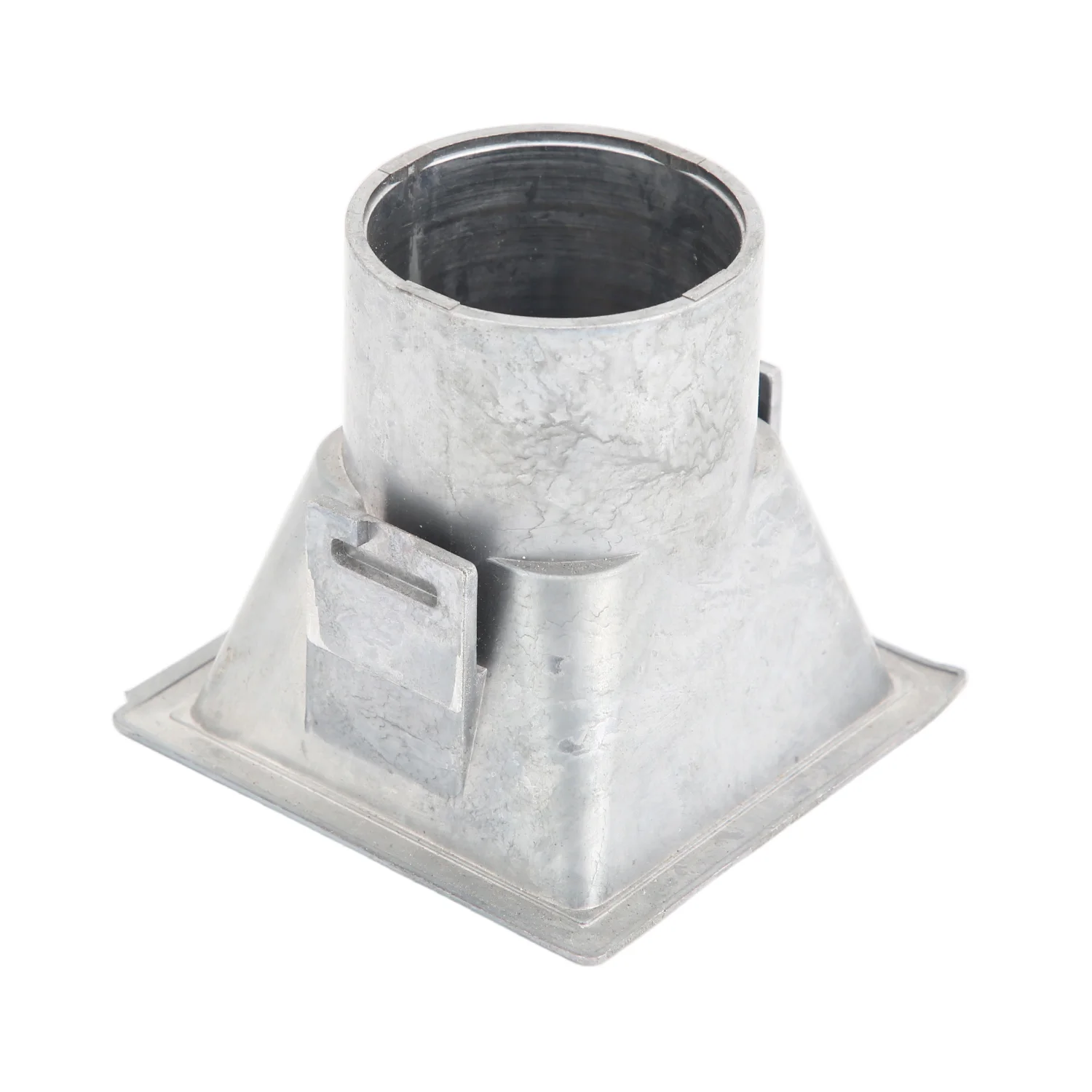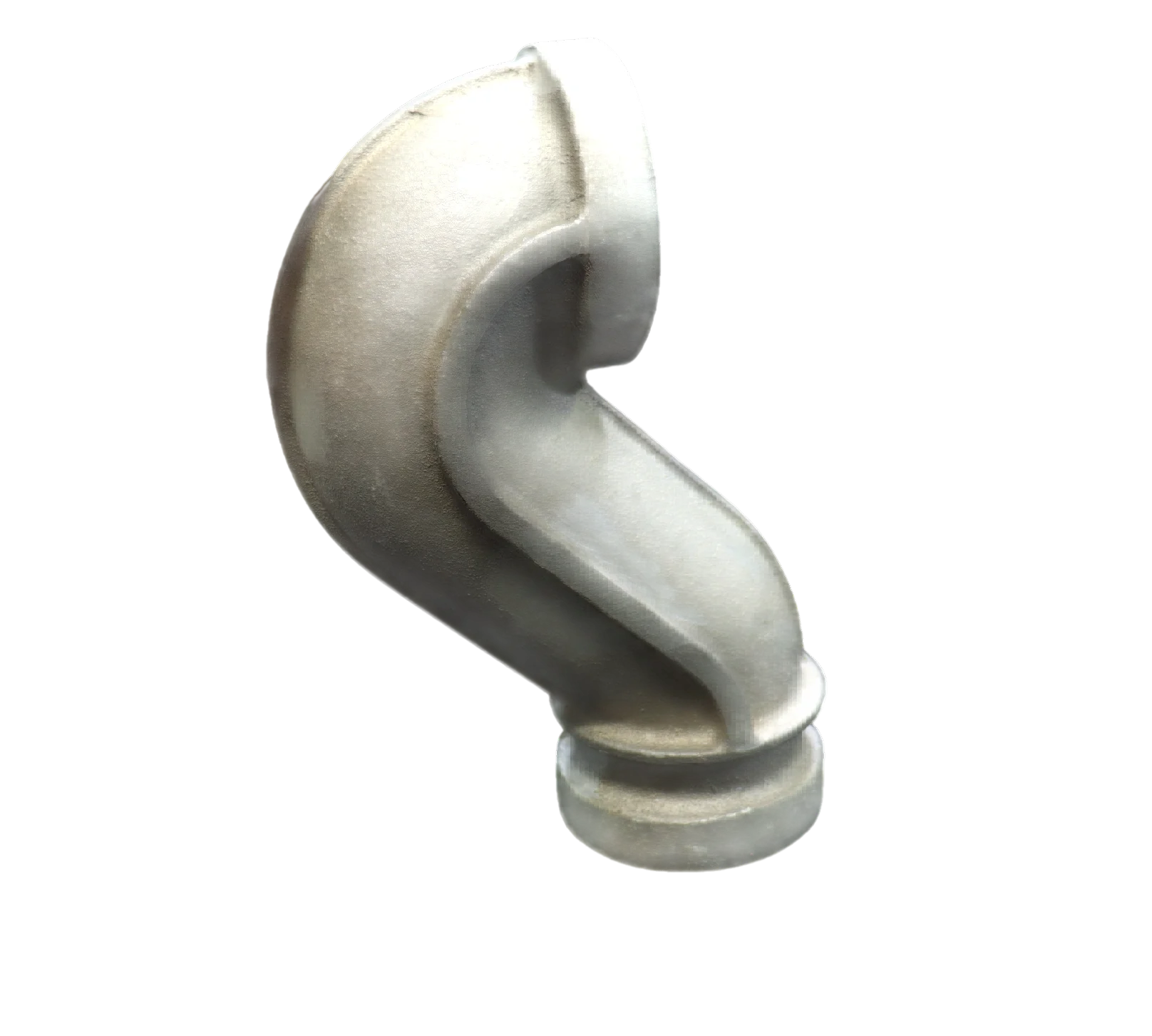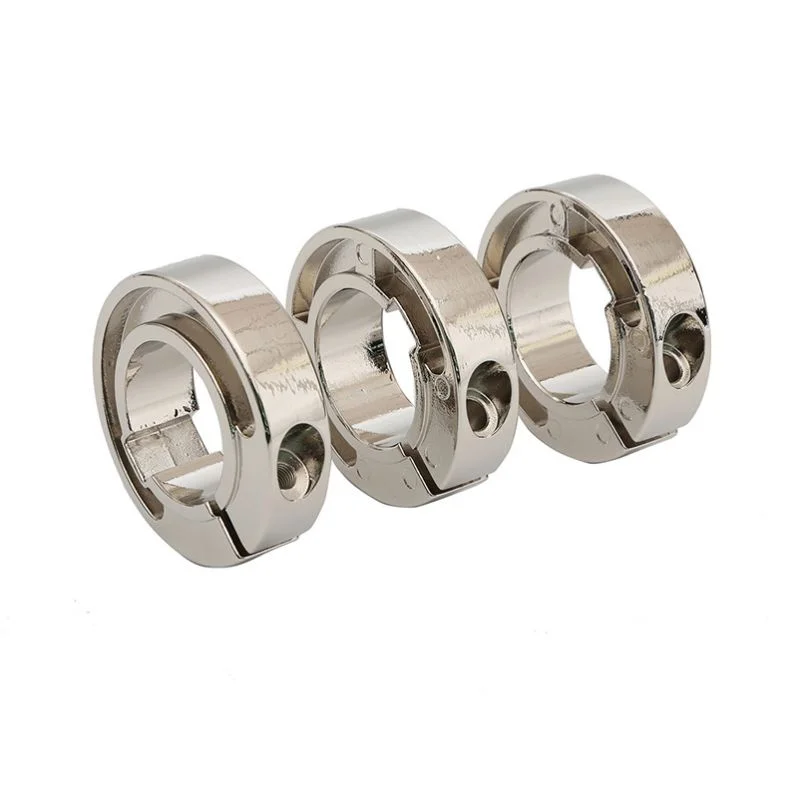

Custom Die-Casting Motor Shells, Pewter or Aluminium Parts and Sand-Casting Mold Enquiries
Direct factory support
Get a quote that fits your project
Send your drawing or product reference, material grade and required quantity. Relia will review the requirements with you.
- Drawing & specification review
Confirm the supply scope and critical requirements.
- Samples before custom production
Review inspected samples before approving a batch.
- Inspection documents
Agree material and dimensional records for your part.
-
CNC Machining or NotNot CNC MachiningTypeOther Machining Services, Rapid Prototyping
-
Material CapabilitiesAluminum, Brass, Bronze, Copper, Hardened Metals, Precious Metals, Stainless Steel, Steel Alloys, PlasticMicro Machining or NotNot Micro Machining
-
Processing Typedie casting, vacuum casting, Investment Casting
-
Materialmetal, plastic etc.Surface treatmentDepends
-
OEM/ODMSupportQuality controlSupport
-
Product TypeCustomized serviceFile Format.stl
-
Keyword 1casting servicesKeyword 2die casting
-
keyword 3vacuum casting
Start this custom casting enquiry by identifying the deliverable: a motor shell, a pewter or aluminum component, or a mold for a sand-casting project. OEM/ODM and rapid-prototype support are named, with STL files accepted for geometry review.
- Provide the component or mold model and its intended use.
- Select one material and state the required grade.
- Mark assembly interfaces and the surfaces needing extra attention.
- Describe the quantity, finish and acceptance condition.
Separate the component from its tooling
A motor housing and a casting mold require different drawing information and acceptance checks. For a shell, identify the mounting interfaces, internal clearances and mating parts. For tooling, define the intended casting geometry and the mold's role in the proposed production route so that the quotation covers the correct object.
Match the metal or plastic to a workable route
Die casting, vacuum casting and investment casting are named process enquiries. Material requests also include brass, bronze, copper, hardened metals, precious metals, stainless steel, steel alloys and plastic. Agree a compatible material and process combination for the specific deliverable rather than assuming every listed material uses every route.
Define the prototype and finished condition
The service is identified as non-CNC and non-micro machining, alongside other machining-service and rapid-prototyping enquiries. Specify the geometry and finish that the prototype must represent, and explain whether it will be used for appearance, assembly review or another defined check. Surface treatment depends on the selected item, and quality-control support can be aligned with the agreed drawing and acceptance requirements.