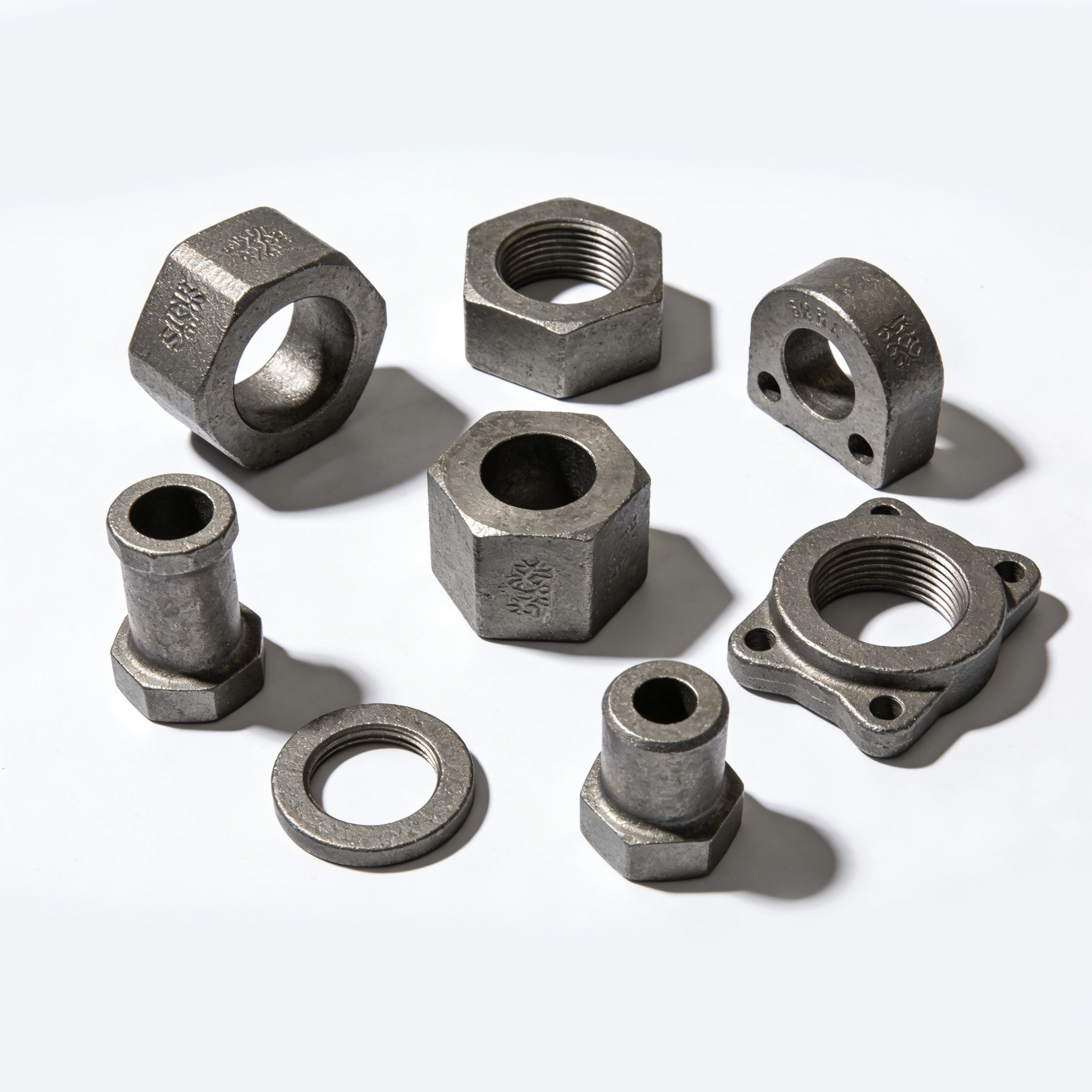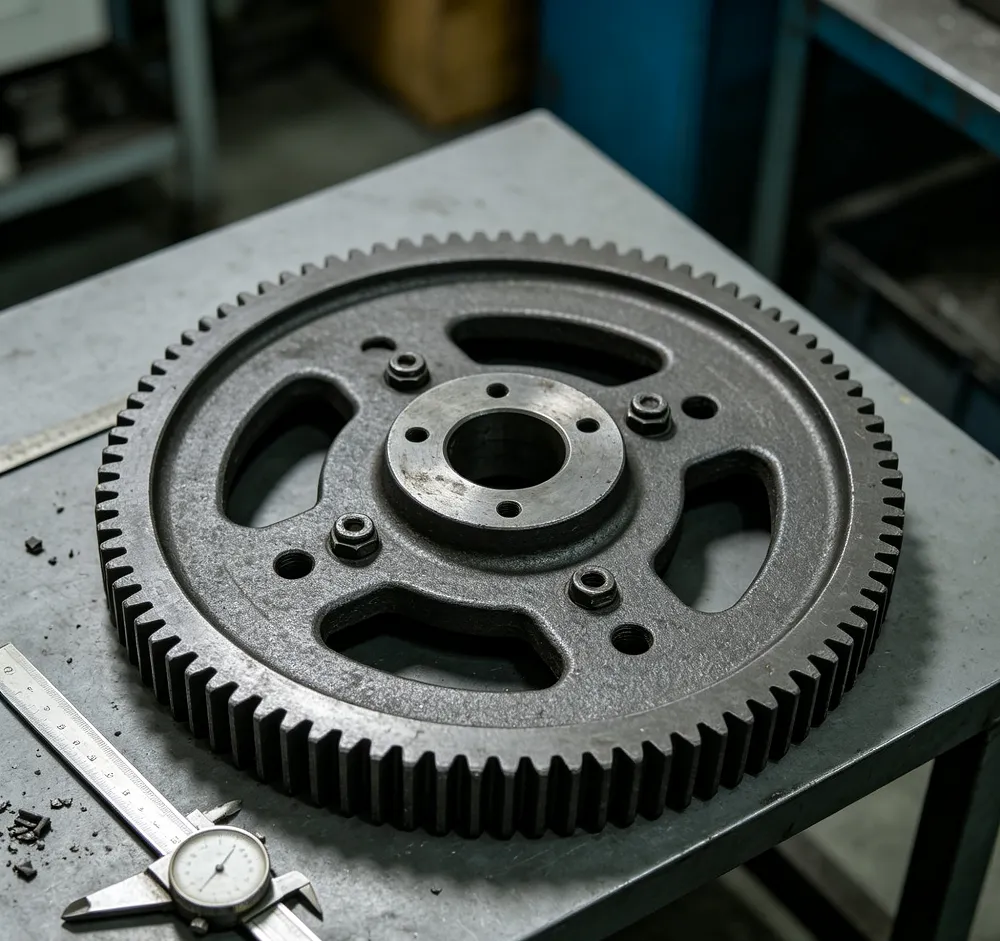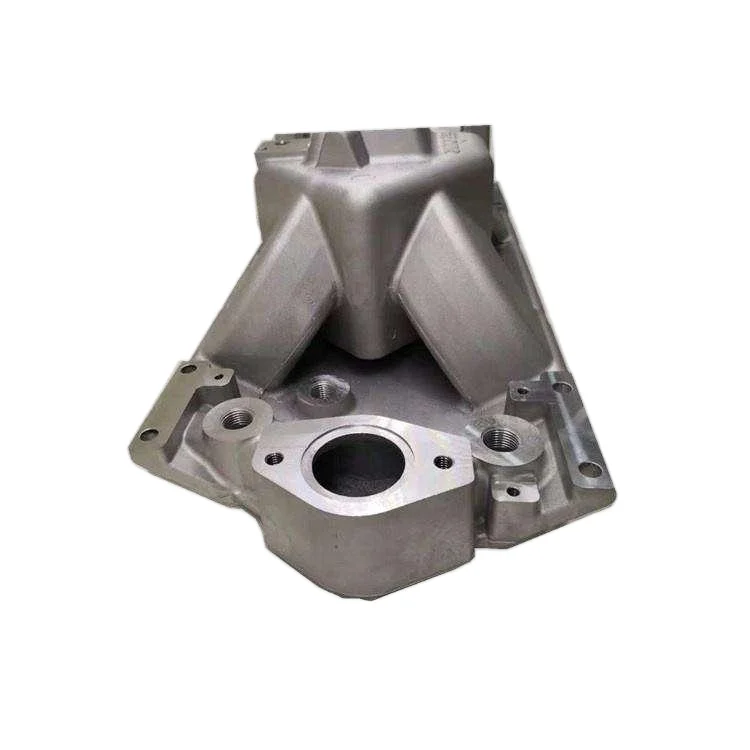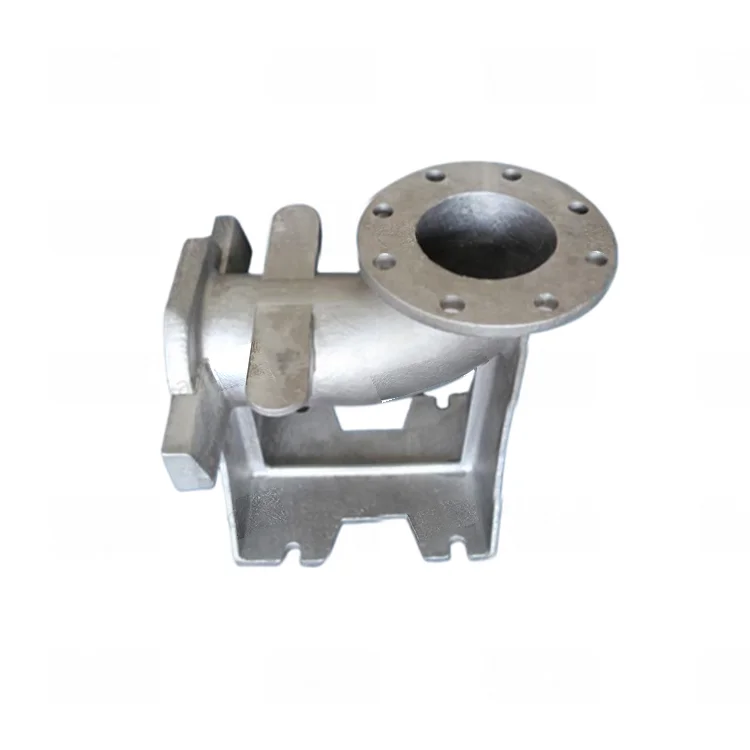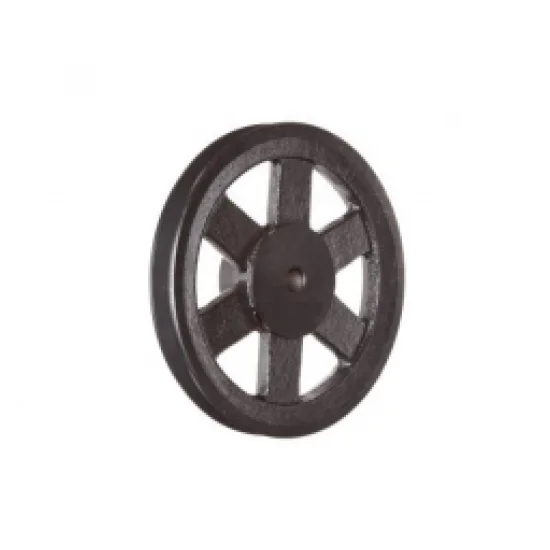
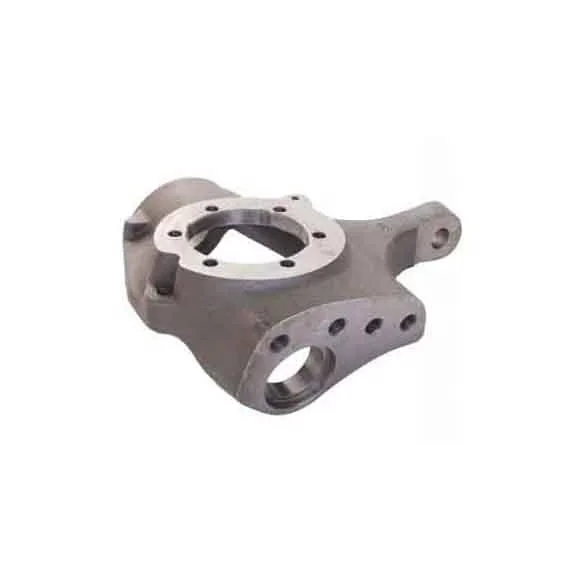
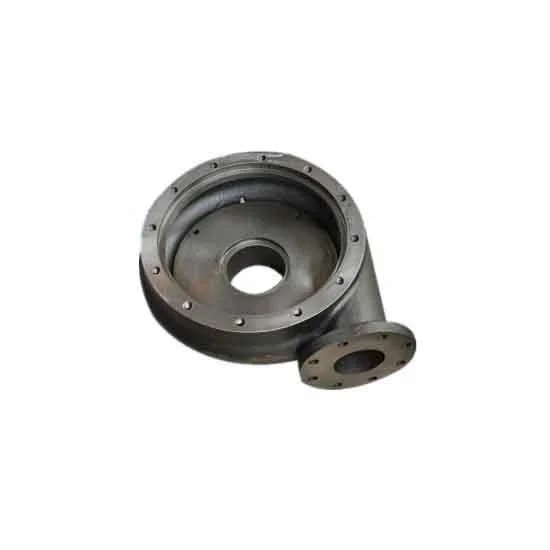
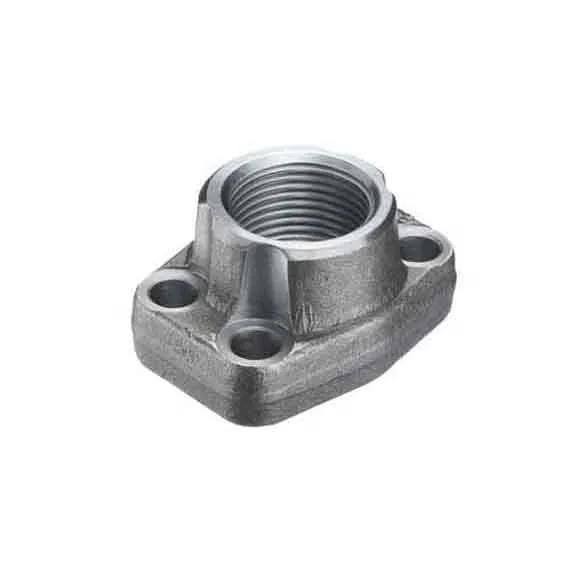
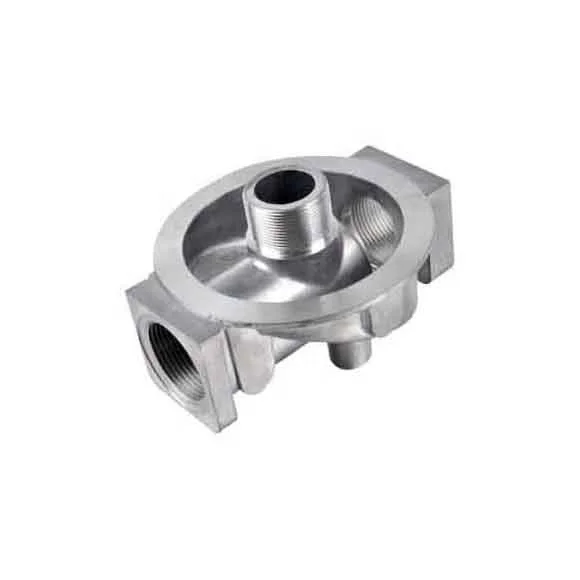
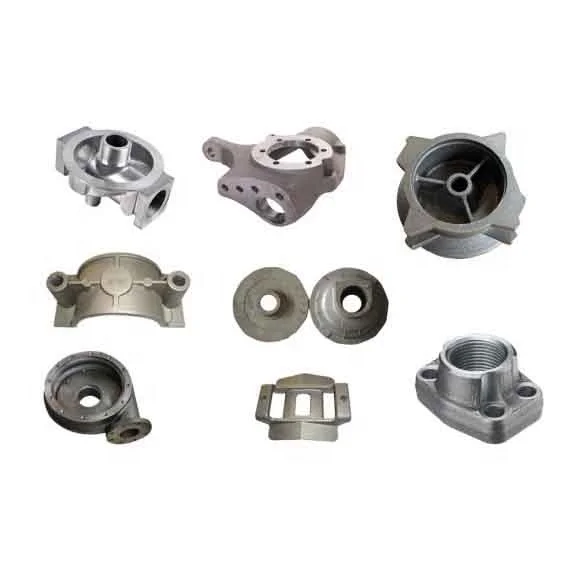
Custom Ductile Gray Iron Sand Cast Parts with CNC Precision Machining Shot Blasting and Polishing
Direct factory support
Get a quote that fits your project
Send your drawing or product reference, material grade and required quantity. Relia will review the requirements with you.
- Drawing & specification review
Confirm the supply scope and critical requirements.
- Samples before custom production
Review inspected samples before approving a batch.
- Inspection documents
Agree material and dimensional records for your part.
-
MaterialIron
-
Surface TreatmentShot Blasting, PolishingProcessDie Casting + Machining
-
Machining ProcessCNC Precision MachiningServiceOEM/ODM
-
Tolerance0.01mm~0.02mmApplicationMachinery, automobile, petrochemical industry, metallurgical
-
Quality Control100% InspectionFinishShot Balsting
-
Item NameCustomized Precision Casting Ductile Gray Sand Cast Iron Parts
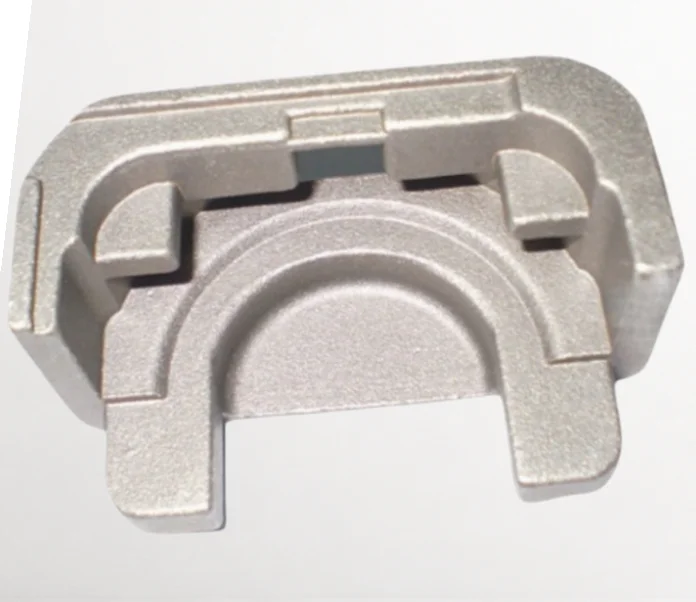
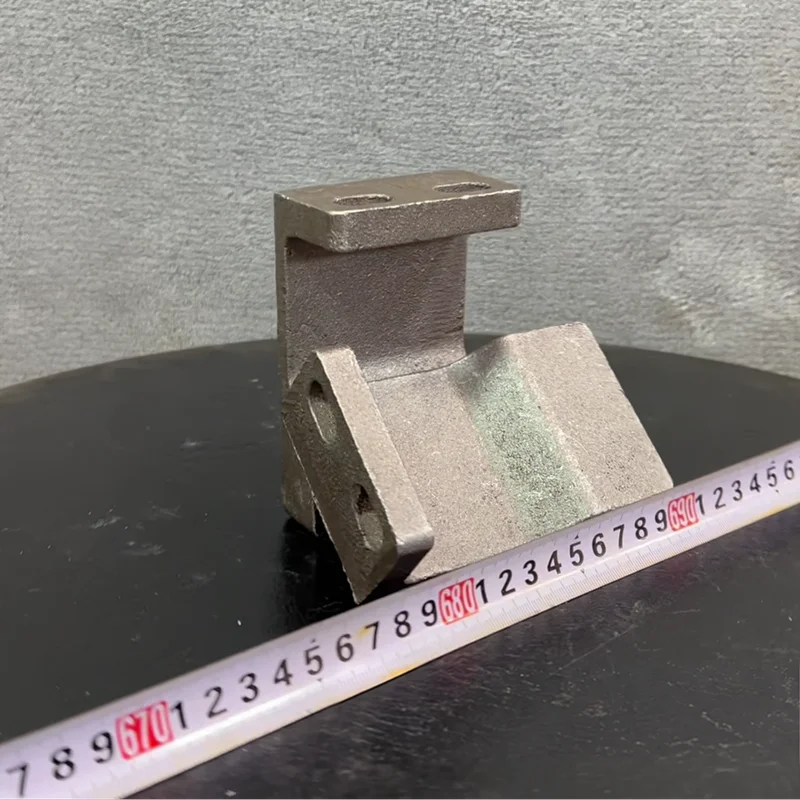
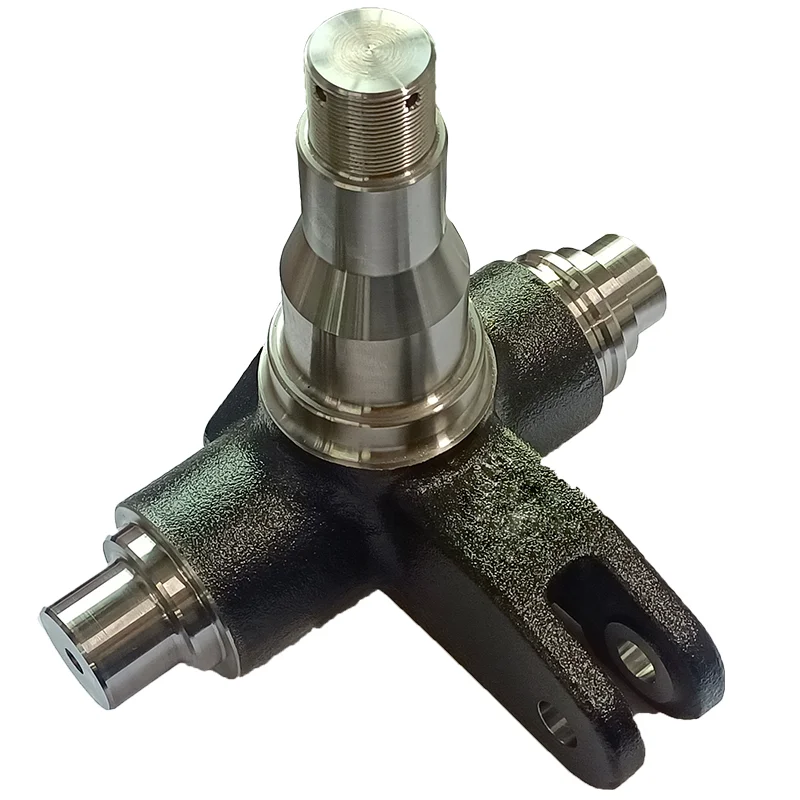
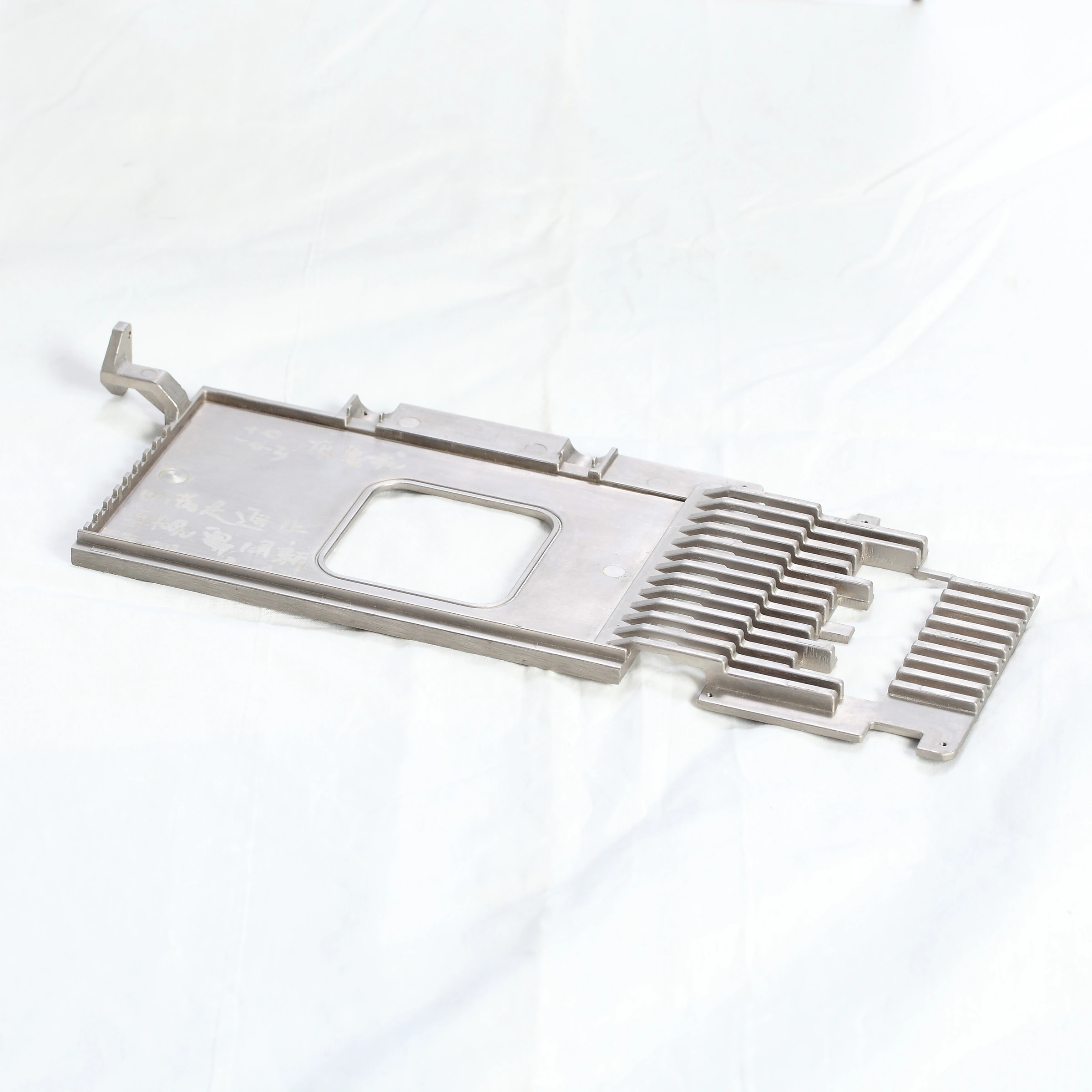
OEM/ODM ductile- and gray-iron sand-casting enquiries include CNC precision machining with shot-blasted or polished surfaces. Select the complete grade and actual route for the drawing. A separate die-casting-and-machining request needs its own compatible material and component definition.
Apply precision to the finished interfaces
The tolerance reference is 0.01–0.02 mm. Identify the affected dimensions, allowable limits and machining stage required by the selected part. Show the datums and mating geometry that make those interfaces relevant to the component’s fit.
Describe the service requirements by application
Machinery, automotive, petrochemical and metallurgical components are enquiry applications. Define the actual operating conditions and acceptance requirements for the ordered item. Identify the project documents governing acceptance for the selected service environment. Mark cast areas and any interfaces requiring controlled final work, with the supplied condition tied to the design.
- Provide quantity and the drawing revision.
- State the full iron specification and condition.
- Mark selected finish coverage and masking.
- Identify material and dimensional approval records.
Connect surface and inspection approval
Define the required shot-blasted or polished result on identified faces, including contact areas where finish affects fit. The stated 100% inspection should have agreed checks and records for the component’s material, geometry and delivered surface. Use the controlled drawing and any approved appearance reference for sample and production acceptance, keeping the final supplied part connected to its actual application requirements.