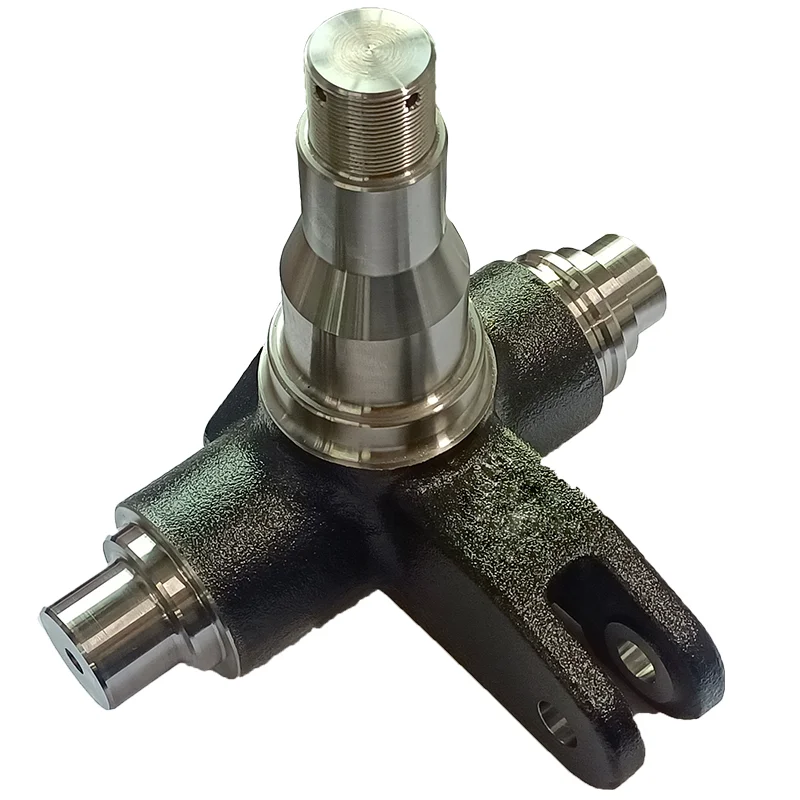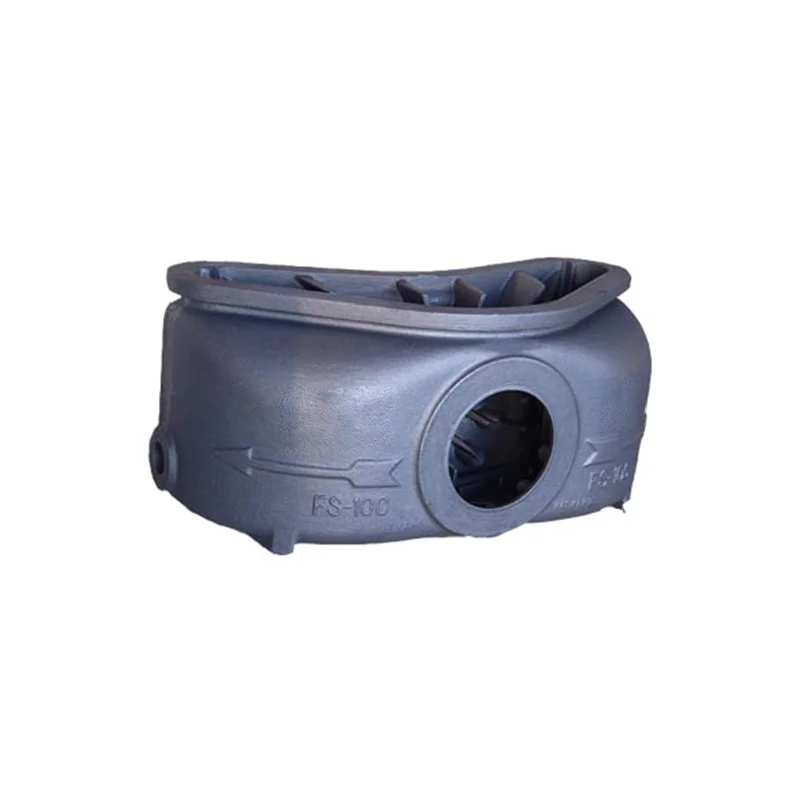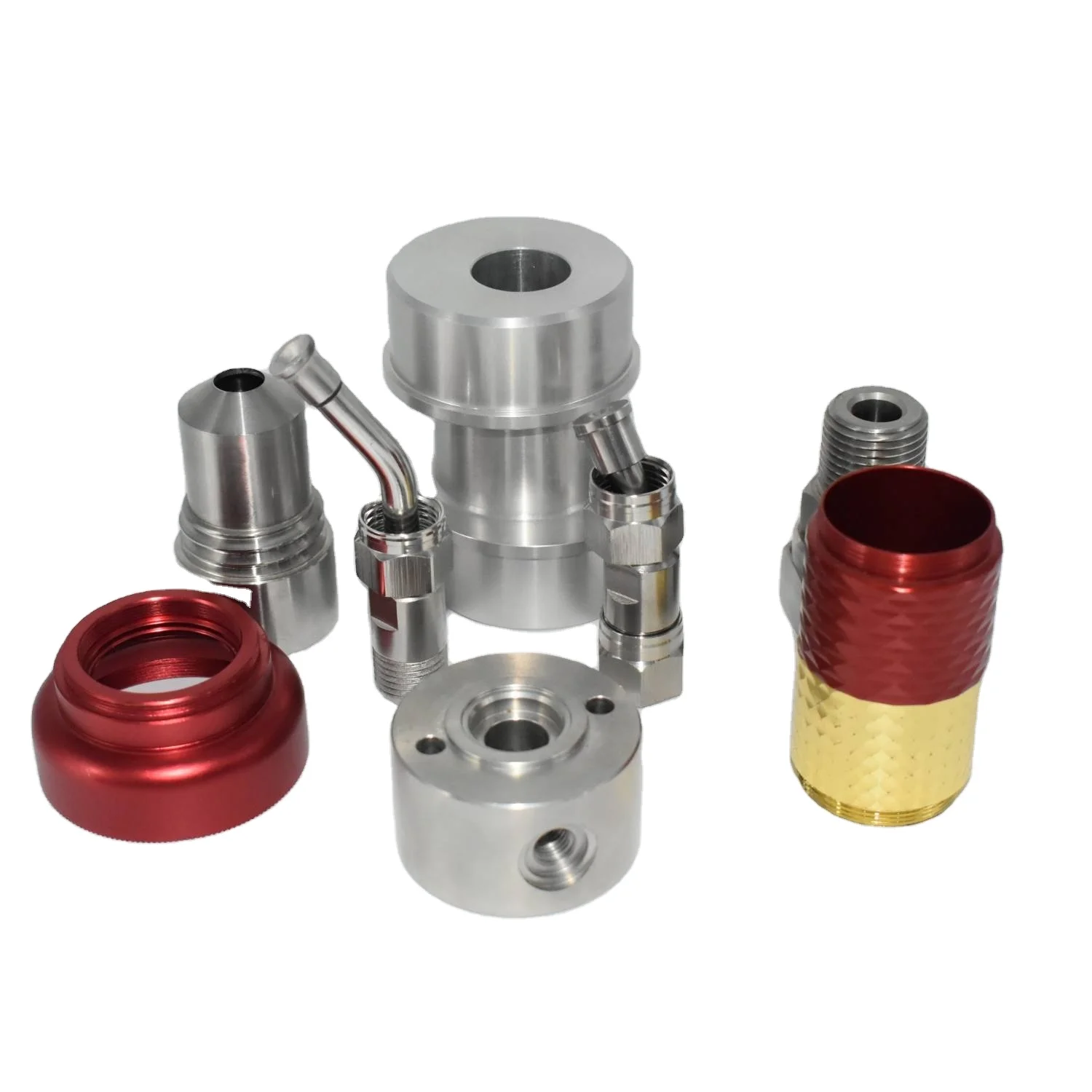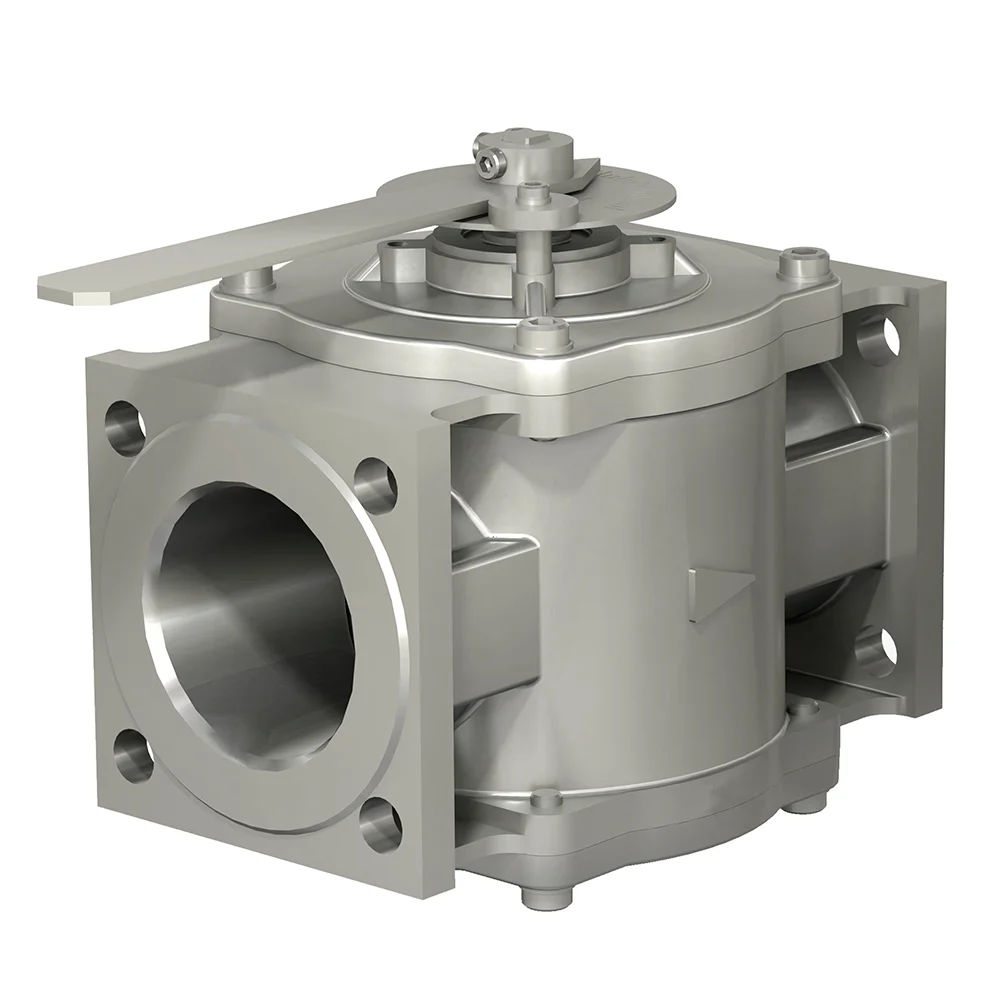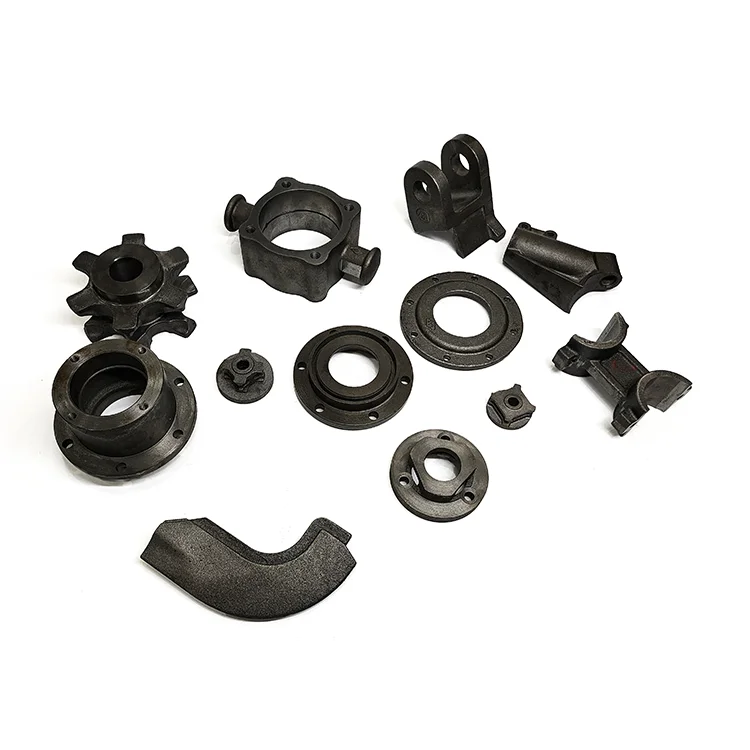
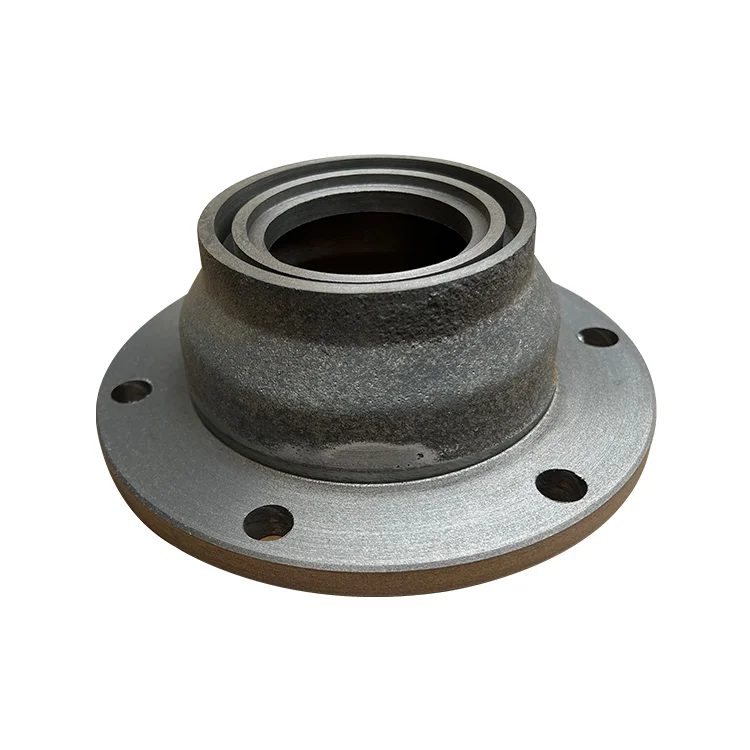
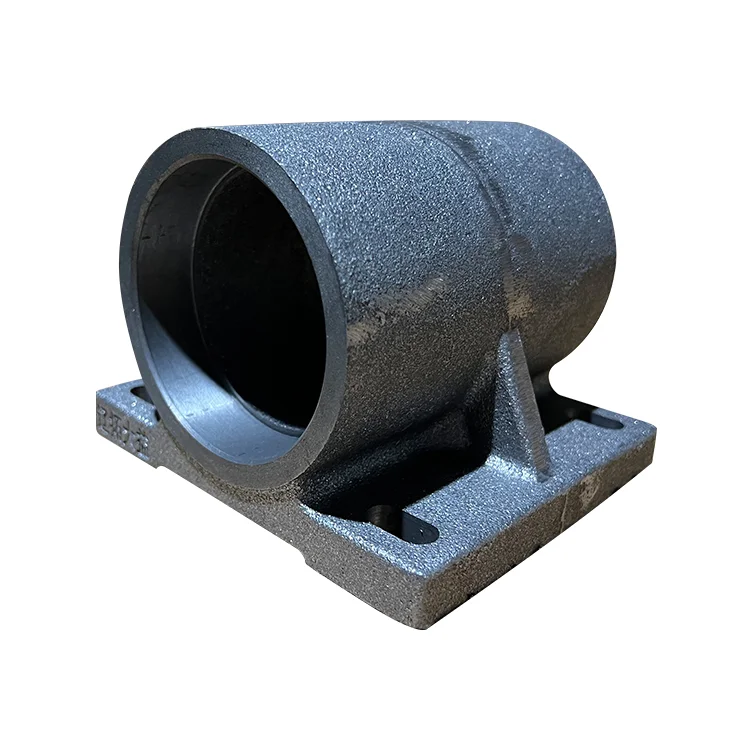
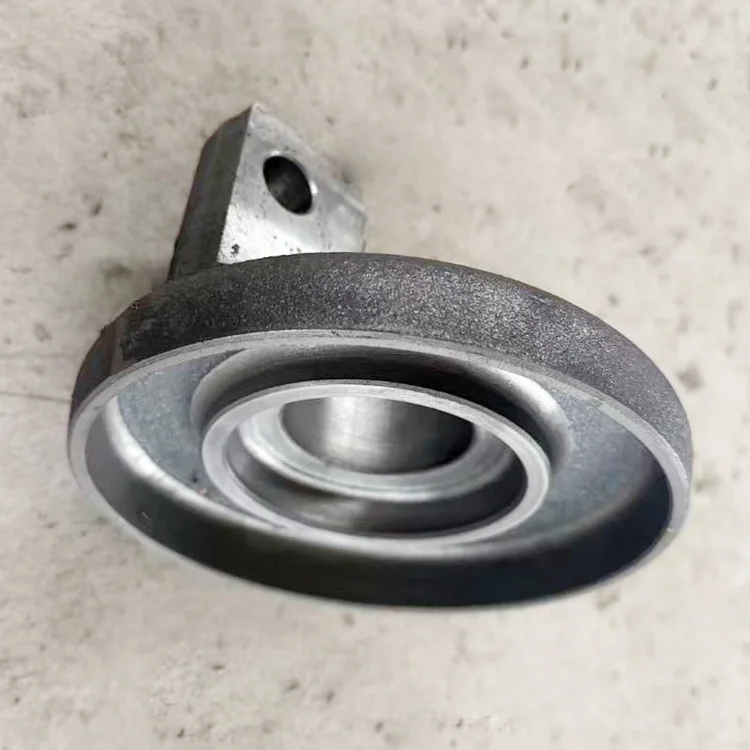
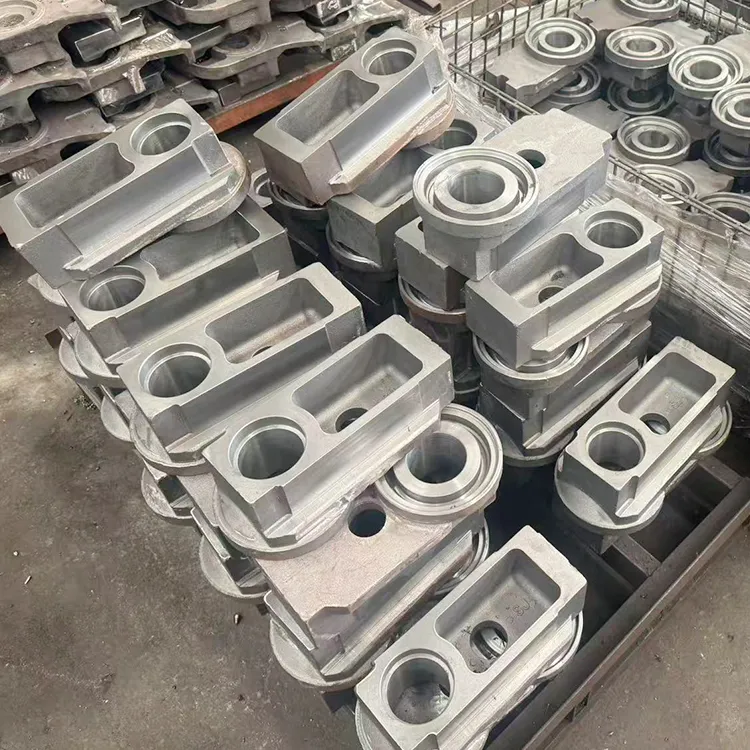
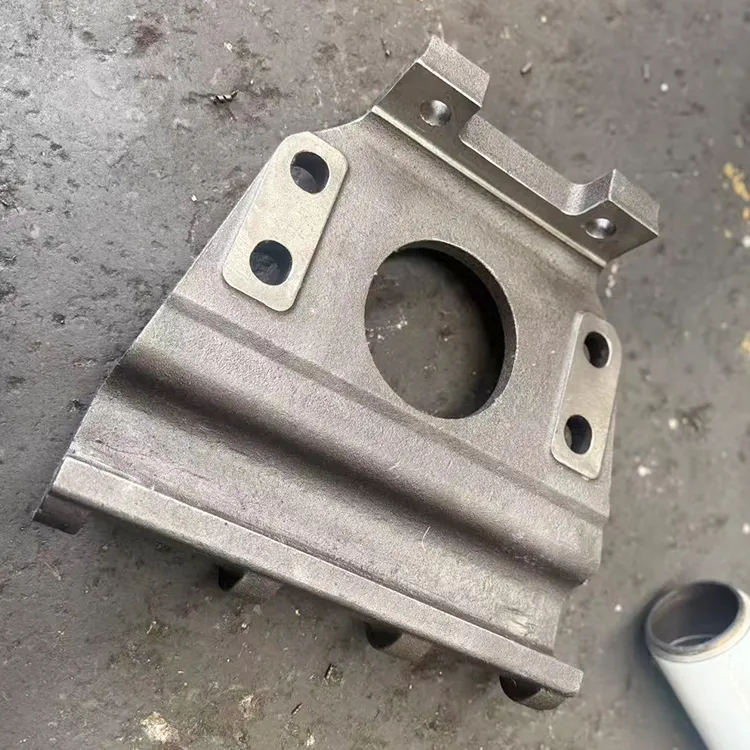
Custom Foundry Grey Iron and Ductile Iron Sand Cast Parts with CNC and Five Axis Machining
Direct factory support
Get a quote that fits your project
Send your drawing or product reference, material grade and required quantity. Relia will review the requirements with you.
- Drawing & specification review
Confirm the supply scope and critical requirements.
- Samples before custom production
Review inspected samples before approving a batch.
- Inspection documents
Agree material and dimensional records for your part.
-
Product nameCustom Casting Parts
-
Materialgrey iron, ductile iron, steel, stainless steel, aluminum, copperApplicationIndustry, automotive, agriculture, aviation, construction, electrical
-
Surface treatmentPainting, oxidation, polishing, electrophoresis, electroplating, etcDimensionsCustomized Sizes
-
ToleranceCT4-CT6Quality ControlISO9001
-
PackingCarton Wooden BoxProcessCasting, CNC, turning, milling, 5 Axis
-
Drawing format2D(PDF/DXF/DWG)3D(STEP/IGS/PRT)
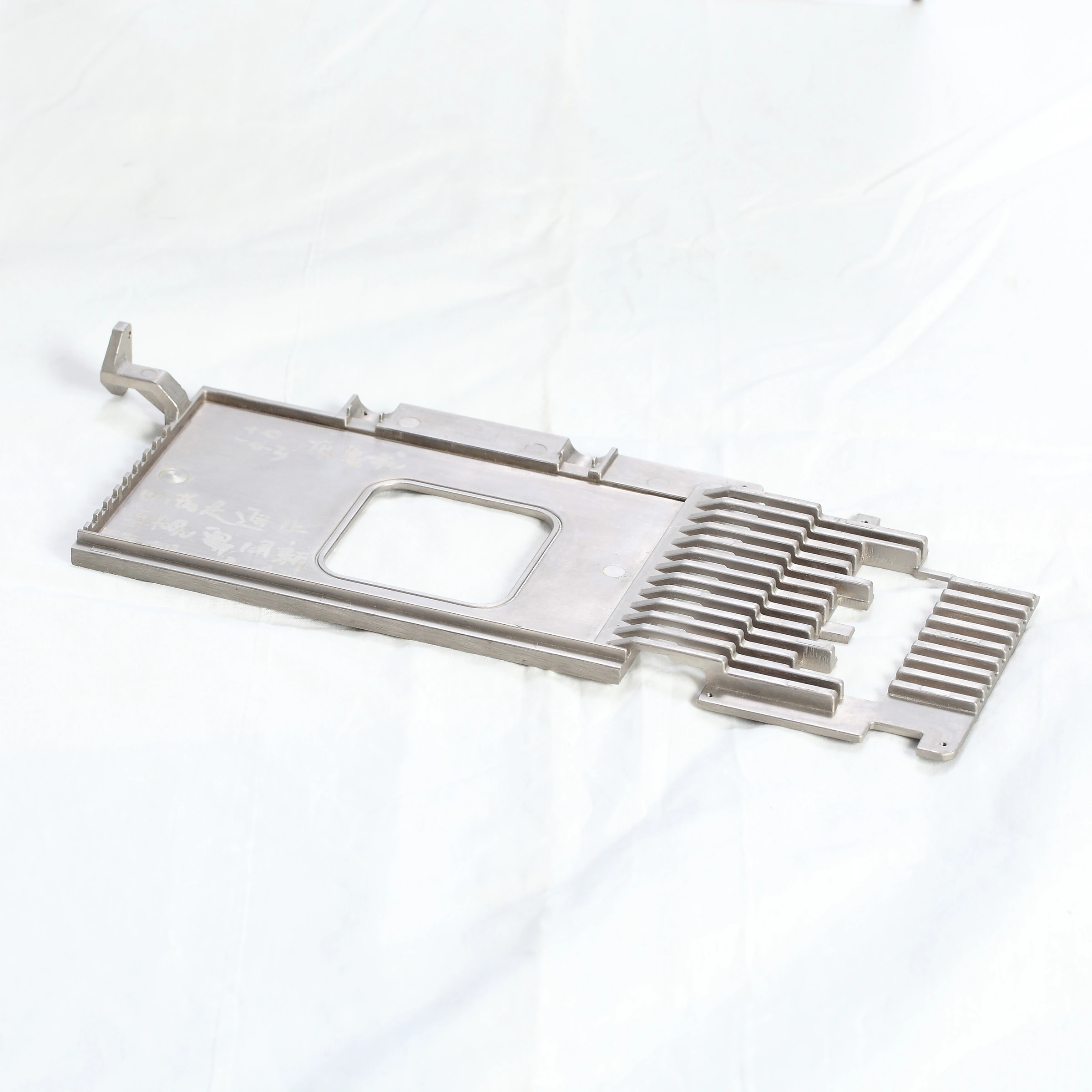
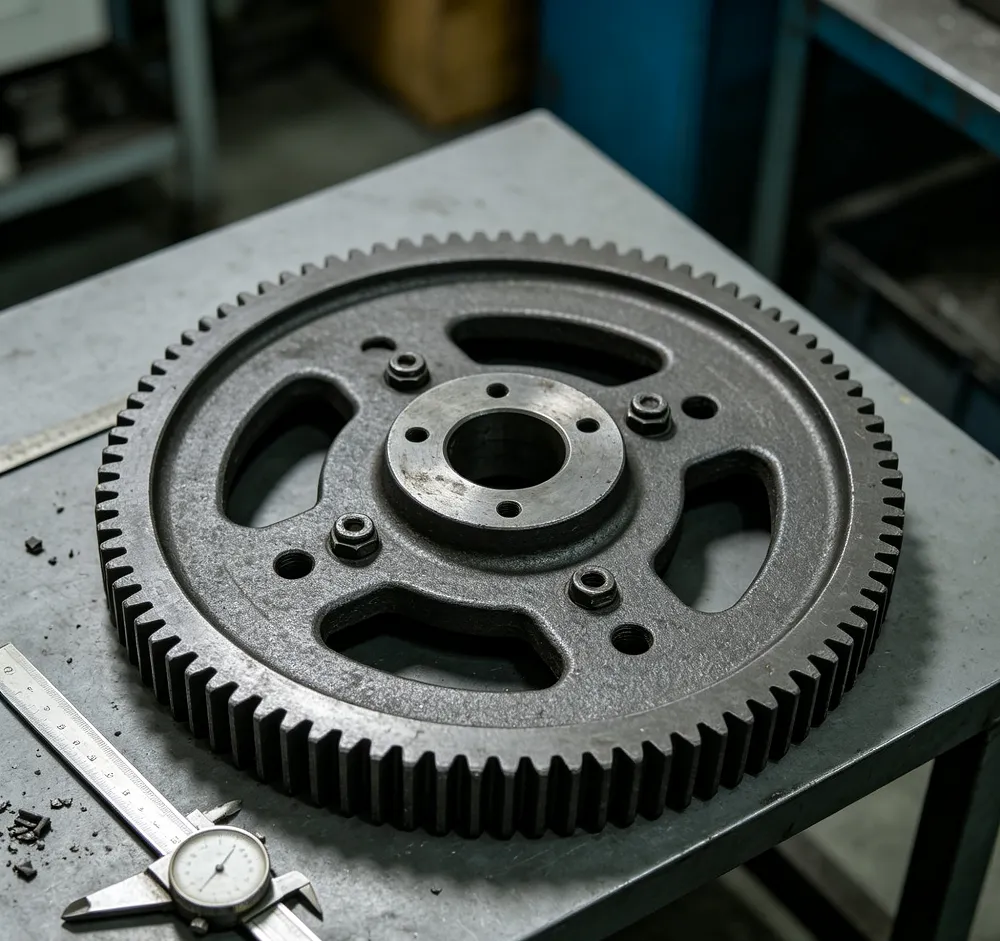
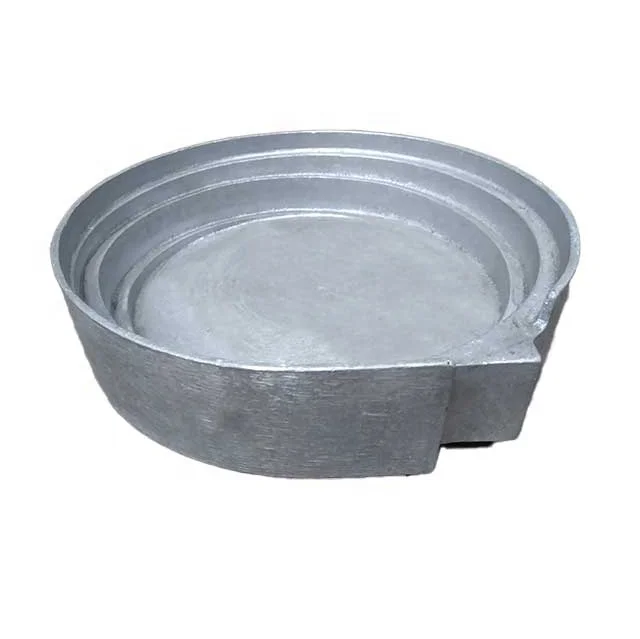
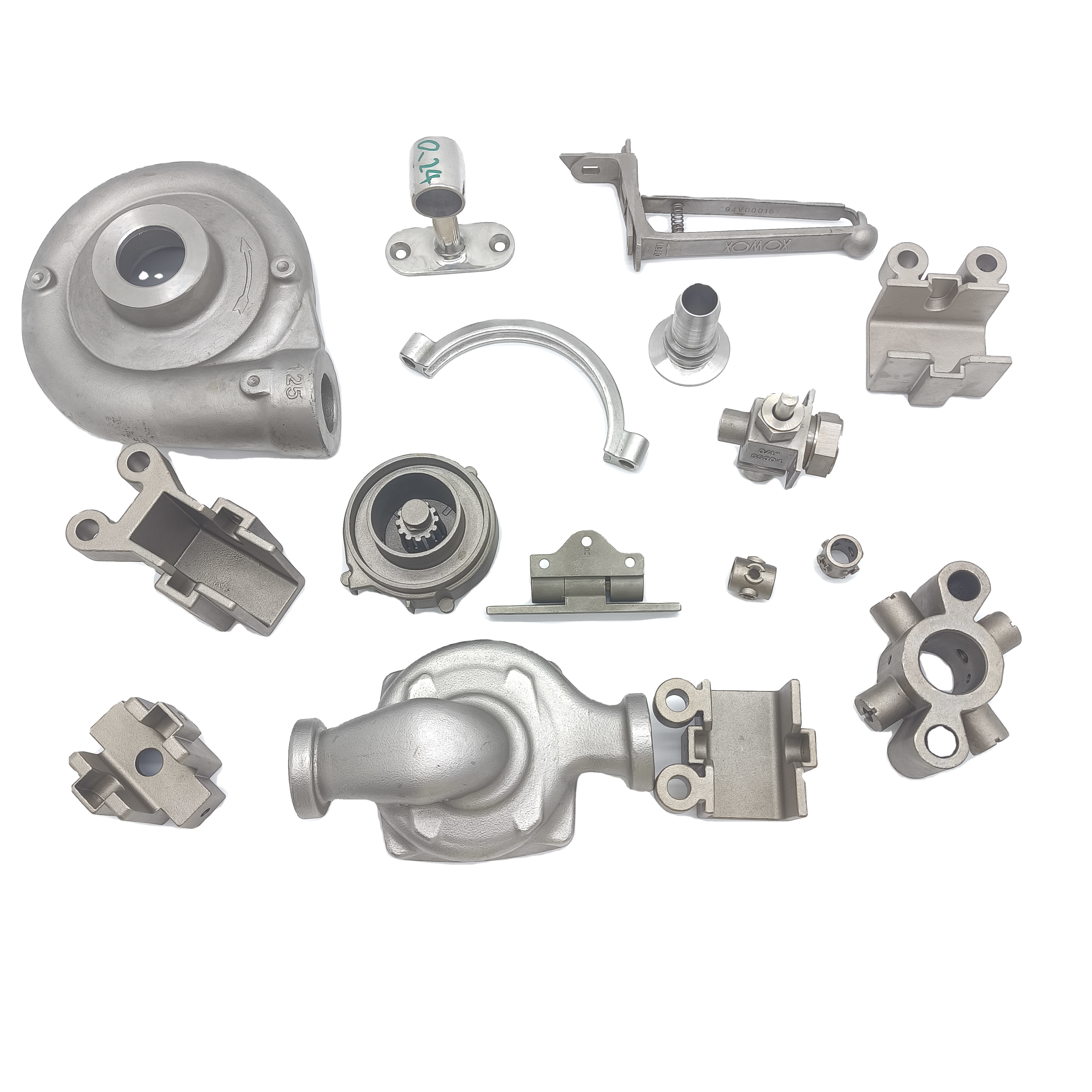
Custom foundry enquiries cover grey iron and ductile iron sand cast parts, alongside separately selected steel, stainless steel, aluminum and copper components. Sizes are customized for the actual drawing. Choose a material grade and compatible casting route before defining the component's machining and finish requirements.
Separate casting and machined acceptance
The casting tolerance reference is CT4–CT6. Identify the governing requirements for the selected geometry and define finished dimensional limits separately for machined features. Processing includes casting, CNC, turning, milling and five-axis work. Mark the datums and interfaces that each agreed operation must establish for assembly.
Select the surface result and application scope
Finish choices include painting, oxidation, polishing, electrophoresis and electroplating where compatible with the chosen metal. Identify which areas require each treatment and how the final surface condition affects fit or appearance. Applications include industry, automotive, agriculture, aviation, construction and electrical equipment; state the actual component's approval requirements for its intended use.
Provide the controlled design files
Drawing formats are PDF, DXF and DWG for 2D, and STEP, IGS and PRT for 3D. Identify the controlling revision when several files describe the part. ISO 9001 is the quality-control reference, and carton or wooden-box packing is offered.
State the quantity, initial approval stages and inspection records needed for acceptance. Explain any operating conditions that influence material or surface selection. Keep approved changes connected to the same casting specification and machined interfaces, so repeat enquiries remain traceable to the defined component and its supplied condition.