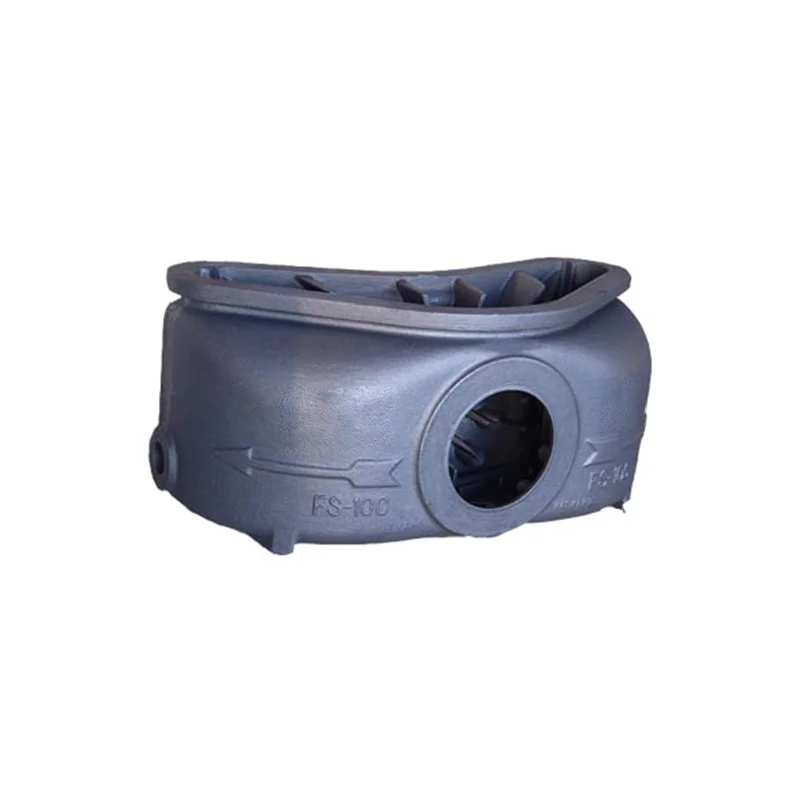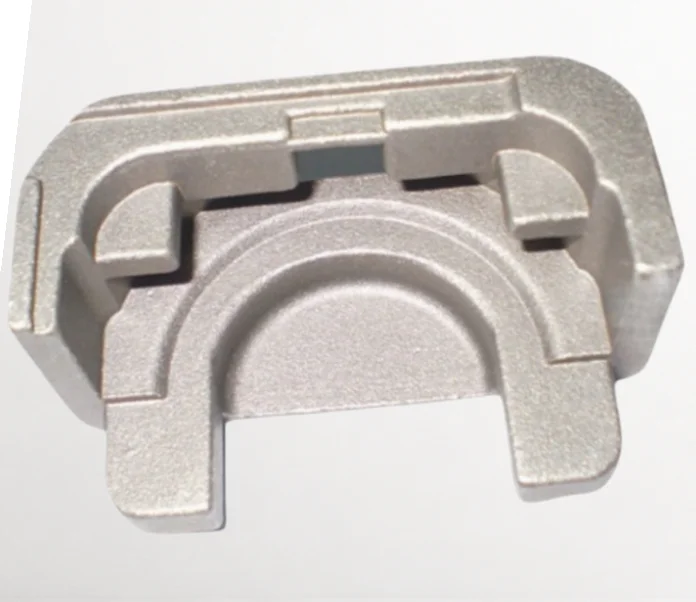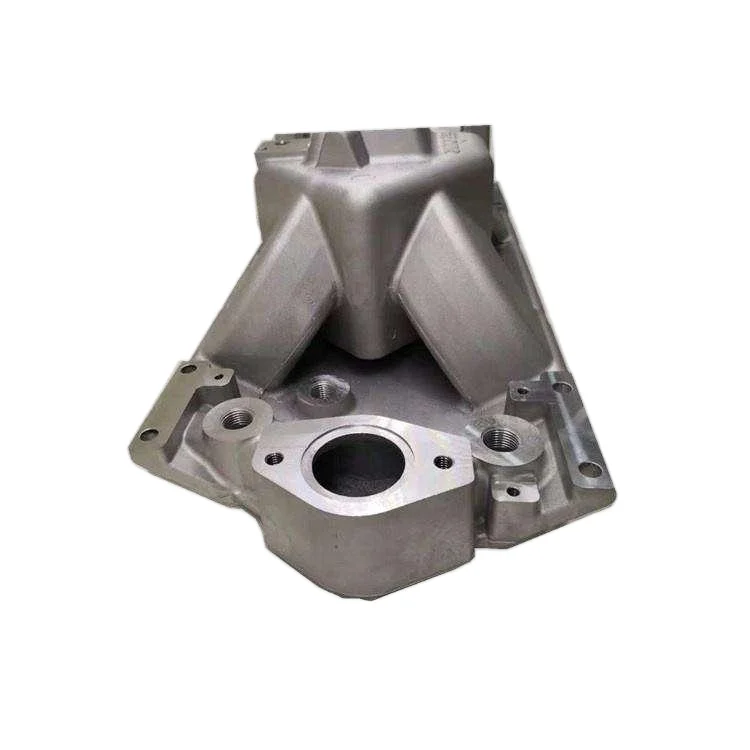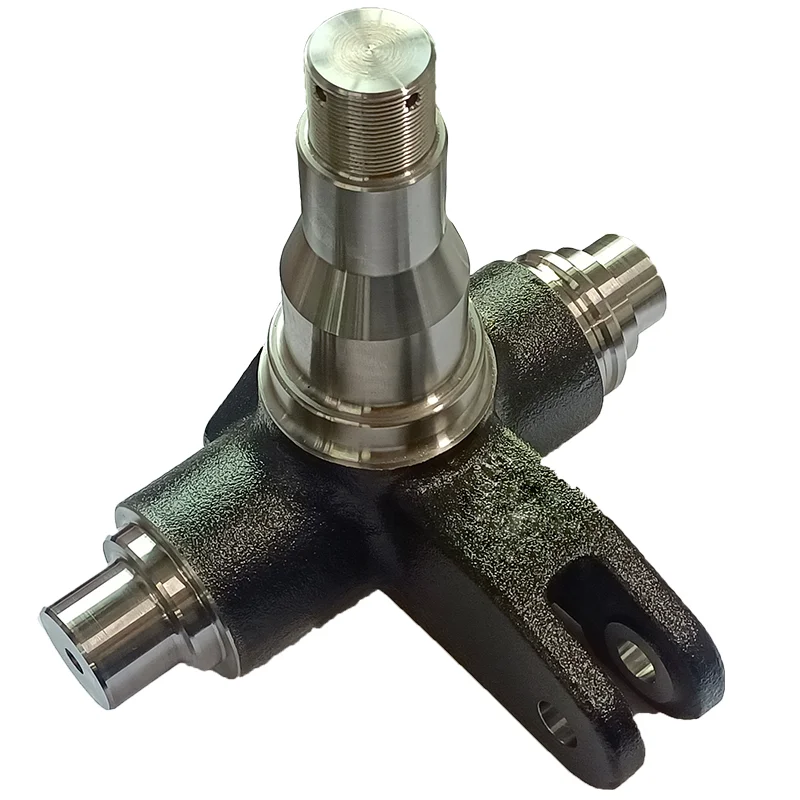
Custom Grey-Iron Parts — Resin-Coated-Sand Casting and Shell-Molding Foundry Enquiries
Direct factory support
Get a quote that fits your project
Send your drawing or product reference, material grade and required quantity. Relia will review the requirements with you.
- Drawing & specification review
Confirm the supply scope and critical requirements.
- Samples before custom production
Review inspected samples before approving a batch.
- Inspection documents
Agree material and dimensional records for your part.
-
MaterialIronCasting MethodShell molding casting
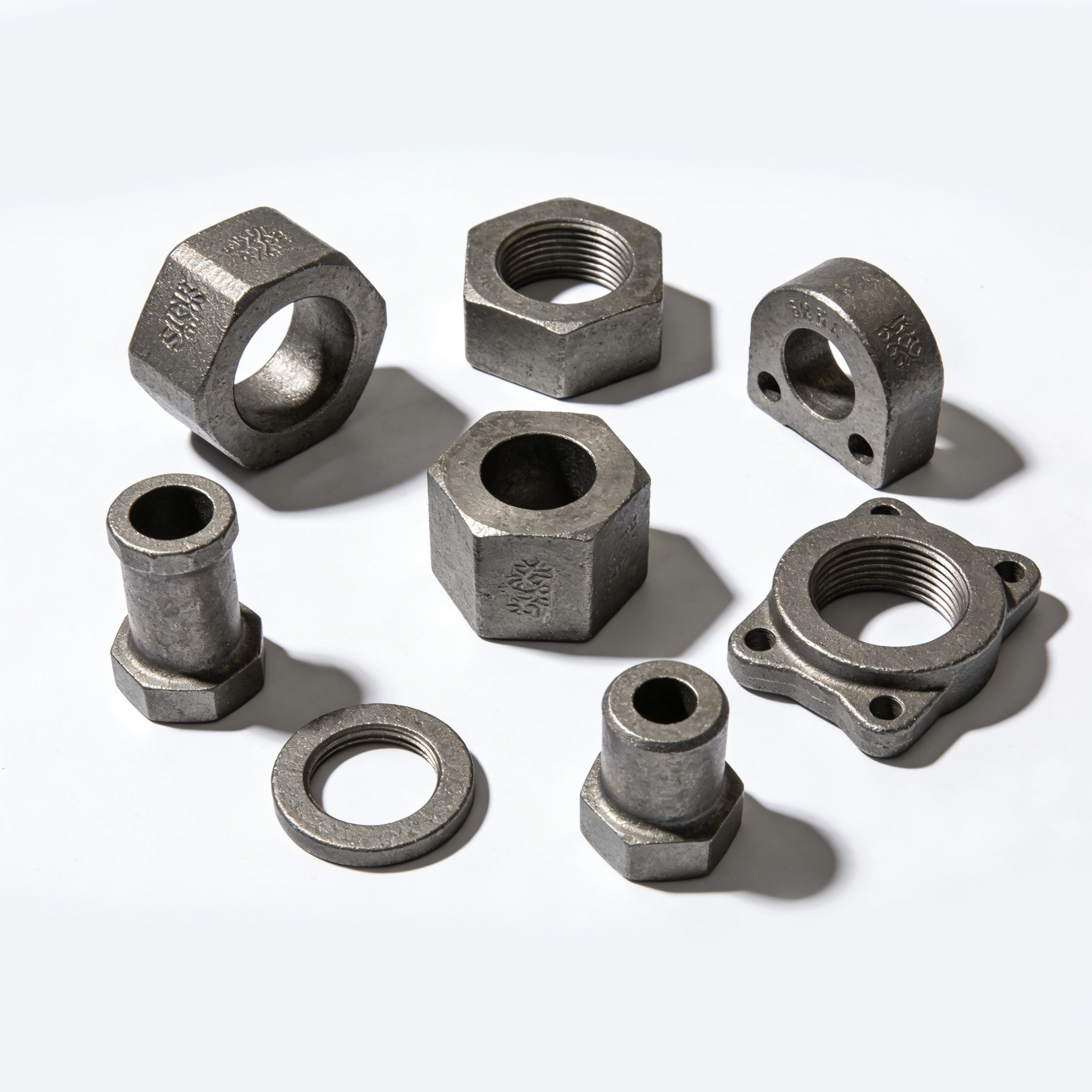
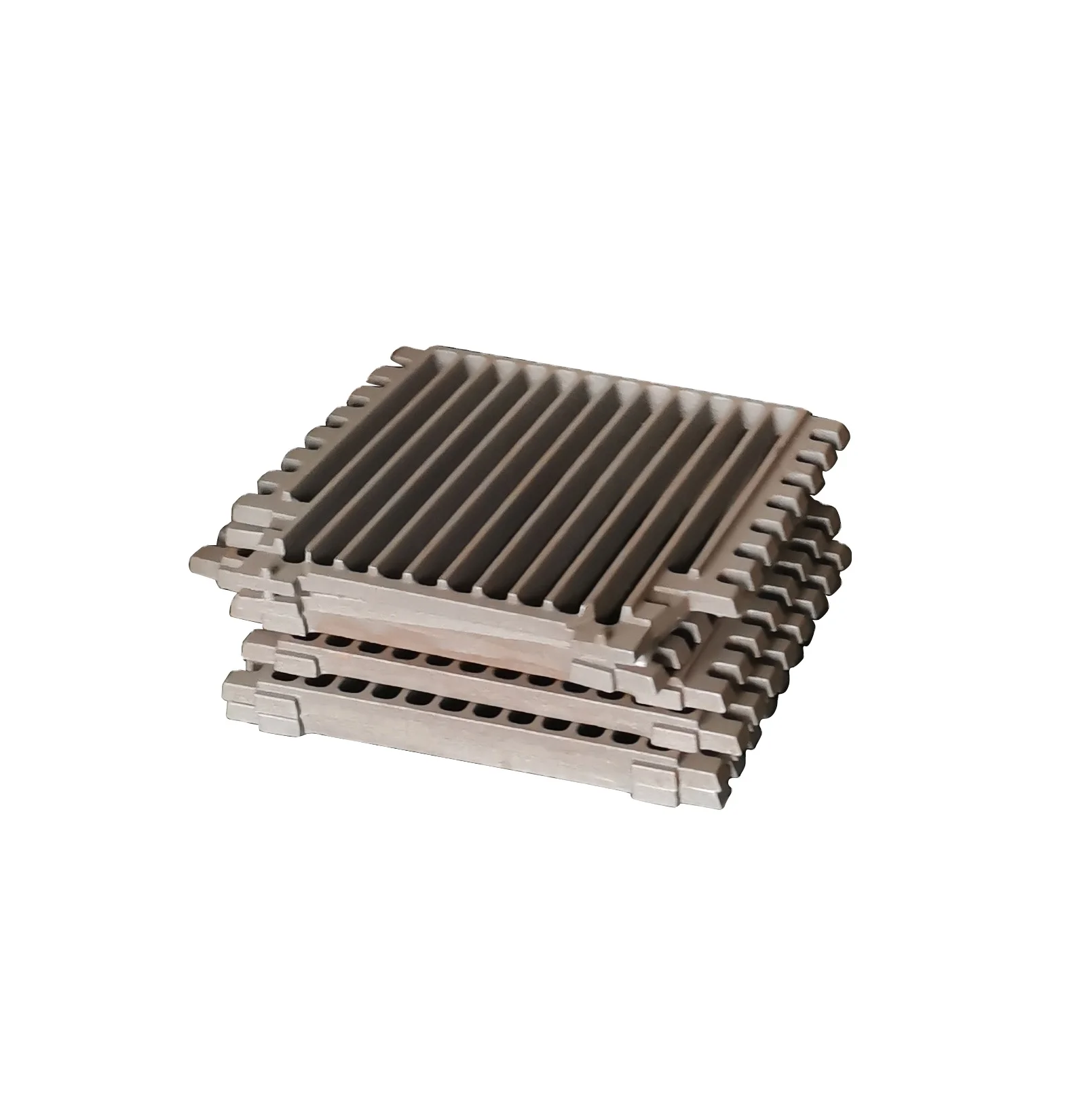
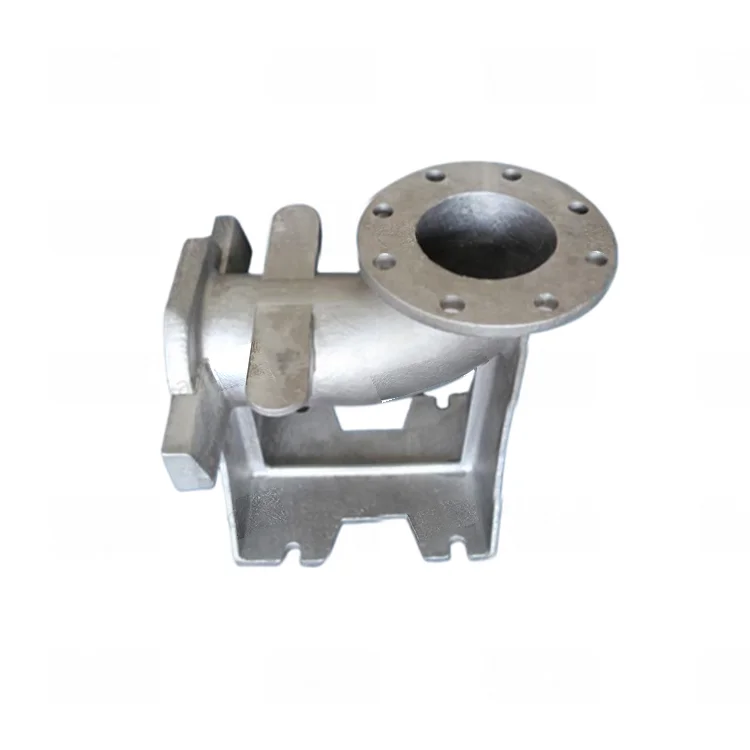
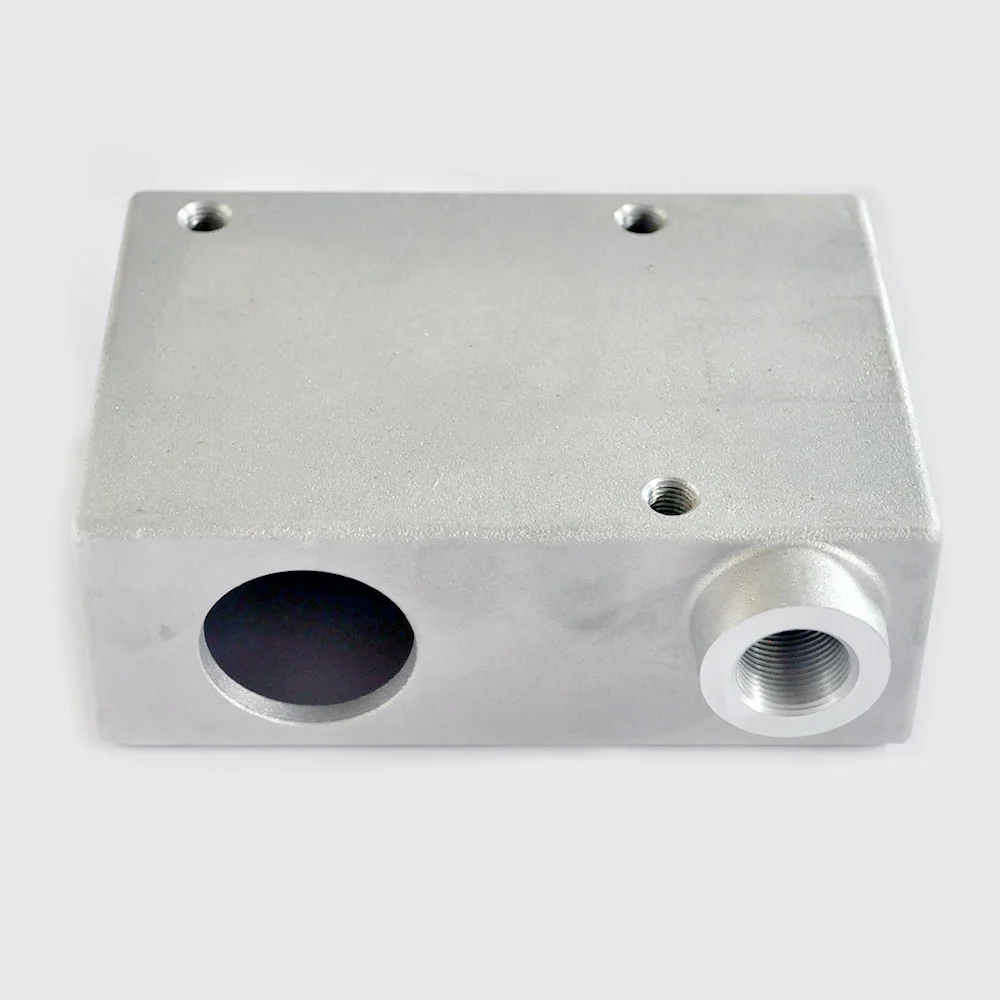
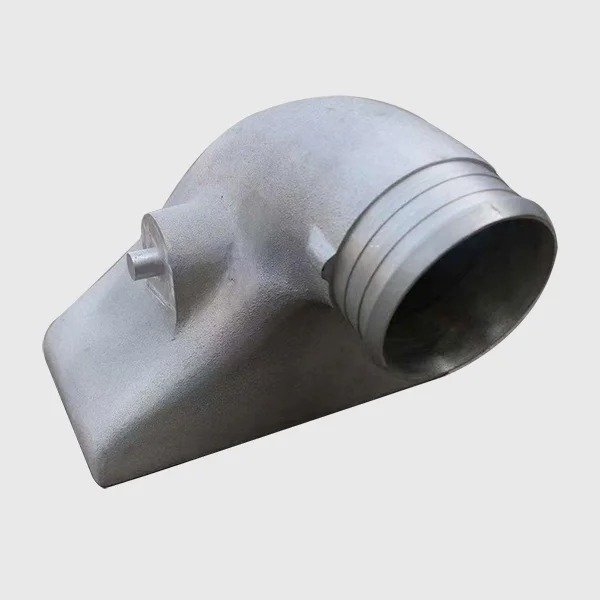
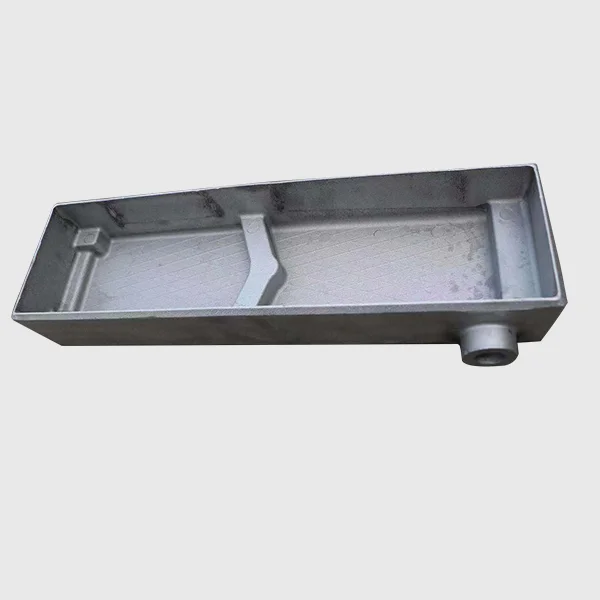
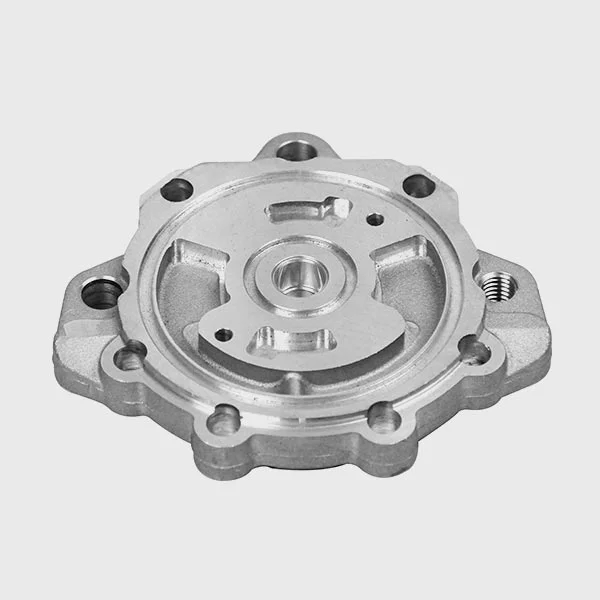
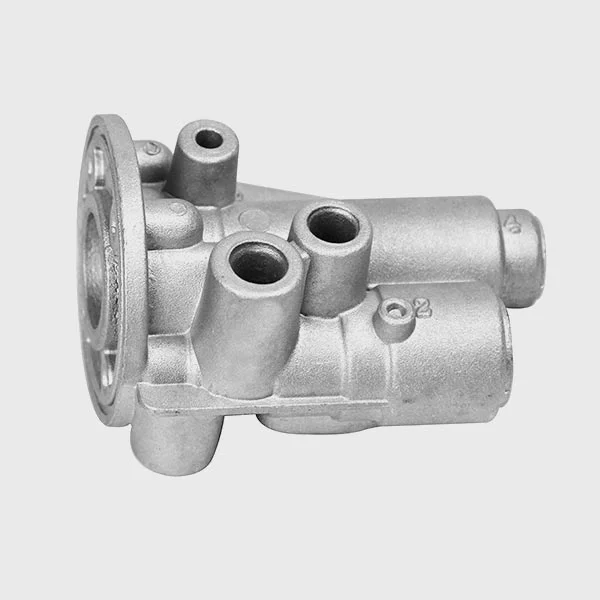
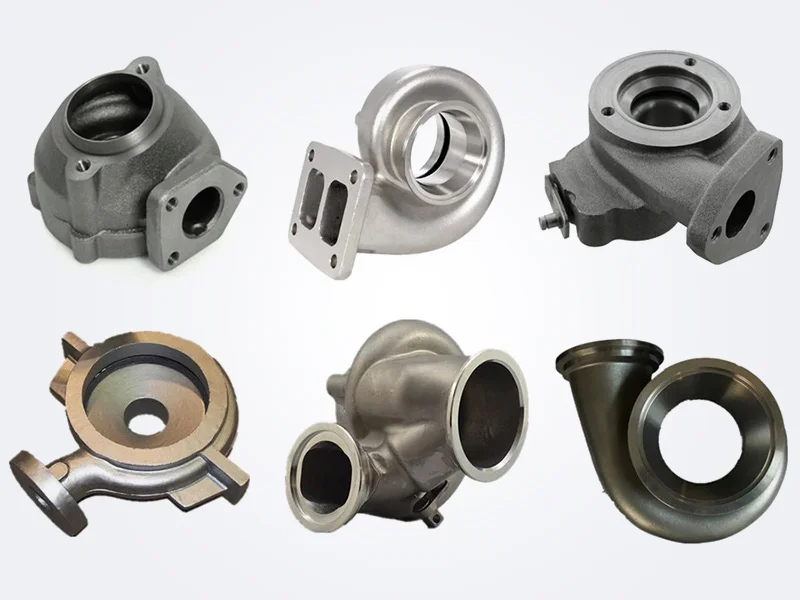
A grey-iron casting request is easier to evaluate when it identifies one component and the condition needed on receipt. This enquiry covers custom grey-iron parts using resin-coated-sand and shell-molding terminology. Supply the component information that determines material, geometry and acceptance for the order.
Build the request around the part being reproduced or developed
For an existing component, identify the drawing revision and the interfaces that must match its assembly. For a new design, show the required geometry and the dimensions already fixed by the project. Describe the part's function so the material and inspection discussion relates to the actual component.
- Name the grey-iron grade and governing material specification.
- Provide the drawing, required quantity and delivered condition.
- Mark the critical interfaces and dimensional acceptance limits.
Define the shell-molding and resin-coated-sand requirement
Shell-molding casting is the named manufacturing method, with resin-coated-sand casting included in the enquiry. Identify any process requirement established by the design and agree the method for the requested part. Keep the component specification and selected route together in the quotation so the supply scope is clear.
Describe the finished interfaces and acceptance checks
Identify how the cast component must be delivered and any additional work you are requesting. Put numerical limits on the dimensions that determine assembly or function, and state the inspection criteria needed for acceptance. These details establish the order without deriving a material grade or dimensional precision from a broad foundry description. A clear part specification gives purchasing a consistent basis for comparing the proposed supply.