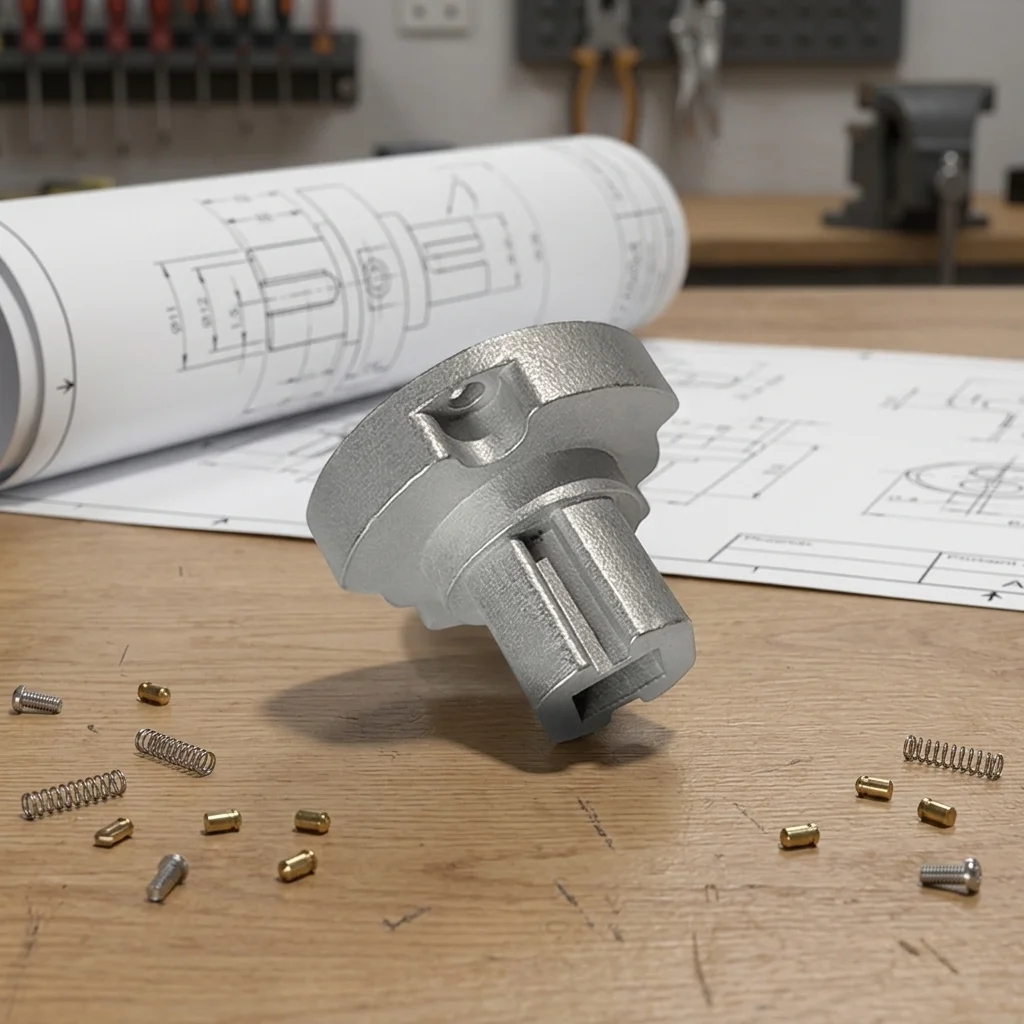
Custom Lock-Cylinder Accessories in 304, 316 or 420 Stainless Steel — Investment Lost-Wax Casting and CNC Machining
Direct factory support
Get a quote that fits your project
Send your drawing or product reference, material grade and required quantity. Relia will review the requirements with you.
- Drawing & specification review
Confirm the supply scope and critical requirements.
- Samples before custom production
Review inspected samples before approving a batch.
- Inspection documents
Agree material and dimensional records for your part.
-
NameCustom Lock cylinder accessory Parts
-
MaterialStainless SteelSurface treatmentNo cape burr sand hole
-
KeywordStainless steel precision castingQuality Control100% Inspection
-
Tolerance0.2mmMachining ProcessLost Wax+CNC Mechining
-
Lead Time15-35 DaysSurfacePerfect Appearance
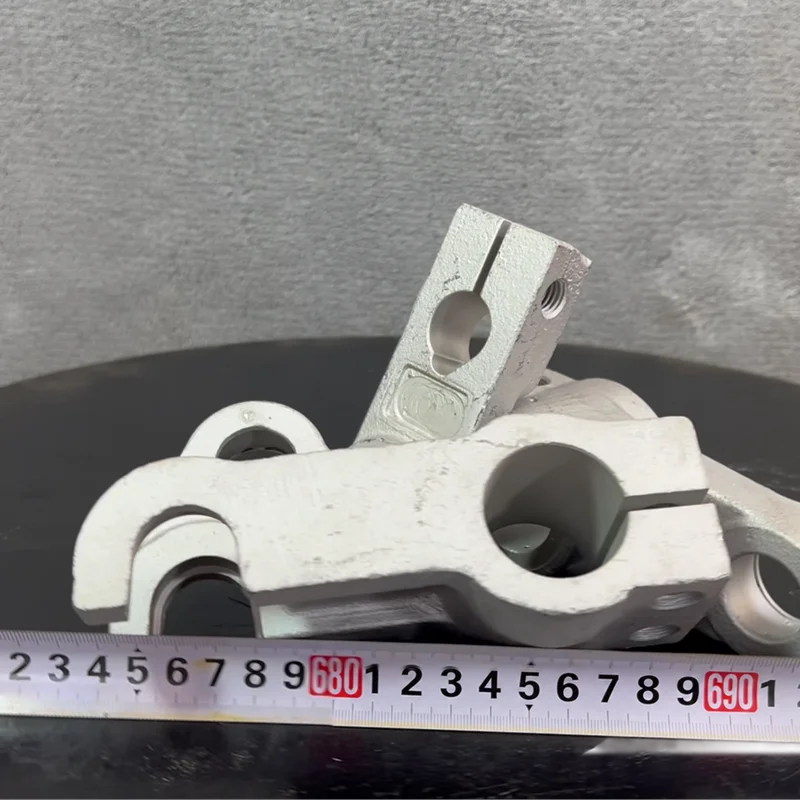
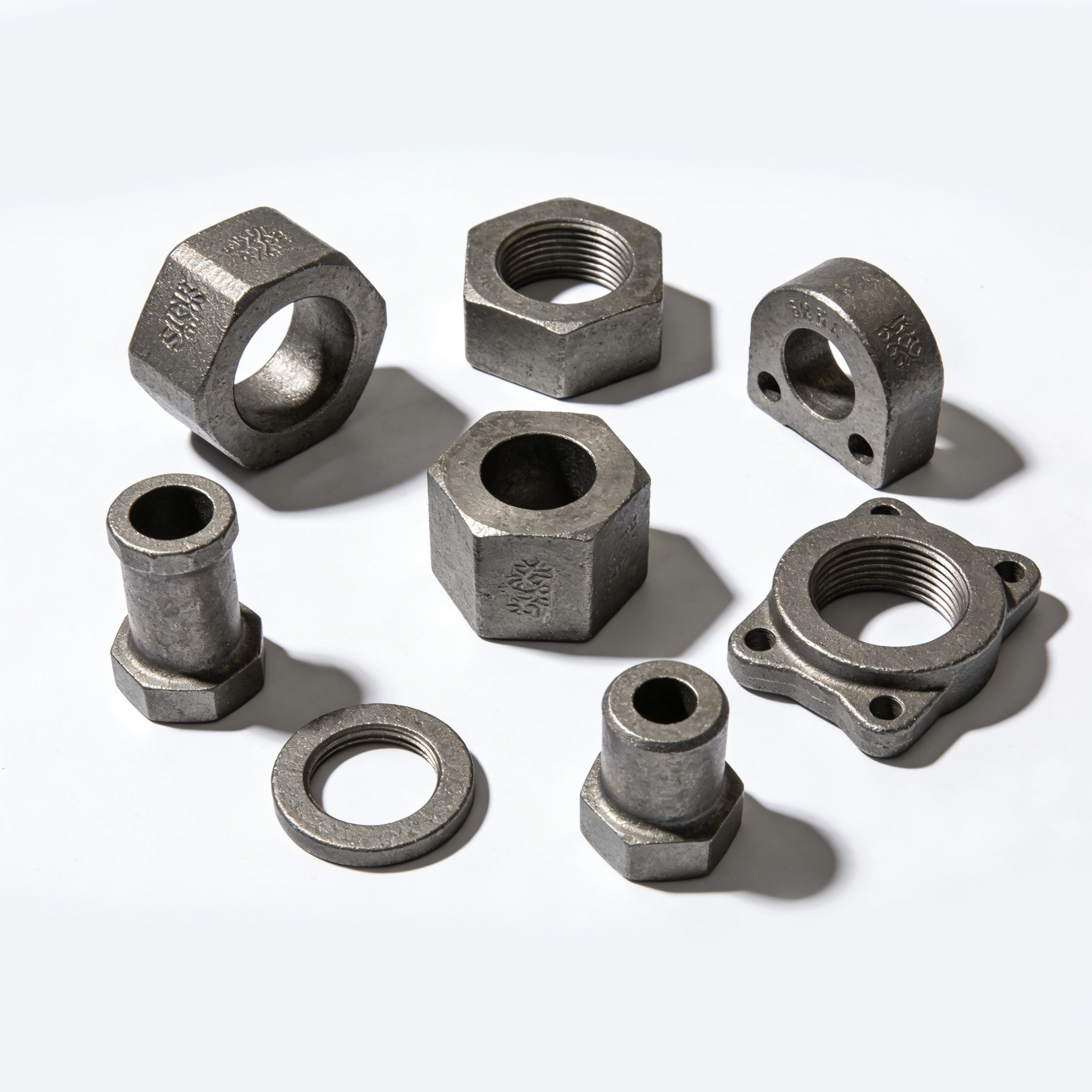
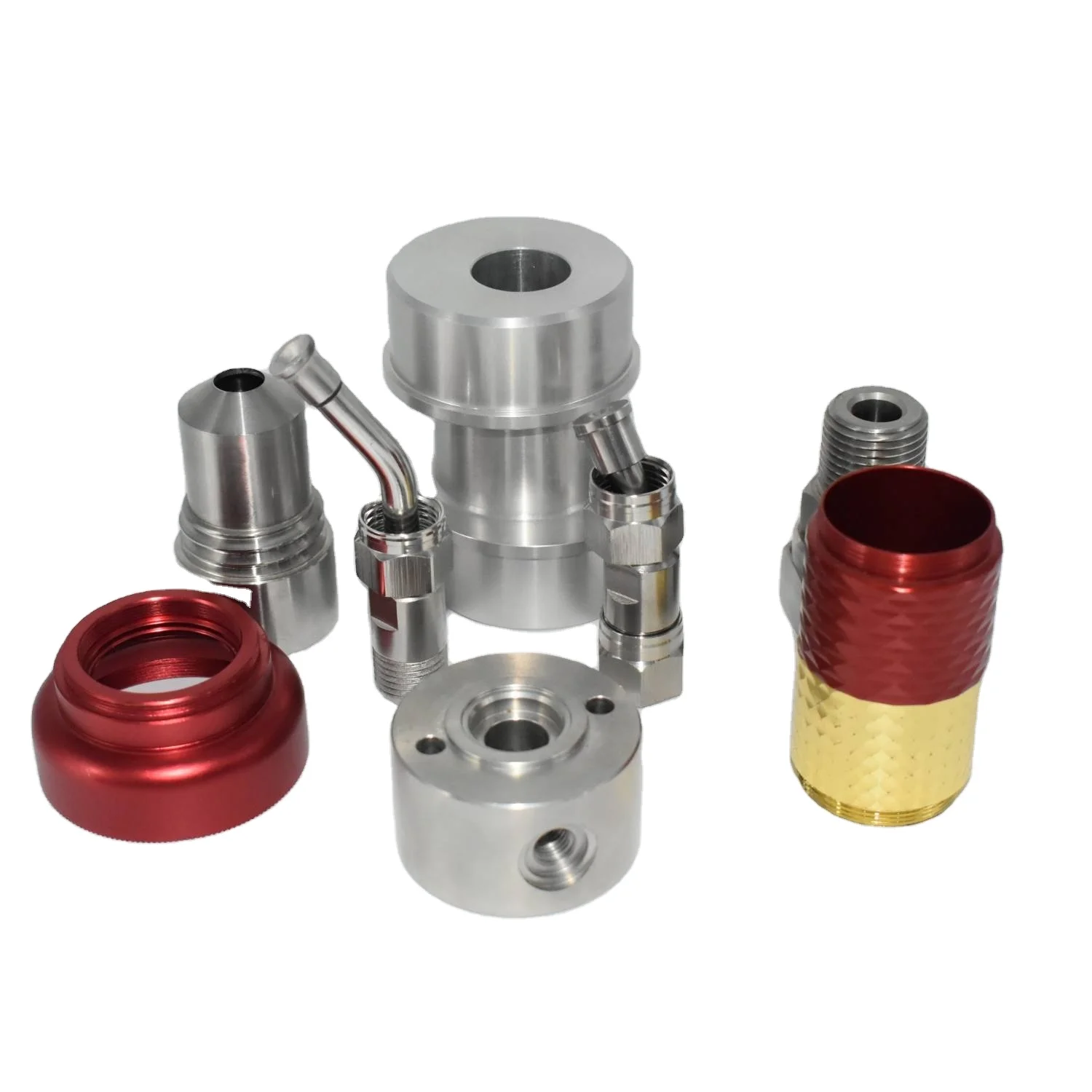
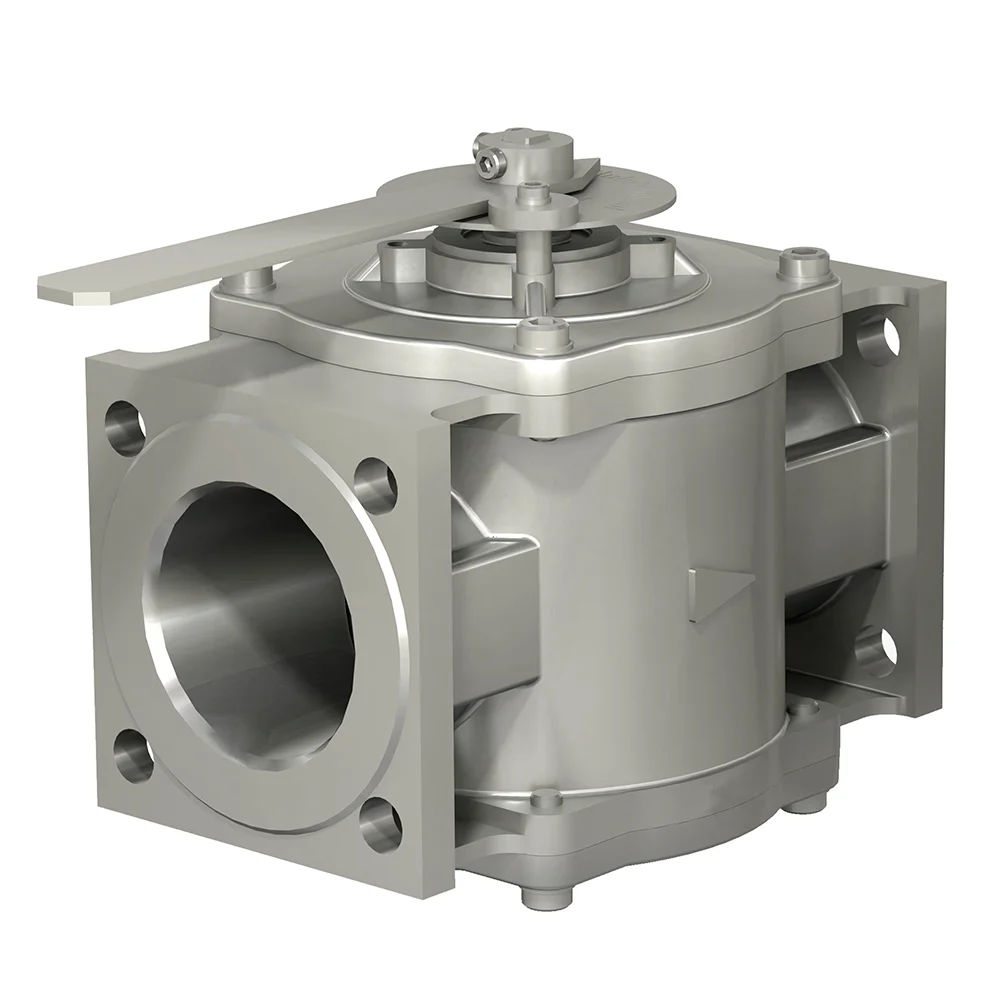
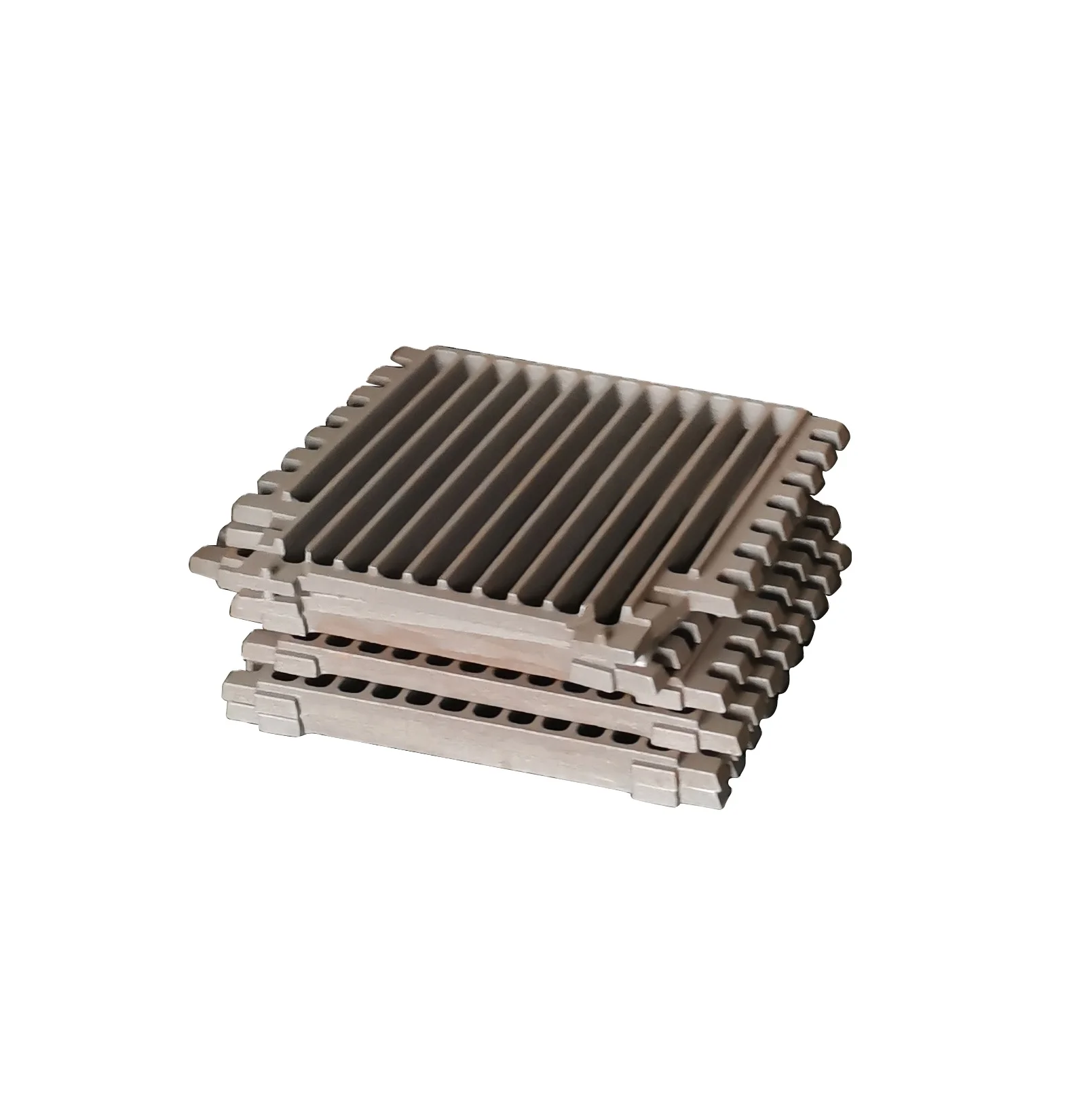
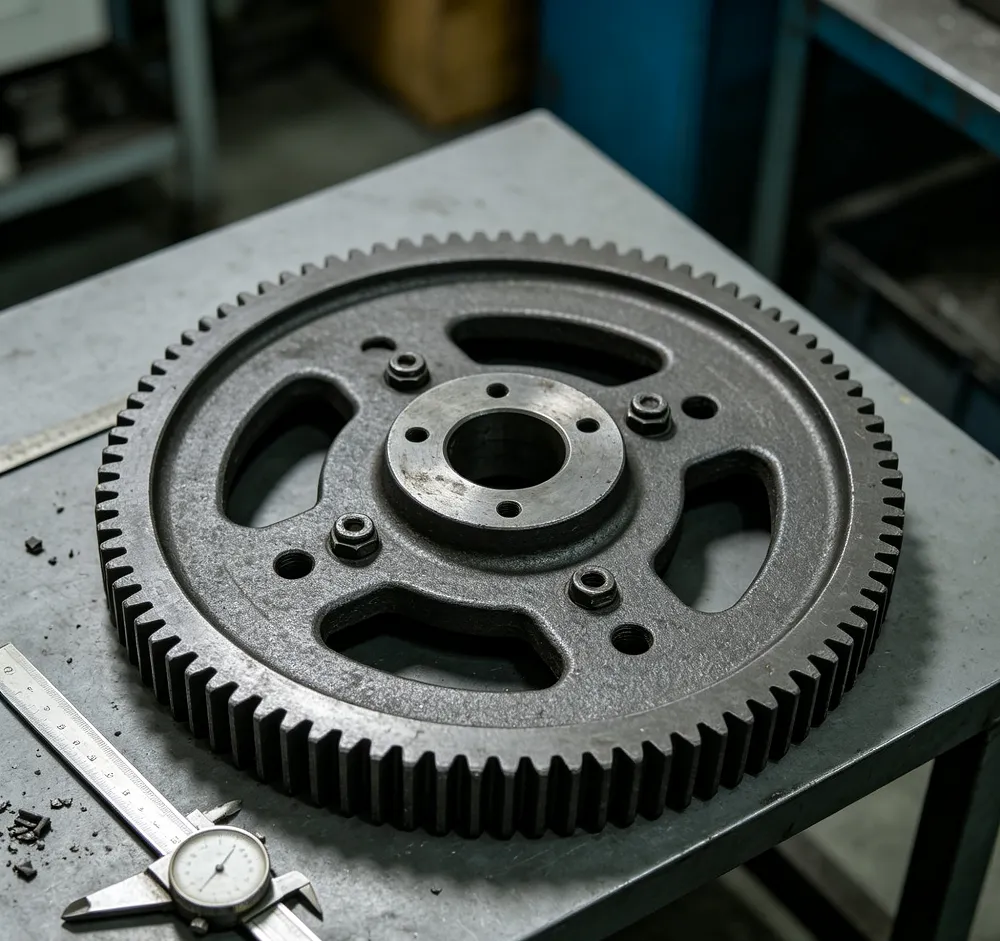
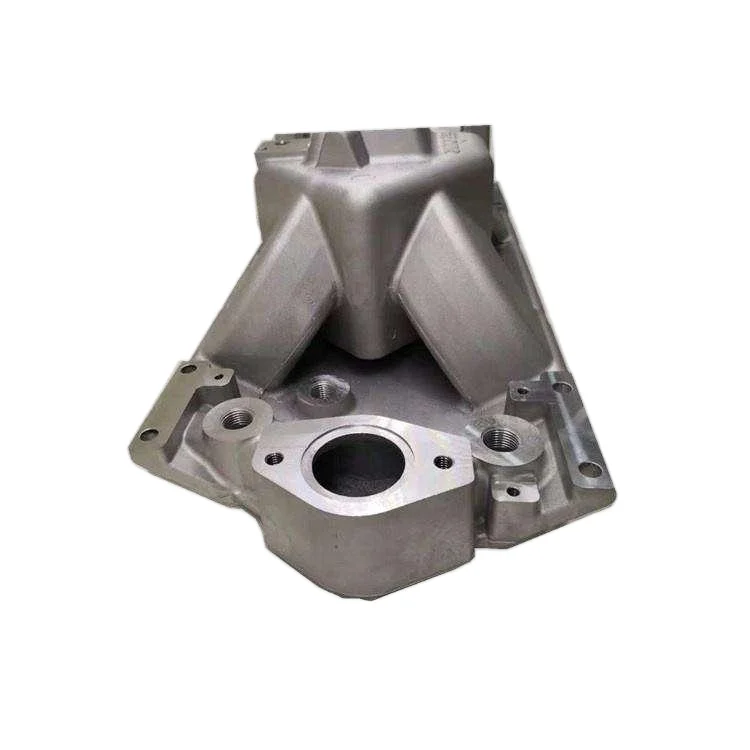
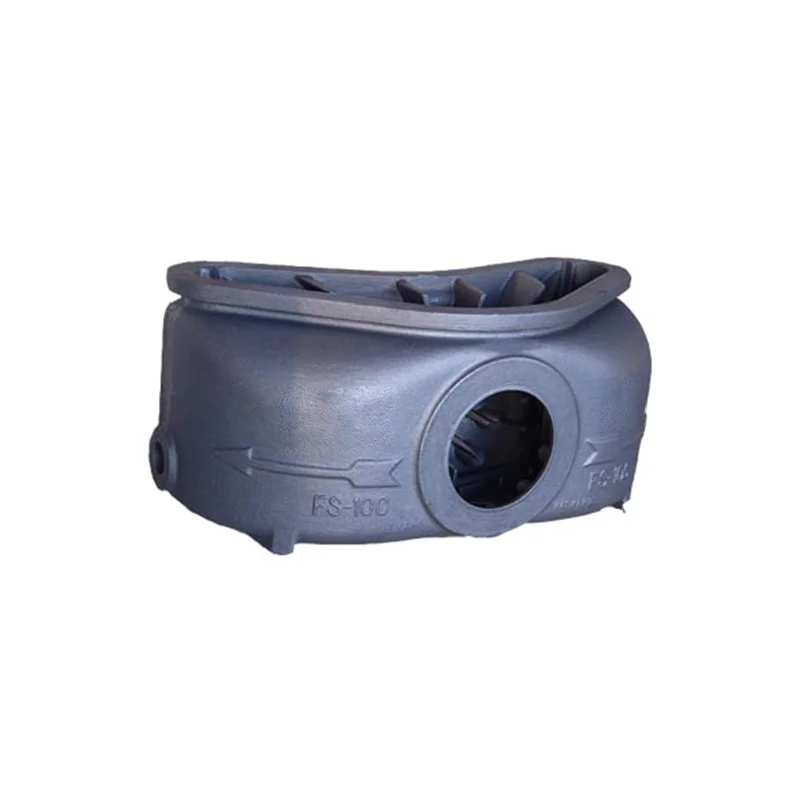
Lock-cylinder accessory castings are offered in 304, 316 or 420 stainless steel through investment/lost-wax casting with CNC machining. The enquiry concerns the selected hardware component, with its geometry and finished interfaces defined by the actual lock-accessory drawing.
Select the grade required by the accessory design
Identify 304, 316 or 420 and the applicable material document for the order. Provide the component's role within the cylinder assembly and its mating-part references. Keeping the grade with that geometry allows the material and manufacturing brief to address one defined accessory.
- Provide the accessory drawing and its controlled revision.
- Select the required stainless-steel grade.
- Identify CNC-machined and moving or mating interfaces.
- Specify dimensional and appearance acceptance.
- State quantity and the inspection records needed.
Locate the 0.2 mm tolerance reference
Assign the stated tolerance reference to agreed dimensions and delivered stages. Mark any other limits needed for the component's functional interfaces on the drawing. The lost-wax casting and CNC scope can then be evaluated against the accessory's actual dimensional requirements.
Define the final surface and component checks
Appearance requirements concern flash, burr and sand-hole control, with 100% inspection stated. Identify the checking surfaces and the criteria needed to accept the supplied accessory. Any complete-lock security classification, operating-life requirement or assembly-compatibility condition should be specified through the project requirements so the requested component checks have a clear relationship to the intended lock design.