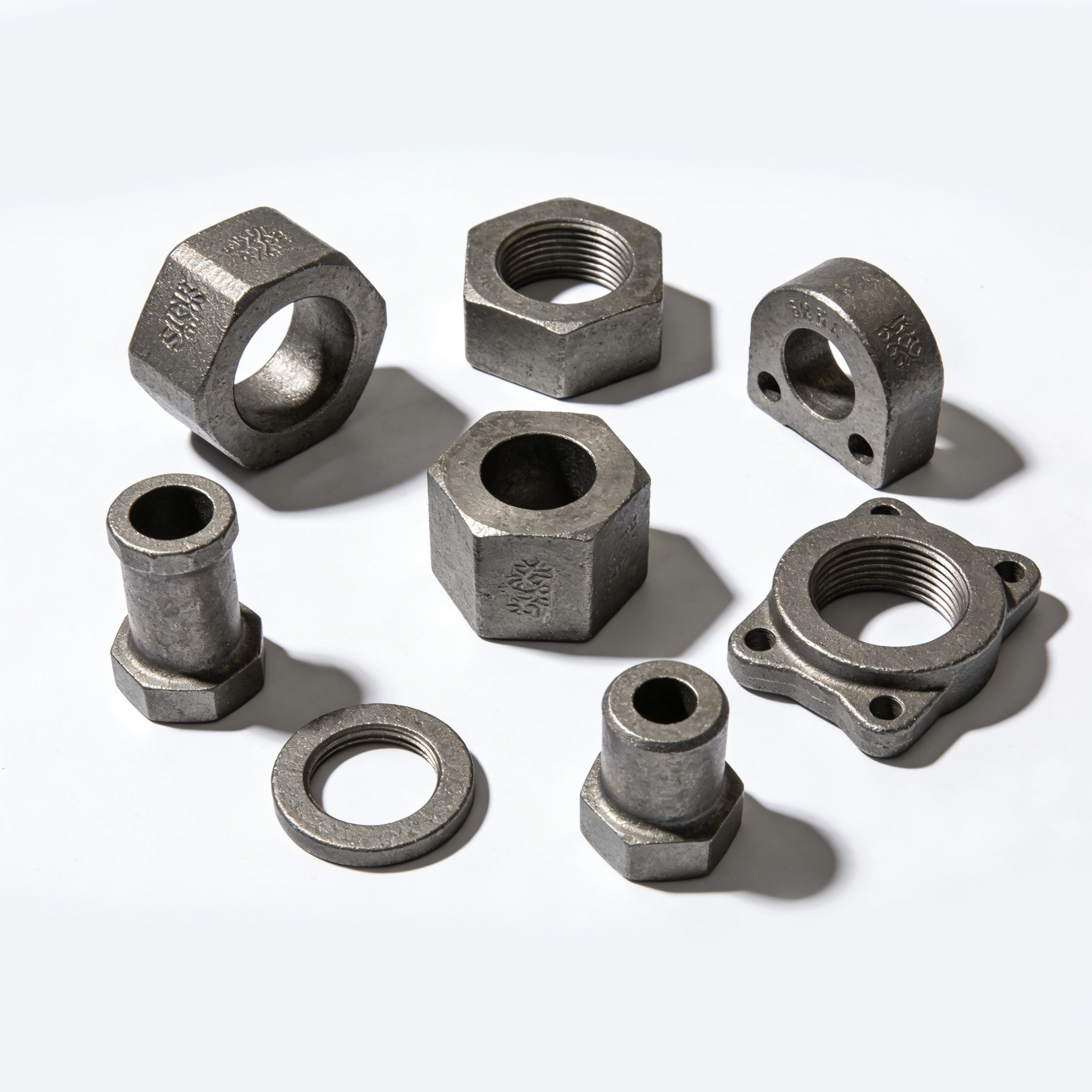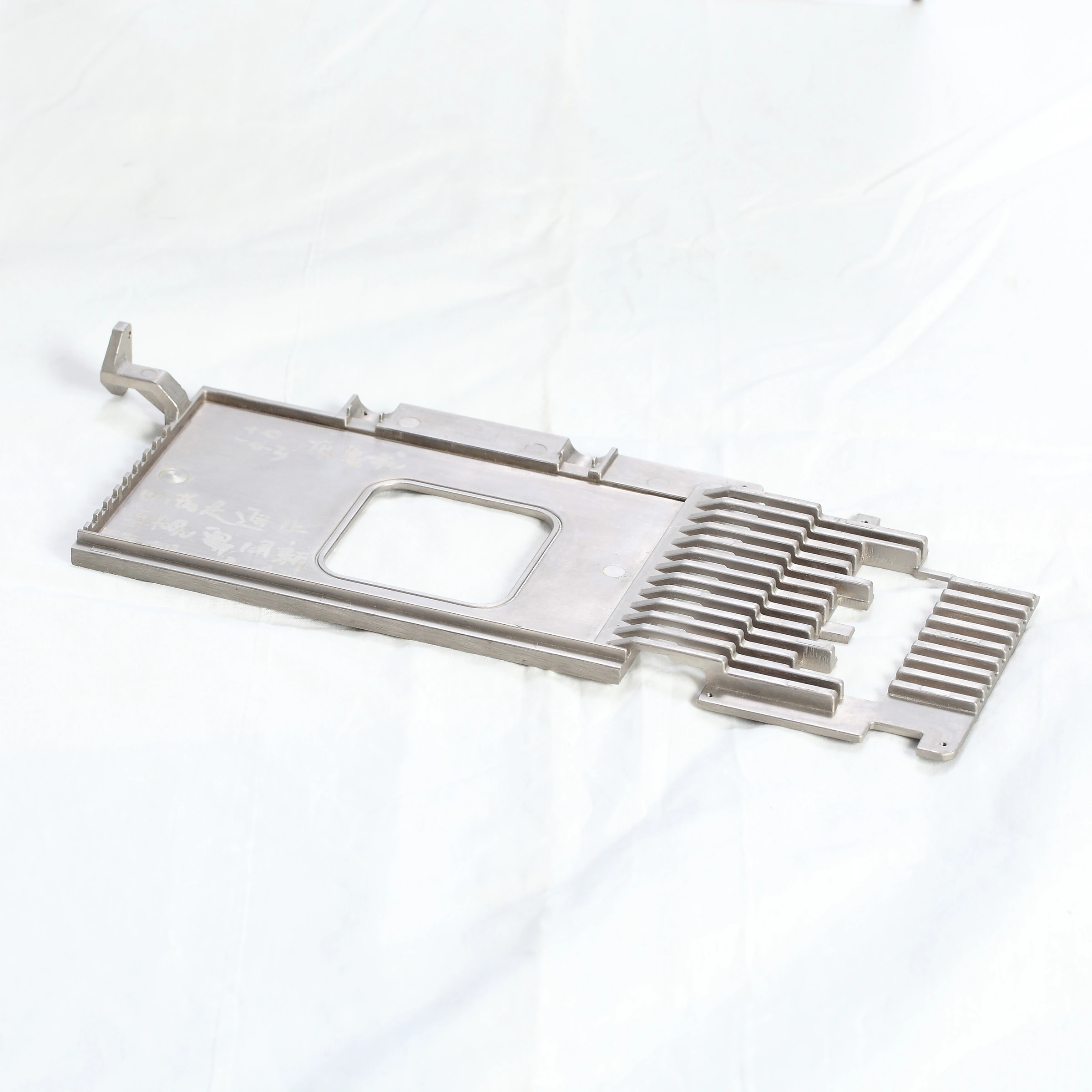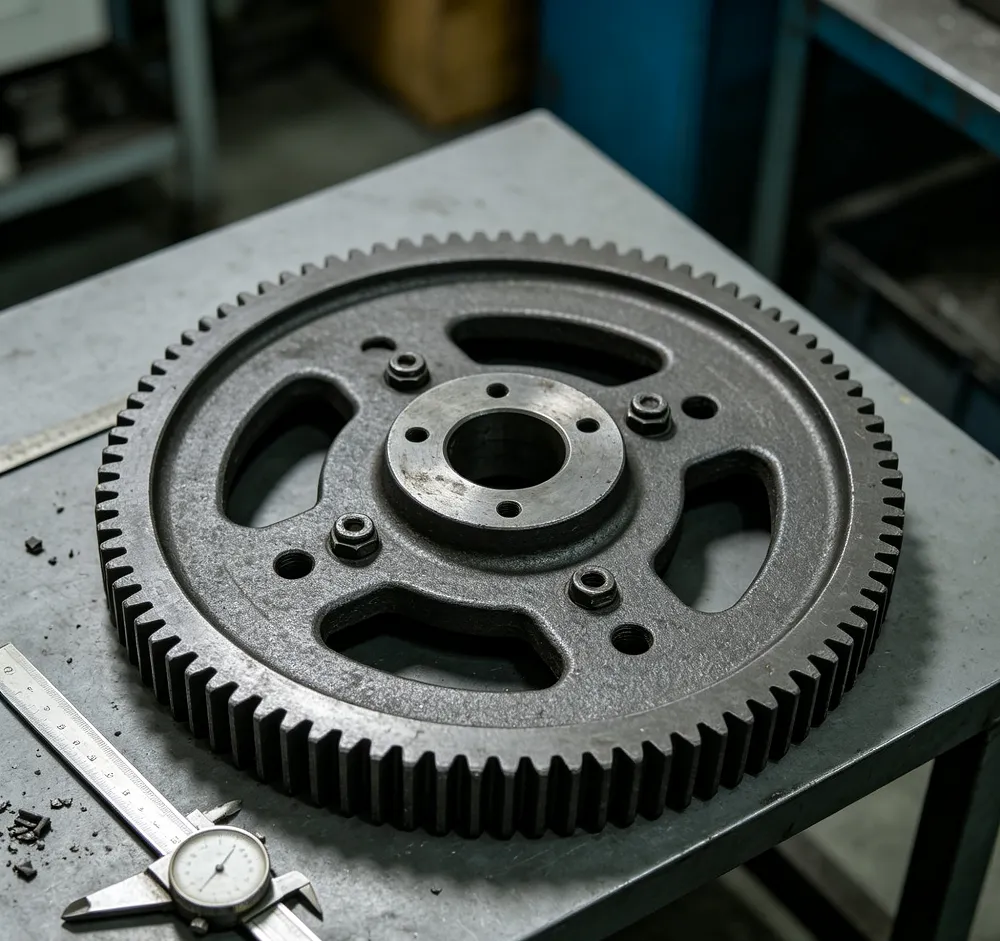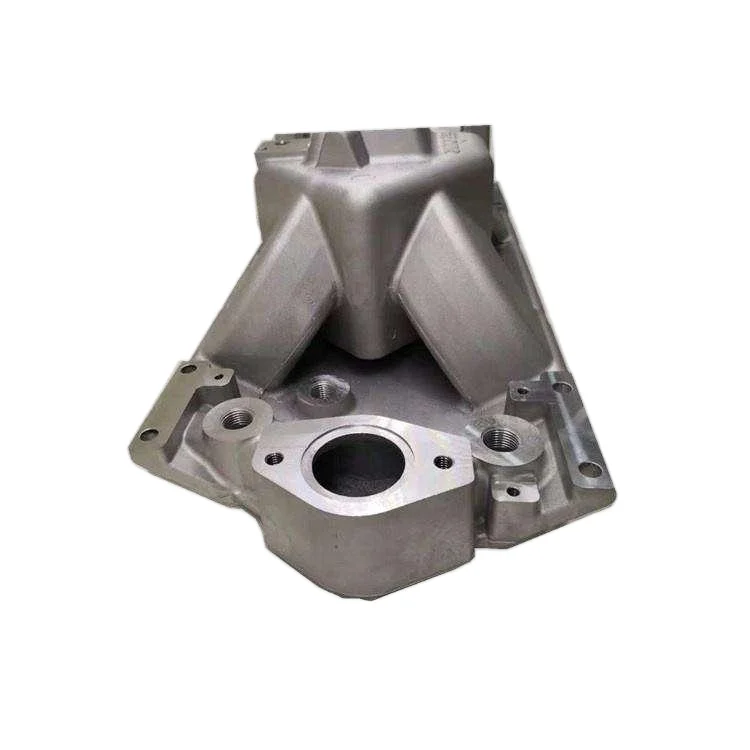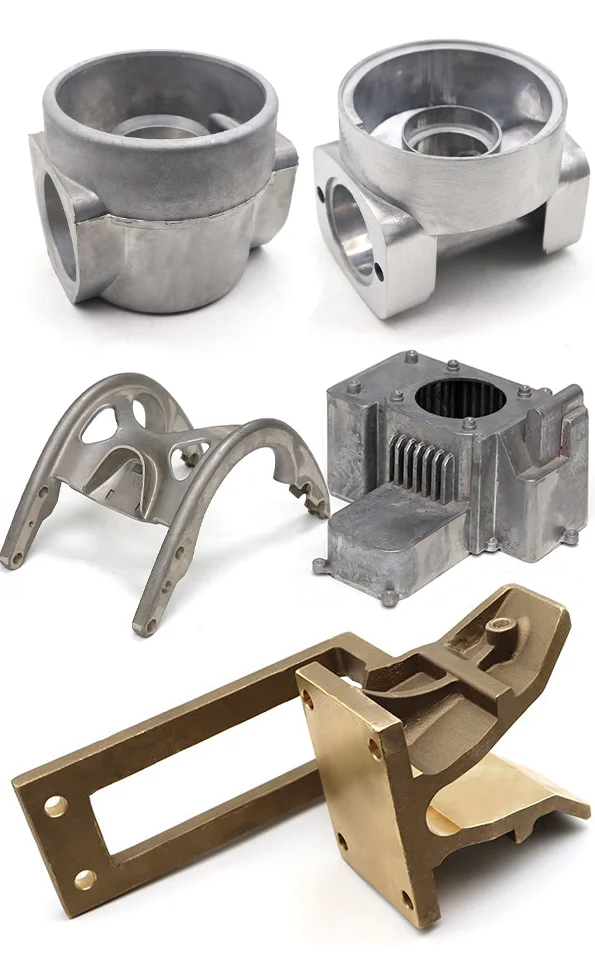
Custom OEM A356 Aluminum Brass Stainless Steel or Grey Iron Sand Cast Parts with Drilled and Threaded Connections
Direct factory support
Get a quote that fits your project
Send your drawing or product reference, material grade and required quantity. Relia will review the requirements with you.
- Drawing & specification review
Confirm the supply scope and critical requirements.
- Samples before custom production
Review inspected samples before approving a batch.
- Inspection documents
Agree material and dimensional records for your part.
-
Product nameSand Casting
-
ProcessCasting. Deburring .Drilling .threadingCertificationISO9001
-
ServiceCustomized OEMSizeCustomer's 3D Drawing
-
Surface treatmentCustomers' DemandToleranceCustomer's Drawing Request
-
StandardClient SpecificationColorCustomized Color
-
Quality ControlStrictly 100% Inspection
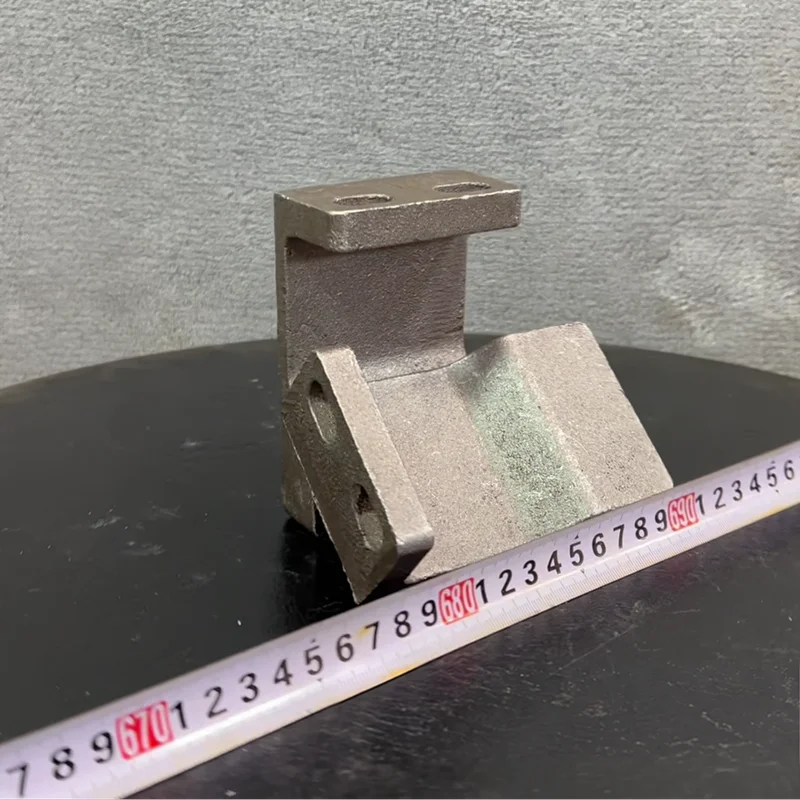
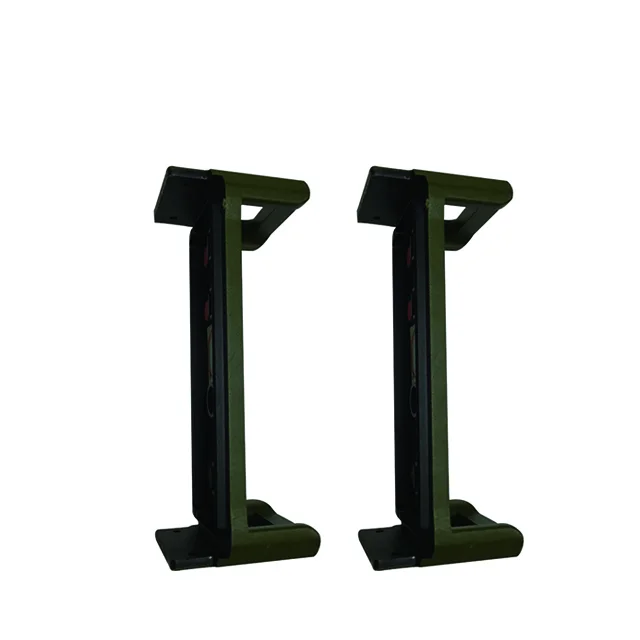
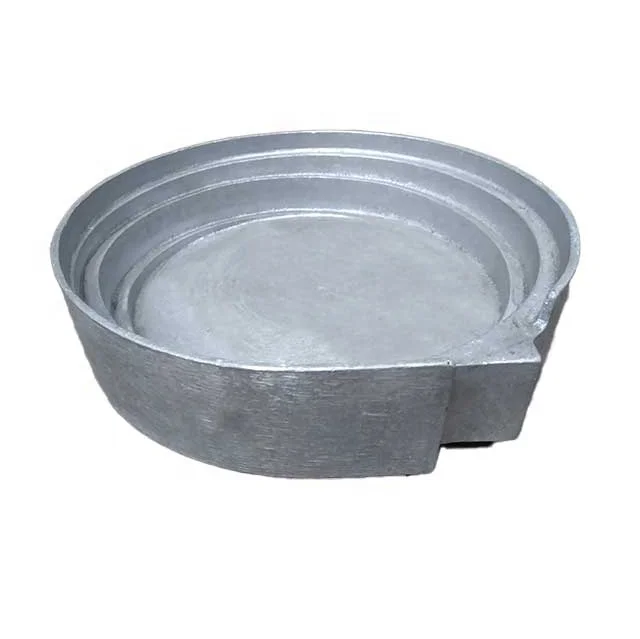
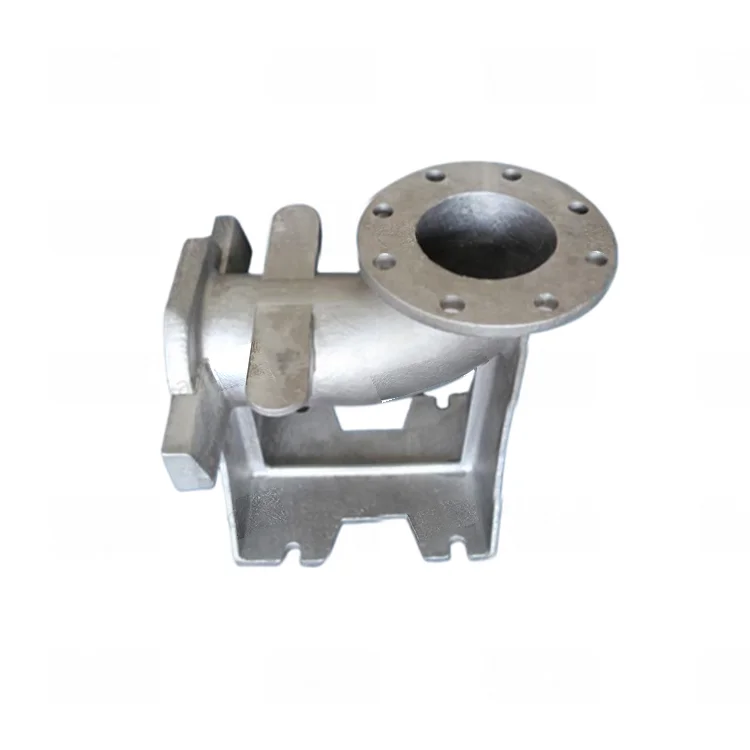
Custom OEM sand cast components can be specified in aluminum including A356, brass, stainless steel or grey iron. The customer’s 3D drawing defines size and tolerances against the client specification. Select the actual material and required supplied condition for the component’s assembly role.
Define the connections before selecting operations
Show the holes, threaded interfaces and mating geometry governing installation. The offered work includes casting, deburring, drilling and threading. Allocate each selected operation to the area it must establish and give the complete connection requirements needed for final approval.
Set limits for the accepted geometry
Identify governing datums and permissible variation where several interfaces are evaluated together. Separate dimensions assessed in the cast state from those controlled after further work. Explain the operating environment and component duty that affect evaluation of the selected metal and finished interfaces.
- State the controlling design revision and required quantity.
- Specify customized color and surface-treatment coverage for the chosen substrate.
- Define visible-surface criteria separately from functional-contact requirements.
Connect inspection to the ordered component
Strict 100% inspection supports acceptance against the actual drawing. Agree characteristics, methods, coverage and records, including any project-specific approval requirements. Request applicable ISO9001 documentation with relevant supplier or activity scope. Keep approved changes to alloy, connection geometry or appearance within the part record, so later manufacturing requests follow the same finished condition and material definition used for the accepted initial item.