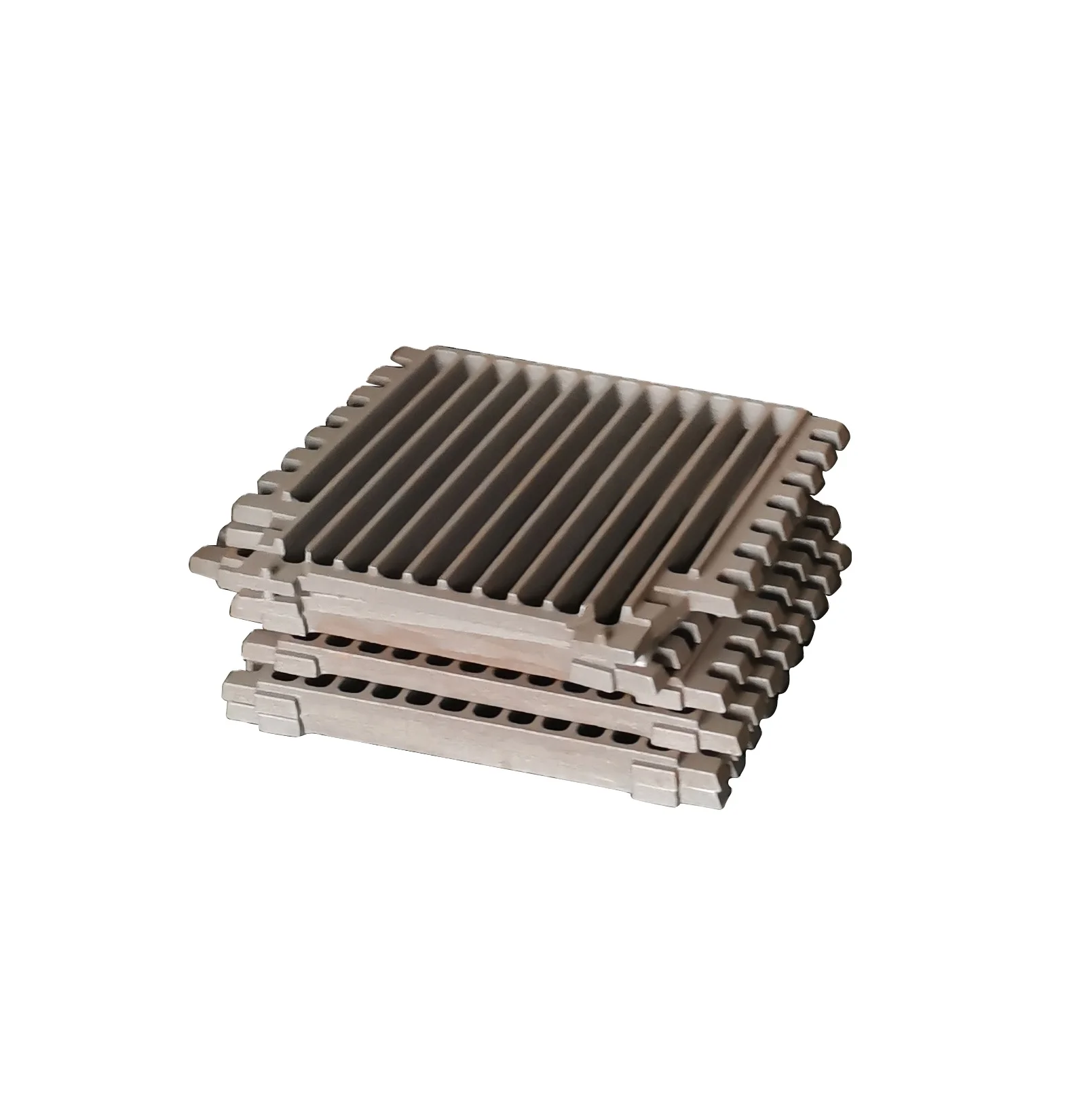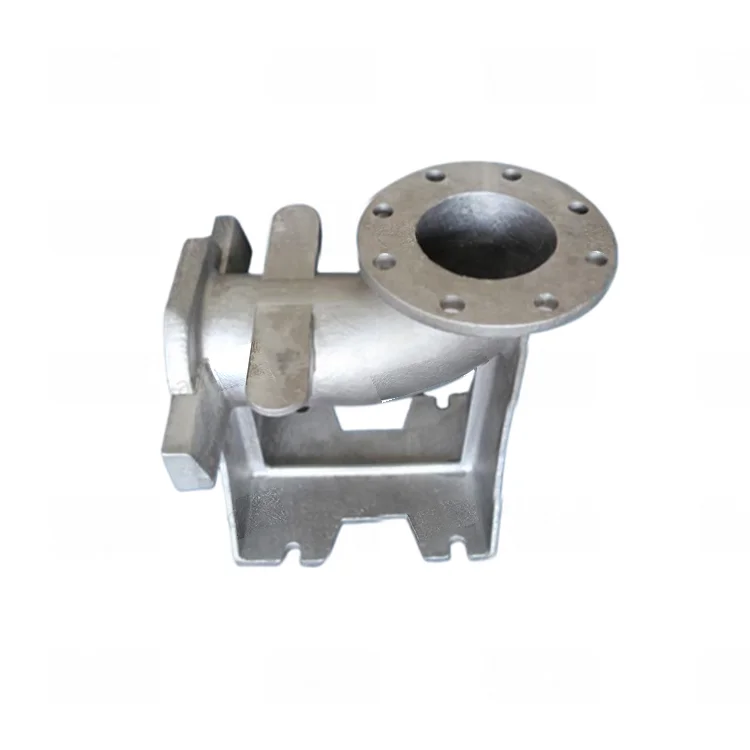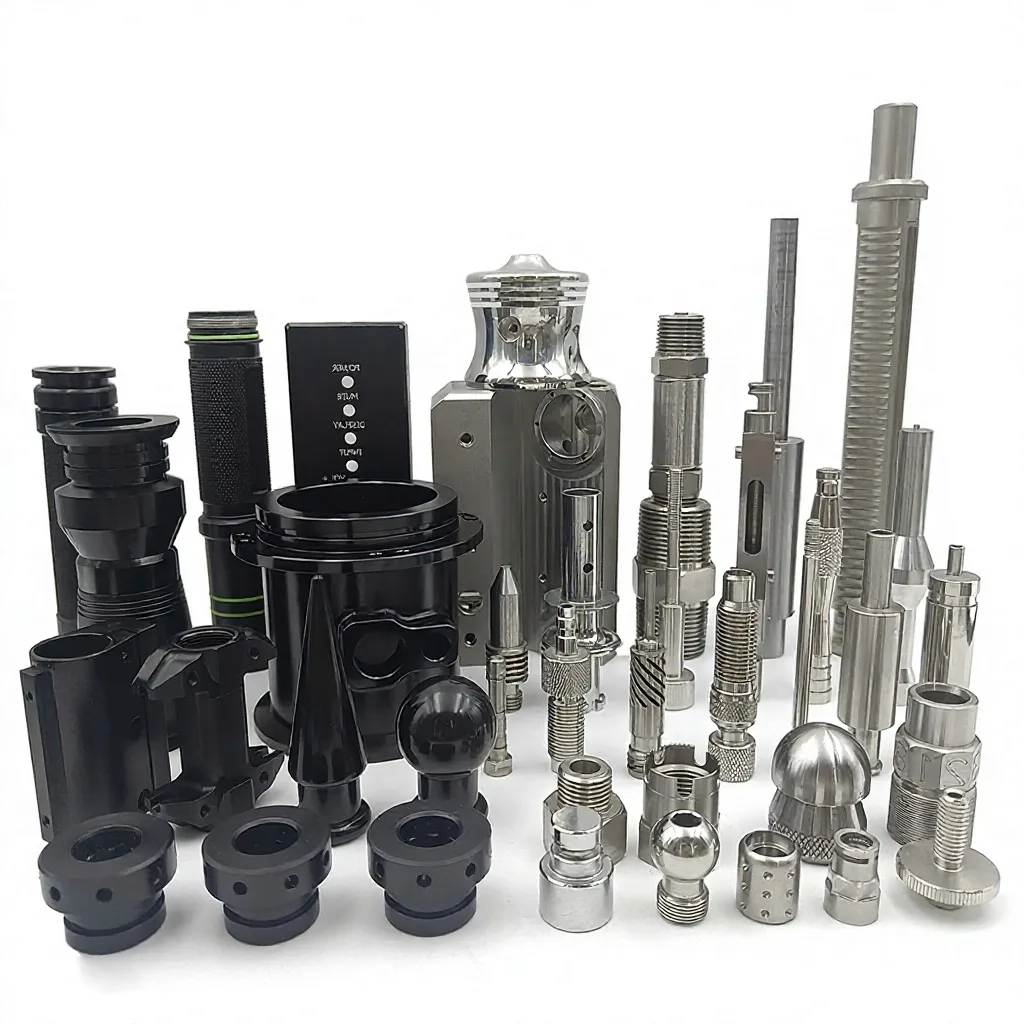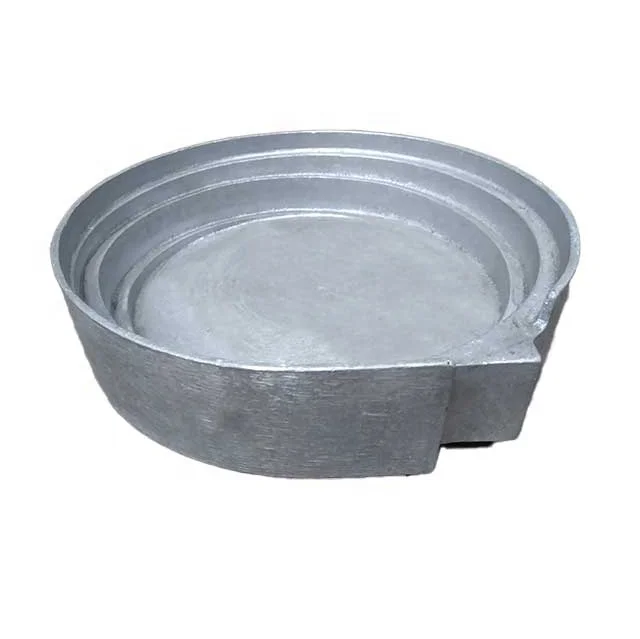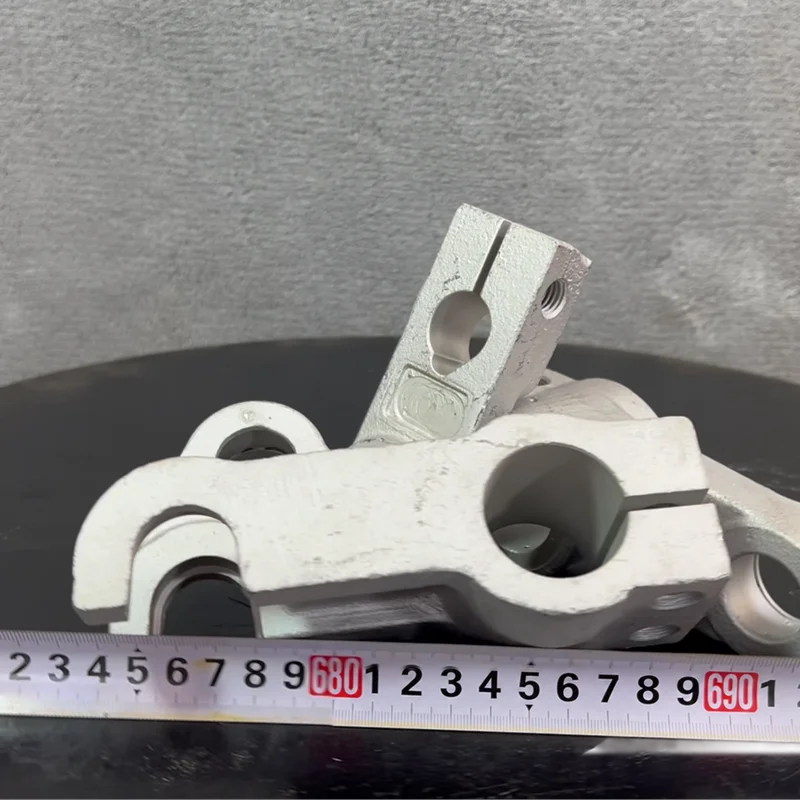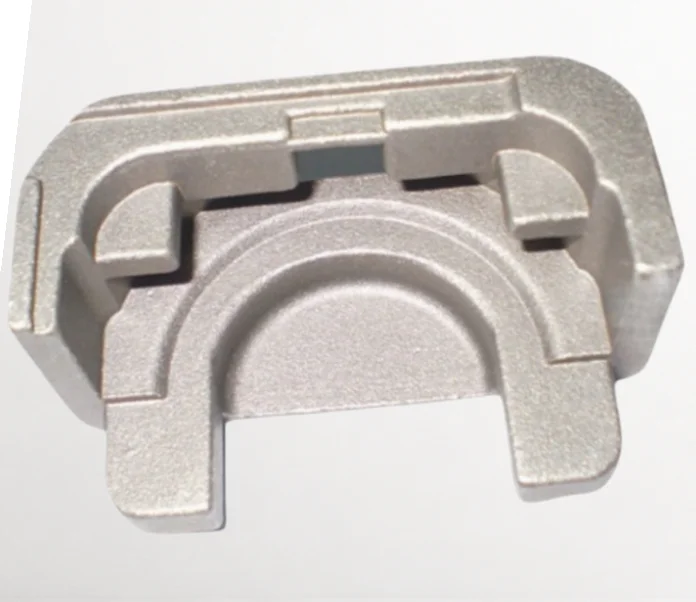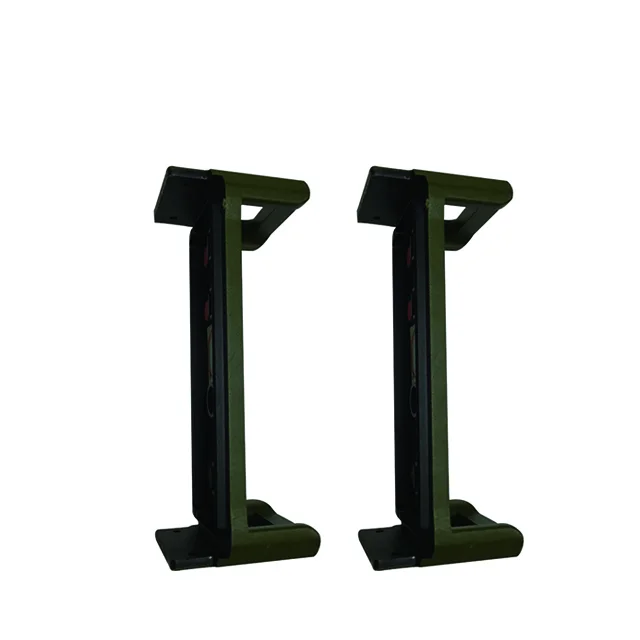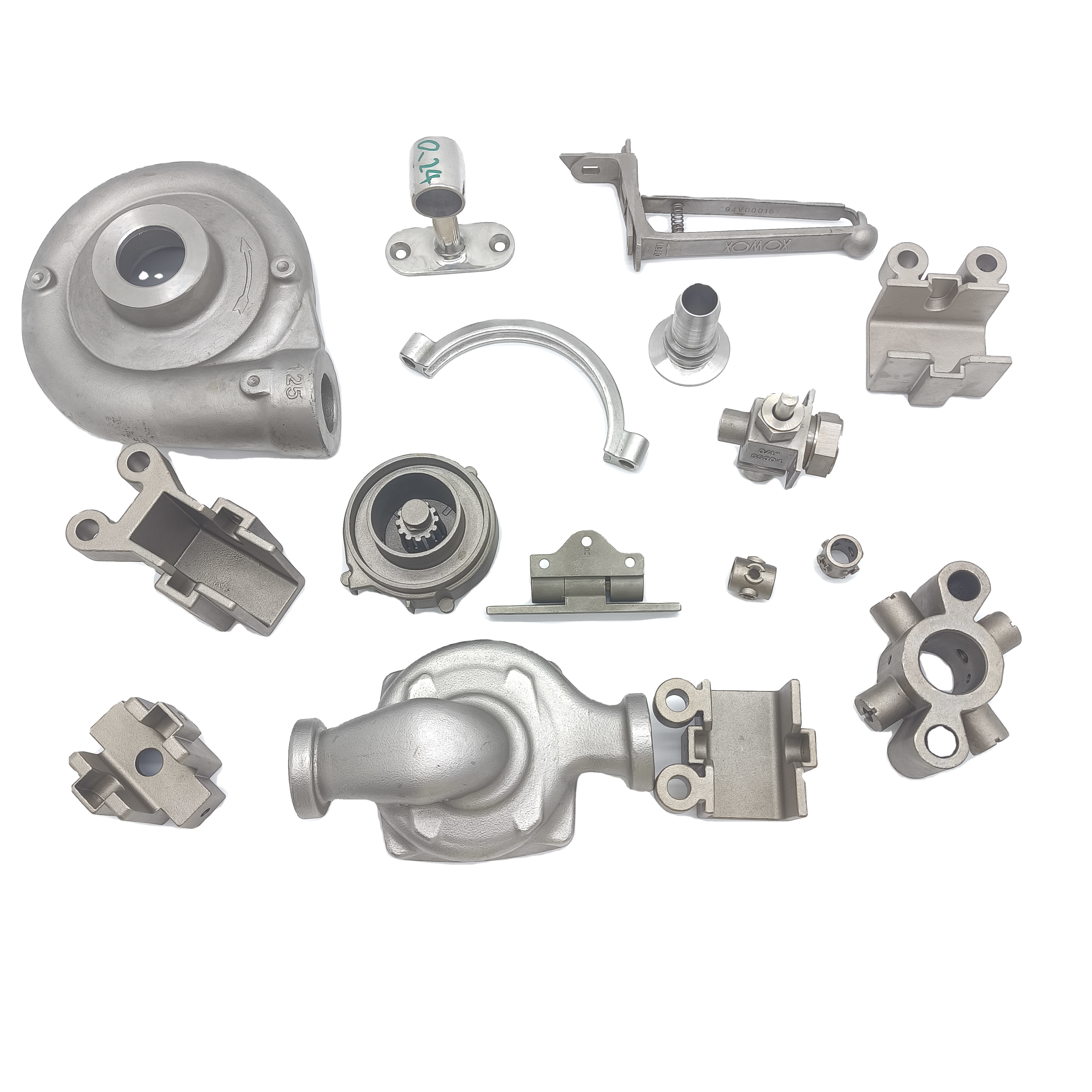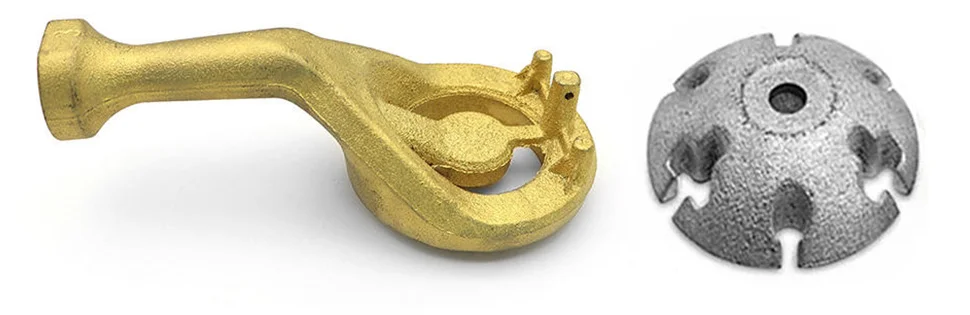
Custom OEM Copper Grey Iron Stainless Steel or A356 Aluminum Sand Cast Parts with Deburring Drilling and Threading
Direct factory support
Get a quote that fits your project
Send your drawing or product reference, material grade and required quantity. Relia will review the requirements with you.
- Drawing & specification review
Confirm the supply scope and critical requirements.
- Samples before custom production
Review inspected samples before approving a batch.
- Inspection documents
Agree material and dimensional records for your part.
-
Product nameSand Casting
-
ProcessCasting. Deburring .Drilling .threadingCertificationISO9001
-
ServiceCustomized OEMSizeCustomer's 3D Drawing
-
Surface treatmentCustomers' DemandToleranceCustomer's Drawing Request
-
StandardClient SpecificationColorCustomized Color
-
Quality ControlStrictly 100% Inspection
Copper, grey iron, stainless steel and A356 aluminum are separate choices for custom OEM sand cast parts. The customer’s 3D drawing and client specification govern size and tolerances. Define the actual grade and component duty before agreeing the operations and required finished state.
Turn connection geometry into machining requirements
Casting, deburring, drilling and threading form the offered process scope. Identify the features requiring each selected operation and how their dimensions relate to adjoining parts. State the complete connection requirements, measurement references and permissible variation needed for the assembled component.
Specify edges, surfaces and color together
Surface treatment and color can be customized for the chosen part. Identify the required edge condition and separate visible areas from functional contacts. Describe the final result on the selected substrate, including any masking or protection needed where surface work affects dimensional acceptance.
Set the drawing-based acceptance record
The inspection offer is strict 100% checking against the selected component requirements. Agree actual methods, coverage and records for its material, geometry and surfaces. Request applicable ISO9001 documentation with relevant supplier or activity scope, without substituting the system reference for the part’s specific approval criteria.
Prepare a consistent production request
Provide the current design revision, quantity and intended working environment. Explain the initial part-approval requirements and any project qualifications for the actual application. Keep accepted changes to grade, drilled or threaded interfaces and appearance attached to the same component record so further manufacturing enquiries retain a clearly defined supplied condition.