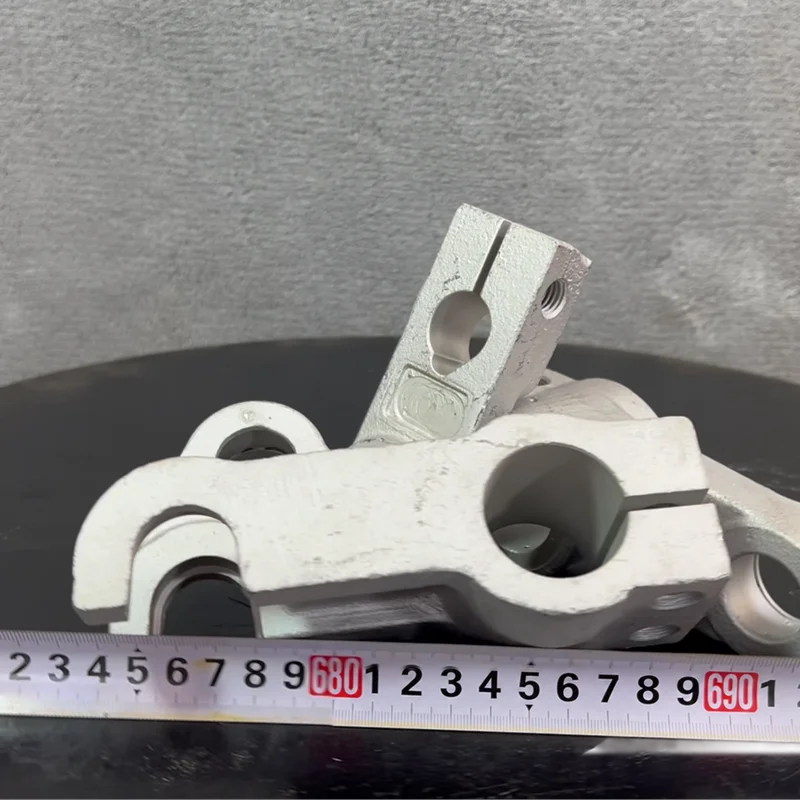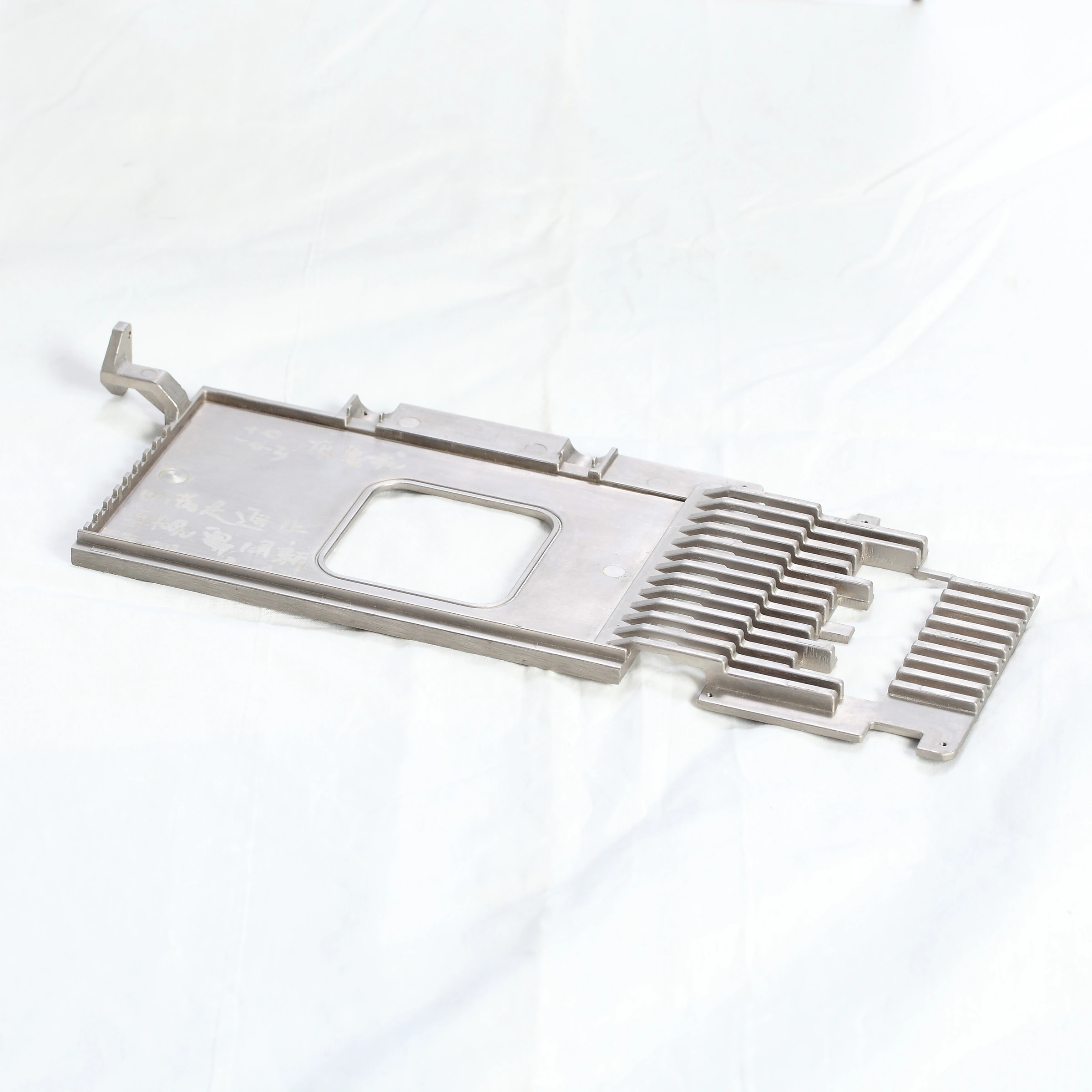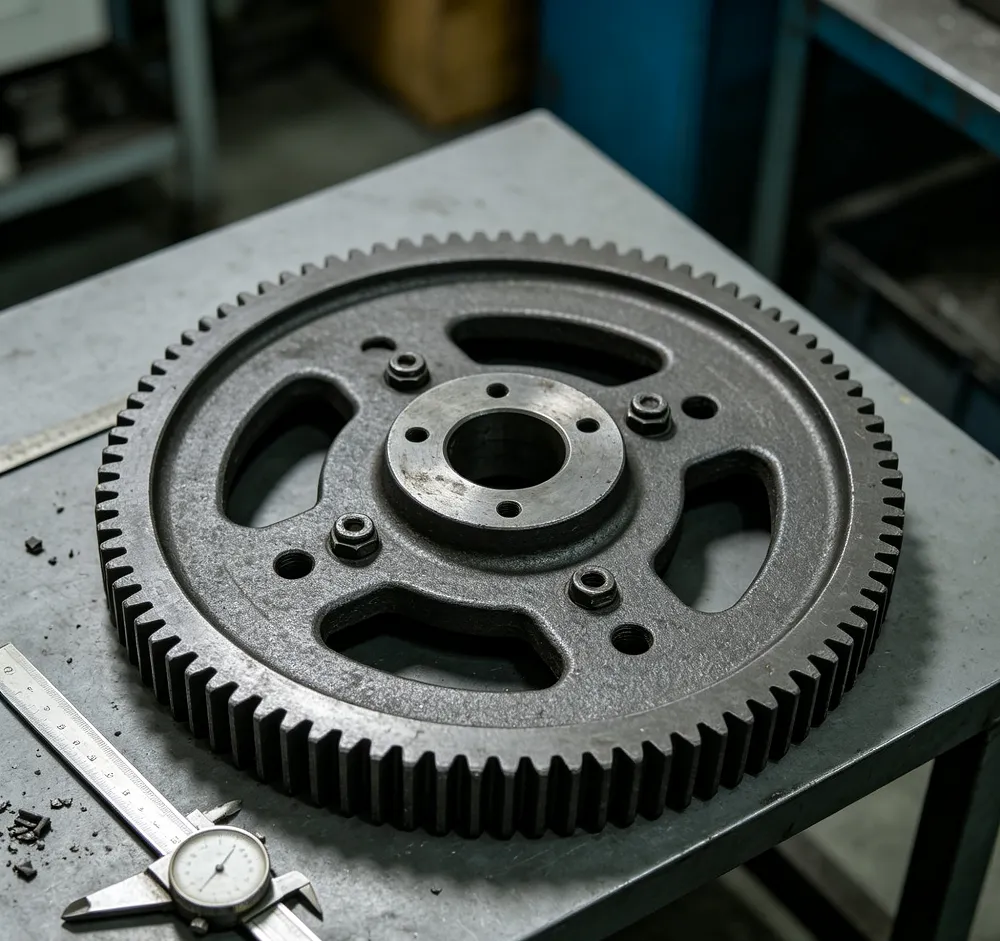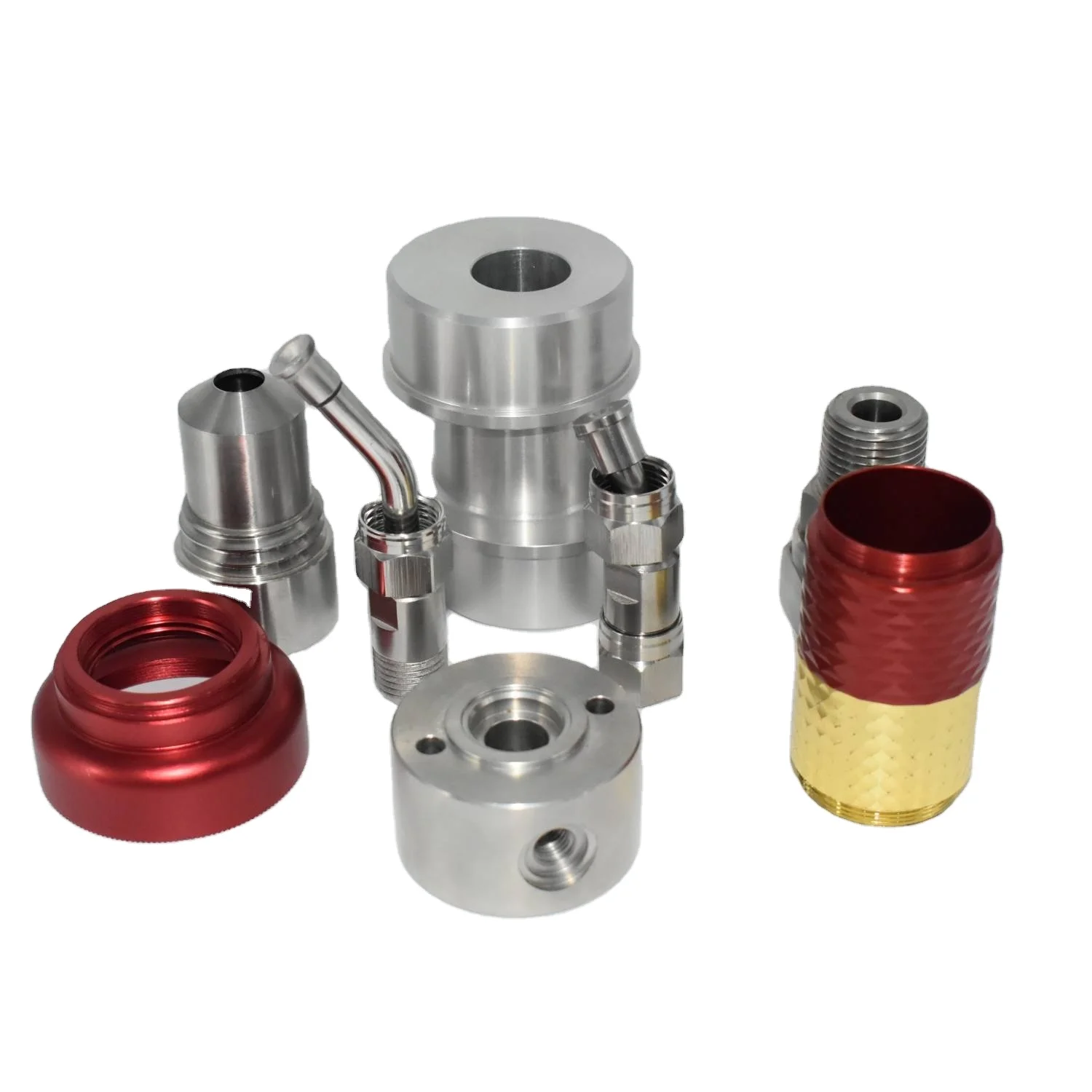
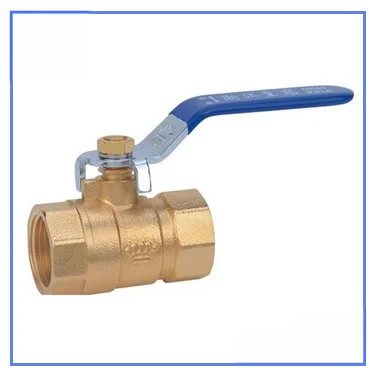
Custom Precision Copper Bronze Brass Sand Casting and OEM Machining Service with Drawing Defined Finish
Direct factory support
Get a quote that fits your project
Send your drawing or product reference, material grade and required quantity. Relia will review the requirements with you.
- Drawing & specification review
Confirm the supply scope and critical requirements.
- Samples before custom production
Review inspected samples before approving a batch.
- Inspection documents
Agree material and dimensional records for your part.
-
Materialcopper brass bronze
-
Processsand casting+ machine serviceServiceOEM
-
Surface treatmentas per the drawingTolerance0.02mm
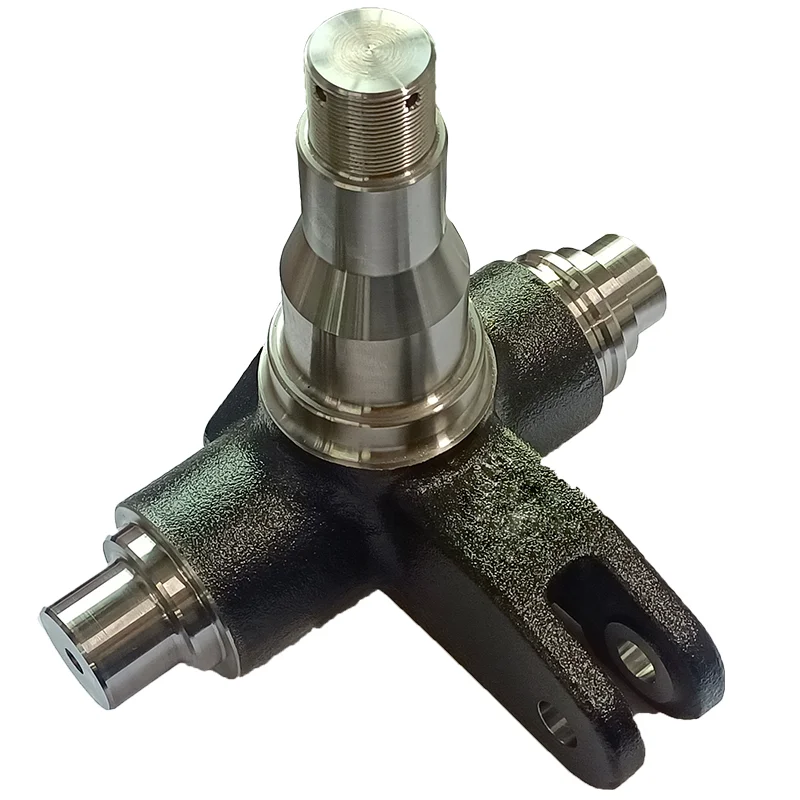
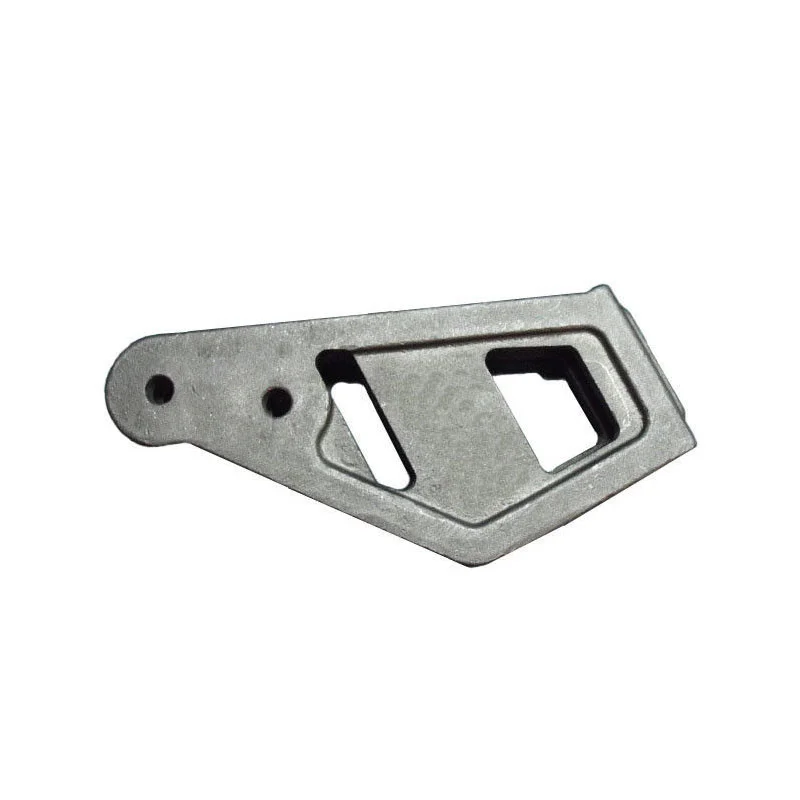
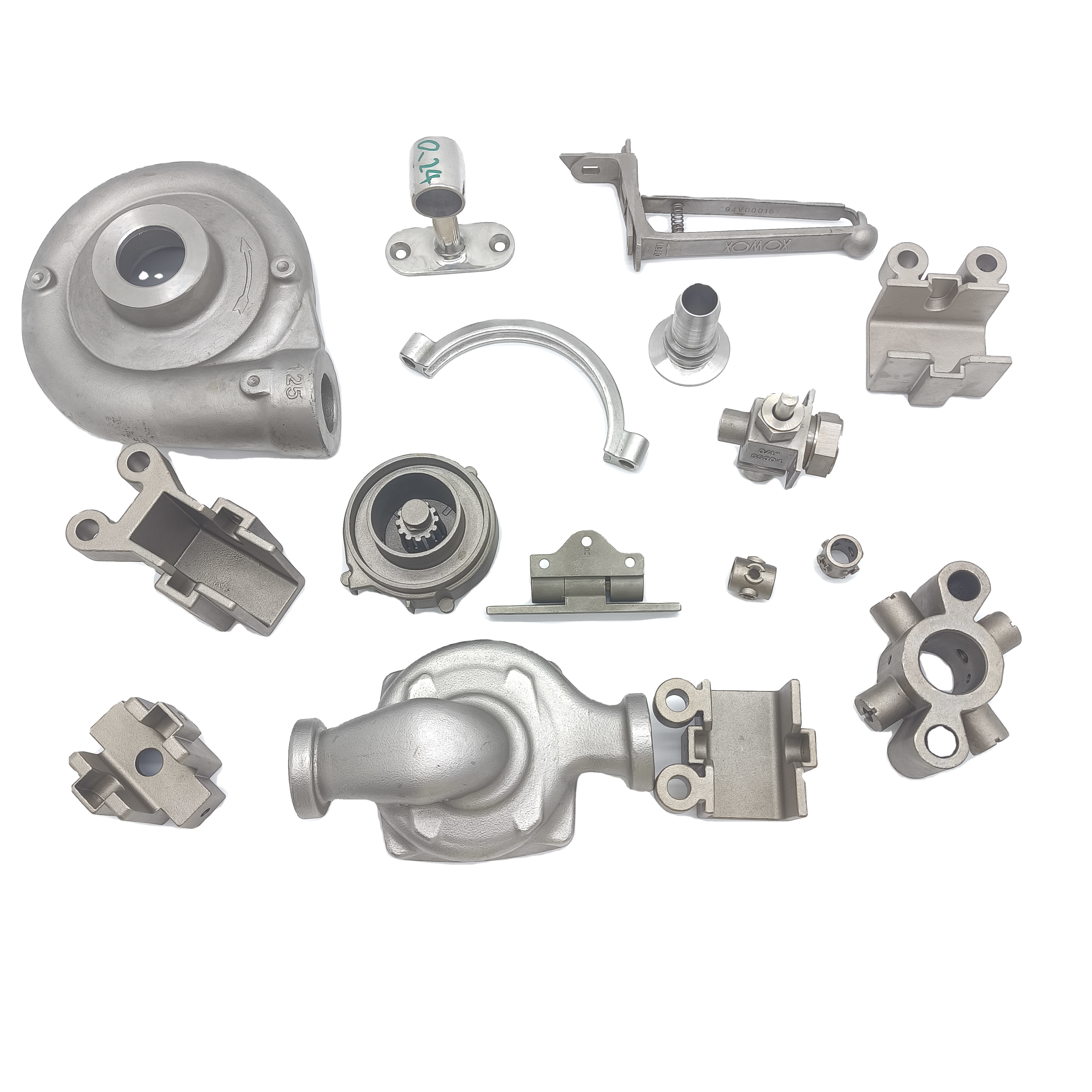
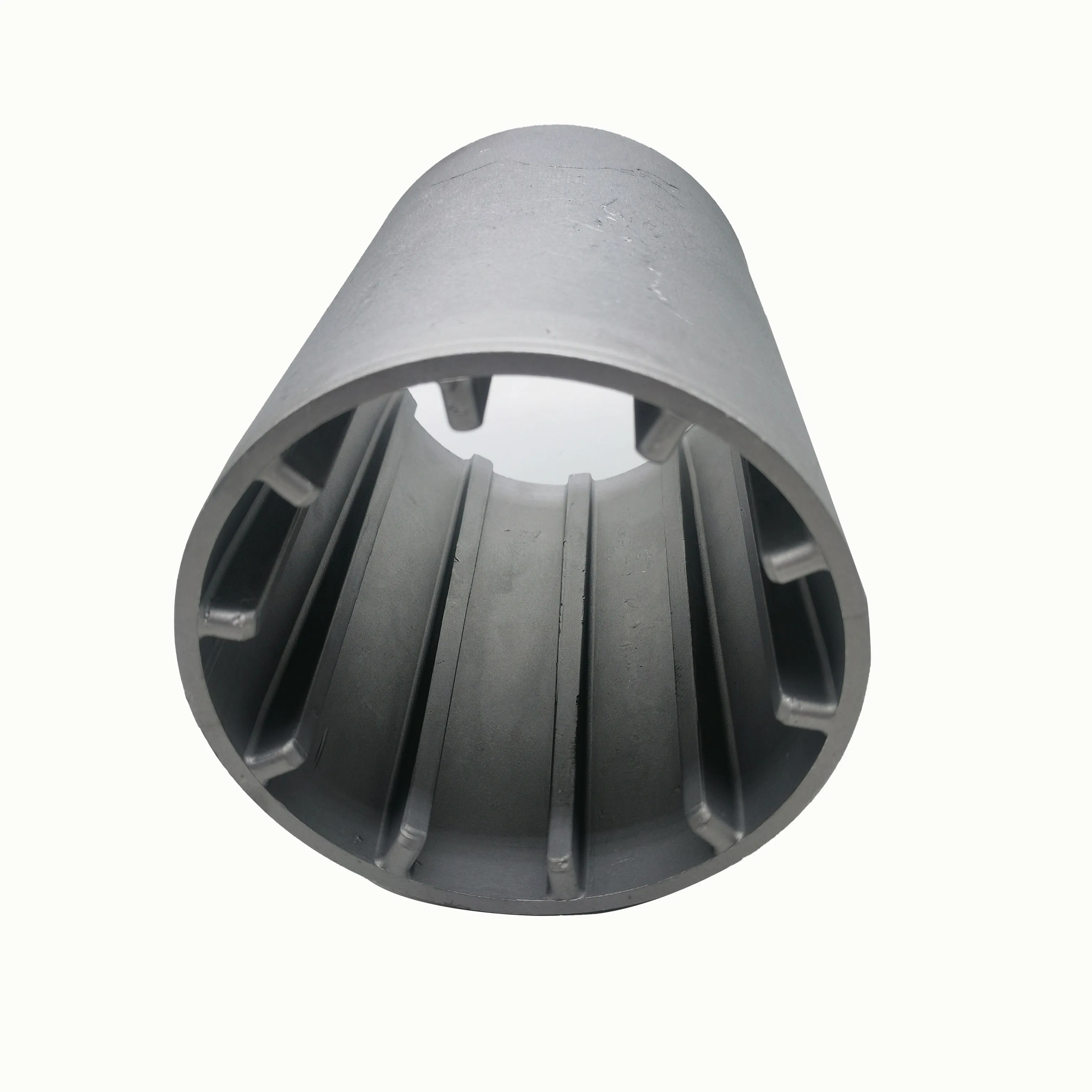
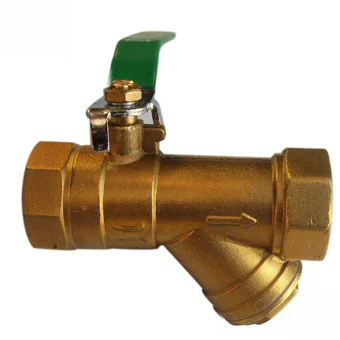
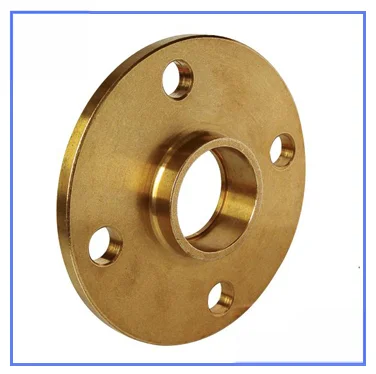
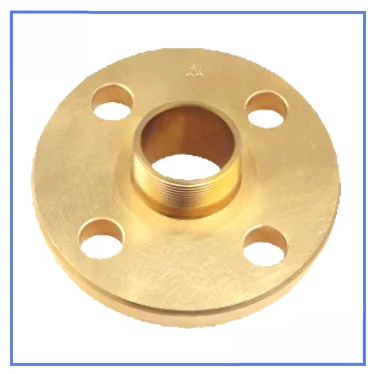
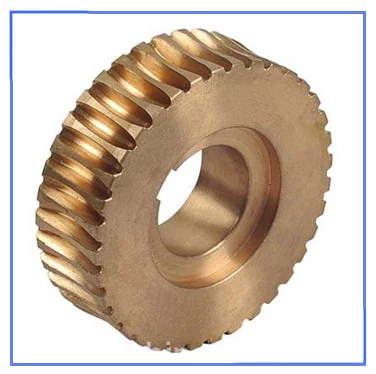
Custom OEM components can be requested in copper, bronze or brass using sand casting and machining. Select the complete material designation for the intended duty. The enquiry should describe the finished component, including the interfaces that need machining and the surface treatment required by the drawing.
Use the assembly to define precision
The tolerance reference is 0.02 mm. Assign that reference to agreed dimensions, the tolerance convention and the stage at which the part is measured. Show how the component locates, mates or contacts adjacent items so the controlled dimensions correspond to its actual function.
- Mark the primary datums and mating geometry.
- Identify areas accepted in the cast condition.
- Specify the required final surface and any masking.
Choose the alloy and machining scope together
Provide the grade and material condition needed for the service environment. Describe the operations requested for the functional interfaces and connect them to the final drawing. This gives the quotation a defined scope from the casting through the machined surfaces that determine fit.
Make the approval record useful for repeat orders
Include quantity and the controlled revision, with material, dimensional and surface acceptance requirements for the selected component. When a reference sample accompanies the drawing, identify the areas it illustrates and any differences requiring attention. Agree how the finished condition will be approved so subsequent production follows the same part definition and acceptance basis.