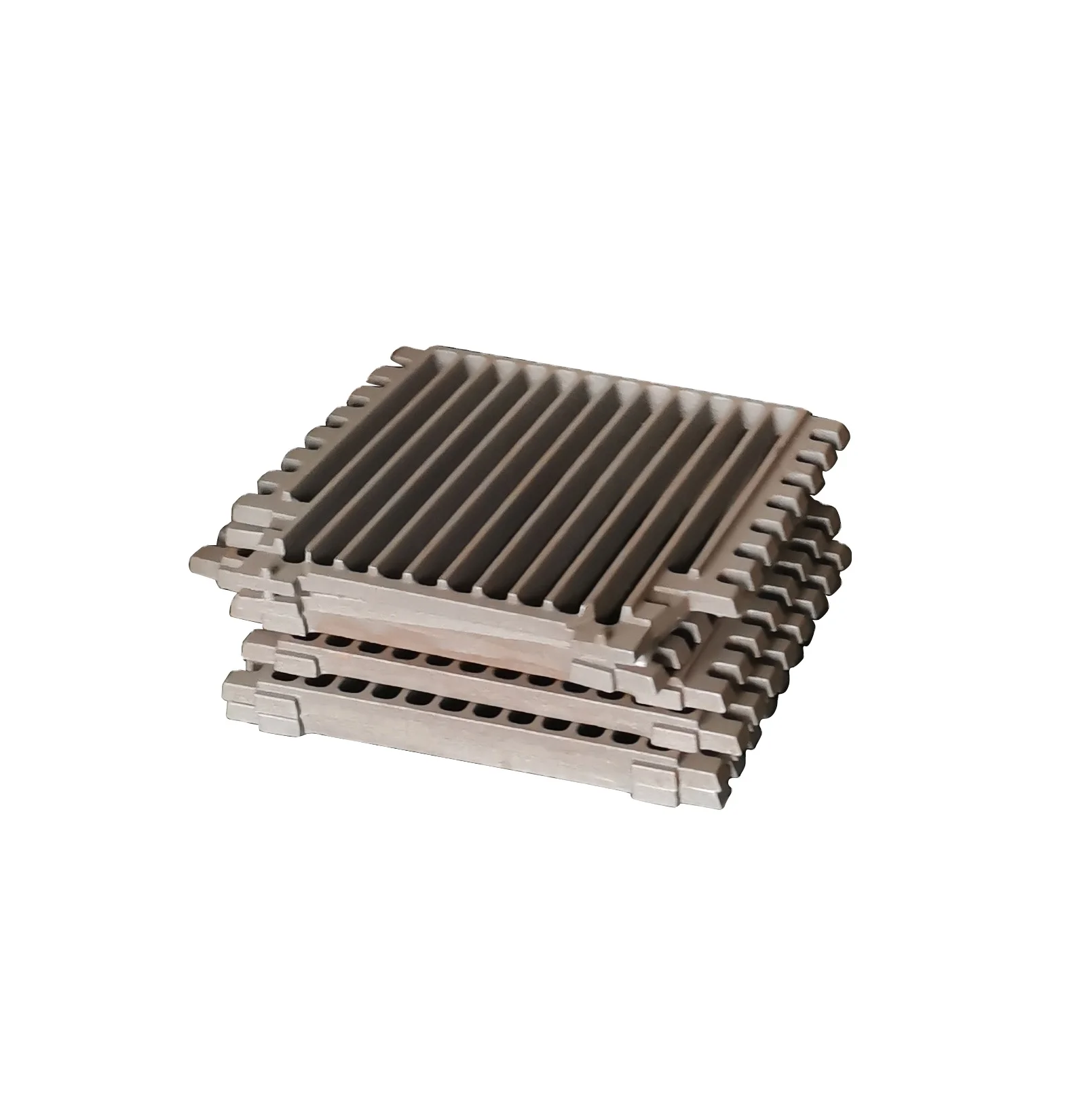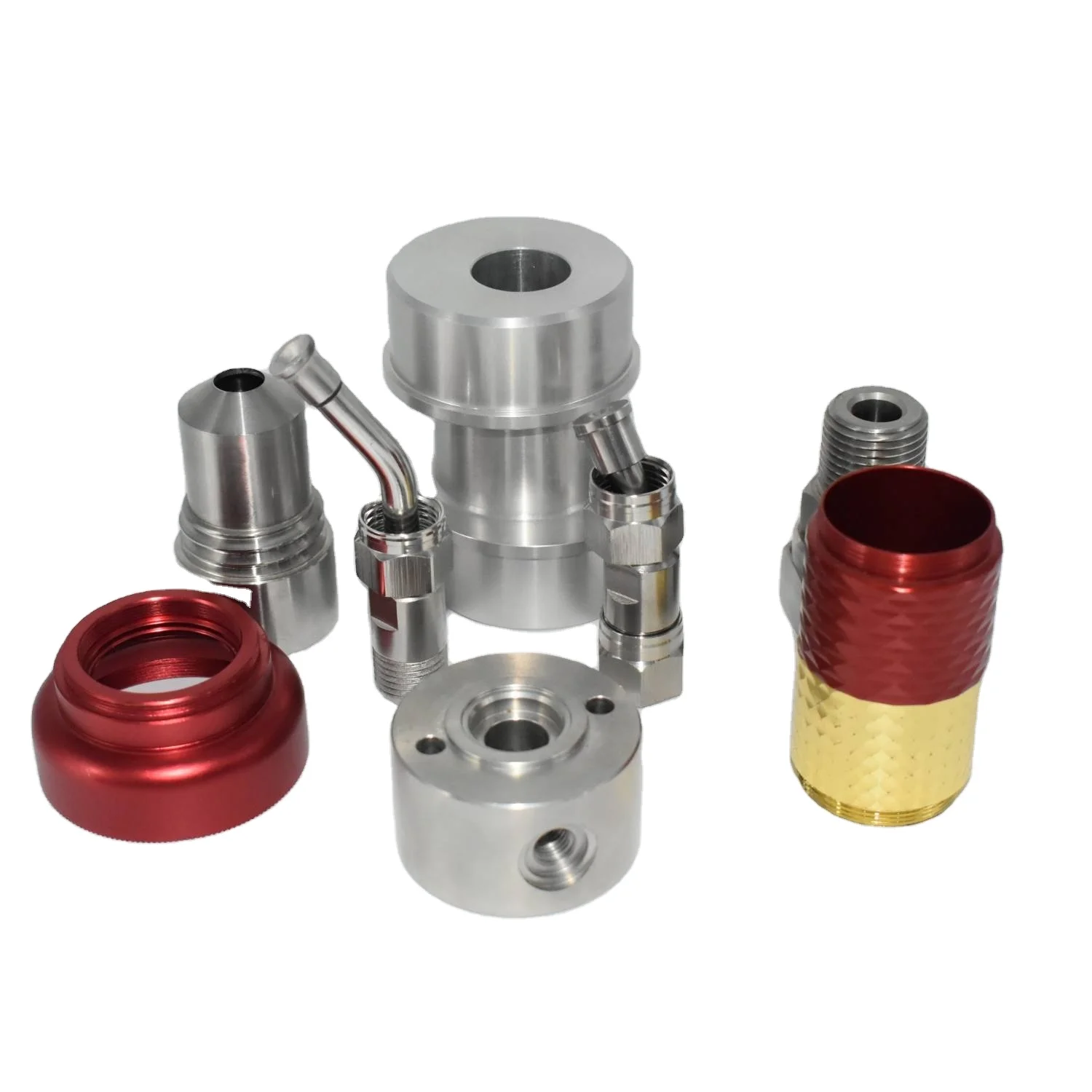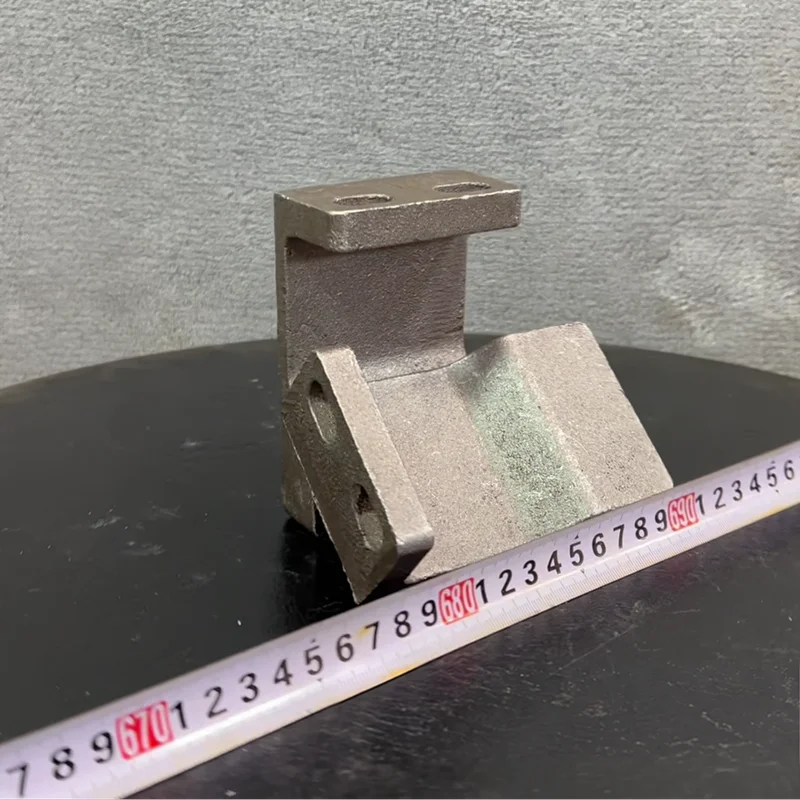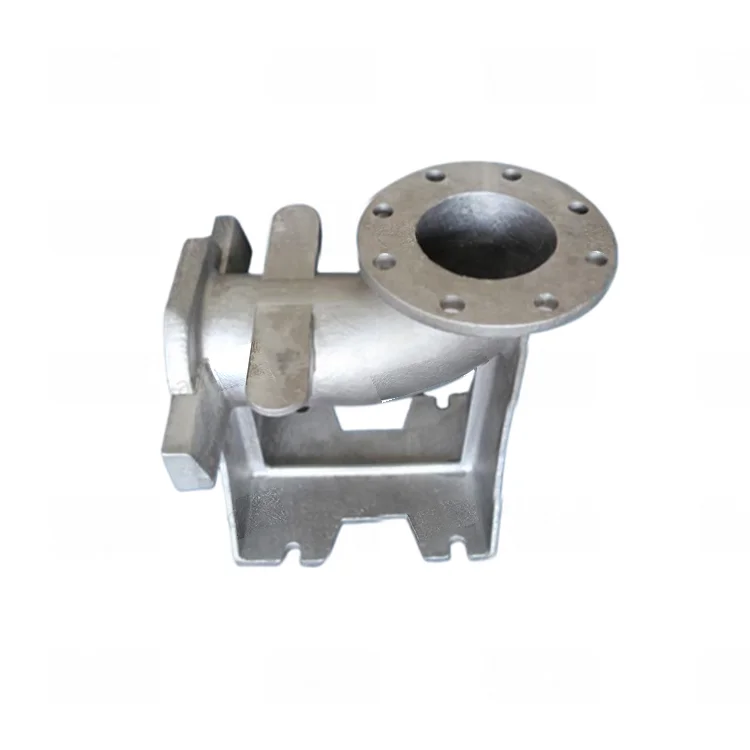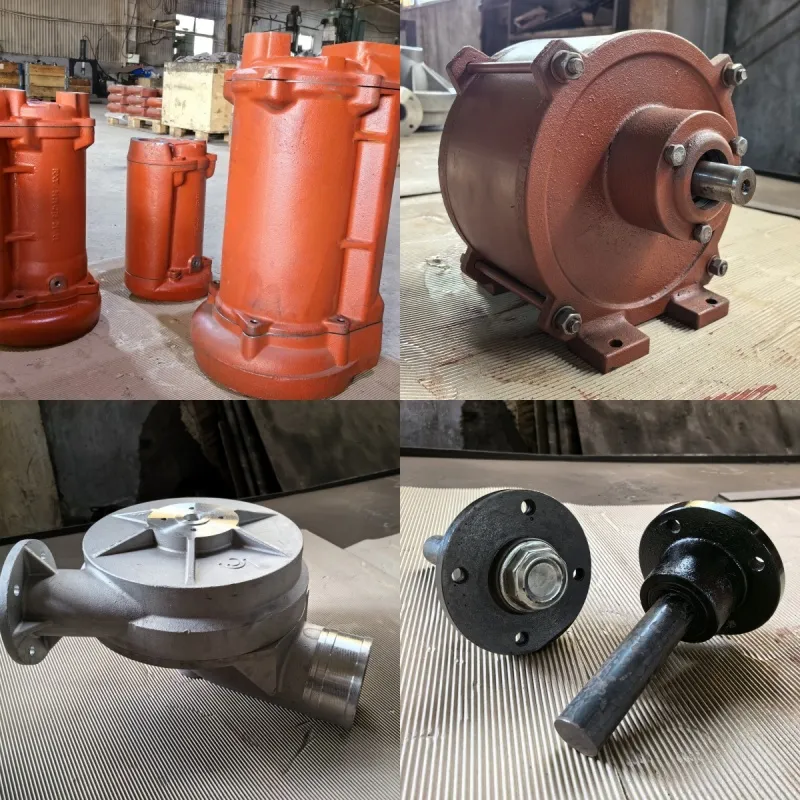
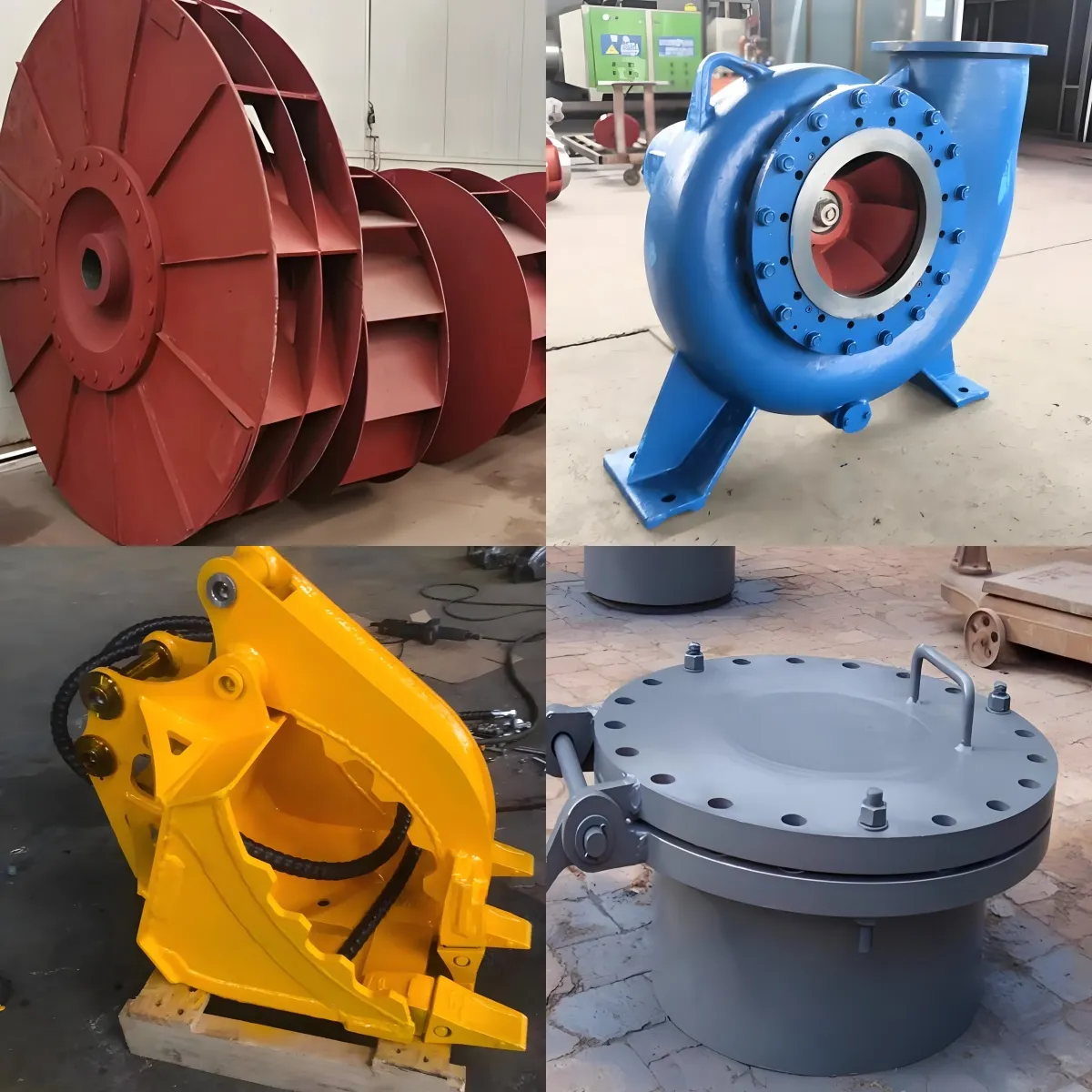
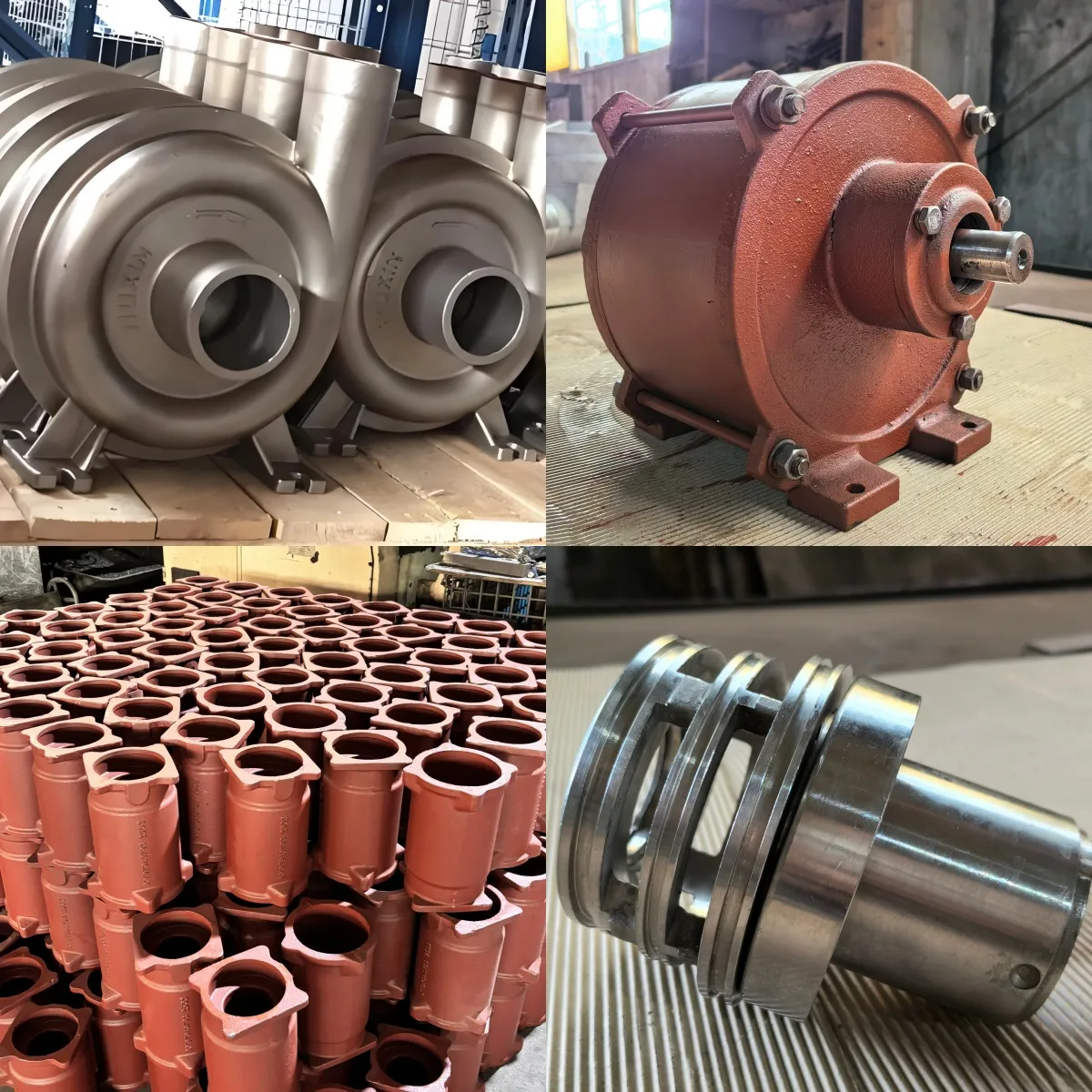
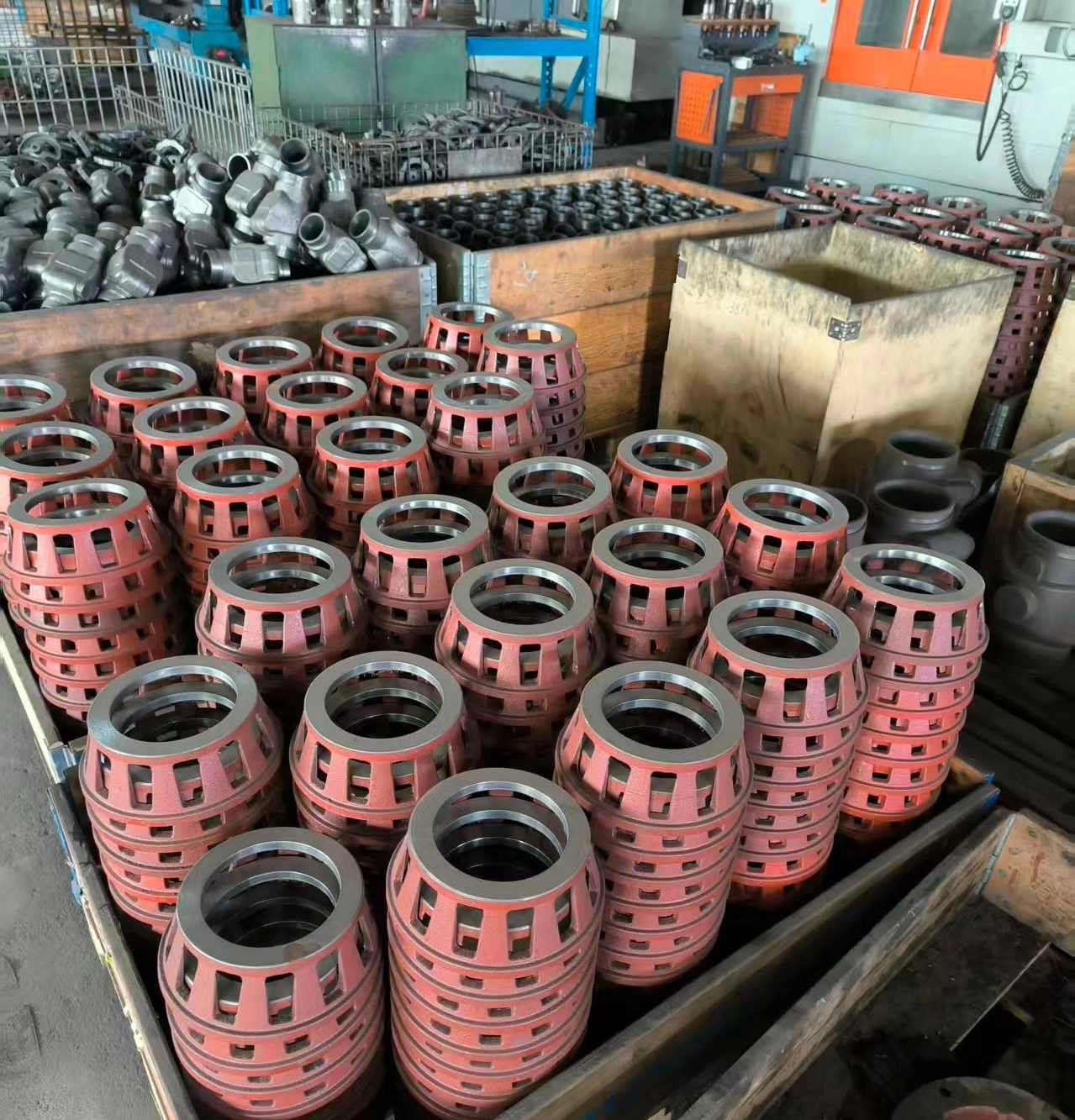
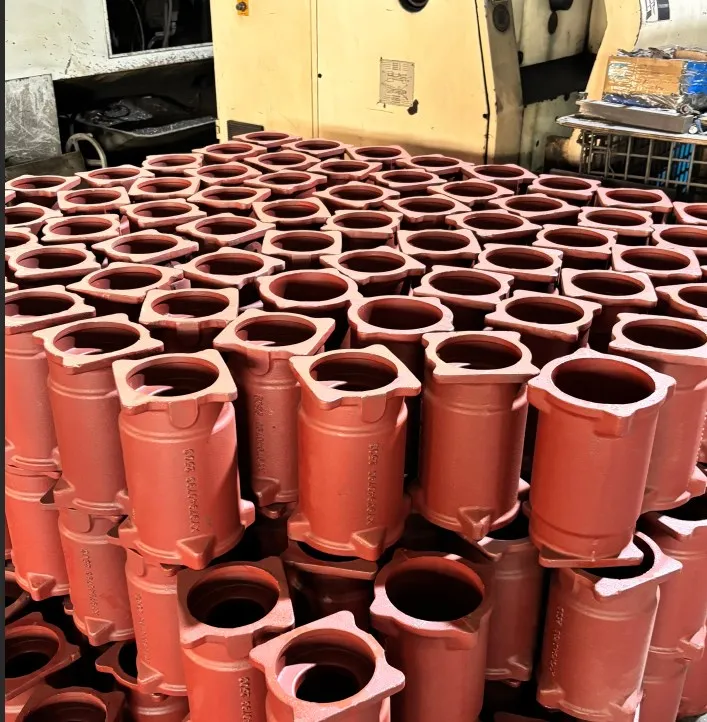
Custom Stainless Aluminum Ductile Grey Iron Components with Investment Gravity Sand Die Casting Enquiries and CNC Service
Direct factory support
Get a quote that fits your project
Send your drawing or product reference, material grade and required quantity. Relia will review the requirements with you.
- Drawing & specification review
Confirm the supply scope and critical requirements.
- Samples before custom production
Review inspected samples before approving a batch.
- Inspection documents
Agree material and dimensional records for your part.
-
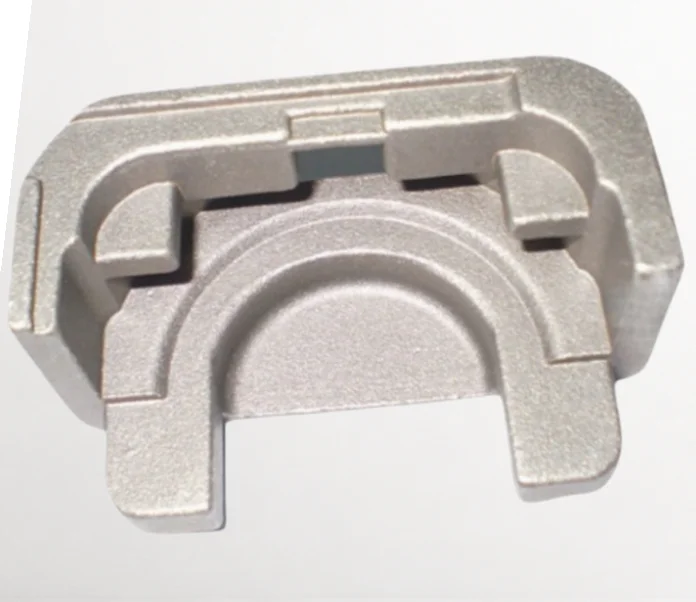
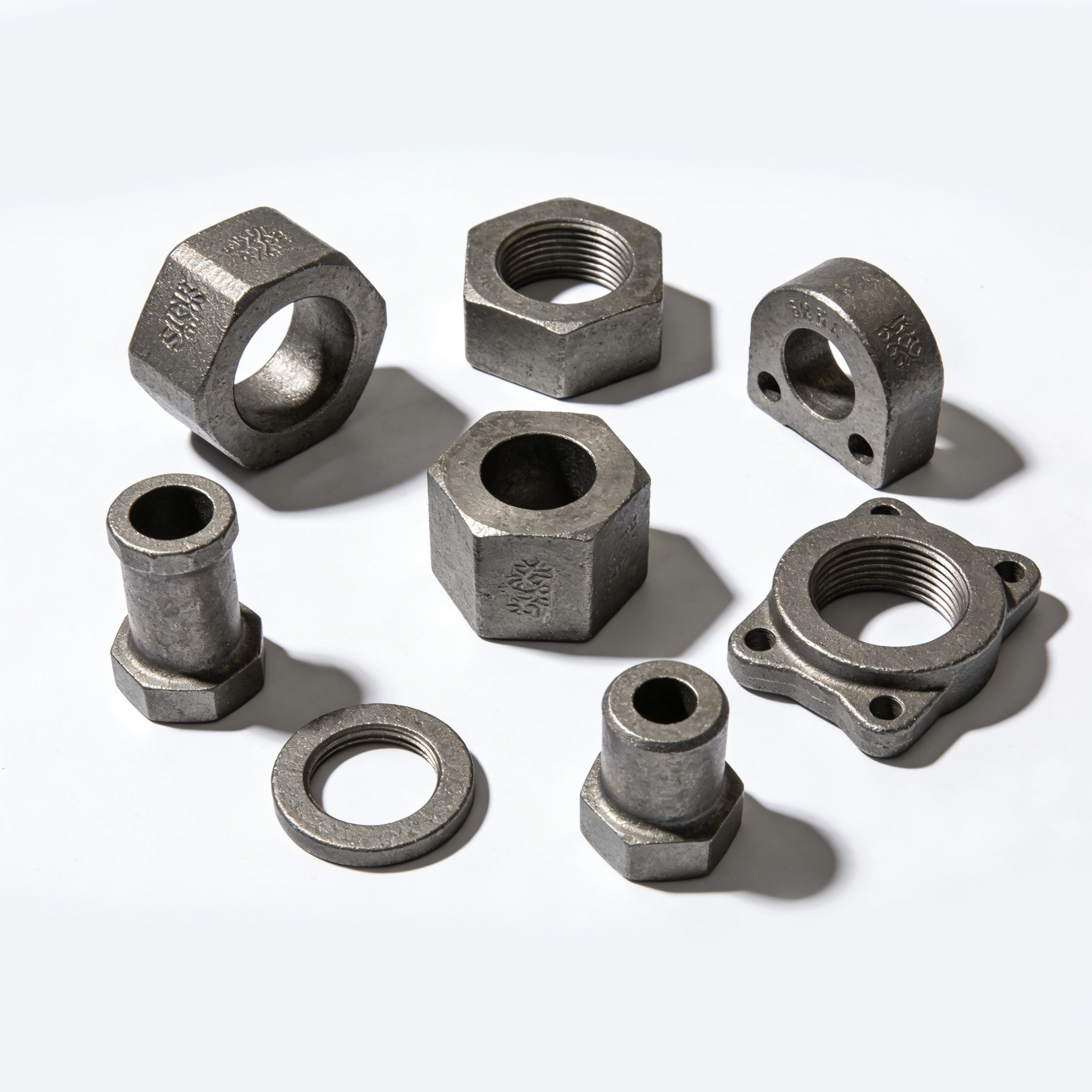
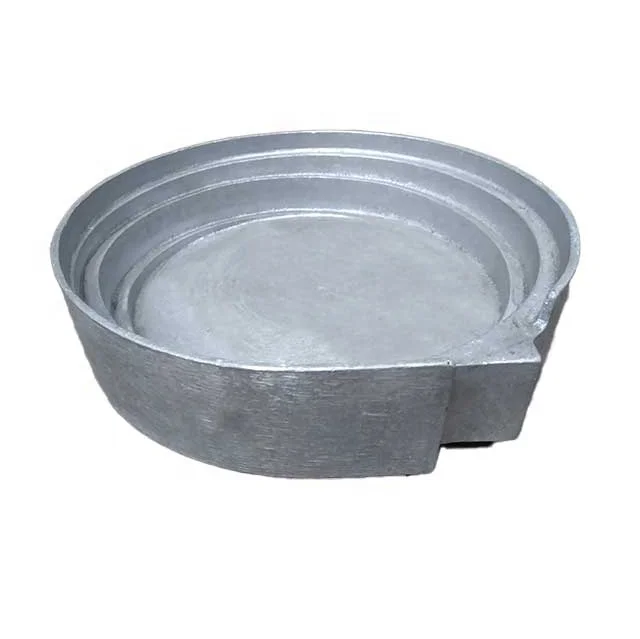
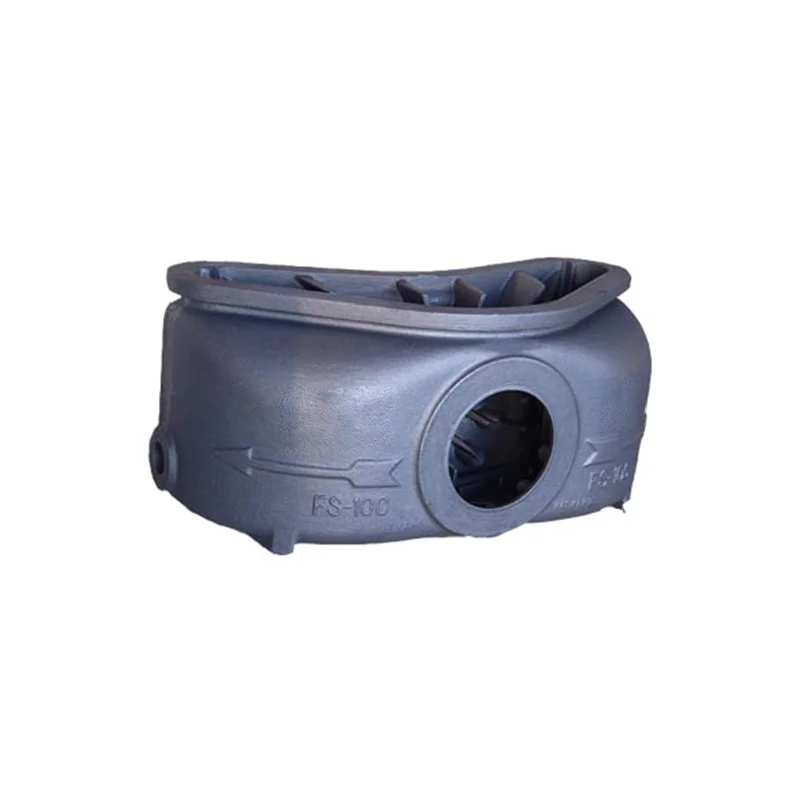
Product nameInvestment Gravity Casting Sand Casting and CNC Service
-
Material capbilityStainless steel, Aluminum, Ductile Iron, Grey IronManufacturingDie casting and CNC machining
-
DimensionCustomized dimensionToleranceCustomized tolerance
-
Surface treatmentHeat treatment, Anodizing, galvanizing, Powder Coating, etcApplicationAuto /medical/agricultural/train/valve/textile
-
QualityFull inspection in houseSample Delivery Time7 days
Custom components in stainless steel, aluminum, ductile iron or gray iron can be requested with CNC machining. Select the full grade, required condition and incoming form for the drawing-defined part. The actual manufacturing route should be compatible with that material and geometry.
Choose the route for the component being ordered
Investment, gravity, sand and die-casting enquiries are included as separately selected methods. Identify the process needed for each item and the required supplied stage. Customized dimensions and tolerances should mark the interfaces controlling assembly and the conditions in which they will be measured.
Match treatment to the substrate and function
Heat treatment, anodizing, galvanizing and powder coating are named requests. Define the selected condition, coverage and masking around the part’s working or contacting areas. Identify the material and surface records needed to assess the required result.
Explain the actual equipment application
Automotive, medical, agricultural, train, valve and textile enquiries need their own operating duty and qualification requirements. Show mounting and mating relationships within the intended assembly. State any design-specific acceptance imposed on the component by that application.
- Provide quantity and the controlling revision.
- Define methods and records within the stated full in-house inspection.
- Identify the purpose of a sample or initial component.
- Retain approved geometry and finish changes with the drawing.
Keep the selected material, manufacturing route and delivered condition linked to component approval and the resulting order.