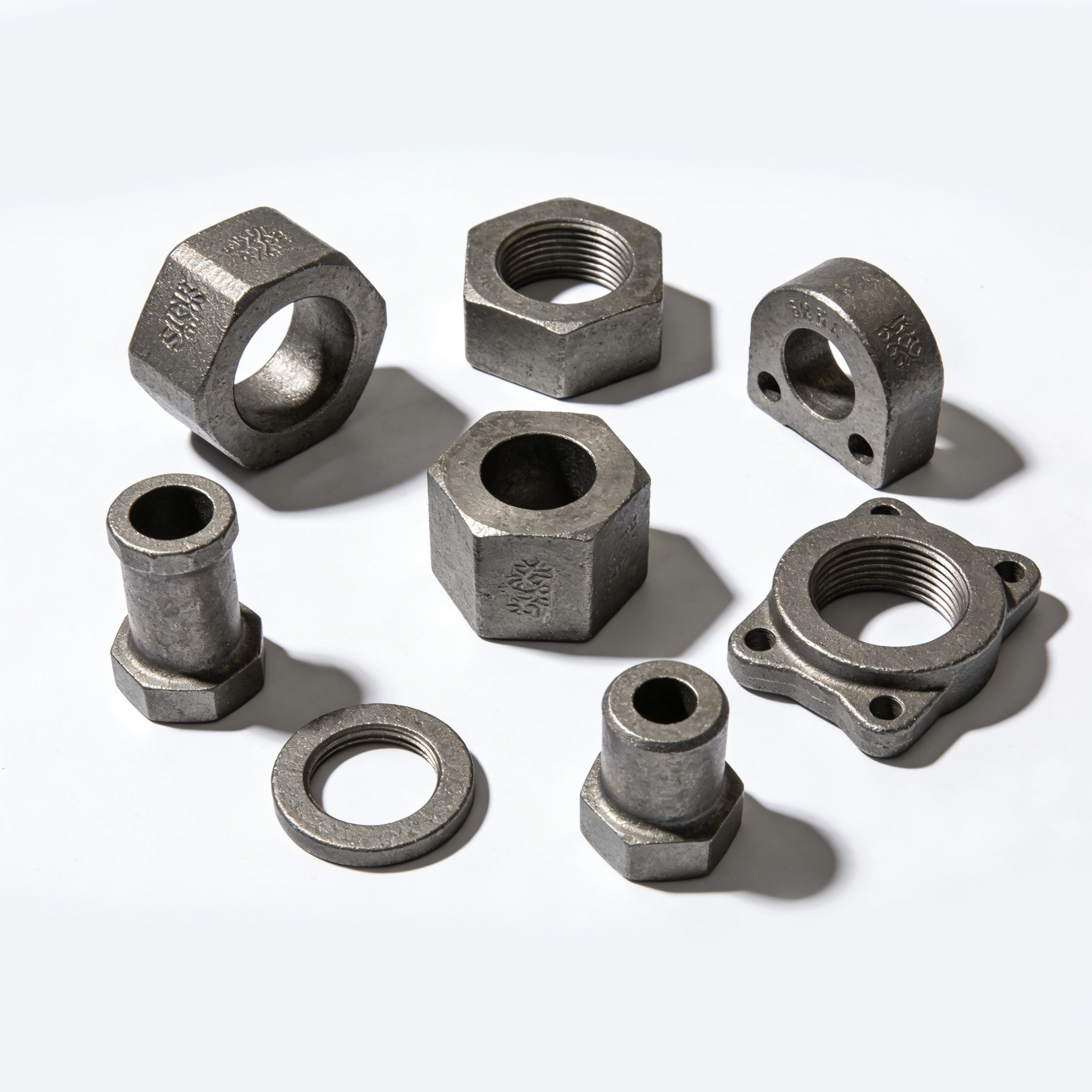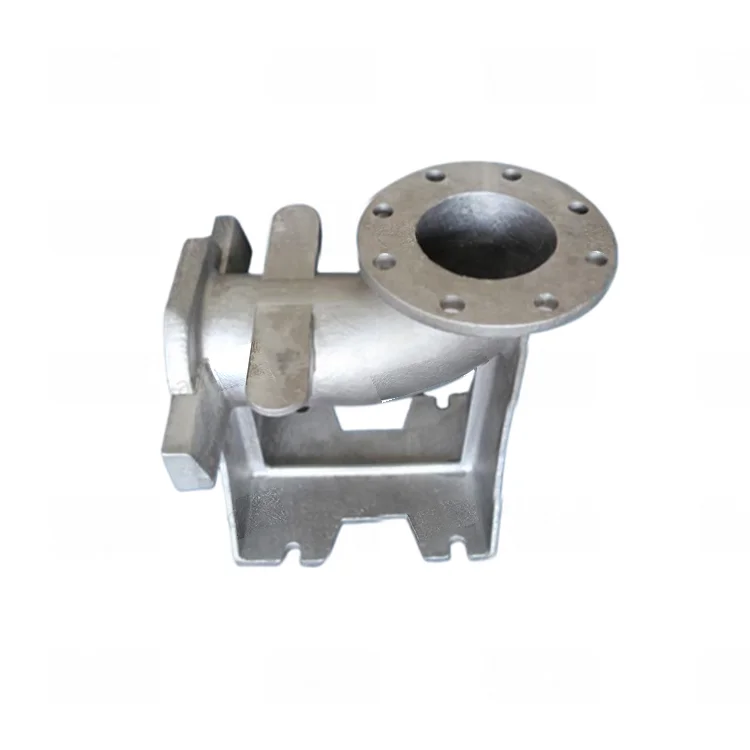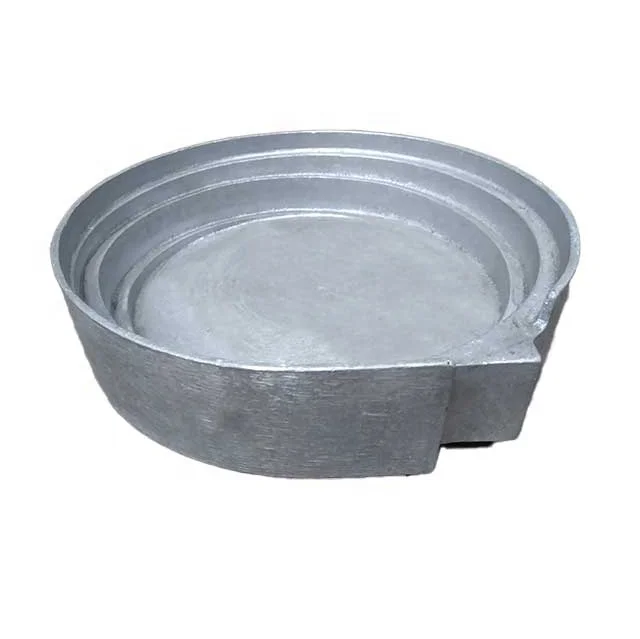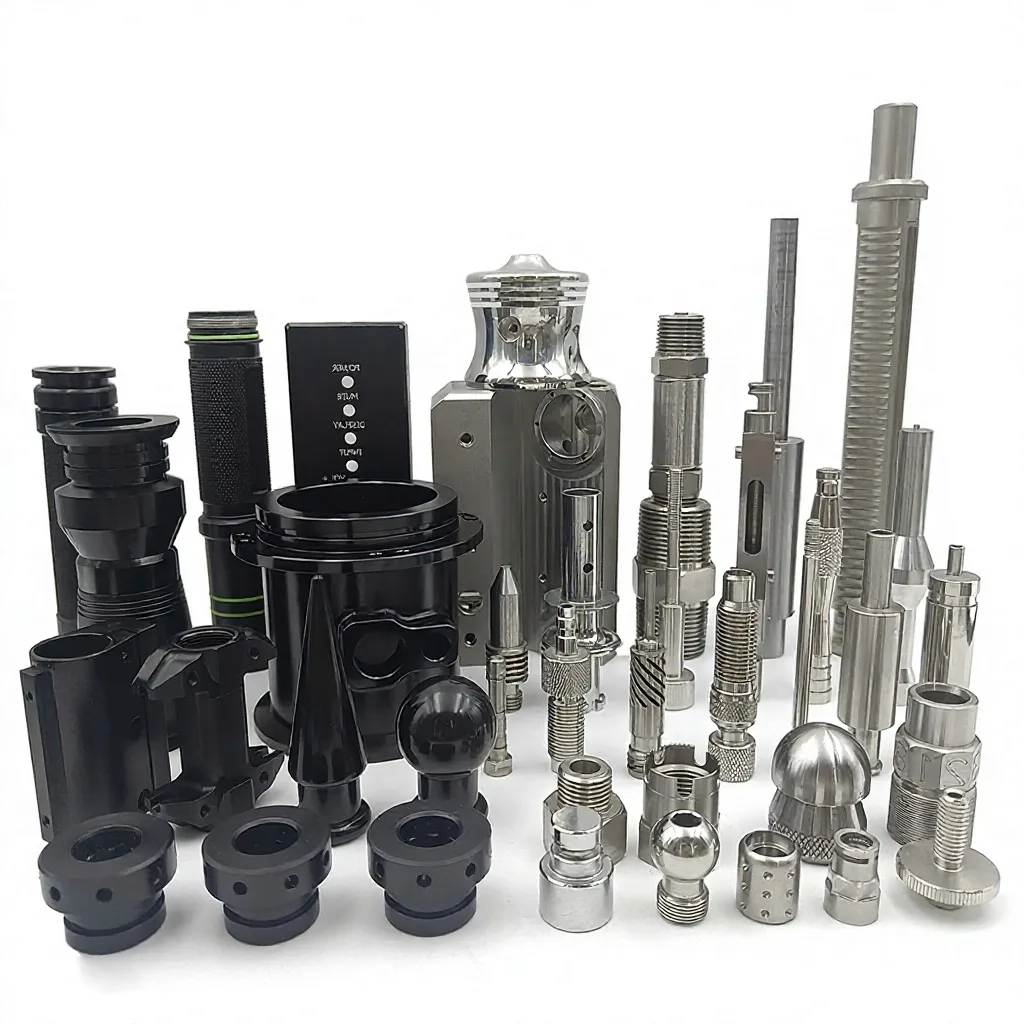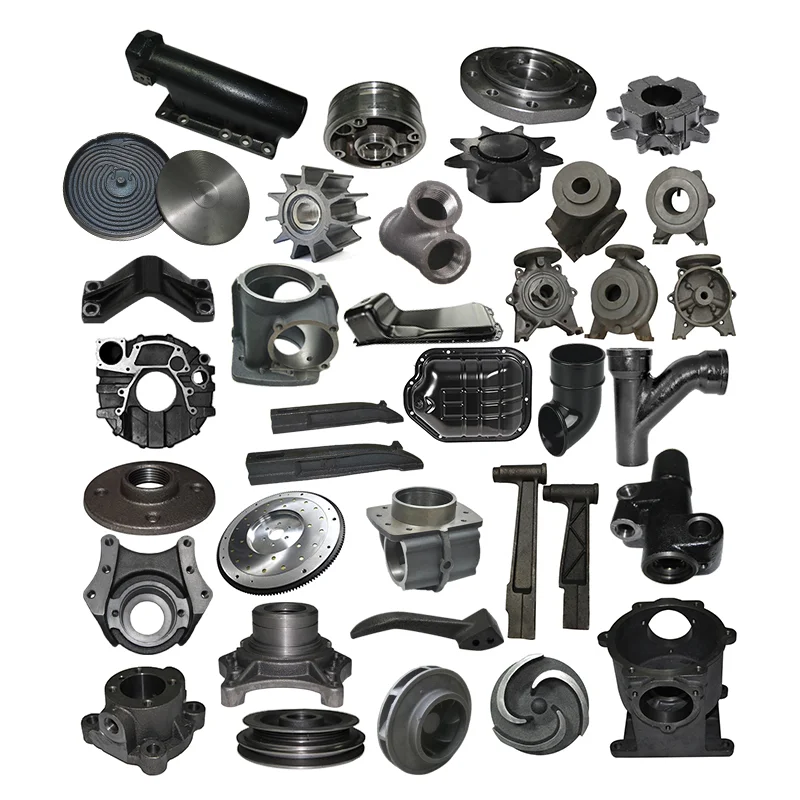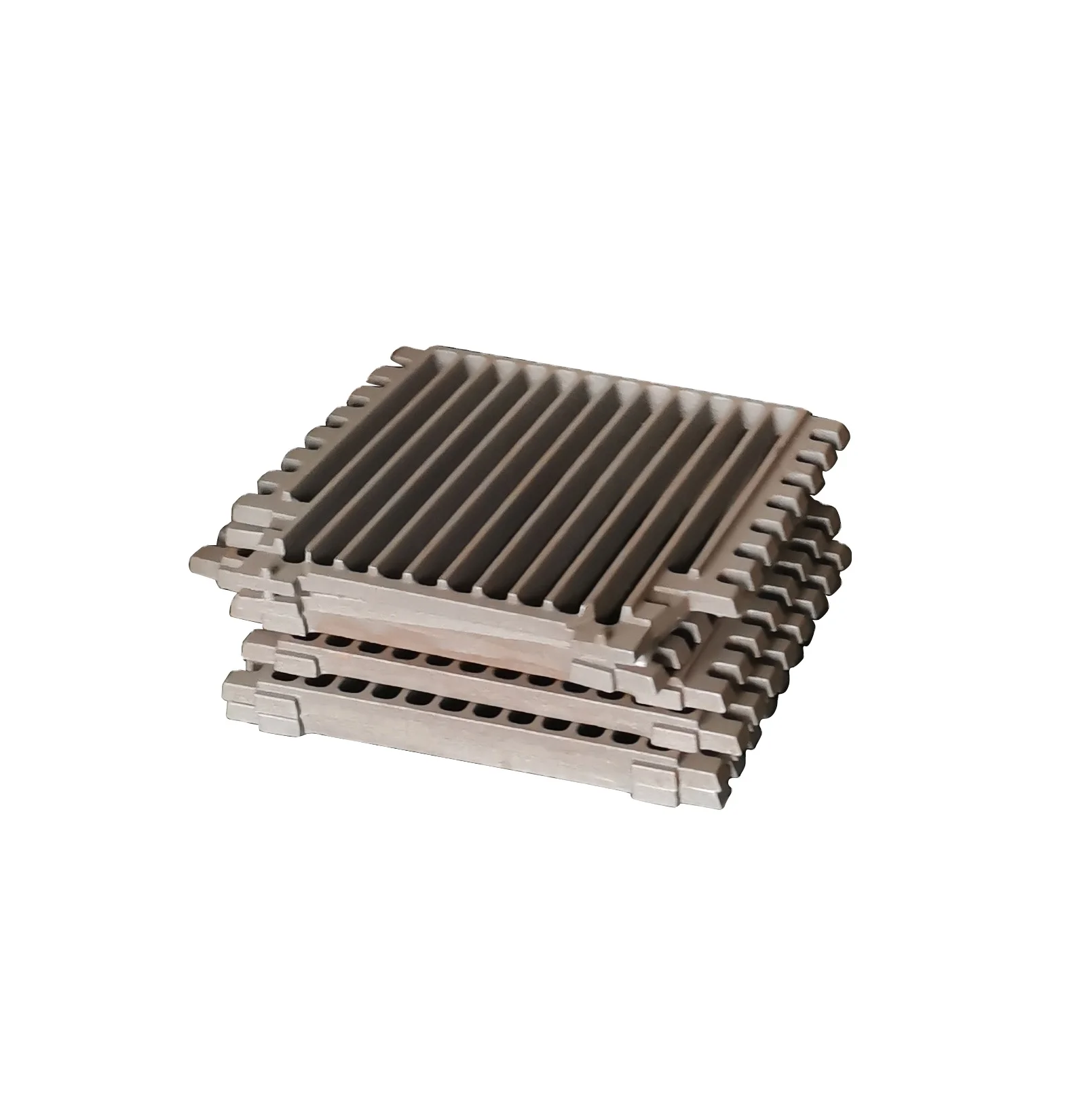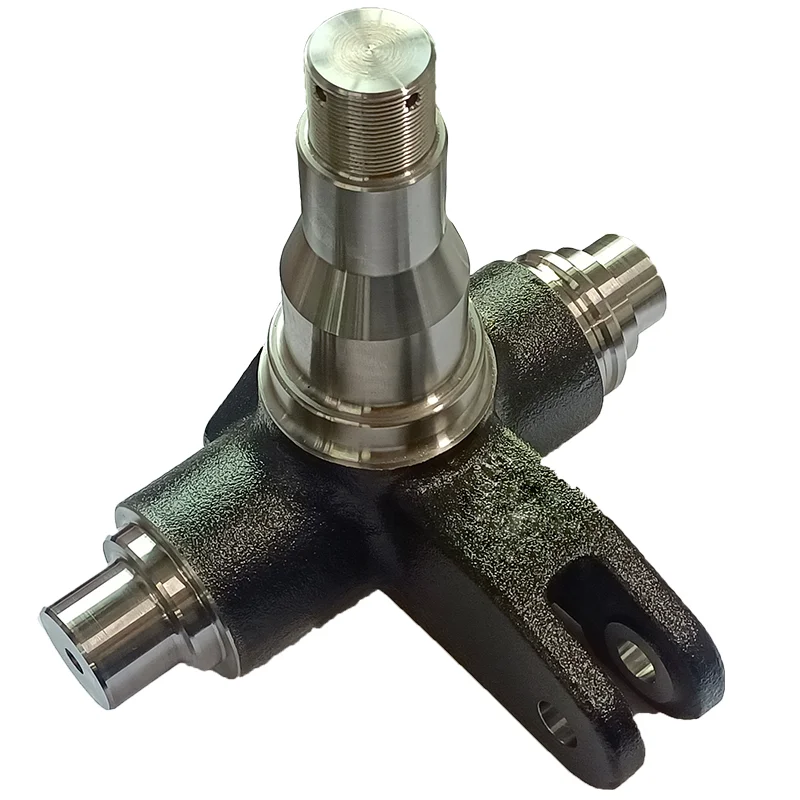
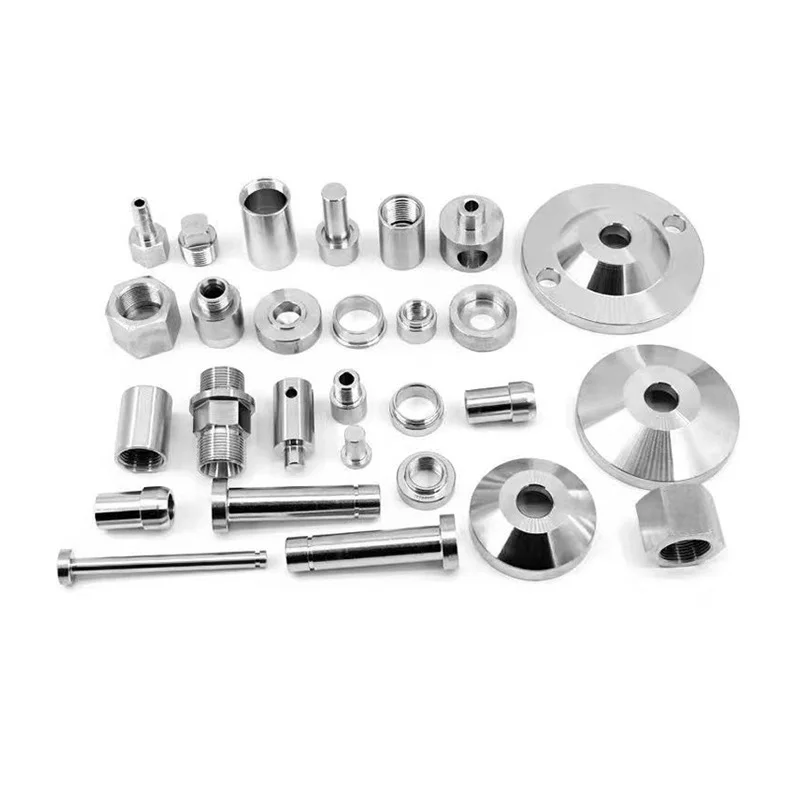
Custom Stainless Steel Wet Sand Castings with ±1 mm Accuracy and 0.05 µm Surface Reference
Direct factory support
Get a quote that fits your project
Send your drawing or product reference, material grade and required quantity. Relia will review the requirements with you.
- Drawing & specification review
Confirm the supply scope and critical requirements.
- Samples before custom production
Review inspected samples before approving a batch.
- Inspection documents
Agree material and dimensional records for your part.
-
CustomizationAcceptable
-
SpecificationPrecise castings of stainless steelProofing/Processing cycle7 days
-
Processing dimensionsCustomTypes of sand castingWet sand casting
-
Surface roughness for machining0.05μmDimension accuracy±1mm
Custom nonstandard stainless-steel enquiries use wet-sand casting with processing dimensions defined for the ordered part. Select the complete stainless specification and the required material condition. The component drawing should show which geometry is accepted as cast and which interfaces need a finished surface.
Assign the accuracy and roughness requirements
The dimensional-accuracy reference is ±1 mm and the machining-surface-roughness reference is 0.05 µm. Define the controlled dimensions, supplied stage and roughness parameter for the relevant areas. Identify the measurement method and datum relationships used to assess those requirements.
- Provide the controlled drawing revision and required quantity.
- State the grade and governing material standard.
- Mark mounting, mating and other functional interfaces.
- Define the required delivered geometry and surface condition.
- Identify approval records for material and dimensional acceptance.
Make the nonstandard form clear for quotation
Sections or a model can explain internal geometry and relationships that are difficult to establish from external views. Distinguish the dimensions fixed by adjoining components from areas needing review in the manufacturing enquiry. The supplied-condition requirement should remain clear at each functional surface.
Connect customization with approval
Customization is accepted, with the actual processing and sample arrangements to be agreed for the selected scope. Define which records and reference conditions establish acceptance of the part. Any sample approval should use the same drawing revision, grade and supplied condition as the subsequent order, so that the decision can be applied consistently to the finished components.