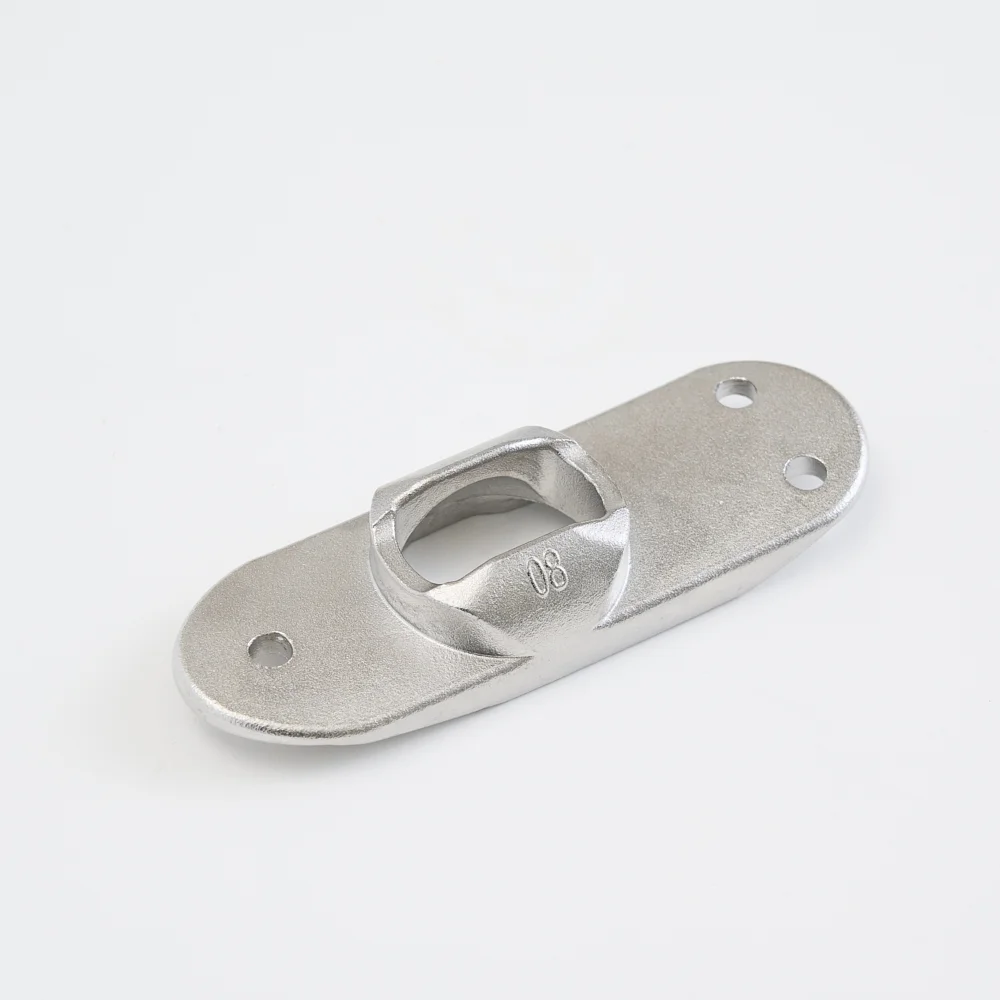
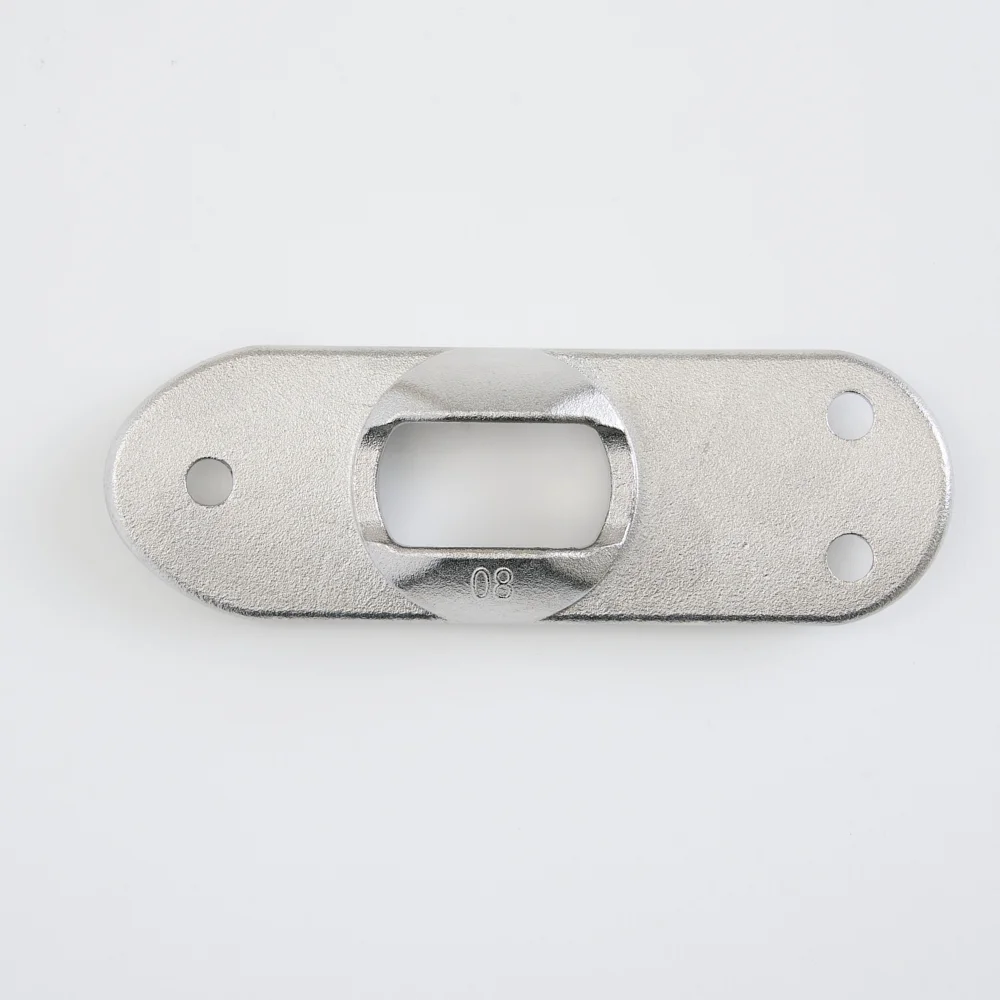
Custom Steel and Iron Investment-Casting Enquiries — 304/316/310/1.4301 Lost-Wax Parts with CNC Precision Machining
Direct factory support
Get a quote that fits your project
Send your drawing or product reference, material grade and required quantity. Relia will review the requirements with you.
- Drawing & specification review
Confirm the supply scope and critical requirements.
- Samples before custom production
Review inspected samples before approving a batch.
- Inspection documents
Agree material and dimensional records for your part.
-
Material304, 316, 310, 1.4301 carbon steel etc
-
Processlost wax casting, investment castingNameOEM Investment Casting
-
CertificationISO9001:2015Casting ToleranceCT4-CT6
-
Surface treatmentSand Blasting, PolishingApplicationMachinery, Industrial Parts
-
Quality Control100% InspectionMachining ProcessCNC Precision Machining
-
Lead Time25-30 Days
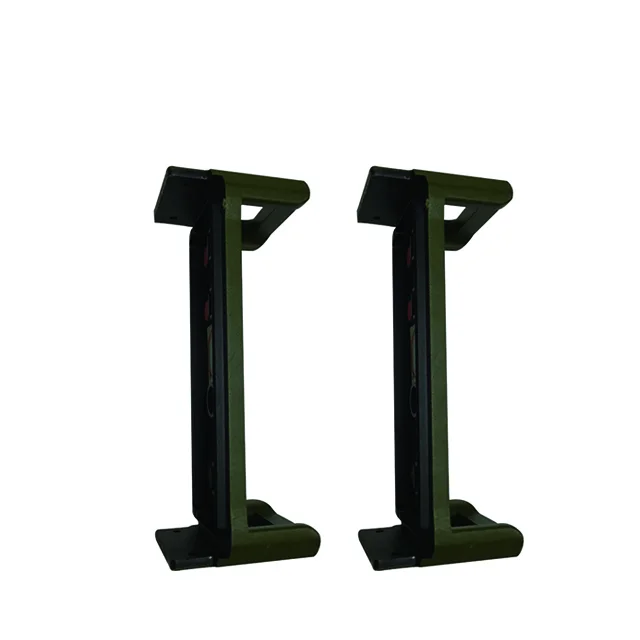
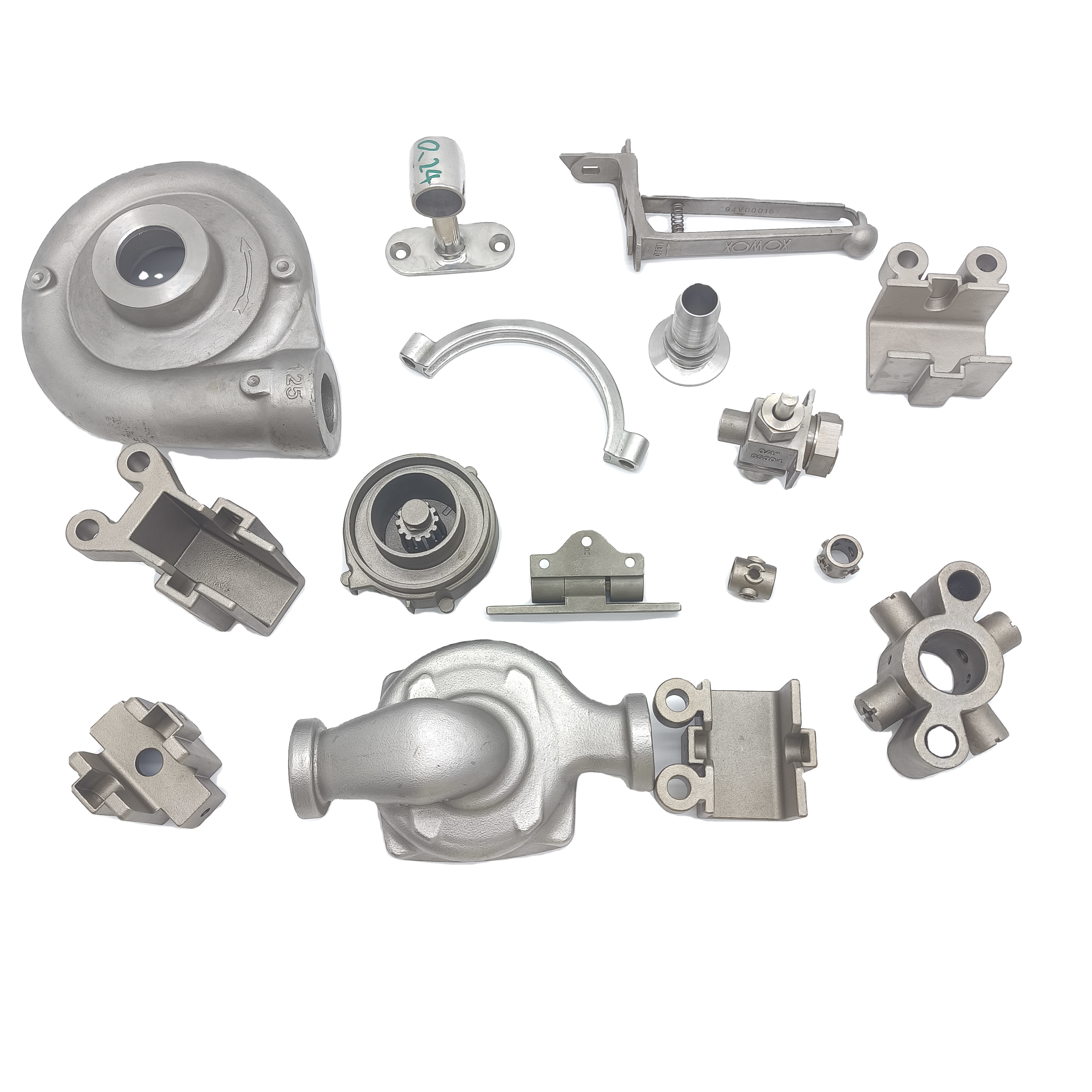
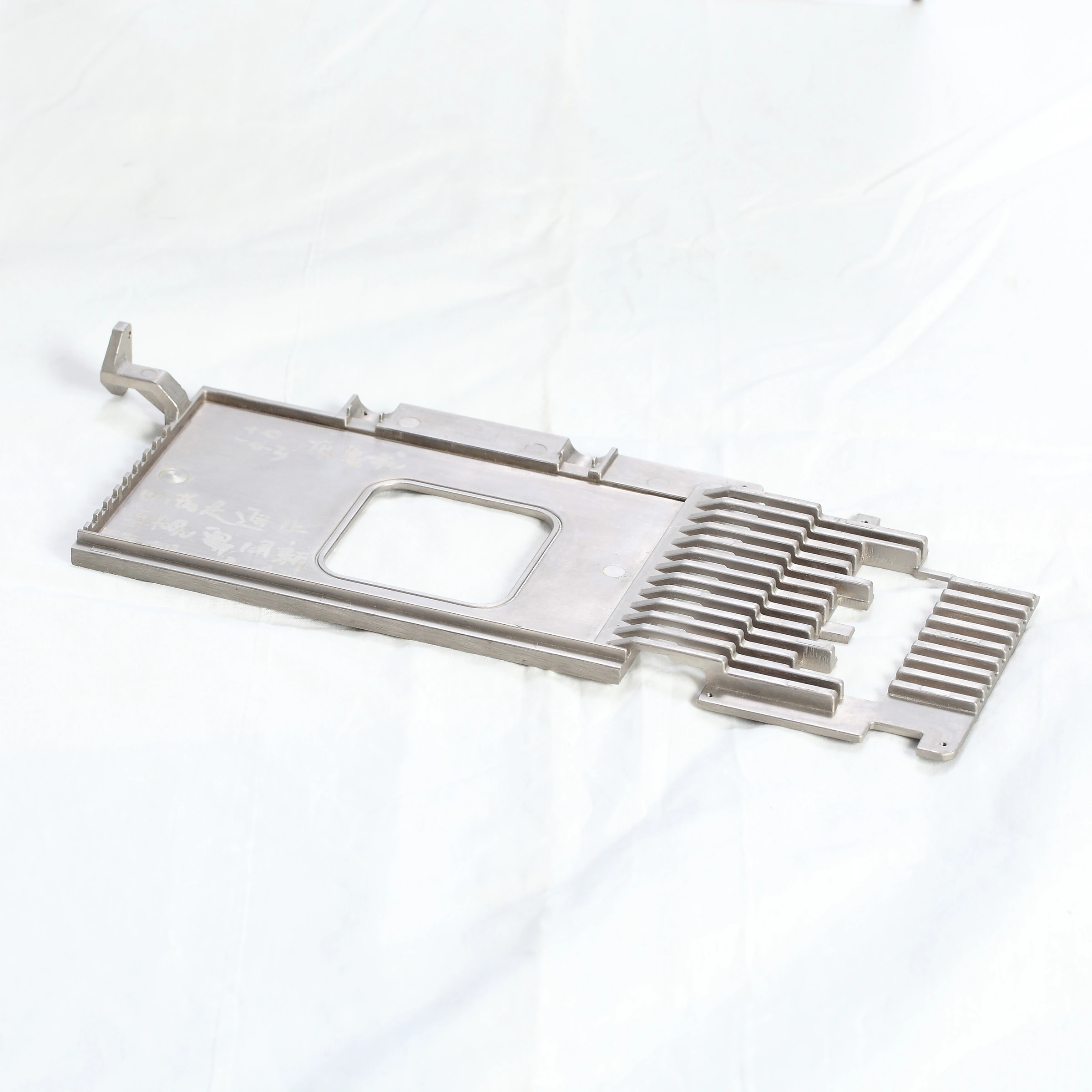
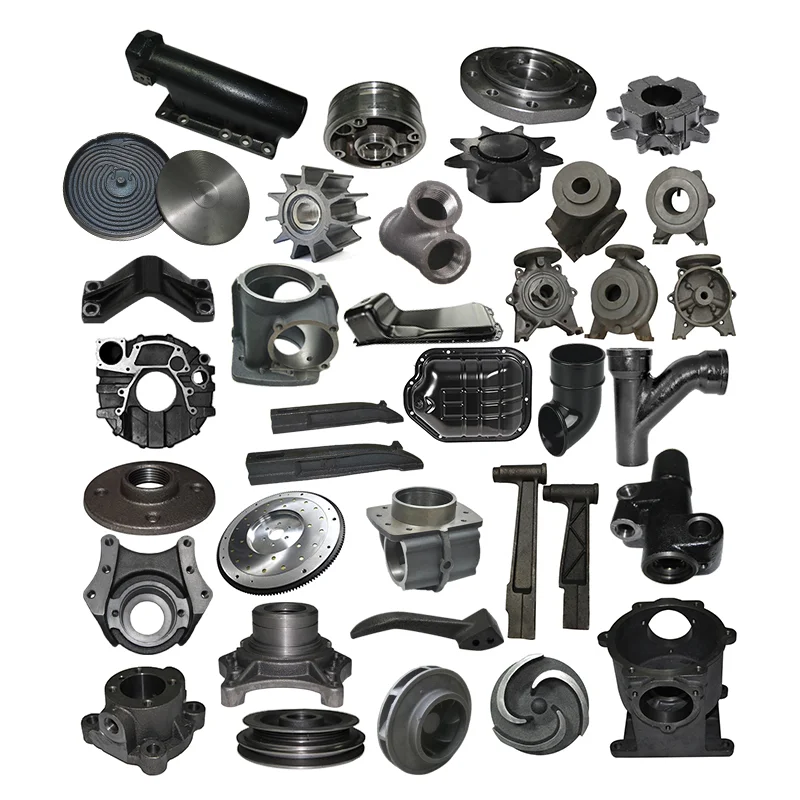
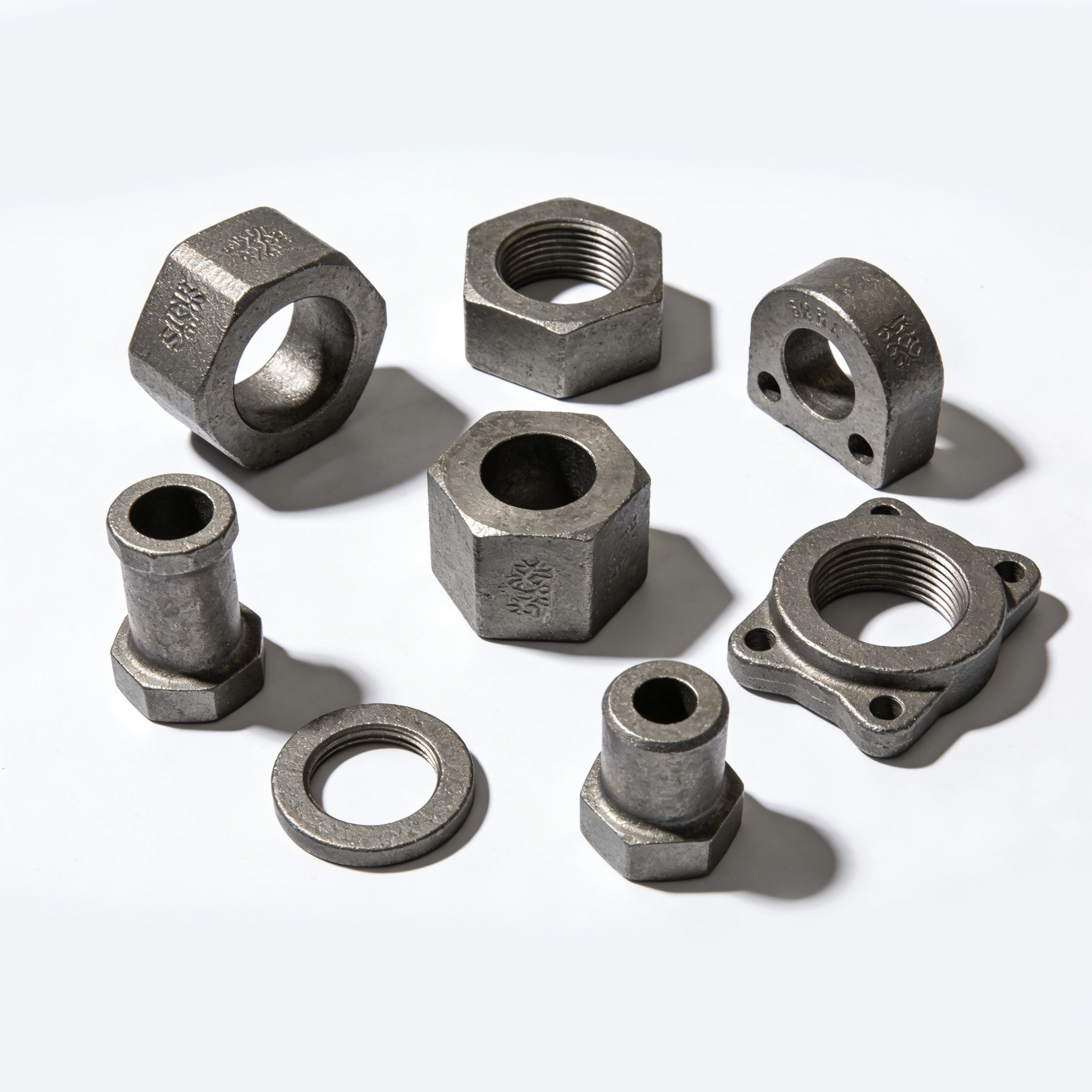
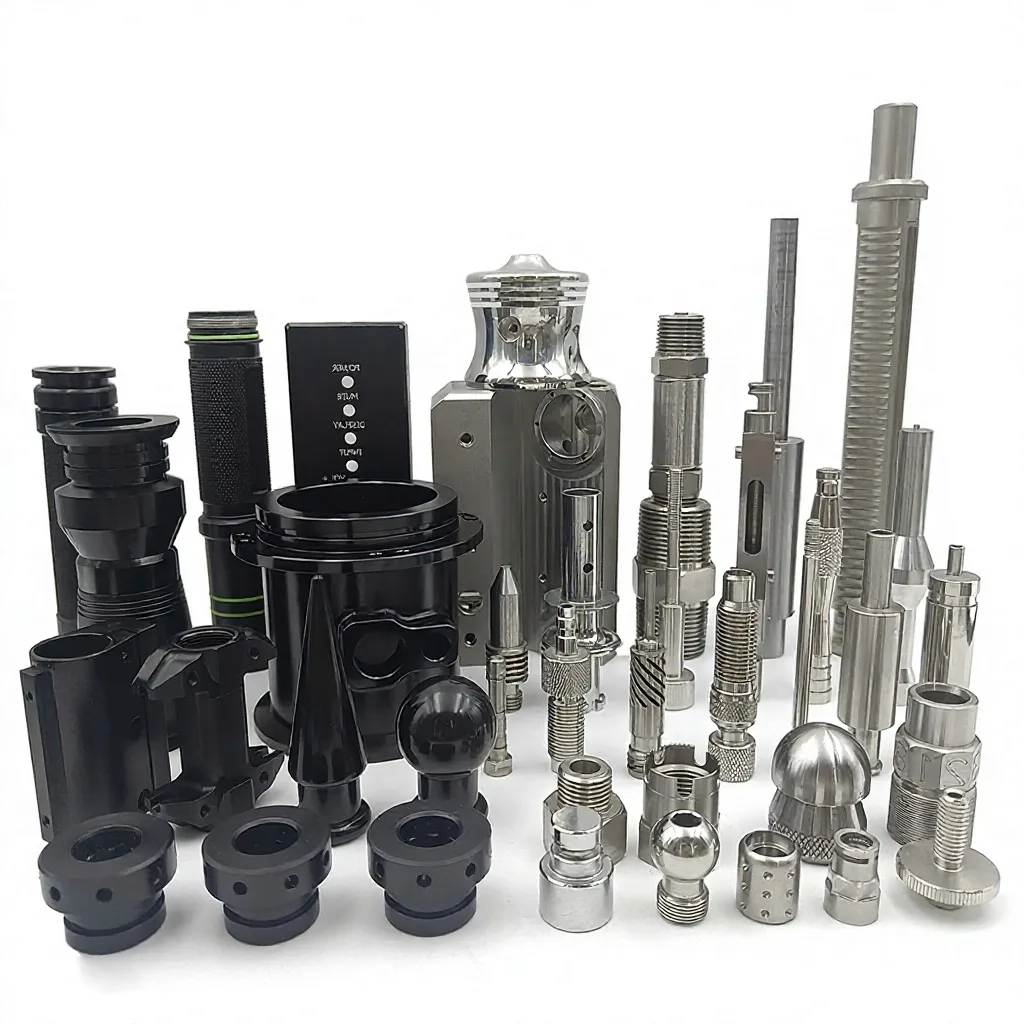
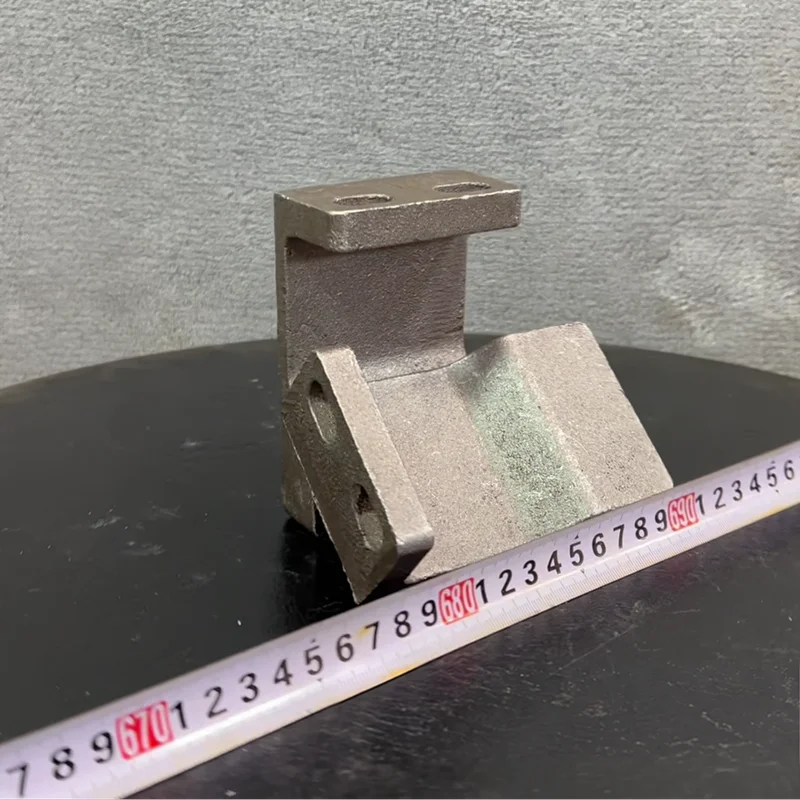
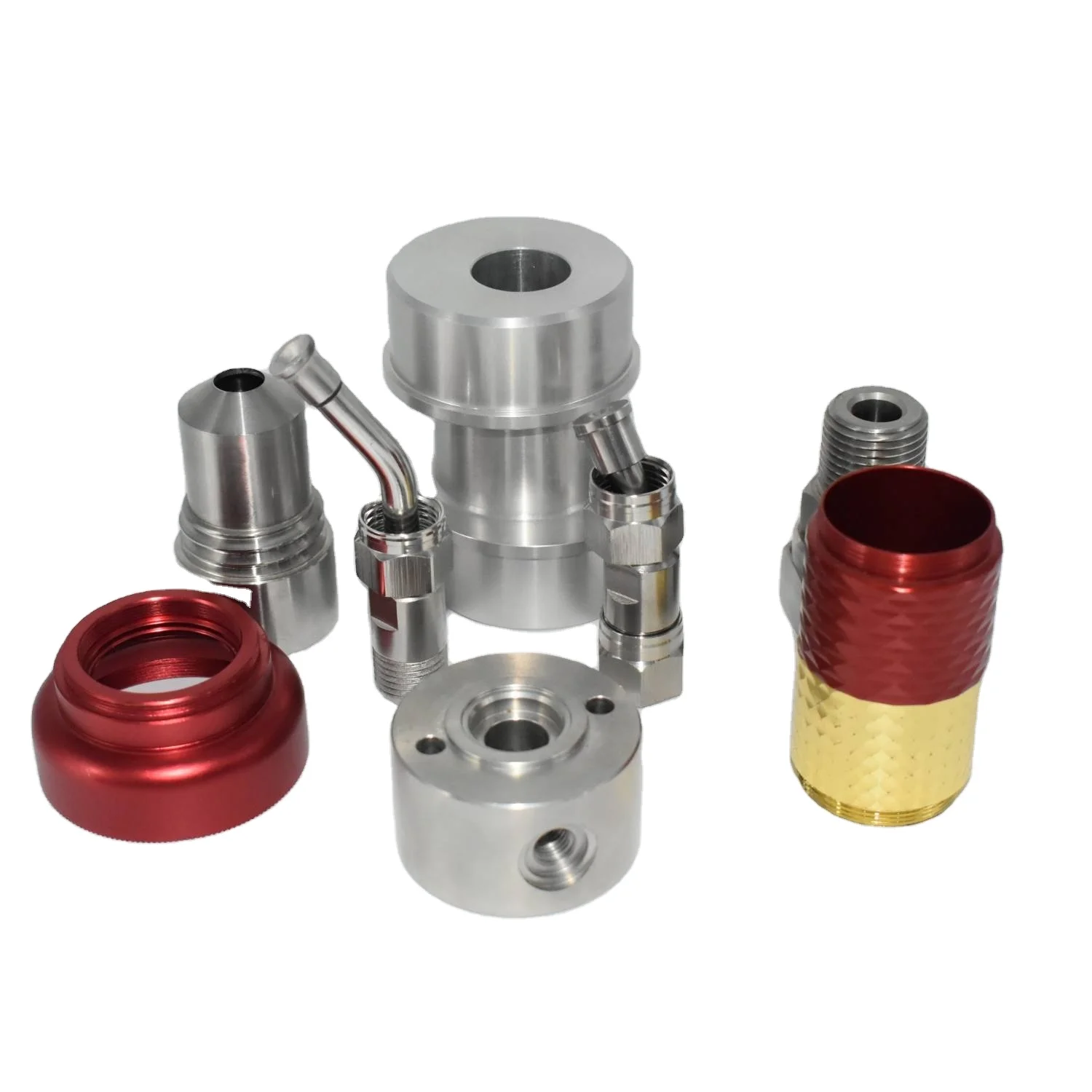
Industrial and machinery components can be requested as lost-wax investment castings with selected CNC-finished interfaces. This OEM enquiry names 304, 316, 310 and 1.4301 materials, with separate carbon-steel and iron-casting requests. Sandblasting and polishing are finishing options, and 100% inspection is stated.
Identify the grade and component duty
Select the exact material designation and governing standard for the part. Provide the drawing and explain the interfaces and service conditions relevant to that choice. The stainless designations, carbon steel and iron are separate requirements rather than one combined material.
Assign CT4–CT6 to the casting requirements
The stated casting-tolerance reference is CT4–CT6. Identify the dimensions governed by the casting requirement and those requiring finished CNC machining. Use the drawing's datums and numerical limits to define the actual acceptance at each stage.
- Provide the controlled component drawing and grade.
- State quantity and the required delivered condition.
- Mark casting dimensions and CNC-finished interfaces.
- Select sandblasting or polishing requirements.
- Define the inspection characteristics and records.
- Identify qualification documents required for purchasing.
Coordinate the finish and inspection scope
Specify the desired surface result and any contact areas needing particular instructions. Agree what the 100% inspection must establish for the selected component. ISO9001:2015 is the qualification reference for which applicable supplier documents and scope should be identified. The selected grade, casting requirement and finished dimensions should provide one consistent technical basis for the ordered part.