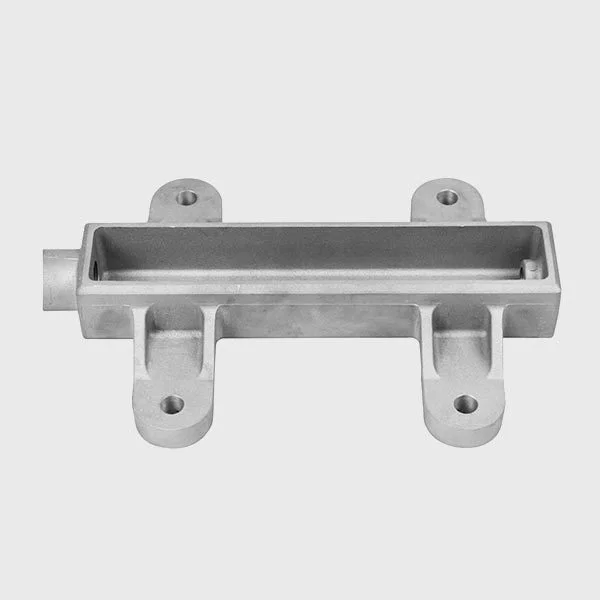
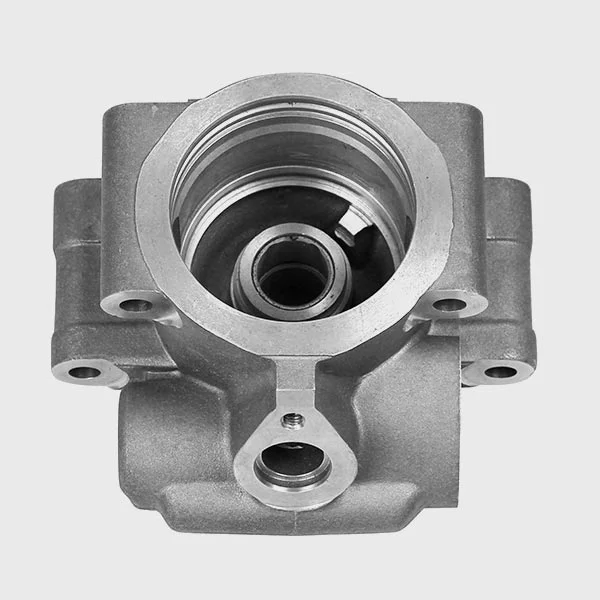
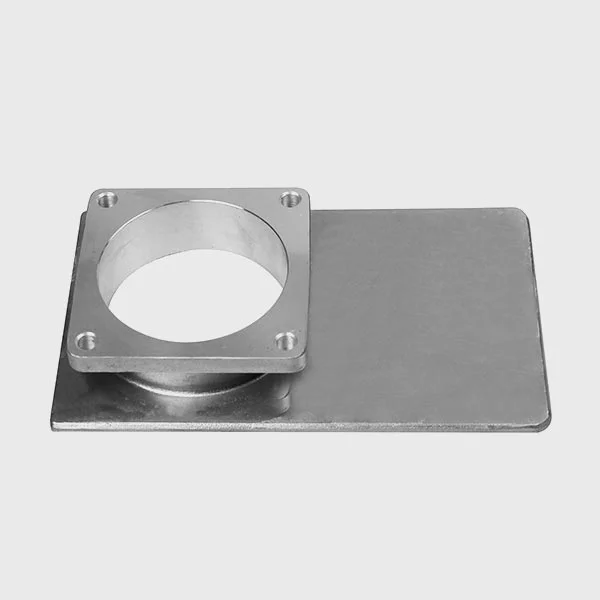
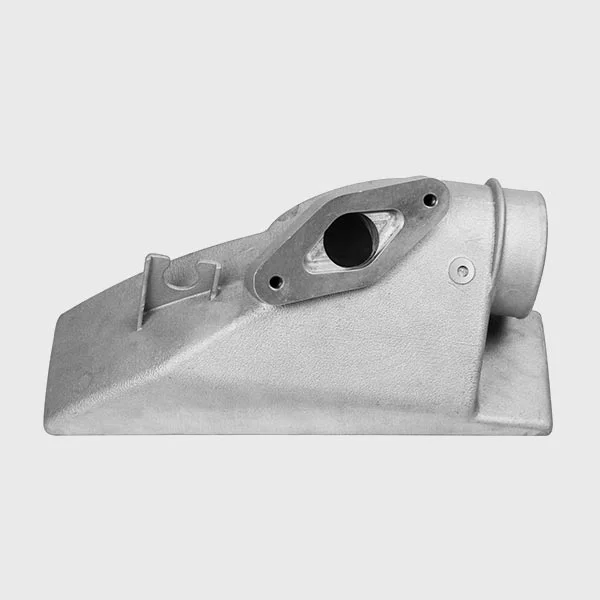
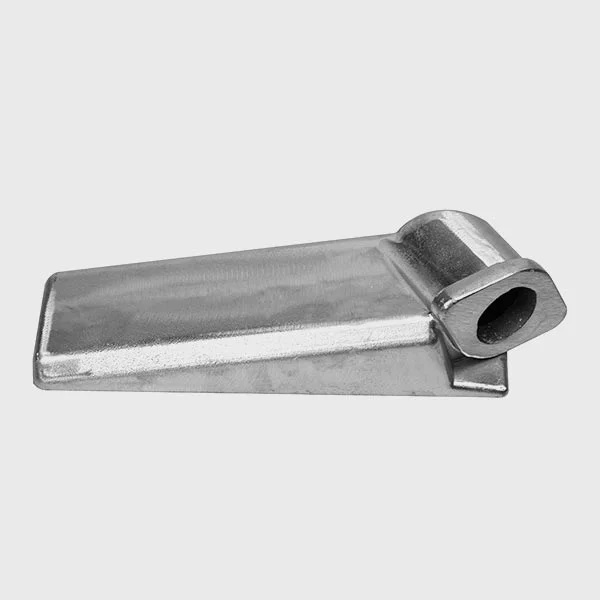
Customized Grey Iron Resin Sand and Shell Molding Casting Parts with Precision Machining
Direct factory support
Get a quote that fits your project
Send your drawing or product reference, material grade and required quantity. Relia will review the requirements with you.
- Drawing & specification review
Confirm the supply scope and critical requirements.
- Samples before custom production
Review inspected samples before approving a batch.
- Inspection documents
Agree material and dimensional records for your part.
-
MaterialIronCasting MethodShell molding casting
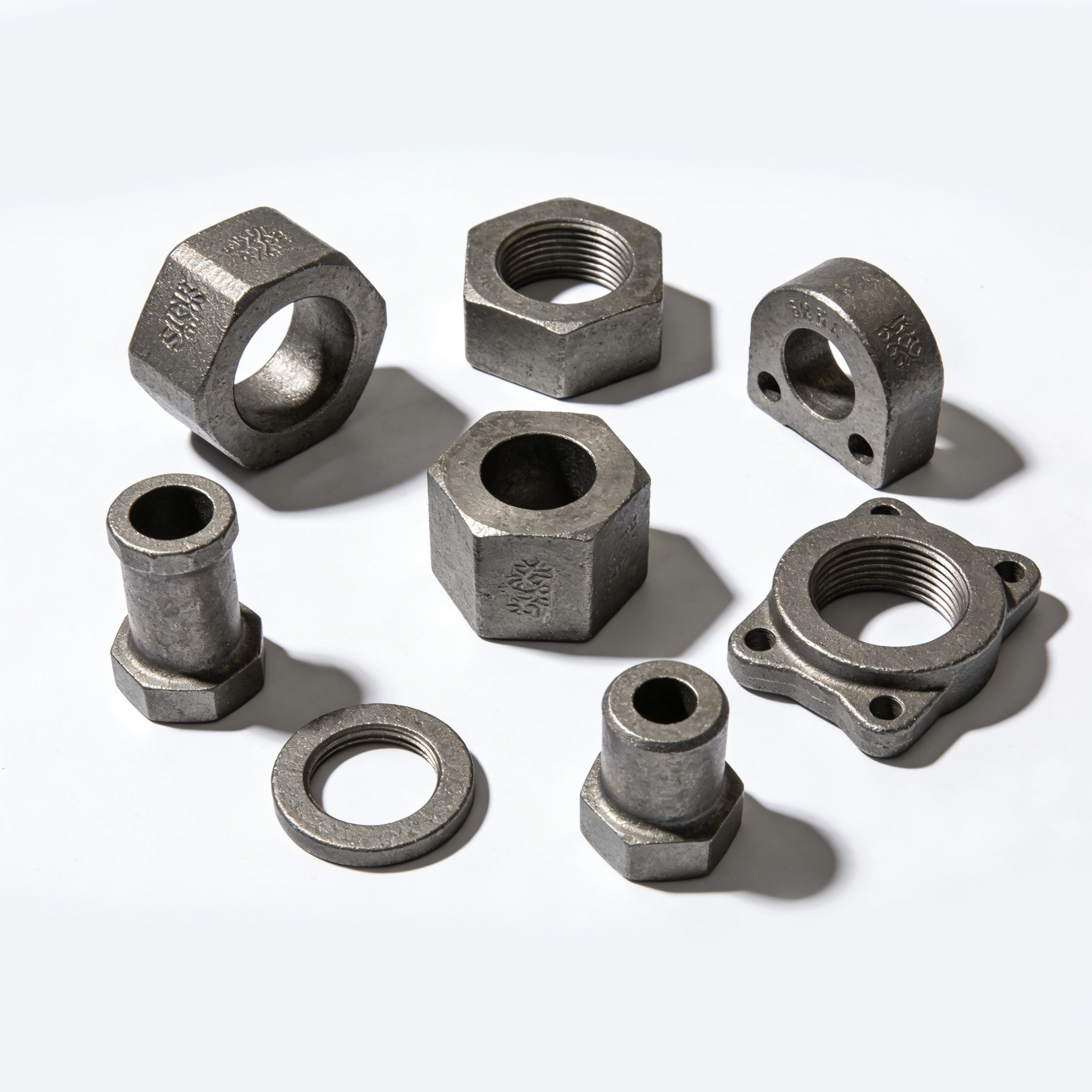
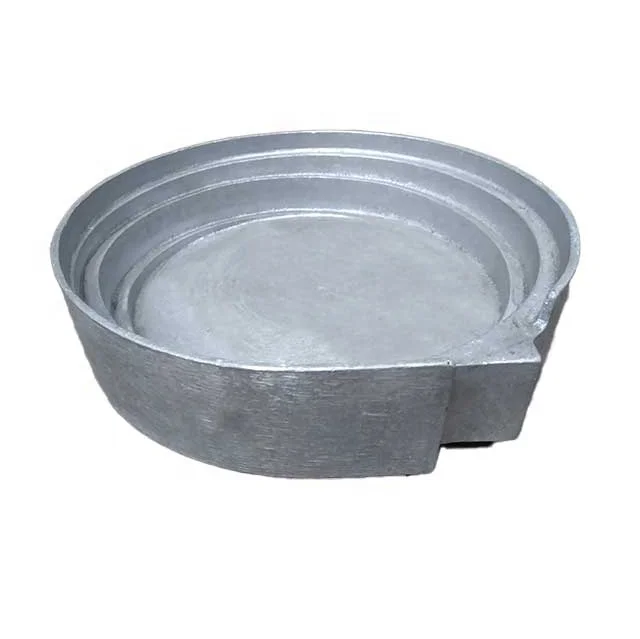
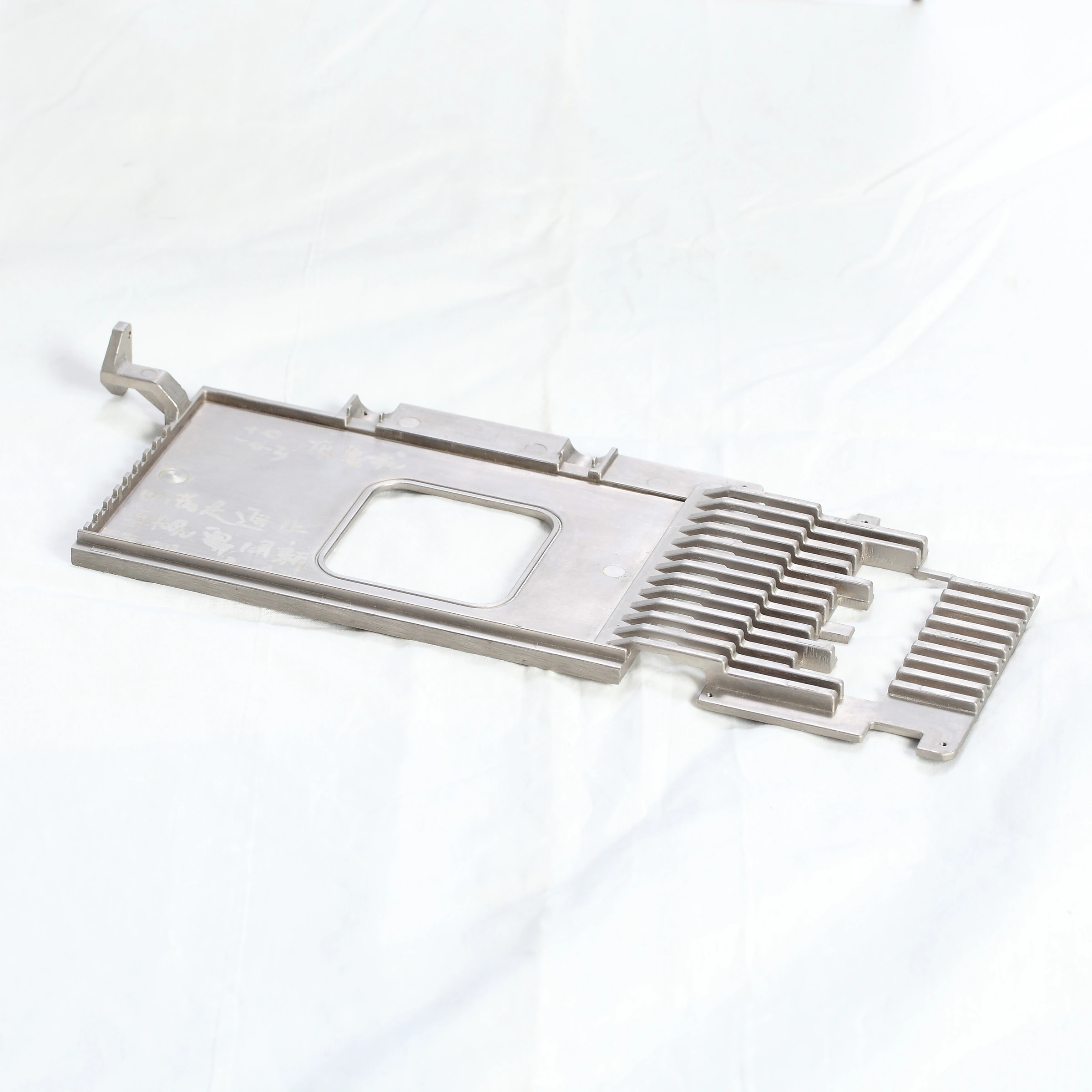
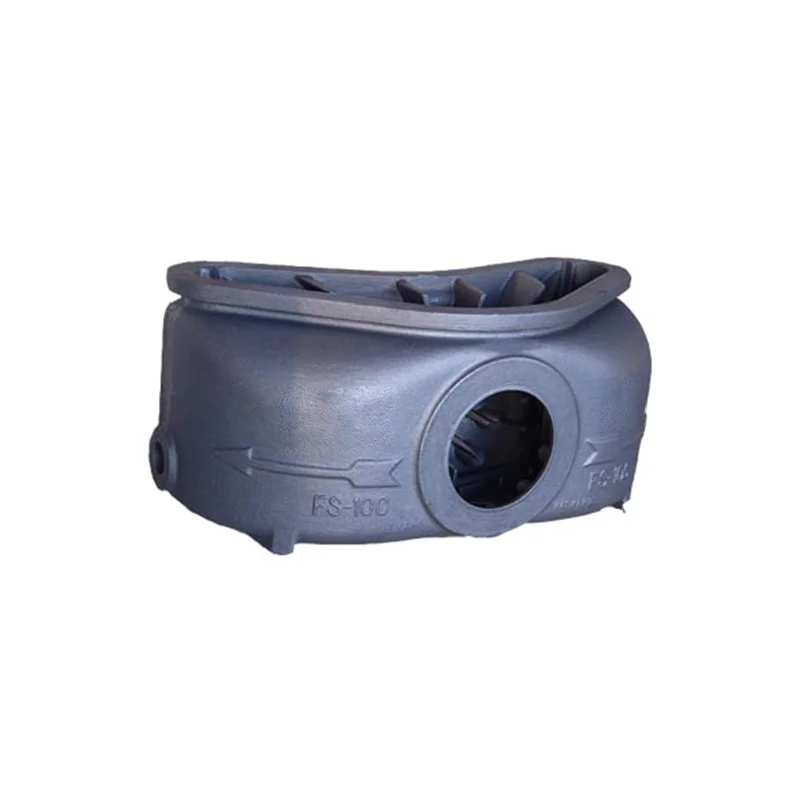
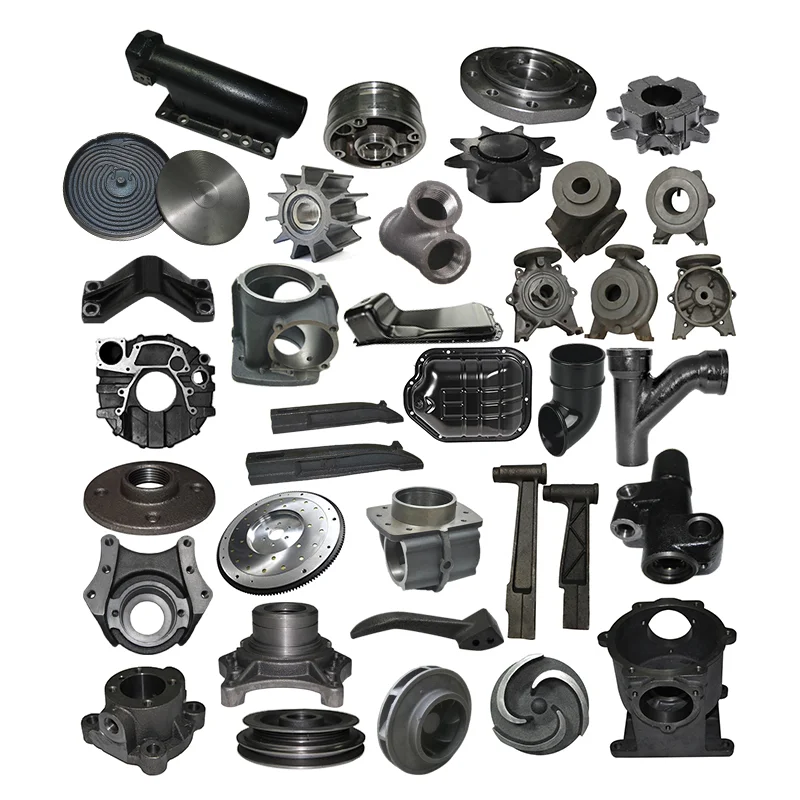
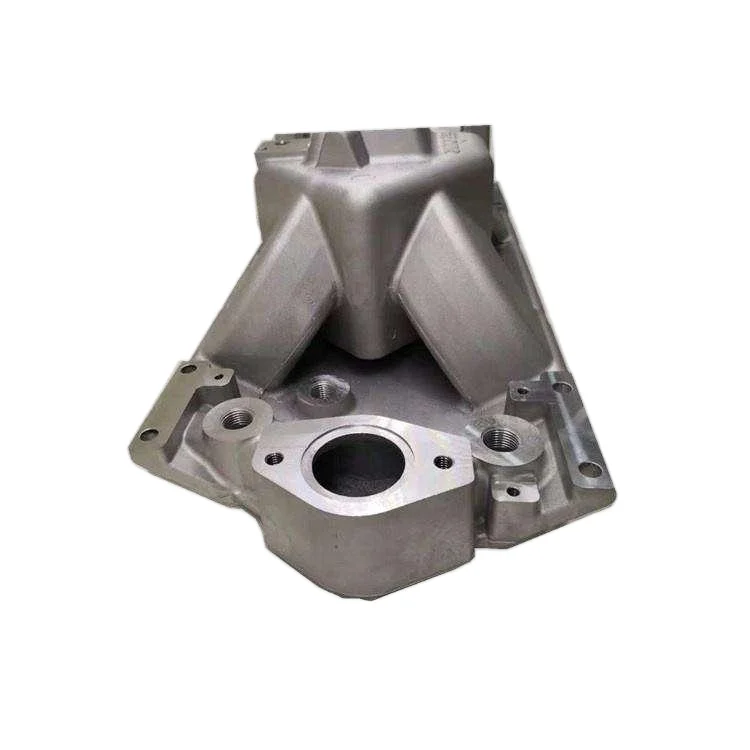
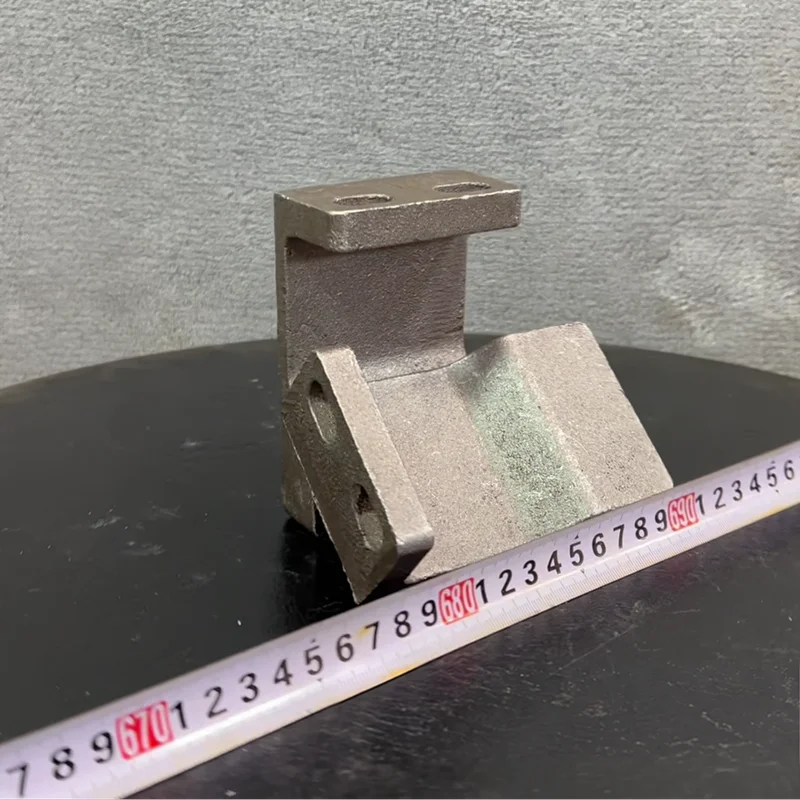
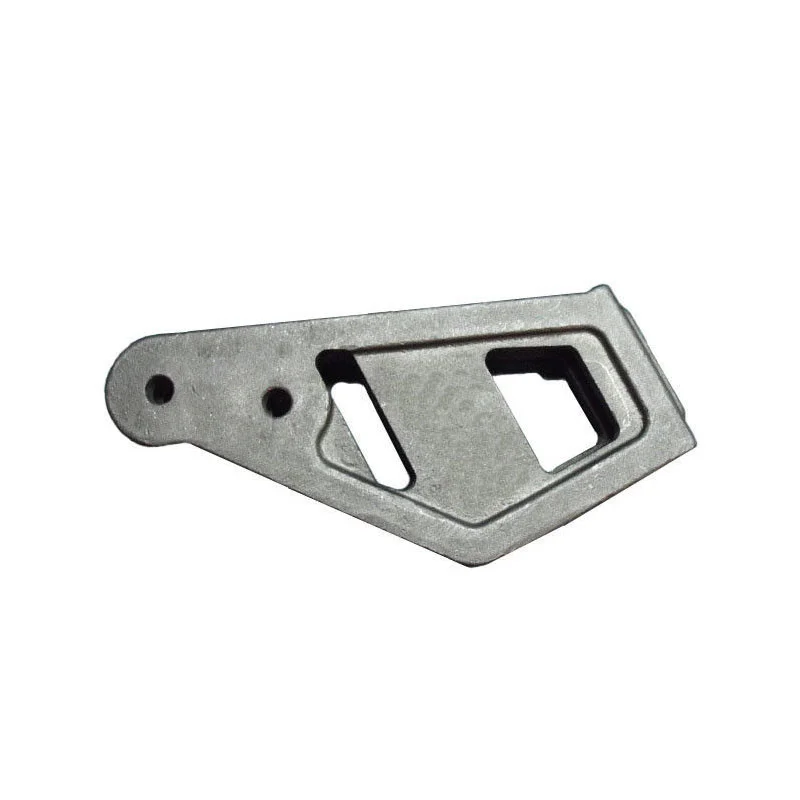
Customized grey-iron casting enquiries include resin-sand and shell-molding requests with precision machining for the selected component. Iron is the stated material. A complete grade requirement and a drawing that distinguishes the cast form from the finished interfaces provide the basis for reviewing the work scope.
Choose the molding scope for the actual part
Identify the component geometry and the required supplied condition when requesting a molding route. Include sections or a model where internal shapes, recesses or changes in wall geometry need explanation. The enquiry can then address the relevant form and acceptance requirements for that particular part.
- State the complete grey-iron grade and governing standard.
- Provide a controlled drawing with the required quantity.
- Mark interfaces that require a finished dimension.
- Identify the measurement datums and inspection acceptance.
Define what precision machining must achieve
Specify the dimensions and relationships needed for assembly instead of leaving precision as a general description. Where a bore must align with a mounting face, show the datum relationship and the accepted delivered condition. Distinguish these controlled interfaces from surfaces that may remain in their cast state.
Make sample approval reproducible
If a sample is part of the procurement plan, identify the drawing revision and material requirement against which it will be assessed. Agree which dimensional and surface records are needed for approval and how they relate to subsequent production. Include any appearance or contact-surface requirements so that the finished component can be checked consistently against the same acceptance basis.