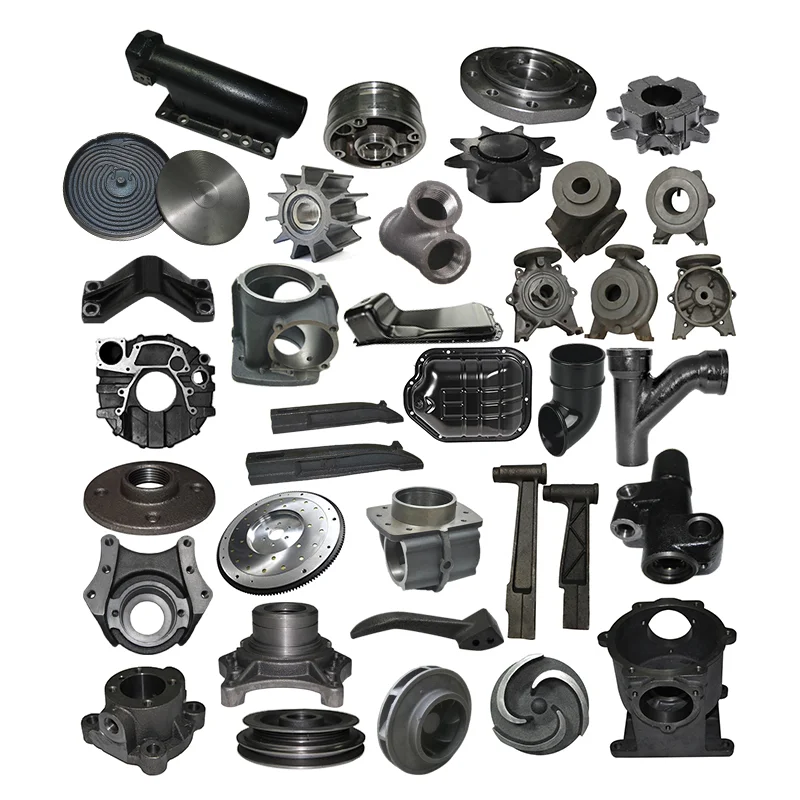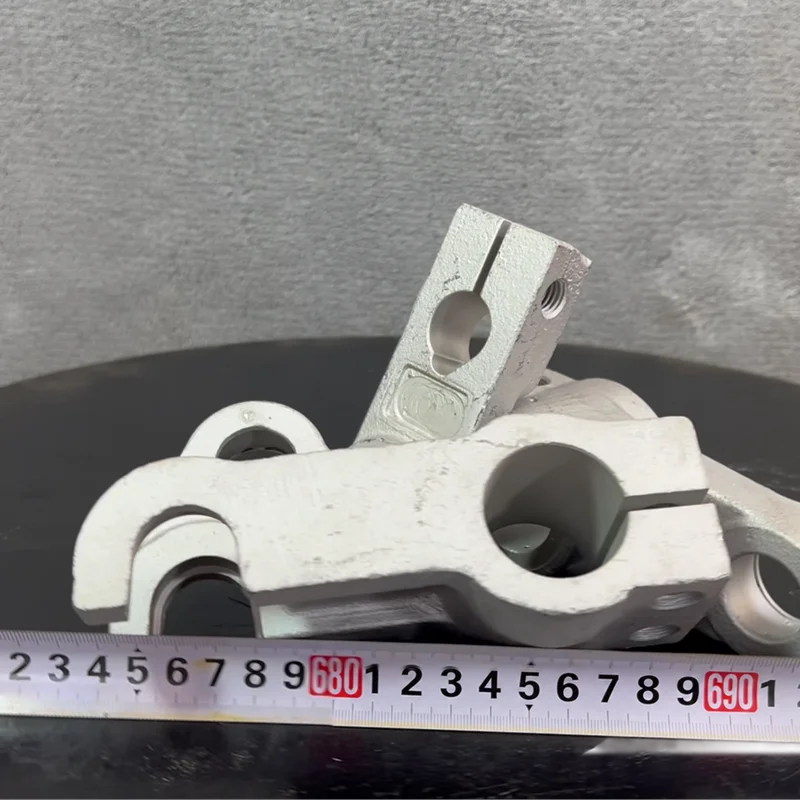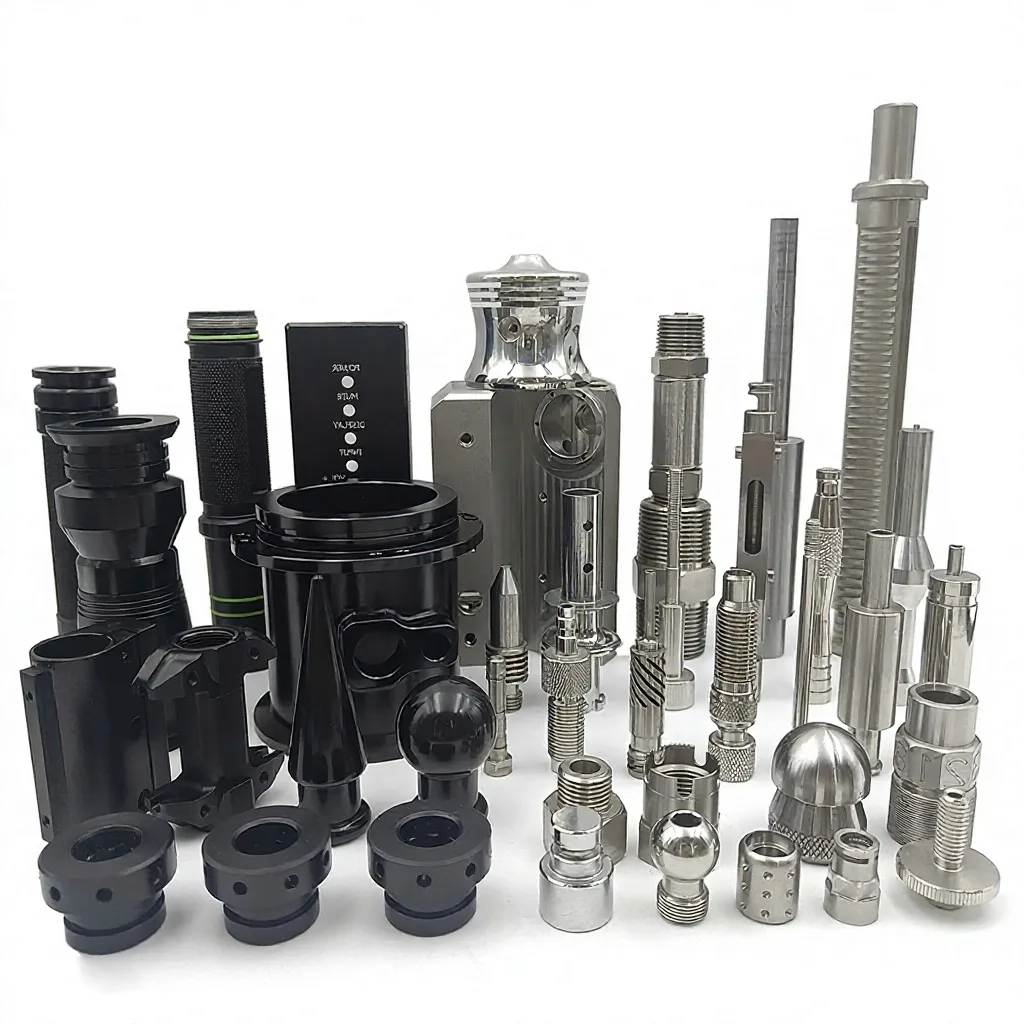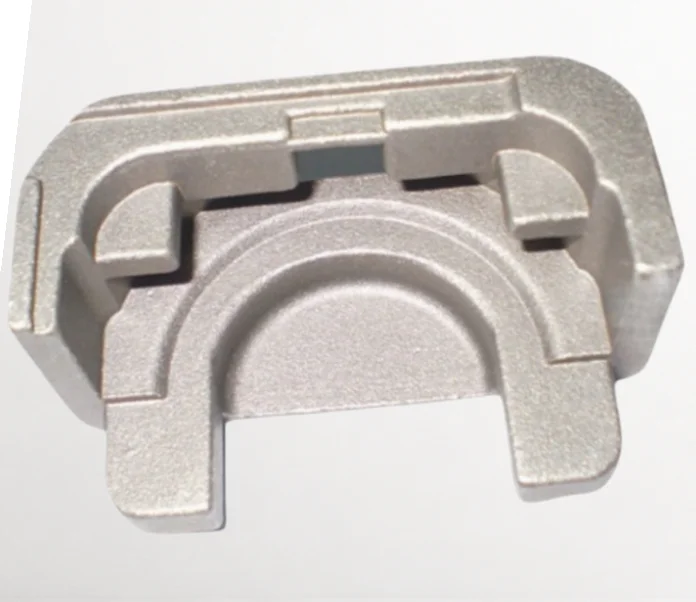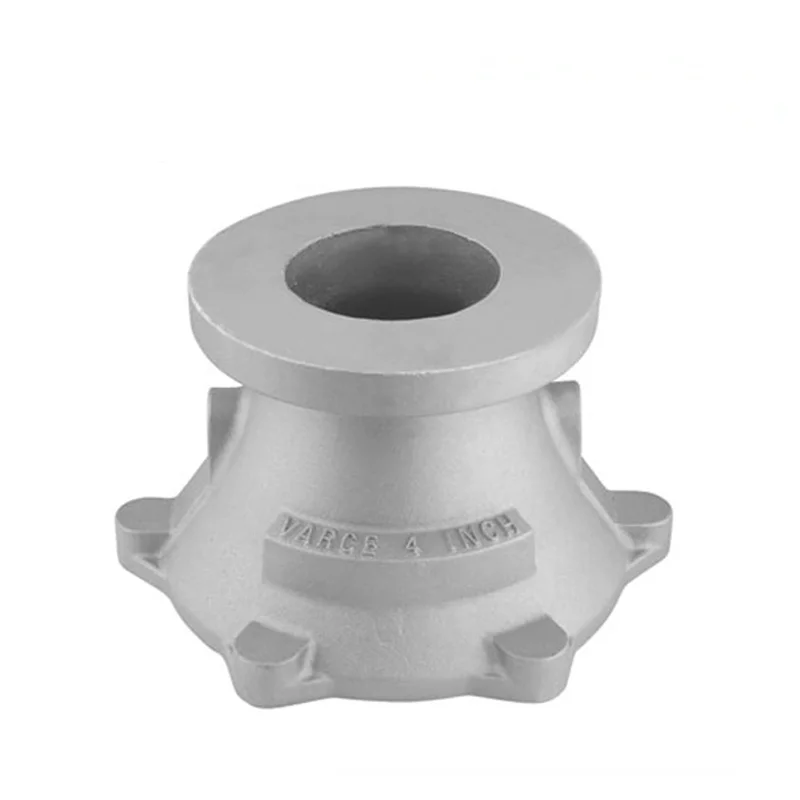
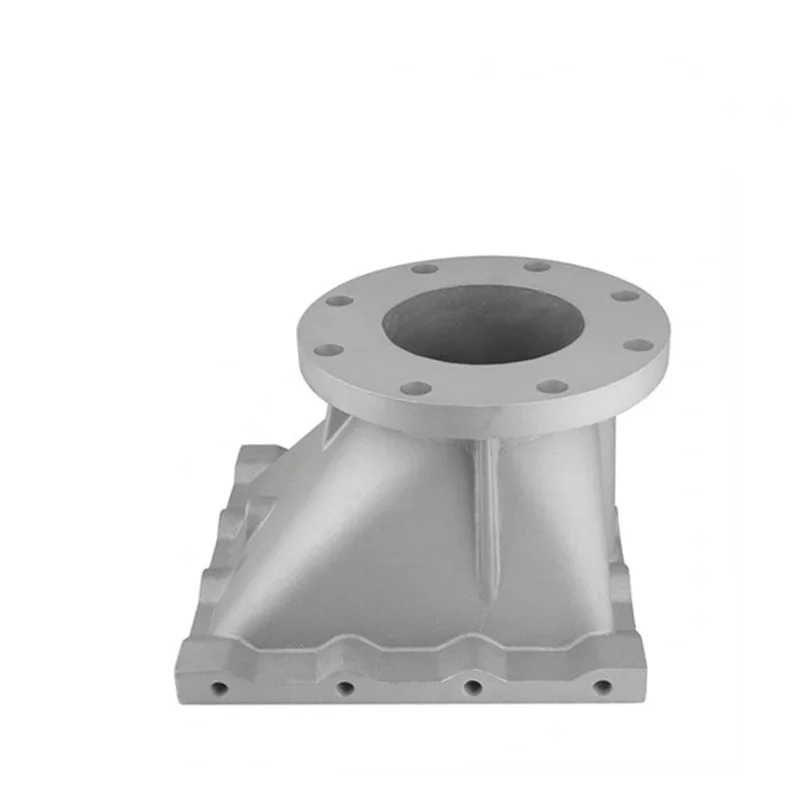
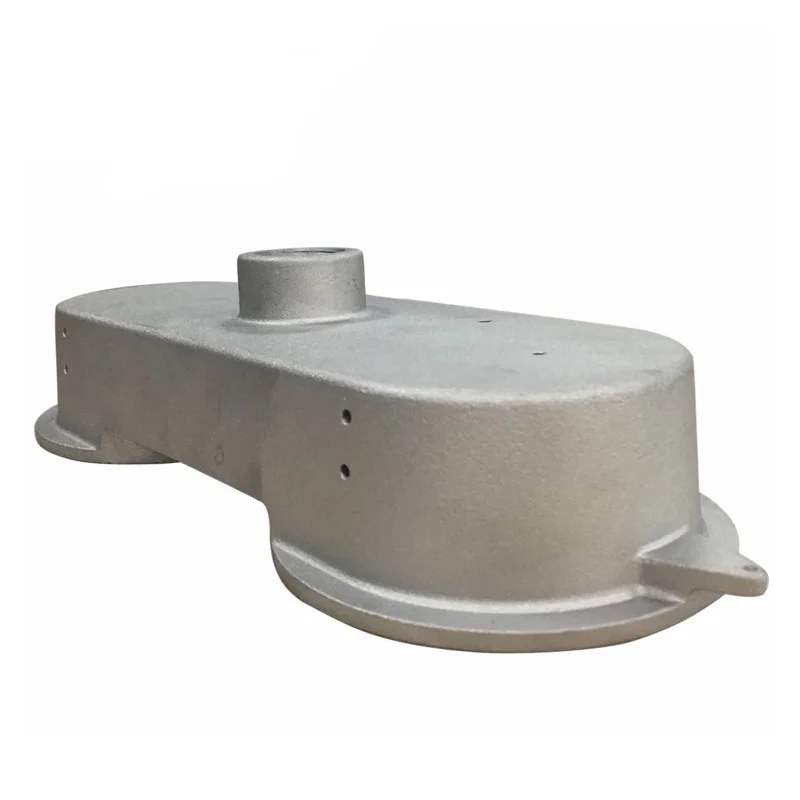
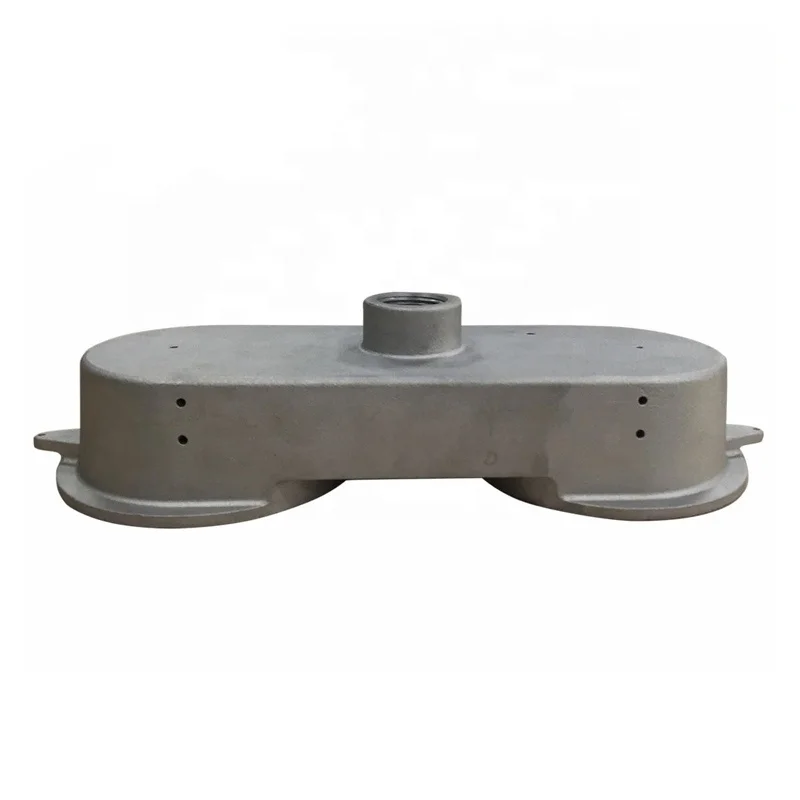
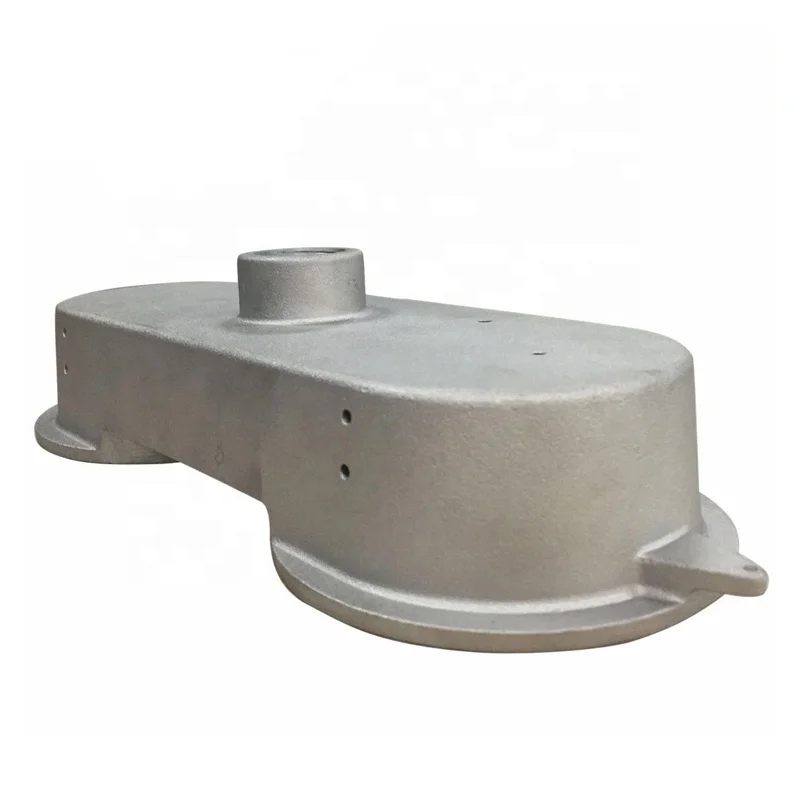
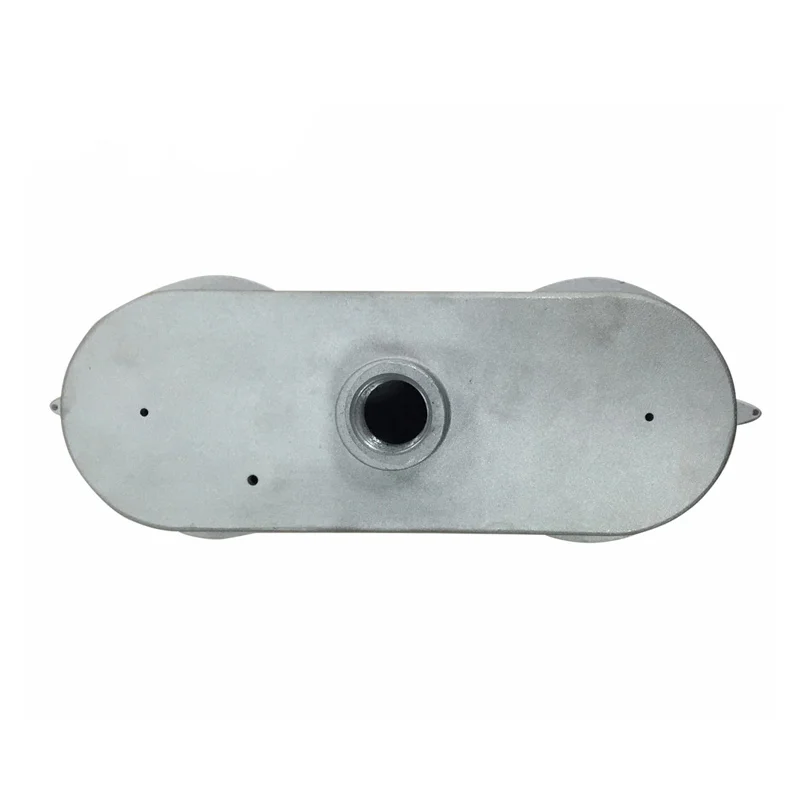
Gravity Sand Cast Aluminum Hardware with CNC Machining Polishing 3D CMM Inspection and Separate Stainless Steel Iron Enquiries
Direct factory support
Get a quote that fits your project
Send your drawing or product reference, material grade and required quantity. Relia will review the requirements with you.
- Drawing & specification review
Confirm the supply scope and critical requirements.
- Samples before custom production
Review inspected samples before approving a batch.
- Inspection documents
Agree material and dimensional records for your part.
-
Product nameGravity/Sand Cast parts
-
Product MaterialAluminum AlloyApplicationhardware
-
Casting Tolerance+/- 0.02 mmMachining ProcessCNC Machining Center
-
CertificationISO9001;2015Surface treatmentpolishing
-
Inspection100% Inspection 3D CMMMOQ for mass productionnot limited
-
Drawing formatPDF/CAD/3D/STP/AI
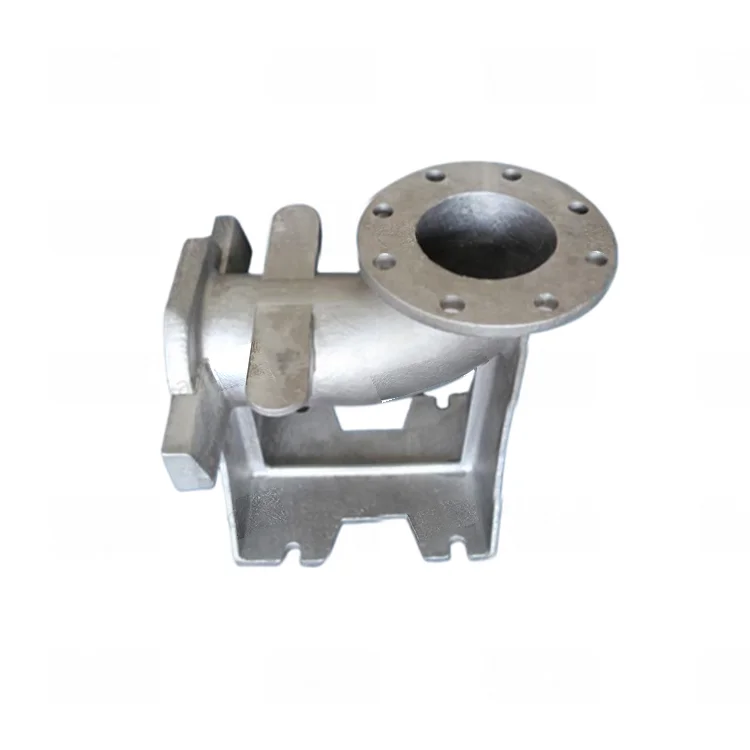
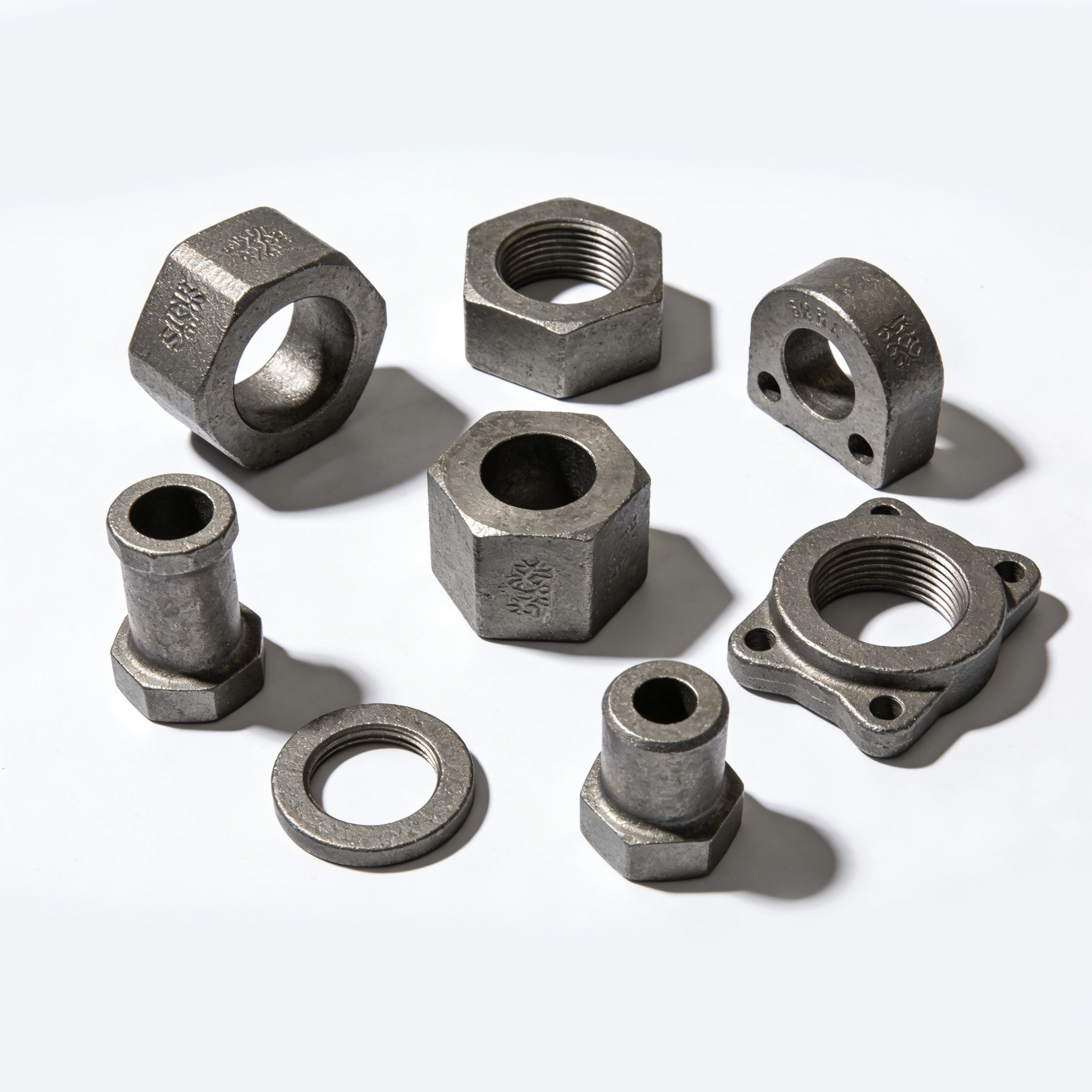
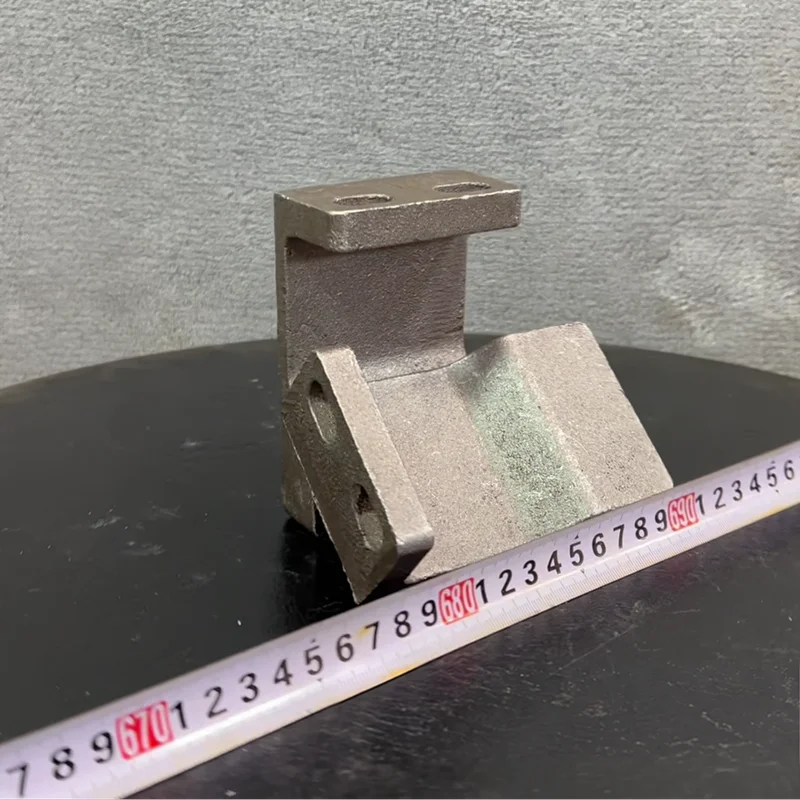
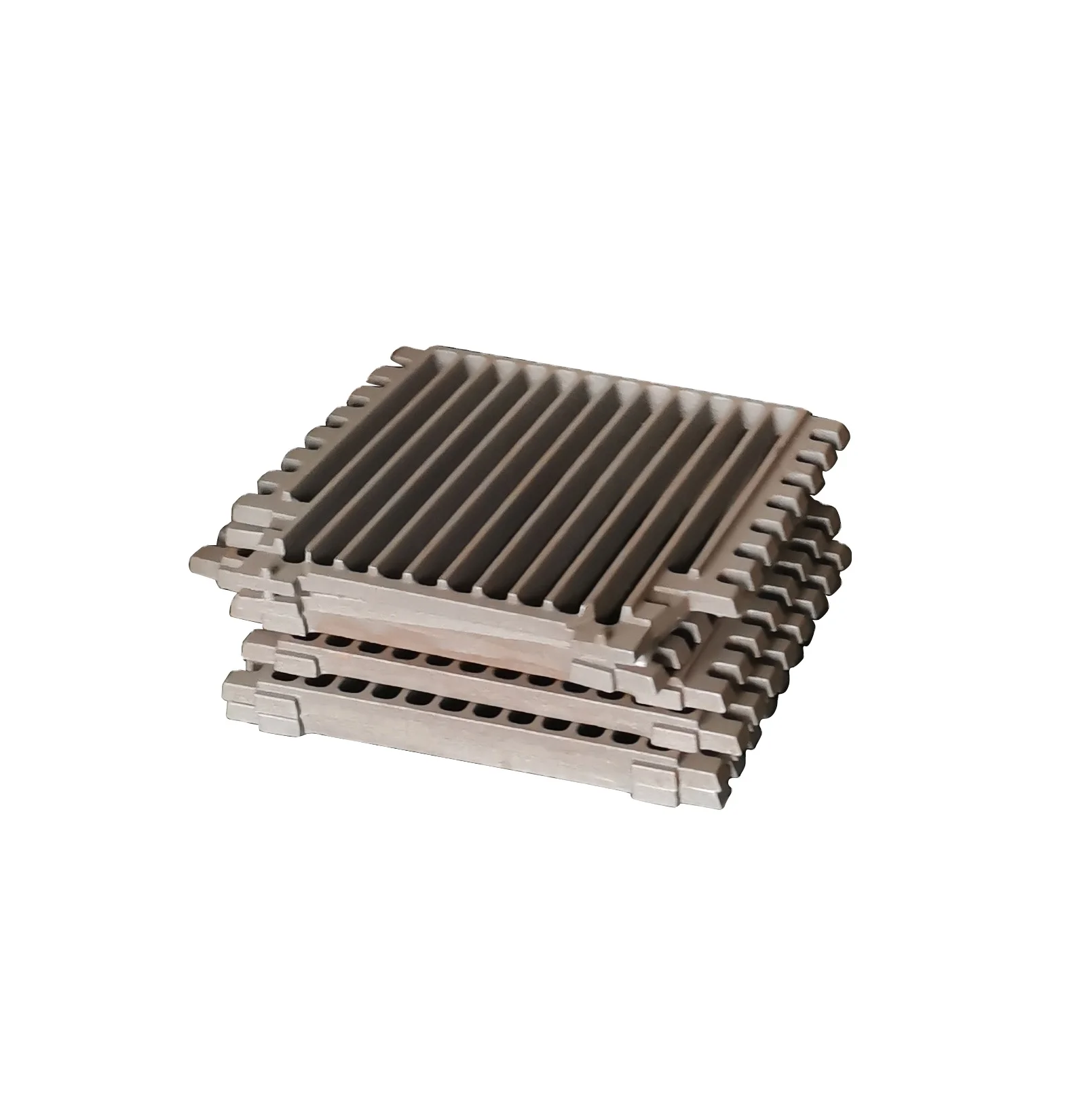
Aluminum-alloy hardware components are offered through gravity or sand casting, with CNC machining-center work and polishing. Stainless steel and iron are separate material enquiries requiring their own complete grade and compatible route. Define the supplied component around the actual hardware design and working duty.
Separate casting limits from later machining
The casting tolerance reference is ±0.02 mm, applied to agreed dimensions and suitable part geometry. Identify the controlled interfaces and assessment stage before using it for the selected component. Define the machining requirements separately, including the final relationship of surfaces assembled together.
- PDF drawings can communicate the controlled component requirements.
- CAD and 3D data should correspond to the agreed design revision.
- STP and AI files are also accepted drawing formats.
- State the requested quantity; the mass-production minimum is not limited.
Define polished areas and inspection coverage
Mark the surfaces requiring polishing and the appearance or contact result needed on the selected alloy. The stated 100% inspection includes 3D CMM; agree the dimensions measured, references and required reporting for the actual hardware. Identify further material or surface evidence needed for component acceptance.
Establish the approved design record
Request applicable ISO9001:2015 documentation with the relevant holder and activity scope. Keep selected material, route and final-condition decisions attached to the current drawing. Explain what an initial item must demonstrate at its working interfaces before using that accepted definition for further component production.