Industrial-Grade 3D Printing and Rapid Metal-Casting Prototypes — Sand-Mould and Functional-Part Enquiries
Direct factory support
Get a quote that fits your project
Send your drawing or product reference, material grade and required quantity. Relia will review the requirements with you.
- Drawing & specification review
Confirm the supply scope and critical requirements.
- Samples before custom production
Review inspected samples before approving a batch.
- Inspection documents
Agree material and dimensional records for your part.
-
Application Fieldsindustrial parts, Prototyping and Functional Prototypes, automotive parts, Equipment Enclosures and Housings, Aerospace and Aviation, Art and SculpturesGeneral Tolerances0.01mm
-
Surface Roughness Measurement InstrumentsDecided by the clientHeat Deflection TemperatureDecided by the client
-
Supported File FormatsSTP, STL, 3MF Files, StepOEM/ODMSupport
-
EquipmentIndustrial-Grade 3D Printing ServicePackagingSupport customization
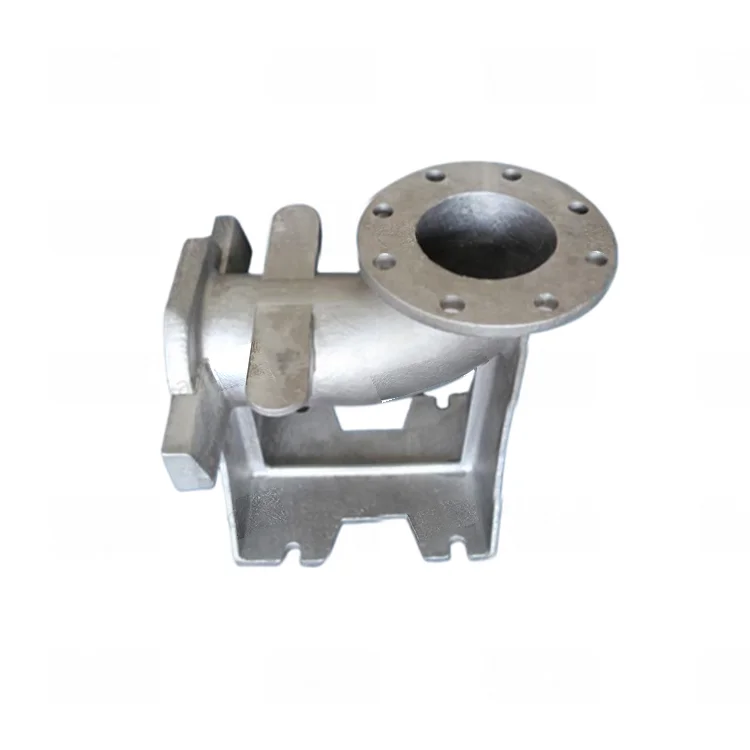
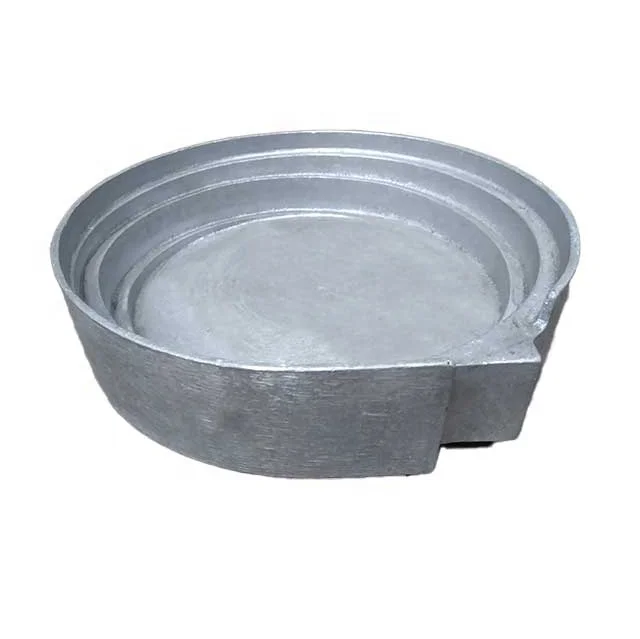
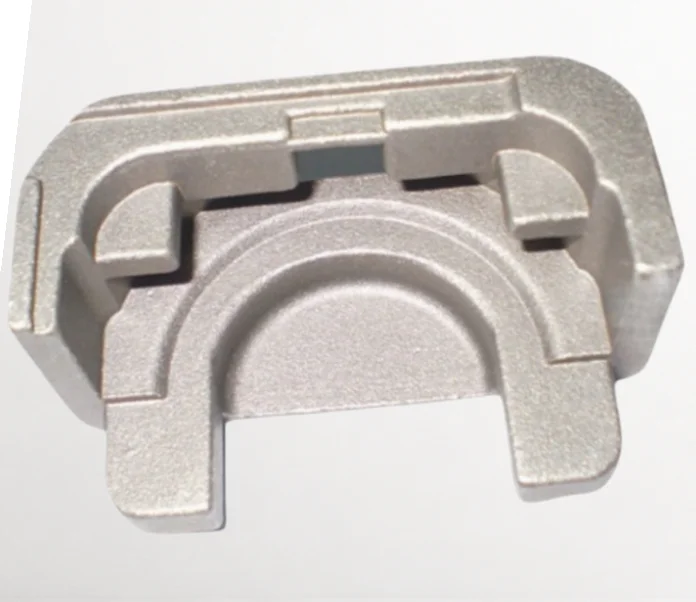
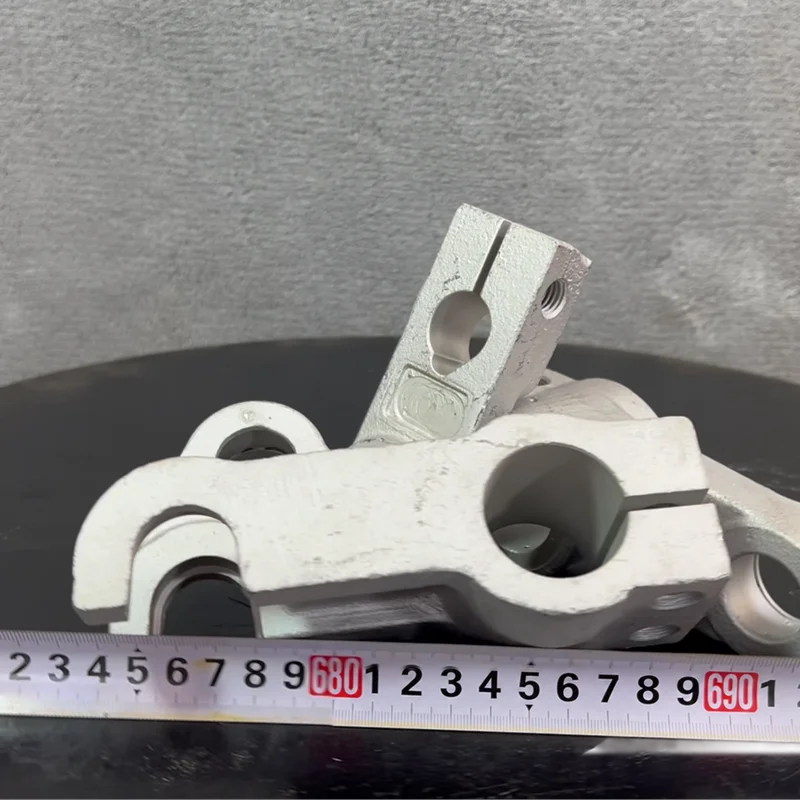
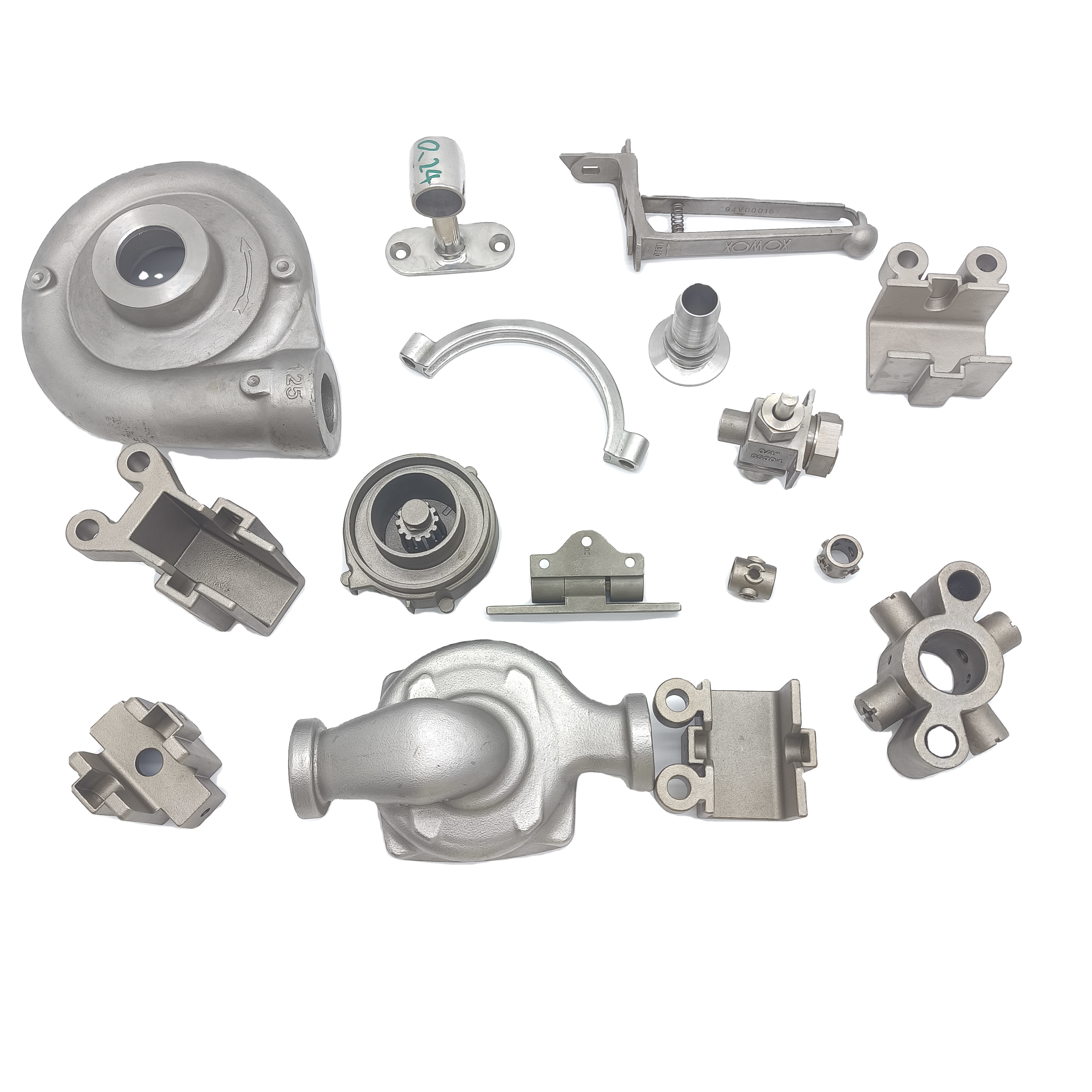
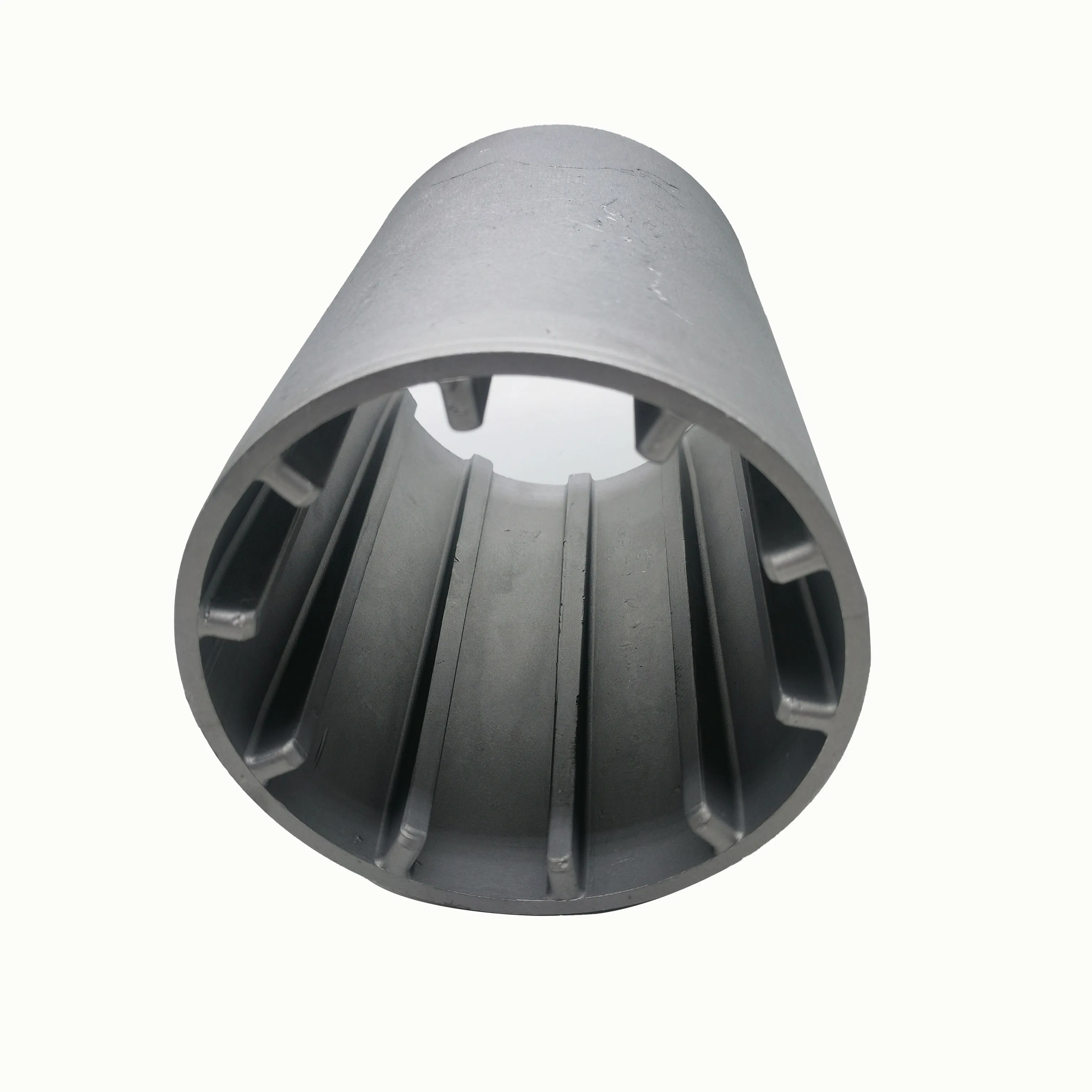
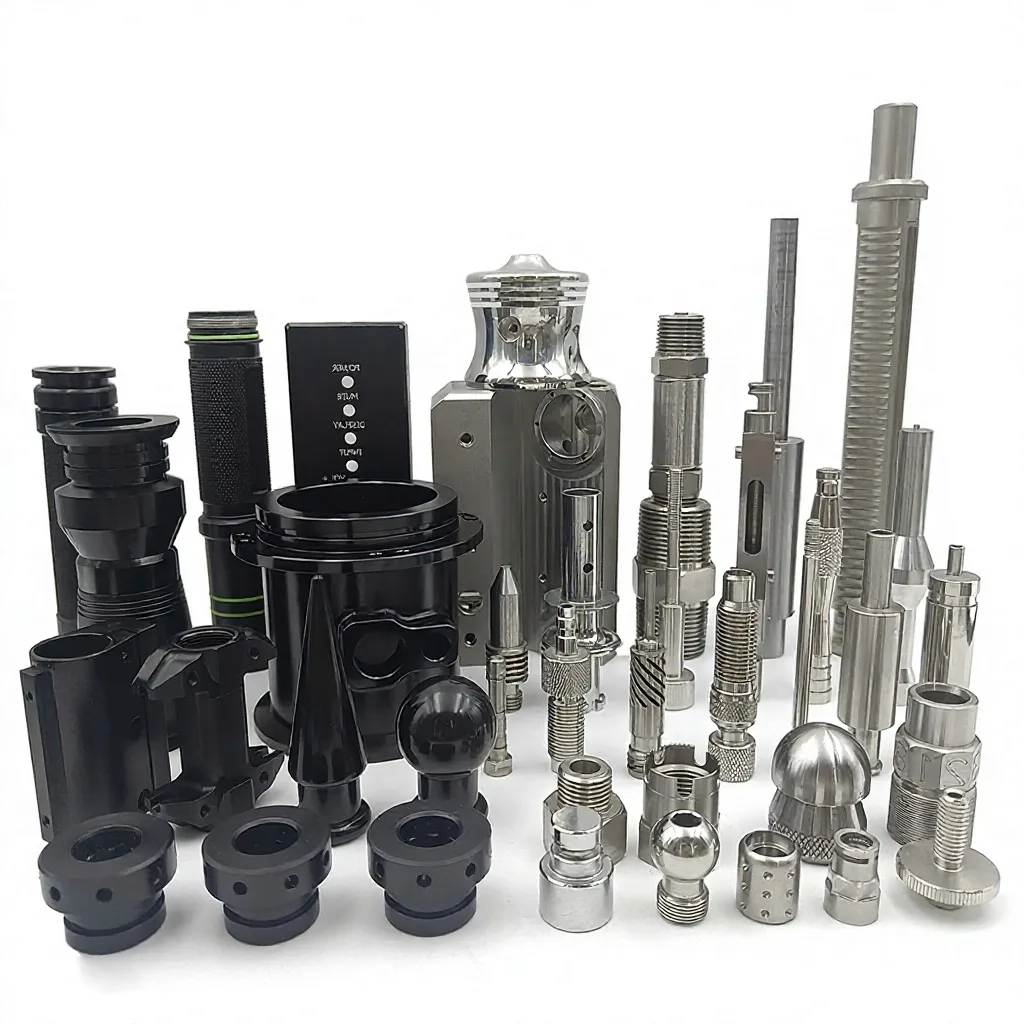
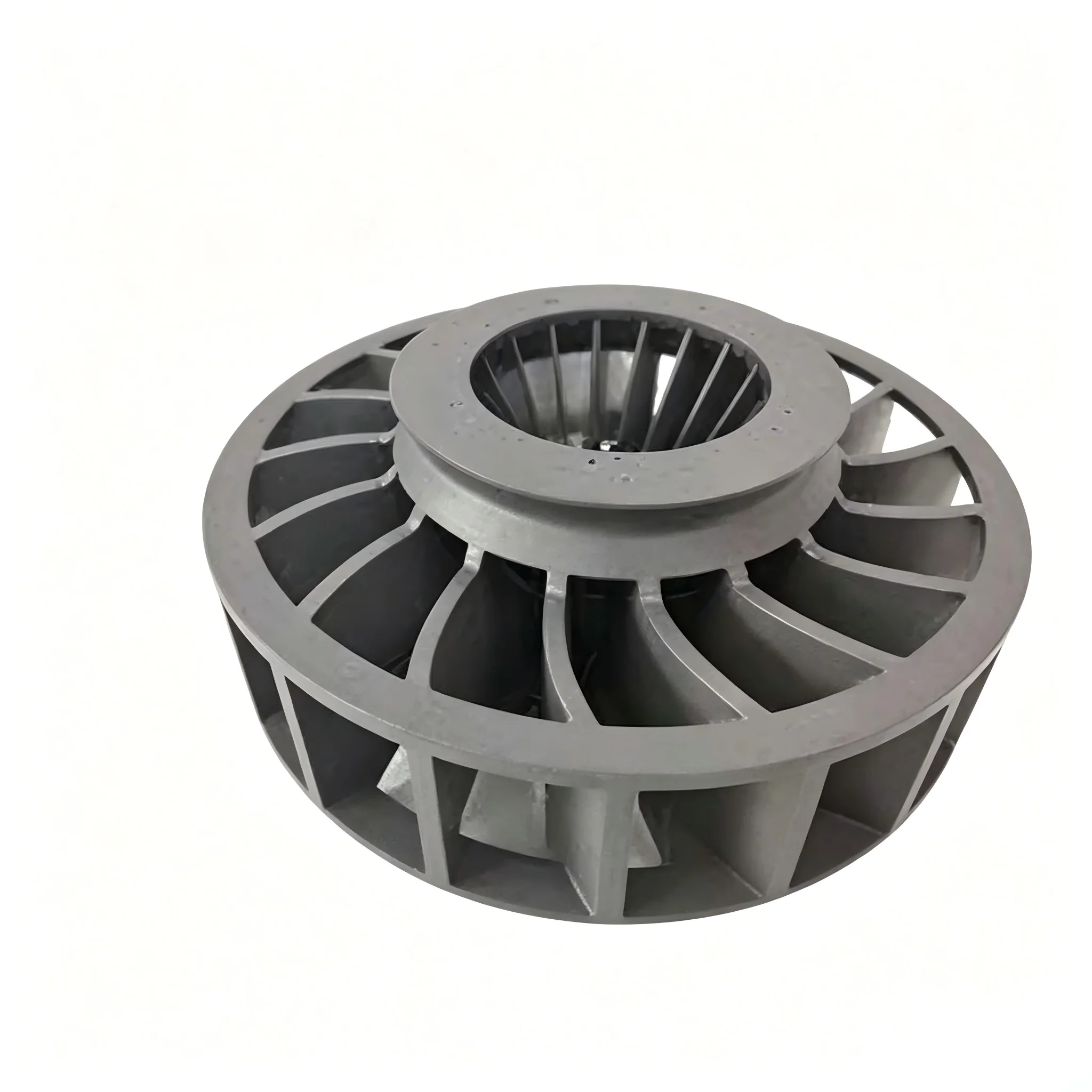
A prototype request should identify whether the deliverable is a printed part, a mould or a casting-related prototype. This industrial-grade 3D-printing service supports OEM/ODM enquiries for functional prototypes, industrial parts, automotive components, equipment enclosures, aerospace/aviation projects, art and sculpture.
Define what the prototype must demonstrate
Describe the intended function and the result needed from evaluation. Submit STP/STEP, STL or 3MF data with the dimensions that govern acceptance. The general-tolerance reference is 0.01 mm; identify the applicable geometry and acceptance basis for the selected material and printing process.
Select a viable printing technology and material
Technology enquiries include FDM, white inkjet printing, laser-cladding deposition, MJF, selective laser melting, DLP, SLA, SLS and binder jetting. Match the required material to the actual technology proposed for the part. The available enquiry selections are a starting point for choosing that pairing, rather than approval of every material by every method.
- Identify a printed component, mould or casting-prototype deliverable.
- Provide the controlled geometry and evaluation requirements.
- Select the material and proposed printing technology.
- Mark acceptance dimensions and required surface criteria.
- State any heat-deflection-temperature requirement.
- Identify quantity, application documents and packaging needs.
Specify the actual material grade or resin type
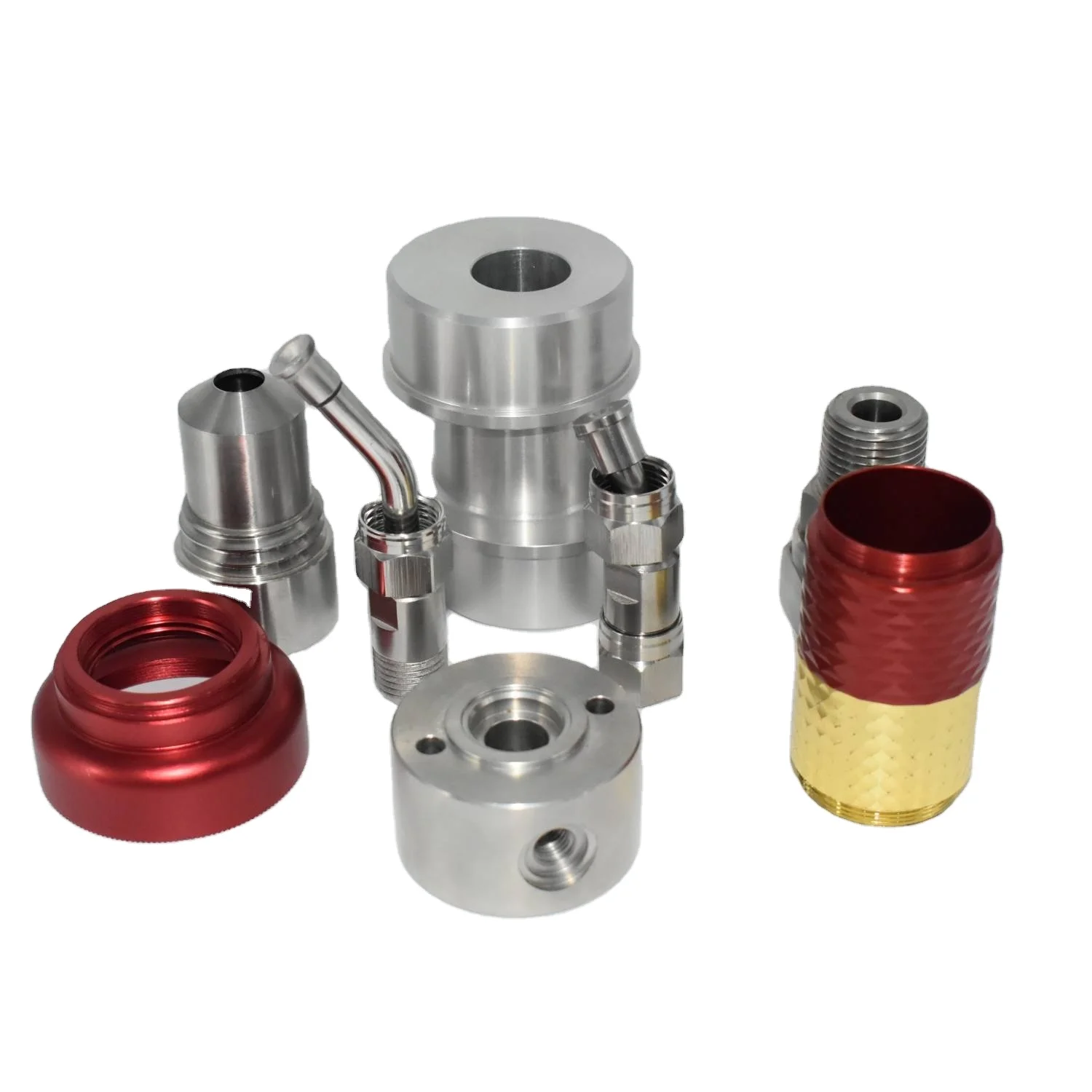
Metal choices include stainless steel, aluminum alloys, die/tool steel, titanium and titanium alloys, and CoCr/nickel alloys. Other enquiries include ceramics, PP, ABS/ASA, PA11/PA12 nylon, PEI (Ultem 9085/1010), TPU flexible film and gypsum/plaster. Resin selections cover standard, high-performance, high-temperature, high-elasticity, clear, ABS-like photopolymer and biocompatible-resin enquiries. Identify the selected grade and its application requirements separately from those material-family names.
Agree surface evaluation and delivered condition
Roughness-measurement instruments and heat-deflection-temperature requirements are client-defined. Specify those requirements and the inspection needed for the prototype's intended use. Customized packaging is supported; the final supply request should identify the item, material, process and condition to be received.