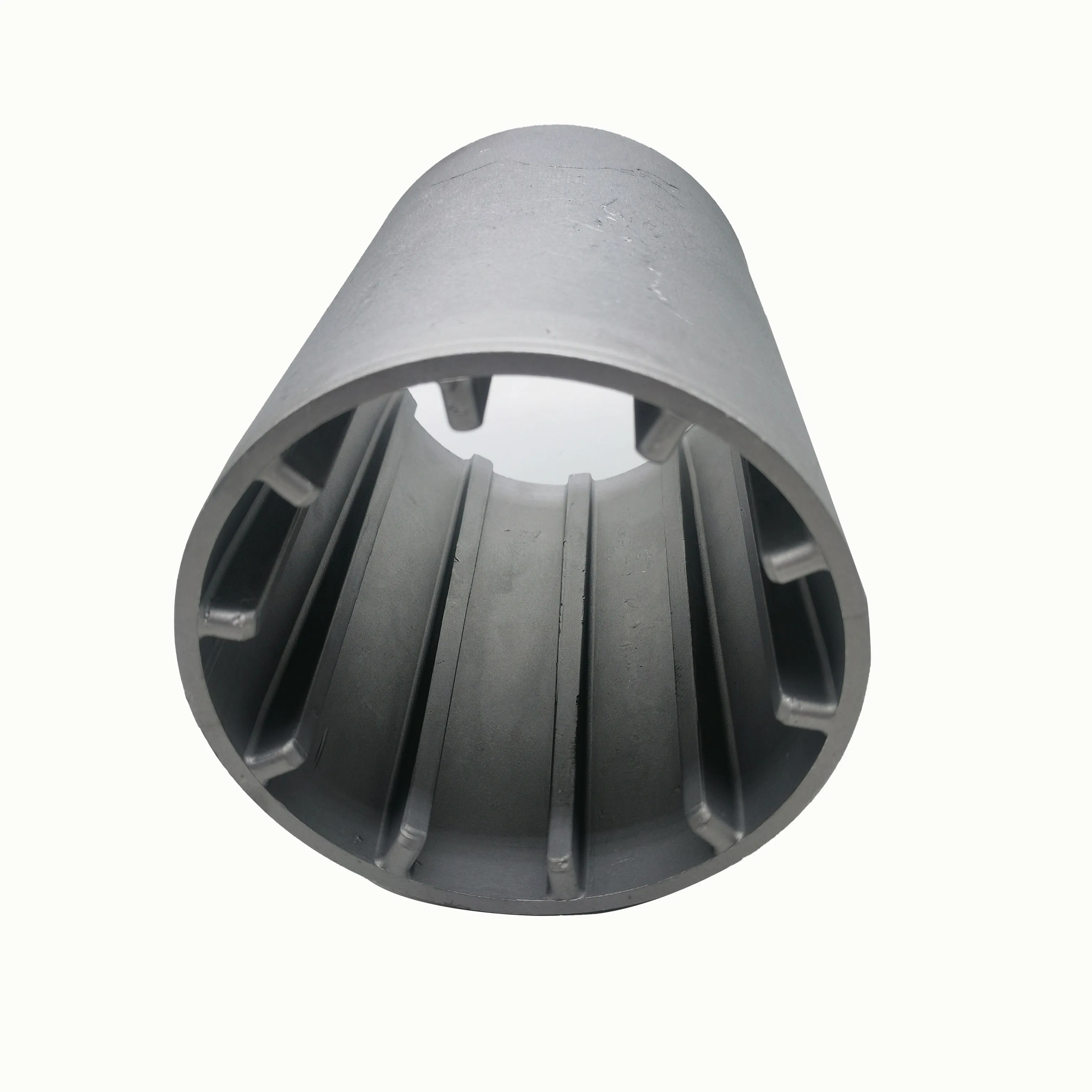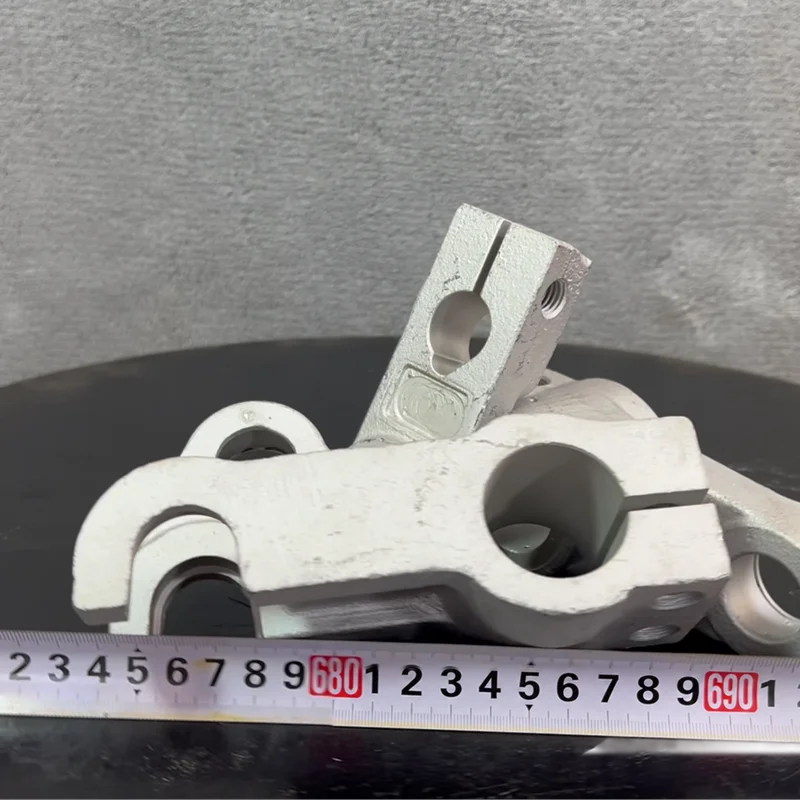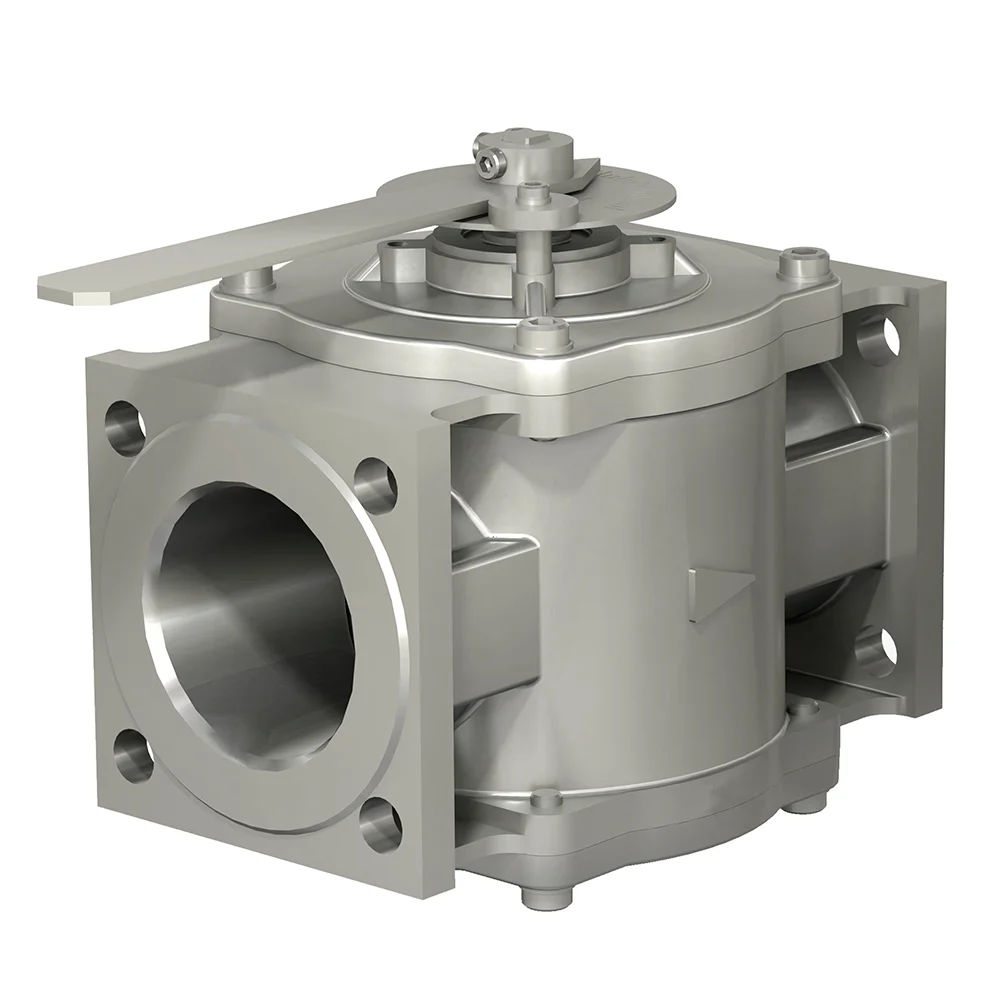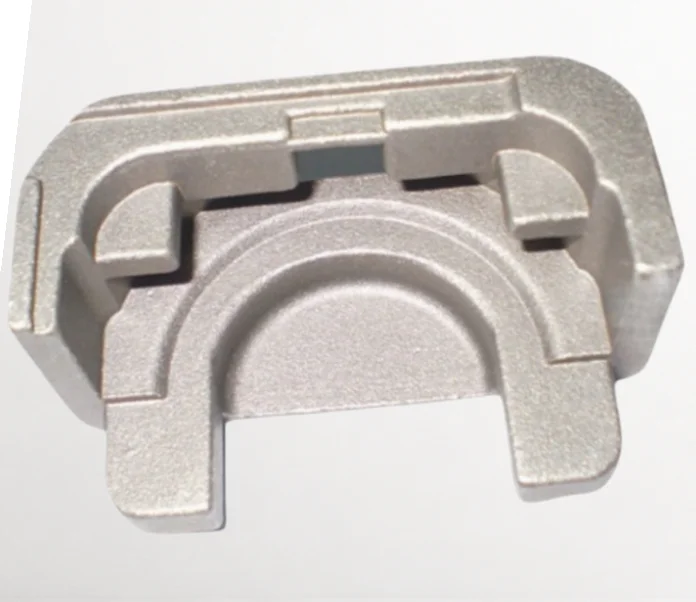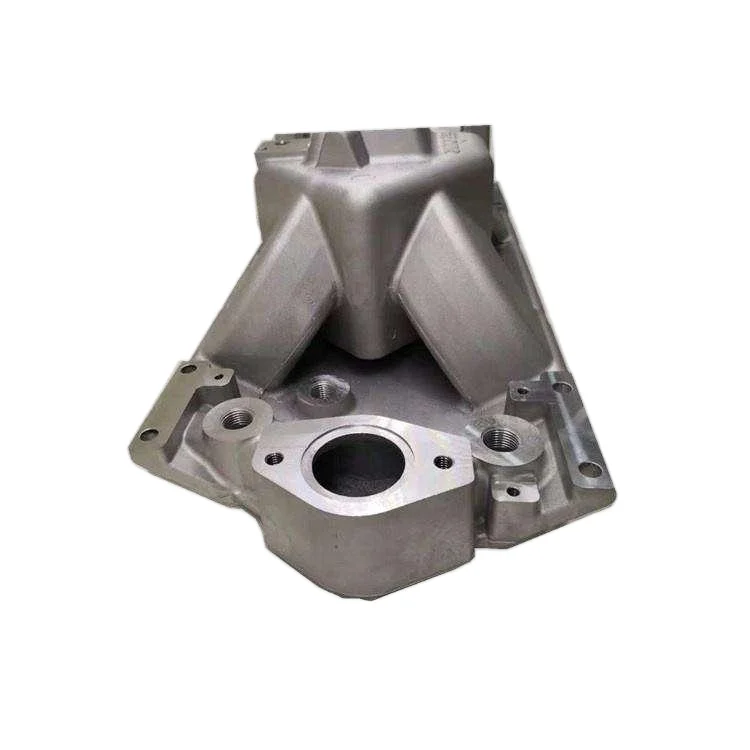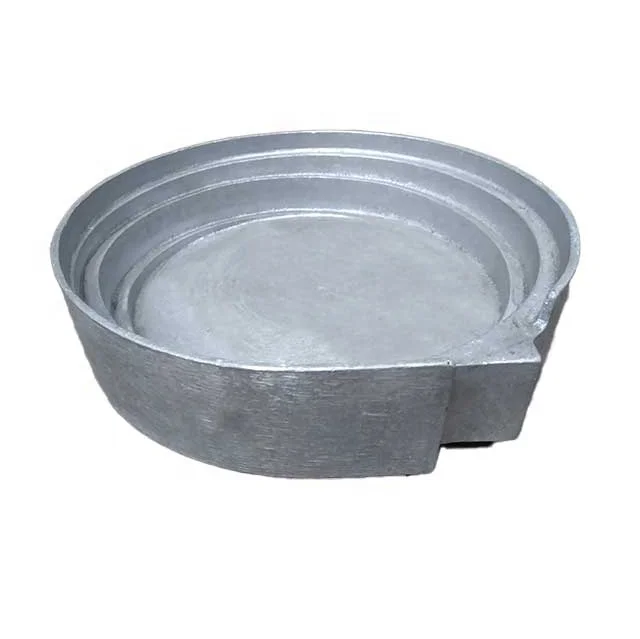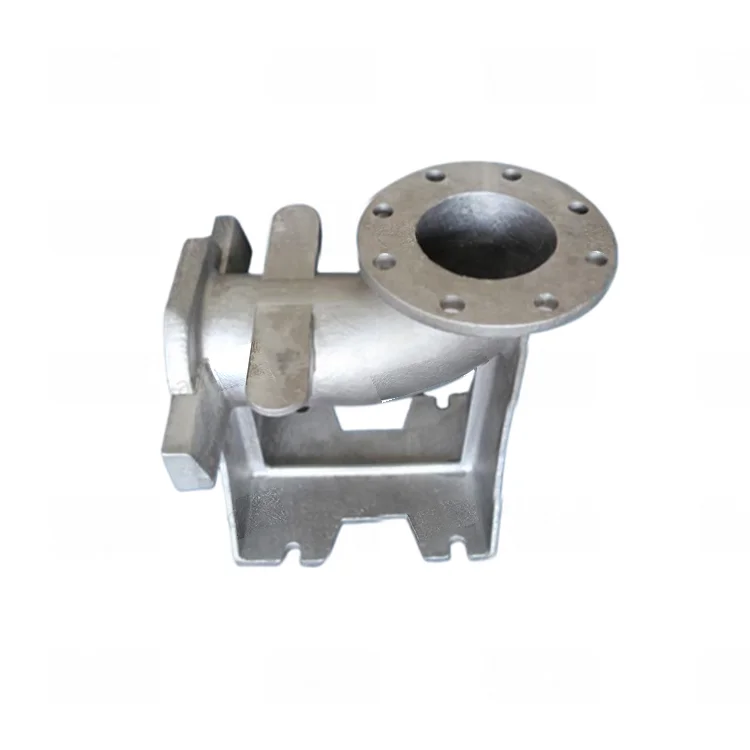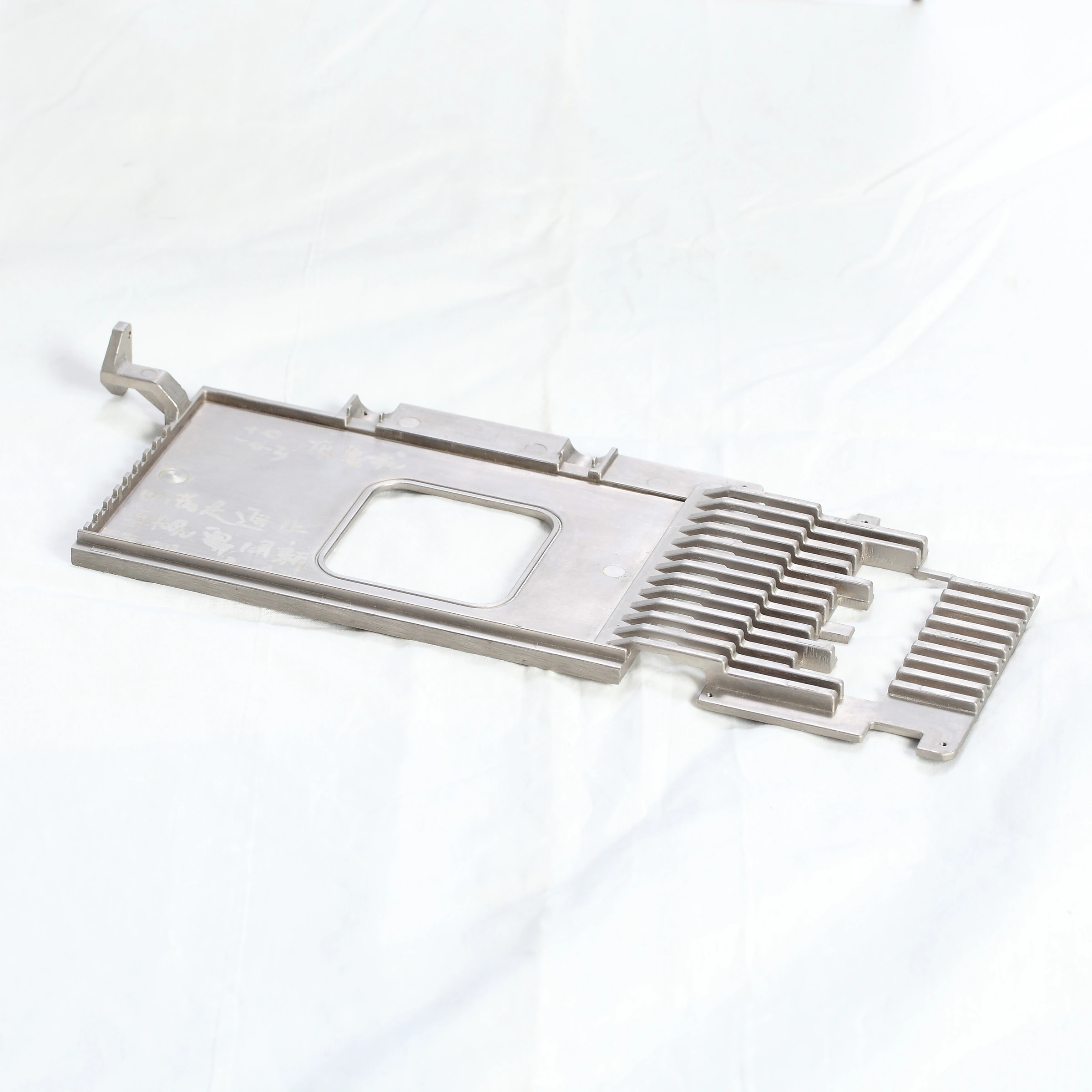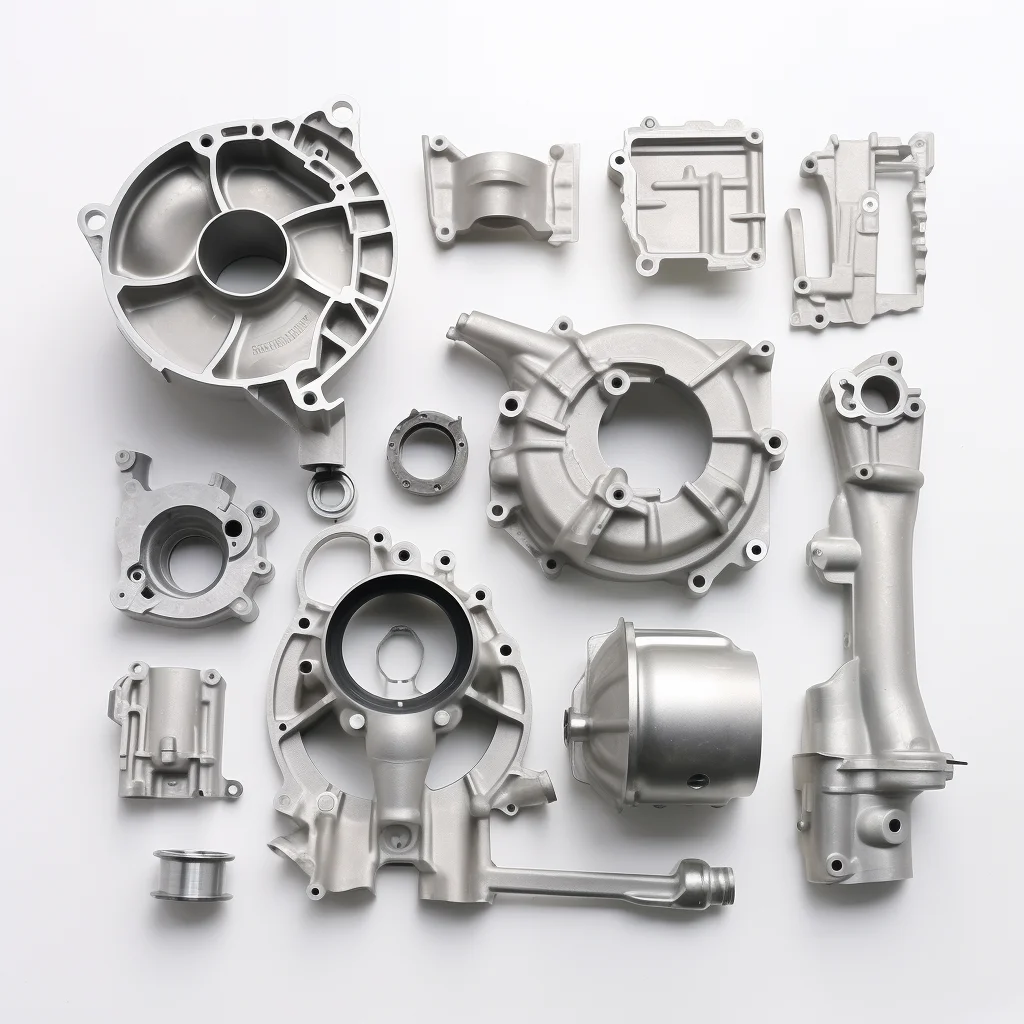
OEM Aluminum Sand Cast Items Deburring Drilling Threading and Separate Brass Magnesium Zinc Iron Custom Machining Enquiries
Direct factory support
Get a quote that fits your project
Send your drawing or product reference, material grade and required quantity. Relia will review the requirements with you.
- Drawing & specification review
Confirm the supply scope and critical requirements.
- Samples before custom production
Review inspected samples before approving a batch.
- Inspection documents
Agree material and dimensional records for your part.
-
Product namealuminum cast items
-
ProcessCasting. Deburring .Drilling .threadingCertificationISO9001/IATF16949
-
SizeCustomer's 3D DrawingColorCustomized Color
-
ToleranceCustomer's Drawing RequestSurface treatmentCustomers' Demand
-
ServiceCustomized OEMStandardClient Specification
-
Quality ControlStrictly 100% Inspection
Custom OEM aluminum sand-cast items include deburring, drilling and threading requests. Brass, magnesium-alloy, zinc-alloy and iron components are specified separately. Select the complete grade and compatible route for each part, with the customer’s 3D drawing defining its actual size.
Define the drilled and threaded connections
Show hole locations and their relationships to the locating references and adjoining parts. Identify the required thread form and acceptance dimensions on the drawing. Separate these finished connections from regions accepted in their cast condition.
Control edges, color and surface condition
Specify where deburring is needed and the required result at working contacts. Tolerances, color, governing requirements and surface treatment follow the client specification. Define treated areas, appearance criteria and any masking that preserves a required mating condition.
Turn strict inspection into part approval
The stated 100% inspection should address the actual casting and its finished connections. Identify measured dimensions, material checks and acceptance records required for the selected component. Include measurement conditions where several interfaces need to be evaluated together.
- Supply the controlling 3D revision and order quantity.
- Identify the part’s function and supplied state.
- Request applicable ISO9001 and IATF16949 documents with their activity scope.
- Record accepted grade, thread and surface changes with the component definition.
Use that approved information when confirming repeat supply so the drilled, threaded and cast relationships remain aligned with the intended assembly.