OEM CNC Prototype Small Batch Sand Casting Machining with Micro Machining Rapid Prototyping and Custom Multi Cavity Requests
Direct factory support
Get a quote that fits your project
Send your drawing or product reference, material grade and required quantity. Relia will review the requirements with you.
- Drawing & specification review
Confirm the supply scope and critical requirements.
- Samples before custom production
Review inspected samples before approving a batch.
- Inspection documents
Agree material and dimensional records for your part.
-
CNC Machining or NotCNC MachiningTypeBroaching, Drilling, Etching / Chemical Machining, Laser Machining, Milling, Other Machining Services, Turning, Wire EDM, Rapid Prototyping
-
Material CapabilitiesAluminum, Brass, Hardened Metals, Stainless SteelMicro Machining or NotMicro Machining
-
Surface TreatmentAnodizing/Polishing/Plating/Oxide /Hot-dipgalvaniz
-
product namesand casting and cnc machiningSizeCustomized Size
-
ColorCustomized ColorsSample timeabout 10 days
-
CavityMulti CavityMaterialSteel,Aluminum alloy,Brass,Steel,Others
-
Surface treatmentAnodizing/Polishing/Plating/Oxide /Hot-dipgalvanizing/powdering.etc
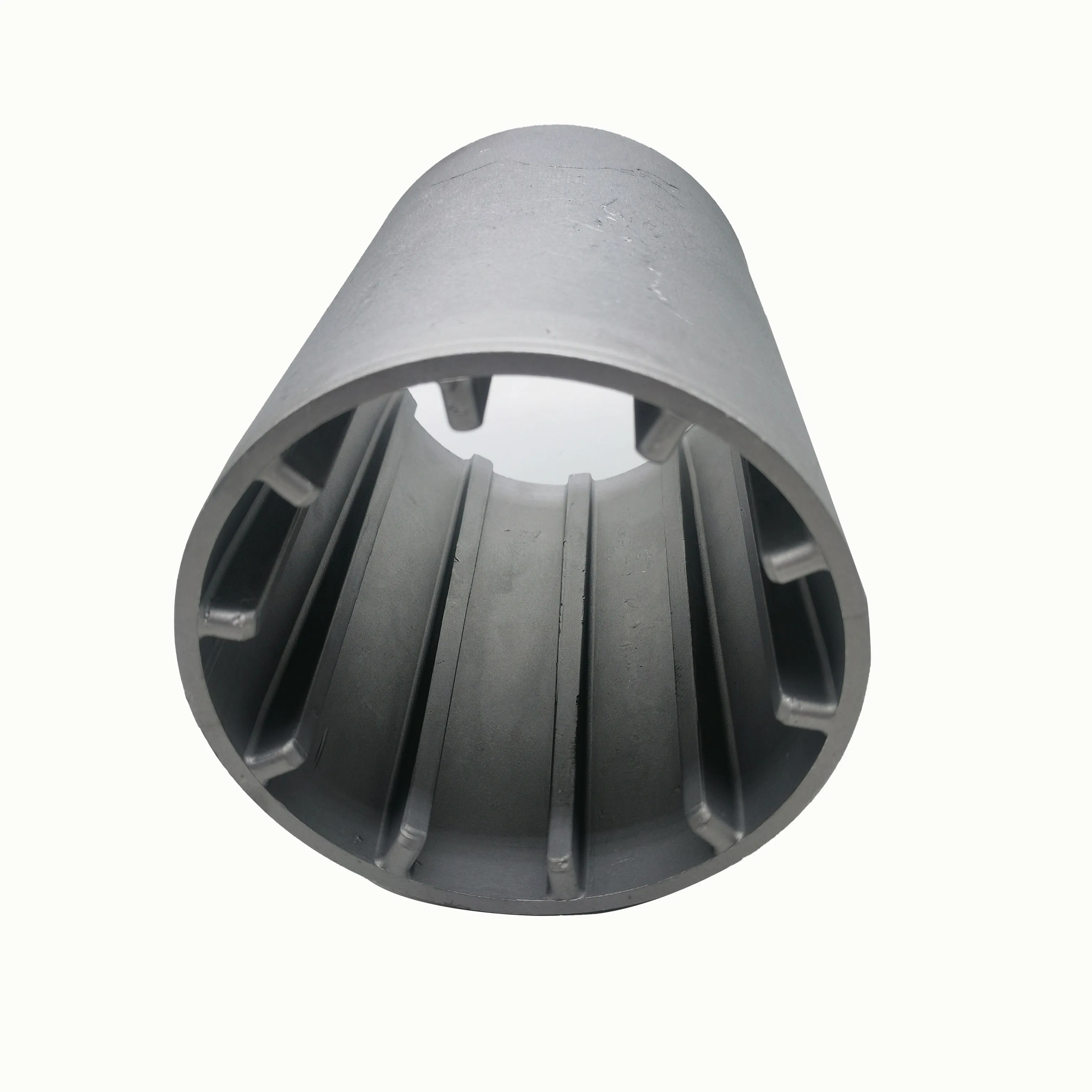
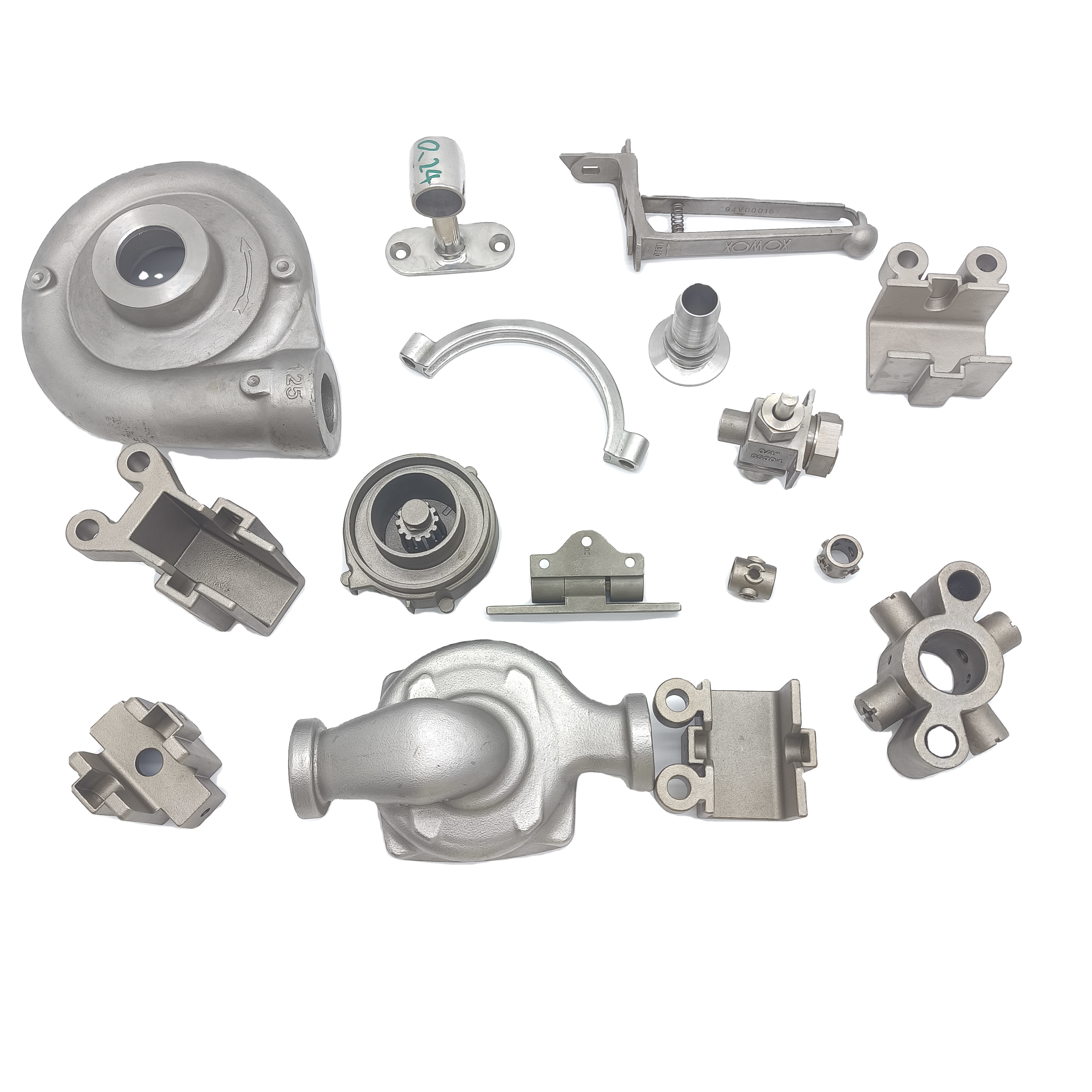
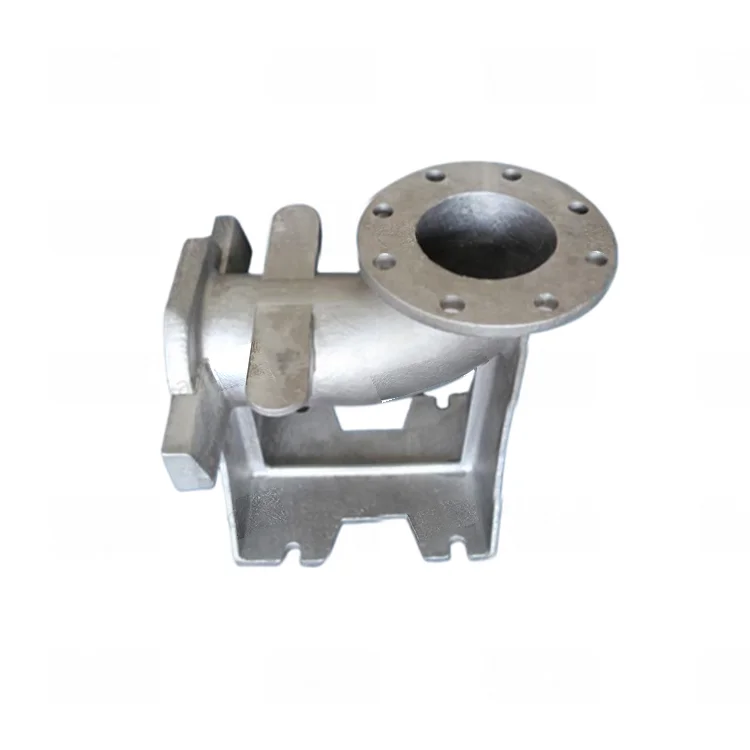
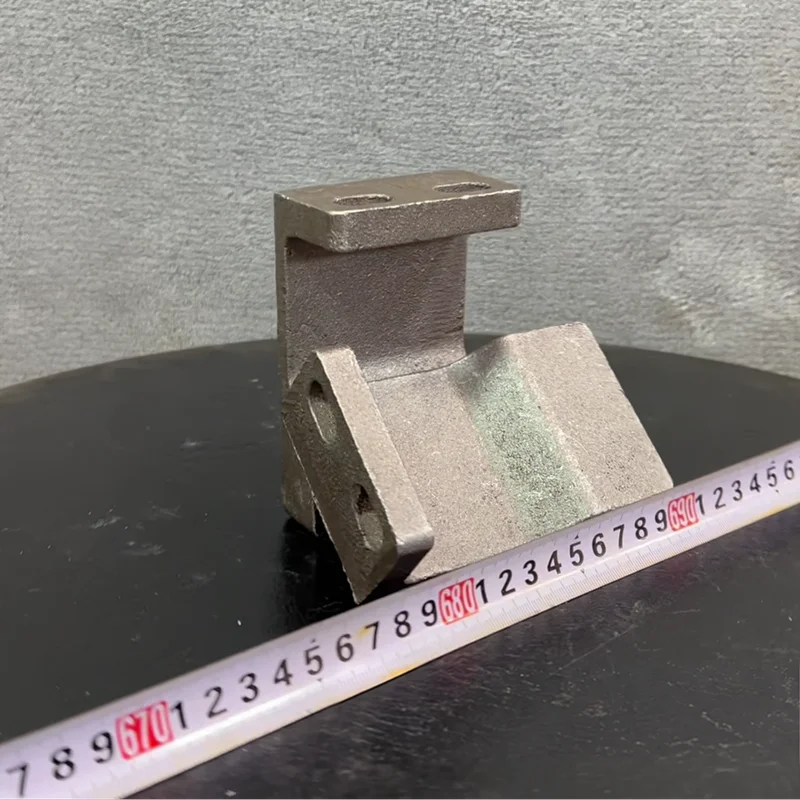
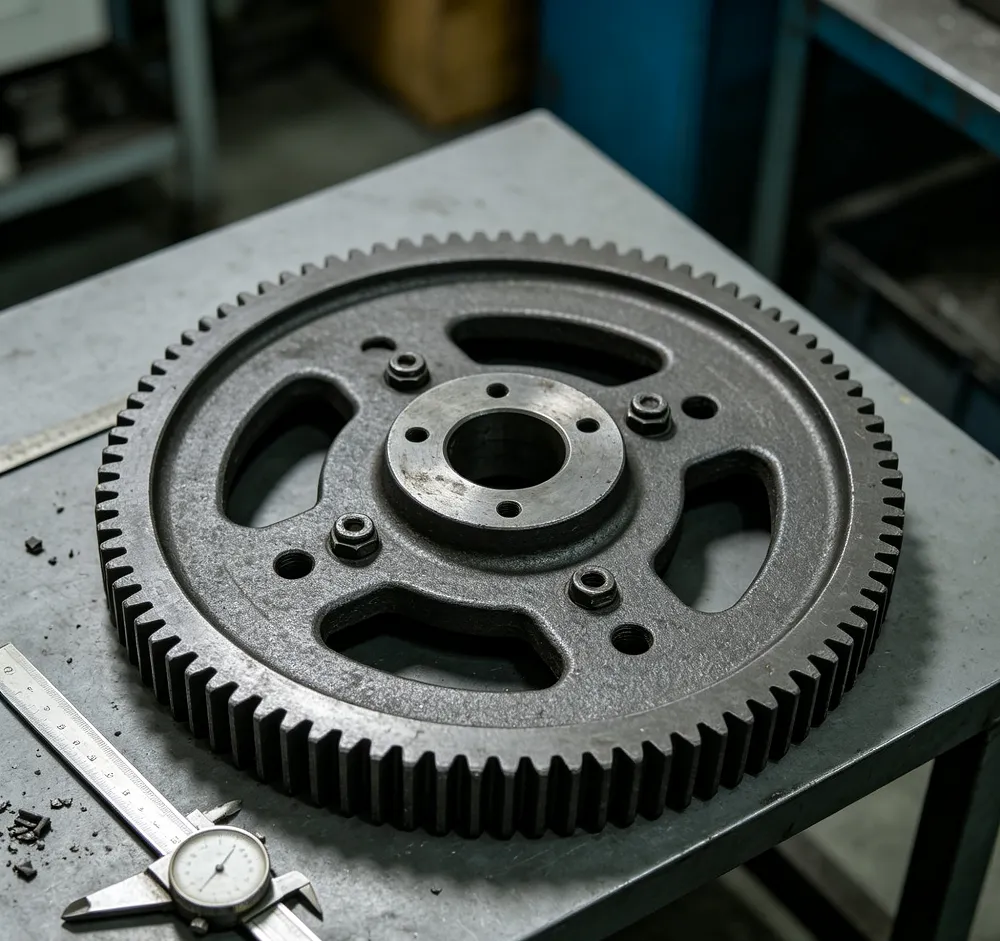
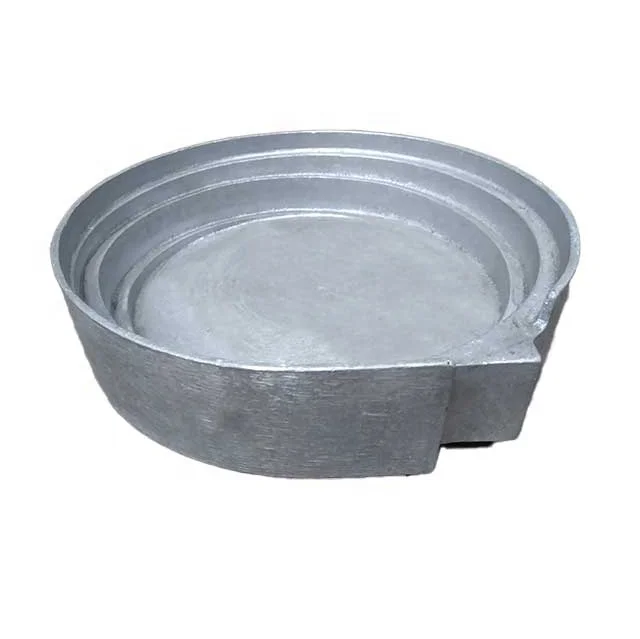
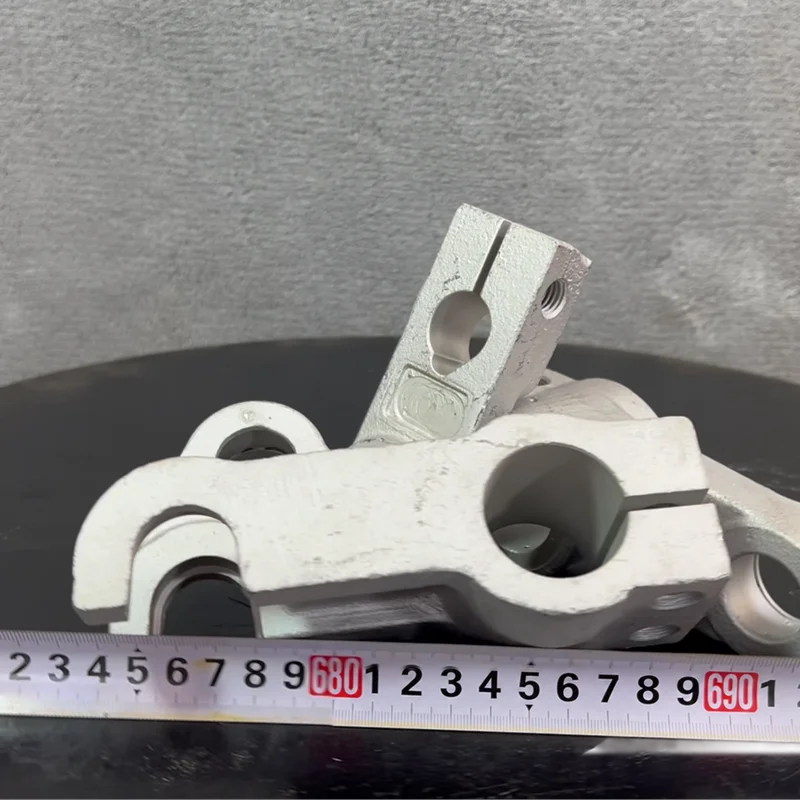
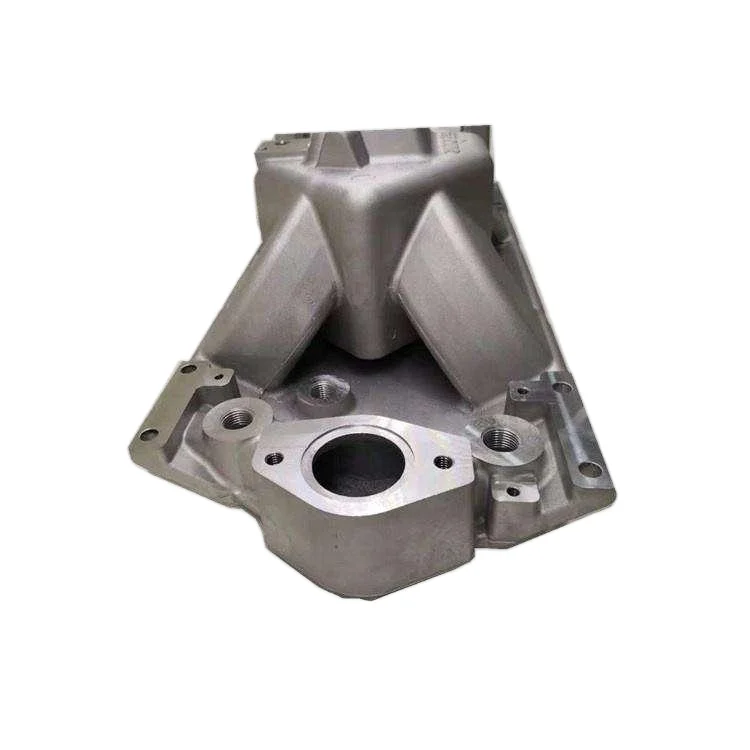
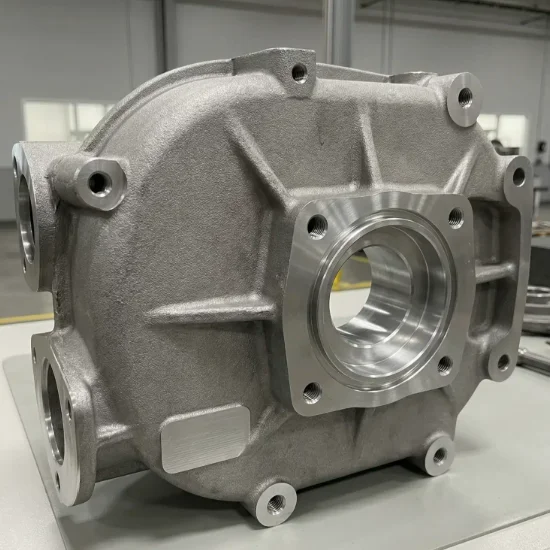
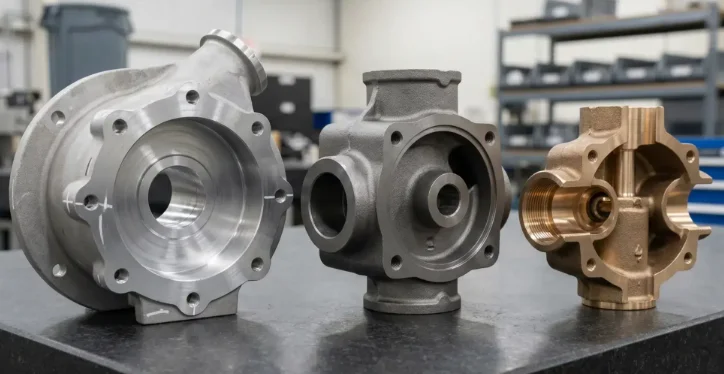
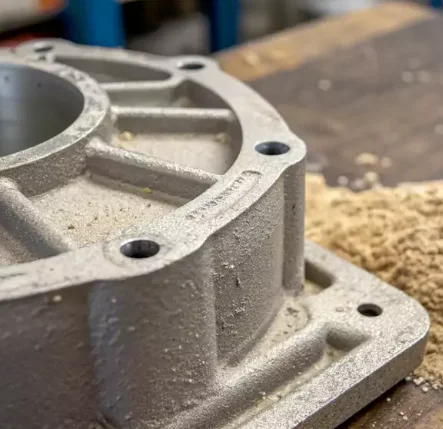
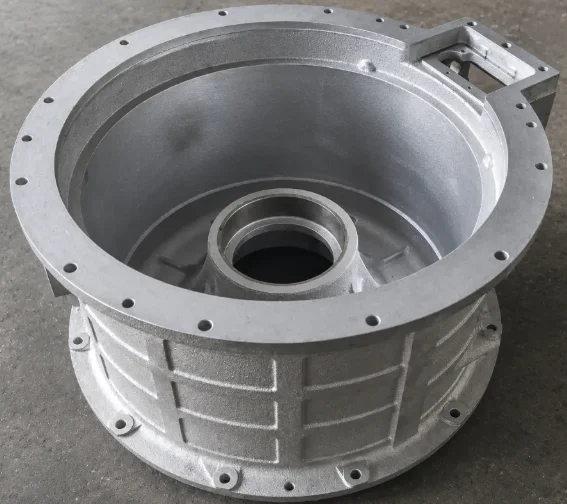
Prototype and small-batch sand-casting and CNC enquiries cover steel, aluminum alloys, brass, hardened metals or stainless steel. OEM scope includes micro machining and rapid prototyping. Select the complete grade, incoming form and manufacturing route for the drawing-defined component.
Assign the operations needed by the prototype
Named work includes broaching, drilling, etching or chemical machining, laser machining, milling, turning and wire EDM. Show the geometry requiring those operations and the interfaces controlling assembly. Put dimensional limits, datums and measurement conditions on the drawing for the selected supplied stage.
Define the multi-cavity and small-detail scope
A multi-cavity request needs its actual tooling and part arrangement identified. Show the micro-feature geometry in the context of the complete component and its function. Explain what an initial prototype must demonstrate before accepting the selected tool or part configuration. Identify the stage at which the prototype’s micro geometry is finally assessed.
Set the final surface and color
Anodizing, polishing, plating, oxide treatment, hot-dip galvanizing and powdering are named requests. Specify the actual process for a compatible substrate, with coverage and contact conditions. Sizes and colors are customized, with appearance criteria needed for visual approval.
- Provide quantity and the controlling revision.
- Identify material and dimensional acceptance records.
- Define the delivered component and tooling boundaries.
- Retain approved geometry and finish changes with the drawing.
Keep those requirements tied to prototype approval and the actual small-batch component supply.