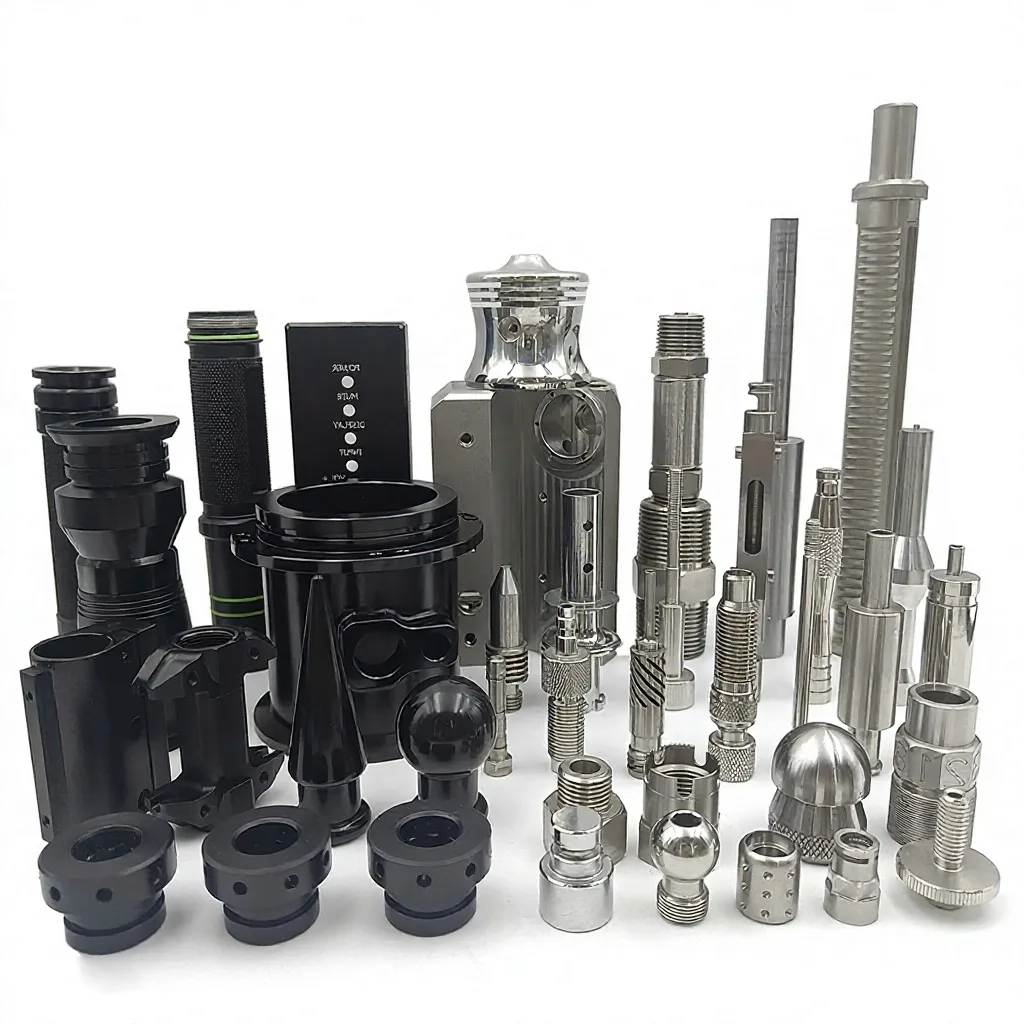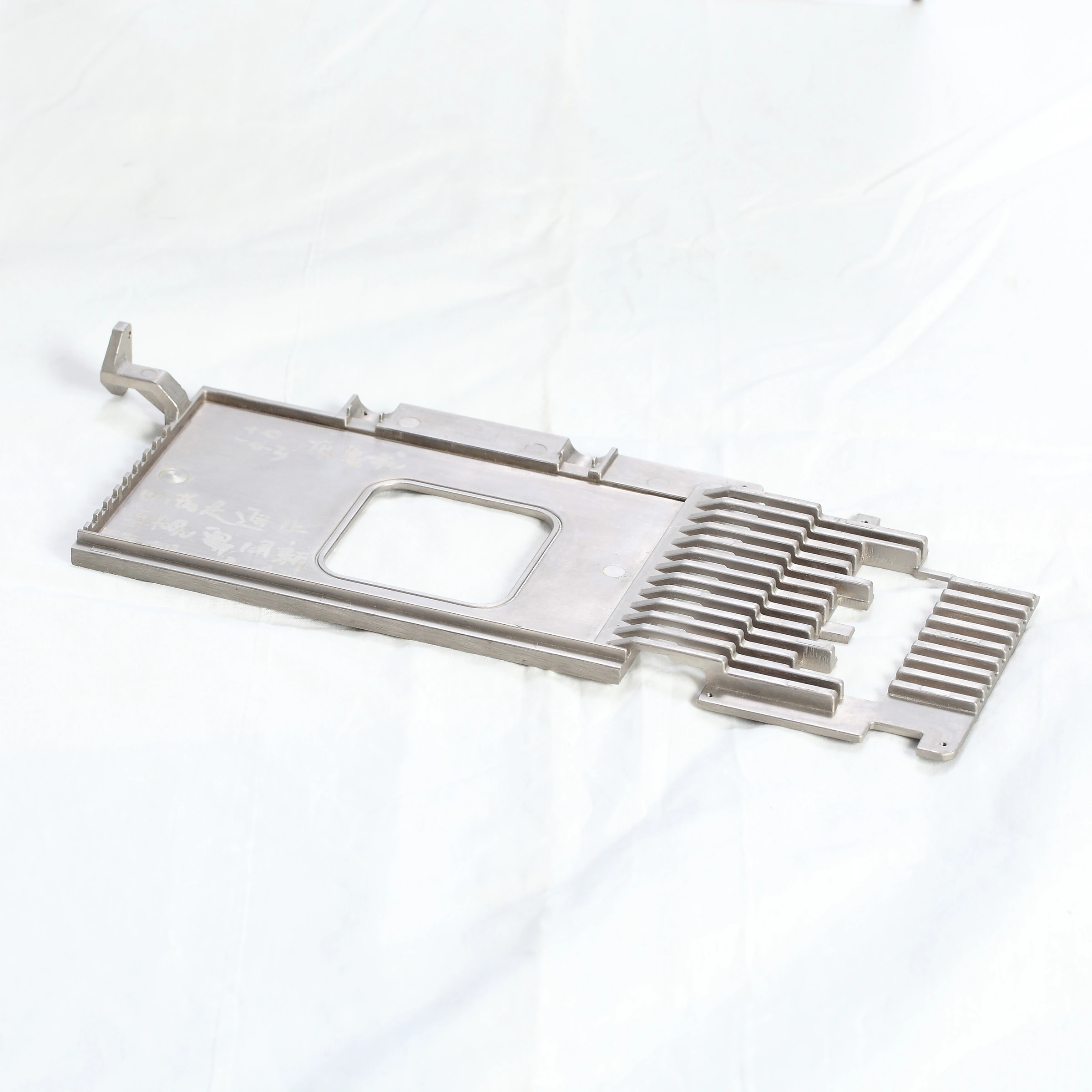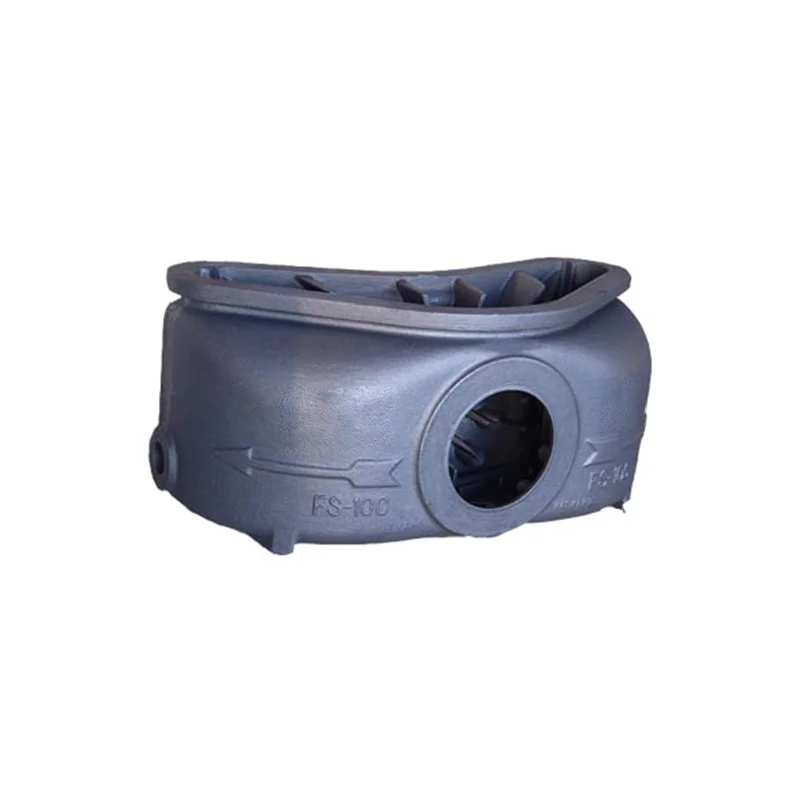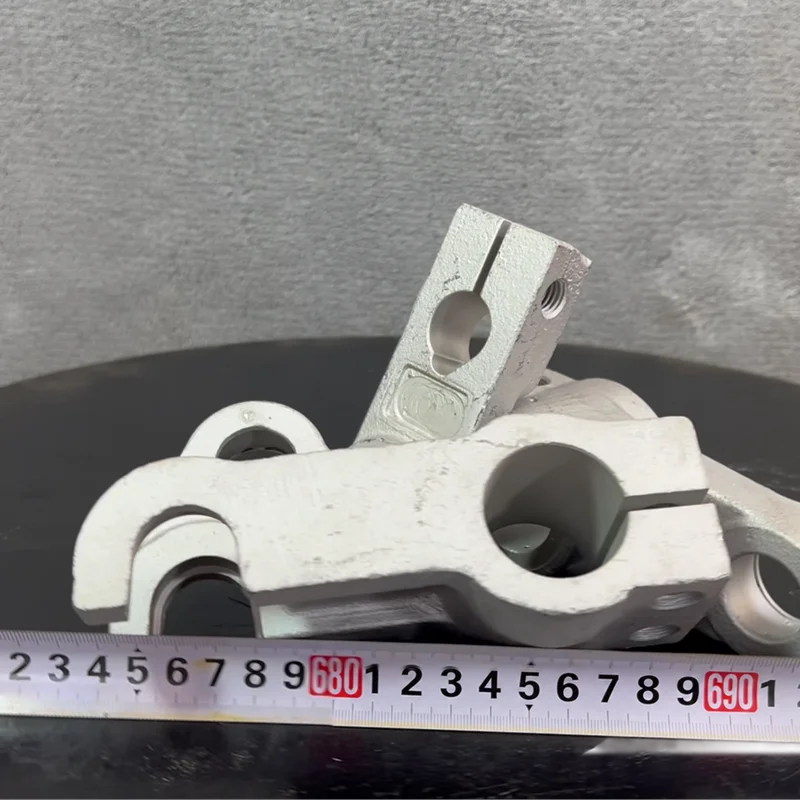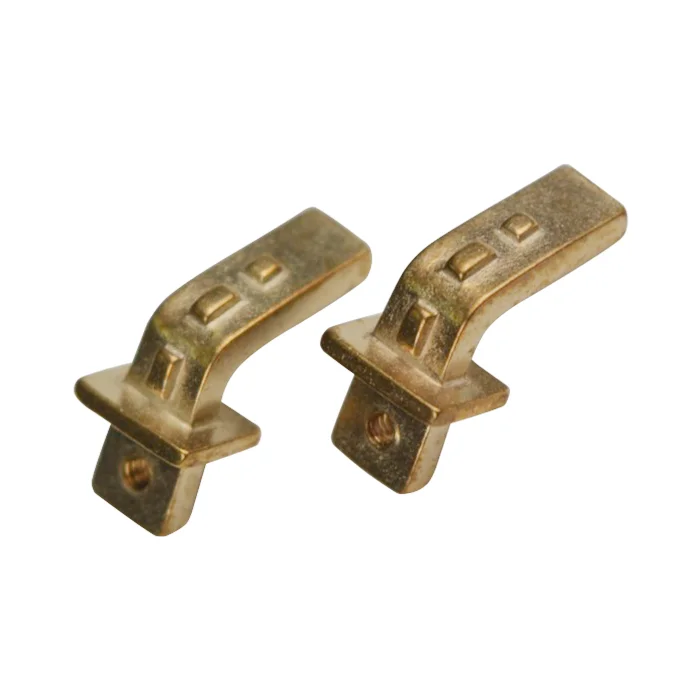

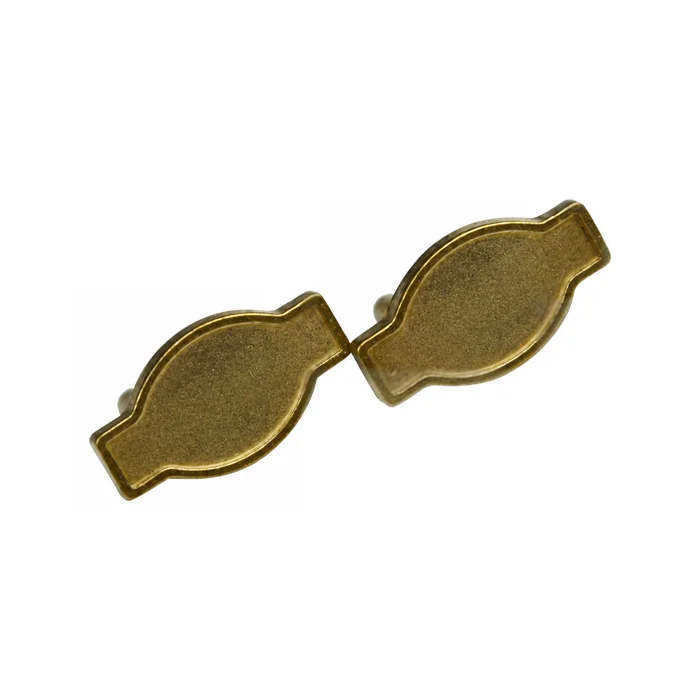

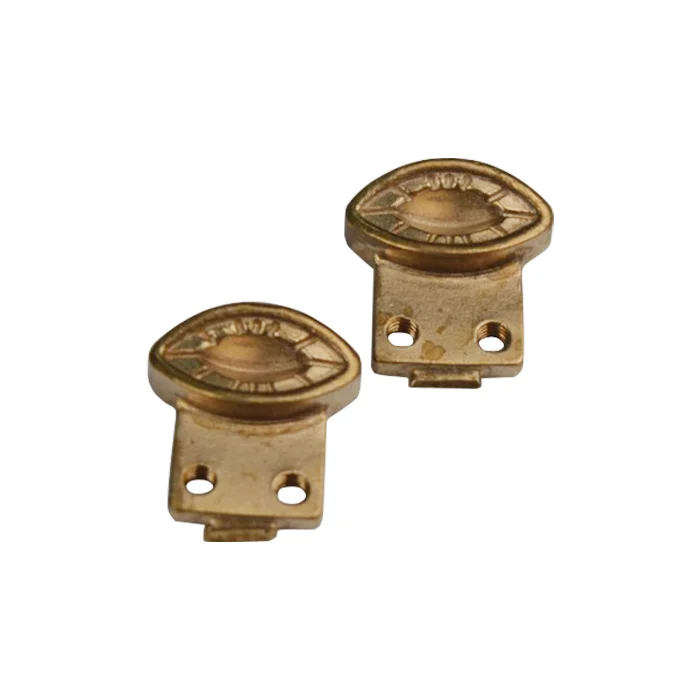
OEM Copper Bronze Brass Sand Die Casting Parts and Separate Aluminum Steel Industrial Component Enquiries
Direct factory support
Get a quote that fits your project
Send your drawing or product reference, material grade and required quantity. Relia will review the requirements with you.
- Drawing & specification review
Confirm the supply scope and critical requirements.
- Samples before custom production
Review inspected samples before approving a batch.
- Inspection documents
Agree material and dimensional records for your part.
-
ServiceCustomized OEM die casting parts
-
MaterialAluminum,Steel,Copper,Brass
-
Drawing Formatpdf,igs,dwg,step,stpCertificateISO9001:2015
-
Surface treatmentPower Coating/polishing/AnodizingMOQ1
-
Delivery Time2~8 daysApplicationIndustry
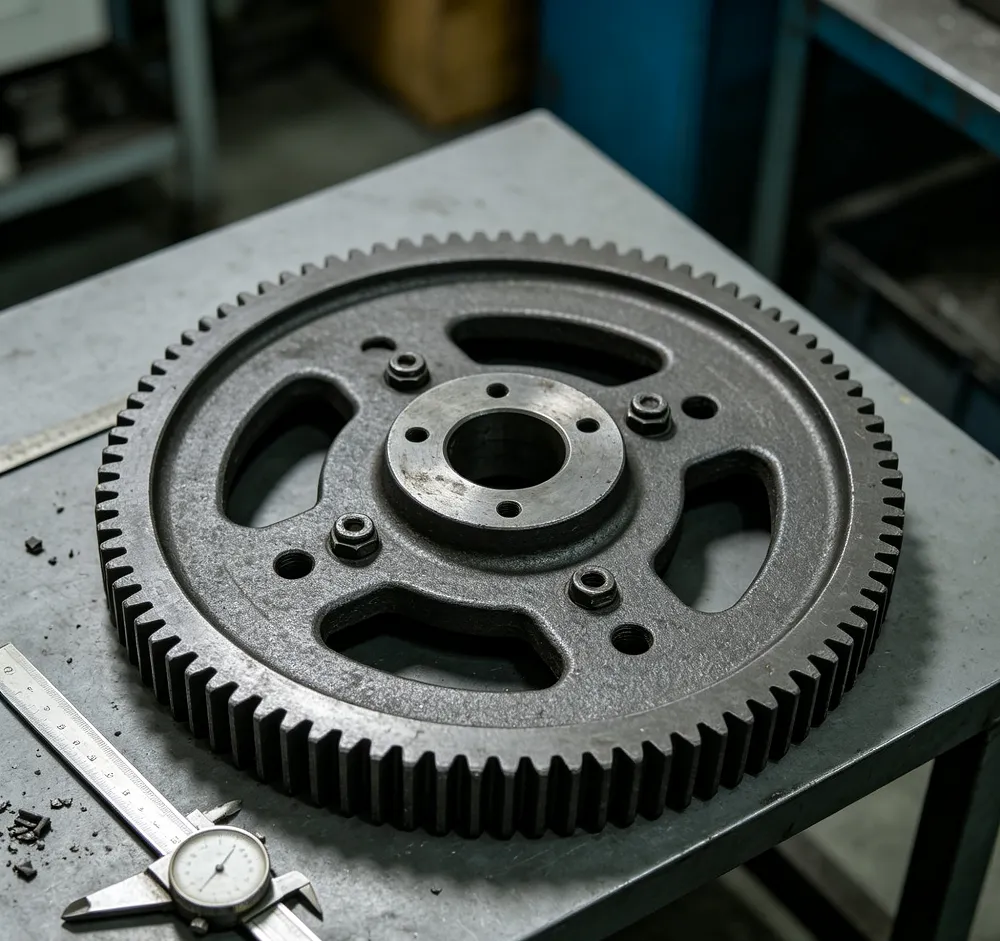
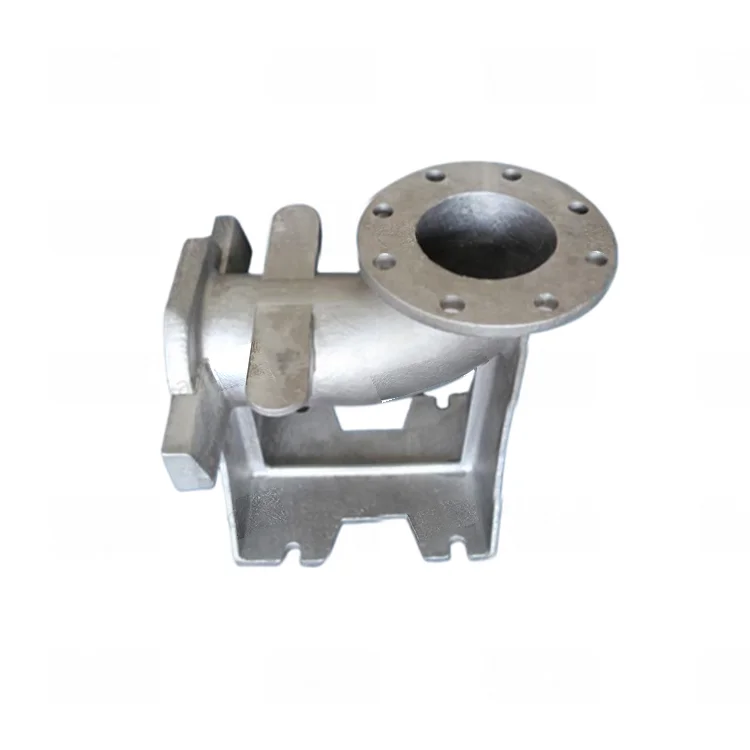
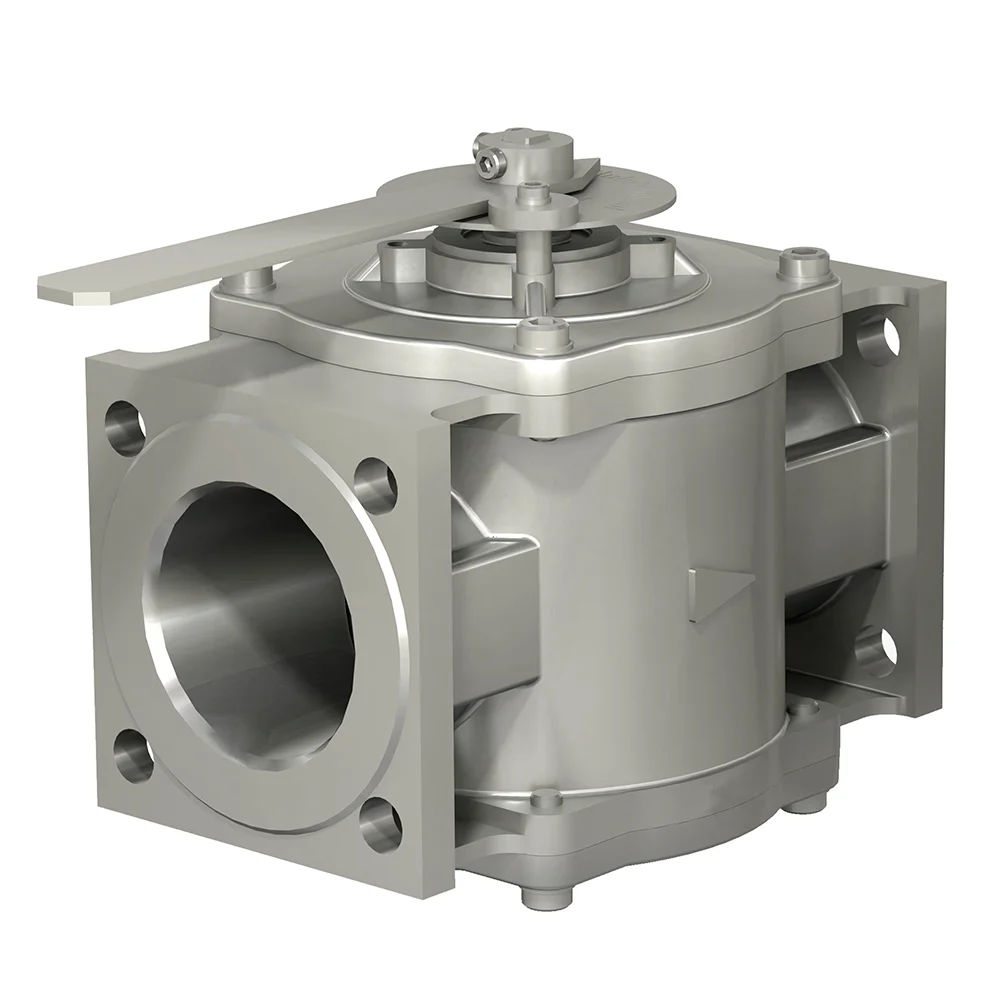
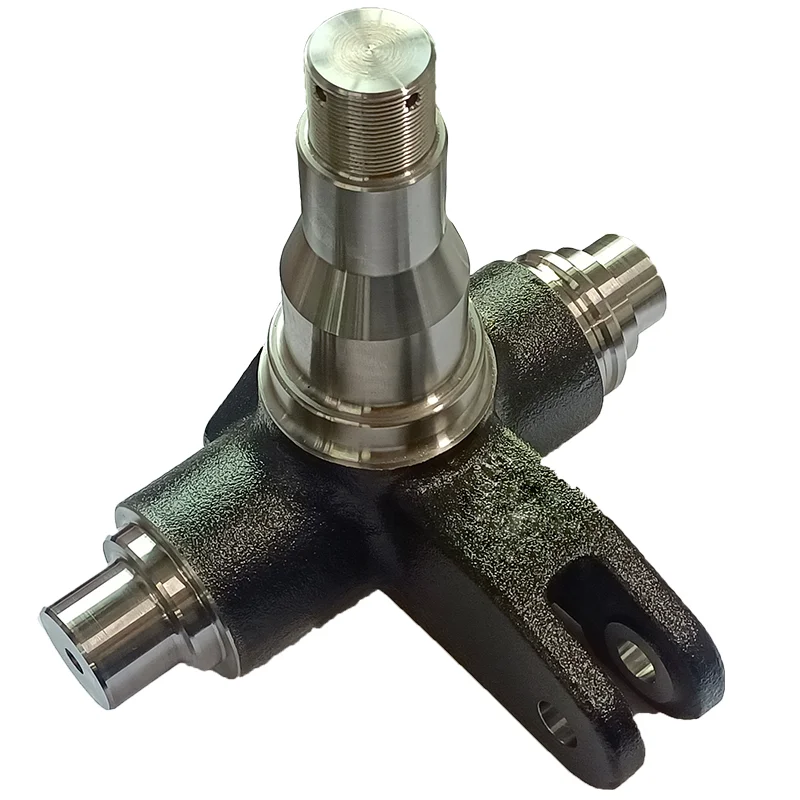
Customized OEM enquiries include copper, bronze and brass castings, with separately specified aluminum or steel components. Select the complete grade, supplied form and compatible sand- or die-casting route for each item. The intended industrial duty should guide that material and process decision.
Show the component and its connections
Provide the geometry of the part and its relationship to adjacent equipment. Mark locating references and the dimensions governing mounting or contact. Define the required material condition and distinguish cast-state areas from interfaces needing a particular final result.
Clarify the chosen surface process
Polishing, anodizing or a Power Coating request needs the intended process and compatible substrate agreed. Specify the required appearance, coverage and condition at working contacts. Identify masking where surface work can affect the component’s dimensional acceptance or assembly fit.
- Drawing formats include PDF, IGS, DWG, STEP and STP.
- The minimum-quantity reference is 1; establish the order unit.
- Provide the requested quantity and controlling revision.
- Identify material and dimensional records needed for approval.
Connect quality records to the actual supply
Request applicable ISO9001:2015 documentation and the relevant holder and activity scope. Explain the component-specific checks required to assess the selected geometry and final condition. Keep approved changes to grade, route and surface requirements attached to the item so repeat requests remain tied to the same industrial function and accepted part definition.