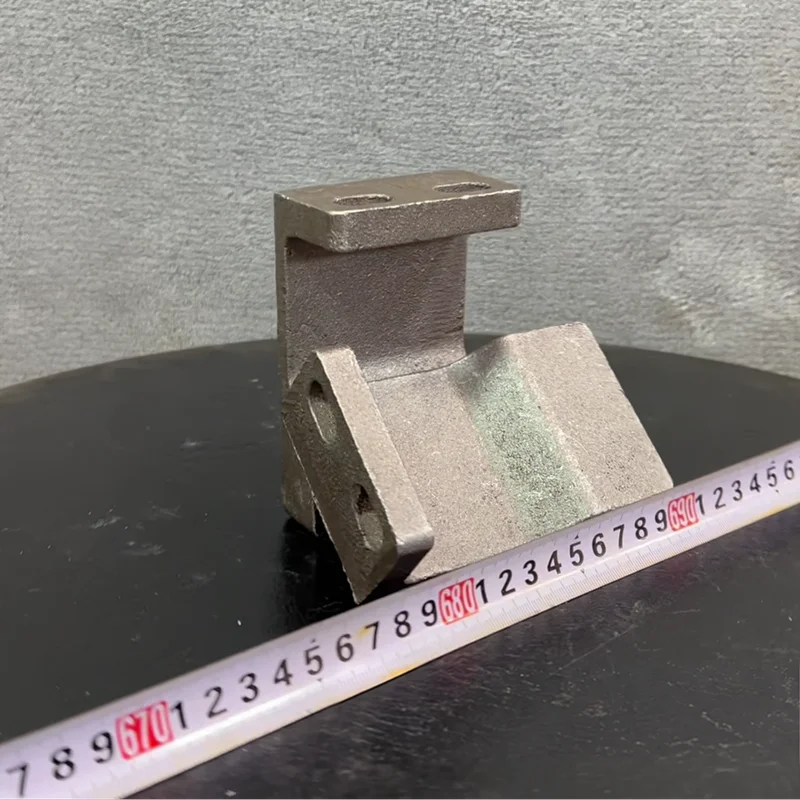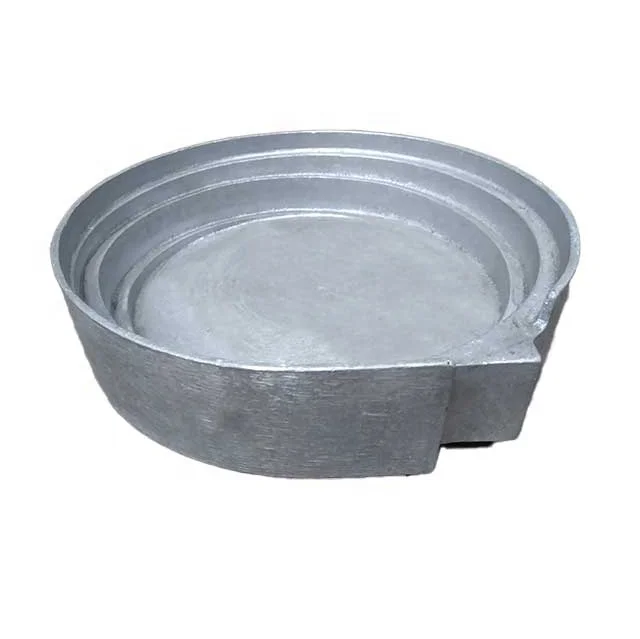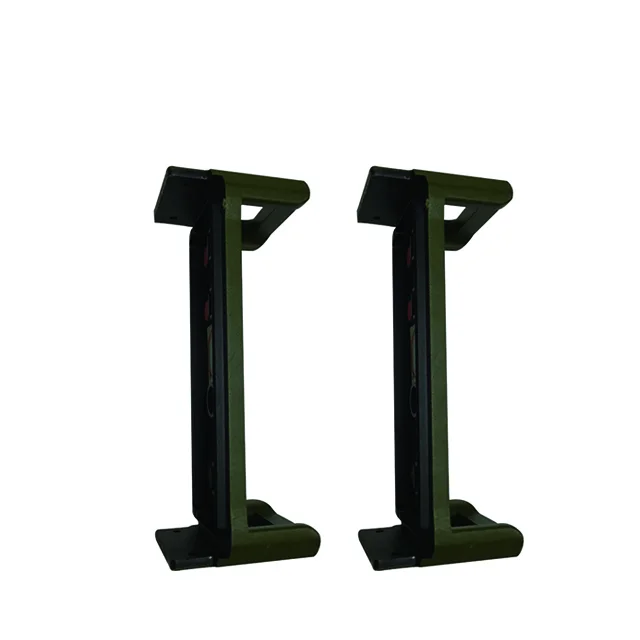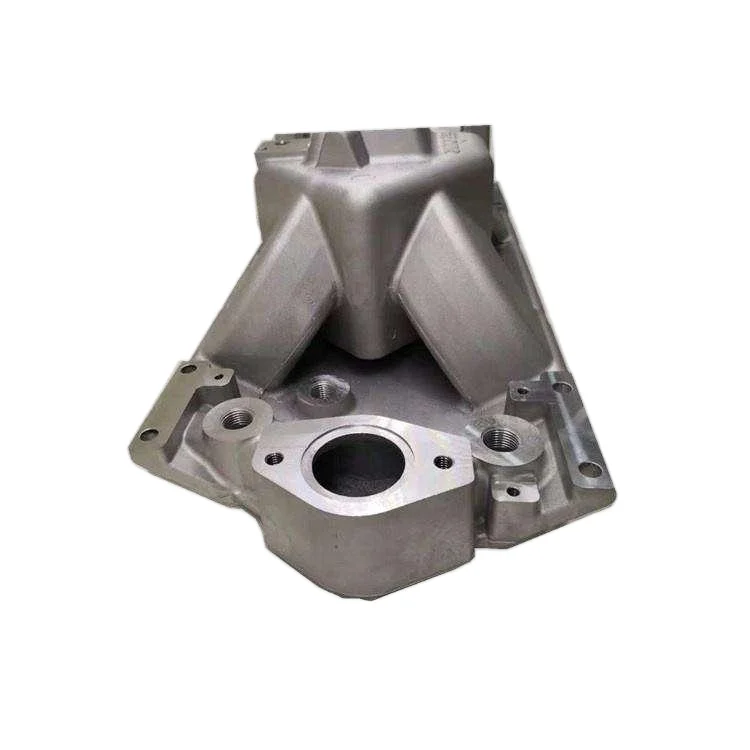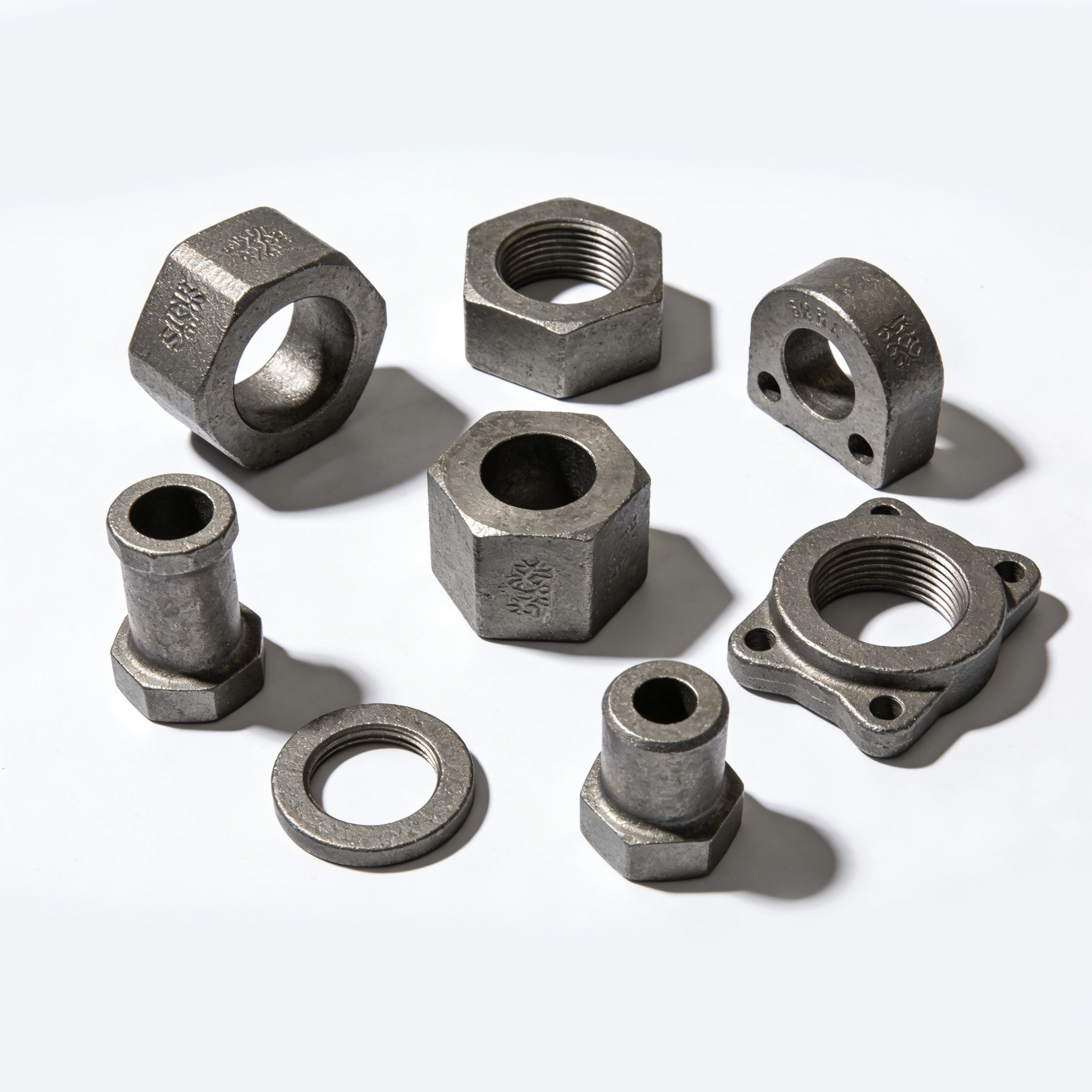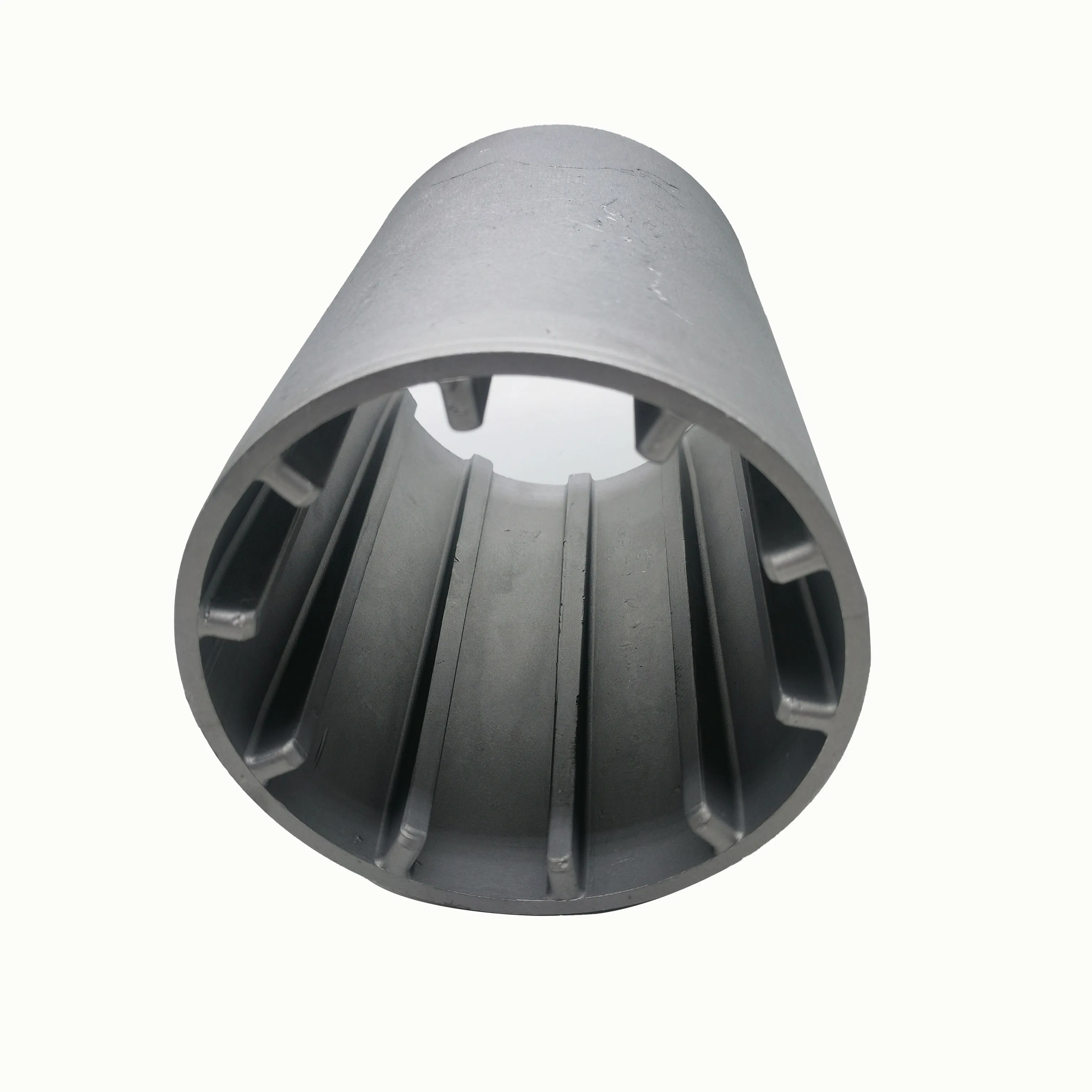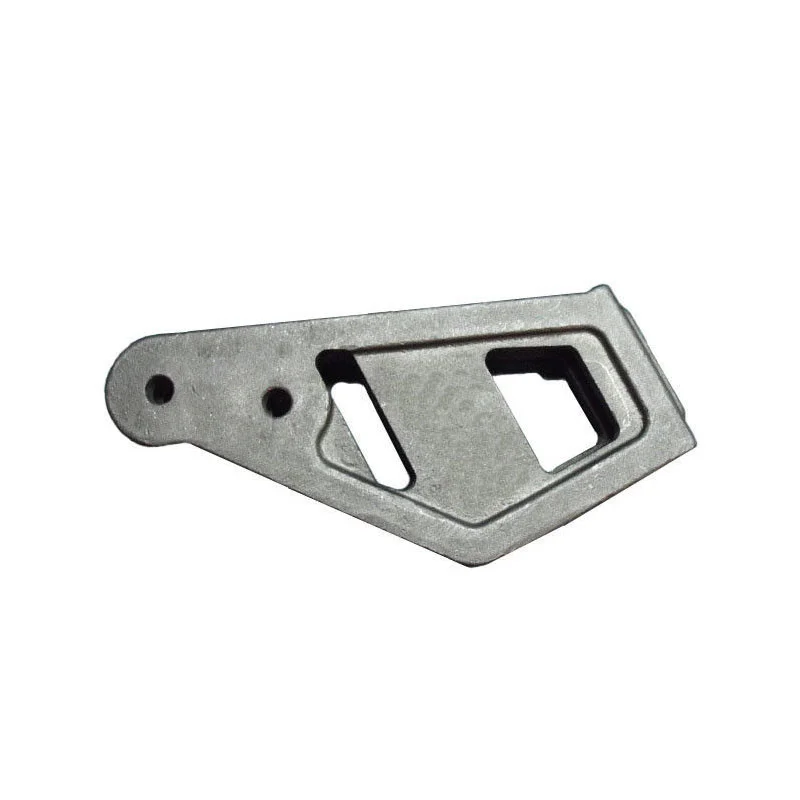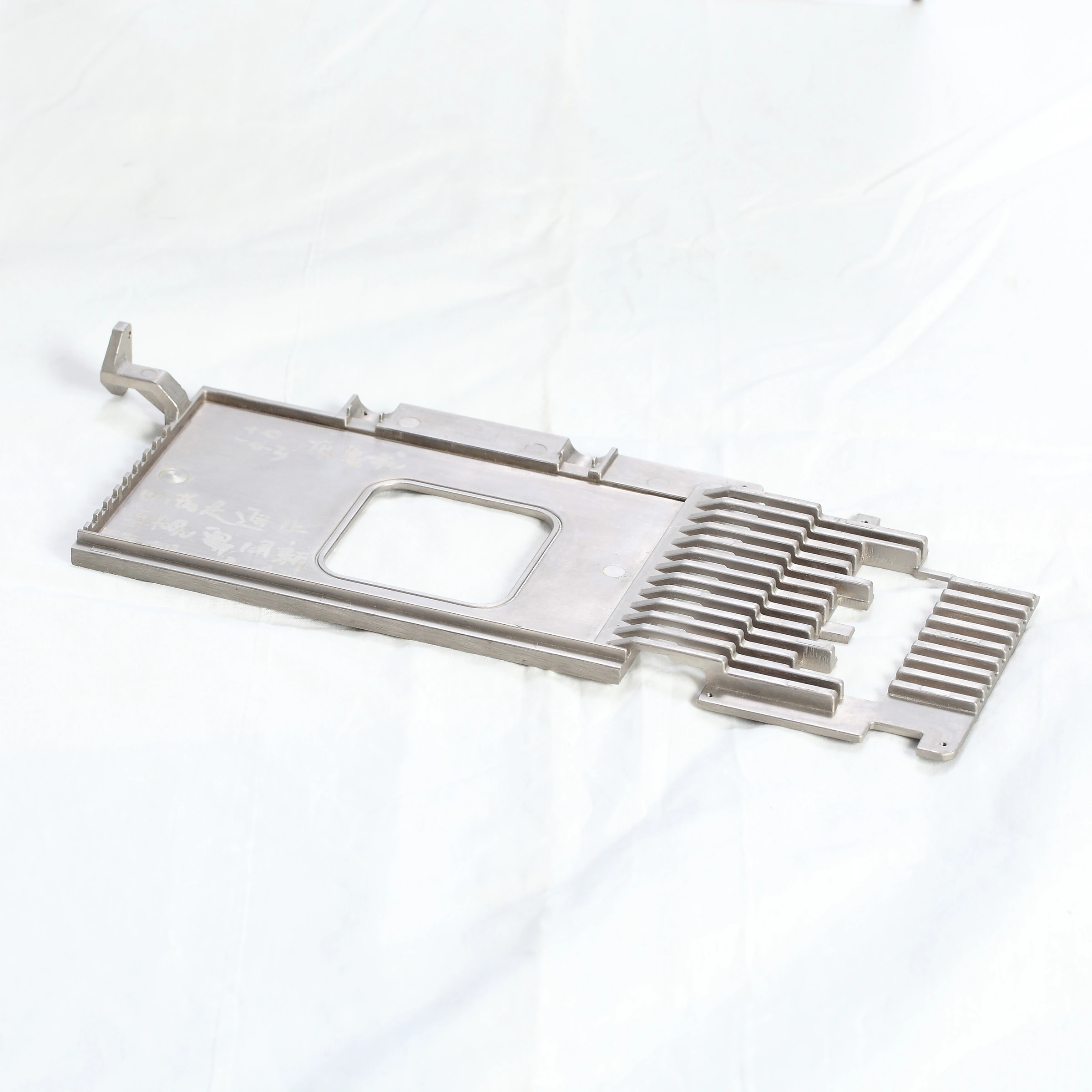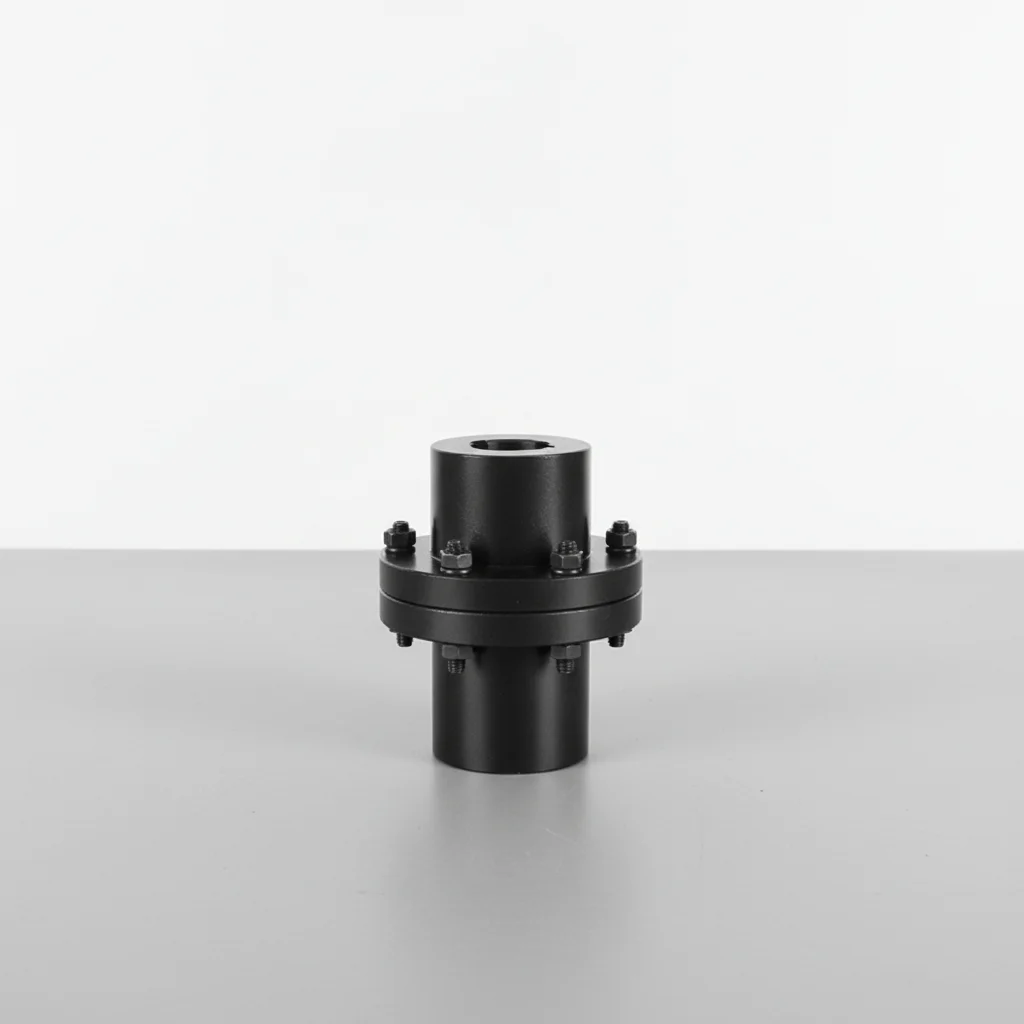
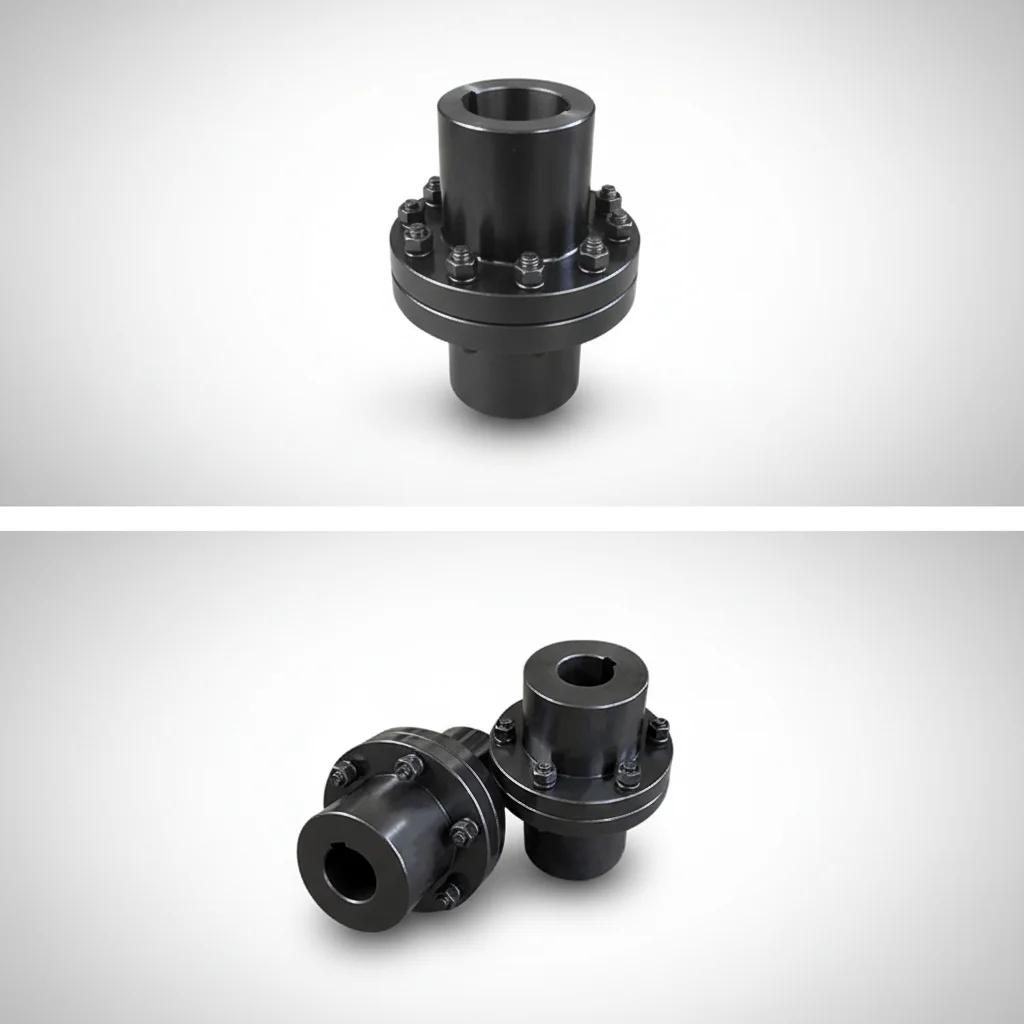
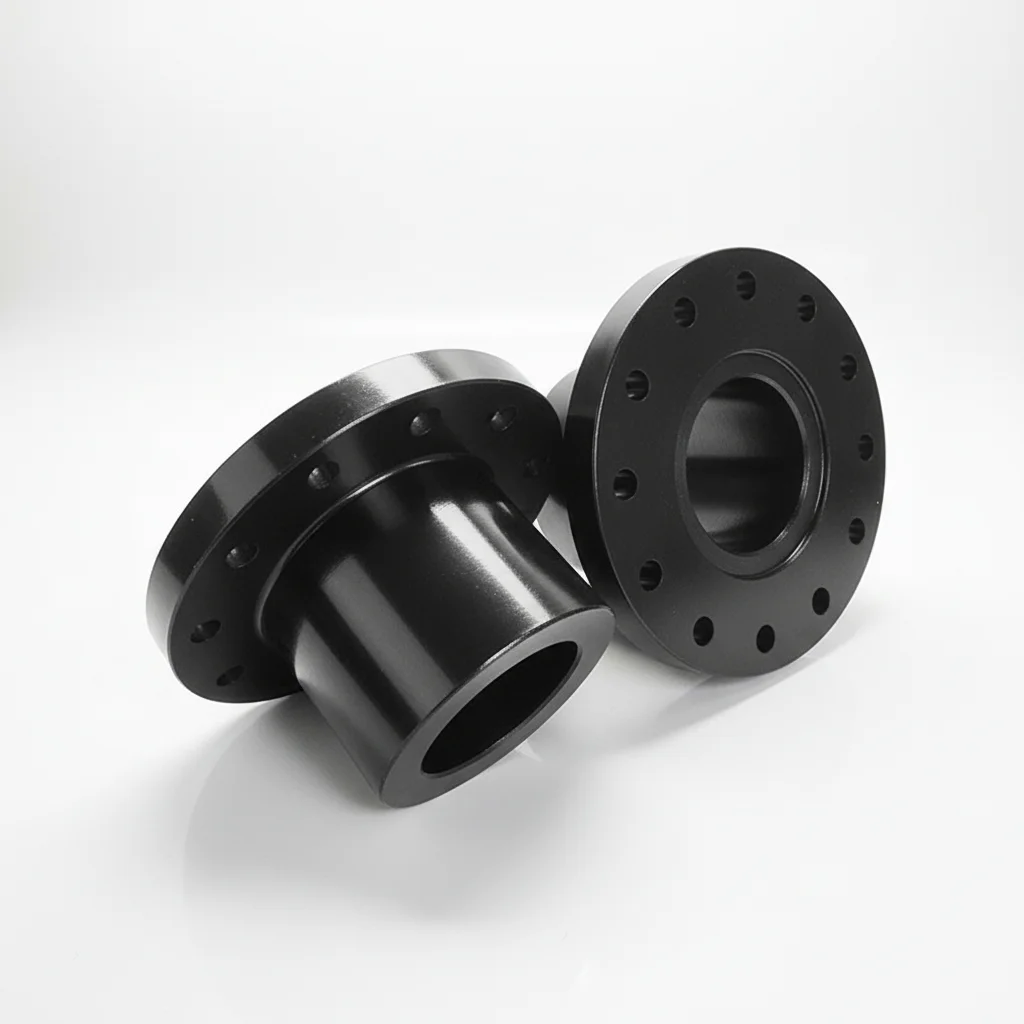
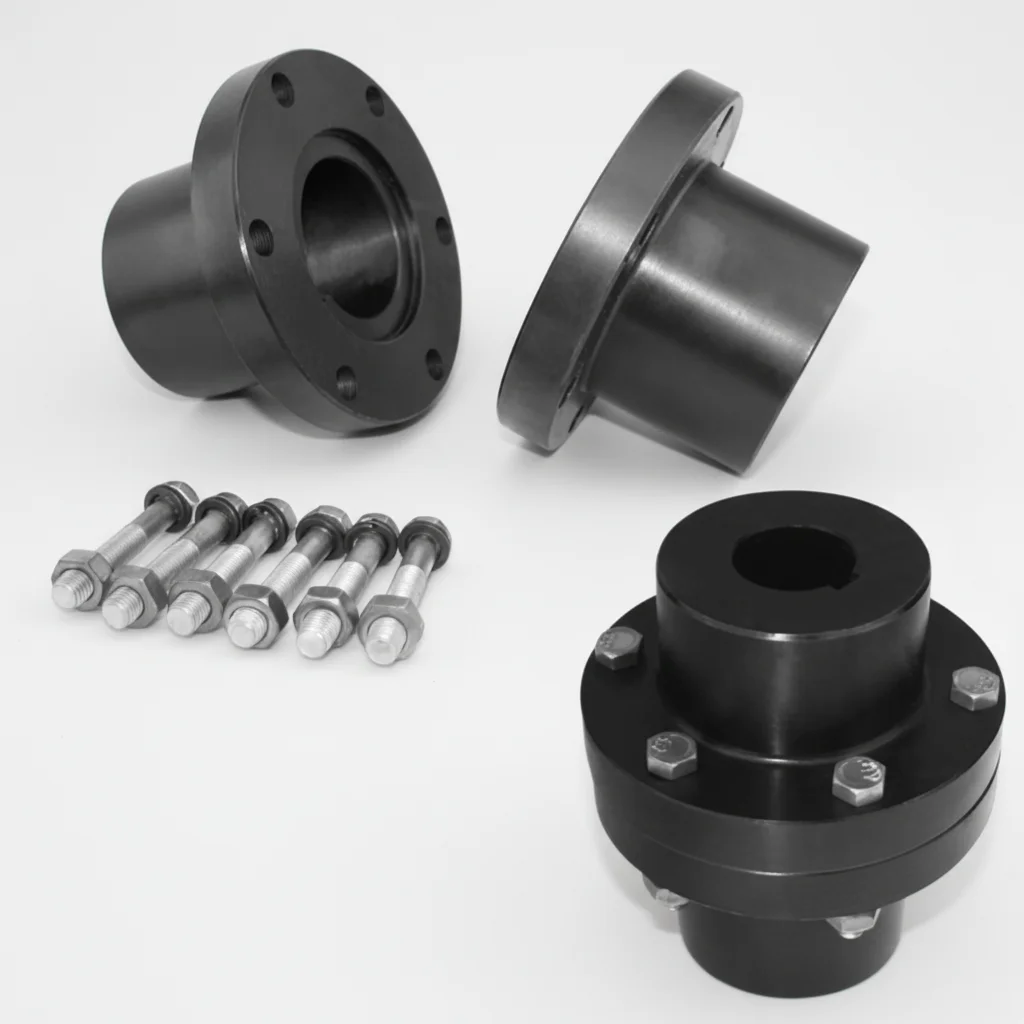
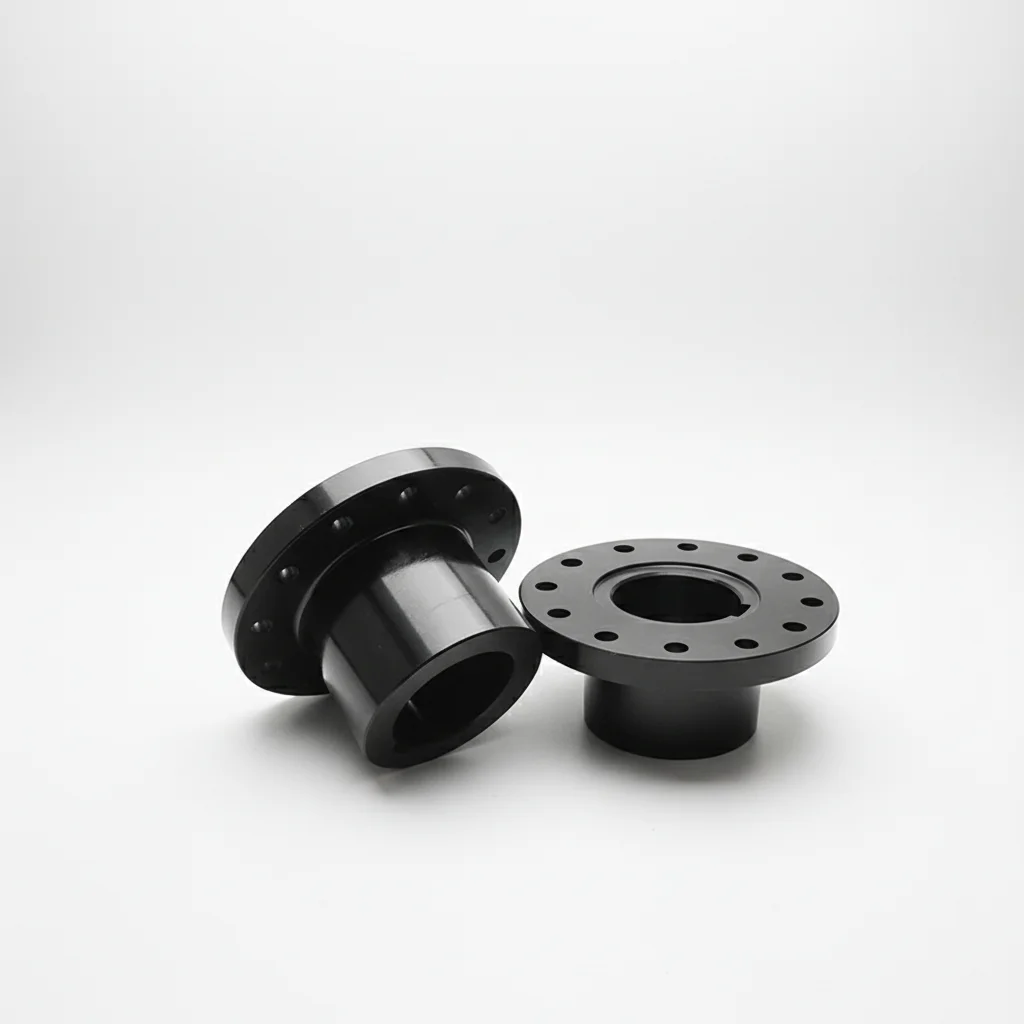
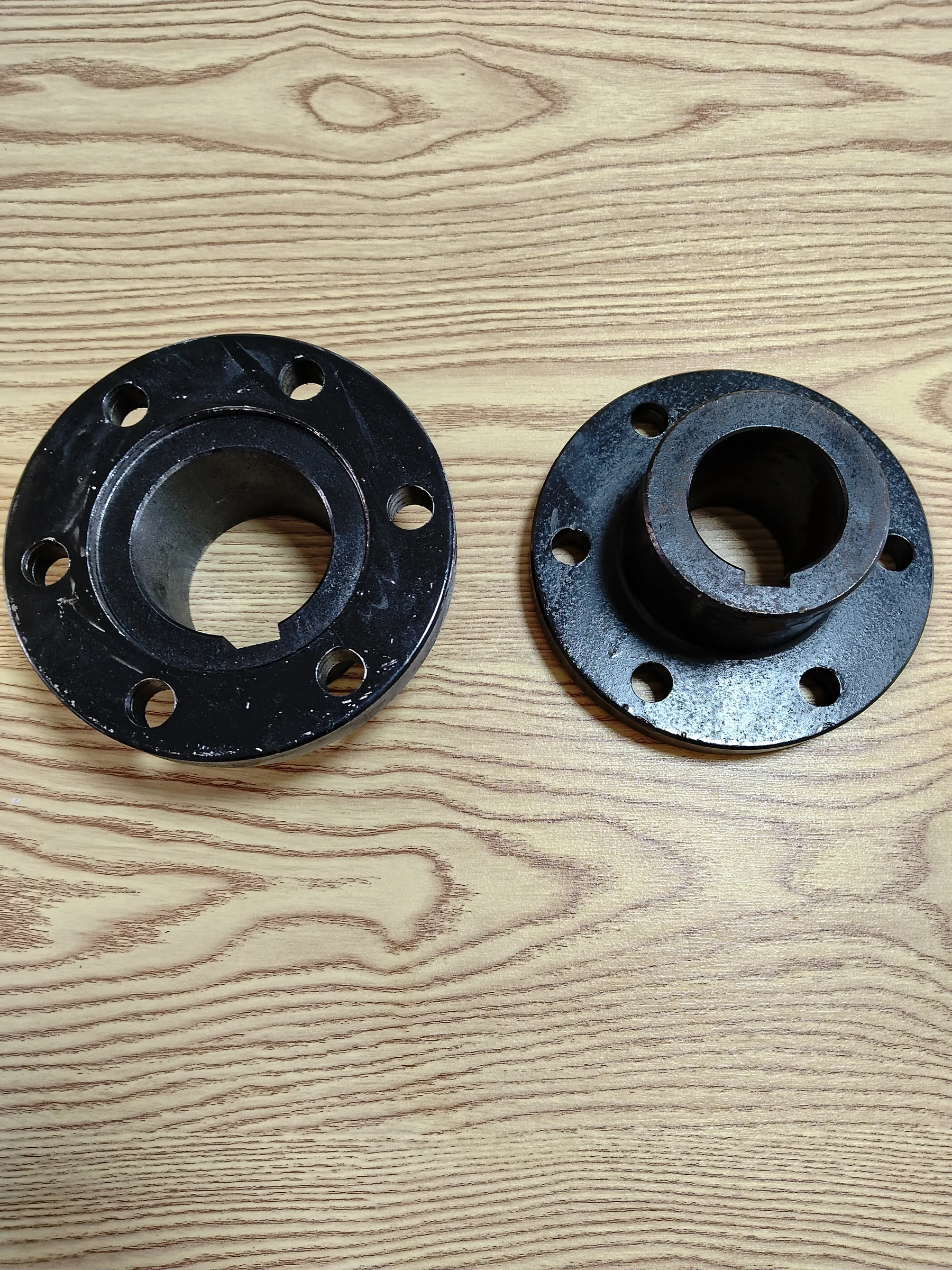
OEM Custom Copper Aluminum Brass Iron Stainless Sand and Lost Wax Cast Machinery Components
Direct factory support
Get a quote that fits your project
Send your drawing or product reference, material grade and required quantity. Relia will review the requirements with you.
- Drawing & specification review
Confirm the supply scope and critical requirements.
- Samples before custom production
Review inspected samples before approving a batch.
- Inspection documents
Agree material and dimensional records for your part.
-
MaterialStainless,Ductile iron.Carbon steel, alloy steel,Surface treatmentCustomers' Demand
-
ApplicationMachinery PartsProduct nameCustom Casting Parts
-
ServiceDrawing CustomizationProcessCasting +Machining(if Need)+surface Treatment
-
CertificationISO9001:2015SizeCustomized Size
-
Quality control0 defects,100% inspection before packingKeywords, steel casting, iron casting, ductile iron casting
Drawing-customized machinery casting enquiries include copper, aluminum, brass, iron and stainless steel, with additional ductile-iron, carbon-steel and alloy-steel requests. Sand or lost-wax casting is selected for the actual component. Specify the complete grade and required condition alongside the controlled geometry.
Use the machinery function to define the part
Show how the component mounts and which mating surfaces establish its position in the assembly. Identify the dimensional relationships that matter to operation or interchangeability. Size follows customer requirements, so the drawing should make the required envelope and controlled interfaces clear.
Specify the finished and treated condition
Machining can be included when needed, with surface treatment selected to customer demand. Mark the areas requiring further work and define the dimensions accepted after it. Include masking or protection requirements where finishing affects a contact or locating surface.
- State the drawing revision and quantity.
- Identify the selected grade and governing material standard.
- Mark measurement datums and inspection locations.
- Define dimensional, material and surface approval records.
Turn the quality target into acceptance criteria
A zero-defect quality target and 100% inspection before packing are stated. Define the actual checks, examination areas and acceptance criteria for the ordered condition so the inspection record is useful for approval. Identify the applicable ISO9001:2015 qualification document and scope. Where a sample is approved, keep that decision connected to the same drawing revision, material requirement and delivered condition as the production order.