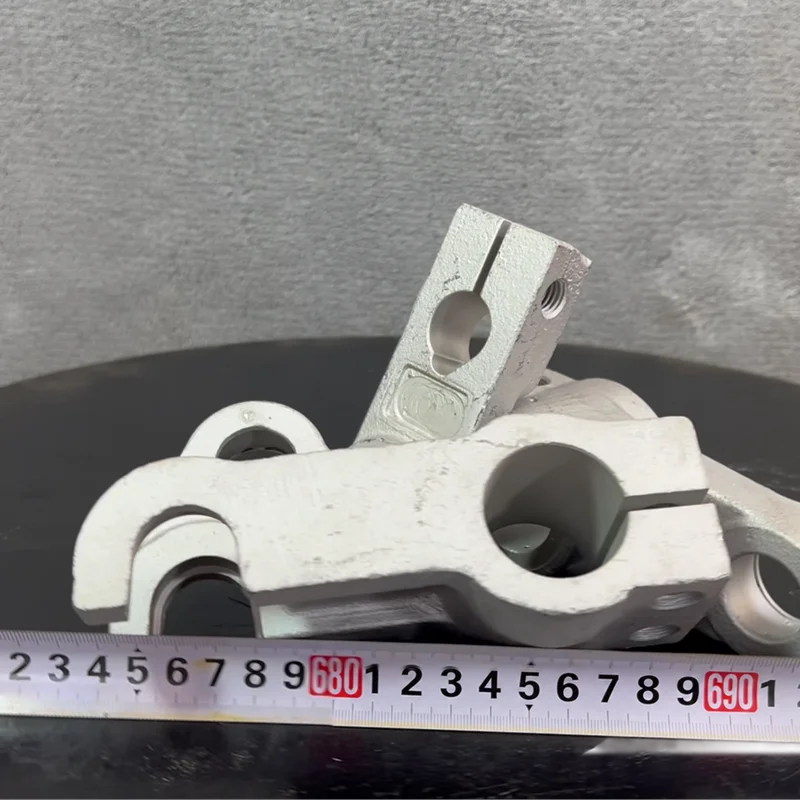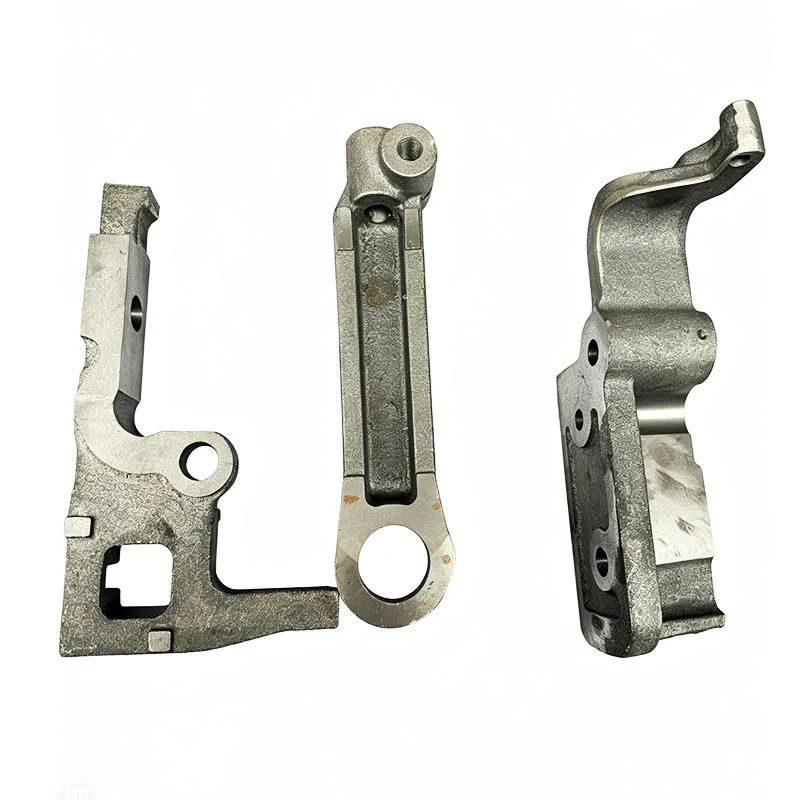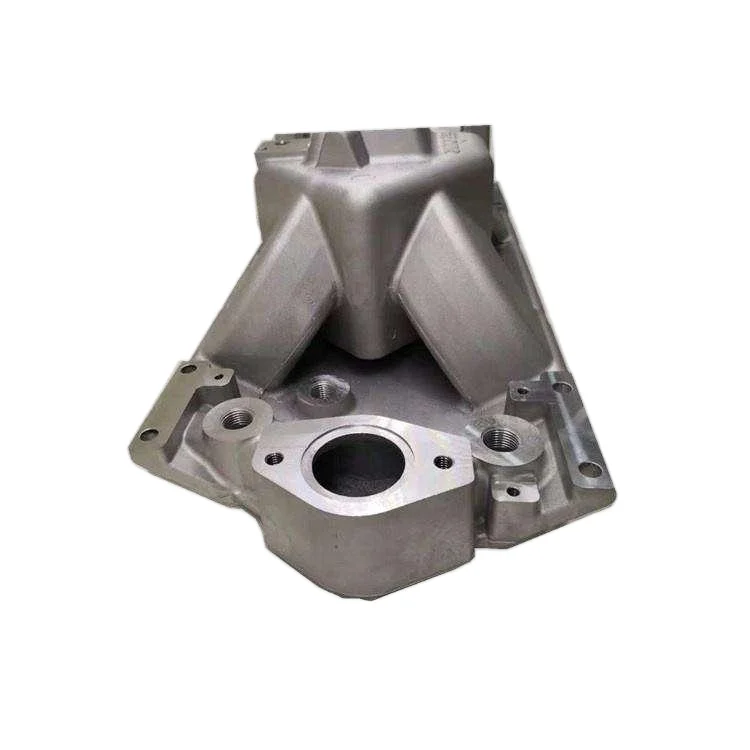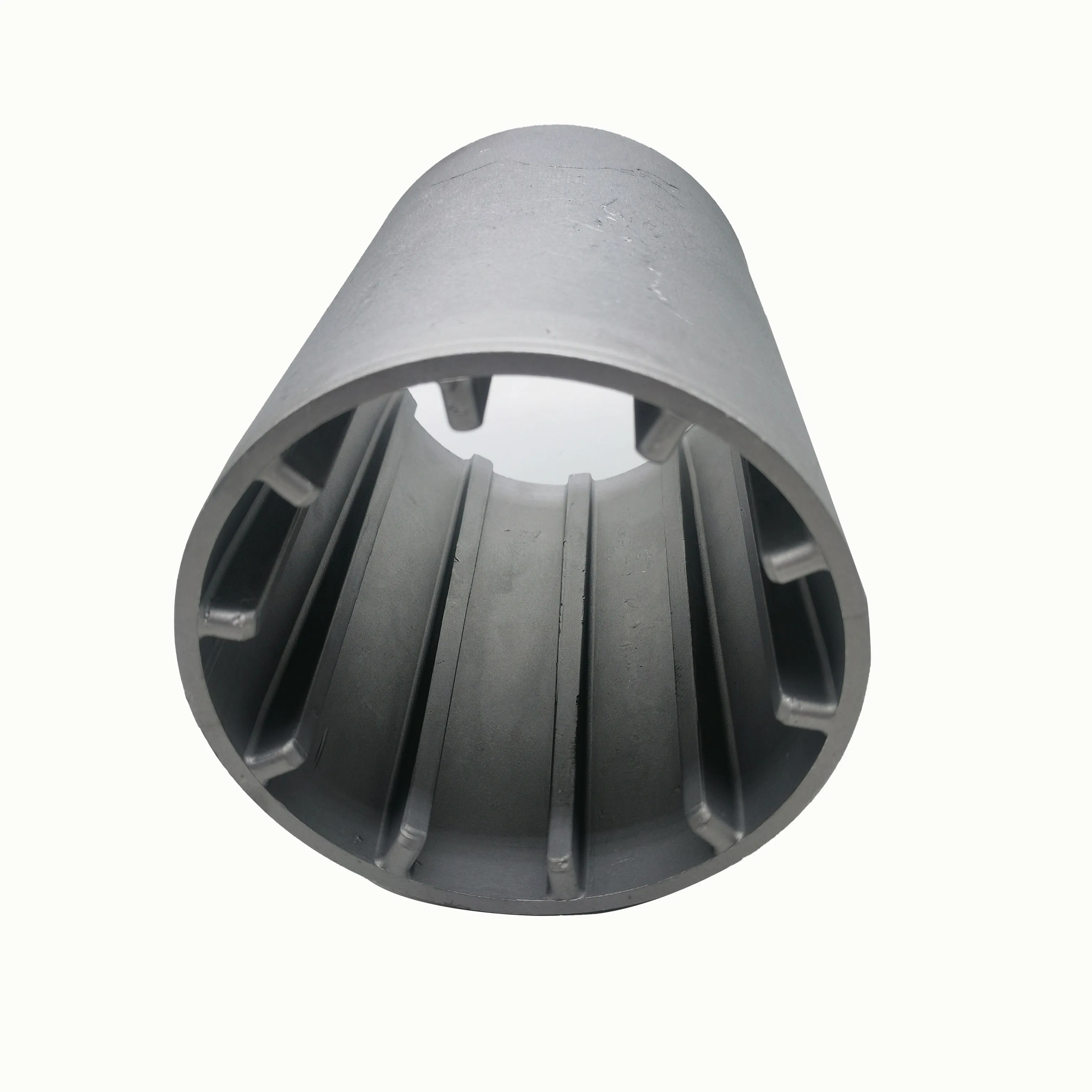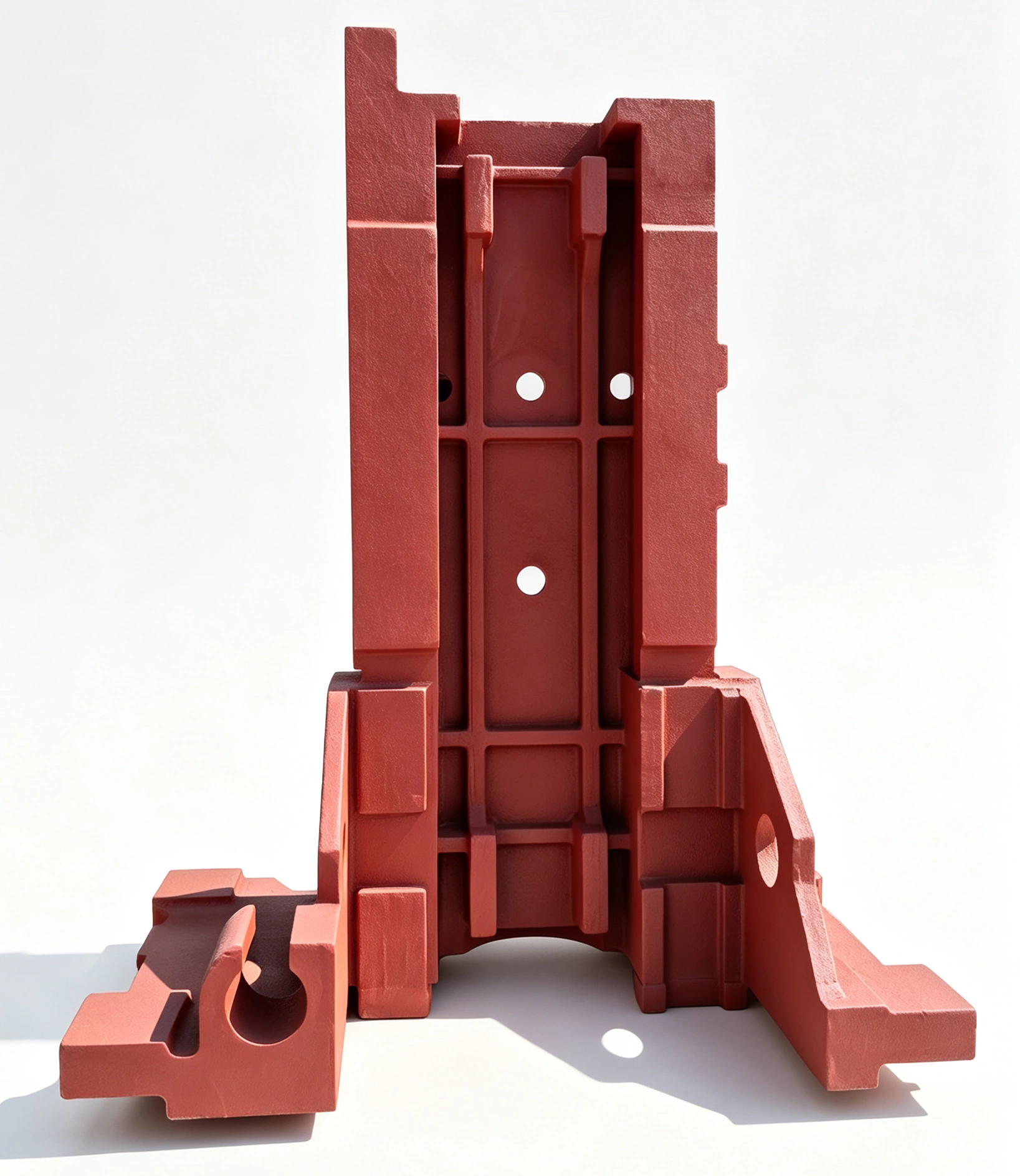
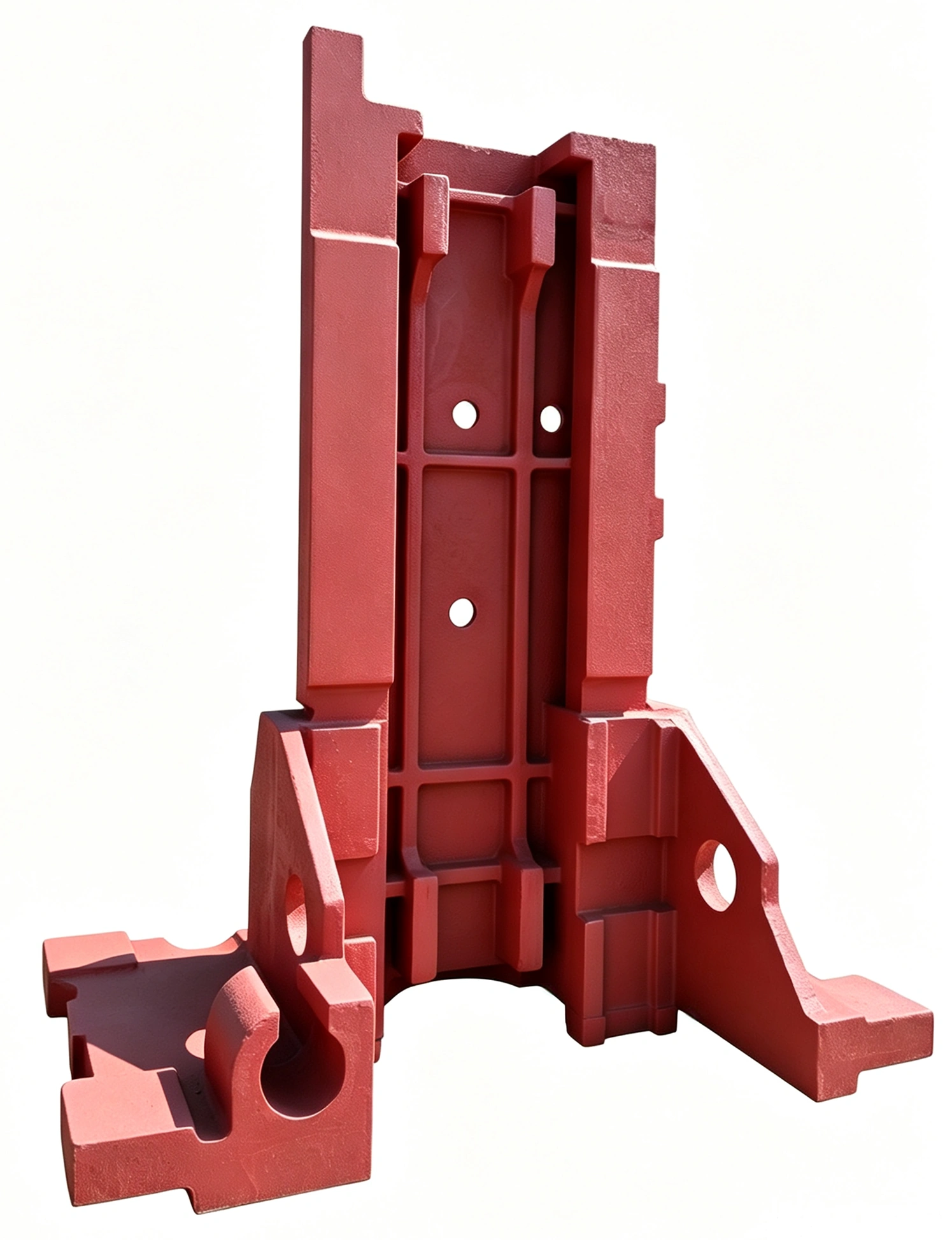
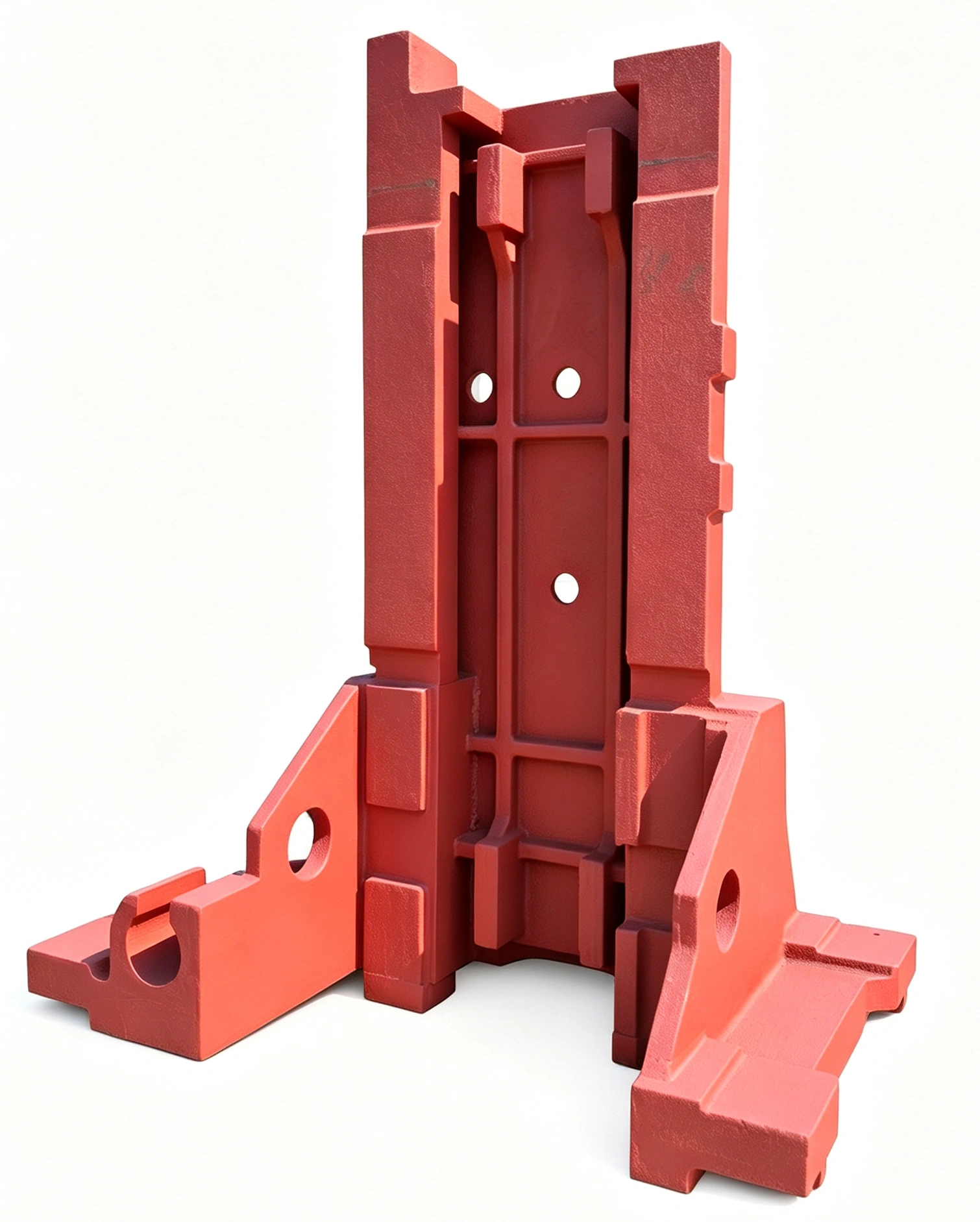
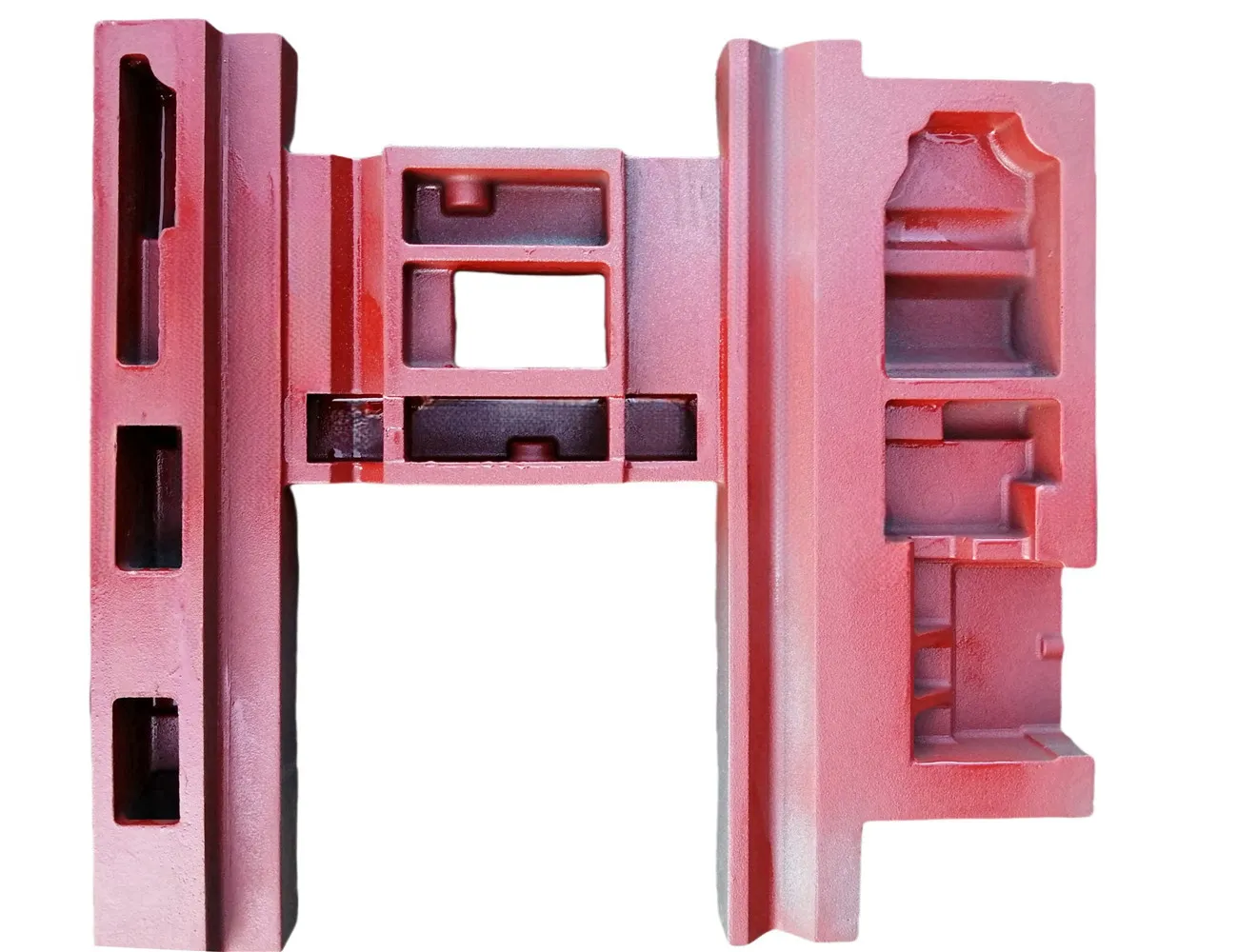
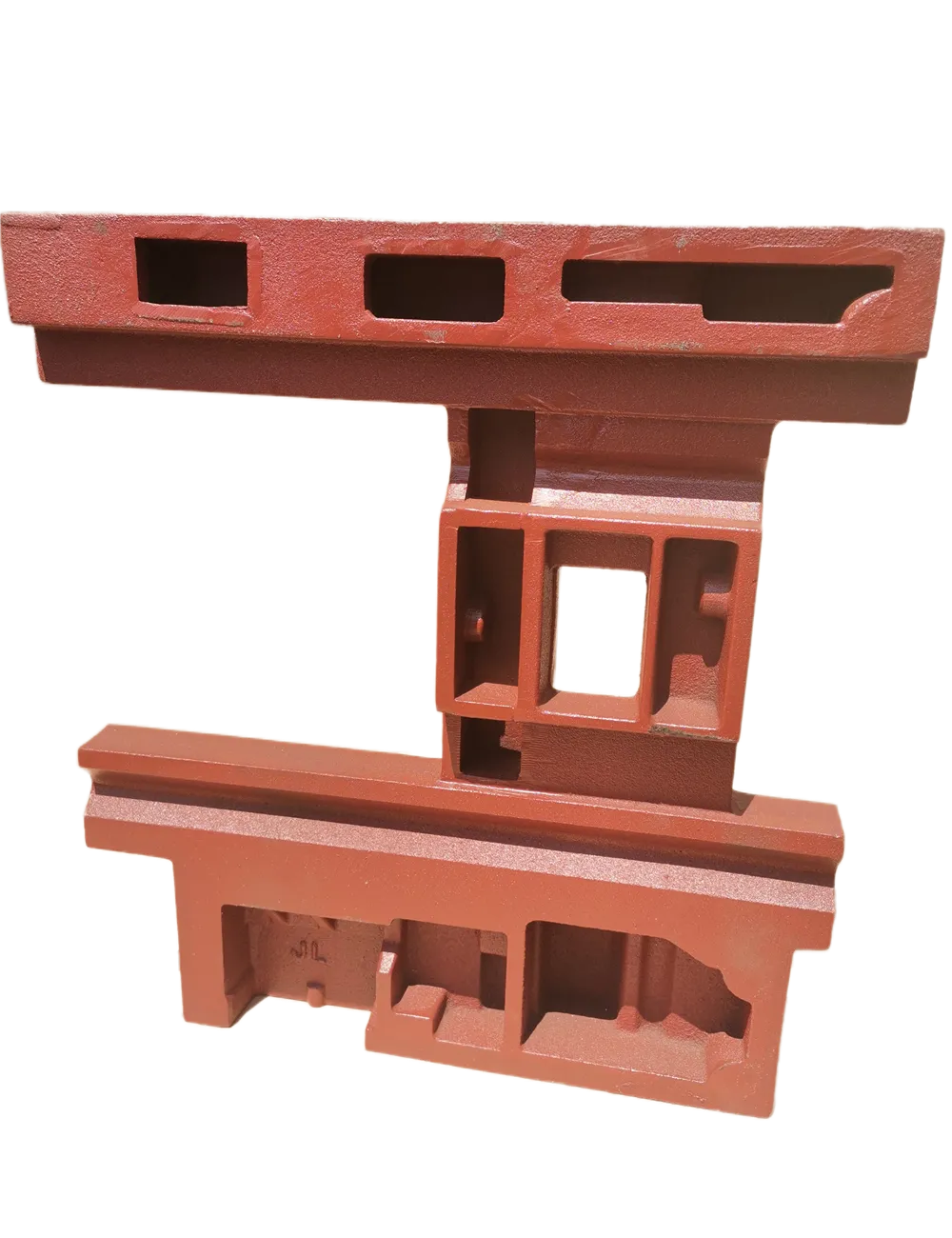
OEM HT300 Grey Iron CNC Machined Lathe Saddle Sand Castings EN GJL 300 ASTM A48 Class40 FC300 Machine Tool Parts
Direct factory support
Get a quote that fits your project
Send your drawing or product reference, material grade and required quantity. Relia will review the requirements with you.
- Drawing & specification review
Confirm the supply scope and critical requirements.
- Samples before custom production
Review inspected samples before approving a batch.
- Inspection documents
Agree material and dimensional records for your part.
-
Molding MethodGreen Sand Casting/Resin Bonded Sand CastingProduct MaterialHT300, EN-GJL-300, ASTM A48 Class40, FC300
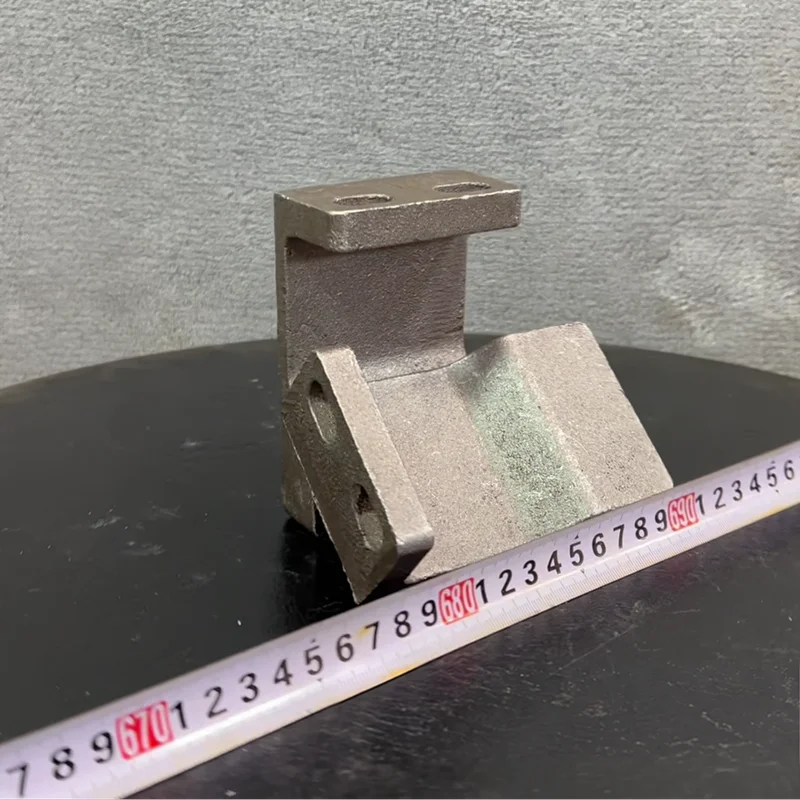
Custom gray-iron lathe saddles can be produced to an OEM machine-tool drawing using green-sand or resin-bonded-sand molding and CNC machining. Define the saddle around its sliding, mounting and locating relationships. Heavy-duty and precision requirements should be expressed as the actual load case and interface acceptance.
Choose the governing gray-iron grade
References include HT300, EN-GJL-300, ASTM A48 Class40 and FC300. Identify the complete document and selected grade with its required material condition. Establish the requirements for that selection instead of assuming that the cross-standard names are automatically interchangeable.
Show the saddle within the lathe
Provide the geometry of adjoining machine elements and the working relationships the saddle must maintain. Mark the datums controlling alignment and installation. Describe the intended duty and loading arrangement relevant to the chosen design.
Define the final machined interfaces
Distinguish cast-state regions from sliding and mounting surfaces requiring CNC work. Put dimensional and surface limits on the relevant areas of the drawing. Specify measurement conditions for relationships assessed together so approval reflects the required machine-tool fit.
Set the saddle approval record
State quantity, the controlling revision and the required supplied condition. Identify material, dimensional and surface records needed for acceptance of the selected saddle. Explain what an initial component must demonstrate, and retain accepted grade and geometry changes with that machine-tool component definition for subsequent machine-tool saddle orders.