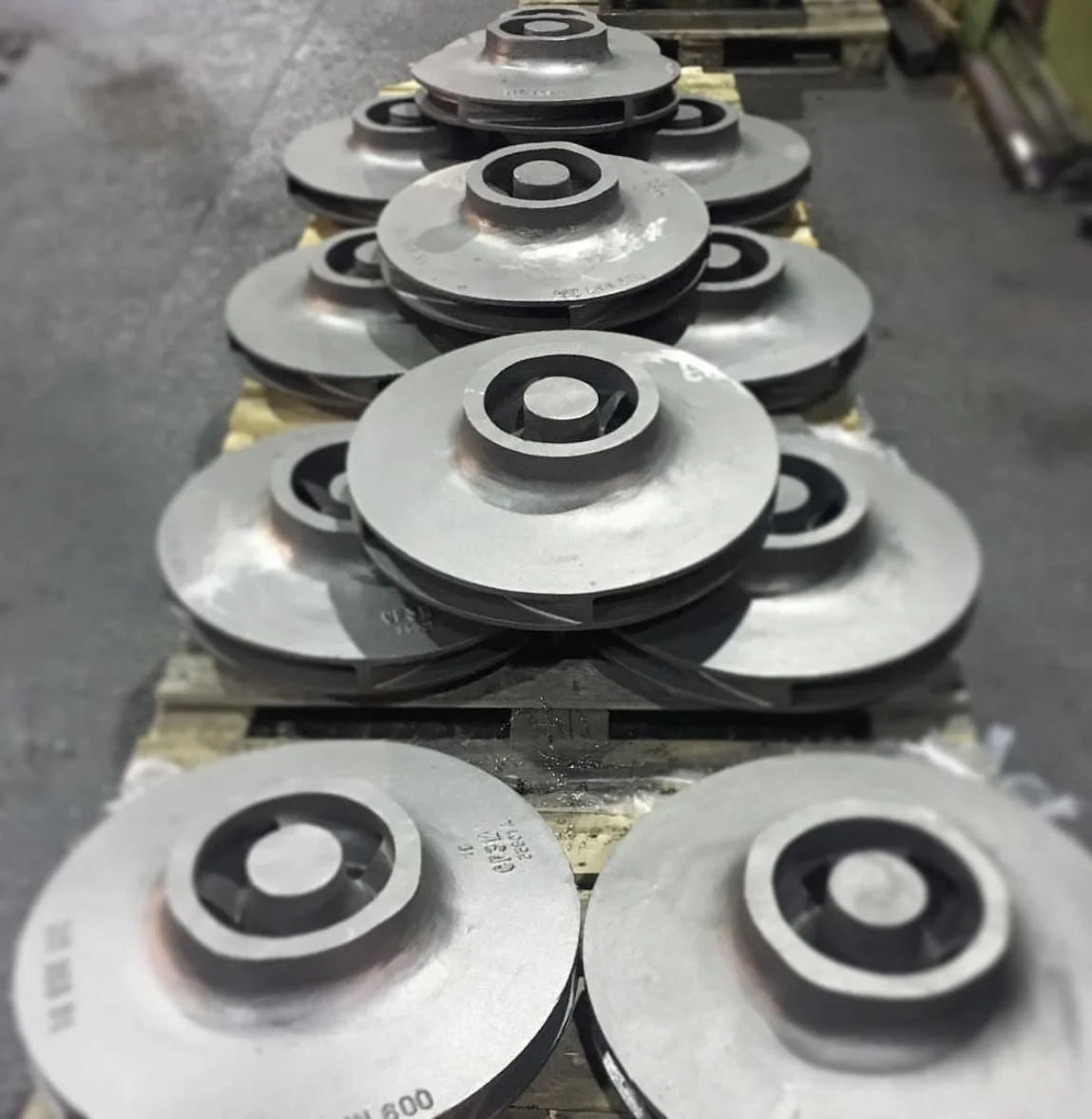
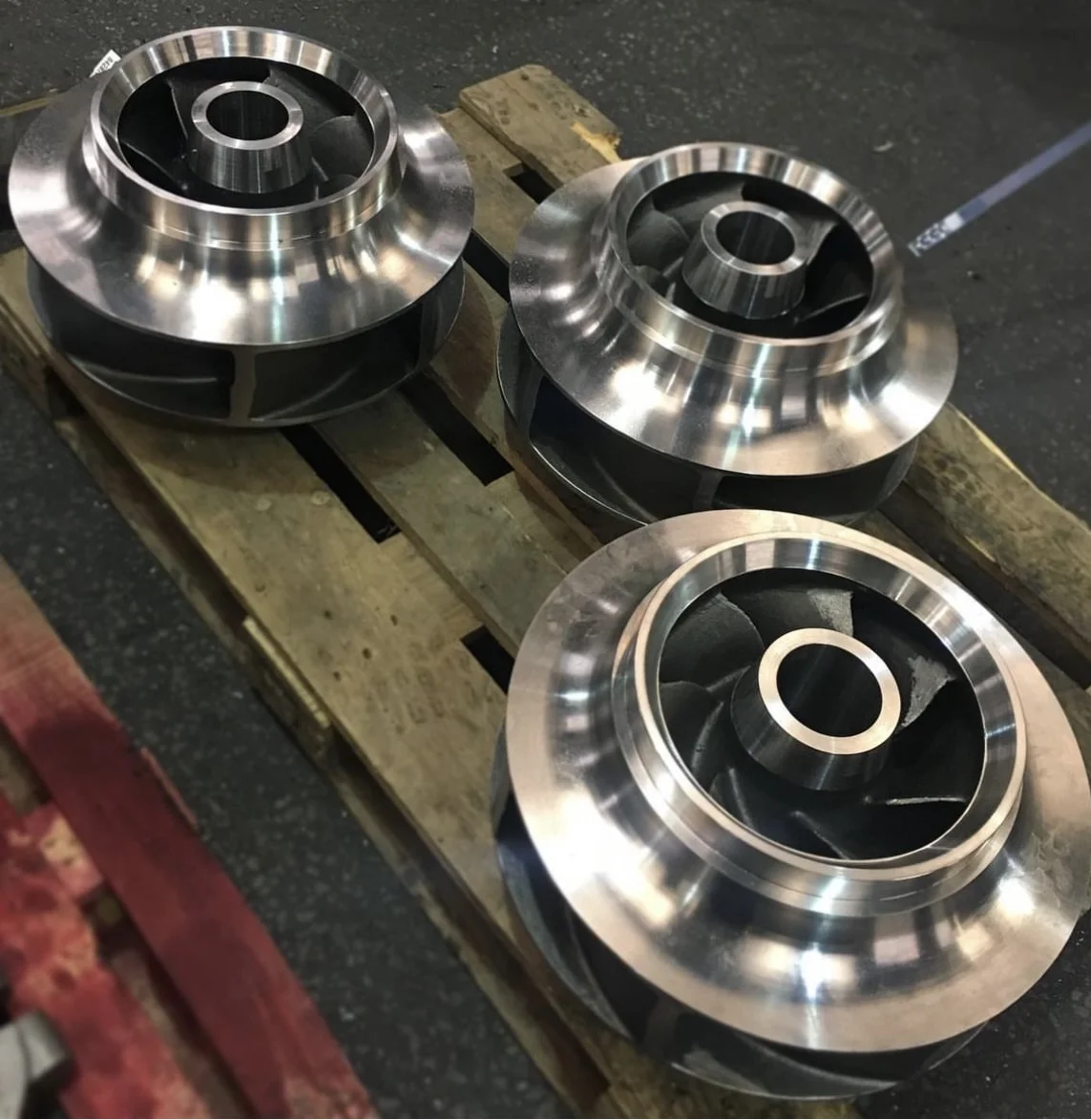
OEM ODM Aluminum Sand Gravity Die Cast CNC Parts and Separate Stainless Steel Carbon Steel Alloy Steel Components
Direct factory support
Get a quote that fits your project
Send your drawing or product reference, material grade and required quantity. Relia will review the requirements with you.
- Drawing & specification review
Confirm the supply scope and critical requirements.
- Samples before custom production
Review inspected samples before approving a batch.
- Inspection documents
Agree material and dimensional records for your part.
-
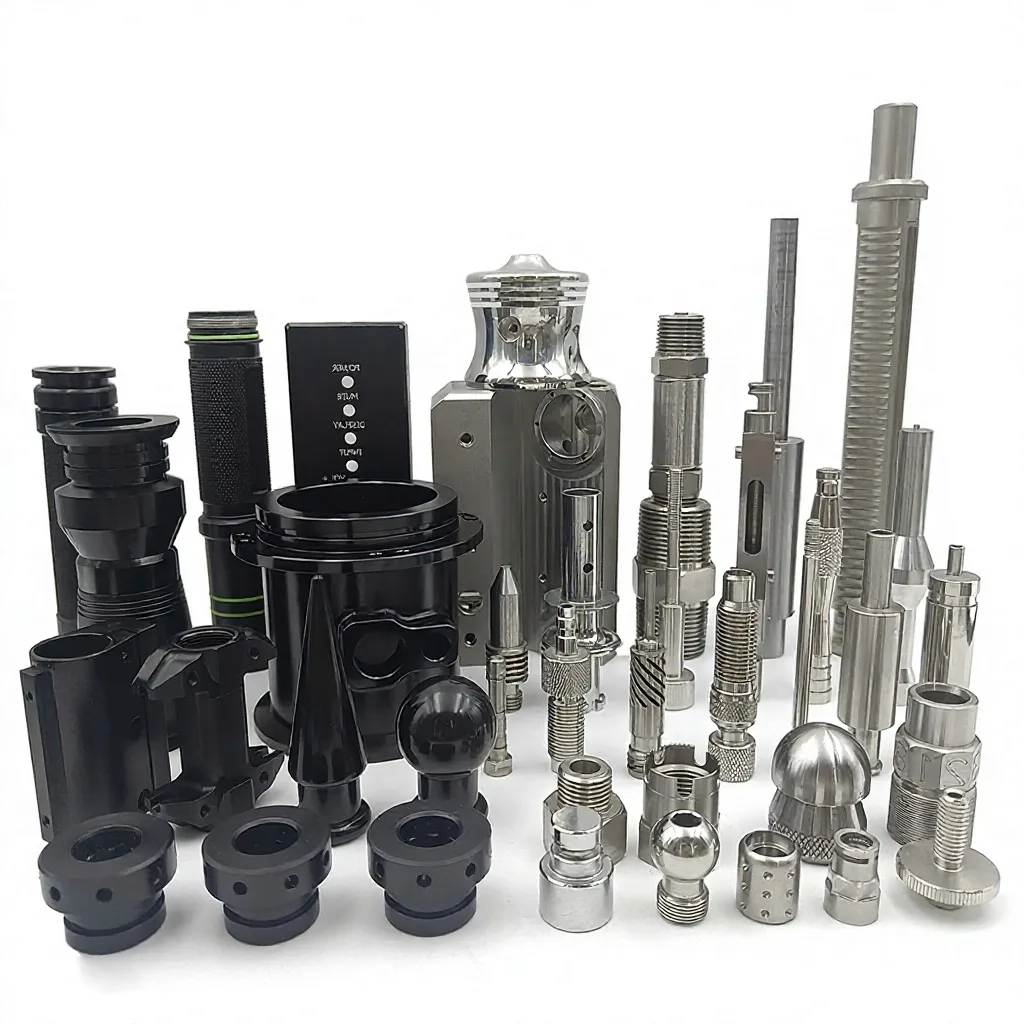
CNC Machining or NotCNC MachiningTypeBroaching, Drilling, Etching / Chemical Machining, Laser Machining, Milling, Other Machining Services, Turning, Wire EDM, Rapid Prototyping
-
Material CapabilitiesAluminum, Brass, Bronze, Copper, Hardened Metals, Precious Metals, Stainless Steel, Steel AlloysMicro Machining or NotMicro Machining
-
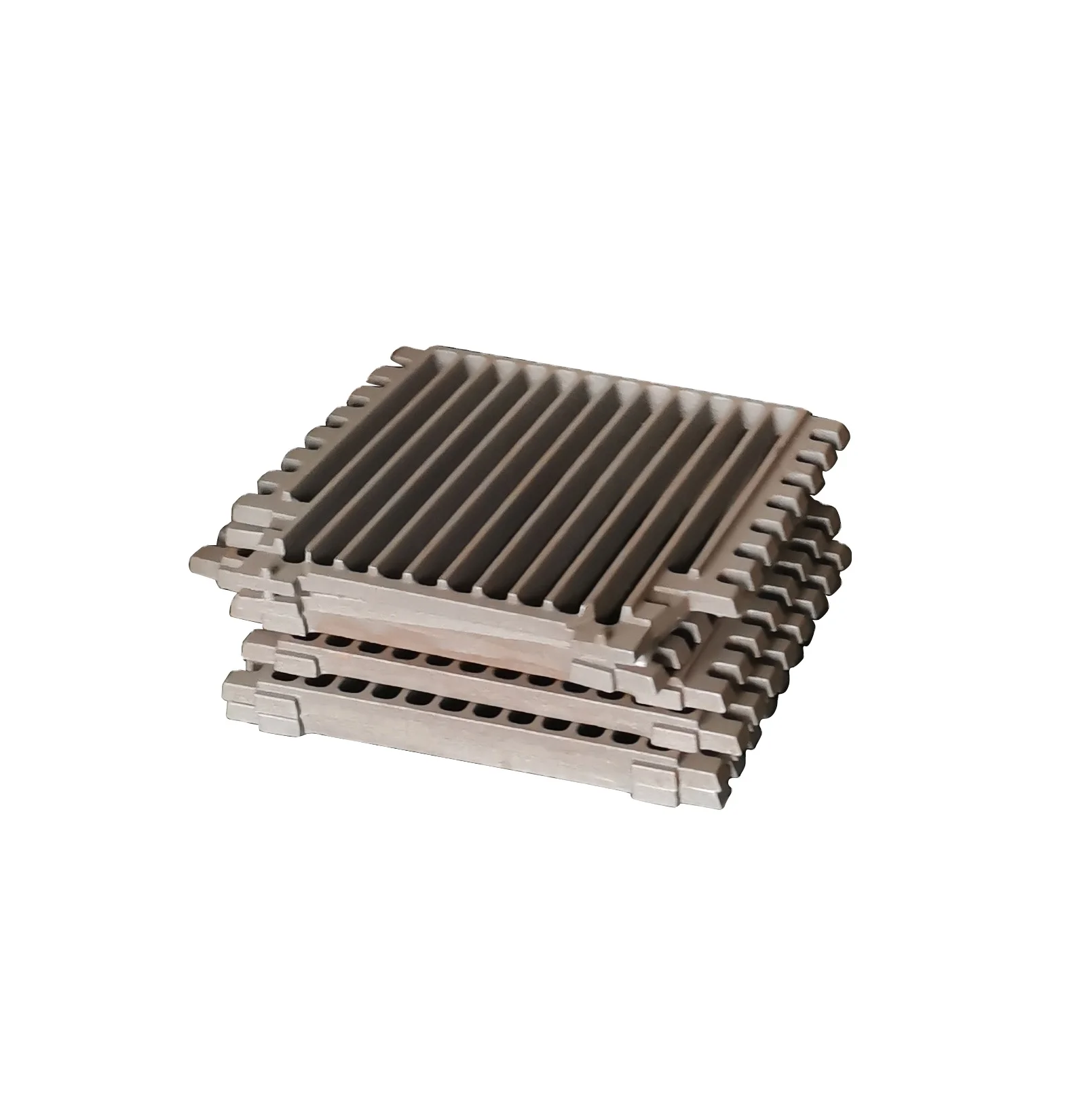
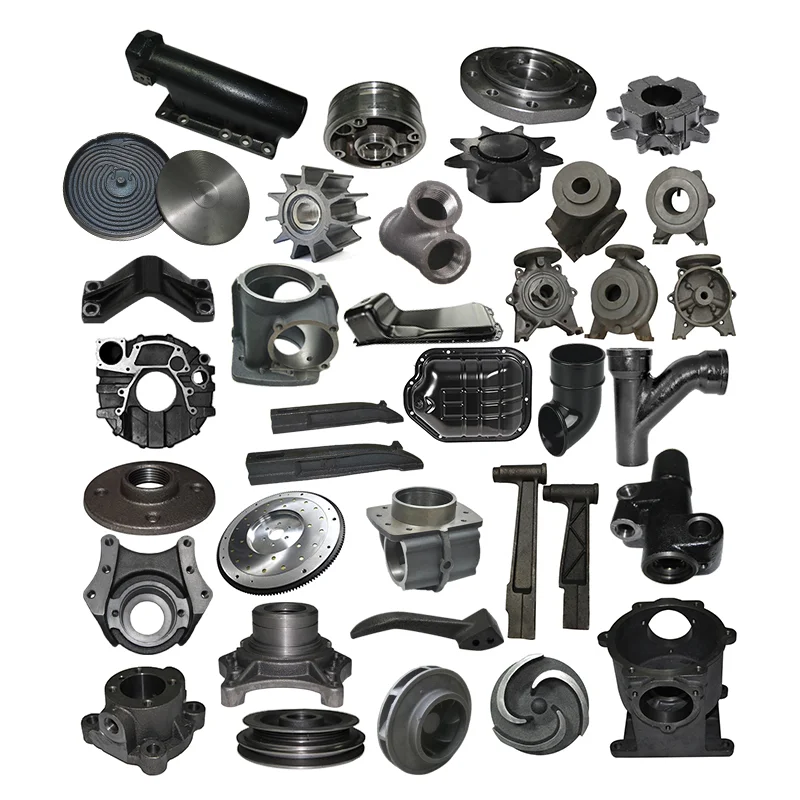
NameHigh Quality Metal Aluminium Sand Gravity Die Casting Service
-
CertificateISO9001:2018 CE TUVCasting ToleranceCT5-7
-
StandardGB ASTM AISI DIN BSMaterailStainless Steel Carbon Steel Alloy Steel
-
FinishSatin Mirror Zinc PlatedServiceOEM ODM
-
Machining ProcessCNC Finishing ProcessLead TimeProduction: 10-20 Days
-
MOQ1
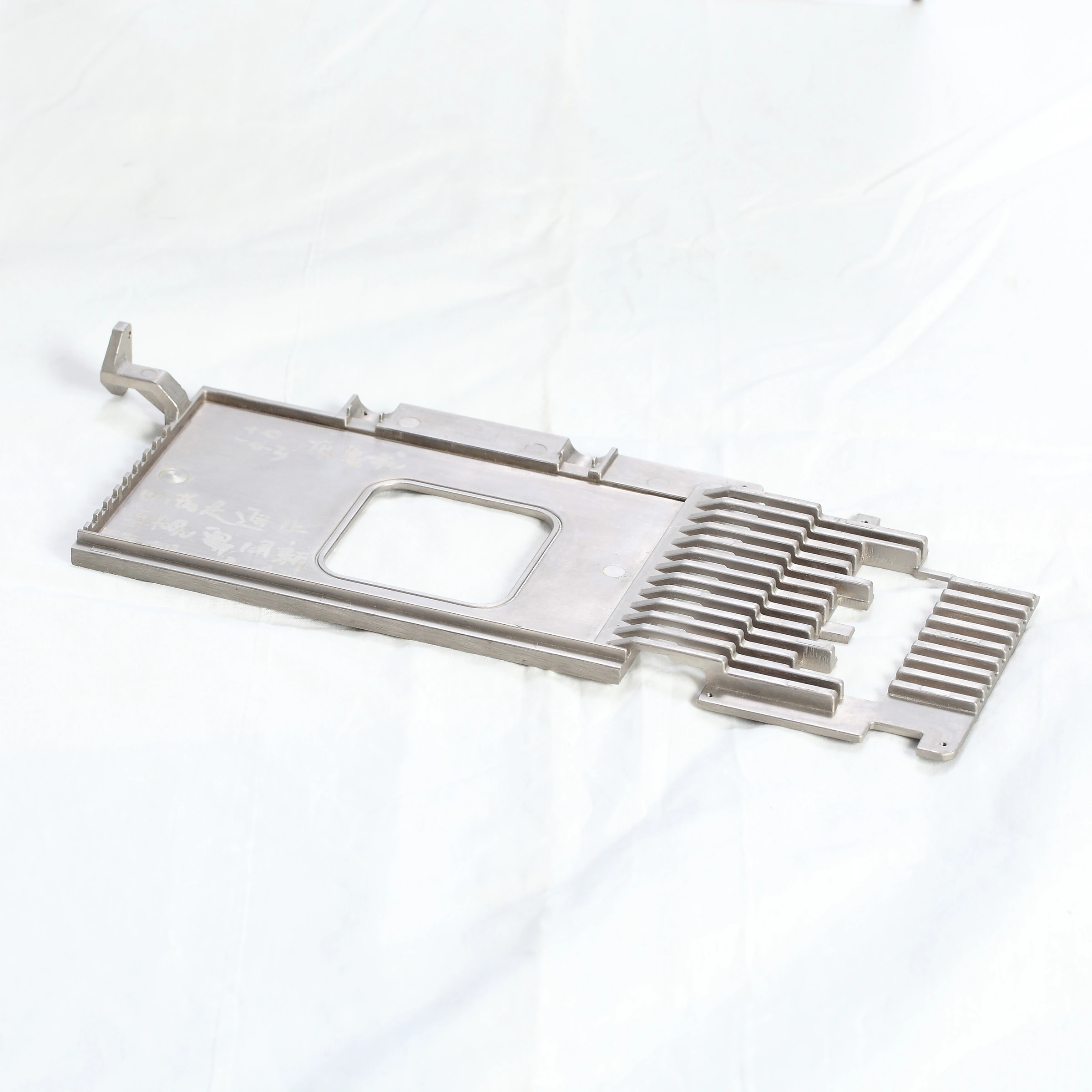
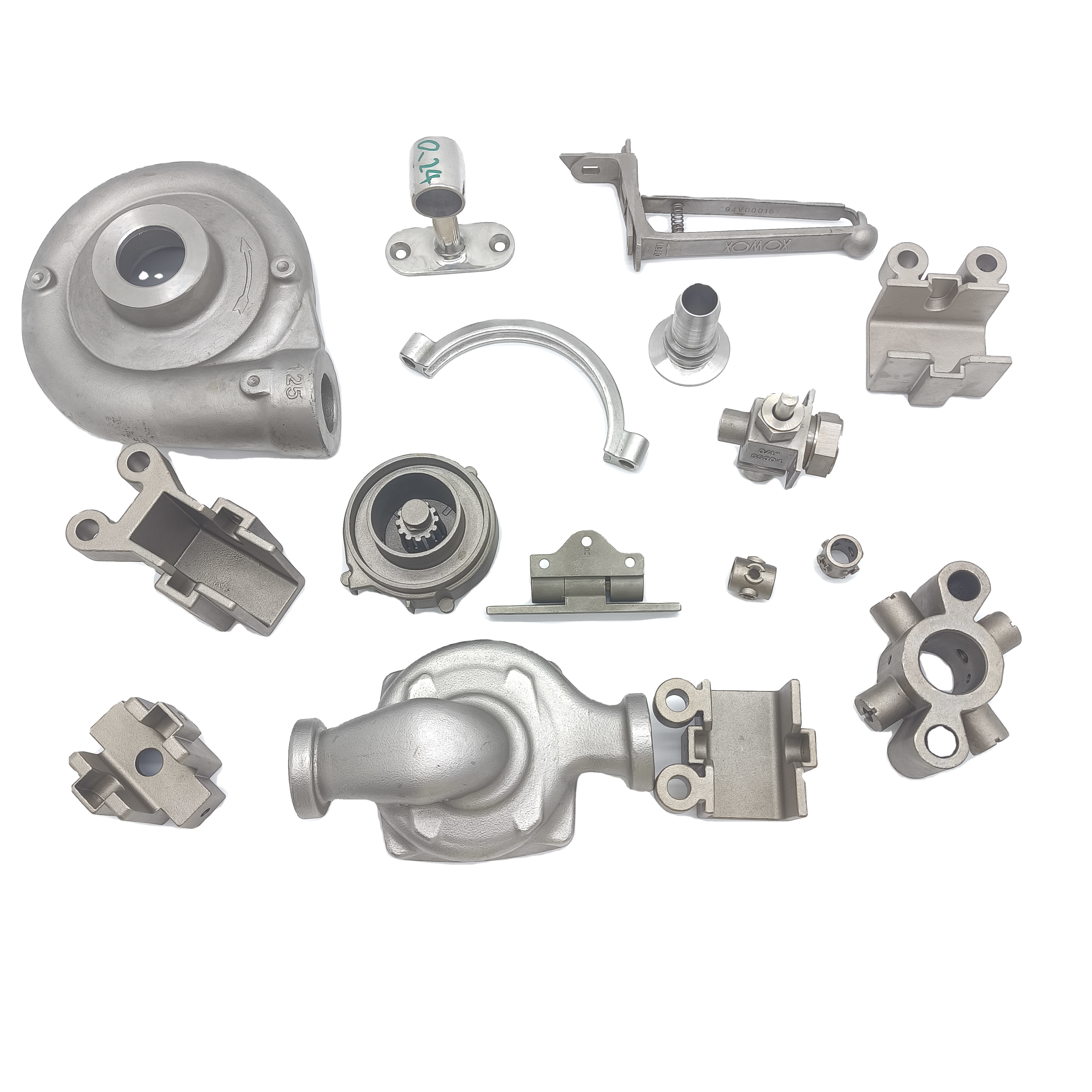
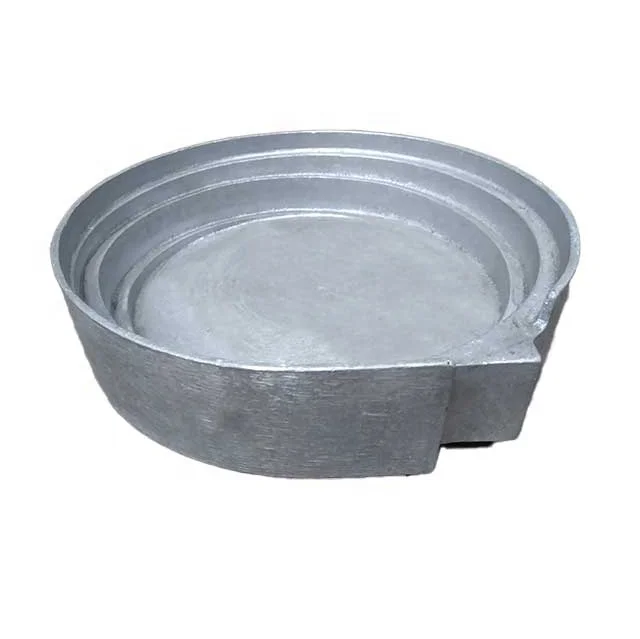
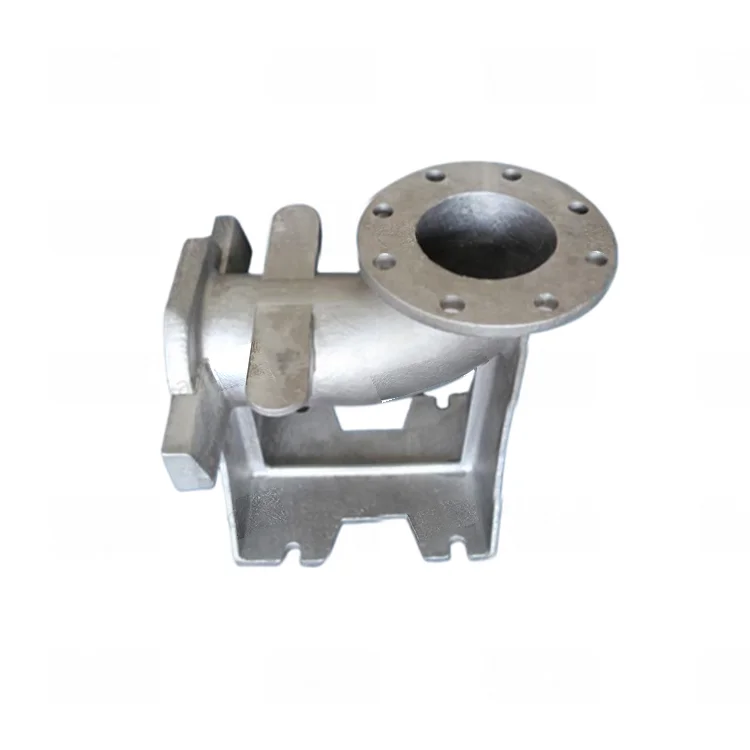
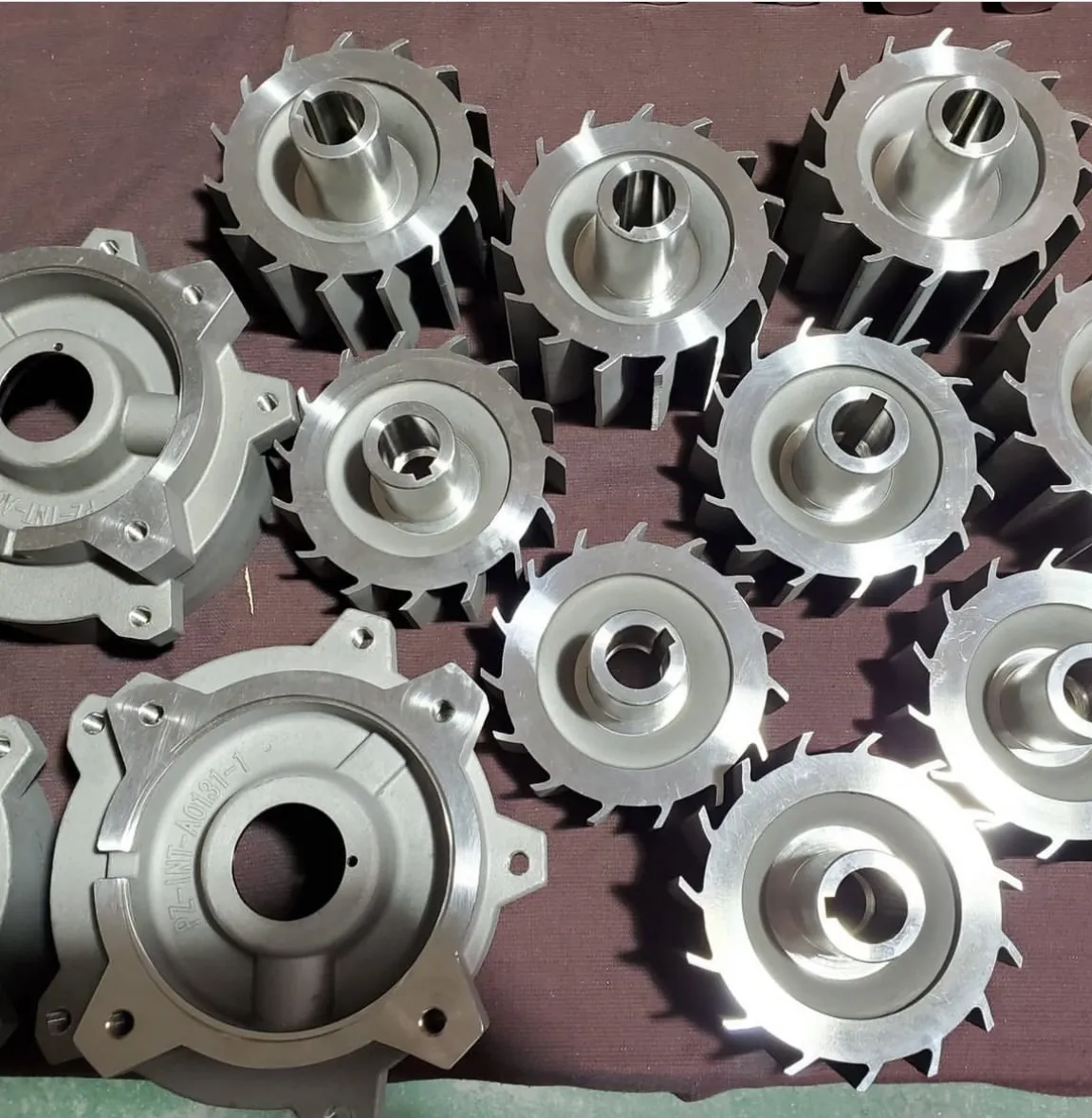
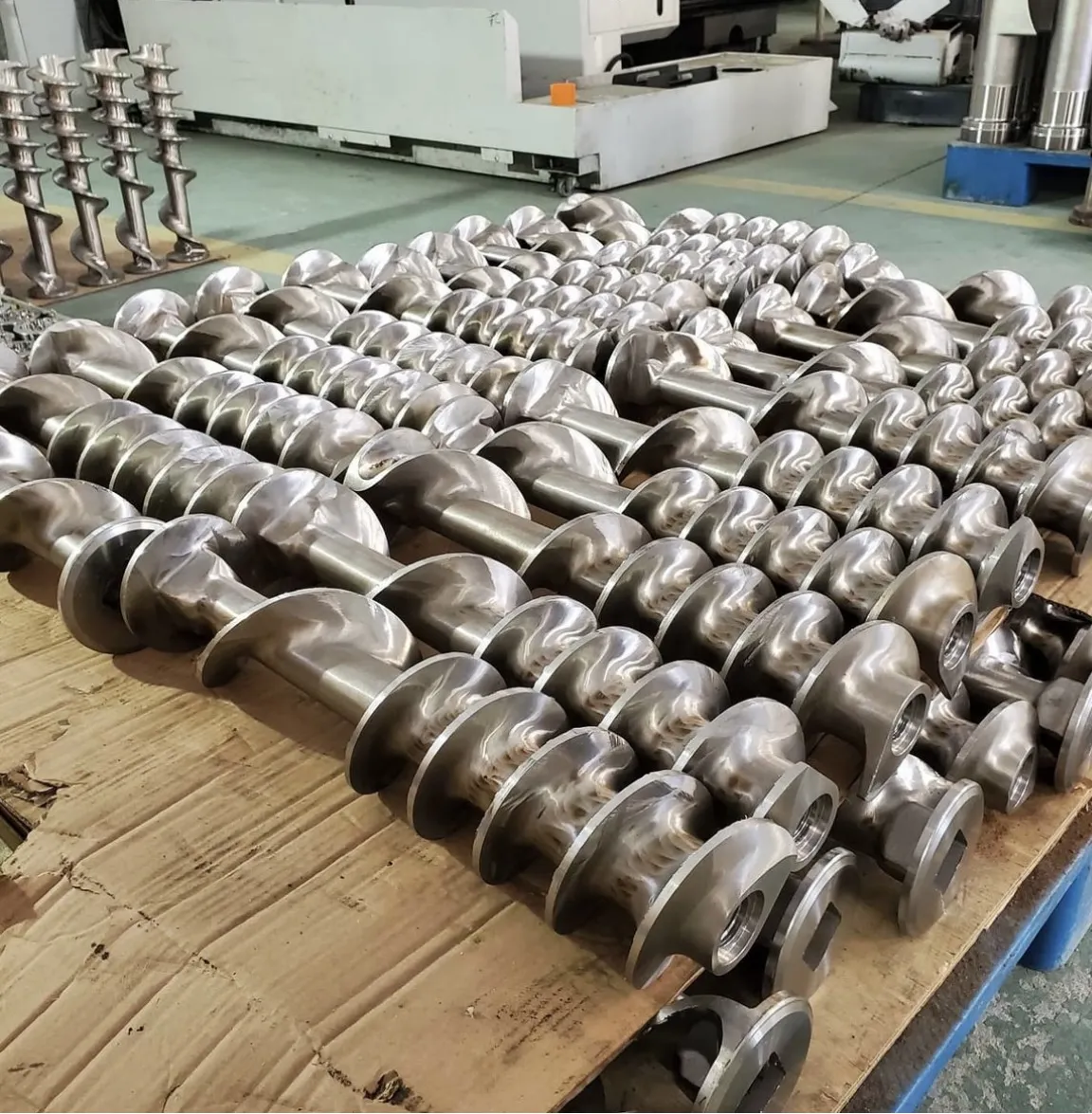
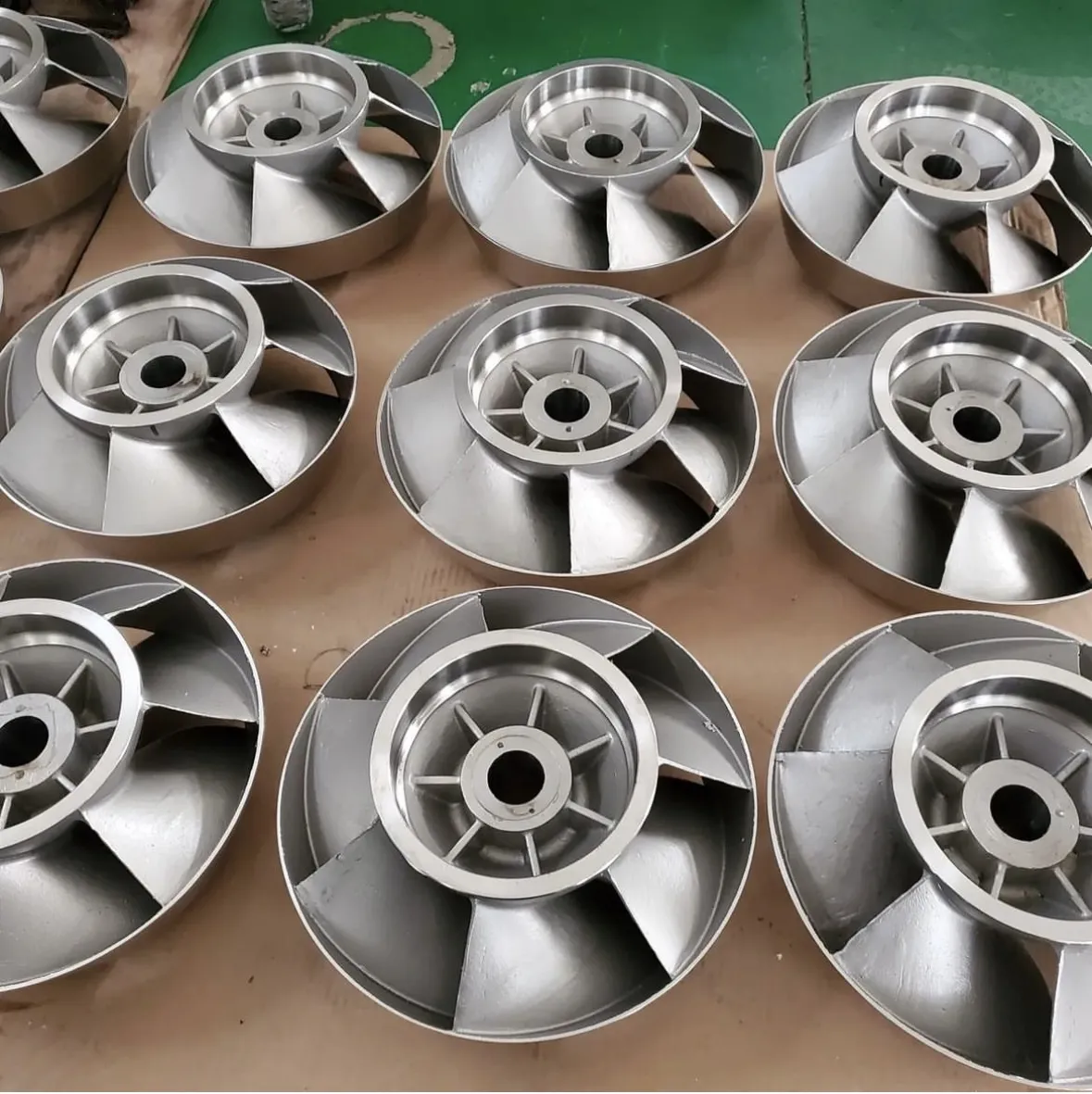
Custom aluminum parts can be requested through sand, gravity or die casting with CNC finishing and micro-machining. Stainless-, carbon- and alloy-steel components are selected independently with compatible routes. OEM/ODM supply should define the complete grade, incoming form and required condition for the actual item.
Choose the machining scope
Additional capability materials include brass, bronze, copper, hardened metals and precious metals. Services are broaching, drilling, etching/chemical machining, laser machining, milling, turning, wire EDM and rapid prototyping. Identify the selected operation and the geometry it must produce for that particular component.
Separate casting and final-interface acceptance
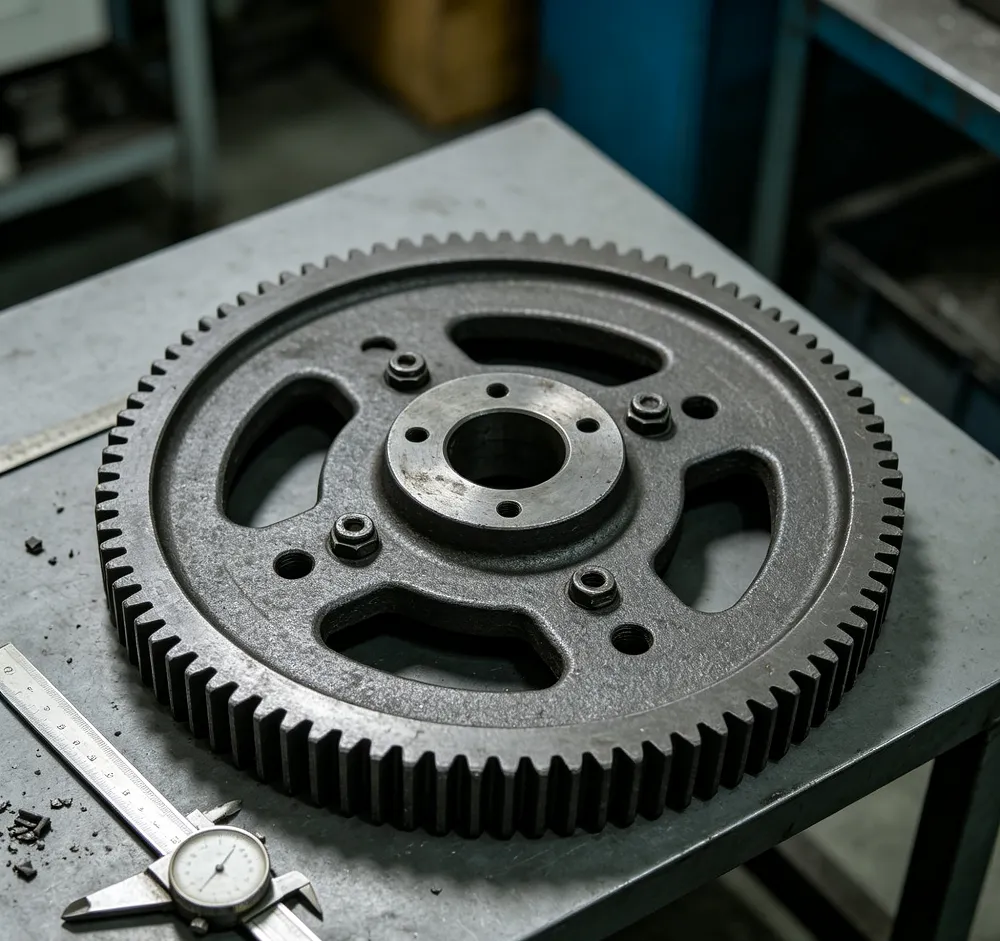
CT5–CT7 is the casting-tolerance reference. Define final machined dimensions independently on the drawing, with locating references and measurement conditions for the actual assembly fit. Satin, mirror and zinc-plated finishes require compatible substrates and specified appearance or contact results.
Scope standard and quality-document requests
Document families include GB, ASTM, AISI, DIN and BS. Establish complete requirements for the selected grade rather than assuming equivalence. An ISO9001:2018 request needs complete document identity and applicable scope clarified, with relevant CE or TUV records defined for the actual component or activity.
- The minimum-quantity reference is 1; agree the order unit.
- State the selected part’s quantity and controlling drawing revision.
- Identify material, dimensional and surface approval evidence.
- Retain accepted grade and CNC decisions within the supplied-item record.
Confirm further work against that approved geometry, finish and selected manufacturing route.