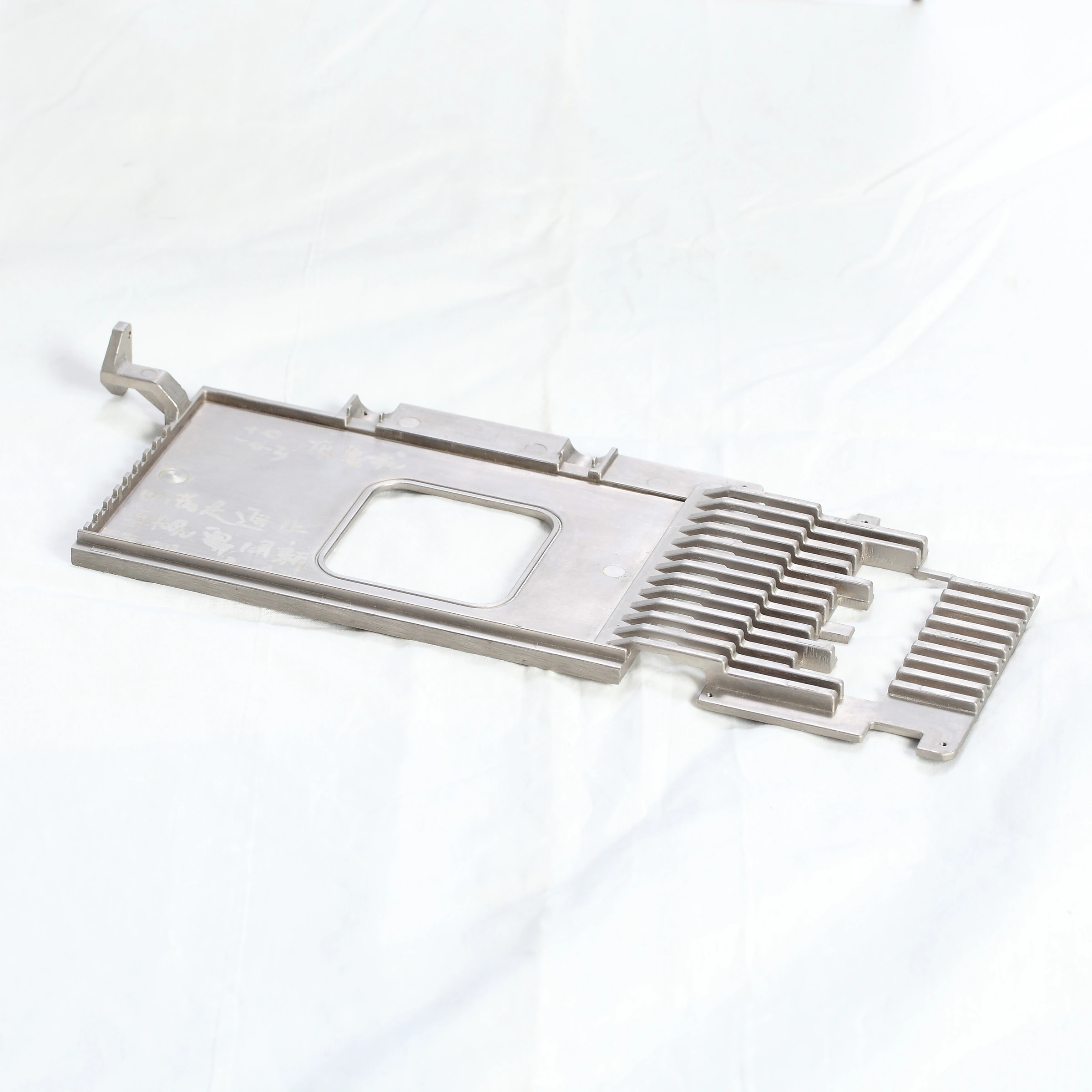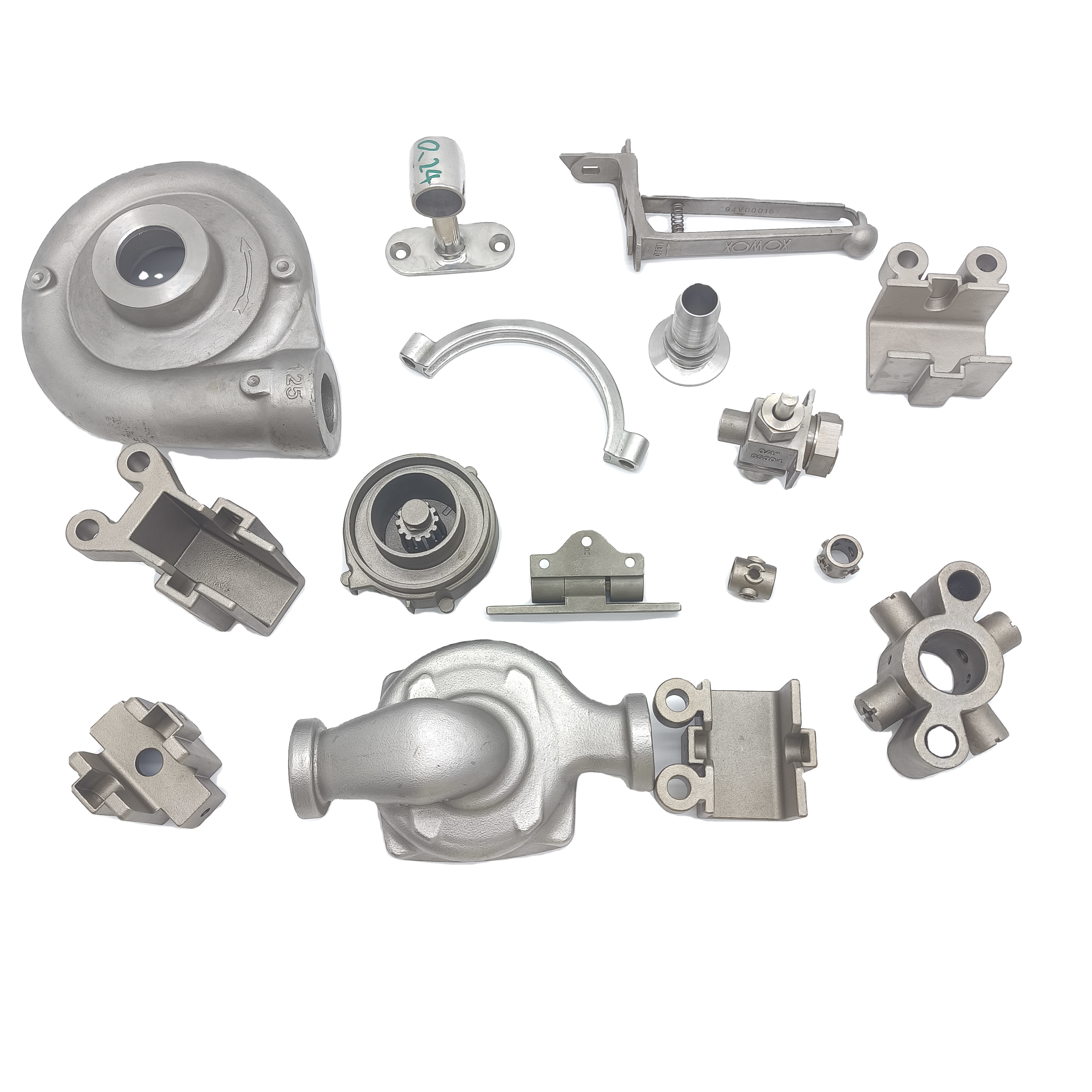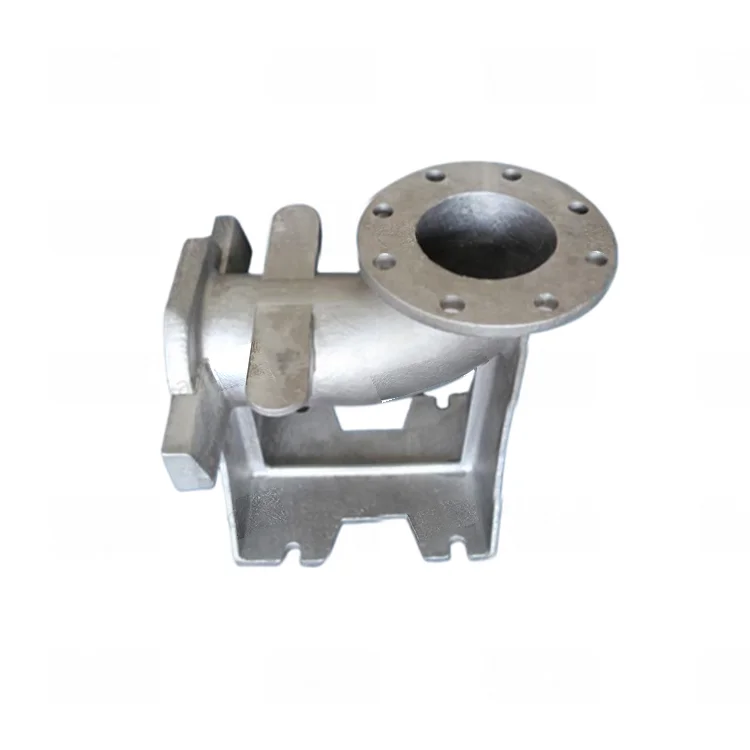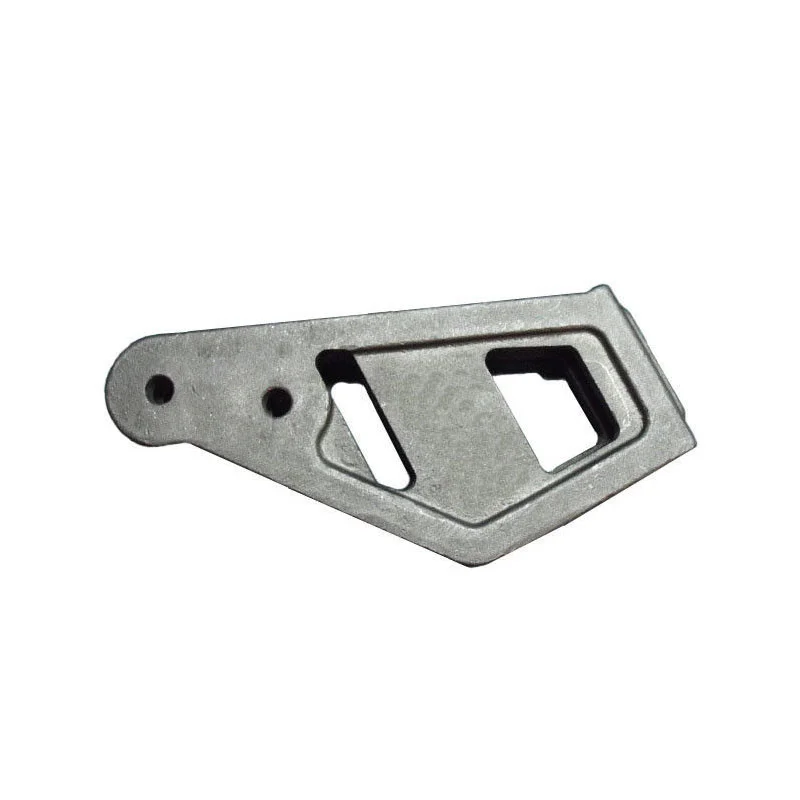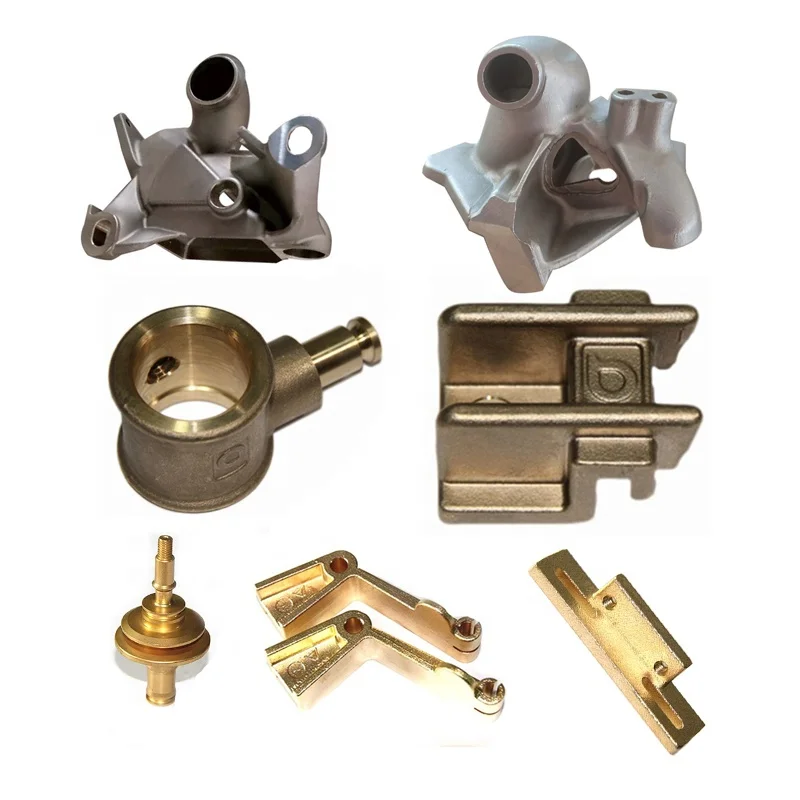
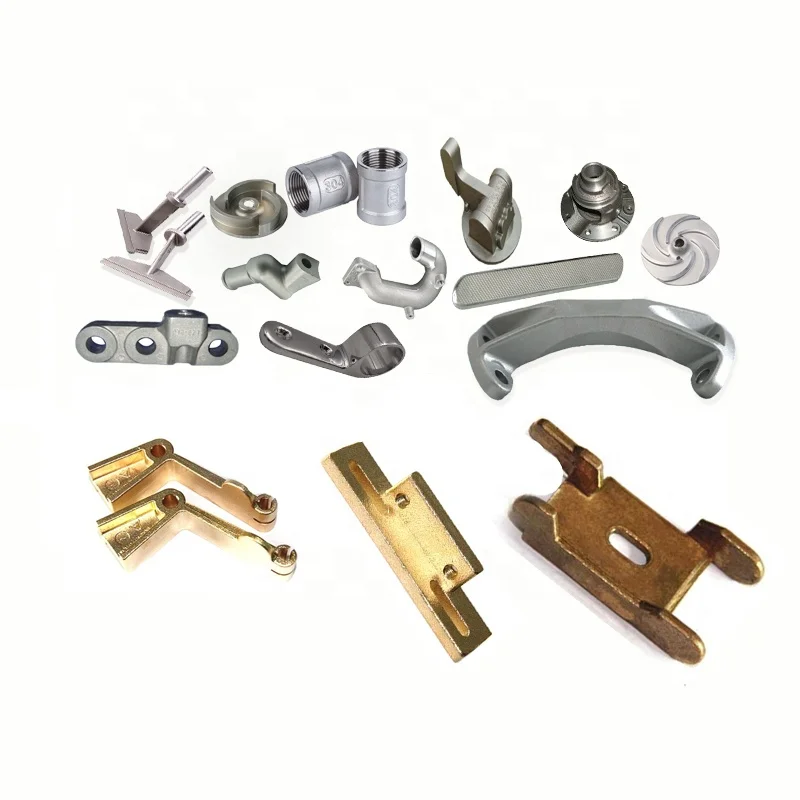
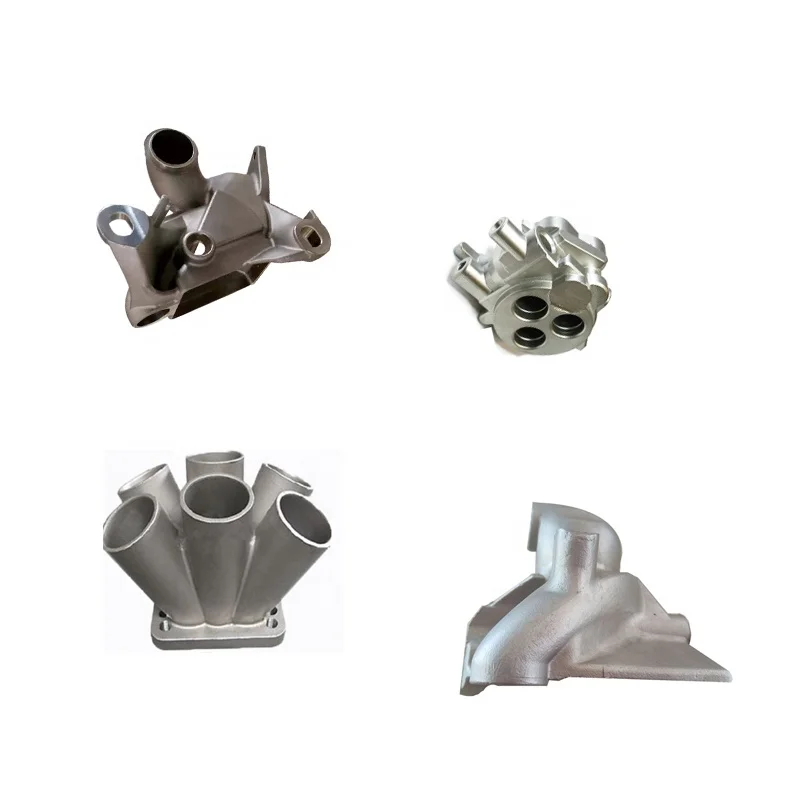
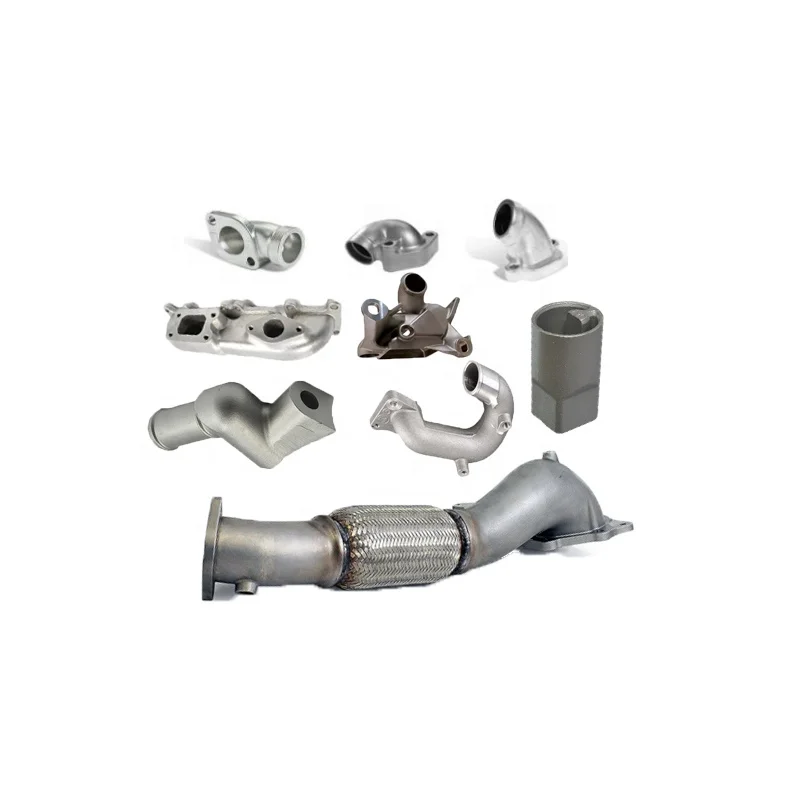
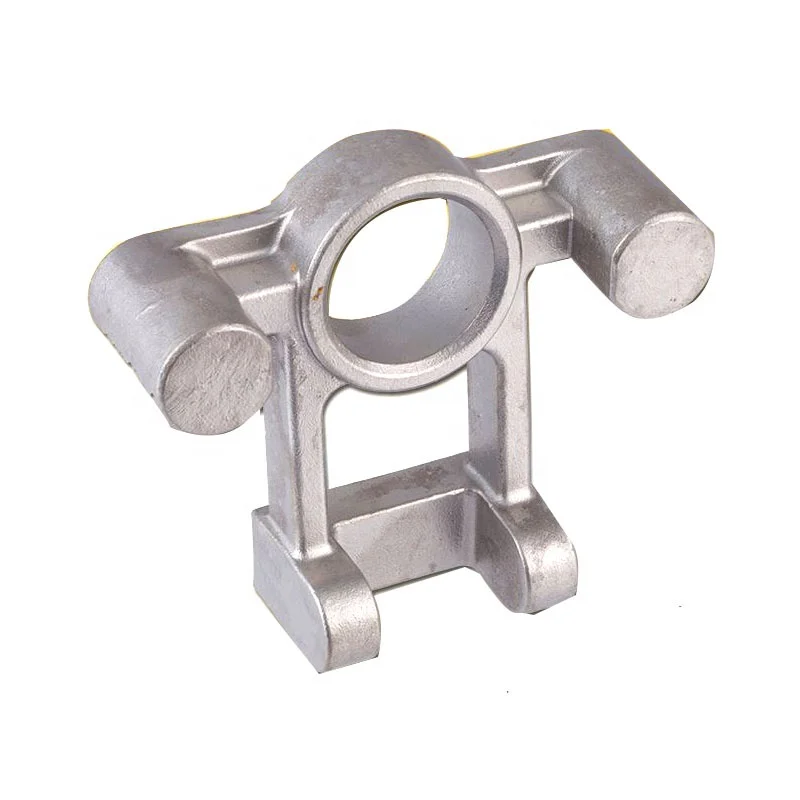
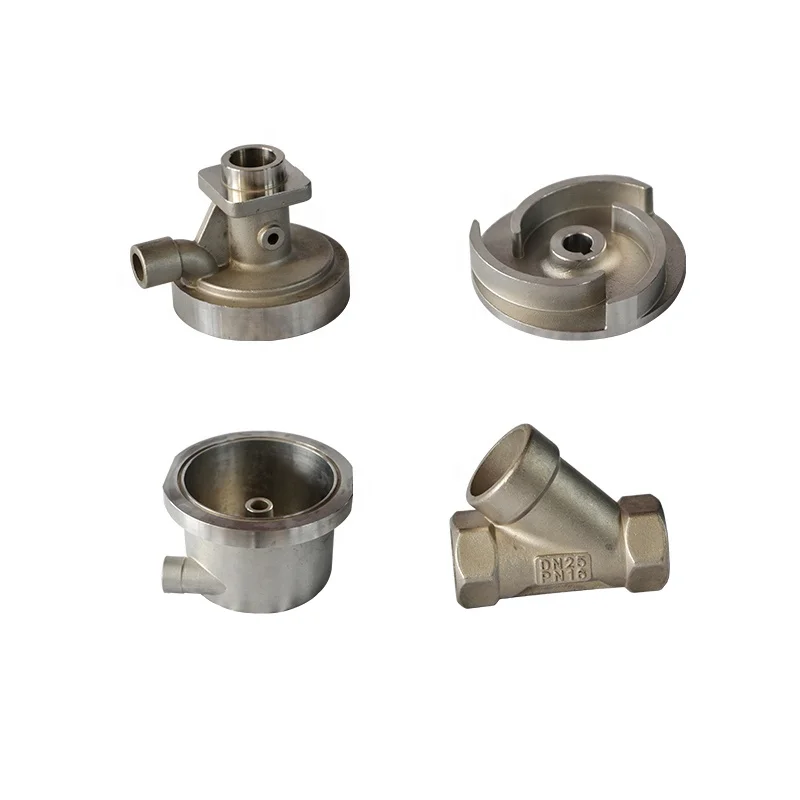
OEM ODM Custom Cast Iron Sand Castings with 1–440mm Size 0.01mm Machining and Ra1.6 Surface Requirement Enquiries
Direct factory support
Get a quote that fits your project
Send your drawing or product reference, material grade and required quantity. Relia will review the requirements with you.
- Drawing & specification review
Confirm the supply scope and critical requirements.
- Samples before custom production
Review inspected samples before approving a batch.
- Inspection documents
Agree material and dimensional records for your part.
-
ServiceODM/OEM
-
HistorySince1998,Own 600 emplyeesSize1-440mm
-
Machining ProcessYesSurface RoughnessRa1.6
-
Machining Precision0.01mmCertificationTUV ISO,SGS,OHSAS
-
Materialcast ironSurface treatmentPolishing,Plating,Picking,Heat Treatment,Galvanized,Chrome,ETC
-
Weight2g-35KG
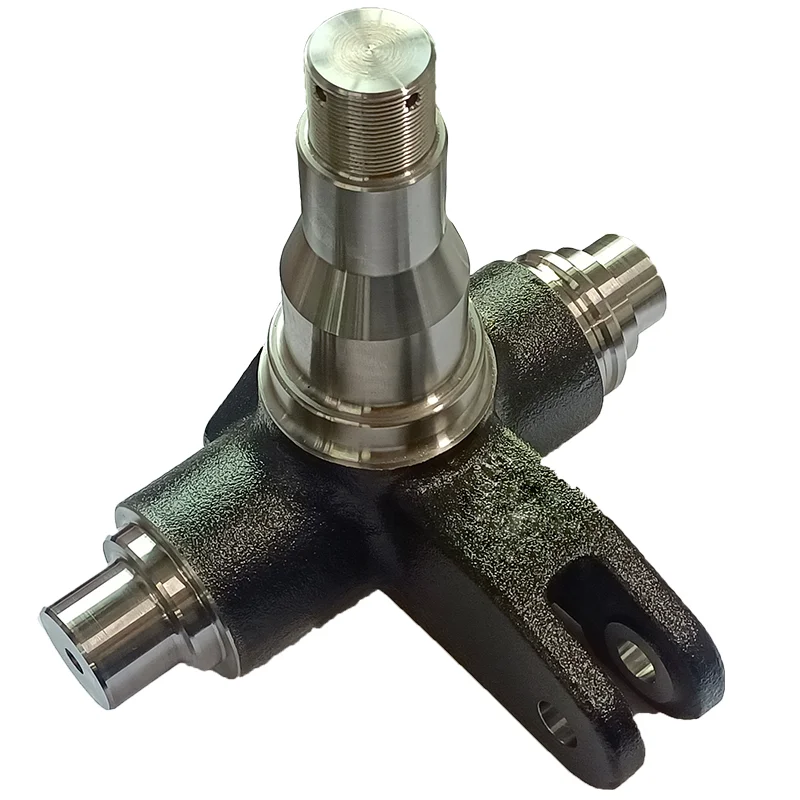
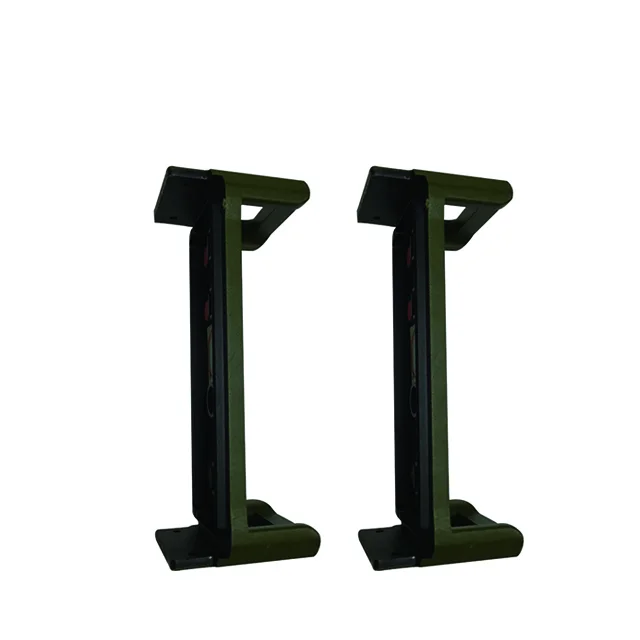
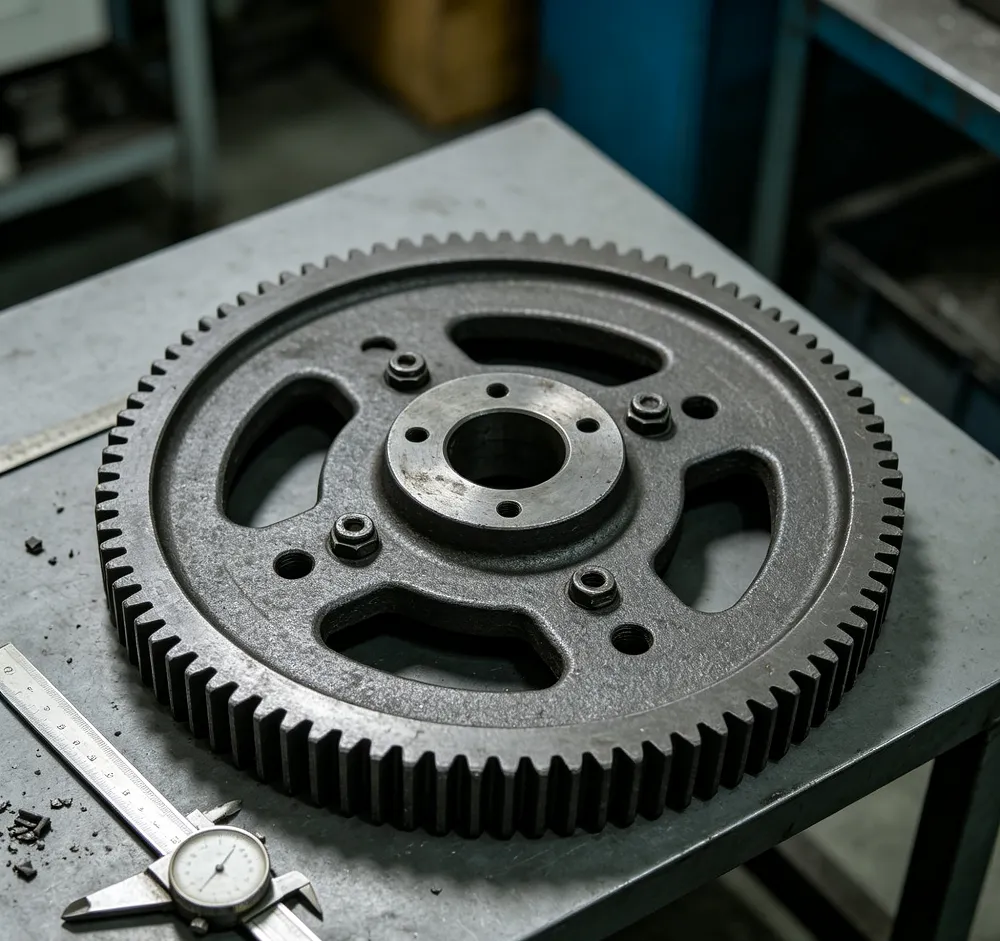
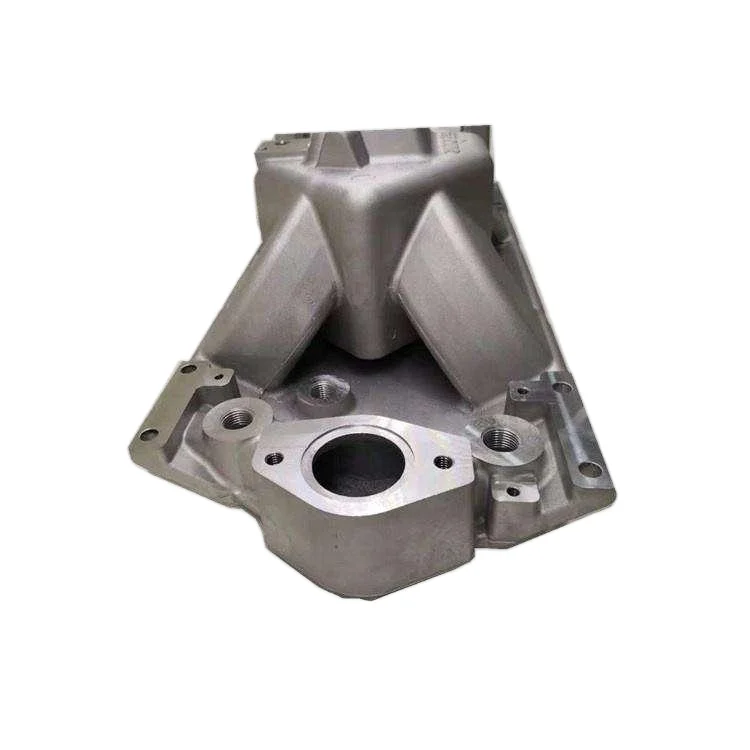
Custom cast-iron sand castings are offered with machining and selectable surface or heat-treatment requests. OEM/ODM size enquiries include a 1–440 mm reference. Identify the full grade, actual component drawing and required supplied condition for the selected part.
Define the dimensional and roughness basis
For the chosen casting, assign the 0.01 mm machining reference to controlled dimensions and an agreed convention. Surface roughness is referenced as Ra1.6; specify its unit, assessed areas and checking method. Identify the measurement stage and interfaces whose relationships establish assembly fit.
Choose the actual treatment for the iron and duty
Named requests include polishing, plating, heat treatment, galvanizing and chrome-related finishing. Define the required process, coverage and material condition. Mark working, contacting and visible areas, with masking and appearance criteria where the final surface affects use or installation.
Agree qualification and acceptance evidence
TUV, ISO, SGS and OHSAS are qualification or testing references. Request their actual document identity, object and applicable scope for the order. Specify the material, dimensional and surface records needed to approve the component in its required delivered state.
- Provide quantity and the controlling revision.
- Identify the actual dimension covered by the size reference.
- Explain the purpose of an initial component.
- Retain approved geometry and treatment changes with the drawing.
Keep production approval tied to the selected cast-iron part and final machining result.